True Food Kitchen Files Bankruptcy, Closes 12 Sites
True Food Kitchen filed for Chapter 11 bankruptcy, closing 12 locations and shrinking to 34 restaurants across 14 states amid $42.1 million in debt.
News
Oct 5, 2026
True Food Kitchen filed for Chapter 11 bankruptcy, closing 12 locations and shrinking to 34 restaurants across 14 states amid $42.1 million in debt.
Oct 5, 2026

Snooze Eatery names industry veteran Amy Hom as COO, starting Sept. 28, to strengthen hospitality and operations ahead of its next growth phase.
Oct 5, 2026
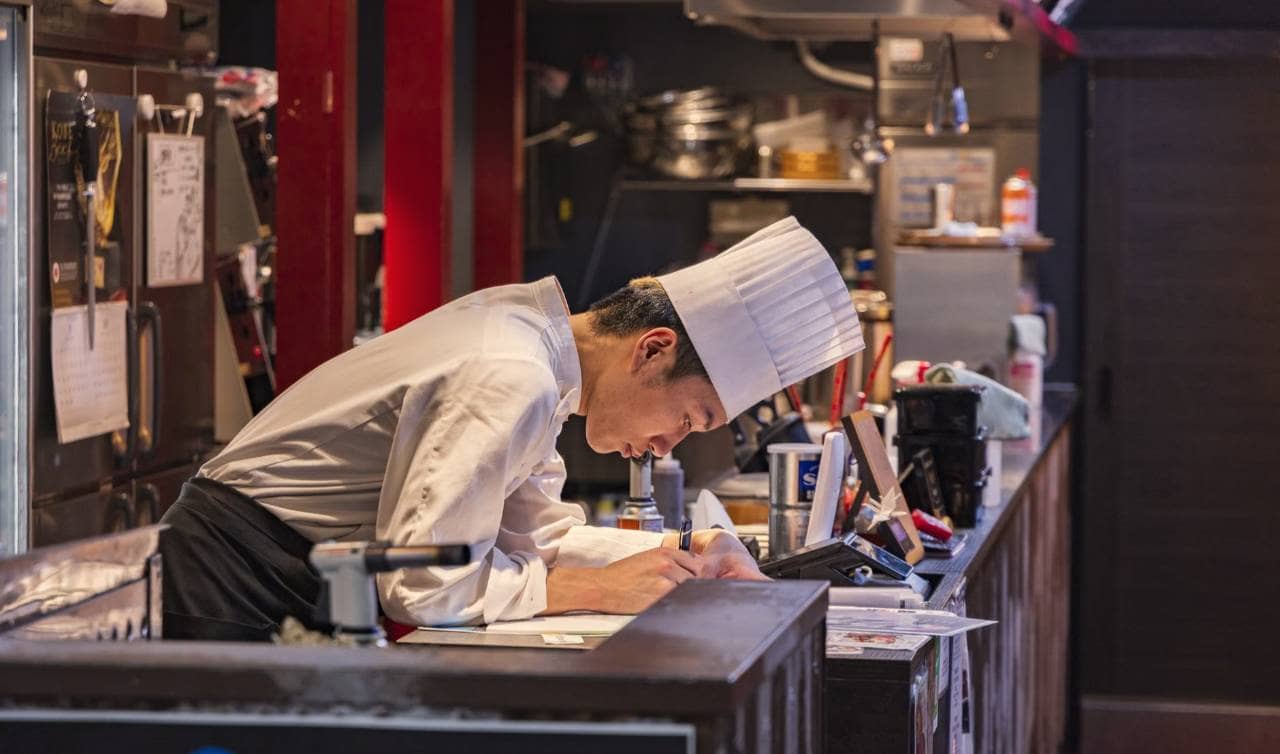
Restaurants can control operating costs by tracking food, labor, rent, utilities, technology, marketing, and other expenses against sales.
Oct 5, 2026

Opening a second restaurant location requires readiness, clear goals, financial planning, funding, smart strategy, standardized operations, strong teams, and careful launch monitoring for sustainable growth.
Sep 30, 2026

Evaluate restaurant industry performance in Q3 2026 through key trends affecting restaurant sales, traffic, consumer spending, labor, costs, and technology.
Oct 2, 2026

Improve restaurant visibility with local SEO by optimizing Google Business Profile, targeting local keywords, managing reviews, and maintaining accurate online information.
Oct 5, 2026
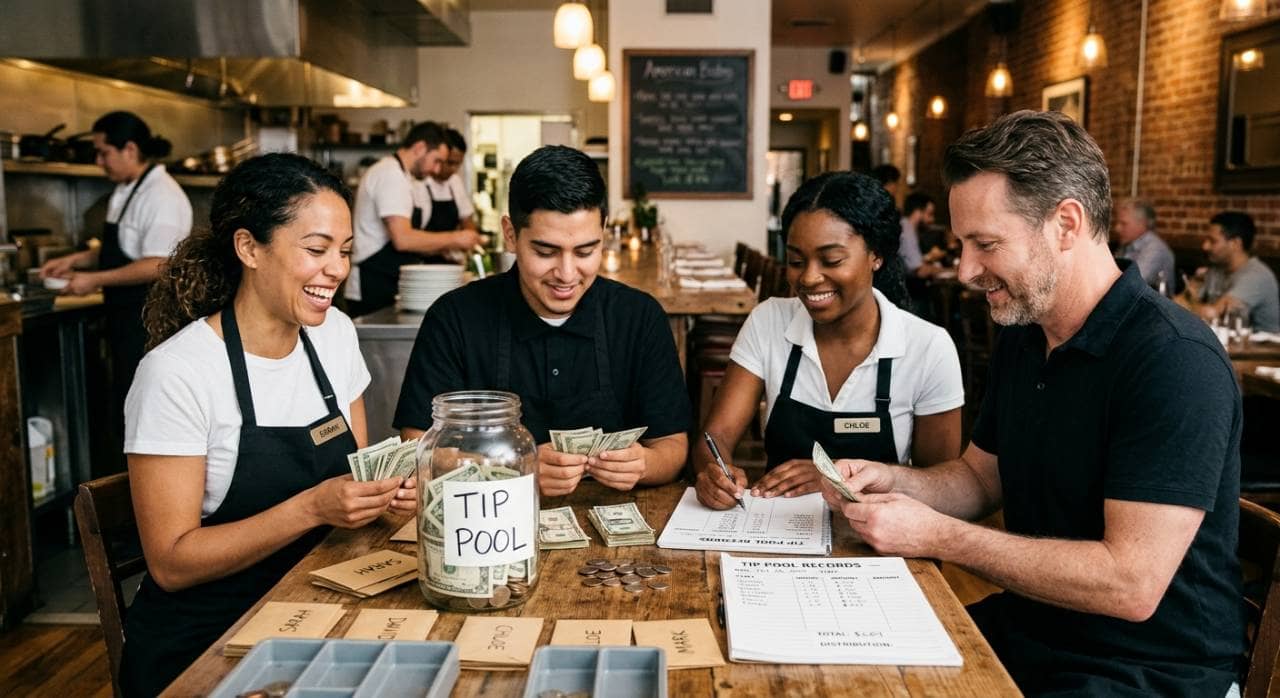
Understand tip pooling rules, employee eligibility, distribution methods, compliance requirements, recordkeeping practices, and policies restaurant owners need for proper tip management.
Oct 2, 2026

Whit's Frozen Custard hires industry veteran Amos Durbin as COO to guide franchise expansion, drawing on two decades of restaurant leadership experience.
Oct 2, 2026
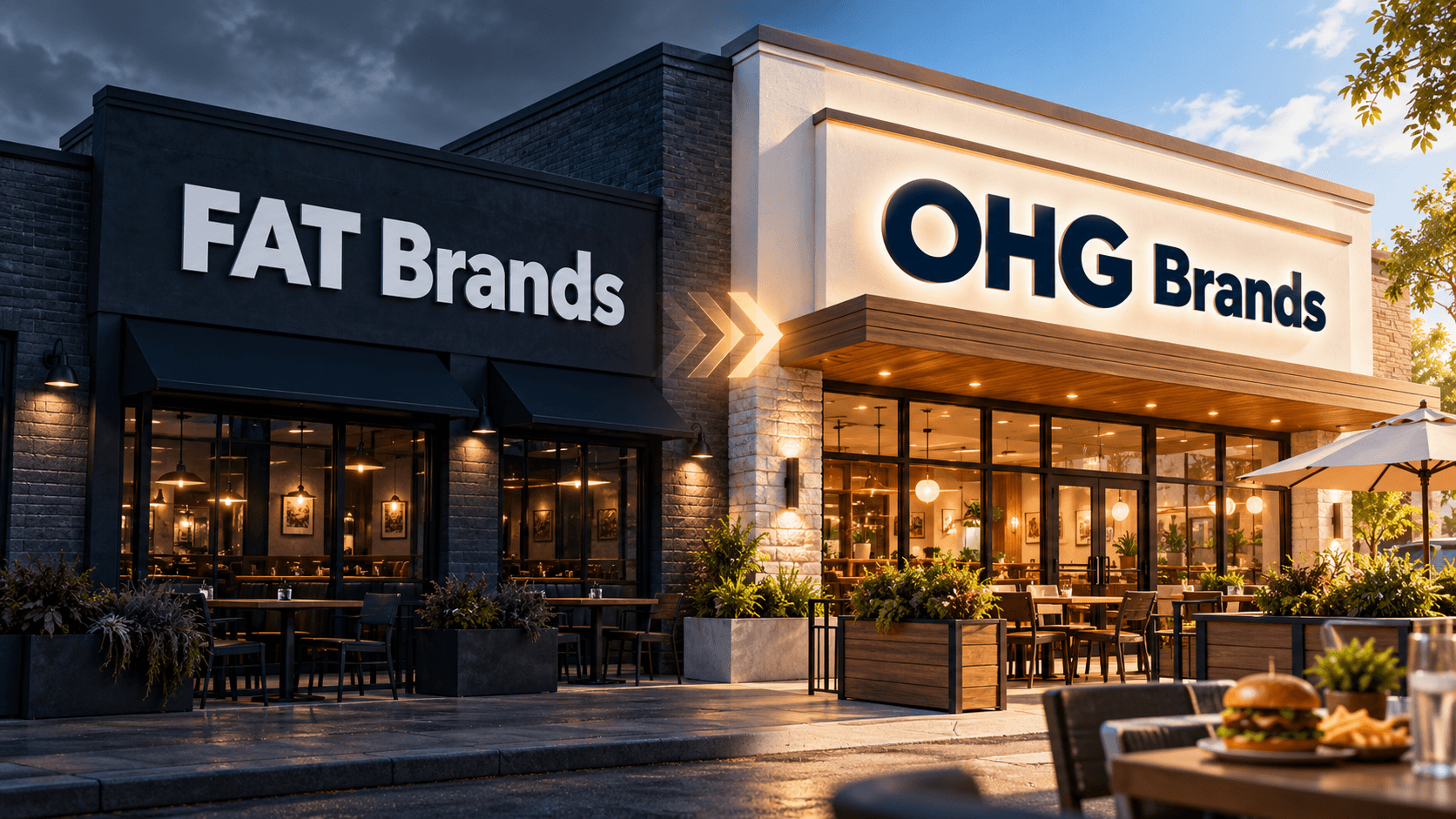
FAT Brands' $1B acquisition empire fell into bankruptcy and sold for $965M, re-emerging as OHG Brands with 1,700 restaurants.
Oct 1, 2026
CAVA names John Ludeke, former Dr. Squatch Chief Brand Officer, as its new CMO to drive national growth and guest loyalty.
Oct 1, 2026

Unlock Exclusive Access To Webinars, Events, And The Latest News For Free!
FAT Brands' $595M asset sale marks a seismic shift in the restaurant world. Discover what this landmark bankruptcy outcome means for owners, franchisees, and the future of franchised dining brands.

FAT Brands, once considered a powerhouse of restaurant consolidation, has officially closed an era of aggressive expansion with a headline-making $595 million asset sale. The landmark deal transfers 13 well-known brands - including Fatburger, Johnny Rockets, Round Table Pizza, Great American Cookies, and Marble Slab Creamery - along with over 1,700 global locations, to a lender-backed owner group. For operators, franchisees, and managers, this sets a crucial precedent for the future of multi-brand restaurant groups and signals a new chapter of financial caution across the entire industry.
This sale comes after years of breakneck acquisitions, with FAT Brands at one point owning over 2,200 restaurants worldwide. Their rapid growth depended heavily on securitized debt - amassing $1.5 billion in obligations - before market realities triggered a dramatic bankruptcy. Following a tense Chapter 11 court battle that ended with a full restructuring, major leadership changes, and the departure of CEO Andy Wiederhorn, lenders now control the brand stable. With more than 175 potential buyers approached in a court-supervised auction, it was ultimately the creditors who stepped up, demonstrating the risks - and limits - of highly leveraged rollup strategies.
What does this mean for everyday restaurant operators? Stability and brand direction could shift as lender-backed groups retool business models, marketing strategies, or terms for existing franchisees. The asset sale included franchise staples like Fazoli’s, Pretzelmaker, and Bonanza Steakhouses, as well as supporting facilities - signaling that even legacy concepts are not immune to radical corporate shakeups. Several smaller brands, including Hot Dog on a Stick and Elevation Burger, were sold off to new franchise-focused owners, illustrating both risk and opportunity on the horizon.
The restructuring also spotlights franchise vulnerability and resilience, as seen with Twin Peaks and Smokey Bones. Twin Peaks, a high-performing sports lodge concept, fetched $359.5 million in a separate sale to a franchisee-led group and is now positioned for independent growth. Meanwhile, Smokey Bones was unable to attract buyers and shuttered completely, with some sites transitioning to new concepts - a sobering reminder of how quickly fortunes can change in restaurant franchising.
For restaurant owners and managers, the FAT Brands saga underscores the need for careful debt management, transparent growth strategies, and regular review of franchise agreements. Whether you’re part of an expansive group or operating a standalone concept, market turbulence highlights the importance of proactive planning and due diligence - especially in times of industry volatility.
The FAT Brands shakeup will be watched closely as lenders take the reins and reposition over a dozen established brands. For industry leaders, this moment is both a warning and a springboard - offering fresh reminders to innovate, scrutinize growth, and keep business foundations solid as franchising continues to evolve.