Restaurant Operating Procedures Checklist
Clear operating procedures help restaurants manage opening, closing, food preparation, sanitation, guest service, inventory, staffing, and routine operational reviews effectively.
Aug 21, 2026
Clear operating procedures help restaurants manage opening, closing, food preparation, sanitation, guest service, inventory, staffing, and routine operational reviews effectively.
Aug 21, 2026
Learn how to build a restaurant back office software stack that improves efficiency, integrations, reporting, cost control, and scalability overall.
Aug 21, 2026
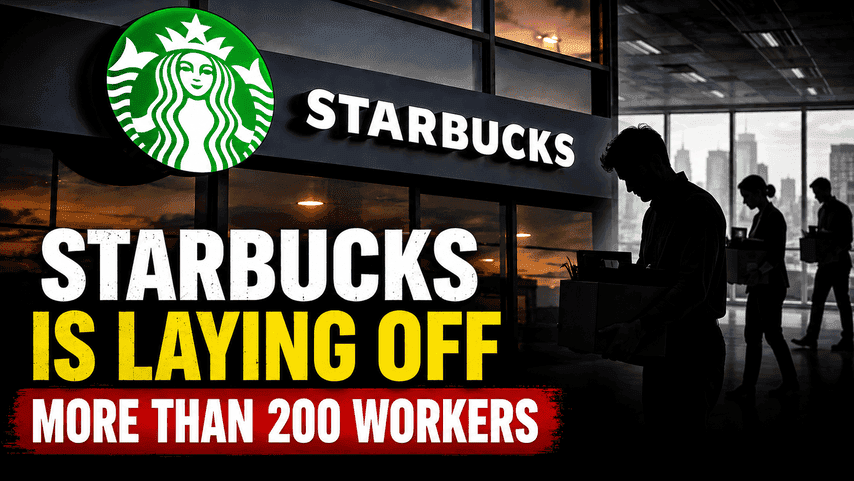
Starbucks is making strategic staffing changes, laying off 200+ workers as it restructures operations and prepares for future growth in southern and eastern regions.
Aug 21, 2026
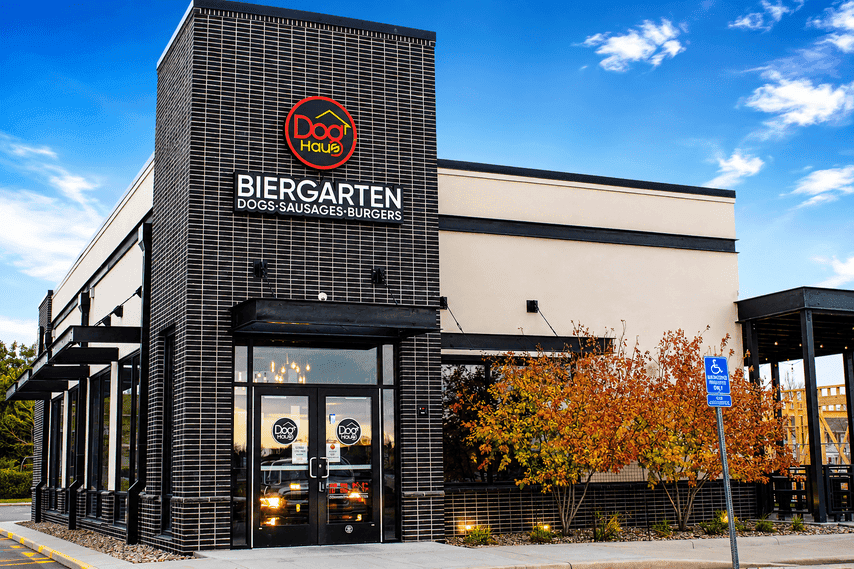
Dog Haus appoints James Field as chief marketing officer and promotes CJ Ramirez to chief experience officer, setting the stage for innovative brand growth and franchisee success in the national restaurant scene.
Aug 21, 2026
Learn how to open a restaurant with no experience by planning your concept, budget, location, team, operations, and successful launch.
Aug 19, 2026
Payroll advances help restaurant owners give hourly employees earlier access to earned wages while maintaining accurate records, policies, and compliance.
Aug 19, 2026
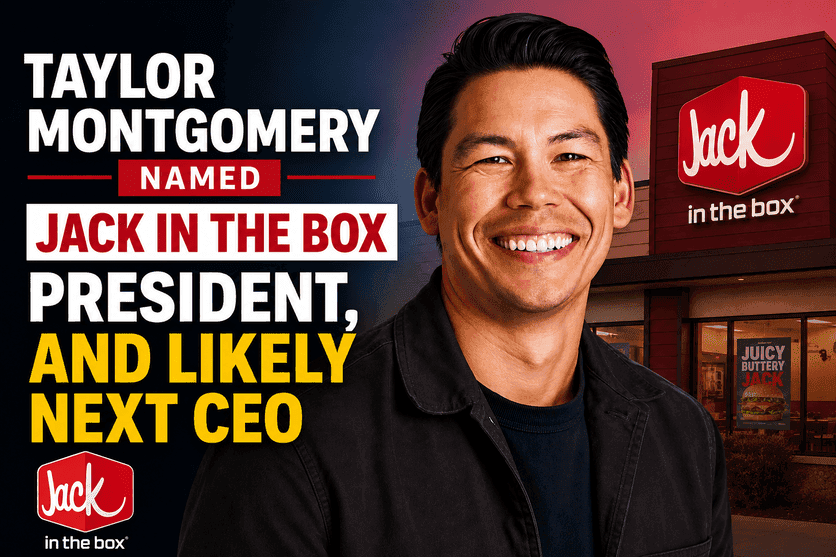
Taco Bell’s Taylor Montgomery has been appointed as President of Jack in the Box, positioning him to take over as CEO within a year - signaling major shifts for the QSR brand's future.
Aug 20, 2026
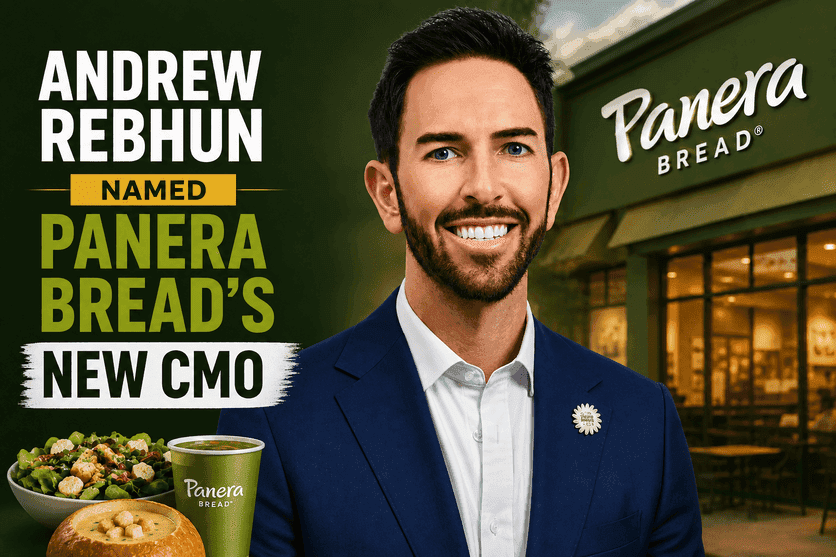
Panera Bread welcomes Andrew Rebhun as Chief Marketing Officer, succeeding Mark Shambura. Learn about his background at CAVA, El Pollo Loco, and McDonald's.
Aug 20, 2026
Explore the main types of ordering technology restaurants use to improve accuracy, speed, payments, customer convenience, and operational efficiency daily.
Aug 17, 2026
Learn the eight essential steps of the restaurant payroll process, from tracking hours and calculating wages to payments and recordkeeping.
Aug 17, 2026
Unlock Exclusive Access To Webinars, Events, And The Latest News For Free!
Every year, more than 1.3 billion tons of food is wasted by consumers and the food industry. This means that 1/6 of all food produced for human consumption never makes it to a consumer's plate. As the world population increases, food scarcity is becoming more and more common as well. So how can we eliminate this waste? Here are some ideas for how to reduce your own contribution to food waste as well as how to fight against it on a global scale.

There are many causes of food waste. One of the most common is over-ordering, which happens when restaurants or other establishments over-produce and end up throwing away the excess. It's important for businesses to be mindful about how much food they order so that they don't end up wasting it. Another way that businesses contribute to food waste is by ordering more than what their customers can finish in one sitting. This often happens when you order an appetizer, like a bowl of soup, but only want a small amount - but there's no option for ordering less than what's recommended.
No matter how much you try to be conscious about your food consumption, there are always some sources of food waste. The first and most important step is to identify the sources of your food waste. Once you know where it comes from, you can take steps to eliminate that specific source.
to Fight Food Waste In 2015, the United Nations General Assembly committed to the Sustainable Development Goals (SDGs) for the year 2030. One of those goals is to reduce food waste by 50 percent by 2030. Although that goal is a long way away, there are some steps you can take today to start reducing your contribution to food waste.
The world wastes 1.3 billion tonnes of food a year. This means that, on average, each person in the world throws away a quarter of their food. This volume of waste is not only morally wrong, but it also has a huge environmental impact. The amount of energy, water and land used to produce this food is all wasted. Can you imagine all the hungry people in the world who could be fed if we didn't waste so much food? The good news is that there are things we can all do to help. And the first step is to understand how and why food gets wasted in the first place.