
How to Build Your Restaurant Back Office Software Stack
Learn how to build a restaurant back office software stack that improves efficiency, integrations, reporting, cost control, and scalability overall.
Back Office
Aug 21, 2026
Learn how to build a restaurant back office software stack that improves efficiency, integrations, reporting, cost control, and scalability overall.
Aug 21, 2026

Clear operating procedures help restaurants manage opening, closing, food preparation, sanitation, guest service, inventory, staffing, and routine operational reviews effectively.
Aug 21, 2026
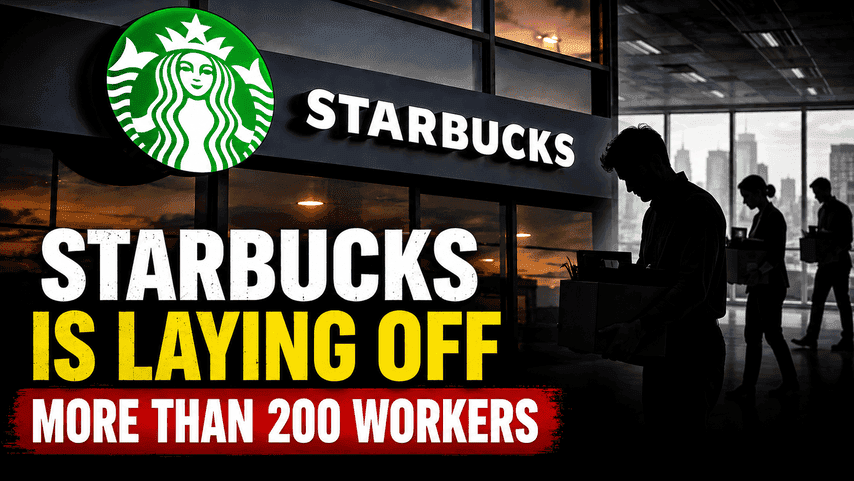
Starbucks is making strategic staffing changes, laying off 200+ workers as it restructures operations and prepares for future growth in southern and eastern regions.
Aug 21, 2026
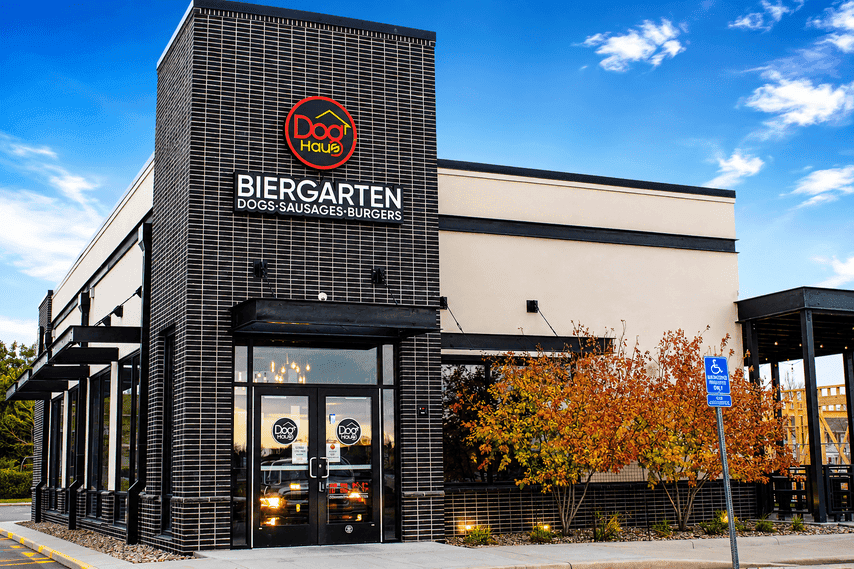
Dog Haus appoints James Field as chief marketing officer and promotes CJ Ramirez to chief experience officer, setting the stage for innovative brand growth and franchisee success in the national restaurant scene.
Aug 21, 2026
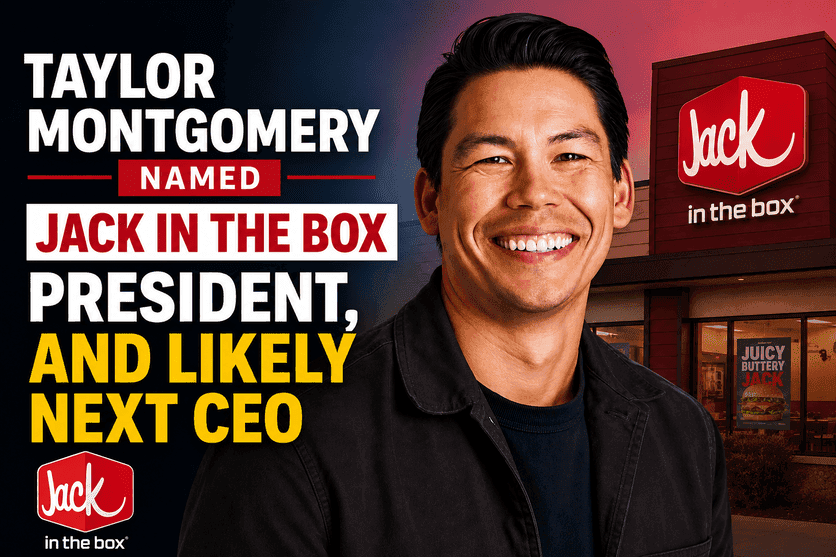
Taco Bell’s Taylor Montgomery has been appointed as President of Jack in the Box, positioning him to take over as CEO within a year - signaling major shifts for the QSR brand's future.
Aug 20, 2026

Payroll advances help restaurant owners give hourly employees earlier access to earned wages while maintaining accurate records, policies, and compliance.
Aug 19, 2026
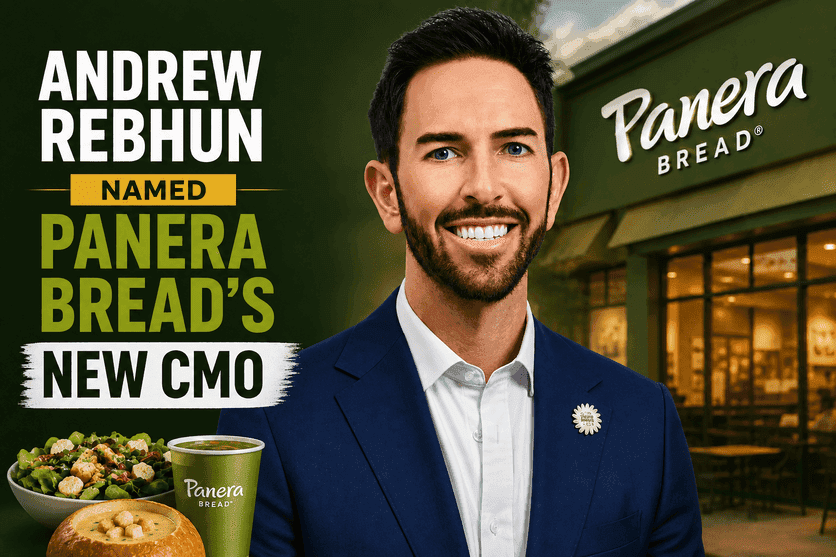
Panera Bread welcomes Andrew Rebhun as Chief Marketing Officer, succeeding Mark Shambura. Learn about his background at CAVA, El Pollo Loco, and McDonald's.
Aug 20, 2026

Learn how to open a restaurant with no experience by planning your concept, budget, location, team, operations, and successful launch.
Aug 19, 2026

Explore the main types of ordering technology restaurants use to improve accuracy, speed, payments, customer convenience, and operational efficiency daily.
Aug 17, 2026

Learn the eight essential steps of the restaurant payroll process, from tracking hours and calculating wages to payments and recordkeeping.
Aug 17, 2026

Unlock Exclusive Access To Webinars, Events, And The Latest News For Free!
M&M Custard files for Chapter 11 with $27.7–$28M in liabilities after a troubled Chicago expansion, as Freddy’s corporate emphasizes continuity and wider system growth.
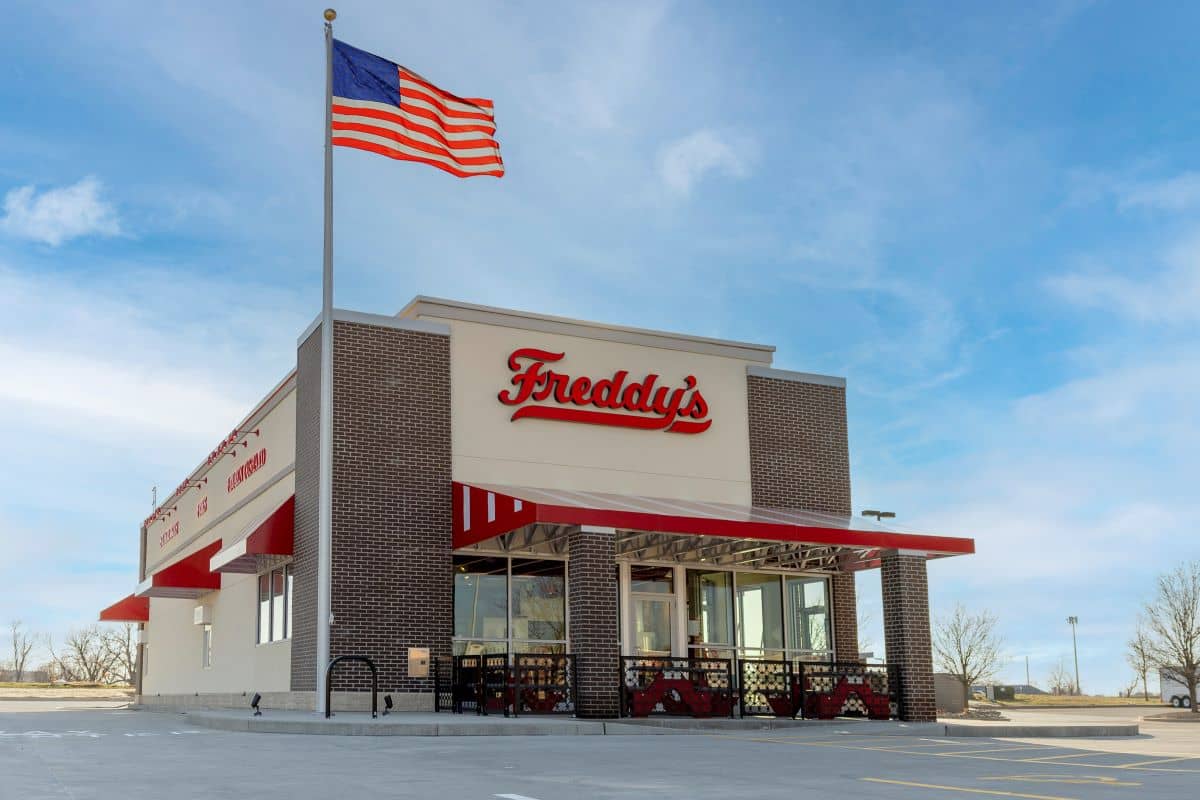
In the austere light of a courthouse docket, one of Freddy’s Frozen Custard & Steakburgers’ largest franchisees has sought shelter. M&M Custard filed for Chapter 11 bankruptcy protection on November 14, 2025, in the U.S. Bankruptcy Court for the District of Kansas, disclosing approximately $5.2 million in assets against $27.7–$28 million in liabilities spread across more than 100 creditors. The operator’s rapid ascent, from founding in 2010 under Eric Cole to a multi-state footprint, met its limit where the lake winds whip: Chicago. In court papers, a three-year push into that market yielded “negative EBITDA” and was branded a “toxic asset,” a bitter note that overwhelmed the rest of the dish. Freddy’s corporate, keen to preserve the dining-room calm while the kitchen retools, has emphasized this is an operator-specific crisis. The brand pledged engagement to ensure “little to no interruption” to restaurant operations during M&M Custard’s restructuring. The message is clear: service continues, even as the back-of-house tackles a complex reduction. Analysis: The filing anchors the financial reality, heavy liabilities tied to a failed market experiment, while the franchisor’s continuity pledge seeks to steady guests, employees, and stakeholders.
M&M Custard’s story began with a single restaurant in Jefferson City, Missouri, in 2012 and unfolded into an ambitious expansion, 42 units across Missouri, Kansas, Illinois, Indiana, Kentucky, and Tennessee by early 2024. The inflection point arrived in 2021, when the franchisor encouraged a bold entrée into Chicago. The franchisee acquired six underperforming corporate-owned stores for about $1 million, secured exclusive development rights for the region, and launched four standout locations to drive awareness. The mise en place looked efficient on paper: modest acquisition cost, prime territory, and a plan to season brand presence with fresh openings. Yet the recipe did not achieve balance. Over the ensuing three years, the Chicago portfolio failed to generate sustainable traction, the unit economics stubbornly refusing to emulsify. The filing’s own descriptors, “negative EBITDA,” “toxic asset”, read like tasting notes of a dish whose bitterness refuses to be masked by sweetness. Analysis: The expansion logic, low entry price plus exclusive rights, proved insufficient against local realities, turning an aspirational move into a structural drag on the broader enterprise.
By 2024, the operator plated its business into two distinct courses. The “legacy” division, 31 profitable, well-established restaurants, generated over $48 million in revenue. The other course, Chicago, remained stubbornly undercooked, resisting every attempt at refinement. As results failed to thicken, the company executed a decisive reduction: all 11 Chicago locations shuttered by October 2025, paring the total unit count from 42 to 31. The Chapter 11 petition frames this excision as the path back to flavor and form. Stripping away the Chicago drag, the operator argues, should allow a reorganization centered on stabilizing the profitable core, with restaurants remaining open throughout the process. It is a classic kitchen reset: trim the mise en place, focus on the reliable components, and rebuild the menu with restraint. Analysis: Segmenting the business and exiting a non-viable market signal a targeted plan to protect cash flow and prepare a slimmer, more durable post-petition footprint.
Zoom out, and the broader Freddy’s tableau suggests a brand with momentum even as one operator retreats. As of 2024, the system counted approximately 550–560 locations across the U.S. and Canada, generating roughly $988 million in systemwide sales, a 6.8% year-over-year increase. The corporate drumbeat did not soften in 2025: plans called for “about 70” new franchised U.S. openings, international growth was inaugurated with the first Canadian restaurant in Winnipeg in June, and the chain marked its 400th U.S. location in Overland Park, Kansas. Ownership also shifted in mid‑2025, with “ownership transitioned from Thompson Street Capital Partners to the Rhône Group” via a transaction valued at “around $700 million,” completed in “September 2025.” While M&M Custard’s final Chicago closure arrived in late October, Freddy’s was simultaneously forging marketing partnerships with college athletes across multiple states, a light dusting of brand awareness in new and existing markets. The counterpoint is unmistakable: turbulence in one pan, a steady simmer across the stove. Analysis: System-level expansion, a substantial ownership transaction, and international entry indicate resilience, underscoring why corporate frames M&M Custard’s filing as localized rather than systemic.
The Chicago stumble did not occur in a vacuum. Across 2025, multi-unit operators have wrestled with rising food and labor costs, traffic softness, inflationary stress, and regulatory complexities. In this climate, other franchise groups have also sought court protection: a 57‑unit Burger King operator filed in April citing dwindling post‑pandemic revenue, while Matadoor Restaurant Group, a 22‑unit Del Taco franchisee, declared bankruptcy in July. Analysts note that cost erosion at the unit level can devastate margin-sensitive franchisees, especially those carrying overhead from fast expansion and dispersed geographies. For M&M Custard’s Chicago stores, regional policy added weight to the scale. Regulatory and tax burdens specific to Illinois compounded the viability problems, nudging already-thin margins toward the red. When franchisees overextend into volatile markets, the reverberations are rarely contained, creditors, landlords, vendors, and employees feel the tremor, prompting franchisors to manage restructurings with care to protect systemwide reputation and performance. Analysis: Macro inflation and regional policy headwinds set a difficult backdrop; overextension magnified exposure, aligning neatly with the Chicago outcome described in the filings.
The arithmetic of the case is unambiguous. The Chapter 11 petition arrived on November 14, 2025, in the District of Kansas, with approximately $5.2 million in assets stacked against $27.7–$28 million in liabilities owed to more than 100 creditors. Operationally, the arc is equally crisp: founded in 2010 by Eric Cole; first unit opened in 2012; an ambitious buildup to 42 stores by early 2024; then the 2021 Chicago thrust via the roughly $1 million acquisition of six underperforming corporate-owned units accompanied by exclusive future development rights. By October 2025, all 11 Chicago locations had been closed, a wind-down portrayed as prerequisite to a viable reorganization anchored by the 31-restaurant “legacy” portfolio generating over $48 million in revenue. Freddy’s corporate, for its part, has reiterated the expectation of “little to no interruption” during the restructuring. The narrative, reduced to its essence, is one of hard choices, choosing to protect what is reliably flavorful rather than forcing a sauce that will not set. Analysis: The timeline compresses a rapid ascent, a concentrated market failure, and a pivot to core assets, consistent with a reorganization strategy that prioritizes demonstrably profitable units.
There are gaps that seasoned observers will note: the filings invoke “negative EBITDA” and a “toxic asset” without providing unit-level details; creditor identities and the contours of a confirmed reorganization plan remain undisclosed; and while the franchisor’s framing isolates the issue, the extent of vendor or landlord exposure beyond M&M Custard is not quantified. Still, a sturdy base of 31 profitable, well-established restaurants, more than $48 million in revenue, offers the structure needed for a court-guided fresh start. The lesson, like a well-judged reduction, is about patience and proportion. Low-cost entries and exclusive rights tempt operators into bold new markets, yet without local traction the economics can separate, leaving a slick on the surface and little substance beneath. The near-term outlook is pragmatic: court-supervised debt resolution, operational focus on the legacy portfolio, and a franchisor intent on insulating a growing system, domestically and in Canada, from localized turbulence. In a year when multiple franchisees across the industry have sought protection, the virtue of measured expansion reads as both culinary wisdom and financial counsel. Analysis: With core units intact and a brand still growing, the path forward hinges on disciplined execution while the court process clarifies obligations and preserves everyday operations.