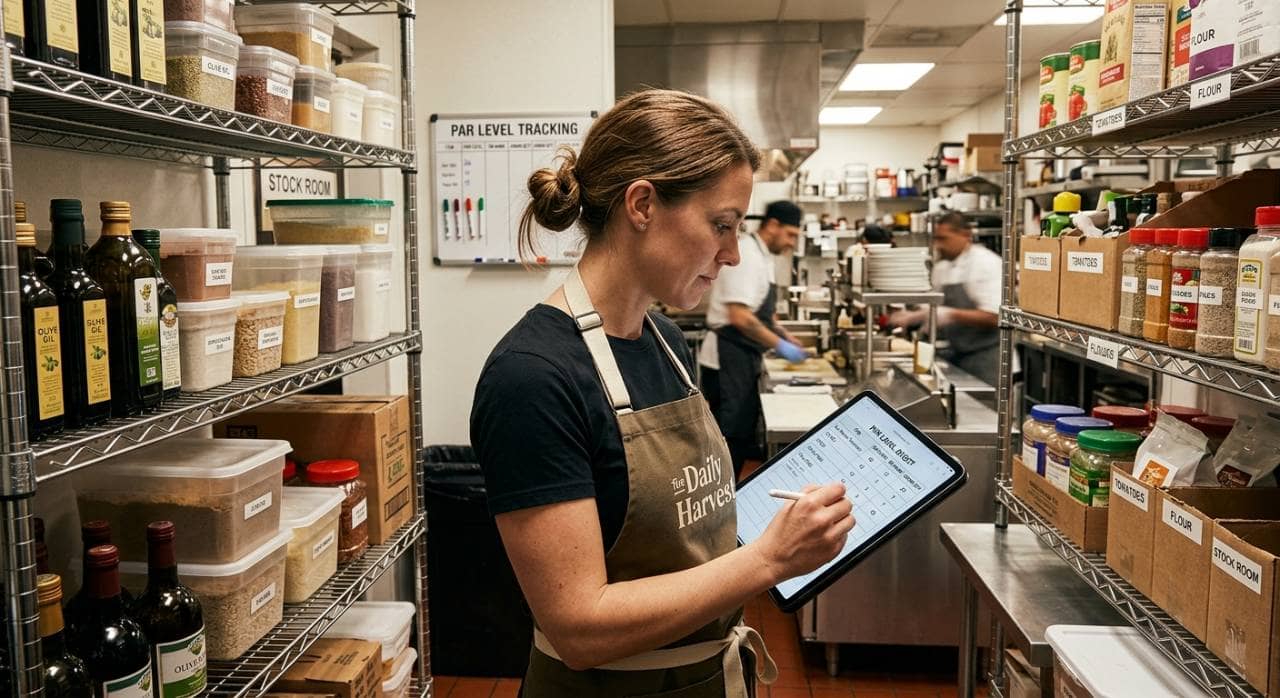
How to Set Par Levels for Restaurant Inventory
Learn to calculate par levels for restaurant food, beverages, and packaging inventory, preventing stockouts and waste through proper formulas.
Back Office
Sep 4, 2026
Learn to calculate par levels for restaurant food, beverages, and packaging inventory, preventing stockouts and waste through proper formulas.
Sep 4, 2026
Caribou Coffee appoints Zane Thomas-Rogers as Chief Operations Officer to strengthen execution across its expanding coffeehouse network.
Sep 4, 2026
Compare the top 10 restaurant POS systems in the USA for 2026. Explore features, pricing, pros, cons, and the best POS options for every restaurant type.
Jul 1, 2026

Learn how to handle restaurant payroll yourself, from calculating hours and wages to managing tips, taxes, and final paychecks.
Sep 2, 2026
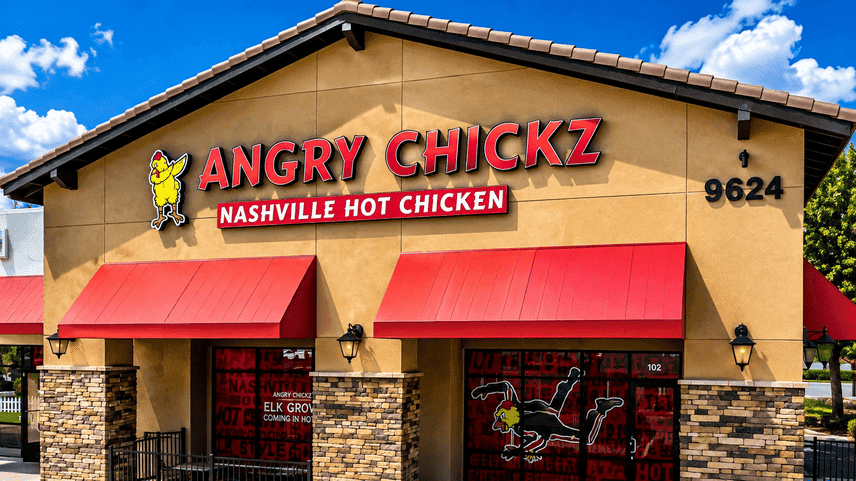
Angry Chickz enters Illinois with its signature hot chicken concept and ambitious plans for Midwest expansion, setting the stage for new franchise opportunities and community engagement.
Sep 2, 2026
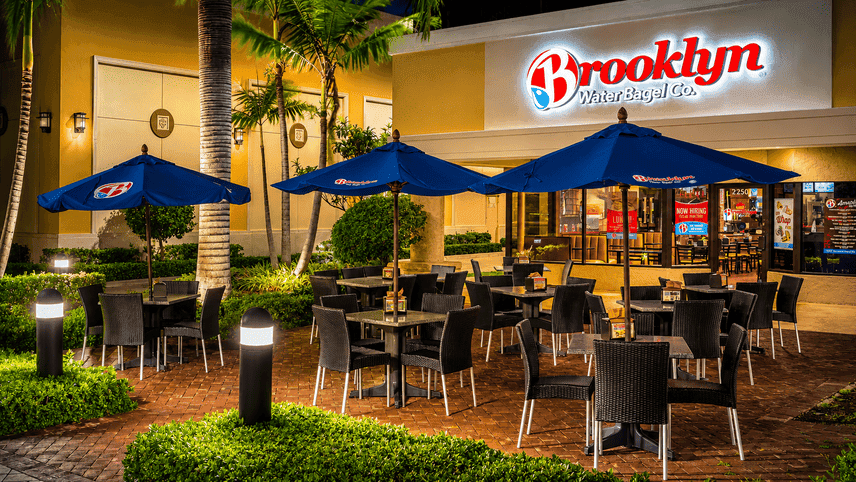
Brooklyn Water Bagel launches its first campus eatery at Nova Southeastern, signaling strategic growth and fresh potential for multi-unit operators seeking new market wins.
Sep 2, 2026
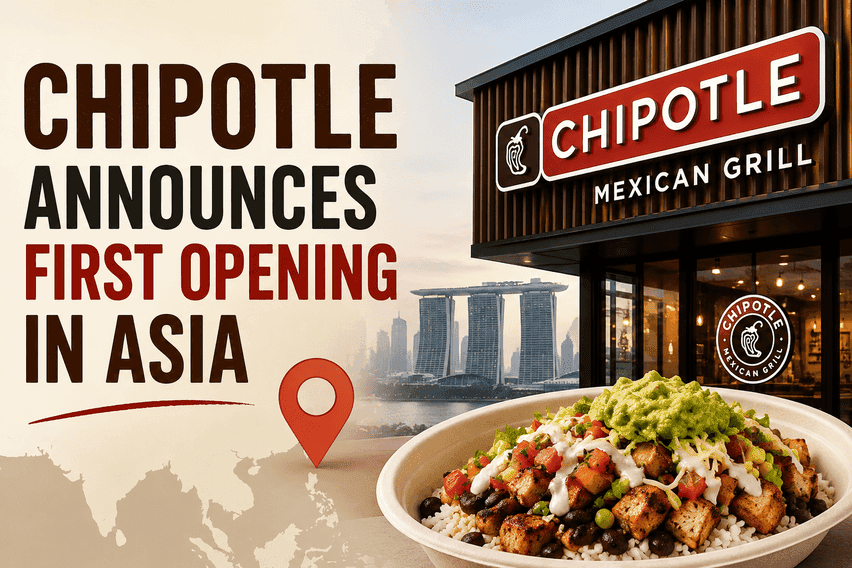
Chipotle makes its highly anticipated entry into Asia with a Seoul opening, partnering with Sangmidang Holdings and setting a template for future international growth.
Sep 2, 2026
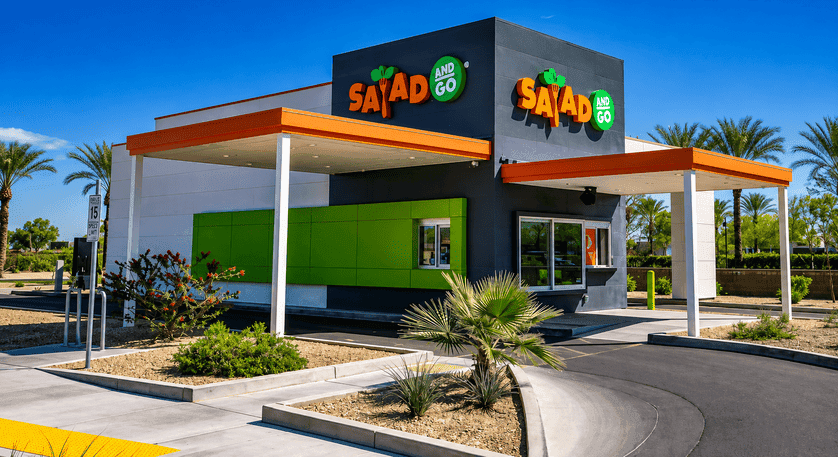
7 Brew has acquired 73 former Salad and Go locations, surpassing Dutch Bros with a $143M bid, signaling a major shift in the competitive landscape for drive-thru brands.
Sep 2, 2026

Restaurant labor management helps owners optimize staffing, control labor costs, improve productivity, monitor overtime, and maintain efficient restaurant operations.
Sep 2, 2026

Explore restaurant technology trends in 2026, including AI, automation, digital ordering, workforce tools, connected kitchens, personalization, and profitability strategies today.
Aug 28, 2026

Unlock Exclusive Access To Webinars, Events, And The Latest News For Free!
Inflation reshapes dining costs as energy spikes bite; operators balance pricing, value, and margins amid shifting consumer demand.

Photo by Ruben Ramirez
Inflation has staged a quiet, persistent performance on the dining room floor. The scene isn't just headlines, it's the price tags on menus, the stubborn constraints on guest wallets, and the kitchen's arithmetic under pressure. When energy costs surge and labor bills rise, margins tighten like a primal cut under a hot grill. The dining experience shifts with visibility: some menus stay steady, others shift subtly, and operators chase value through smarter sourcing and tighter control. Each menu item becomes a data point, and every data point tells a story about costs, demand, and resilience:
New data show consumer prices rising 0.9% month-over-month in March, the sharpest since June 2022, and the annual pace ticking to 3.3% from 2.4%. The surge was led by energy, with gasoline up 21.2% as geopolitics ripple through supply chains. Yet restaurant menus tell a different weather report: menu prices rose 0.2% in March, softer than February’s 0.3%. Grocery prices stayed largely flat for March, up only 0.3% for the month and 1.9% year over year, underscoring the widening gap between restaurant and grocery inflation. For operators, those dynamics shape choices about pricing, value, and what guests will accept as price tags climb:
Behind the surface numbers lies a sustained wave of input-cost pressure. Fuel, labor, and occupancy costs have been climbing in a backdrop where margins are squeezed from every side. The energy shock, linked to geopolitical events, sharpened price signals across the supply chain and widened the gap between general inflation and sector-specific dynamics. Operators cannot look at headlines alone: even as the headline CPI hops around, the core index, stripping out food and energy, rose just 0.2% in March and 2.6% year over year. The result is a stubborn landscape that demands more than a couple of price bumps to stay profitable.
"The March CPI report shows inflation holding stubbornly elevated, a reminder that cost relief isn't arriving on the timeline many operators had hoped for." said Joe Hannon, Restaurant365’s general manager of inventory and purchasing. He described a "compounding effect" of simultaneous increases in food, labor, and occupancy expenses, warning that these combined pressures erode margins faster than single-line-item hikes would suggest. He also argued that pricing has reached levels "close to guest tolerance thresholds," signaling the potential risks in pushing additional costs onto diners. On the consumer side, sentiment darkened; the University of Michigan’s metrics showed the April index sliding to 47.6, the lowest in the survey’s history for that month. These signals map a sector at a critical juncture, where inflationary costs threaten profitability and shifting consumer sentiment could curb demand, prompting operators to innovate or seek new efficiencies.
Pricing in restaurants shows a split by format. Full-service menus rose 0.3% in March for the second straight month, while limited-service concepts posted a 0.2% rise. Over the past year, full-service pricing averaged 0.4% per month (a 4.3% rise since March 2025), while limited-service rose 0.3% per month ( 3.2%% year over year). Operators chase margins by nudging prices, yet consumer price sensitivity tethers the climb. The longer trend remains: price moves are deliberate, not dramatic, and they must be earned with perceived value.
Beyond the numbers, the gap between restaurant and grocery inflation persists. Grocery prices stayed flat for March, with only modest year-over-year gains, underscoring how input-cost spikes are transmitted differently to diners. Operators lean on menu-price adjustments to offset climbing costs, but the path is narrow: pricing must be balanced with the guest's willingness to pay and the value delivered, from service to quality and the overall experience.
Operator and consumer responses take center stage. The industry voices are sounding an alarm about pace and sustainability of price increases. Pricing power exists, but it’s bounded by guest tolerance. Hannon urged operators to "leverage data to identify divergences in theoretical and actual food costs" and pressed for quicker decision-making, rather than waiting for end-of-period reports. On the consumer front, sentiment has darkened; the Michigan index and other gauges suggest weaker conditions. The sector stands at a moment where inflationary costs threaten profitability and shifting demand could force a pivot in how value is defined.
So what next? Operators increasingly rely on data and efficiency. The signal is clear: price discipline, smarter sourcing, and productivity gains will decide which margins survive. At the same time, diners remain responsive to value, favoring experiences that justify the spend as energy markets remain volatile.

Outcomes and timelines: margins under the magnifying glass. With energy and labor costs high, margins compress and the window for meaningful price relief narrows. If prices rise too fast, guest traffic ticks down; if they stop rising, margins compress further. The mix of consumer confidence, energy volatility, and cost structure means there’s no clear relief in sight. Analysts and operators watch for any sign of relief in input costs, especially energy, food, and labor, while assessing how resilient demand will be when prices continue to move. The timing of margin recovery will hinge on discipline and efficiency as much as energy trends.
To navigate, restaurants must balance price discipline with operational improvements: smarter procurement, supplier negotiations, and productivity gains that protect value without chasing discounting. The lesson is ongoing: costs move fast, but value must move faster.

Industry context: broader trends and related cases. The National Restaurant Association's 2026 State of the Restaurant Industry confirms ongoing cost challenges, rising input costs, uneven traffic, and the need for adaptive pricing and value strategies. NRA’s menu-prices data show a steady rhythm of moves across categories, while observers say cost pressures will continue into 2026. The James Beard Foundation, in partnership with Deloitte, notes many independents are reexamining pricing, discounts, and menu offerings, pushing toward smarter, value-driven dining instead of broad price hikes. Taken together, the signals show a sector learning to operate in a higher-cost world while preserving guest value.
Energy-price shocks could persist; the pace of pricing power normalization across segments remains uncertain; consumer demand reactions to further price rises are still in play. The data highlight a divergence between broad inflation trends and sector-specific dynamics, underscoring the need for real-time price and cost analytics in operations. The takeaway is simple: margins stay under pressure until energy and labor costs ease, even if demand recovers.
Takeaways for operators and shoppers. The inflation story through March and into April reinforces a core insight: pricing power exists, but it’s bounded by guest tolerance. For operators, the path forward is disciplined pricing paired with data-driven sourcing, strong supplier negotiations, and productivity improvements to protect margins without alienating price-conscious guests. For diners, prices may continue to reflect energy and input volatility, even as grocery prices stay steadier. Through 2026, the industry will test its ability to translate rising costs into sustainable value with better service, quality, and experience while energy markets remain unpredictable.
Ultimately, the industry’s resilience will be defined by execution: clear budgets, smart menus, and relentless cost controls. The grill stays hot; the question is whether operators can keep serving up value as costs ride the wind.