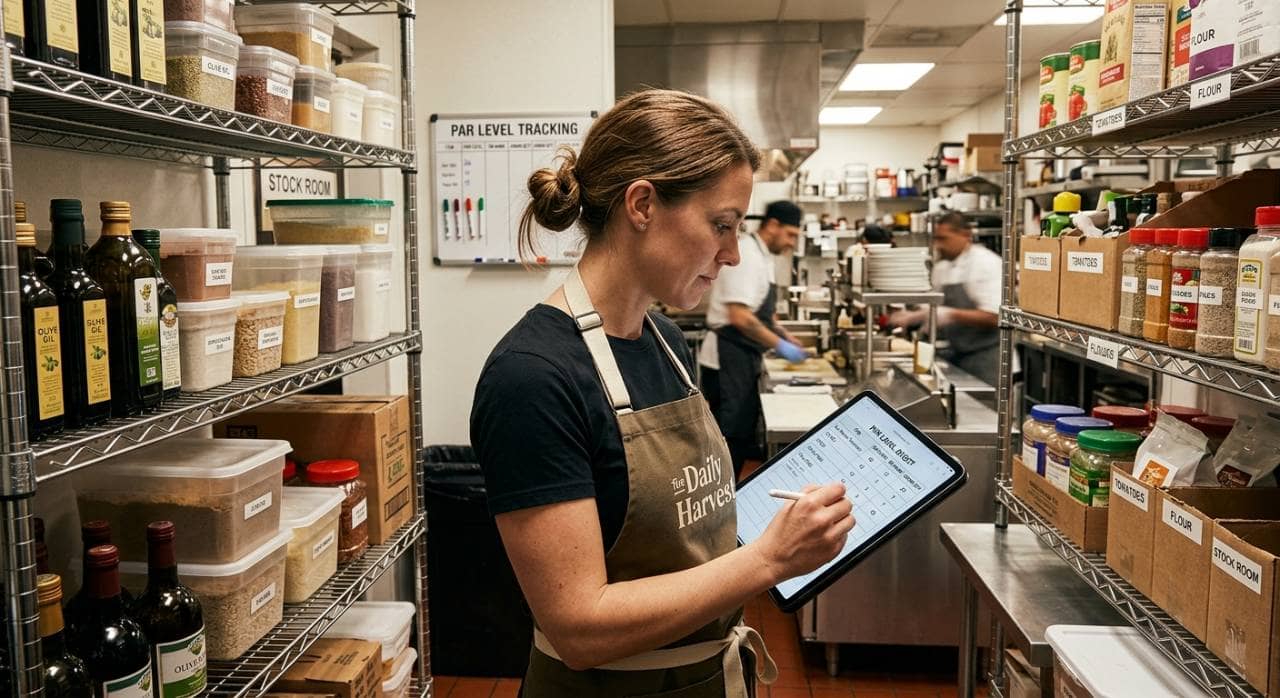
How to Set Par Levels for Restaurant Inventory
Learn to calculate par levels for restaurant food, beverages, and packaging inventory, preventing stockouts and waste through proper formulas.
Back Office
Sep 4, 2026
Learn to calculate par levels for restaurant food, beverages, and packaging inventory, preventing stockouts and waste through proper formulas.
Sep 4, 2026
Caribou Coffee appoints Zane Thomas-Rogers as Chief Operations Officer to strengthen execution across its expanding coffeehouse network.
Sep 4, 2026

Compare the top 10 restaurant POS systems in the USA for 2026. Explore features, pricing, pros, cons, and the best POS options for every restaurant type.
Jul 1, 2026

Learn how to handle restaurant payroll yourself, from calculating hours and wages to managing tips, taxes, and final paychecks.
Sep 2, 2026
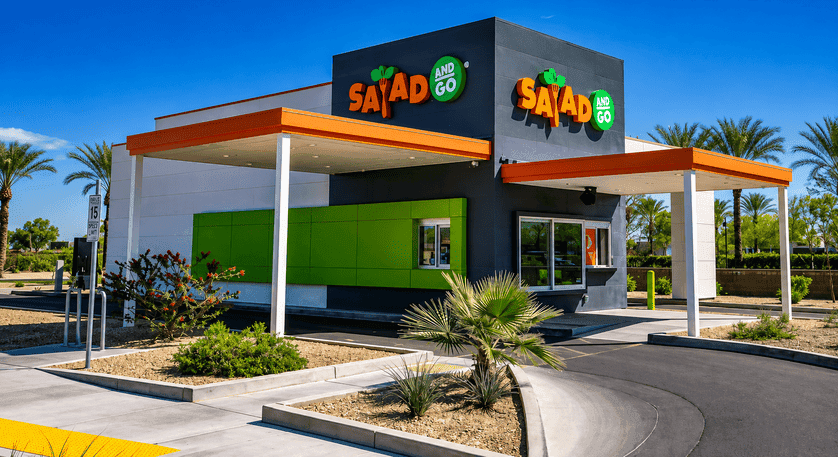
7 Brew has acquired 73 former Salad and Go locations, surpassing Dutch Bros with a $143M bid, signaling a major shift in the competitive landscape for drive-thru brands.
Sep 2, 2026
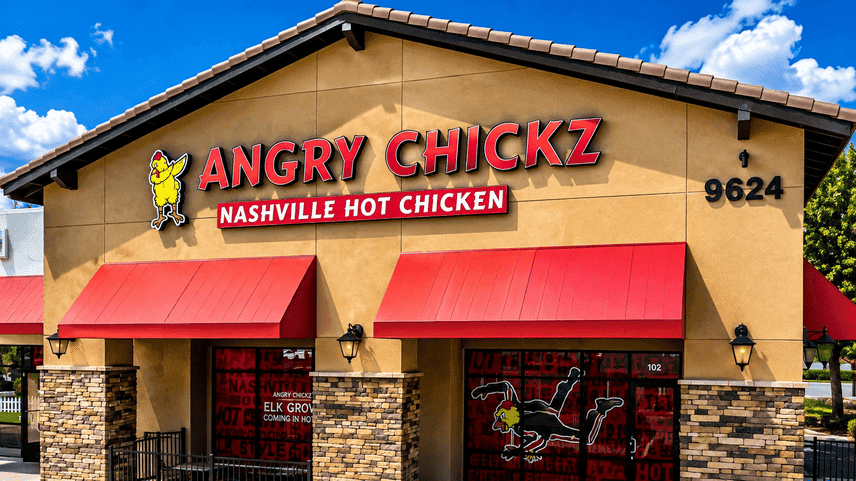
Angry Chickz enters Illinois with its signature hot chicken concept and ambitious plans for Midwest expansion, setting the stage for new franchise opportunities and community engagement.
Sep 2, 2026
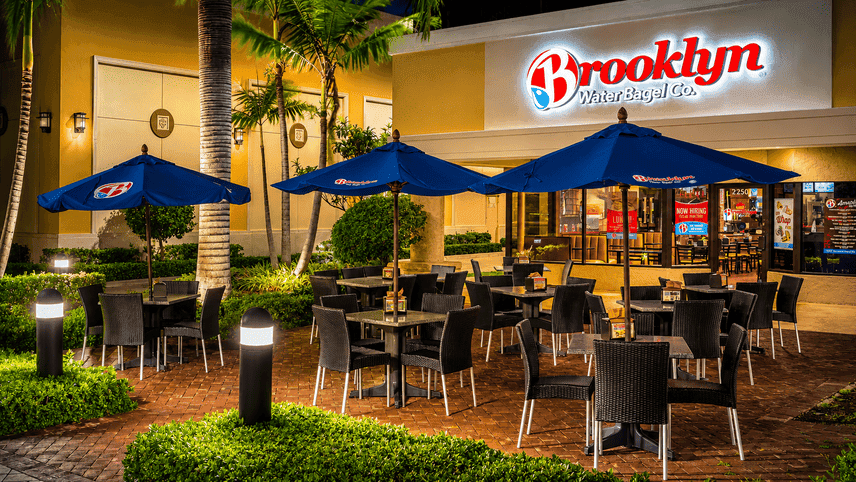
Brooklyn Water Bagel launches its first campus eatery at Nova Southeastern, signaling strategic growth and fresh potential for multi-unit operators seeking new market wins.
Sep 2, 2026
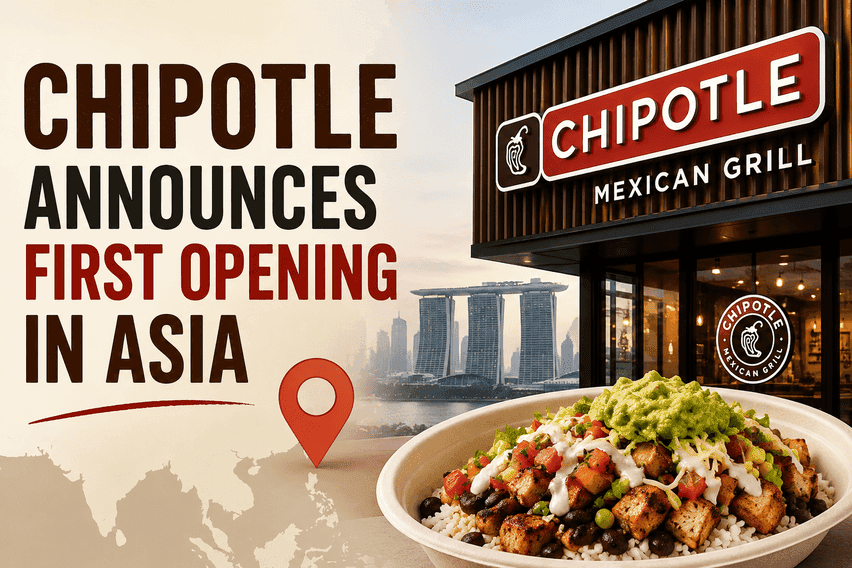
Chipotle makes its highly anticipated entry into Asia with a Seoul opening, partnering with Sangmidang Holdings and setting a template for future international growth.
Sep 2, 2026

Restaurant labor management helps owners optimize staffing, control labor costs, improve productivity, monitor overtime, and maintain efficient restaurant operations.
Sep 2, 2026

Explore restaurant technology trends in 2026, including AI, automation, digital ordering, workforce tools, connected kitchens, personalization, and profitability strategies today.
Aug 28, 2026

Unlock Exclusive Access To Webinars, Events, And The Latest News For Free!
A long-form look at the delay in Hostmore’s plan to acquire TGI Fridays, exploring a shift toward a franchise-heavy, asset-light growth strategy.

On a quiet morning, a familiar scent of coffee and announcements threads the air as Hostmore and TGI Fridays edge toward a cross-border moment. The planned all-share reverse takeover, valued near $220 million, would fuse a London-listed franchisee with the U.S. franchisor under a new name. It would anchor in Dallas while leadership wore a shared, border-spanning hat. But the calendar refuses to be rushed: a regulatory filing reveals the close has slipped beyond the hoped-for third quarter 2024, signaling a deeper rethinking of how the two mature brands would operate together. The pause invites us to listen for the soft questions behind the numbers: what comes next, and how will value unfold?
Behind the delay lies a deliberate shift in approach. The revised model aims to be more cost-effective and accretive to shareholder value, but it requires more time than the earlier third‑party refinancing plan. Executives described a purposefully franchise-heavy future: the company would move many Fridays stores into franchise ownership, preserving the Dallas headquarters for global governance while empowering local operators. The filing notes that an asset-light structure would hinge on divestitures and a royalty-based revenue stream, a move already underscored by agreements to sell a portion of Fridays’ corporate restaurants for more than $40 million. “This revised business model and financing structure, while ultimately more cost-effective and accretive to shareholder value, involves a longer timeline than the third-party refinancing process that had been commenced earlier in the year,” the filing stated.
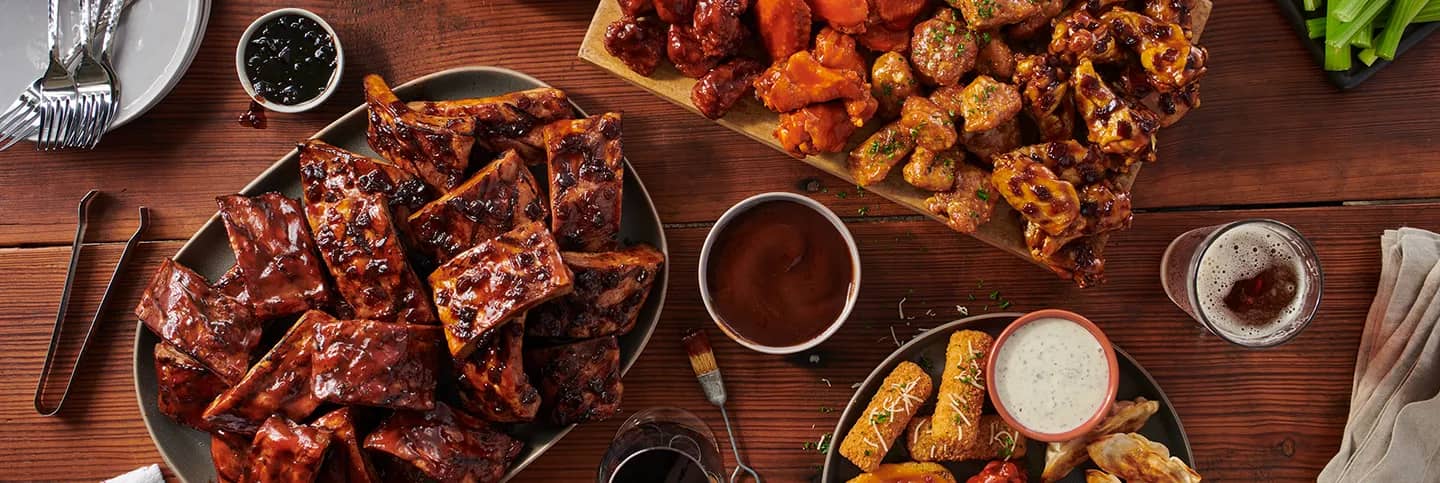
Hostmore sits at the center of a European story with a global ambition. As TGI Fridays’ largest global franchisee and a London Stock Exchange-listed firm, Hostmore framed the deal as a pivot toward a franchise-focused operation, with a new corporate entity, the envisioned TGI Fridays plc, anchored at the Dallas hub for U.S. and global governance. In the UK, leadership signaled a broader reallocation of energy toward franchised stores and royalties, hinting at tens of corporate locations being divested to franchisees and a retooled revenue model. The environment in which this narrative unfolded would later reveal the fragility and opportunity of such a hybrid structure.
Executives described a plan that would expand Fridays’ footprint through franchising, while leveraging a robust network to accelerate international growth. The strategy envisioned converting corporate stores into franchises within a pooled framework and aligning incentives around royalties rather than ownership. Central to the pitch were divestitures already underway: more than $40 million of corporate Fridays restaurants slated for sale, a precursory signal of an asset-light era. The plan remained contingent on regulatory clearance and market response, but the core promise was clear: a leaner, franchise-first architecture that could travel faster across borders.
Behind the paperwork, a careful choreography takes shape: the core mechanics point to a fully franchised future, where corporate stores would be sold to new or existing franchisees in a royalty-driven, pooled framework. The aim is to recalibrate capital needs, shifting away from heavy ownership toward steady streams of royalty revenue, offering a lighter balance sheet and room for growth. In this vision, Fridays would become less a stack of owned restaurants and more a network of partners spreading the brand across markets with local heartbeat.
While specifics, such as the exact count of stores to divest, were still being negotiated, the overarching objective was consistent: a leaner architecture that could scale internationally without overburdening the balance sheet. Agreements already in motion indicated divestitures reaching into the tens of stores and a broader strategy to monetize brand equity through franchise royalties rather than debt-financed expansion. This shift could redefine how the brand invests in markets, prioritizing training, supply chain alignment, and franchisee support to ensure consistent guest experiences.

From the front lines of public messaging, voices from both sides spoke with measured optimism. Weldon Spangler, TGI Fridays’ chief executive, framed the merger as a lever for scale and global financial flexibility. Hostmore’s chairman Stephen Welker echoed a shared view that the union would strengthen guest experience by uniting strengths across the two organizations. Yet the slow lane was acknowledged in the filing: “This revised business model and financing structure, while ultimately more cost-effective and accretive to shareholder value, involves a longer timeline,” an official note reminded investors, inviting patience alongside anticipation.
Financing, debt and timeline revisions reflect a broader push to reduce capital drag. The plan deprioritized a large long-term debt package at close and directed proceeds from asset sales toward debt reduction rather than new leverage. It aligns with a growing appetite for asset-light franchising, where royalties create steadier income and lenders face lighter collateral requirements. Public disclosures stressed ongoing collaboration and a willingness to reassess timelines as due diligence continues, signaling that the deal remains dynamic even as optimism persists.
Industry context paints a wider pattern: mature brands are rethinking international expansion through franchising to unlock growth while limiting capital outlays. Analysts note that adopting a royalty-based model can diversify earnings and cushion against market headwinds, a trend that fits the global footprint of Fridays. In the U.K., regulators and market forces add a layer of complexity to any pivot, and Hostmore’s financial strain foreshadowed administration discussions that would reshape the brand’s footprint in Europe.
Gaps, Uncertainties and Possible Re-engagement: Even as momentum built, timing, regulatory approvals, and the ultimate debt profile remained moving parts. The record hinted that if closure proved elusive, Hostmore’s board might explore alternative strategies for the U.K. franchise operations or a shift in ownership structure. In September 2024, updates indicated that TGI Fridays Inc. cancelled the acquisition in a reverse merger after the securitization vehicle’s trustee terminated the manager, ending the pursuit unless conditions shifted again. Still, the door remained open for future dialogue if market conditions and strategic alignment improved.