Pizza Hut’s $1.2B China Sale Shakes Up Market
Yum! Brands has finalized a $1.2B deal to transfer Pizza Hut China to Yum China Holdings, signaling big strategic moves for both global franchisors and operators.
Aug 7, 2026
Yum! Brands has finalized a $1.2B deal to transfer Pizza Hut China to Yum China Holdings, signaling big strategic moves for both global franchisors and operators.
Aug 7, 2026
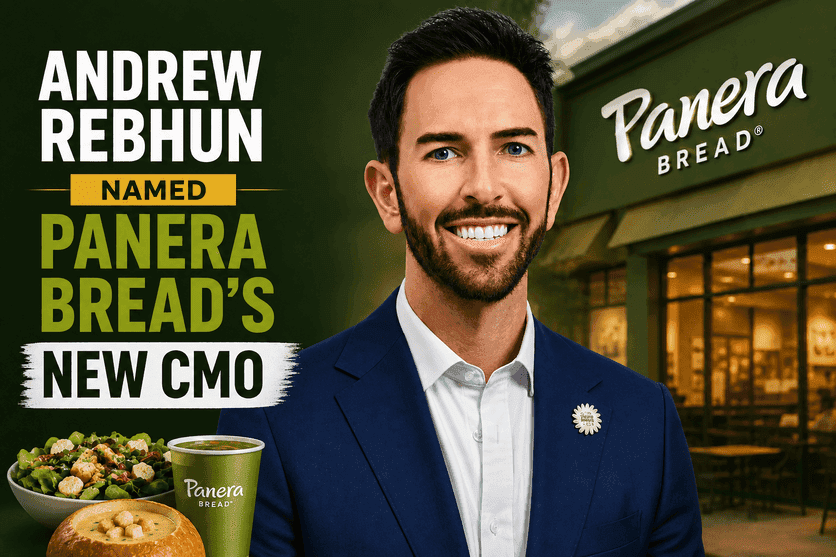
Panera Bread appoints industry veteran Andy Rebhun as Chief Marketing Officer, ushering in a new era of brand growth and consumer engagement.
Aug 7, 2026
Portillo’s trims 18% of its corporate staff in a bid to refocus resources on restaurant excellence and navigate operational challenges. Discover what the changes mean for the chain’s future.
Aug 7, 2026
Scheduling software helps restaurants save time, control labor costs, improve communication, prevent conflicts, support compliance, and make smarter staffing decisions.
Aug 5, 2026
Portillo’s trims corporate and field roles by 18% in a strategic shake-up to support future growth after soft traffic and sales. Read what this means for multi-unit operators.
Aug 6, 2026
Dutch Bros invests $105 million to acquire Salad and Go’s closed locations, targeting rapid expansion in key southern markets. Learn what this means for multi-unit restaurant owners and operators.
Aug 6, 2026
Salad and Go's bankruptcy and closure offer key lessons on growth, risk management, and market dynamics for restaurant leaders. See what every operator can learn.
Aug 5, 2026
Learn how to calculate prime cost, track food and labor expenses, measure percentages, identify problems, and improve restaurant profitability consistently.
Aug 5, 2026
Portillo’s announces industry veteran Kevin Kalicak as its new CFO and Treasurer, underscoring the brand’s growth strategy and financial vision.
Aug 5, 2026
Skye Anderson will lead McDonald's USA as its new president, stepping in to accelerate growth and revive sales. Learn how her leadership could shape the future of the restaurant industry.
Aug 4, 2026
Kura Sushi’s creative IP tie-ins and tech upgrades spark big sales gains and set a new standard in cost control. Here’s how they’re leading the pack.
Photo by Tsuyoshi Kozu
Few restaurant chains bounce back quite like Kura Sushi just did. After a tough tumble last year, their latest quarter delivered an 8.6% jump in same-store sales. That’s not just a recovery, it’s a statement. Behind the scenes, something more than luck was at work. It turns out, when you blend beloved pop-culture icons with razor-sharp operations, you don’t just fill seats, you get fans hustling for that fifteenth plate. So, how did Kura Sushi make magic out of mascots and menus?
The answer: creative promotions and smart pricing. By harnessing characters like Nintendo’s Kirby and Hello Kitty, their team got diners lining up (and eating up) to hit plate thresholds for fun rewards. Layer in a 4.5% menu price bump, and you’re looking at a playbook worth studying.
It wasn’t just about how much folks spent, but why. “When we have compelling IPs, people are that much more incentivized to go for that 15th plate or to hit the spending threshold for giveaways,” explained CEO Hajime Uba, spelling out the direct link between emotional engagement and plate count. When you turn dinner into a game and make the payoff irresistible, you unlock a whole other level of demand. That’s a big win.
Let’s face it, people dig a good theme night, but tie your offer to icons with global fans and you spark real movement. Kura Sushi’s IP-driven campaigns don’t just decorate the dining room; they crank up the competitive spirit. The logic is simple: Order more plates, get the exclusive prize. That dynamic had guests pushing just a little further, reaching for that one more roll to clear the finish line.
Here’s what hit hardest for Kura Sushi this cycle:
– IP tie-ins with cult-favorite brands: Hello Kitty, Kirby, and more.
– Threshold-based rewards: Collect enough plates and you don’t just eat, you win.
– Menu price support: Promotions kept traffic up, taking the sting out of higher menu prices.
This isn’t just about pretty giveaways. It’s a masterclass in emotional economics. Diners weren’t eating more out of hunger, they were buying a moment, a memory, and a collectible. When you create stakes that matter, check sizes jump and guests tell their friends. That’s promo power.
Behind all the buzz around new characters is a quieter revolution in Kura Sushi’s back-of-house. The company didn’t just rely on marketing spin; they overhauled operations for real... and it paid off. Labor costs dropped to 30.7% of sales, down by 410 basis points. That’s mostly thanks to explosive sales growth, but also because robotics and tech made smoother shifts.
On the food cost side, things were tougher, up by almost 200 basis points (to 30.4%). Blame tariffs, blame seafood inflation, but the story ends better than it started: overall restaurant-level operating margin still nudged up to 18.2%. Kura’s answer? Double down on automation.
With robotic dishwashers rolled out in 10 stores and big plans for the Sushi Slider robot (rice balls, handled), leadership says labor savings are just getting started. By fiscal 2027, another 50 basis points of labor cost reduction are projected, with a further 150-point improvement in the next two quarters. Automation isn’t just a side dish here, it’s the main course for margin defense.
Change at the top almost always makes investors fidget, and when CFO Jeff Uttz, the architect behind a 400 basis point cut in G&A spending over three years, announced he was stepping down, shares dipped fast. Starting April 28, Uttz heads for Firebirds Wood-Fired Grill, leaving CEO Hajime Uba to double up as interim CFO.
But Uba’s not sweating. “Jeff leaving doesn’t change that,” he told investors, doubling down on the discipline they’ve come to expect. The plan? Keep the throttle down on operational savings (another 150 basis point labor gain targeted) and prove deep bench strength.
True, investor confidence will hinge on picking the right CFO successor and locking in those promised savings. But for now, all signals point to a leadership team that knows how to weather storms, keep costs in check, and lean heavy on systems over personalities. The heart of the show? Efficiencies that outlast the faces in the boardroom.
Kura Sushi isn’t stopping at margin tuning, they’re plotting what comes next. That means 20% annual unit growth, heading into smaller and overlooked markets instead of slugging it out in the usual metro battlegrounds. The goal? Sustain an 18% restaurant-level margin now, and push for 20% by fiscal 2027, all with automation, vertical integration, and close management of every penny.
What’s their secret sauce for scaling?
– Robotic dishwashers and Sushi Sliders streamline back-of-house labor.
– Reservation tech and order systems keep throughput up and lines manageable.
– IP promotions fuel local excitement in new markets.
Analyst optimism is climbing on the back of successful debuts in smaller DMAs like Bakersfield, proof that margin-driven automation plus smart promotion can win anywhere, not just in sushi-saturated cities. With units slated to outpace original plans, Kura Sushi is betting there are a lot of hungry fans waiting just off the map.
Even with the fireworks of the last quarter, it’s not all clear skies. Leaders and analysts both know that 8.6% comps aren’t likely to repeat now that last year’s easier comparisons are gone. Food costs remain a potential spoiler, tariffs and seafood inflation can eat up those hard-won labor savings if automation or supplier deals lag. Plus, while most labor efficiency gains will take years to fully show up (by fiscal 2027), investors are quick to pounce if results slip.
And with G&A discipline so linked to Uttz’s legacy, the pressure is on for leadership to prove this culture of control sticks around long after the transition.
Still, what’s clear is that Kura Sushi’s engine isn’t running on hype alone. There’s plenty to navigate, but the combination of operational muscle and promo magic could keep this train rolling, even on tracks that get a little bumpier.
Every casual dining operator who thinks innovation is just code for a temporary spike should give Kura’s playbook a close read. Their mix of compelling IP-driven promotions, relentless cost discipline, and aggressive rollout of automation is the kind of blueprint that smart brands are sniffing out.
For chains swimming in a fragmented sushi market, the lesson is loud and clear: turn the entire guest experience (and margin structure) into a value proposition your competitors can’t fake. Make fun central. Make efficiency a religion. Win the spending contest, not just on food, but on emotional engagement.
Kura Sushi just showed the sector that relevance and revenue travel together, especially when every plate counts, and every guest walks out not just fed, but fired up to come back. Food, fun, and future-proofing: that’s a combo worth betting on.