Mountain Mike's Pizza Names Sheena Dougher CMO
Mountain Mike's Pizza hires Jack in the Box veteran Sheena Dougher as CMO to drive national growth while preserving its regional brand identity.
Franchising
Sep 17, 2026
Mountain Mike's Pizza hires Jack in the Box veteran Sheena Dougher as CMO to drive national growth while preserving its regional brand identity.
Sep 17, 2026

DoorDash pays $425M for Wonder's campus dining platform and a stake in Wonder, betting on robotic kitchens and institutional foodservice growth.
Sep 16, 2026
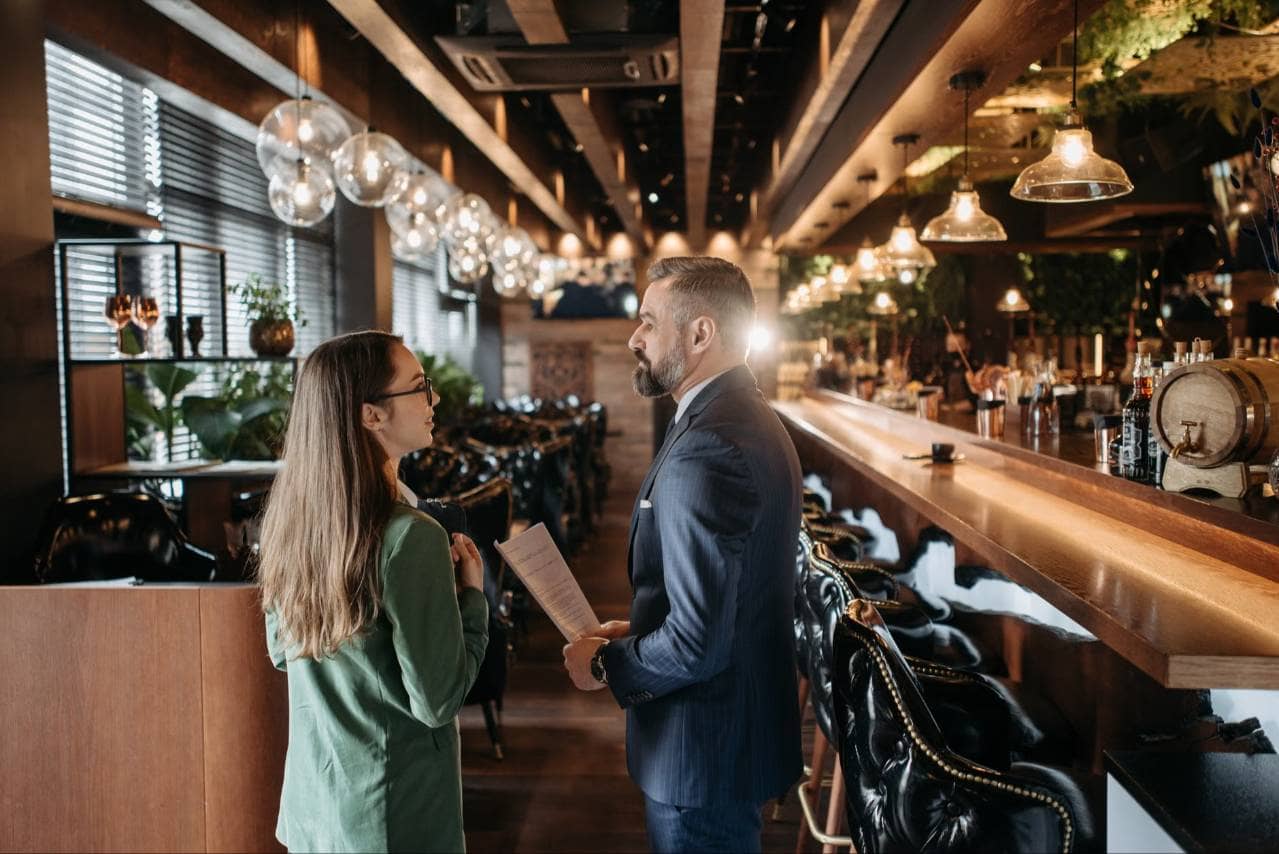
Discover the most common reasons restaurants fail, including inconsistent food quality and pricing mistakes, plus practical ways to avoid them.
Sep 16, 2026
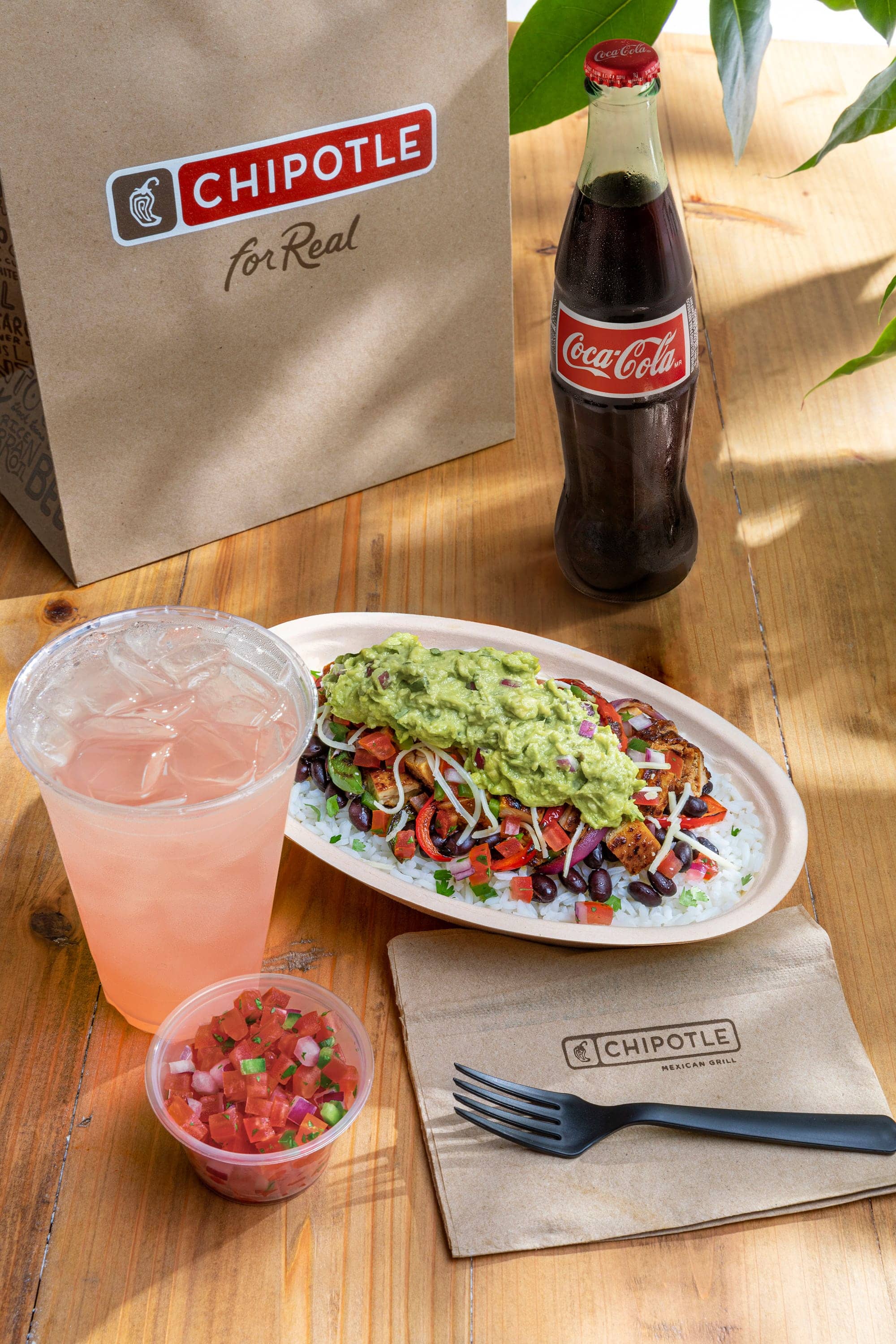
Chipotle names former KFC global CEO Sabir Sami to its board as the chain expands into Mexico, Saudi Arabia, and South Korea.
Sep 15, 2026

LeBron James joins Mike's Red Tacos as an investor, backing the birria chain led by Blaze Pizza and Dave's Hot Chicken veteran Bill Phelps.
Sep 15, 2026
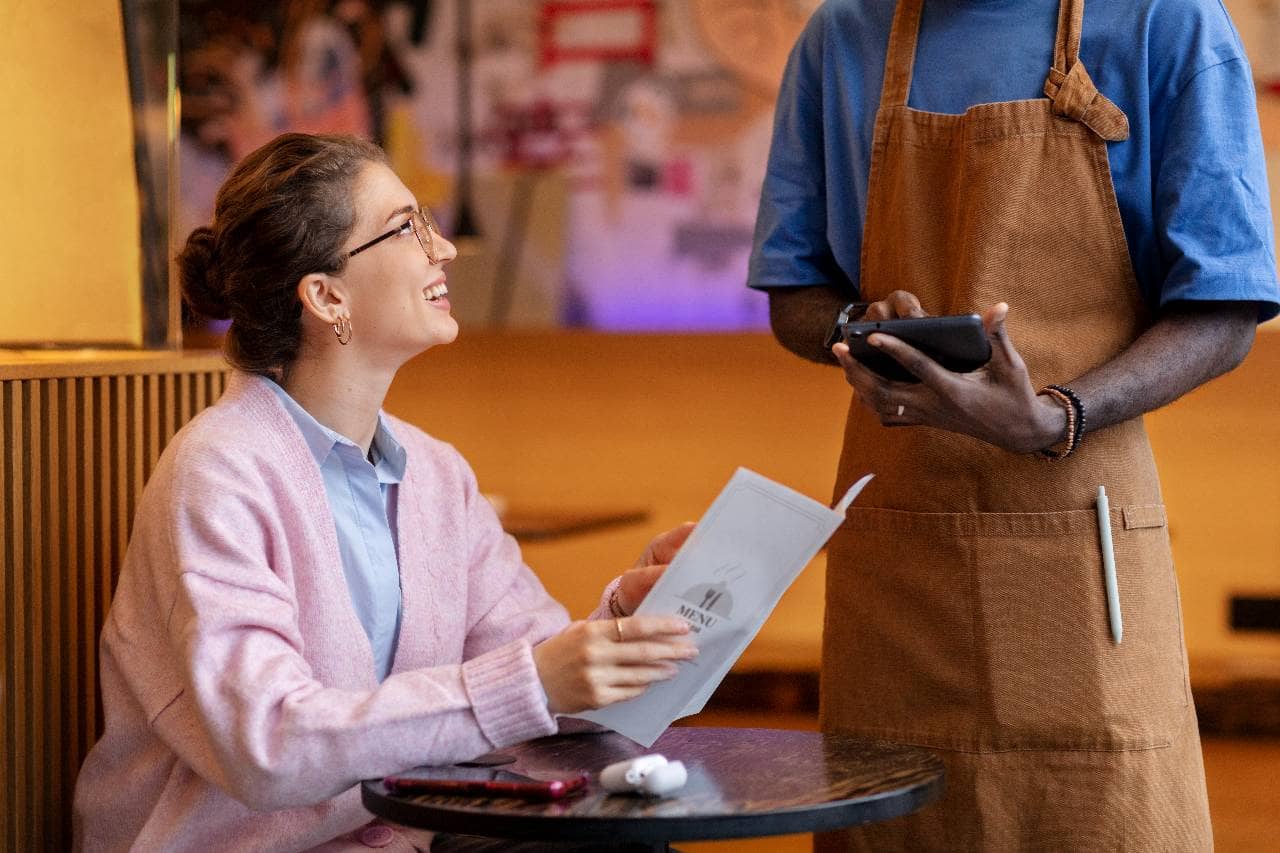
Discover practical promotion ideas - time-based deals, loyalty programs, local partnerships, and digital marketing - to boost restaurant foot traffic consistently.
Sep 14, 2026

Practical payroll compliance checklist for restaurant owners covering wage rules, tips, overtime, taxes, deductions, and recordkeeping to reduce legal risk.
Sep 14, 2026
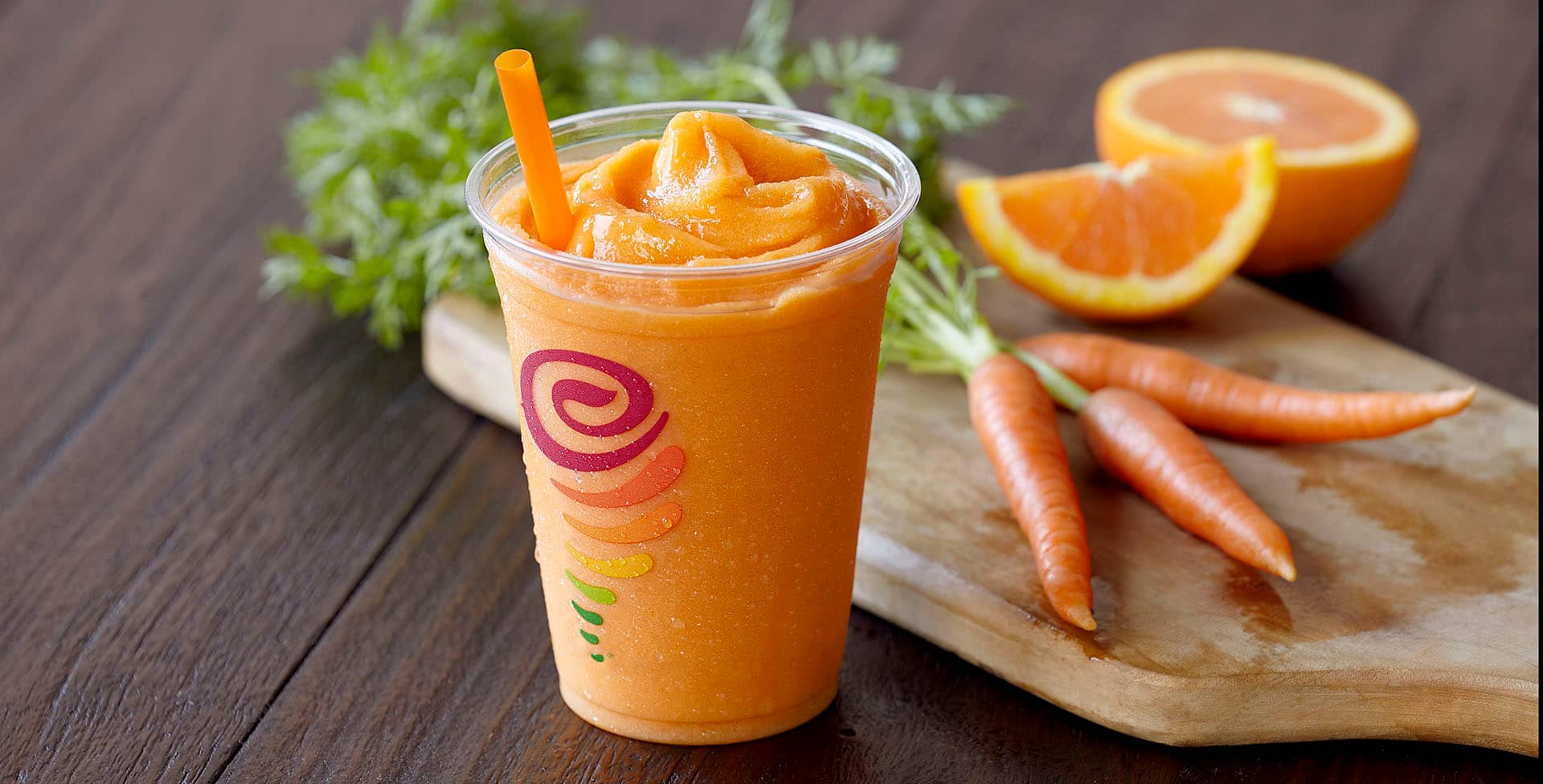
Lucy Brady joins Jamba as president to lead digital-first growth strategy. GoTo Foods restructures leadership to strengthen franchise platform capabilities.
Sep 14, 2026
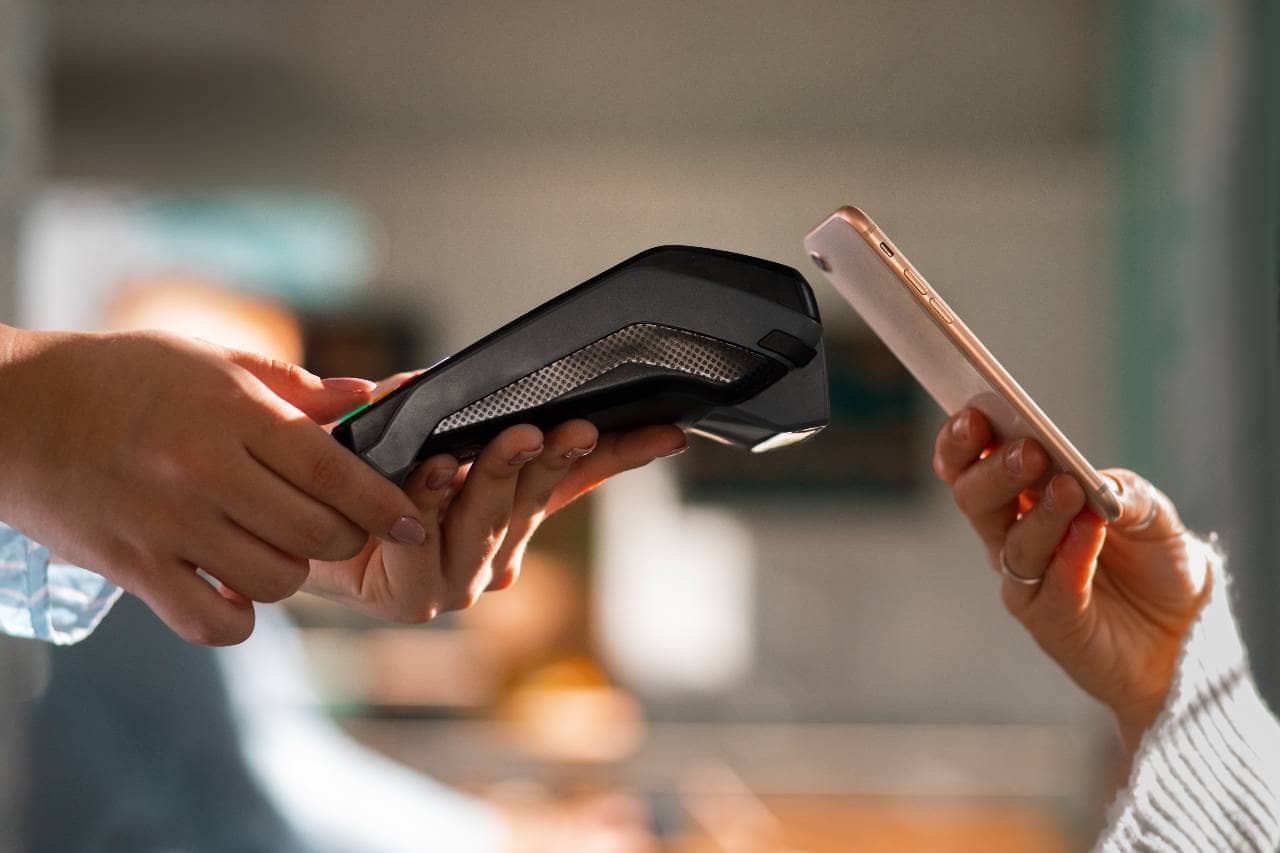
Contactless payment offers restaurants faster transactions, better security, and improved customer experience, making it a valuable, worthwhile technology investment today.
Sep 11, 2026

Pei Wei Asian Kitchen named Best Fast-Casual Chain in Reviewed 2026 Awards, reflecting shift from price competition to quality and transparency.
Sep 11, 2026

Unlock Exclusive Access To Webinars, Events, And The Latest News For Free!
Explore how Smart Kitchen technology enhances operational precision, guest satisfaction, and sales growth in restaurants.

Photo by Bench Accounting
Smart Kitchens are reshaping the restaurant industry by providing enhanced operational precision through innovative technology. The introduction of Kitchen Display Systems (KDS) equipped with touch-screen monitors and predictive order management has revolutionized how restaurants manage their kitchen operations. By utilizing these advanced systems, restaurants can achieve greater efficiency in food preparation and order management.
The implementation of Smart Kitchens has led to a significant improvement in guest satisfaction scores and sales growth for restaurants. By streamlining kitchen processes and reducing wait times, restaurants can enhance the overall dining experience for customers. The ability to accurately predict order quantities and cook times ensures that customers receive their meals promptly and at the peak of freshness, resulting in higher satisfaction levels and increased repeat business.

Photo by Bench Accounting
One of the key advantages of Smart Kitchens is the optimization of delivery times, especially for third-party delivery services. By reducing delivery times from over 40 minutes to under 30 minutes, restaurants can meet customer expectations for quick and efficient service. This improvement in delivery times not only enhances customer satisfaction but also positions the restaurant as a top choice for delivery orders, capturing a larger market share in the competitive food delivery landscape.

Photo by Bench Accounting
The success of Smart Kitchens in driving sales growth is evident in the year-over-year sales figures outpacing U.S. delivery sales by significant margins. By leveraging technology to optimize kitchen processes, restaurants can increase their efficiency, reduce operational costs, and improve overall revenue. The ability to adapt to changing consumer preferences and delivery trends by offering faster service times further solidifies the restaurant's position in the market and attracts a broader customer base.