
DoorDash's $425M Bet on Campus Dining, Robot Kitchens
DoorDash pays $425M for Wonder's campus dining platform and a stake in Wonder, betting on robotic kitchens and institutional foodservice growth.
Industry Trends
Sep 16, 2026
DoorDash pays $425M for Wonder's campus dining platform and a stake in Wonder, betting on robotic kitchens and institutional foodservice growth.
Sep 16, 2026
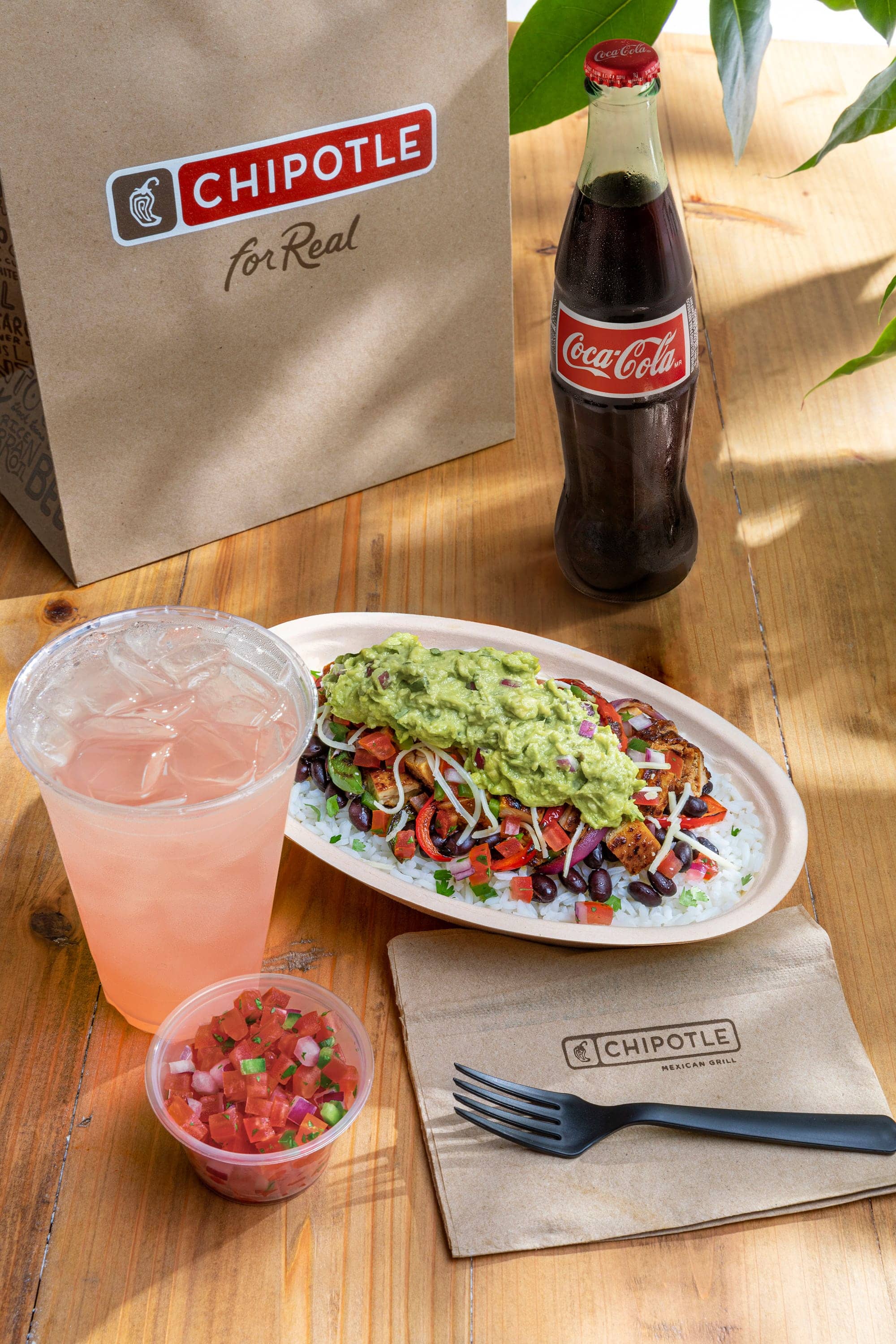
Chipotle names former KFC global CEO Sabir Sami to its board as the chain expands into Mexico, Saudi Arabia, and South Korea.
Sep 15, 2026

LeBron James joins Mike's Red Tacos as an investor, backing the birria chain led by Blaze Pizza and Dave's Hot Chicken veteran Bill Phelps.
Sep 15, 2026
Discover practical promotion ideas - time-based deals, loyalty programs, local partnerships, and digital marketing - to boost restaurant foot traffic consistently.
Sep 14, 2026

Practical payroll compliance checklist for restaurant owners covering wage rules, tips, overtime, taxes, deductions, and recordkeeping to reduce legal risk.
Sep 14, 2026
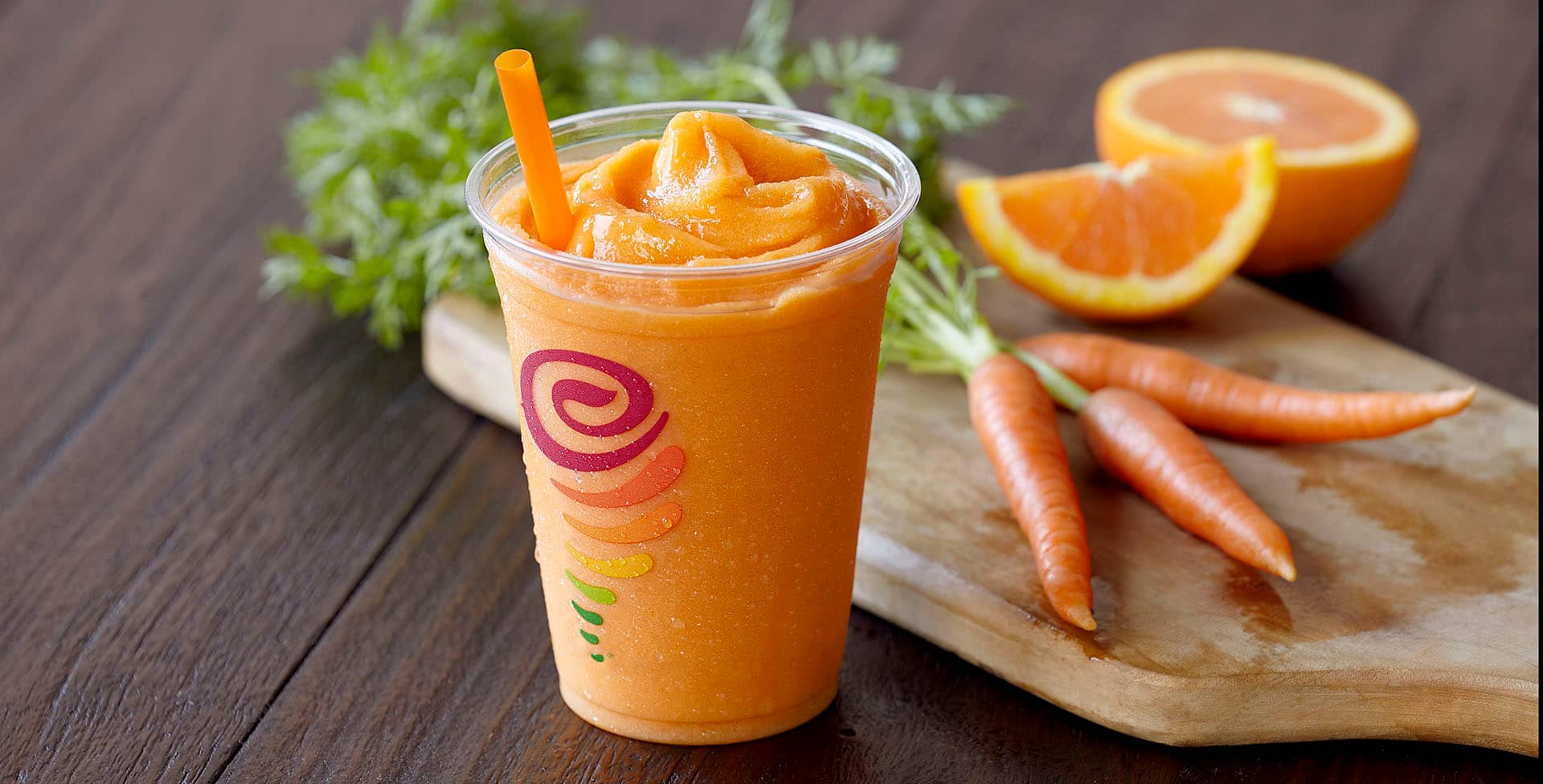
Lucy Brady joins Jamba as president to lead digital-first growth strategy. GoTo Foods restructures leadership to strengthen franchise platform capabilities.
Sep 14, 2026
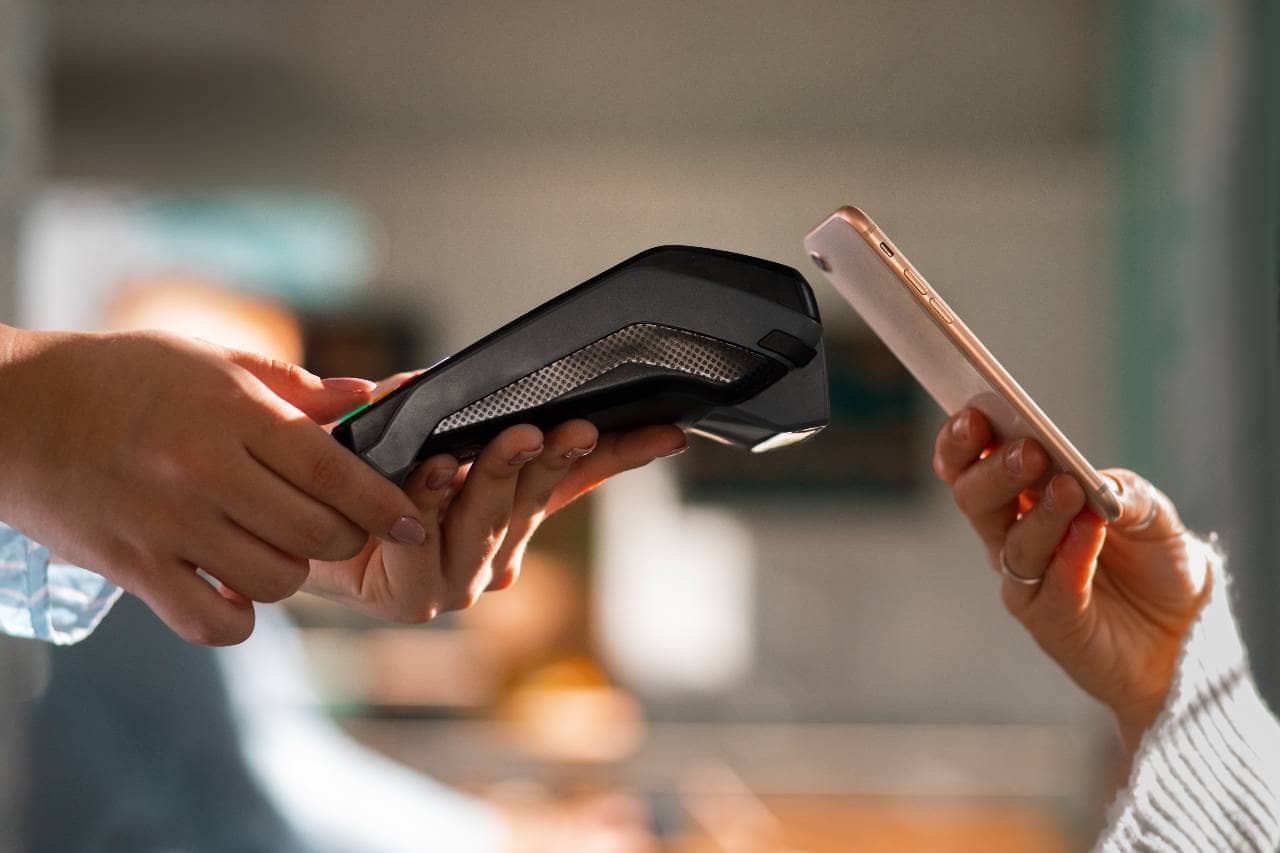
Contactless payment offers restaurants faster transactions, better security, and improved customer experience, making it a valuable, worthwhile technology investment today.
Sep 11, 2026

Pei Wei Asian Kitchen named Best Fast-Casual Chain in Reviewed 2026 Awards, reflecting shift from price competition to quality and transparency.
Sep 11, 2026

O'Charley's shuttered all corporate restaurants nationwide on September 9, 2026, ending its 55-year legacy as a casual-dining regional powerhouse.
Sep 11, 2026
Authentic Restaurant Brands lands $325M investment from Trimontium to fuel disciplined regional expansion across five established restaurant concepts.
Sep 11, 2026

Unlock Exclusive Access To Webinars, Events, And The Latest News For Free!
Blue Bottle launches a 90-minute, machine-free Kyoto-style espresso, bottled for cold drinks across 152 cafés on June 16.

Photo by Homniom Coffee
Blue Bottle Coffee will introduce Kyoto-Style Espresso on June 16 across all 152 cafés worldwide, a machine-free format that trades heat and high pressure for a controlled 90-minute drip.
The result is a concentrated cold brew that mirrors espresso intensity while preserving delicate flavor compounds. Each batch is bottled immediately and used throughout a daypart, a move designed to keep flavor consistent and service predictable without leaning on traditional espresso machines.
The timing is tuned to a global chill. Iced and cold coffee drinks now account for more than 75 percent of Starbucks’ US sales, and Blue Bottle data show cold beverages represent roughly half of orders across its U.S., China, Japan, South Korea, and Singapore locations. The project spans two-and-a-half years of development under Global Product Development Director Kevin Thaxton.
“We’re always looking for the best version of our coffee, and when it comes to cold espresso, the question that comes up is: Is the espresso machine the best tool to make these drinks? The answer was no,” Thaxton said. He had observed that shots optimized for hot service turn sharper and more bitter as they cool, which sparked the cold-by-design brief.
The method itself borrows from Japan’s storied slow-drip tradition. According to Roastopedia, the Kyoto-style drip tower, also called a cold drip or Dutch coffee maker, traces its roots to Dutch traders introducing cold-water extraction in 17th-century Japan. Canopy Point Coffee notes how Japanese artisans refined the technique into multi-tiered glass towers that deliver a clear, nuanced concentrate through a steady drip.
Blue Bottle’s adaptation aims for espresso-like concentration: baristas load a calibrated grind into a compact tower, set a drip rate for approximately 90 minutes, then seal the concentrate in bottles. The condensed timeline keeps essential aromatic oils and sugars intact, unlike eight-to-twelve-hour cold brews that draw deeper but lose some top notes.
The operational upside is pragmatic and sharp. Batch production replaces a flurry of individual shot pulls and the queueing that follows. Teams can produce daypart volumes in 90 minutes, then lean on bottled concentrate to ride peak service and soften labor spikes. Equipment footprint shrinks as shops no longer require large espresso machines for cold lines, which can lower capital expenditures and trim maintenance.

A recent SEC filing noted that cold coffee products have driven significant revenue growth across major coffee chains. Industry consultants highlight that freeing baristas from constant machine operation can enhance service interaction and final presentation, a benefit the brand ties to its “Cold by Design” philosophy. Japanese culinary press has called out that stance as a deliberate shift away from legacy hardware toward purpose-built extraction.
Market forces point in the same direction. The global cold-brew coffee market reached USD 506.1 million in 2023 and is projected to expand at a compound annual growth rate of 19.9 percent to USD 1.75 billion by 2030, according to Grand View Research. Ready-to-drink cold coffee formats are rising fast as well, with Mordor Intelligence forecasting growth from USD 3.79 billion in 2026 to USD 8.36 billion by 2031 at a 17.12 percent CAGR.

Open questions remain. The slow-drip approach demands precise setup and monitoring, and barista experience meaningfully shapes consistency, countering the idea that cold drip is entirely hands-off. Storage stability beyond a single daypart has not been tested in higher-ambient climates, which could affect shelf-life and flavor. Consumer response in markets less inclined toward cold-centric menus will determine just how universal this format becomes, and even compact towers carry equipment costs that smaller independents must justify.
Aligning extraction with serving temperature may seem simple, yet it asks cafés to rethink layouts, equipment mixes, and training. Blue Bottle’s June 16 debut across 152 locations sets a clear benchmark for cold-first coffee design. The first bottles will tell the story: flavor clarity held over hours, faster throughput in the rush, and whether guests feel the difference in the glass.

