
DoorDash's $425M Bet on Campus Dining, Robot Kitchens
DoorDash pays $425M for Wonder's campus dining platform and a stake in Wonder, betting on robotic kitchens and institutional foodservice growth.
Industry Trends
Sep 16, 2026
DoorDash pays $425M for Wonder's campus dining platform and a stake in Wonder, betting on robotic kitchens and institutional foodservice growth.
Sep 16, 2026
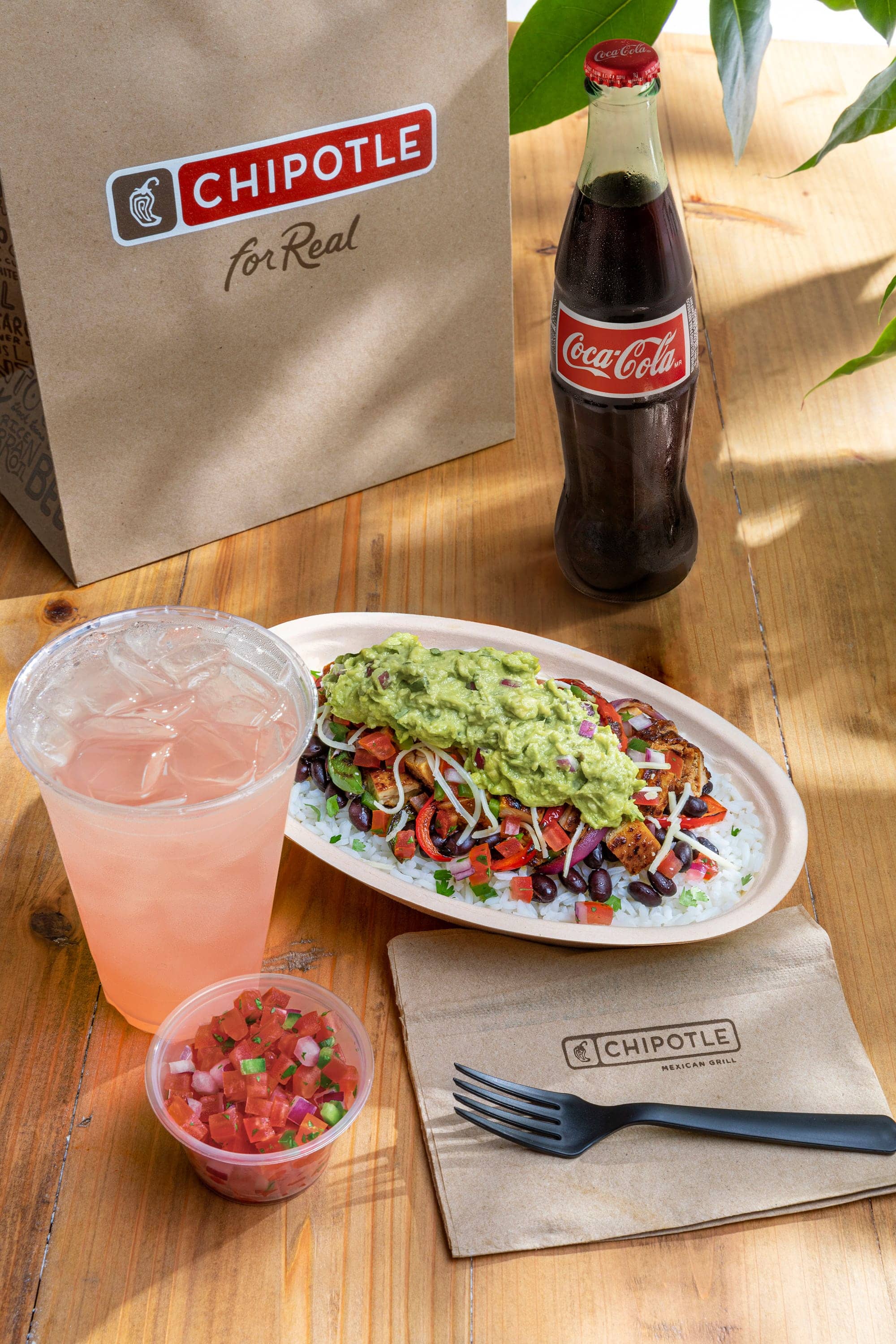
Chipotle names former KFC global CEO Sabir Sami to its board as the chain expands into Mexico, Saudi Arabia, and South Korea.
Sep 15, 2026

LeBron James joins Mike's Red Tacos as an investor, backing the birria chain led by Blaze Pizza and Dave's Hot Chicken veteran Bill Phelps.
Sep 15, 2026

Practical payroll compliance checklist for restaurant owners covering wage rules, tips, overtime, taxes, deductions, and recordkeeping to reduce legal risk.
Sep 14, 2026
Discover practical promotion ideas - time-based deals, loyalty programs, local partnerships, and digital marketing - to boost restaurant foot traffic consistently.
Sep 14, 2026
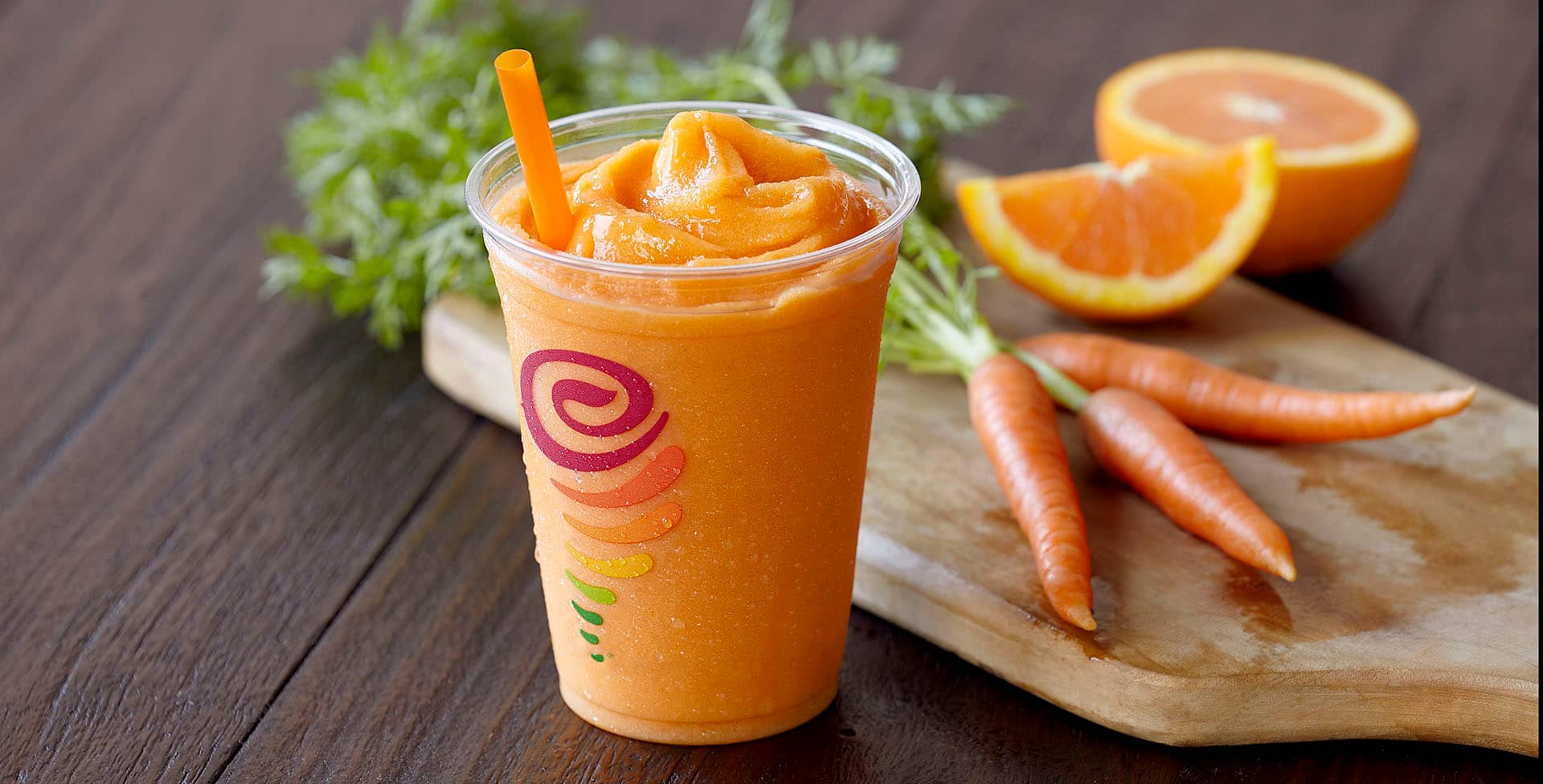
Lucy Brady joins Jamba as president to lead digital-first growth strategy. GoTo Foods restructures leadership to strengthen franchise platform capabilities.
Sep 14, 2026
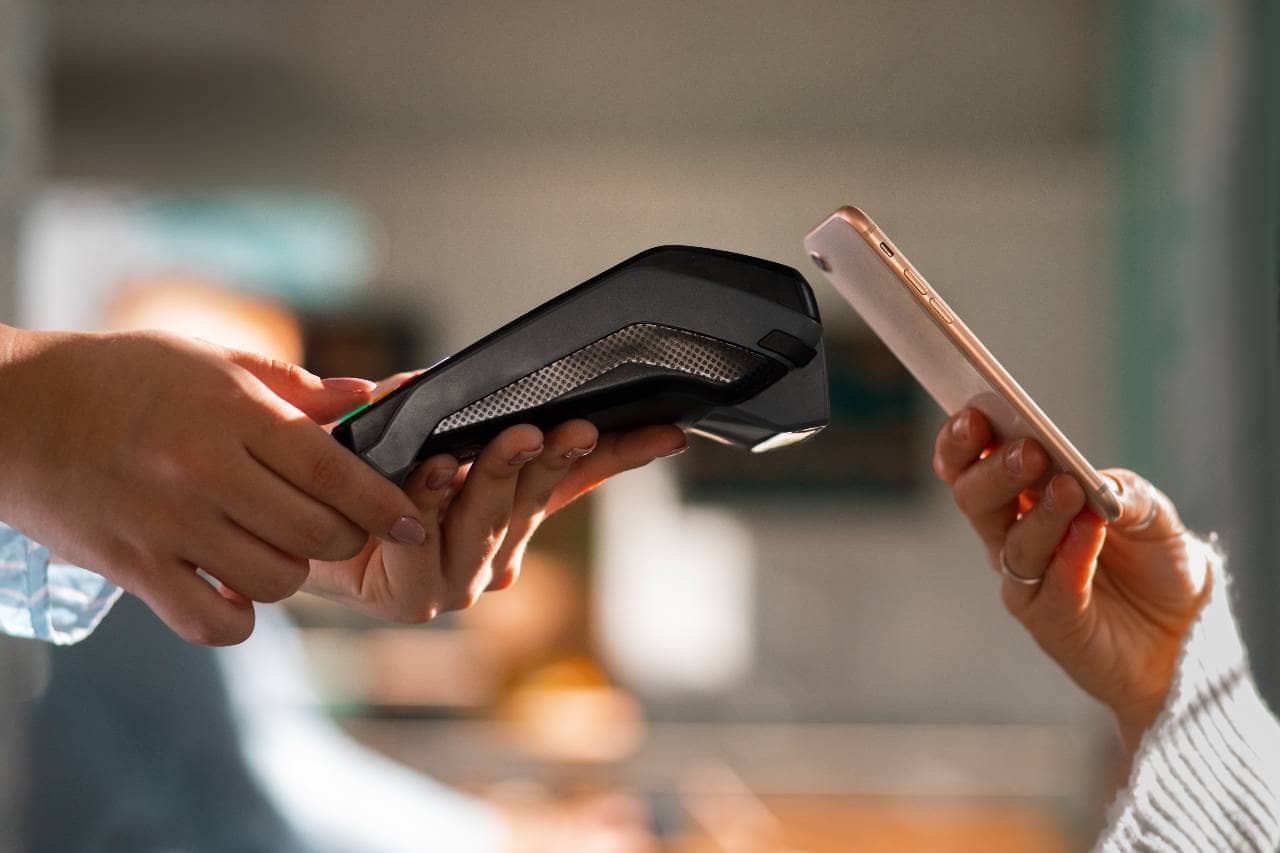
Contactless payment offers restaurants faster transactions, better security, and improved customer experience, making it a valuable, worthwhile technology investment today.
Sep 11, 2026

Pei Wei Asian Kitchen named Best Fast-Casual Chain in Reviewed 2026 Awards, reflecting shift from price competition to quality and transparency.
Sep 11, 2026

O'Charley's shuttered all corporate restaurants nationwide on September 9, 2026, ending its 55-year legacy as a casual-dining regional powerhouse.
Sep 11, 2026
Authentic Restaurant Brands lands $325M investment from Trimontium to fuel disciplined regional expansion across five established restaurant concepts.
Sep 11, 2026

Unlock Exclusive Access To Webinars, Events, And The Latest News For Free!
Boost restaurant revenue during FIFA World Cup 2026 with proven promotion ideas, marketing strategies, staffing tips, and match-day sales tactics.
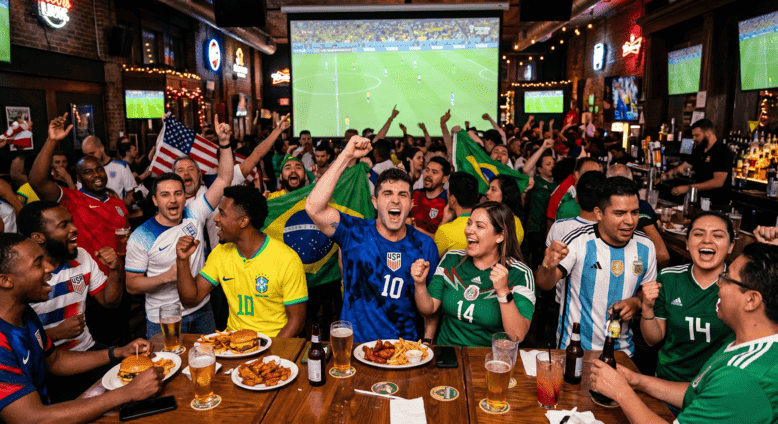
The FIFA World Cup is returning to the United States for the first time since 1994, and this edition is a different animal entirely. Forty-eight teams. Sixteen host cities spread across North America. A global audience that, by most projections, will be the largest ever assembled around a single sporting event.For restaurant owners, that is not a footnote. It is a six-week revenue window that happens once every four years, and in 2026 it is landing on American soil. If you are near a host city New York, Los Angeles, Dallas, Miami, Atlanta, Seattle, San Francisco, Boston, Philadelphia, or Kansas City the foot traffic alone should get your attention. But here is something operators miss - even restaurants two or three hours from any stadium are going to see demand spike, because most of this audience is watching from a barstool, not a stadium seat. Position your restaurant correctly, and it does not matter where you are.Everything in this blog ties back to one thing - your revenue. No filler.
FIFA World Cup 2026 runs June 11 through July 19. 39 days of matches, scheduled with U.S. primetime in mind. That last part matters more than people realize. Past World Cups were a nightmare for American bar and restaurant operators, games tipping off at 6 a.m. or 9 a.m., with limited commercial value. In 2026, organizers built the schedule around North American viewing hours. Afternoon and evening kickoffs. Prime dining and drinking windows. Which means customers will be looking for somewhere to watch. Not alone, either. Younger demographics have been moving away from solo home viewing for years. The draw is the crowd, the atmosphere, the shared experience of a big game. Your restaurant can be that place if you set it up right. Think about what Super Bowl Sunday does to bar and restaurant revenue. Now imagine that energy spread across six weeks and dozens of high-stakes matches. That is the scope of what is available here.
Before you build a single promotion, know your audience. Not every FIFA viewer is the same, and the ones most likely to walk through your door during the tournament skew a specific way. Hispanic and Latino communities are the most passionate World Cup audience in the country, full stop. Mexico, Argentina, Brazil, and Colombia these fanbases show up, they show up in groups, and they want a venue that acknowledges what is happening on screen. If your restaurant sits in or near a market with a significant Hispanic population, this demographic should be central to your marketing plan, not an afterthought. Millennials and Gen Z adults, roughly 22 to 40, represent the fastest-growing soccer fanbase in the U.S. They are also the group most likely to make a night of watching sports outside the house. They spend on drinks. They post about experiences. They come back when the first visit was good. 11 Families are a less obvious but real opportunity. The World Cup draws family viewers in a way that most sports do not. Daytime match windows with family-style pricing is a segment most restaurants completely ignore. And then there are international visitors. Millions of them are projected to travel to the U.S. for this tournament. Host-city restaurants especially will see free-spending tourists looking for somewhere to watch their country play. This audience is not price-sensitive, and they are not looking for a discount. Market to all four of these groups differently. If you are running the same promotion for every customer, you are underselling your potential.
Most FIFA World Cup promotion ideas for restaurants make the same mistake. They discount to drive volume without protecting margin. The approach below does the opposite.
The best menu and promotions fail if the right people never hear about them. Here is where to focus.
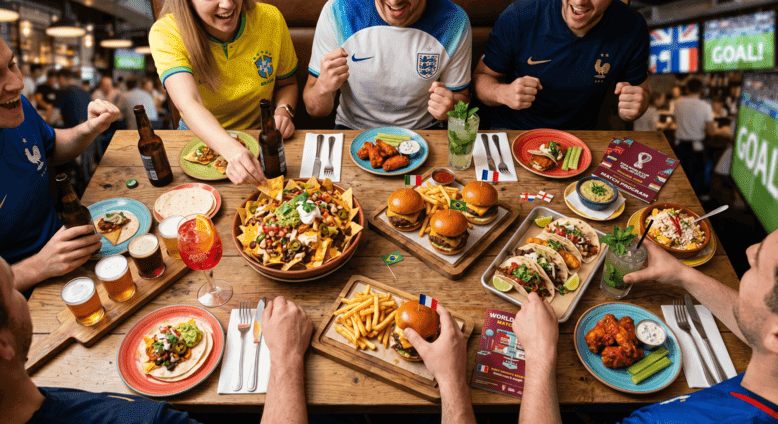
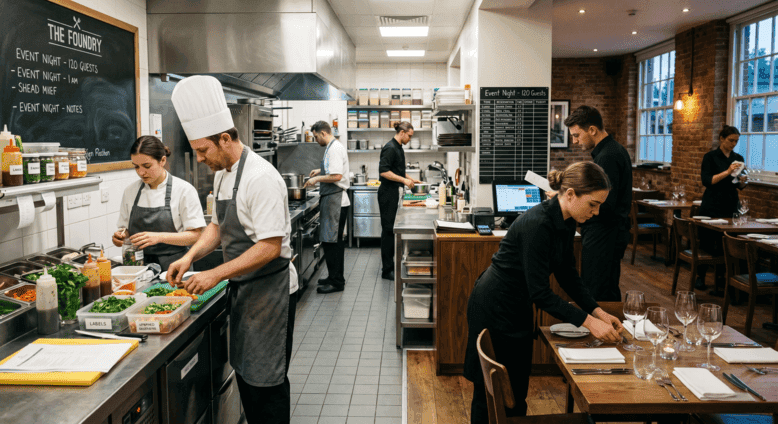
Revenue strategy fails if operations cannot support the volume. The following operational moves are non-negotiable if you are serious about World Cup revenue.
Many restaurant owners treat the World Cup as a flat six-week event and apply the same promotion intensity throughout. That is a mistake. The tournament has a natural escalation structure, and your marketing and staffing should match it. Group Stage (June 11 – July 2) - There are matches every day, often multiple matches per day. Volume is high, but not every match is high-stakes. Focus your heaviest promotion on U.S. team matches and local-community-relevant matches (teams your neighborhood's demographics care about). Run lighter promotions on other matches; screen them and offer the package, but do not burn the marketing budget on every single game. Round of 16 and Quarterfinals (July 2 – July 12) - Intensity increases. Every match matters. Expand your promotions. If the U.S. team is still in the tournament, these matches will be among your highest-revenue nights. Start building reservation demand now. Semifinals and Final (July 15 – July 19) - This is your Super Bowl. Pull out every tool. Require reservations. Enforce package minimums. Staff your best team. Run your most aggressive promotion. Ticket the event if your local regulations allow it.
FIFA World Cup 2026 is a legitimate business opportunity for restaurants across the United States. But opportunity does not convert to revenue automatically. Restaurants that will win during this tournament are the ones that plan now, build the right infrastructure, market to the right audiences, and execute with operational precision. The FIFA World Cup restaurant revenue available in 2026 is not going to come to you. You have to structure your promotions, your marketing, your staffing, and your physical space to earn it. Start with the three moves that have the highest return- update your Google Business Profile for World Cup visibility, lock in at least two group partnership deals with local soccer organizations, and build your match-day package pricing before June arrives. Everything else builds from there. The tournament runs for 39 days. Six weeks is a short window to make a significant impact on your annual revenue. Use every one of those days intentionally.