
DoorDash's $425M Bet on Campus Dining, Robot Kitchens
DoorDash pays $425M for Wonder's campus dining platform and a stake in Wonder, betting on robotic kitchens and institutional foodservice growth.
Industry Trends
Sep 16, 2026
DoorDash pays $425M for Wonder's campus dining platform and a stake in Wonder, betting on robotic kitchens and institutional foodservice growth.
Sep 16, 2026
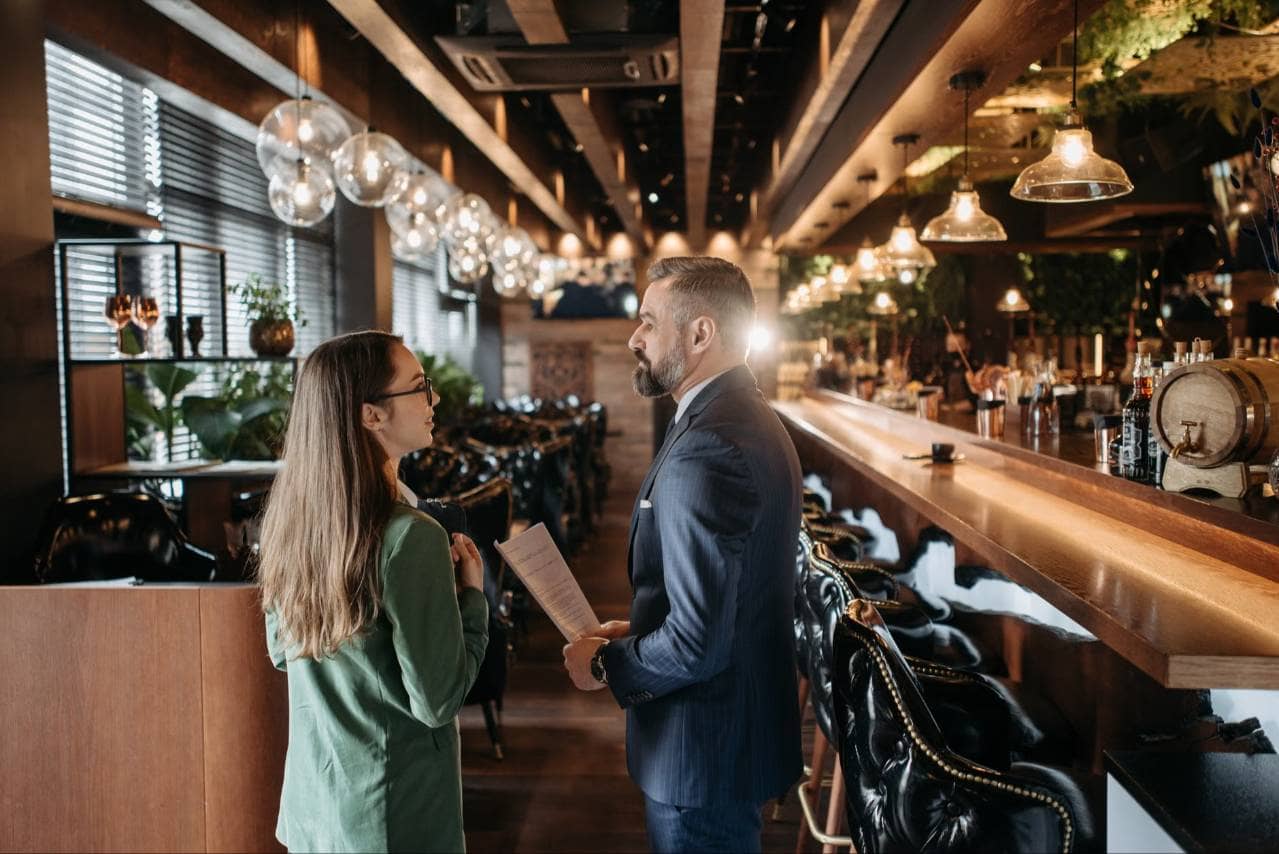
Discover the most common reasons restaurants fail, including inconsistent food quality and pricing mistakes, plus practical ways to avoid them.
Sep 16, 2026
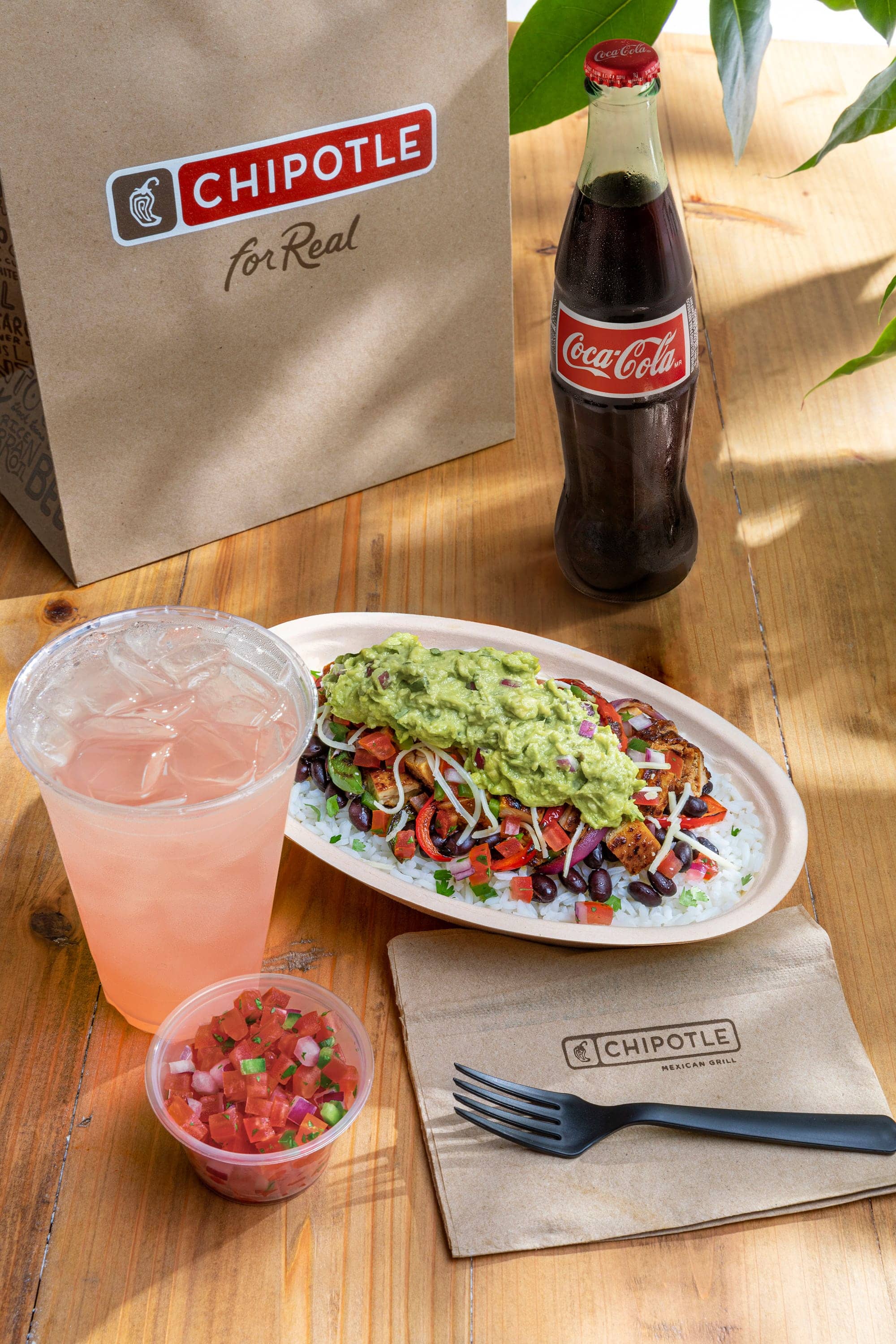
Chipotle names former KFC global CEO Sabir Sami to its board as the chain expands into Mexico, Saudi Arabia, and South Korea.
Sep 15, 2026

LeBron James joins Mike's Red Tacos as an investor, backing the birria chain led by Blaze Pizza and Dave's Hot Chicken veteran Bill Phelps.
Sep 15, 2026
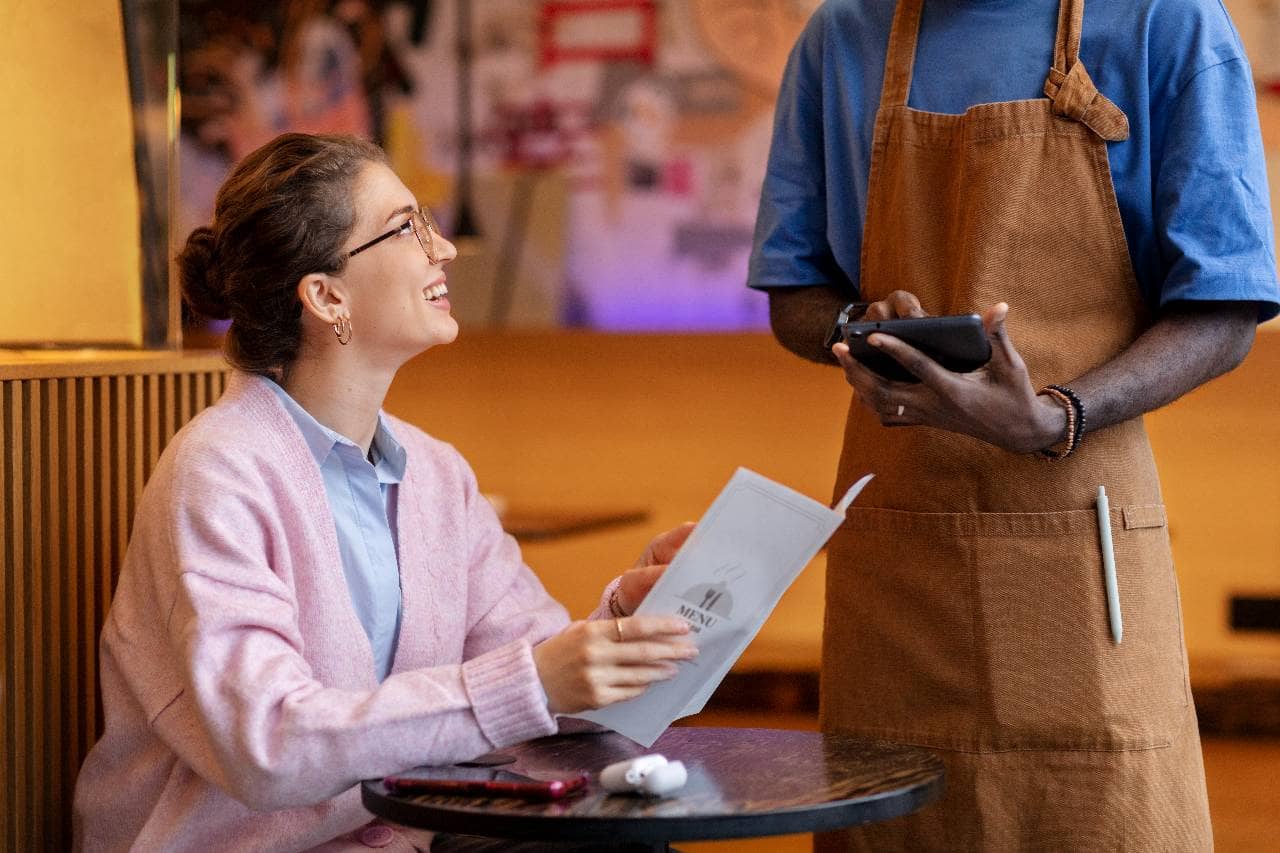
Discover practical promotion ideas - time-based deals, loyalty programs, local partnerships, and digital marketing - to boost restaurant foot traffic consistently.
Sep 14, 2026

Practical payroll compliance checklist for restaurant owners covering wage rules, tips, overtime, taxes, deductions, and recordkeeping to reduce legal risk.
Sep 14, 2026

Lucy Brady joins Jamba as president to lead digital-first growth strategy. GoTo Foods restructures leadership to strengthen franchise platform capabilities.
Sep 14, 2026
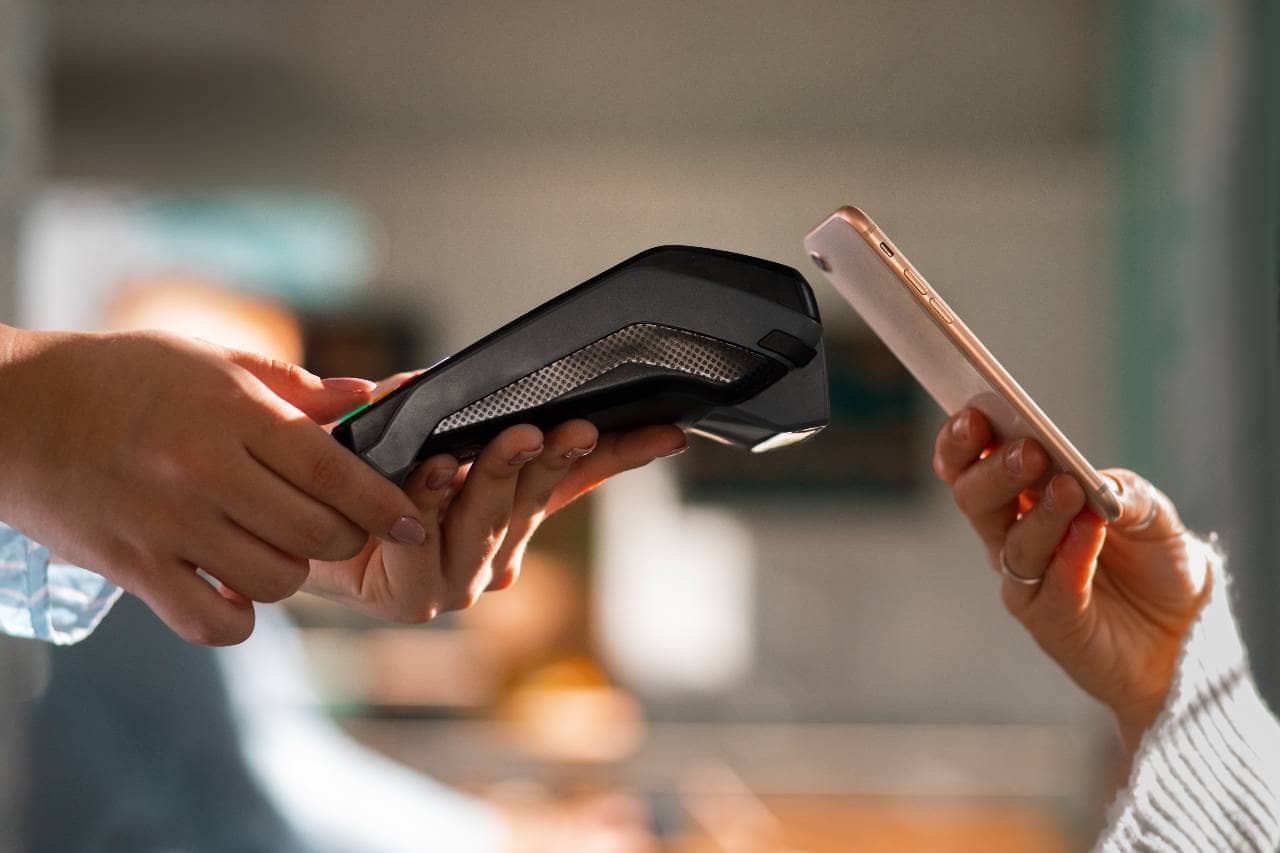
Contactless payment offers restaurants faster transactions, better security, and improved customer experience, making it a valuable, worthwhile technology investment today.
Sep 11, 2026

Pei Wei Asian Kitchen named Best Fast-Casual Chain in Reviewed 2026 Awards, reflecting shift from price competition to quality and transparency.
Sep 11, 2026

O'Charley's shuttered all corporate restaurants nationwide on September 9, 2026, ending its 55-year legacy as a casual-dining regional powerhouse.
Sep 11, 2026

Unlock Exclusive Access To Webinars, Events, And The Latest News For Free!
A missing Lego Star Wars cache puts Bricks & Minifigs in court, testing franchise rules, consignment policies, and brand trust across a 300‑unit network.

Photo by Rylie Howerter
A missing Lego Star Wars collection has pushed Bricks & Minifigs into the most public kind of crisis: a lawsuit amplified by viral video and a chorus of anxious franchisees. The Keizer, Oregon, store accepted a 2023 written consignment agreement from Bryan Mansell for his late father’s multi‑decade Star Wars assemblage, valued by his family at approximately $200,000. Portions sold over the following year. Then the franchisor repossessed the unit in November 2024, and questions over the whereabouts of the remaining pieces turned murky. YouTuber Ben Schneider, known as “Reckless Ben,” drew tens of millions of views to the dispute, putting the reputation of a 300‑unit franchise network on the line.
The paths that crossed here are familiar to anyone who has built a brand with local operators and national rules. Mansell’s family trusted a neighborhood shop. The Keizer franchisee took the consignment. Corporate stepped in after a run of unpaid bills to vendors, the landlord and the franchisor. CEO Ammon McNeff said the franchisee’s partner accepted a job overseas and sought guidance on closing the store, adding, “When an opportunity for her partner to take a job overseas [came], they chose to pursue that … and wanted to know how to close their store.”
Bricks & Minifigs later asserted via its website that it was not party to the Mansell consignment contract, deepening the family’s frustration and setting the stage for legal action. Underneath the headlines sits a technical fight over what franchise rules allowed. The franchisor maintains that its franchise disclosure document mentions “consignment services,” yet differs fundamentally from true consignment of customer inventory, and says franchisees are trained not to consign Lego products.

Corporate posted publicly that any consignment arrangement was outside system rules. Facing backlash, headquarters rolled out new accountability measures beginning in January 2025:
- tighter inventory logging and record‑keeping protocols introduced in January 2025
- mandatory disclosure forms for customer transactions
- comprehensive staff training on professional boundaries, de‑escalation and dispute resolution
Attorney Elissa Safer of Drumm Law cautioned against uneven execution, noting, “Rule one is making sure the franchisor is really making all the franchisees aware of everything, but then also consistently making sure they follow it.”
People closest to the Keizer store have been blunt. Mansell supporters Chrystal Law and Benjamin Gorman, ousted from the unit and named as plaintiffs alongside Mansell, accuse corporate of lock‑changing and inventory confiscation without due process. “Our lives were turned upside down when the corporate franchisor behind our Bricks and Minifigs store … abruptly seized our business, changed the locks, confiscated our inventory and publicly accused us of theft,” Gorman wrote in a GoFundMe update.
Schneider, who documents corporate‑franchisee disputes, frames the saga as “big, corrupt companies” taking advantage of individuals. The ripples reached far beyond Oregon. Multi‑unit franchisees Rob and Mindy Warland in Roseville, Minnesota, hosted town halls to reassure local customers, with Rob noting an influx of social media criticisms and a surge in franchisee conversations since the Keizer case went viral.
The legal chessboard filled quickly. In March 2025 the Mansells and former franchisees filed suit alleging breach of contract, defamation and fraudulent inducement against Bricks & Minifigs corporate. That same month, Bricks & Minifigs sought a temporary restraining order and scheduled a preliminary injunction hearing for May 2025, naming Schneider and Mansell among the defendants. On June 4, 2026, the franchisor issued a press release offering to meet with Mansell to compensate him for “anything unaccounted for, including what Ms. Law/Gorman failed to compensate you for without your knowledge,” and proposed discussing a mutual dismissal of the lawsuit.

Also on June 4, 2026, corporate announced the permanent closure of the Keizer location. The intertwined questions now center on ownership claims, contract interpretation and enforcement of consignment terms, with the next court dates expected later this summer. For a sector thriving on trust, the timing is sensitive. According to the International Franchise Association, 806,270 franchise establishments supported nearly 8.7 million direct jobs and generated $858.5 billion in economic output in 2023.
The 2024 Franchising Economic Outlook report forecasts that franchising will grow an additional 1.9 percent in 2024, adding about 221,000 jobs, with personal services and quick‑service restaurants leading expansion. Restaurant industry analysts note that QSR operators expect employment growth to near four million workers in 2024 despite labor challenges. Such robust growth underscores how a dispute at a single location can ripple across an entire brand, intensifying scrutiny of system governance and risk controls.

Several pieces on the board remain unmapped: the precise whereabouts of the Mansell collection that was sold or still in corporate possession, the enforceability of a contract that Bricks & Minifigs disavows and whether new operational reforms will retroactively touch past consignment‑like deals. Neither the franchise agreement nor the updated FDD language as of January 2025 explicitly addresses legacy consignment contracts. The Mansell family and their legal counsel have not disclosed the exact dollar value of items recovered versus those still missing, a gap that complicates settlement talks and judicial determinations. Brands across franchising, including restaurants that live by efficient inventory and clean paper trails, will be watching the court calendar this summer as they tighten their own policies and coach teams on record‑keeping, disclosures and de‑escalation at the counter.
