Propelled Brands Cuts Camp Bow Wow Startup Costs
Propelled Brands lowers Camp Bow Wow’s investment and standardizes a 6,000-sq-ft prototype to attract multi-unit growth amid a tight real estate market.
franchising
Jun 18, 2026
Propelled Brands lowers Camp Bow Wow’s investment and standardizes a 6,000-sq-ft prototype to attract multi-unit growth amid a tight real estate market.
Jun 18, 2026

Blue Bottle launches a 90-minute, machine-free Kyoto-style espresso, bottled for cold drinks across 152 cafés on June 16.
Jun 18, 2026

Yum! Brands will sell Pizza Hut outside China to LongRange for $1.5B and its China unit to Yum China for $1.2B, with deals closing in Q3 2026.
Jun 18, 2026
Toast tops Square, Lightspeed, Clover, SpotOn, and ChowNow as AI and drive-thru tools reshape restaurant POS; market projected to hit USD 44.03B by 2035.
Jun 18, 2026

A missing Lego Star Wars cache puts Bricks & Minifigs in court, testing franchise rules, consignment policies, and brand trust across a 300‑unit network.
Jun 18, 2026
Domino’s launches a $9.99 any pizza deal, adding Parmesan Stuffed Crust through July 26, 2026, timed to the World Cup with gamified rewards and heavy ad support.
Jun 18, 2026
Raising Cane’s opens a 16,000-square-foot flagship by Intuit Dome in Inglewood, blending spectacle and throughput as the chain accelerates global expansion.
Jun 18, 2026

Restaurants race to modernize POS as mobile wallets surge, cloud adoption grows, drive-thru integrations expand, and costs and interoperability shape strategic selection.
Jun 18, 2026
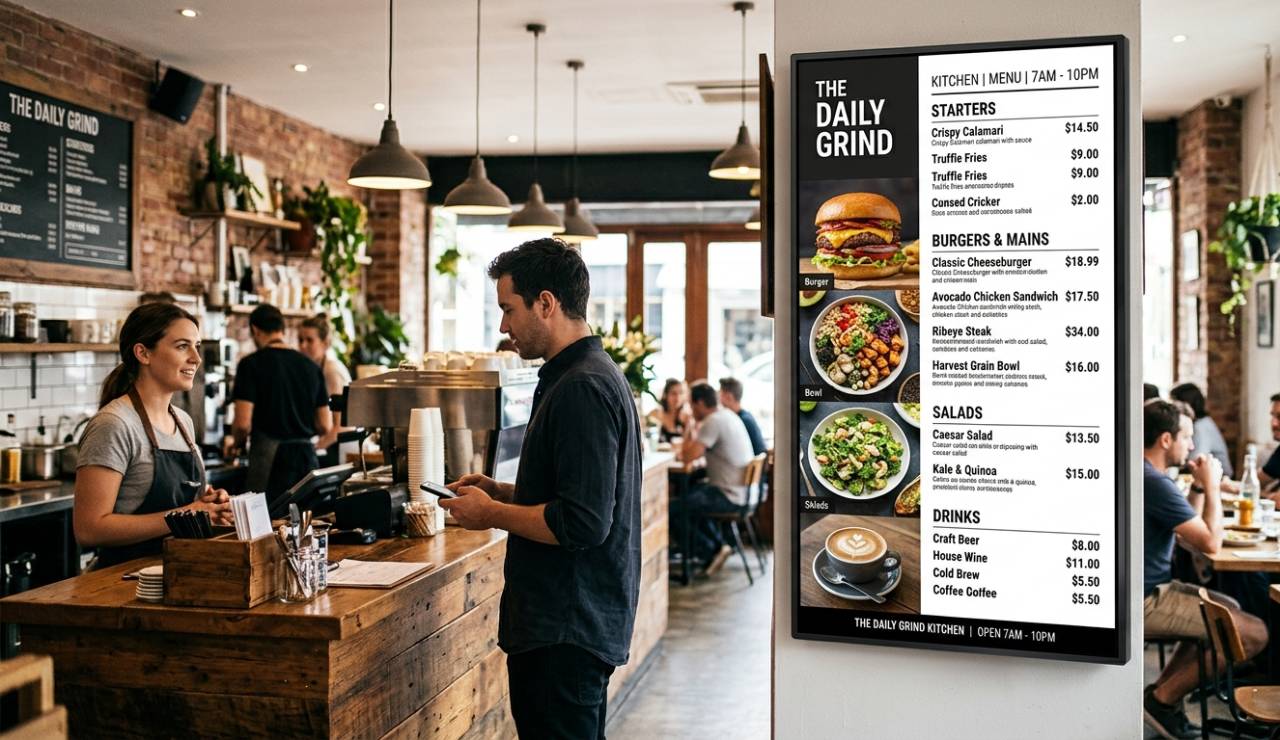
Learn how to calculate menu price by analyzing ingredient costs, labor, overhead, demand, and contribution margin for stronger restaurant profits.
Jun 17, 2026

Explore best Areas in Chicago to open a restaurant by matching neighborhood demand, concept type, costs, traffic, and customer behavior.
Jun 17, 2026
Yum! Brands will sell Pizza Hut outside China to LongRange for $1.5B and its China unit to Yum China for $1.2B, with deals closing in Q3 2026.
Photo by Nathan Bartlett
Yum! Brands is handing off Pizza Hut. On June 16, 2026, the company said it will sell Pizza Hut outside Mainland China to private equity firm LongRange Capital for $1.5 billion and divest its China unit to Yum China for $1.2 billion. Both deals are slated to close in the third quarter of 2026 pending regulatory approvals. The move separates Pizza Hut from KFC and Taco Bell for the first time in nearly forty years, a split investors have viewed as one of the sector’s most-watched turnarounds. Pizza Hut outside China will keep running on Byte by Yum!, preserving the chain’s core digital rails through the transition.
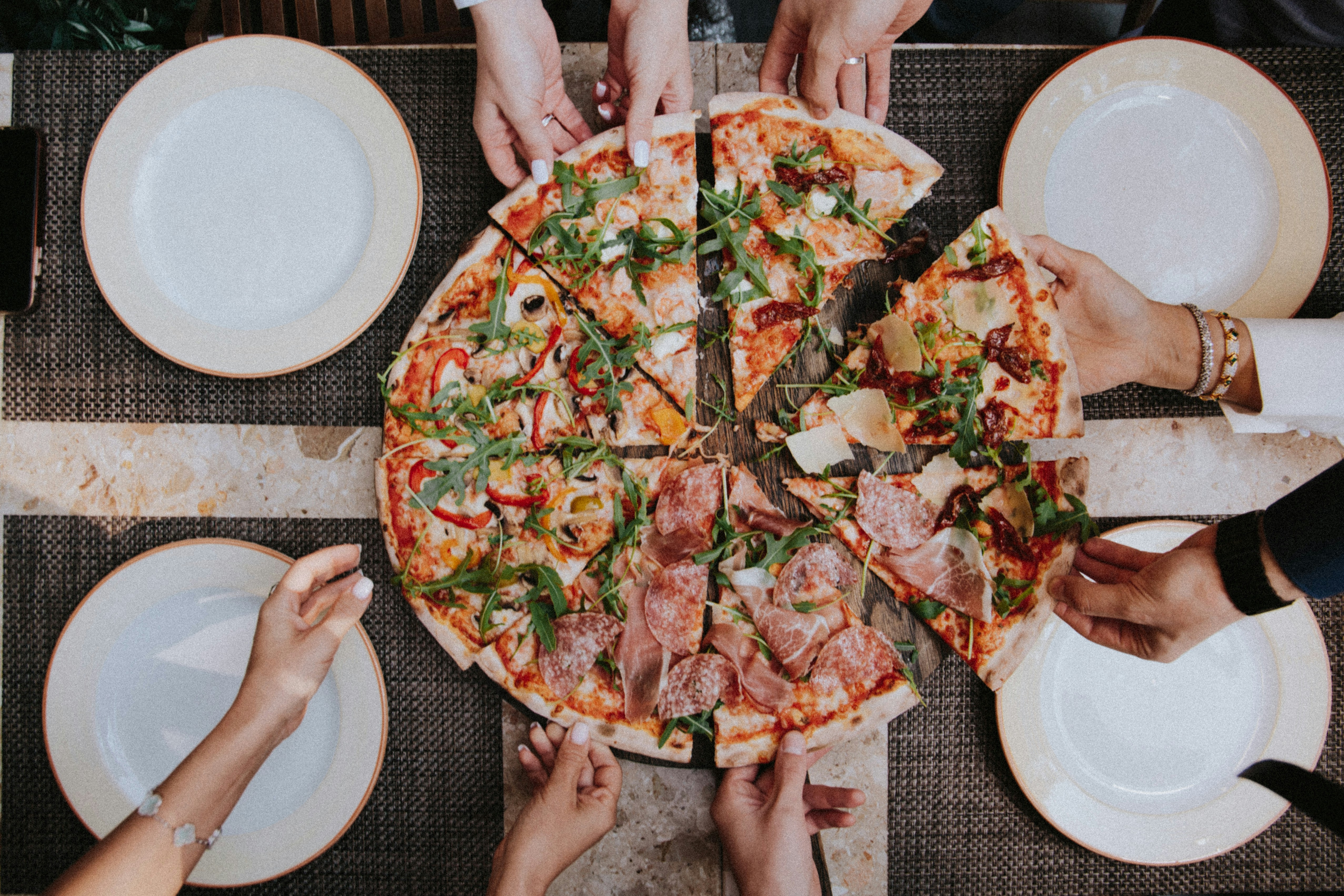
The reset follows years of lagging results. Yum! began exploring strategic alternatives in November 2025 after Pizza Hut’s domestic performance fell behind. In the first quarter of 2026, U.S. same-store sales declined 4 percent and systemwide sales dropped 6 percent, capping an 8 percent dip in systemwide sales for fiscal 2025 after comparable sales fell 5 percent the year before. Founded in 1958, Pizza Hut was surpassed by Domino’s in the United States by 2018, a sign of shifting category dynamics. New CEO Chris Turner, who took the helm in October 2025, launched a formal review quickly and said on an earnings call that "a sale of the business would allow Pizza Hut to realize its full potential," pointing to the need to reinvigorate legacy dine-in and digital formats.
Here is how the split is structured:
- LongRange Capital will acquire operations outside Mainland China, more than 15,500 restaurants across 108 countries generating roughly $10 billion in annual systemwide sales, for $1.5 billion. The firm, founded in 2019 by Bob Berlin and known for investments in Arby’s and 24 Hour Fitness, may receive an additional $75 million earn-out by 2030 if growth targets are met.
- Yum China will pay $1.2 billion to assume the brand’s 19 percent share of sales in its second-largest market, focusing on its locally franchised system.
- Byte by Yum!, an AI-driven restaurant technology platform introduced in 2024, remains under a long-term license to power digital ordering, loyalty, and crew management for Pizza Hut outside China across more than 100 countries.
- Each transaction is subject to customary antitrust and regulatory approvals, targeted for the third quarter of 2026, and includes binding commitments to support operational continuity, digital integration, and franchisee alignment during transition.
The structure sets up two geographic owners tethered to one tech backbone.
Turner framed the move as focus and speed. "These transactions enable Yum! to be a more focused company that continues to leverage scale, technology and talent to accelerate our B.A.R. priorities and deliver sustained value for our stakeholders." Berlin struck a brand-first tone. "Pizza Hut is a beloved global brand with a rich heritage and a loyal customer base that few brands can match," he said, with plans to work closely with franchise partners on food quality and consistent experiences. Industry analyst Neil Saunders did not mince words, calling Pizza Hut "the weak link in Yum’s portfolio," a reminder of the urgency behind the sale.
The timing fits a busy moment for private equity in restaurants. Deal value grew roughly 15 percent year-over-year in 2025 even as transaction volume fell 30 percent, according to industry reports. Funds are leaning into franchised QSR brands for scalability and steady cash flows, and 43 percent of managers cite strategics as their primary rivals in upcoming deals. Competitive pressure in pizza stays real. Domino’s posted U.S. same-store sales growth of 0.9 percent in Q1 2026 and has gained 11 percentage points of market share over the past decade.
There are real unknowns. Regulatory clocks in multiple countries could stretch timelines. LongRange’s earn-out hinges on hitting growth targets by 2030 during a period of wage pressure and shifting consumer preferences, and private equity fundraising challenges may complicate integrations despite improving financing conditions. Byte by Yum! must also prove it can drive loyalty gains under a private equity ownership model outside China.
What comes next is execution. Dual-track stewardship puts operational expertise and capital to work against two different playbooks. LongRange says it brings a long-term, operationally driven approach that could accelerate turnaround plans initiated in 2019, including value platform enhancements and unit optimization. Yum China is positioned to lean into high-growth potential in its home market. If it works, the deal could become a template for splitting global restaurant brands along geographic lines while keeping digital continuity intact.