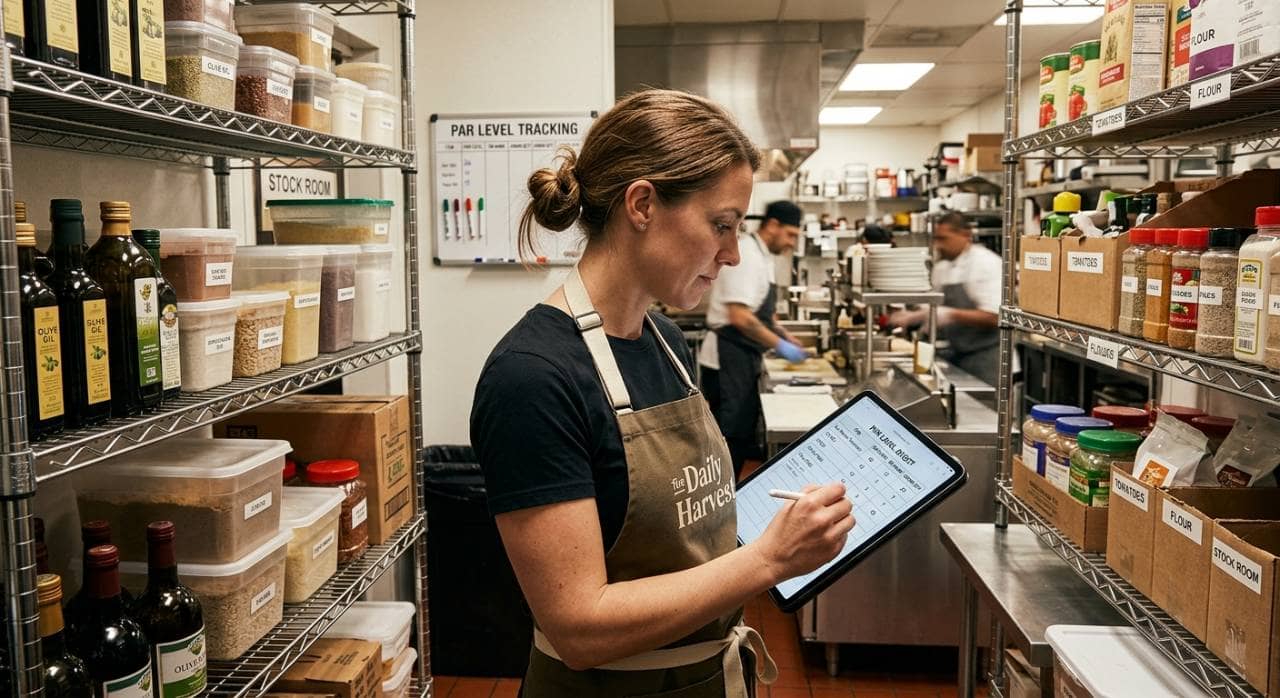
How to Set Par Levels for Restaurant Inventory
Learn to calculate par levels for restaurant food, beverages, and packaging inventory, preventing stockouts and waste through proper formulas.
Back Office
Sep 4, 2026
Learn to calculate par levels for restaurant food, beverages, and packaging inventory, preventing stockouts and waste through proper formulas.
Sep 4, 2026
Caribou Coffee appoints Zane Thomas-Rogers as Chief Operations Officer to strengthen execution across its expanding coffeehouse network.
Sep 4, 2026
Compare the top 10 restaurant POS systems in the USA for 2026. Explore features, pricing, pros, cons, and the best POS options for every restaurant type.
Jul 1, 2026

Learn how to handle restaurant payroll yourself, from calculating hours and wages to managing tips, taxes, and final paychecks.
Sep 2, 2026
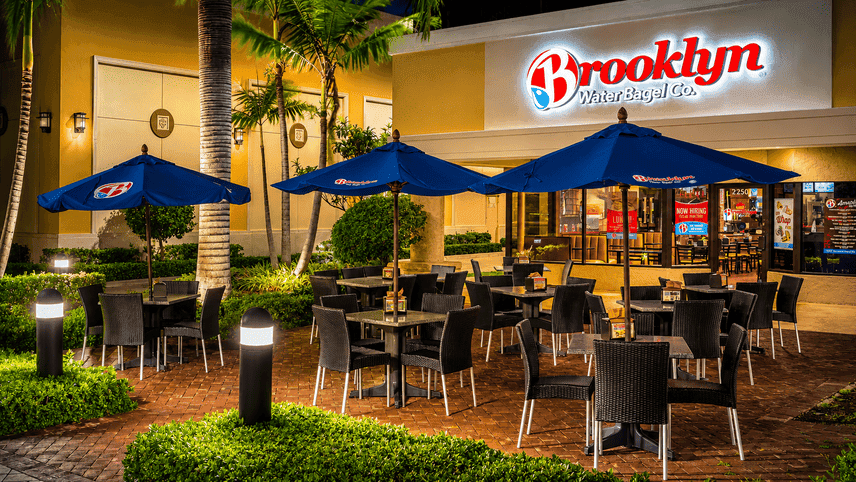
Brooklyn Water Bagel launches its first campus eatery at Nova Southeastern, signaling strategic growth and fresh potential for multi-unit operators seeking new market wins.
Sep 2, 2026
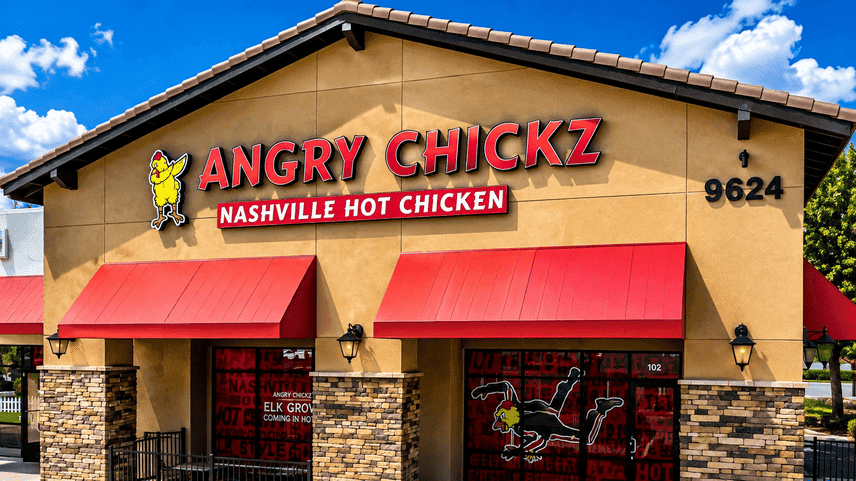
Angry Chickz enters Illinois with its signature hot chicken concept and ambitious plans for Midwest expansion, setting the stage for new franchise opportunities and community engagement.
Sep 2, 2026
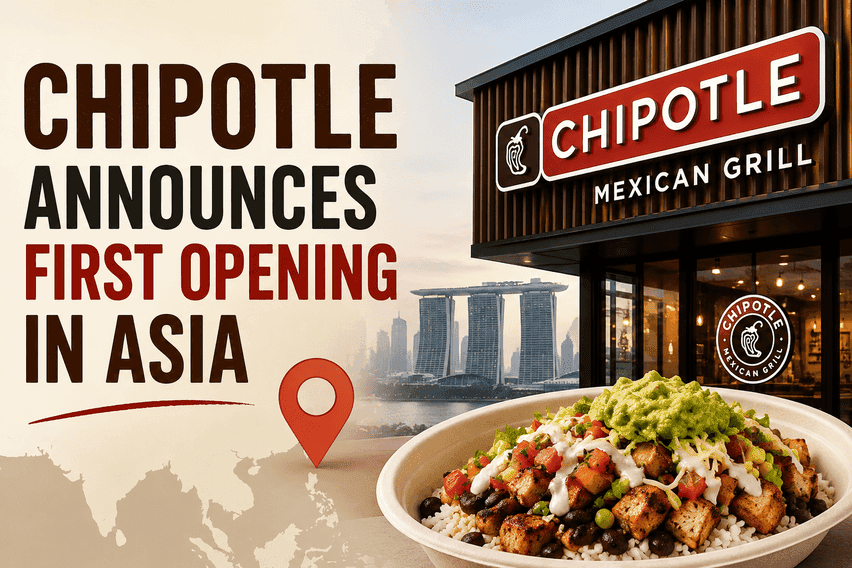
Chipotle makes its highly anticipated entry into Asia with a Seoul opening, partnering with Sangmidang Holdings and setting a template for future international growth.
Sep 2, 2026
Restaurant labor management helps owners optimize staffing, control labor costs, improve productivity, monitor overtime, and maintain efficient restaurant operations.
Sep 2, 2026
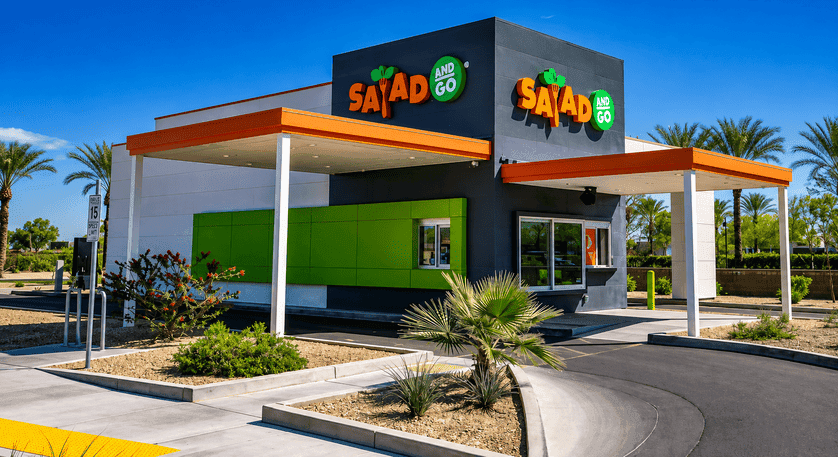
7 Brew has acquired 73 former Salad and Go locations, surpassing Dutch Bros with a $143M bid, signaling a major shift in the competitive landscape for drive-thru brands.
Sep 2, 2026

Explore restaurant technology trends in 2026, including AI, automation, digital ordering, workforce tools, connected kitchens, personalization, and profitability strategies today.
Aug 28, 2026

Unlock Exclusive Access To Webinars, Events, And The Latest News For Free!
Papa John’s unveils Back to Better 2.0, a brand and marketing overhaul pairing a refreshed platform with data-driven tactics to lift awareness, loyalty, and profitability.

Photo by Getúlio Moraes
Papa John’s is betting on a growth reset that blends a bright brand makeover with a tighter, data‑driven marketing operation. The centerpiece is Back to Better 2.0, a plan that pairs a refreshed brand identity with disciplined spending to lift awareness, purchase intent, and long‑term loyalty. At the heart of the drive is a new brand platform, Better Get You Some, designed to reshape visuals, messaging, and tone across every touchpoint. This overhaul sits alongside a push to align marketing with store execution and closer franchise collaboration, all while keeping profitability front and center. It’s a bold bet that targets more traffic without cannibalizing margins. This is the setup that could redefine how customers experience the brand.
Papa John’s is committing approximately $20 million toward national marketing to lift brand reach, awareness, and purchase intent, with the Better Get You Some platform anchored in the broader Back to Better 2.0 strategy. The plan aims to increase audience segmentation, loyalty, and return on ad spend while safeguarding store economics. Executives describe the platform as a structured leap that elevates perception and performance in a crowded quick‑service landscape, across social, digital, and in‑store touchpoints, without sacrificing profitability at the unit level.
Back to Better 2.0 rests on three pillars: stronger national marketing investment, smarter use of data and analytics to guide decisions, and accelerated development to grow market share in key regions. A centerpiece is the refreshed brand platform, Better Get You Some, created with The Martin Agency to elevate how people think about pizza quality and the brand promise across channels. The platform builds on the enduring Better Ingredients. Better Pizza. proposition, while embracing a multimedia approach with distinctive visuals and a modern soundtrack. The company also tests value messaging and price positioning to balance affordability with product differentiation, aiming to sustain store profitability as traffic grows.
“We are being thoughtful and intentional in our approach, by focusing on opportunities for modest transactions without placing unmediated pressure on store level profitability,” Ravi Thanawala, CFO, emphasized in discussions around the plan. “We believe this is critical in our alliance with our franchise needs.” The leadership also highlighted the creative leadership behind Better Get You Some, including the Chief Marketing Officer and agency partners, as part of translating brand storytelling into tangible sales and loyalty outcomes. “Better Get You Some captures and champions the role pizza devotion plays in all our lives,” said Mark Shambura, Chief Marketing Officer. These voices frame a disciplined path that seeks to turn ideas into actions at the point of purchase.
Back to Better 2.0 ties three pillars into one roadmap: stronger national marketing investment, smarter use of data and analytics, and accelerated development to grow market share in key territories. A central component is the refreshed brand platform, Better Get You Some, designed in partnership with The Martin Agency to elevate the perception of pizza quality and the brand promise across all channels. The platform builds on the longstanding Better Ingredients. Better Pizza. proposition, and the campaign uses a multimedia approach with distinctive visuals and a modern soundtrack. In parallel, Papa John’s has tested value messaging and price positioning to balance affordability with product differentiation, aiming to sustain store profitability while driving traffic.
In the industry context frame, digital transformation and loyalty investments are integrated into the plan, with management noting that promotional and marketing investments are strategically deployed to optimize revenue per transaction while preserving margins at the store level. The approach also contemplates ongoing international transformation efforts and partnerships that support growth, such as development collaborations announced earlier in the year to expand the U.S. footprint.

Gaps, Uncertainties, and Risks surround a bold plan. The clearest question is whether the marketing investment can deliver durable same‑store sales gains without pressuring profitability at the store level, especially in a landscape of rising costs and mixed ownership across company and franchise locations. Ravi Thanawala and other executives have underscored the need to avoid unmediated pressure on unit economics while pursuing stronger alignment with franchise partners. In late 2024 and into 2025, analysts flagged the risk that elevated brand lift might not translate into durable transaction growth, making loyalty and app upgrades critical tests. The plan’s success rests on carefully measured CAC, lifetime value, and basket size to validate the $20 million investment and the broader 2.0 framework.
The real watchphrase? Can development incentives and international transformation sustain expansion, and will franchise operators feel the partnership is truly aligned with their needs? The outcomes hinge on continued execution discipline, market conditions, and the restaurant team’s ability to translate brand and pricing moves into steady, profitable traffic. As always, the digital and loyalty tools must prove their worth through real customer behavior, not just buzz around a shiny platform.

Taken together, Papa John’s Back to Better 2.0 is a deliberate, multi‑pronged push to rebuild brand equity, accelerate development, and sharpen marketing effectiveness. The Better Get You Some platform anchors the creative and messaging evolution, while a substantial marketing investment and rigorous analytics aim to lift awareness, loyalty, and transaction velocity. The emphasis on franchise alignment, value‑oriented offers, and digital engagement signals a holistic effort to translate brand strength into store profitability and systemwide growth.
As the quarters unfold, observers will see whether the marketing lift and loyalty upgrades translate into durable traffic gains and higher checks, and whether development incentives yield meaningful expansion in North America and beyond. The road ahead is promising, but execution at scale across a diverse franchise network and the ongoing effectiveness of the digital ecosystem in turning interest into loyal customers will determine the ultimate trajectory.