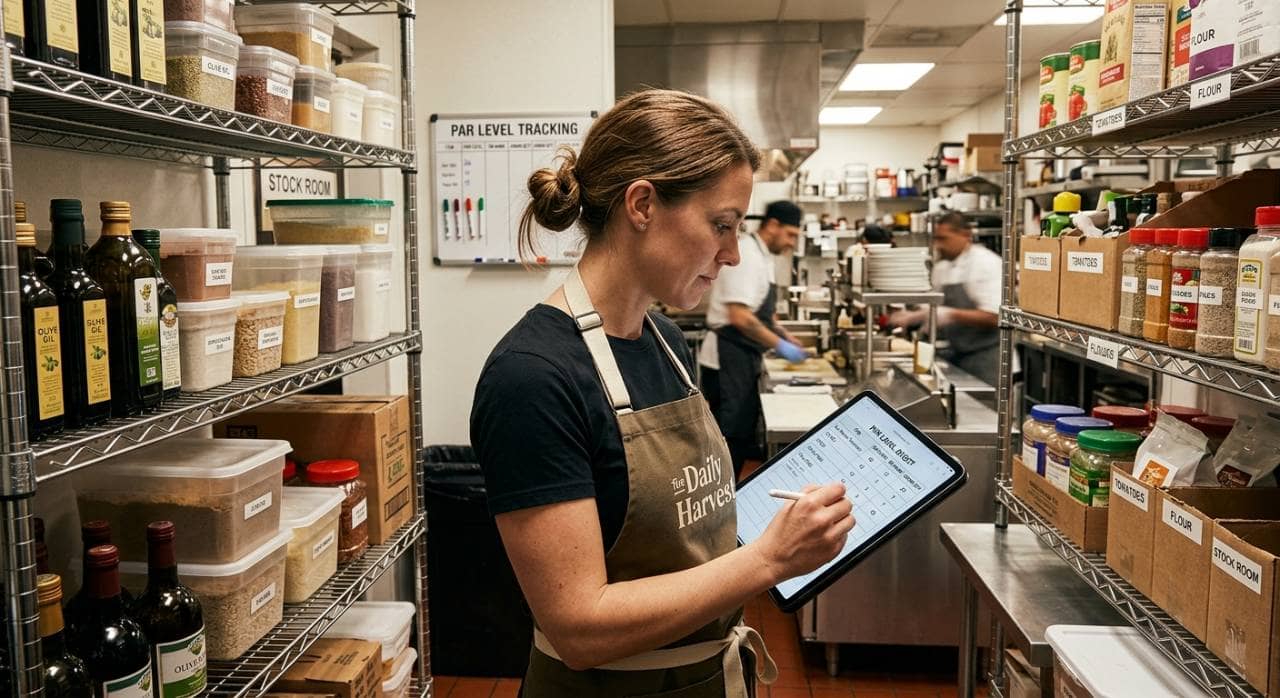
How to Set Par Levels for Restaurant Inventory
Learn to calculate par levels for restaurant food, beverages, and packaging inventory, preventing stockouts and waste through proper formulas.
Back Office
Sep 4, 2026
Learn to calculate par levels for restaurant food, beverages, and packaging inventory, preventing stockouts and waste through proper formulas.
Sep 4, 2026
Caribou Coffee appoints Zane Thomas-Rogers as Chief Operations Officer to strengthen execution across its expanding coffeehouse network.
Sep 4, 2026

Compare the top 10 restaurant POS systems in the USA for 2026. Explore features, pricing, pros, cons, and the best POS options for every restaurant type.
Jul 1, 2026

Learn how to handle restaurant payroll yourself, from calculating hours and wages to managing tips, taxes, and final paychecks.
Sep 2, 2026
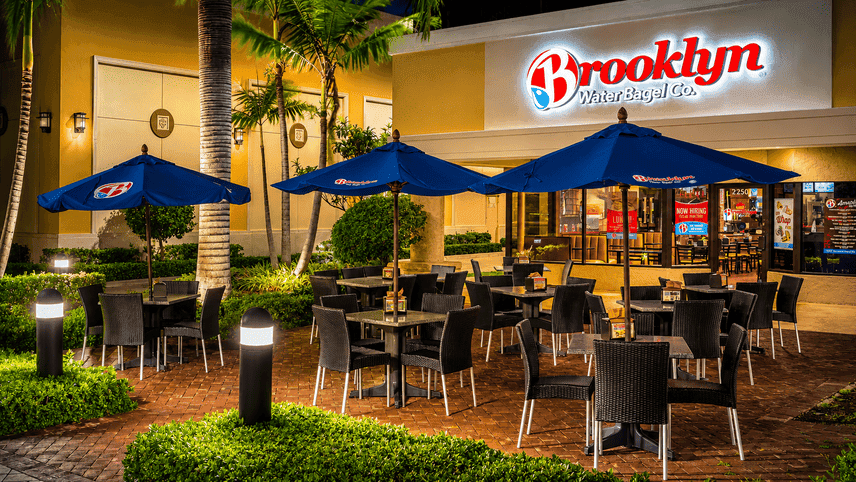
Brooklyn Water Bagel launches its first campus eatery at Nova Southeastern, signaling strategic growth and fresh potential for multi-unit operators seeking new market wins.
Sep 2, 2026
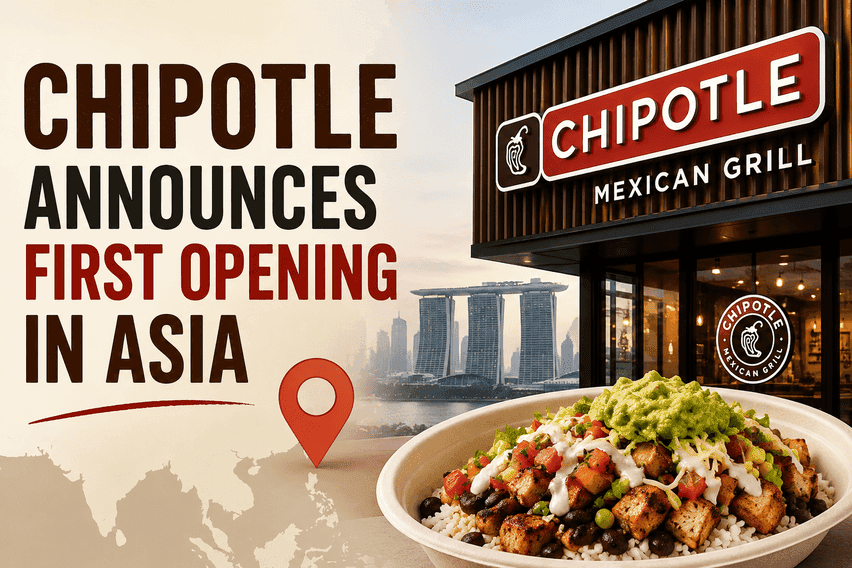
Chipotle makes its highly anticipated entry into Asia with a Seoul opening, partnering with Sangmidang Holdings and setting a template for future international growth.
Sep 2, 2026
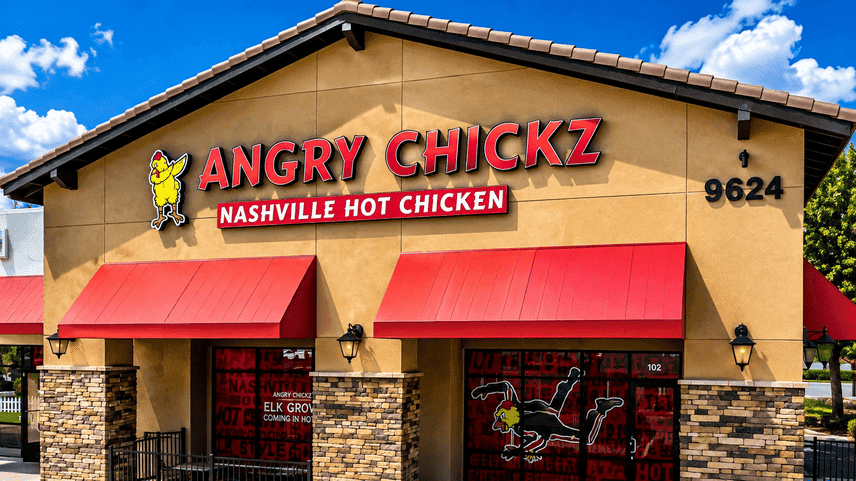
Angry Chickz enters Illinois with its signature hot chicken concept and ambitious plans for Midwest expansion, setting the stage for new franchise opportunities and community engagement.
Sep 2, 2026
Restaurant labor management helps owners optimize staffing, control labor costs, improve productivity, monitor overtime, and maintain efficient restaurant operations.
Sep 2, 2026
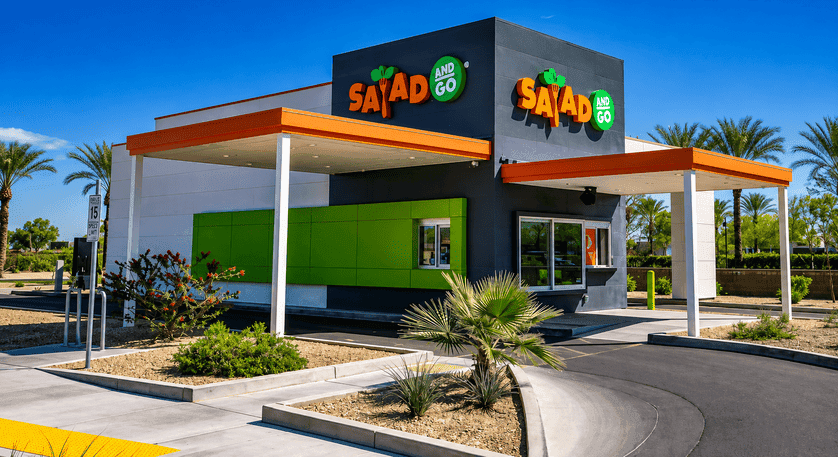
7 Brew has acquired 73 former Salad and Go locations, surpassing Dutch Bros with a $143M bid, signaling a major shift in the competitive landscape for drive-thru brands.
Sep 2, 2026

Explore restaurant technology trends in 2026, including AI, automation, digital ordering, workforce tools, connected kitchens, personalization, and profitability strategies today.
Aug 28, 2026

Unlock Exclusive Access To Webinars, Events, And The Latest News For Free!
Portillo’s plans a 5,500-sq-ft inline flagship on Chicago’s Michigan Avenue, reflecting a strategic reset toward smaller, omnichannel formats.

Photo by Mateusz Feliksik
Portillo’s will step onto one of Chicago’s busiest corridors with a leaner frame. On June 5, 2026, the company announced plans to open a 5,500-square-foot flagship at 304 N. Michigan Avenue, its first inline location in downtown Chicago and only the second inline prototype in the system. Set just south of the Magnificent Mile near Millennium Park and Navy Pier, the site will seat nearly 100 guests and support dine-in, pickup, and delivery, marrying a compact footprint with marquee visibility. The restaurant will mark Portillo’s 45th location in greater Chicagoland and its fourth within Chicago proper.
The move arrives from a quieter gear. Portillo’s embarked on a strategic reset in late 2025, slowing expansion to sharpen unit economics and validate smaller prototypes. The chain added eight new restaurants in fiscal 2025, ending the year with 102 locations, down from an originally targeted 12 openings, and expects to open eight more in 2026. According to the company’s proxy filing, average unit volume dipped to $8.5 million in 2025 from a 2023 peak of $9.1 million, while same-restaurant sales improved from a 3.3% decline in Q4 2025 to a 0.1% dip in the first quarter of 2026. The recalibration sets the table for formats that can do more with less.
The Michigan Avenue build leans on that thesis. The corner site at North Michigan Avenue and East Wacker Place sits within an easy walk of the Loop’s major attractions. At roughly half the size of Portillo’s largest freestanding Chicago units, which can run up to 11,000 square feet, the restaurant retains core operational hallmarks such as a streamlined production line. Portillo’s pioneered its Restaurant of the Future 1.0 design in 2025, a 6,250-square-foot prototype with a shortened, efficient production workflow. This inline variant extends that model with digital order kiosks and a dedicated pickup area to serve an omnichannel guest. The compact layout prizes speed and hospitality, an urban echo of drive-thru efficiencies the brand has refined since the 1980s.
Leadership framed the address as both strategy and salute. Brett Patterson, who became permanent CEO in February 2026 after serving as interim, called the flagship a tribute to the city that shaped the brand. "Chicago is where the Portillo’s story began, and opening in the heart of the city is not only an incredibly proud moment for our brand, but also a recognition of how important Chicagoans are, not only to our history, but to our future," he said in the company statement.
Local media amplified the sentiment, with Fox 32 Chicago noting that the Mag Mile location arrives as Portillo’s continues to expand across Texas, and Time Out Chicago highlighting the convenience the city dwellers will enjoy. Five of the eight planned openings for 2026 had launched by the end of Q1, including four units in Texas and one at Dallas Fort Worth International Airport, bringing the total to 107 restaurants as of March 29, 2026. The lease is sealed for Michigan Avenue, though no opening date has been announced.
Portillo’s is not alone in trimming formats while chasing prime addresses. A FastCasual.com analysis reports that nine out of ten consumers visited a fast-casual restaurant in the past six months, even as value-focused competitors like grocers and convenience stores rise and industry growth begins to plateau. Brands are responding with urban prototypes and brand beacons. Huey Magoo’s has introduced 1,500-square-foot inline models for high-traffic retail centers. Raising Cane’s recently unveiled another flagship on Hollywood Boulevard as it pursues landmark real estate in major markets, underscoring the growing importance of marquee addresses for brand storytelling.

Questions remain for the Mag Mile. Rent terms for this premier corridor are undisclosed. Performance benchmarks for an inline prototype in a heavily pedestrianized zone have not been shared, nor the timeline for integrating pickup and delivery under local regulations. Portillo’s has not provided construction milestones or guidance on potential traffic targets, and those details will shape investor and stakeholder views of the concept’s reach beyond the debut.
What is clear is the intent. By pairing an inline design with omnichannel capabilities at a renowned address, Portillo’s reaffirms its Chicago identity while testing a format built for disciplined growth. Success on the Mag Mile would validate the company’s strategic reset and support disciplined unit economics, a proof point that a legacy brand can refresh its real estate playbook without losing the hometown thread.