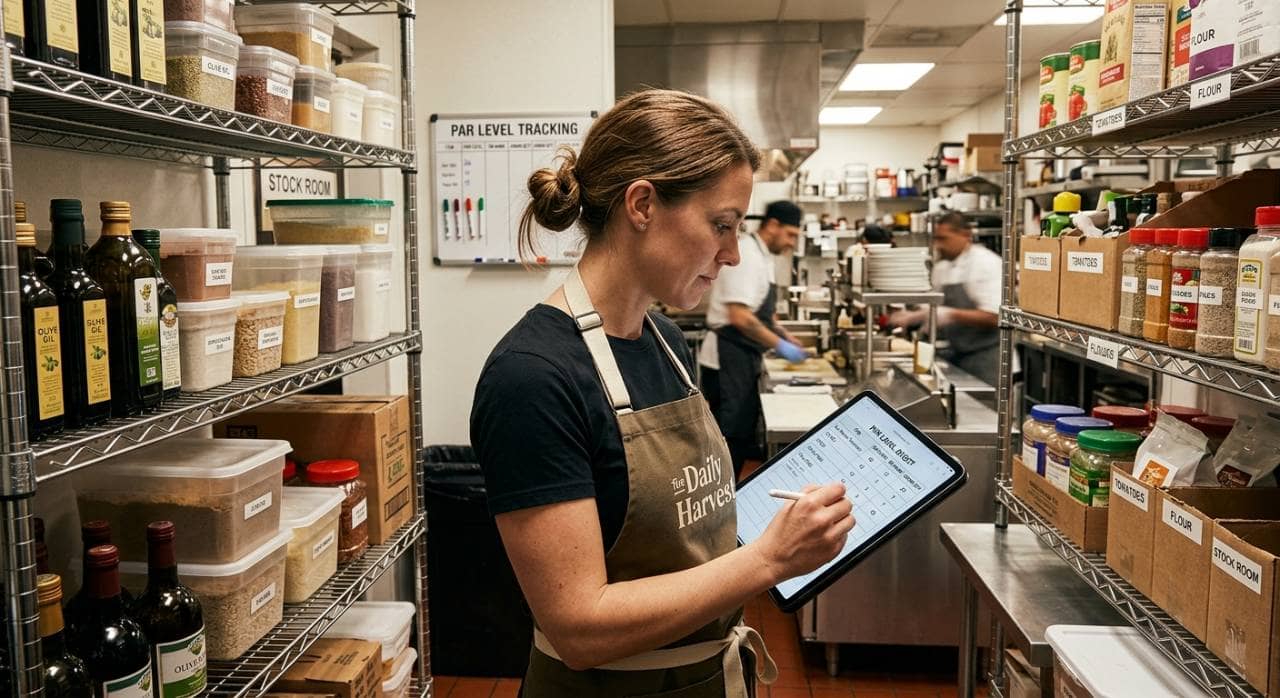
How to Set Par Levels for Restaurant Inventory
Learn to calculate par levels for restaurant food, beverages, and packaging inventory, preventing stockouts and waste through proper formulas.
Back Office
Sep 4, 2026
Learn to calculate par levels for restaurant food, beverages, and packaging inventory, preventing stockouts and waste through proper formulas.
Sep 4, 2026
Caribou Coffee appoints Zane Thomas-Rogers as Chief Operations Officer to strengthen execution across its expanding coffeehouse network.
Sep 4, 2026

Compare the top 10 restaurant POS systems in the USA for 2026. Explore features, pricing, pros, cons, and the best POS options for every restaurant type.
Jul 1, 2026

Learn how to handle restaurant payroll yourself, from calculating hours and wages to managing tips, taxes, and final paychecks.
Sep 2, 2026
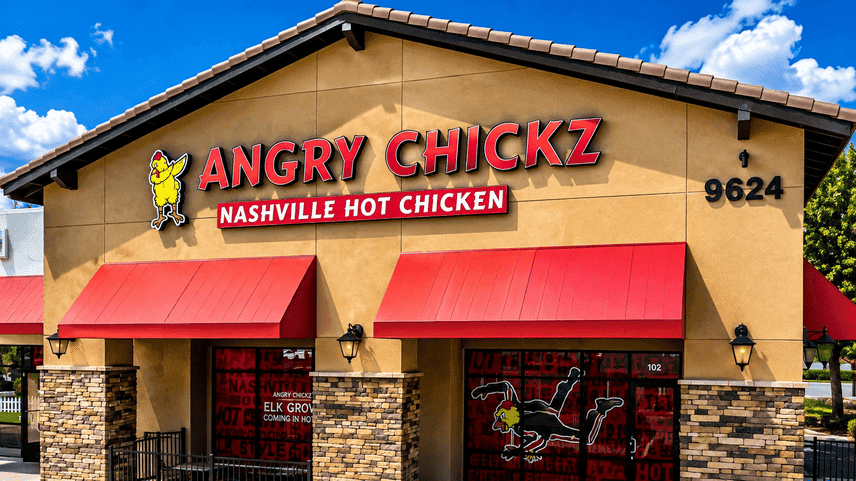
Angry Chickz enters Illinois with its signature hot chicken concept and ambitious plans for Midwest expansion, setting the stage for new franchise opportunities and community engagement.
Sep 2, 2026

Restaurant labor management helps owners optimize staffing, control labor costs, improve productivity, monitor overtime, and maintain efficient restaurant operations.
Sep 2, 2026
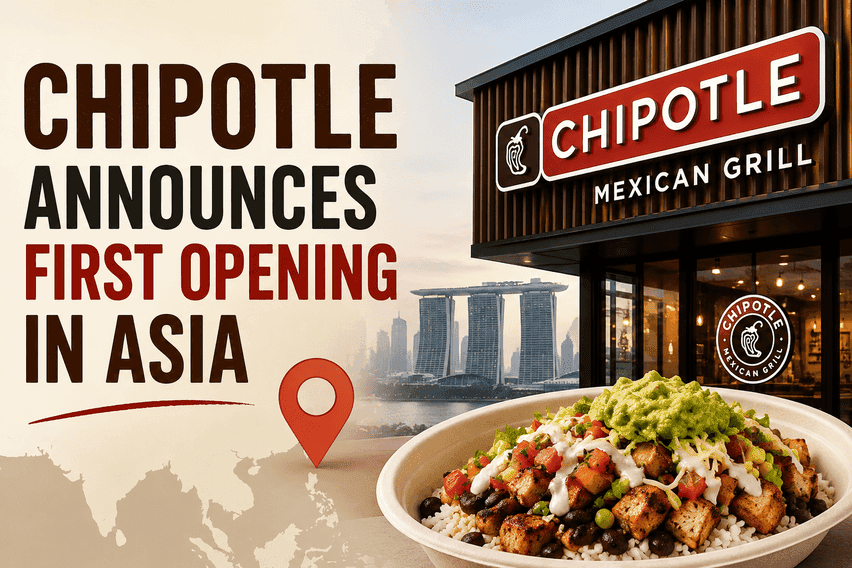
Chipotle makes its highly anticipated entry into Asia with a Seoul opening, partnering with Sangmidang Holdings and setting a template for future international growth.
Sep 2, 2026
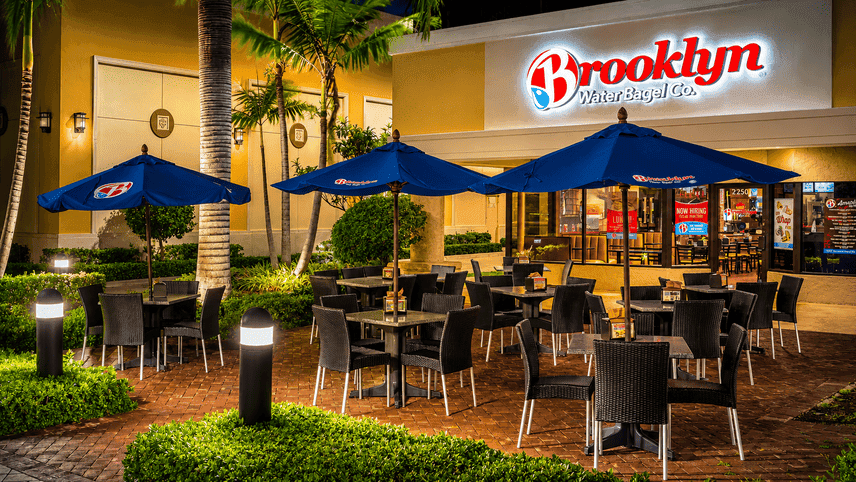
Brooklyn Water Bagel launches its first campus eatery at Nova Southeastern, signaling strategic growth and fresh potential for multi-unit operators seeking new market wins.
Sep 2, 2026
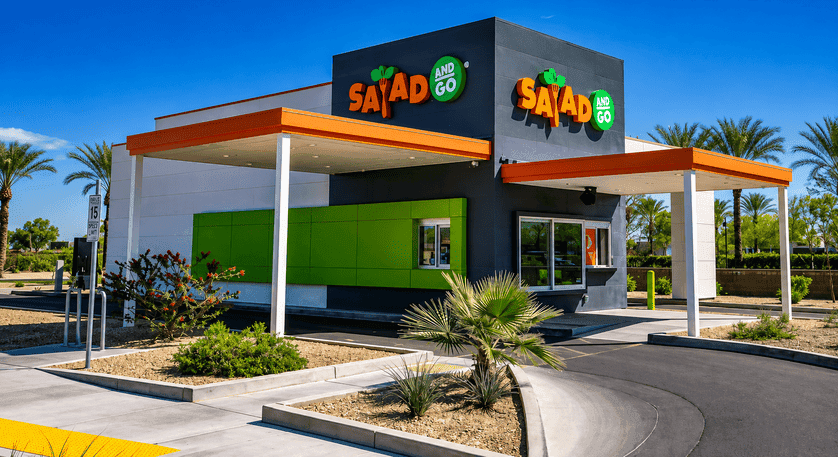
7 Brew has acquired 73 former Salad and Go locations, surpassing Dutch Bros with a $143M bid, signaling a major shift in the competitive landscape for drive-thru brands.
Sep 2, 2026

Explore restaurant technology trends in 2026, including AI, automation, digital ordering, workforce tools, connected kitchens, personalization, and profitability strategies today.
Aug 28, 2026

Unlock Exclusive Access To Webinars, Events, And The Latest News For Free!
Restaurants and bars added 48,000 jobs in May as diners chase value; BLS data shows a sector pivot amid tight labor and easing wage growth.

Photo by Alex Haney
Restaurants and bars added 48,000 jobs in May, even as consumers dine out less often. Food services and drinking places supplied 48,000 of the 70,000 positions added in leisure and hospitality, contributing to a nationwide increase of 172,000 nonfarm payroll jobs while unemployment held at 4.3 percent, according to the U.S. Bureau of Labor Statistics. Employment in the restaurant and bar sector now exceeds 12.4 million people, one of the country’s largest private‑sector employer footprints.
Traffic has cooled, yet operators are building teams in anticipation of summer demand and special occasions. OpenTable research shows that happy hour bookings jumped 13 percent year over year as diners look for value, and millennials plan to dine out 14 times per month on average, prioritizing both budget and experiential factors such as a restaurant’s social‑media appeal. OpenTable’s CEO Debby Soo captured the operators’ mindset: “As we head into 2026, there’s good news for the restaurant industry: our new research shows that people continue to make room in their lives and budgets for dining out,” a sentiment that aligns with the value‑driven occasions now filling many midweek and early evening dayparts.
The hiring figures come from the Bureau of Labor Statistics’ Current Employment Statistics survey, which measures establishment payrolls across industries on a seasonally adjusted basis. The household survey complements this by capturing unemployment through demographic characteristics. Within CES, leisure and hospitality tallies food services, drinking places, lodging and recreation, isolating the 48,000‑job gain in food services and drinking places. Seasonal adjustments smooth typical swings to clarify month‑to‑month momentum, and preliminary estimates can move, with March and April gains revised significantly higher in the latest release.
This spring marks a sharp reversal from last year’s cuts. In the first five months of 2025, restaurants and bars shed 48,000 jobs. This year, the same span produced a net gain of 94,600 positions, already outpacing last year’s full‑year total of 78,000 jobs added. May’s 48,000‑job increase accounted for more than half of the year‑to‑date gain, a clear pivot in labor demand inside the sector.
Labor supply remains tight. Industry job openings reached 831,000 in March, while quits in accommodations and foodservice totaled 611,000, reflecting elevated turnover and fierce competition for talent, per the National Restaurant Association. Wage pressures have cooled, with average hourly earnings growth decelerating to 3.6 percent year over year in May, just as operators compete for staff. Broader underutilization measures add nuance to the solid headline: May’s U‑3 rate of 4.3 percent masks an 8.0 percent U‑6 measure, up from 7.9 percent in April, according to economic data tracking service MQL5. The association also forecasts that the restaurant and foodservice workforce will grow from roughly 15.7 million jobs today to 17.3 million by 2036, pointing to a long runway even with near‑term churn.
Economists had forecast roughly 80,000 total job gains for May, so the 172,000 headline figure surprised and eased recession fears, even as markets reacted unevenly. Looking ahead, the National Restaurant Association projects real GDP growth of 2.3 percent and a net addition of 750,000 jobs across the U.S. economy in 2026. For operators, the work is to match staffing with variable demand and value‑seeking behavior while protecting margins. Hiring that keeps pace with happy hour momentum and occasion‑driven visits will be a telling marker of operational discipline in the months ahead.