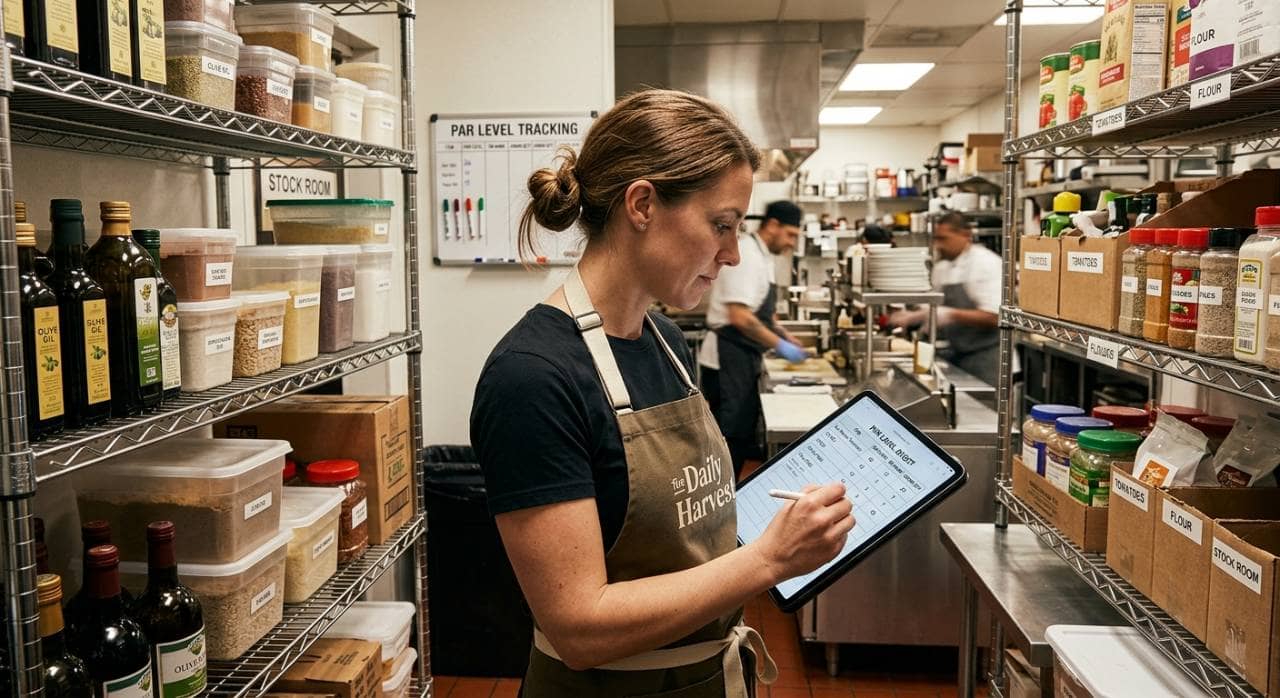
How to Set Par Levels for Restaurant Inventory
Learn to calculate par levels for restaurant food, beverages, and packaging inventory, preventing stockouts and waste through proper formulas.
Back Office
Sep 4, 2026
Learn to calculate par levels for restaurant food, beverages, and packaging inventory, preventing stockouts and waste through proper formulas.
Sep 4, 2026
Caribou Coffee appoints Zane Thomas-Rogers as Chief Operations Officer to strengthen execution across its expanding coffeehouse network.
Sep 4, 2026
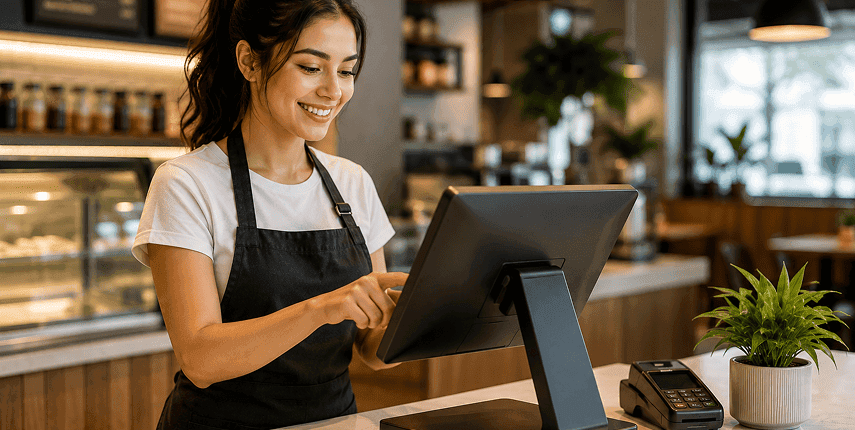
Compare the top 10 restaurant POS systems in the USA for 2026. Explore features, pricing, pros, cons, and the best POS options for every restaurant type.
Jul 1, 2026

Learn how to handle restaurant payroll yourself, from calculating hours and wages to managing tips, taxes, and final paychecks.
Sep 2, 2026
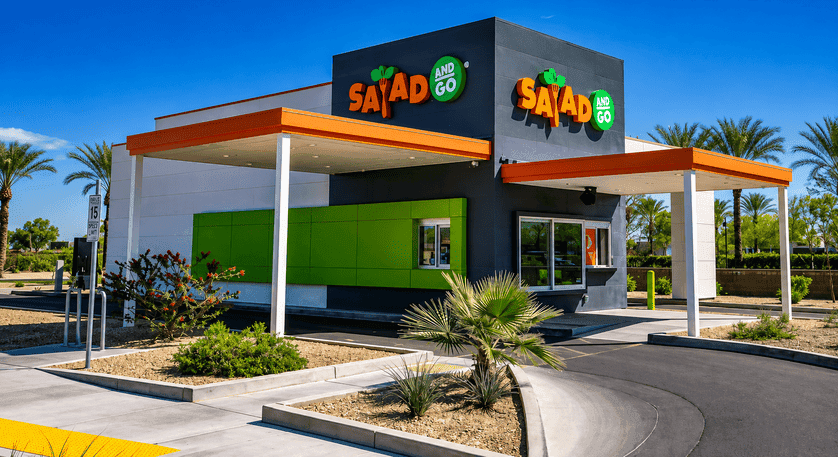
7 Brew has acquired 73 former Salad and Go locations, surpassing Dutch Bros with a $143M bid, signaling a major shift in the competitive landscape for drive-thru brands.
Sep 2, 2026
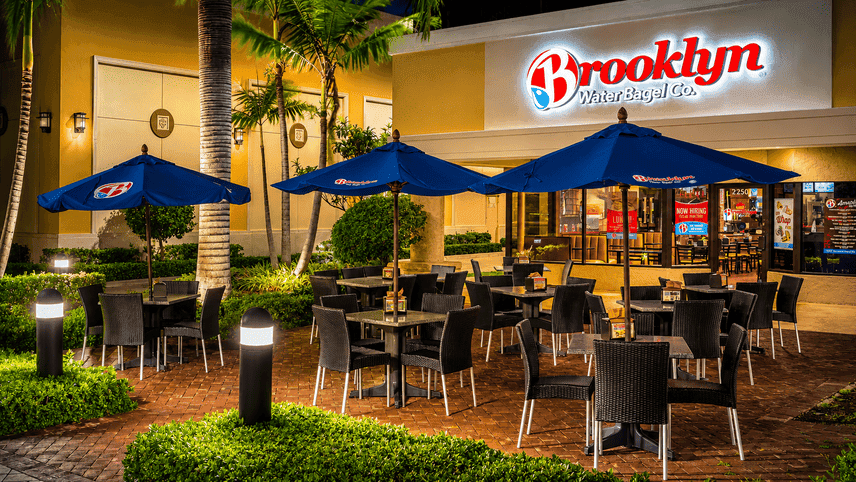
Brooklyn Water Bagel launches its first campus eatery at Nova Southeastern, signaling strategic growth and fresh potential for multi-unit operators seeking new market wins.
Sep 2, 2026
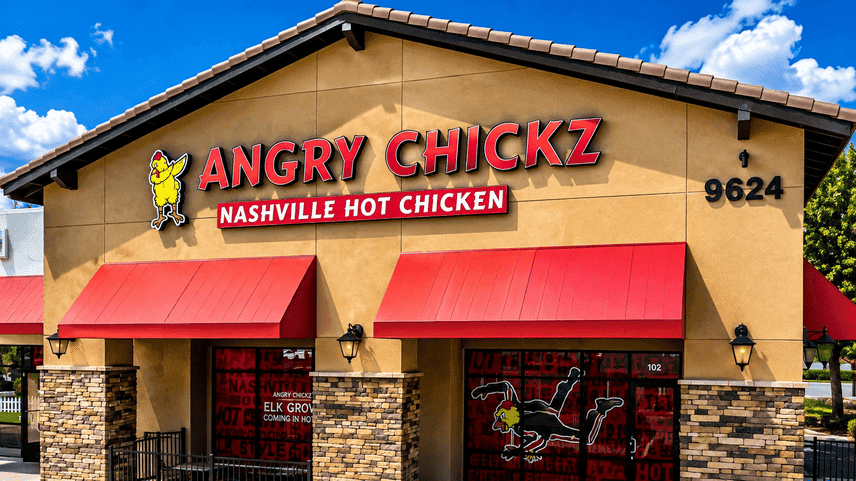
Angry Chickz enters Illinois with its signature hot chicken concept and ambitious plans for Midwest expansion, setting the stage for new franchise opportunities and community engagement.
Sep 2, 2026
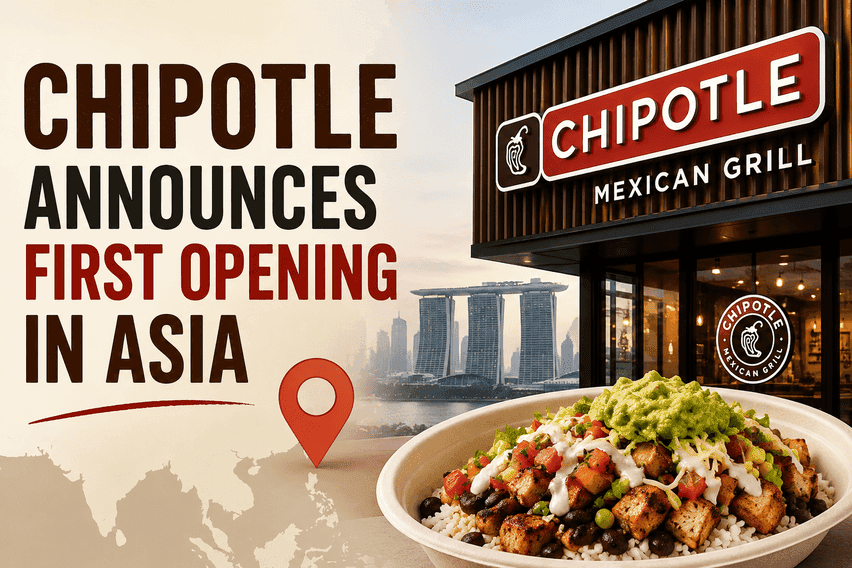
Chipotle makes its highly anticipated entry into Asia with a Seoul opening, partnering with Sangmidang Holdings and setting a template for future international growth.
Sep 2, 2026
Restaurant labor management helps owners optimize staffing, control labor costs, improve productivity, monitor overtime, and maintain efficient restaurant operations.
Sep 2, 2026
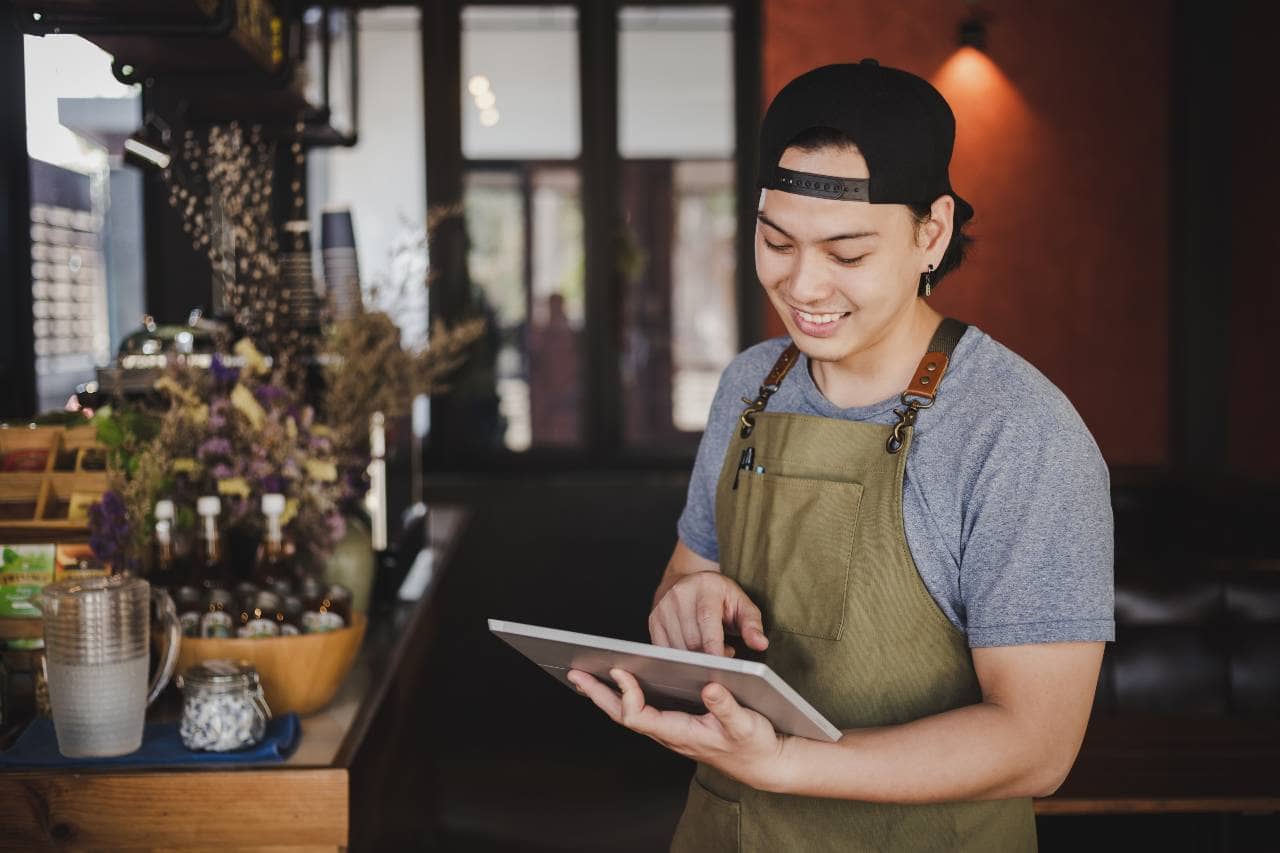
Explore restaurant technology trends in 2026, including AI, automation, digital ordering, workforce tools, connected kitchens, personalization, and profitability strategies today.
Aug 28, 2026

Unlock Exclusive Access To Webinars, Events, And The Latest News For Free!
Explore the partnership between DoorDash and Coco robots, the future of robotic delivery, and its impact on the industry.

Photo by appshunter.io
Photo by appshunter.io
DoorDash's decision to utilize Coco robots for deliveries reflects a strategic choice to enhance efficiency in the delivery process. By deploying robotic delivery solutions, the company aims to optimize operations by matching the delivery method with the specific requirements of each order. Harrison Shih's statement underlines the importance of utilizing the most suitable delivery option for each scenario, emphasizing that not all deliveries necessitate traditional vehicles.
Photo by appshunter.io
The collaboration between DoorDash and Coco robots signifies a shift towards a multi-modal approach in the delivery industry. By incorporating sidewalk robot deliveries into the existing Dasher network, DoorDash is embracing diverse delivery methods to cater to varying delivery needs. This multi-modal strategy aligns with the evolving landscape of delivery services, offering flexibility and efficiency in fulfilling customer orders.
Photo by appshunter.io
Coco's extensive fleet of delivery robots, coupled with its expansion into major cities like Chicago, Miami, and Helsinki, highlights the rapid growth of robotic delivery services. The adoption of autonomous delivery solutions not only enhances DoorDash's competitive edge but also positions the company as a leader in commercialized robotic delivery. DoorDash Labs' collaboration with technology partners such as Wing further strengthens its capabilities in pioneering innovative delivery methods.
The integration of robotic delivery systems is poised to have far-reaching implications on the delivery industry. As DoorDash explores the potential of autonomous delivery, it sets a precedent for technological advancements in the sector. This strategic move not only enhances efficiency but also sets the stage for a future where autonomous deliveries become commonplace, transforming the way goods are transported and delivered to consumers.
The introduction of robots for deliveries raises important considerations about labor dynamics and industry disruption. While robots offer operational benefits such as lower costs and increased efficiency, the potential impact on traditional delivery workers cannot be overlooked. The shift towards automation may redefine labor roles within delivery aggregators, leading to a reevaluation of workforce composition and the evolving nature of employment in the gig economy.