Propelled Brands Cuts Camp Bow Wow Startup Costs
Propelled Brands lowers Camp Bow Wow’s investment and standardizes a 6,000-sq-ft prototype to attract multi-unit growth amid a tight real estate market.
Jun 18, 2026
Propelled Brands lowers Camp Bow Wow’s investment and standardizes a 6,000-sq-ft prototype to attract multi-unit growth amid a tight real estate market.
Jun 18, 2026
Blue Bottle launches a 90-minute, machine-free Kyoto-style espresso, bottled for cold drinks across 152 cafés on June 16.
Jun 18, 2026
A missing Lego Star Wars cache puts Bricks & Minifigs in court, testing franchise rules, consignment policies, and brand trust across a 300‑unit network.
Jun 18, 2026
Domino’s launches a $9.99 any pizza deal, adding Parmesan Stuffed Crust through July 26, 2026, timed to the World Cup with gamified rewards and heavy ad support.
Jun 18, 2026
Raising Cane’s opens a 16,000-square-foot flagship by Intuit Dome in Inglewood, blending spectacle and throughput as the chain accelerates global expansion.
Jun 18, 2026
Restaurants race to modernize POS as mobile wallets surge, cloud adoption grows, drive-thru integrations expand, and costs and interoperability shape strategic selection.
Jun 18, 2026
Boost restaurant revenue during FIFA World Cup 2026 with proven promotion ideas, marketing strategies, staffing tips, and match-day sales tactics.
Jun 18, 2026
Discover how Via 313 and Terry Black’s Barbecue are fusing barbecue flavors and Detroit-style pizza in a bold Texas collaboration. Learn what this means for trend-focused restaurant operators.
Jun 18, 2026
FAT Brands' $595M asset sale marks a seismic shift in the restaurant world. Discover what this landmark bankruptcy outcome means for owners, franchisees, and the future of franchised dining brands.
Jun 18, 2026
Explore best Areas in Chicago to open a restaurant by matching neighborhood demand, concept type, costs, traffic, and customer behavior.
Jun 17, 2026
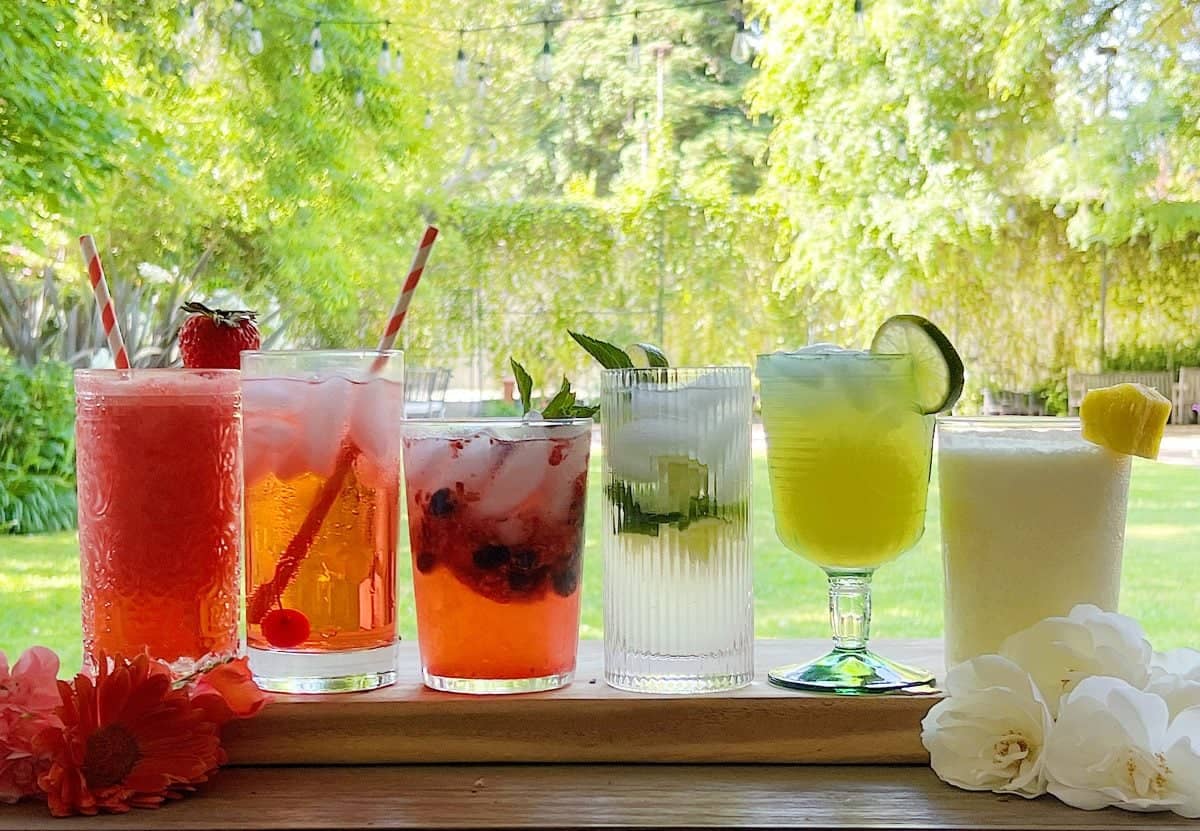
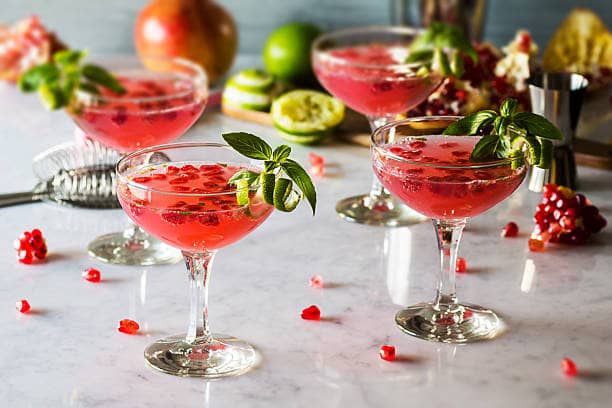
Discover the shift towards nonalcoholic beverages in restaurants, how it maximizes profits, and aligns with consumer behavior. Learn about the growth opportunities and strategies to implement successful nonalcoholic beverage programs.

The restaurant industry is experiencing a significant shift towards nonalcoholic beverages, with sales soaring by 30% in 2024. This trend signifies more than just a passing fad; it represents a fundamental change in how restaurants and bars can boost their profits. According to TouchBistro’s 2025 State of Restaurants Report, 40% of eateries are planning to expand their nonalcoholic drink offerings, indicating a sustained movement in the industry.
Nonalcoholic beverages offer a unique opportunity for operators to maximize profits by aligning with evolving consumer behavior. Beverages already drive a significant portion of gross profit dollars due to their cost-effectiveness and ease of preparation. Crafting premium nonalcoholic options, like mocktails and artisanal sodas, not only meets the demand for quality but often surpasses the profit margins of traditional alcoholic drinks.

Gen Z's preference for nonalcoholic beverages is reshaping the hospitality landscape. This generation is drinking less alcohol and seeking experiences that reflect their values of wellness, inclusivity, and creativity. Nonalcoholic options are becoming primary choices rather than mere alternatives, and Gen Z is willing to pay a premium for these offerings. Furthermore, expanded nonalcoholic menus attract diverse audiences, driving higher revenue, longer table times, increased spending per party, and enhanced customer loyalty.
Implementing a nonalcoholic beverage program requires careful planning to overcome common hurdles. Automation tools such as intelligent drink dispensers can streamline operations, ensuring consistency, speed, and profitability. By strategically launching a nonalcoholic beverage program with a focused approach, operators can witness immediate results and capitalize on this growing trend to drive revenue and customer satisfaction.
Industry insights reveal that nonalcoholic beverages offer favorable profit margins comparable to alcoholic drinks. Despite similar production costs, customers are willing to pay premium prices, leading to substantial revenue for bars and restaurants. Investing in a robust nonalcoholic program not only boosts revenue but also improves customer satisfaction and loyalty, positioning operators for sustained success in a competitive market.