
Propelled Brands Cuts Camp Bow Wow Startup Costs
Propelled Brands lowers Camp Bow Wow’s investment and standardizes a 6,000-sq-ft prototype to attract multi-unit growth amid a tight real estate market.
franchising
Jun 18, 2026
Propelled Brands lowers Camp Bow Wow’s investment and standardizes a 6,000-sq-ft prototype to attract multi-unit growth amid a tight real estate market.
Jun 18, 2026

Blue Bottle launches a 90-minute, machine-free Kyoto-style espresso, bottled for cold drinks across 152 cafés on June 16.
Jun 18, 2026

Yum! Brands will sell Pizza Hut outside China to LongRange for $1.5B and its China unit to Yum China for $1.2B, with deals closing in Q3 2026.
Jun 18, 2026

Toast tops Square, Lightspeed, Clover, SpotOn, and ChowNow as AI and drive-thru tools reshape restaurant POS; market projected to hit USD 44.03B by 2035.
Jun 18, 2026

A missing Lego Star Wars cache puts Bricks & Minifigs in court, testing franchise rules, consignment policies, and brand trust across a 300‑unit network.
Jun 18, 2026
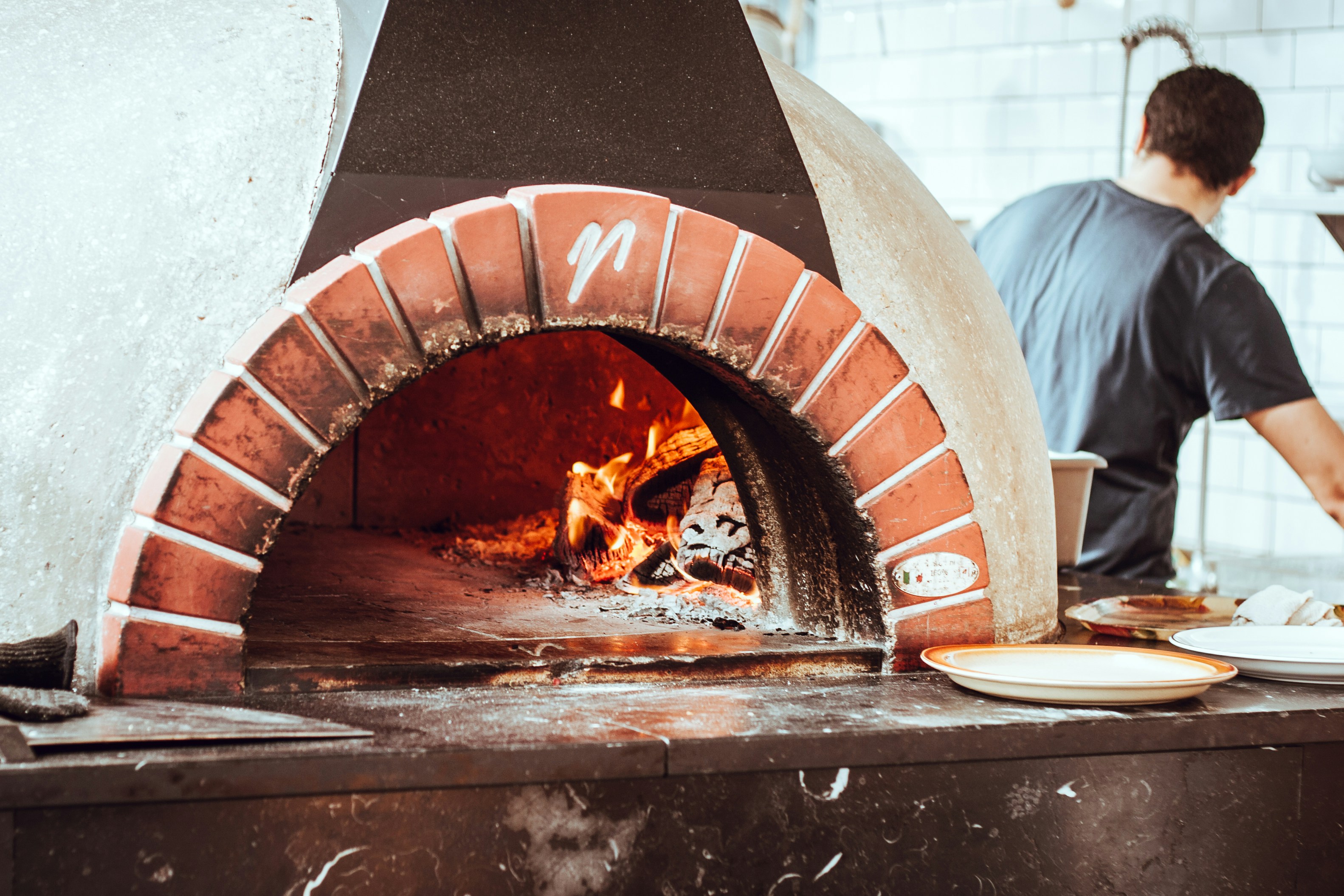
Domino’s launches a $9.99 any pizza deal, adding Parmesan Stuffed Crust through July 26, 2026, timed to the World Cup with gamified rewards and heavy ad support.
Jun 18, 2026
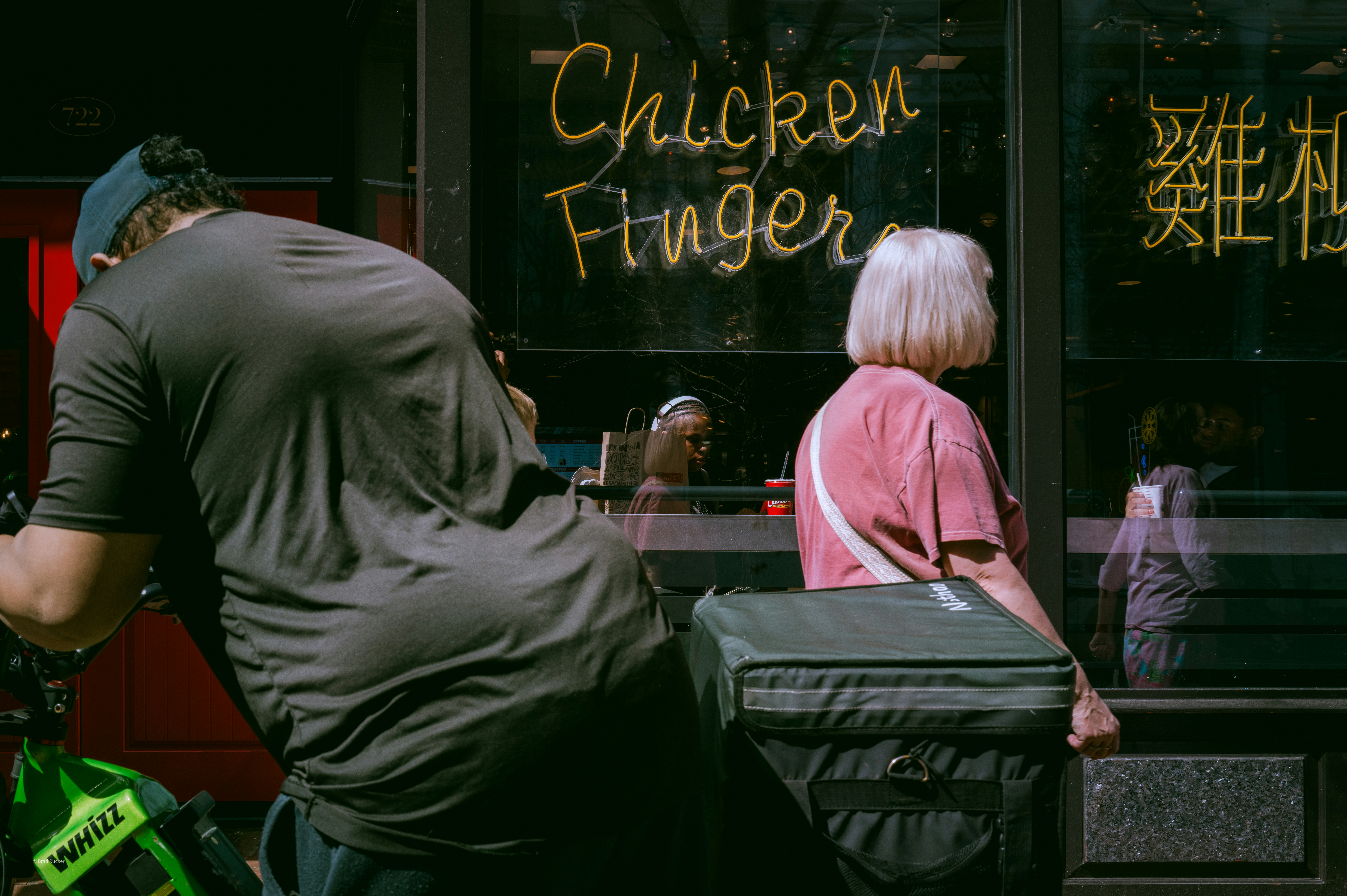
Raising Cane’s opens a 16,000-square-foot flagship by Intuit Dome in Inglewood, blending spectacle and throughput as the chain accelerates global expansion.
Jun 18, 2026

Restaurants race to modernize POS as mobile wallets surge, cloud adoption grows, drive-thru integrations expand, and costs and interoperability shape strategic selection.
Jun 18, 2026

Boost restaurant revenue during FIFA World Cup 2026 with proven promotion ideas, marketing strategies, staffing tips, and match-day sales tactics.
Jun 18, 2026
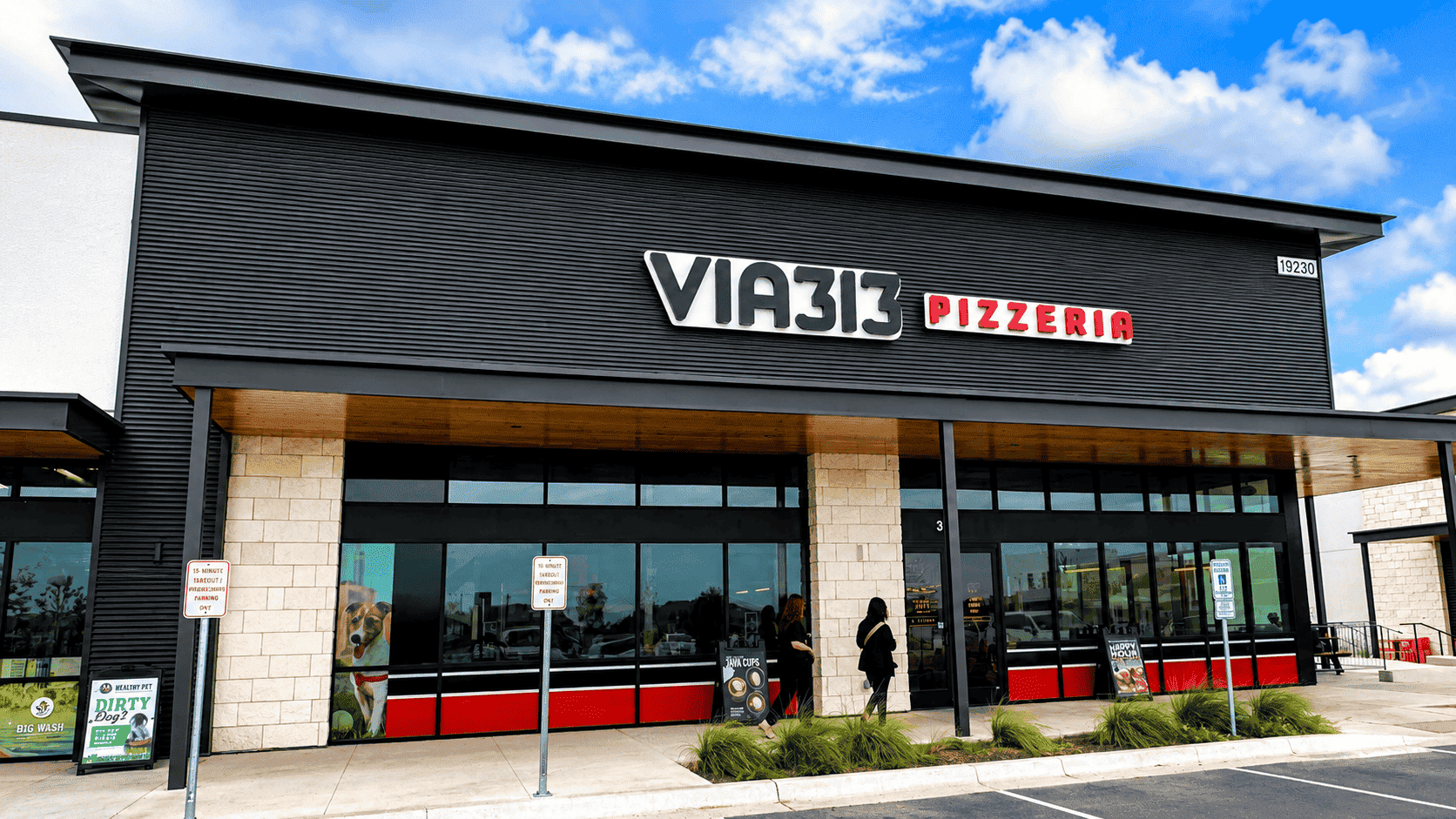
Discover how Via 313 and Terry Black’s Barbecue are fusing barbecue flavors and Detroit-style pizza in a bold Texas collaboration. Learn what this means for trend-focused restaurant operators.
Jun 18, 2026
Learn what restaurant certifications are required, including food handler, manager certification, permits, alcohol rules, HACCP triggers, and allergen compliance basics.

When restaurant owners say "required certifications," they're usually talking about a mix of certifications, permits, and licenses. These are not the same thing, and mixing them up can lead to missed steps when you're trying to open or pass an inspection. A certification is typically proof that a person completed training and passed a test. It's tied to people, not the building. Examples include a food handler card or a food protection manager certification. These show that your team understands basic food safety, like handwashing, temperature control, and preventing cross-contamination. A permit is permission from a local agency to operate. It's tied to your location (and sometimes your exact concept). Think of a health permit or food service permit. If your permit is missing, expired, or tied to a different owner, you can get shut down even if everyone is trained. A license is authorization to do a regulated activity. It can be state- or city-level depending on what it covers. The most common example is an alcohol license. Licensing rules are usually stricter and can involve background checks, fees, posting requirements, and ongoing compliance. Here's the tricky part - what's "required" depends on where you operate and what you do. Requirements can vary by state, county, and city, and sometimes even by the type of food you serve (raw items, catering, vacuum sealing, etc.). On top of that, requirements can be different for - - Opening your doors (plan review, permits, inspections) - Daily operations (trained staff on shift, logs, posted permits) - Special activities (serving alcohol, catering, selling packaged foods)

For most restaurants, the most "official" and commonly required food and beverage certifications are food safety certifications for staff. These are the basics that health departments look for because they directly impact how safely food is handled every day. Food Handler Certification A food handler card (or food handler certificate) is usually required for employees who prepare, handle, or serve food. That can include cooks, prep, dish (if they handle clean equipment), cashiers who handle ready-to-eat items, and servers - depending on your local rules. The training typically covers - - Proper handwashing and hygiene - Preventing cross-contamination - Safe cooking, holding, cooling, and reheating temperatures - Cleaning and sanitizing basics - Common foodborne illness risks Many areas require this certification within a set timeframe after hire (like 30-60 days), and it may need renewal every few years. Certified Food Protection Manager Most jurisdictions also require at least one person to hold a food protection manager certification (sometimes called "certified food manager" or "manager food safety certification"). This is a higher-level certification than a food handler card. It's typically required for - - General managers, kitchen managers, or shift leads - Anyone responsible for food safety systems and supervision In many places, you must have a certified manager on-site during operation, or at least have one assigned to the facility and available during inspections. This certification goes deeper into - - Active managerial control (preventing issues before they happen) - Employee health policies (when someone must be excluded) - Time/temperature controls and monitoring - Allergen management and labeling controls - Facility and equipment safety practices What you should be ready to show Even if your team is trained, inspectors often want proof. Keep - - Copies of cards/certificates (digital and printed) - A roster showing who is certified and expiration dates - A simple system to track renewals and new-hire deadlines These basics cover the majority of restaurants - and they're usually the first certifications you should confirm and complete.
A lot of what people call "required certifications" are actually health department permits and approvals tied to your restaurant location. These aren't training certificates for staff - they're the legal permissions that let your restaurant operate. Health Permit / Food Service Permit Most restaurants need a health permit (sometimes called a food facility permit or permit to operate). This is issued by your local health department and is usually required before you can open and to stay open. It's tied to - - Your address and facility layout - Your menu and food processes - Your equipment (coolers, sinks, hot holding, dish machines, etc.) - Your ownership/operator information If your permit is expired, not posted, or doesn't match your current operator, it can create serious problems during an inspection. Plan Review and Pre-Opening Approval If you're building a new space, remodeling, or changing how food is made, you may need a plan review. This is the health department checking your setup before you open (or before you resume operating). They may review - - Kitchen layout and workflow - Hand sinks and dishwashing setup - Ventilation and grease control - Equipment specs and finish materials After that, many areas require a pre-opening inspection (or opening inspection). This is where they verify everything is installed, working, and being used correctly - before you serve guests. Ongoing requirements that come with the permit Permits usually have rules beyond "get it once and you're done." Common ongoing expectations include - - Renewals (often annual) and fees - Posting the permit where it's visible to the public - Keeping the facility in compliance with sanitation and temperature rules - Being inspection-ready with documentation (like employee certifications, logs, and policies) Think of it this way - certifications prove your people are trained, while permits prove your facility is approved to operate. You typically need both - and confusing them can lead to missed steps during opening or renewal season.
If your restaurant serves alcohol, you'll usually deal with two different types of requirements - an alcohol license (for the business) and alcohol service training (for the people serving it). Owners often call both "certifications," but they are not the same. Alcohol license An alcohol license is not a certification - it's a legal license issued by a state or local alcohol control agency. Without it, you typically cannot - - Sell beer, wine, or spirits - Serve alcohol for on-premise consumption - Offer alcohol to-go (where allowed), even if it's sealed Licenses can vary by type (beer/wine only vs. full liquor, on-premise vs. off-premise, restaurant vs. bar). The process may include applications, fees, background checks, zoning rules, public notices, and inspections. Responsible beverage service training Many areas require responsible beverage service (RBS) training for anyone who sells or serves alcohol. Even where it's not strictly required, it's often expected by - - Local enforcement agencies - Insurance carriers - Your own risk management policies This training usually covers - - Checking IDs correctly and spotting fake IDs - Refusing service and handling difficult situations - Recognizing signs of intoxication - Understanding "overserving" liability - Rules around minors and alcohol on the floor Some jurisdictions require servers to complete training within a set period after hire and renew it on a schedule. Common "must-follow" compliance rules tied to alcohol Even with the license and training, alcohol service comes with operational rules that can lead to violations if ignored - - Age verification and acceptable forms of ID - No service to intoxicated guests - Rules for staff drinking, shift drinks, and comps - Hours of service, last call, and signage (varies by location) To stay organized, keep a simple alcohol compliance folder - license documents, posted requirements, staff training roster, and renewal dates. Alcohol rules are highly local - so once you know your license type, you'll want to confirm the exact training and posting requirements for your city and state.

HACCP is one of the most misunderstood certifications in restaurants. In simple terms, HACCP is a written food safety plan that shows how you control the highest-risk steps in your process. HACCP stands for Hazard Analysis and Critical Control Points, but you don't need to memorize the acronym - just remember the goal - identify where food safety can fail and put strict controls in place. When HACCP (or a HACCP-style plan) is more likely to be required Many standard restaurants don't need a formal HACCP certification to operate. However, health departments often require a HACCP plan (or a similar written control plan) when you do specialized or higher-risk food processes, such as - - Reduced oxygen packaging (ROP) like vacuum sealing or sous vide packaging - Curing, smoking, or fermenting foods in ways that change the normal risk level - Custom cooling methods for large batches (soups, rice, proteins) where temperature control is harder - Serving raw or undercooked items beyond standard menu disclosures (varies by location) - Running a commissary, central kitchen, or producing food for multiple sites - Doing high-volume catering with time/temperature exposure during transport and service Even if your local rules don't call it "HACCP," they may require written procedures for things like sushi rice pH, time as a public health control, or specialized cooling and reheating methods. What a HACCP plan usually includes A practical HACCP-style plan often includes - - A step-by-step flow of your process (receive - store - prep - cook - cool - reheat - hold - serve) - The key control points (like cooking temperature, cooling times, holding temps) - Your monitoring method (who checks, how often, and what tool is used) - Corrective actions (what you do if food is out of temp or a log is missed) - Records/logs (temperature logs, calibration logs, cleaning schedules) If your menu or process gets more complex, HACCP becomes less about paperwork and more about proving you can control risk consistently - day after day.
Allergen controls are one of the biggest "must-get-right" areas in a restaurant. But many owners confuse allergen training (often expected or required) with certifications for special claims (usually optional and only needed if you market a claim). What's commonly required In many places, there isn't a single universal "allergen certification" that every restaurant must hold. However, health departments and food codes commonly expect restaurants to have basic allergen awareness built into training and daily practice - especially for managers and anyone handling food. That means your team should know - - The major allergens and how cross-contact happens - How to respond when a guest reports an allergy - How to prevent mistakes during prep, cooking, and service - How to avoid promising something is safe when it's not verified Even if your jurisdiction doesn't mandate a specific course, allergen training is often treated as part of your food safety responsibility, and it's a high-liability area. What's usually optional Claims like "gluten-free," "vegan," "dairy-free," "nut-free," "halal," "kosher," or "organic" are not automatically required certifications just because you serve food. They become a bigger issue when you - - Market those claims in ads, menus, or online ordering - Create a dedicated menu section for them - Use logos, seals, or language that implies verified standards If you choose to make these claims, you may need additional documentation, approved suppliers, strict procedures, or third-party verification depending on the claim and your location. How to protect your restaurant You don't need complicated systems to reduce allergen risk. Start with - - A clear policy, who can approve allergy modifications - Recipe and ingredient references (including sauces, marinades, and premade items) - Dedicated tools or strict cleaning steps for allergy orders - A "call-back" process- server confirms with kitchen, kitchen confirms back - Menu language that is accurate and avoids absolute promises Allergen awareness is operationally essential, and special diet certifications are only essential if you publicly claim or depend on them.
One reason certifications get messy is that requirements usually depend on job role, not just the restaurant. A simple way to stay compliant is to break it down by who is responsible for what - and then track it like you would any other operational standard. Owners / Operators Owners are rarely the only people who need certifications, but they are responsible for making sure the restaurant has - - The correct health permit/food service permit for the location - Required manager-level food safety certification on file - A plan for new-hire training and ongoing renewals - Records organized so you can prove compliance quickly Owners should also confirm whether the restaurant's concept triggers extra requirements (alcohol, catering, vacuum sealing, commissary production, etc.). Managers / Shift Leads Managers are usually the people who must hold the higher-level certification, such as - - Food protection manager / certified food manager (common requirement) - Any required allergen awareness training expectations (often built into food safety leadership) - If alcohol is served, managers may need to complete responsible beverage service training too, depending on local rules Even when only one manager is "required," it's smart to have more than one certified person, so you're covered across shifts, vacations, and turnover. Kitchen Staff + FOH Staff Most hourly staff who handle food typically need - - Food handler card/certificate (common requirement) - Internal training on - temperature basics, cleaning, cross-contact prevention, and illness reporting If alcohol is served, bartenders and servers may also need - - Responsible beverage service training (if required in your area) To avoid missed deadlines, set a basic rule like - 1. Day 1-3 - internal food safety + allergen basics 2. By Day 30 - food handler completed (or earlier if required) 3. By Day 60-90 - manager certification completed for leads/promotions Then track everything in one place - employee name, role, certification type, issue date, and expiration date. This makes inspections and audits much easier.