
Photo by Unseen Histories on Unsplash
Franchise Frenzy: Cross-Border Growth
A look at how U.S. brands expand through multi-unit deals, cross-border partnerships, and seasoned operators in 2026.
franchising
Apr 29, 2026
Photo by Unseen Histories on Unsplash
A look at how U.S. brands expand through multi-unit deals, cross-border partnerships, and seasoned operators in 2026.
Apr 29, 2026

Photo by Erik Mclean on Unsplash
McDonald’s unveils six beverages across 14,000 restaurants on May 6, expanding McCafé with Refresher and crafted sodas and a new store-level beverage specialist role.
Apr 29, 2026

Learn how to write a coffee shop business plan that covers concept, location, menu, finances, branding, marketing, and risk planning.
Apr 27, 2026

Explore marketing strategies for food businesses using reviews, professional photos, SEO, social media, partnerships, events, and catering.
Apr 28, 2026

Photo by shen wenjie on Unsplash
Holiday-driven menu drops fuse nostalgia with wellness, turning menus into living calendars for fast-casual brands.
Apr 28, 2026
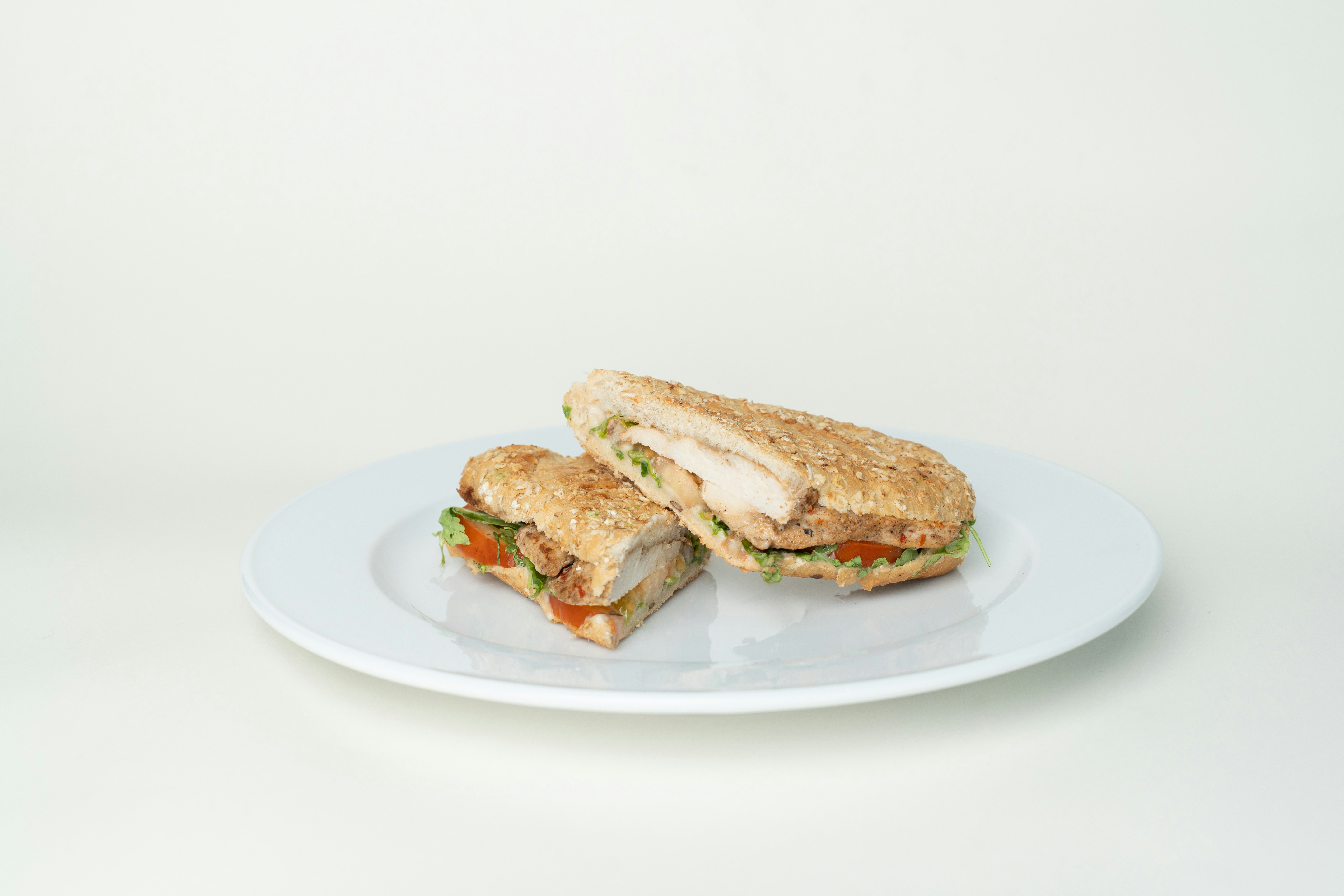
Photo by Abdul Raheem Kannath on Unsplash
Susannah Frost named Chick-fil-A President, joining Cliff Robinson as COO to guide domestic expansion and international growth.
Apr 28, 2026

Photo by Moon Bhuyan on Unsplash
Ghost pepper-led promotions redefine autumn menus as chains blend heat, storytelling, and seasonal collaborations to drive foot traffic.
Apr 28, 2026

Photo by Noah Martinez on Unsplash
CAVA rolls out Garlic Ranch Pita Chips with a Steak + Harissa Bowl and a refreshed Rewards program, tying flavor innovation to personalized guest experiences.
Apr 28, 2026

Photo by Kate Trysh on Unsplash
Applebee’s launches Pick 6 Mondays, offering free wings with a $10 purchase when a Pick 6 occurs on Sundays, driving game-day momentum across dine-in and To Go.
Apr 28, 2026
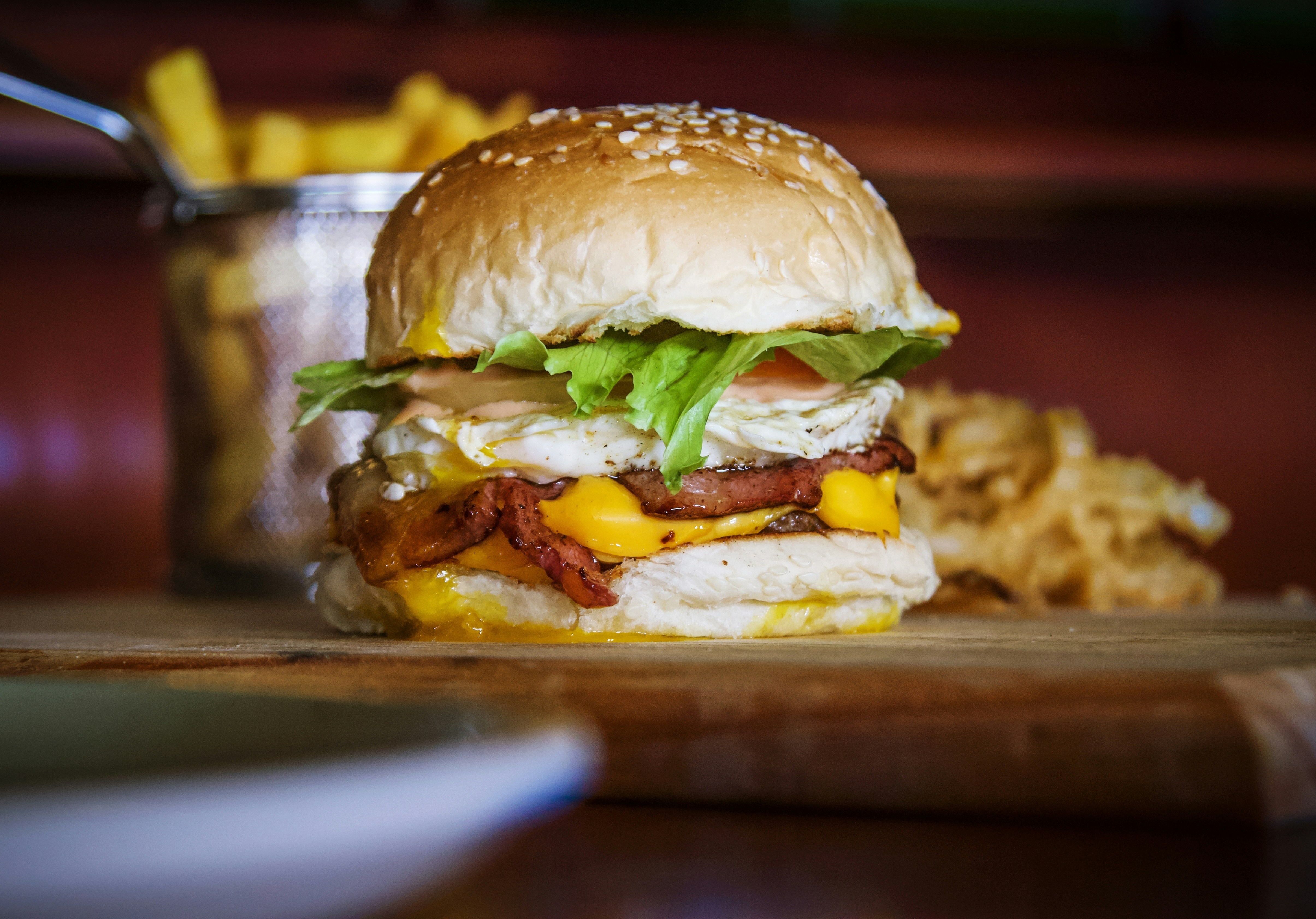
Photo by Stu Moffat on Unsplash
Beatrice Nguyen explores how leadership blends speed, loyalty, and standardized operations to grow Shake Shack while preserving its signature experience.
Apr 28, 2026
Utilizing technology solutions and data analysis to improve Supply Chain Management In Food Industry will prevent illness, streamline supply chain processes, and increase customer satisfaction. Here are the top 3 practices to utilize.
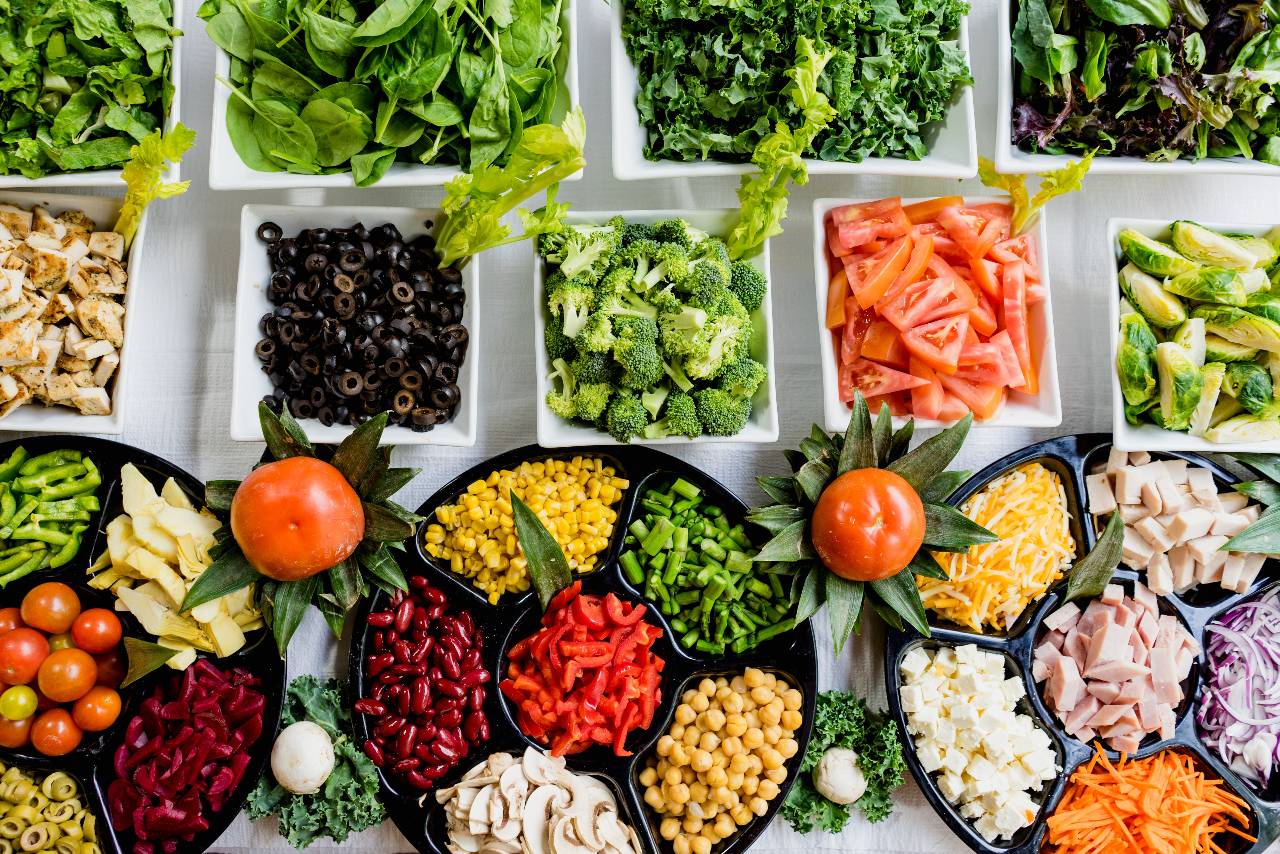

The supply chain has grown more complicated due to globalization, the coronavirus, and an increase in consumer demand for traceability. Managing a worldwide operation from one location can be nearly impossible without an optimized technology solution and policies in place to improve communication among participants.
Thankfully, modern society has provided options for restaurants and grocers who aren't sure how to comply with growing regulations and an increasingly fragmented global chain. Improving collaboration and implementing health-based programs with suppliers can also help grocers and restaurants optimize supply chain management.
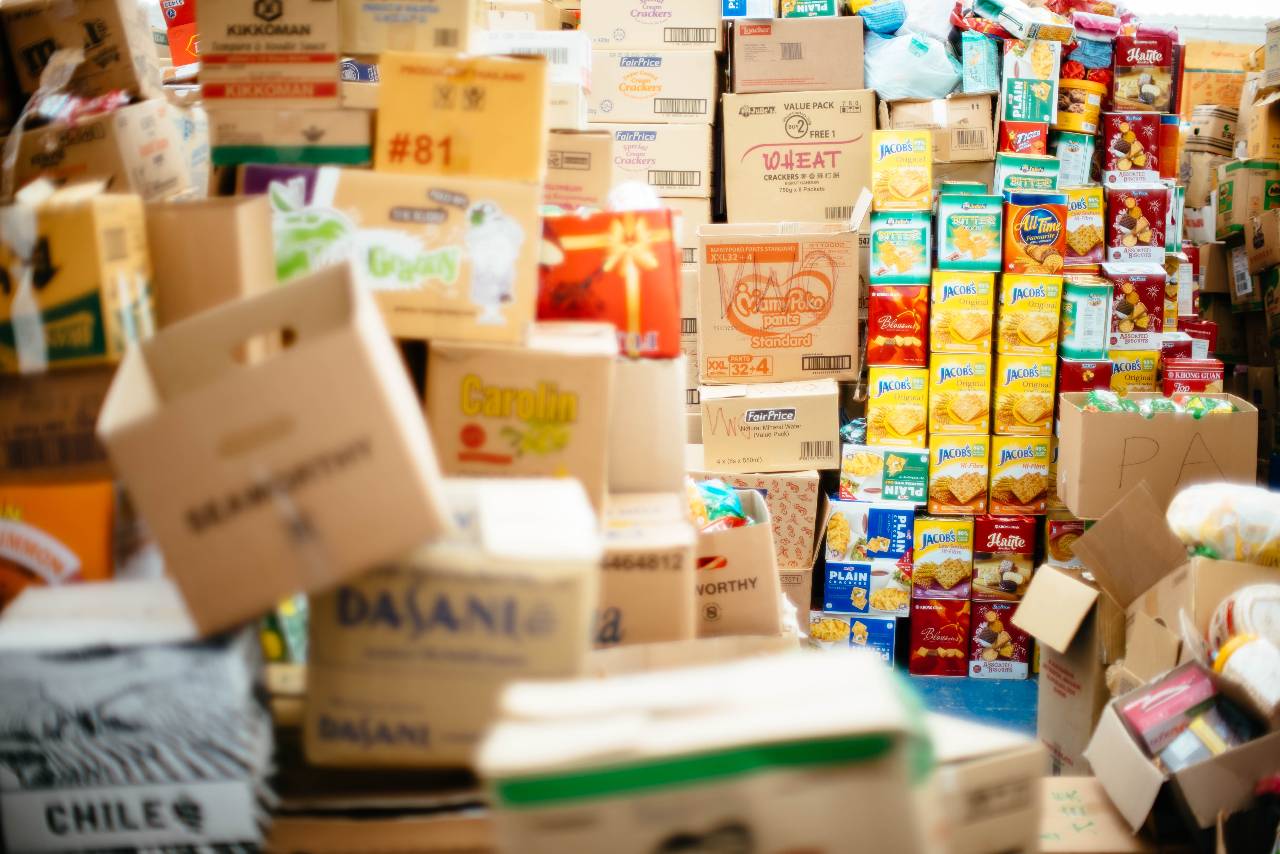
Supply chain management refers to the tracking, streamlining, and monitoring of all of the processes that transform food on a farm to a product eaten by consumers. As the food industry continues to evolve due to an increase in regulations, globalization, and COVID-19, efficient supply chain management has become more essential.
Consumers are more invested in knowing the details regarding the quality and safety of their food items. Sustainability is also a growing concern among governments, consumers, and interest groups. To satisfy these customers and meet sustainability requirements, restaurants and grocers have no choice but to improve their management of the supply chain.
Proper supply chain management ensures quality food arrives safely for the right people at the right time. It also helps pinpoint foodborne illnesses, contamination, and potential outbreaks before they ever reach the consumer.
Furthermore, a streamlined supply chain depends on collaboration and communication among all participants. Food needs to be packaged properly, in a sterile environment and stored at the correct temperature to prevent spoilage. Utilizing technology systems to optimize tracking and manage quality control during logistics has helped to improve supply chain management, but operators still need to take more ownership of the process.
Here are the top 3 best practices for improving supply chain management in the food industry-
1. Improve Demand Forecasts
Predicting future consumer demand can help optimize inventory management, particularly when it comes to re-ordering. Streamlining the re-ordering process based on collected data that shows past demand and sales can help to know how much to order in the future. However, utilizing past data to predict future demand isn't always entirely accurate due to-

In conclusion, here are the key takeaways to remember about supply chain management in the food industry-