
Photo by Unseen Histories on Unsplash
Franchise Frenzy: Cross-Border Growth
A look at how U.S. brands expand through multi-unit deals, cross-border partnerships, and seasoned operators in 2026.
franchising
Apr 29, 2026
Photo by Unseen Histories on Unsplash
A look at how U.S. brands expand through multi-unit deals, cross-border partnerships, and seasoned operators in 2026.
Apr 29, 2026
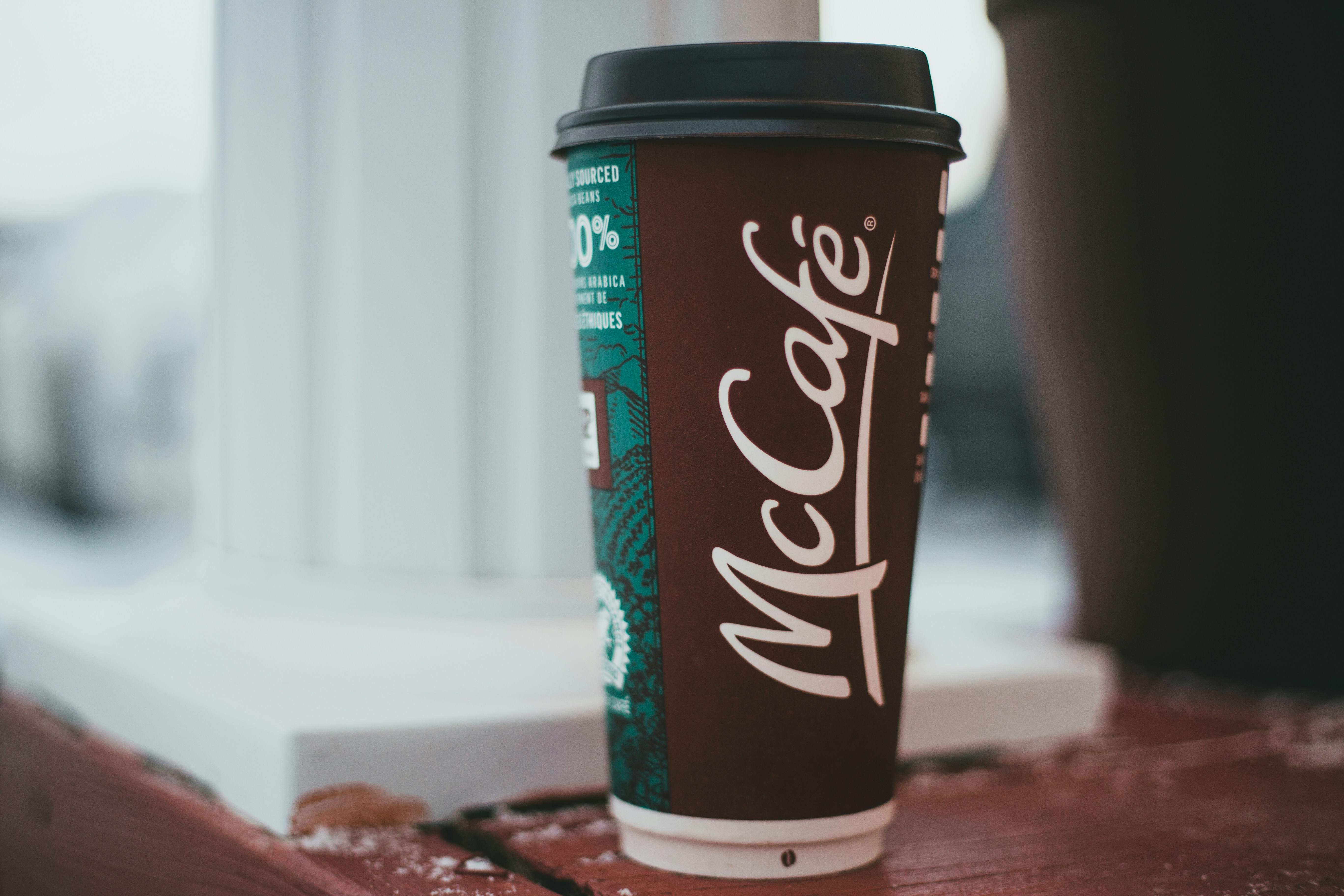
Photo by Erik Mclean on Unsplash
McDonald’s unveils six beverages across 14,000 restaurants on May 6, expanding McCafé with Refresher and crafted sodas and a new store-level beverage specialist role.
Apr 29, 2026
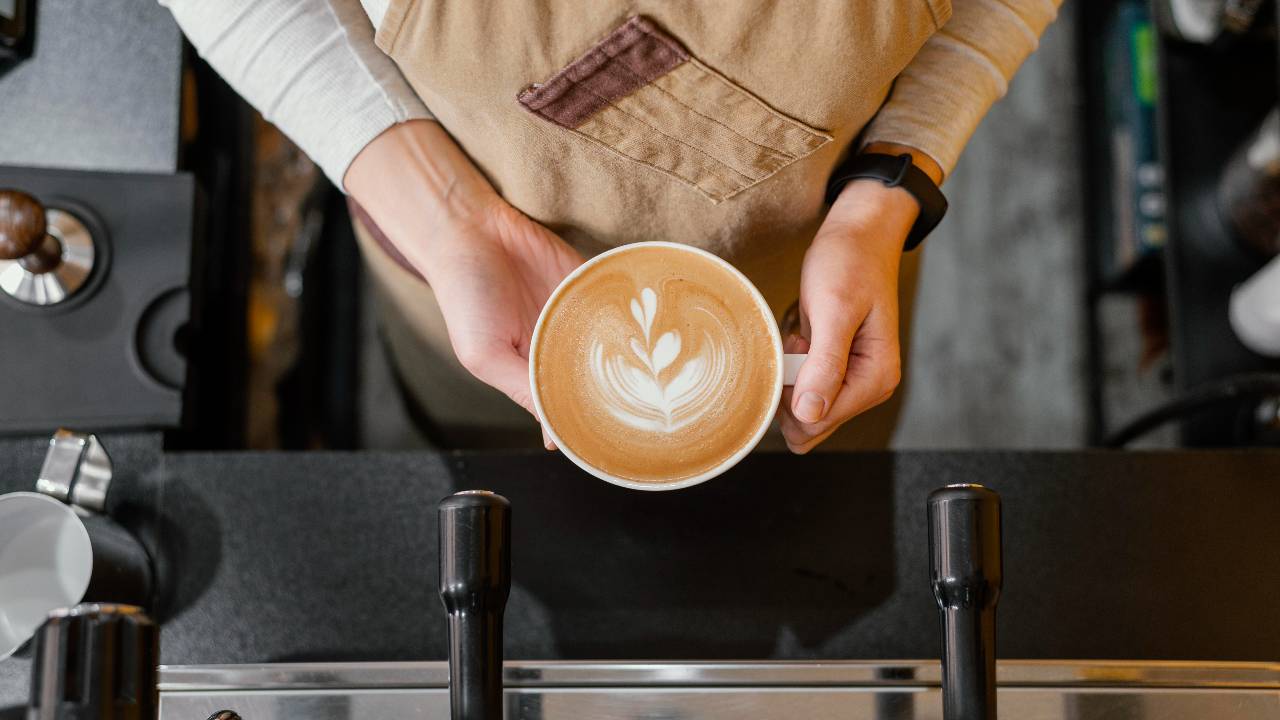
Learn how to write a coffee shop business plan that covers concept, location, menu, finances, branding, marketing, and risk planning.
Apr 27, 2026

Explore marketing strategies for food businesses using reviews, professional photos, SEO, social media, partnerships, events, and catering.
Apr 28, 2026

Photo by shen wenjie on Unsplash
Holiday-driven menu drops fuse nostalgia with wellness, turning menus into living calendars for fast-casual brands.
Apr 28, 2026
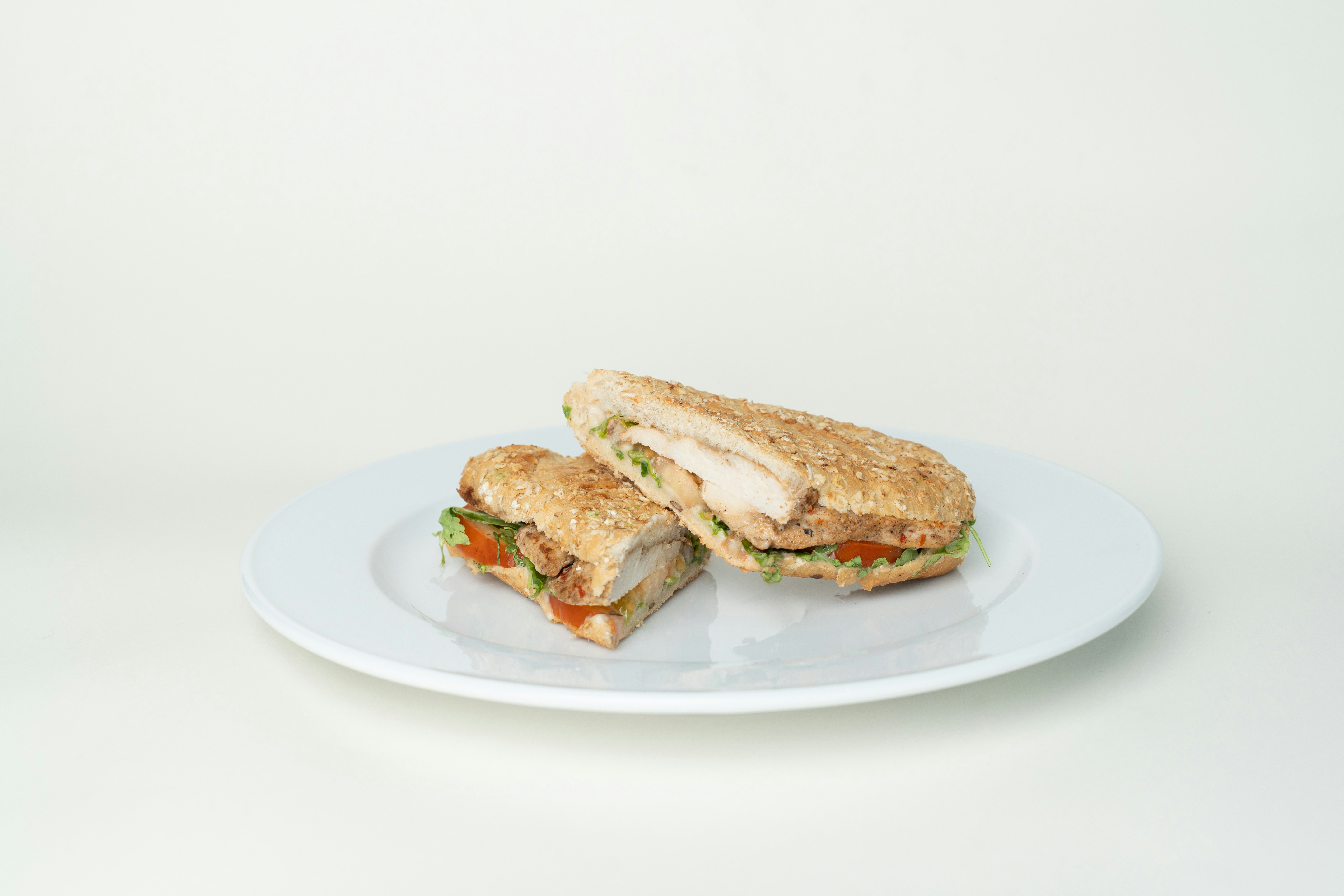
Photo by Abdul Raheem Kannath on Unsplash
Susannah Frost named Chick-fil-A President, joining Cliff Robinson as COO to guide domestic expansion and international growth.
Apr 28, 2026
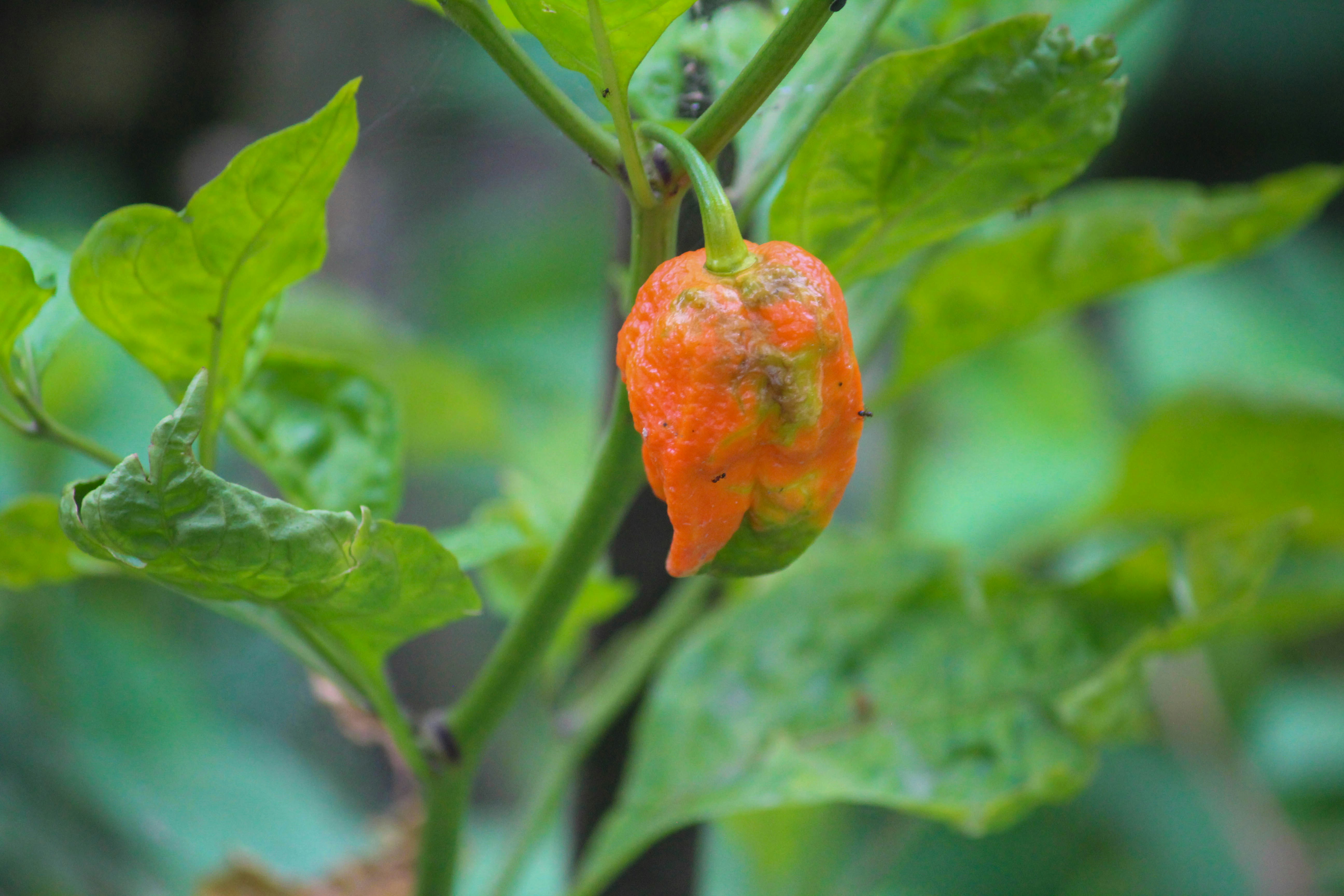
Photo by Moon Bhuyan on Unsplash
Ghost pepper-led promotions redefine autumn menus as chains blend heat, storytelling, and seasonal collaborations to drive foot traffic.
Apr 28, 2026

Photo by Noah Martinez on Unsplash
CAVA rolls out Garlic Ranch Pita Chips with a Steak + Harissa Bowl and a refreshed Rewards program, tying flavor innovation to personalized guest experiences.
Apr 28, 2026

Photo by Kate Trysh on Unsplash
Applebee’s launches Pick 6 Mondays, offering free wings with a $10 purchase when a Pick 6 occurs on Sundays, driving game-day momentum across dine-in and To Go.
Apr 28, 2026
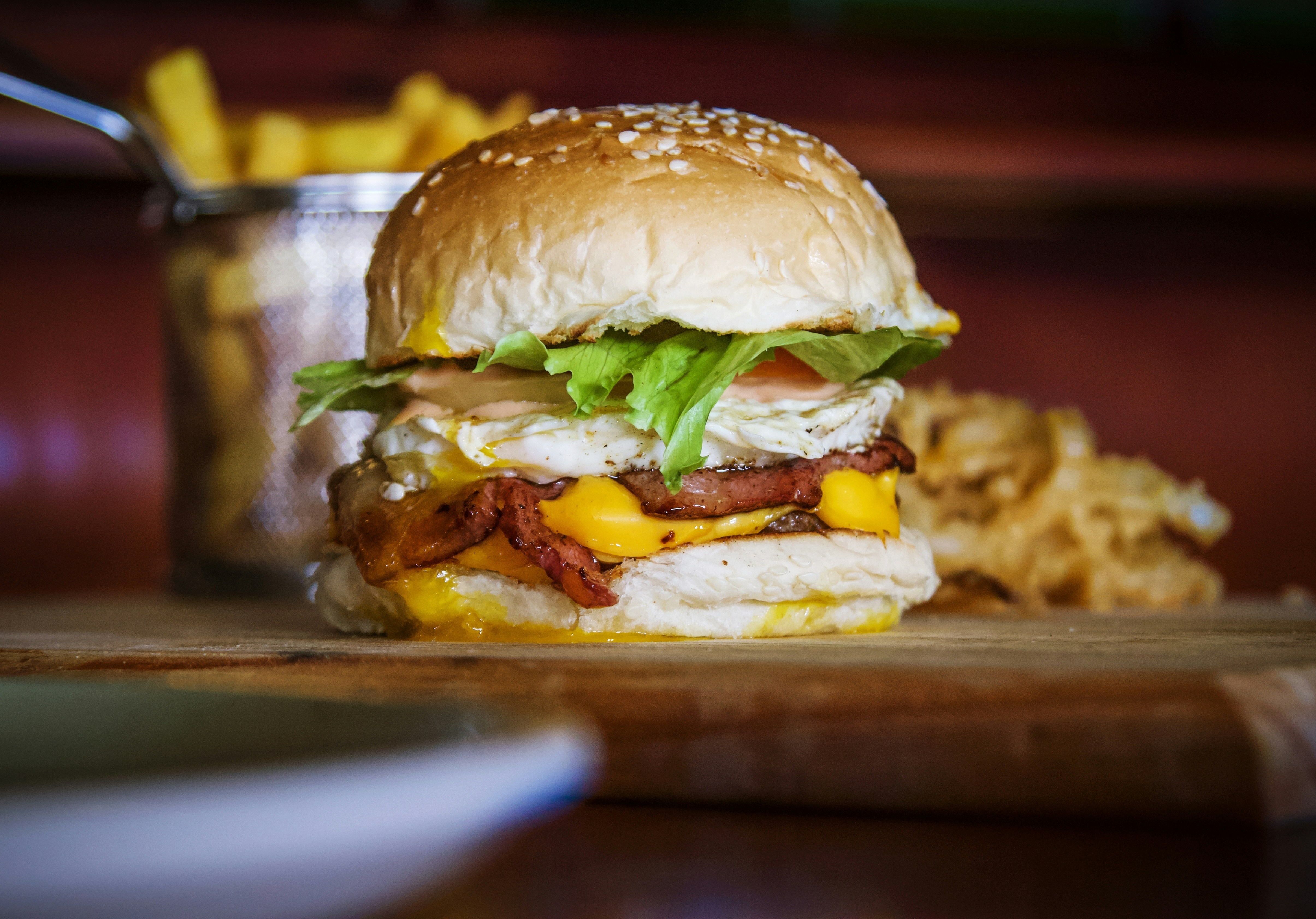
Photo by Stu Moffat on Unsplash
Beatrice Nguyen explores how leadership blends speed, loyalty, and standardized operations to grow Shake Shack while preserving its signature experience.
Apr 28, 2026
By learning the Causes And Prevention Of Food Spoilage, restaurants can minimize their food waste, improving efficiency and profitability.
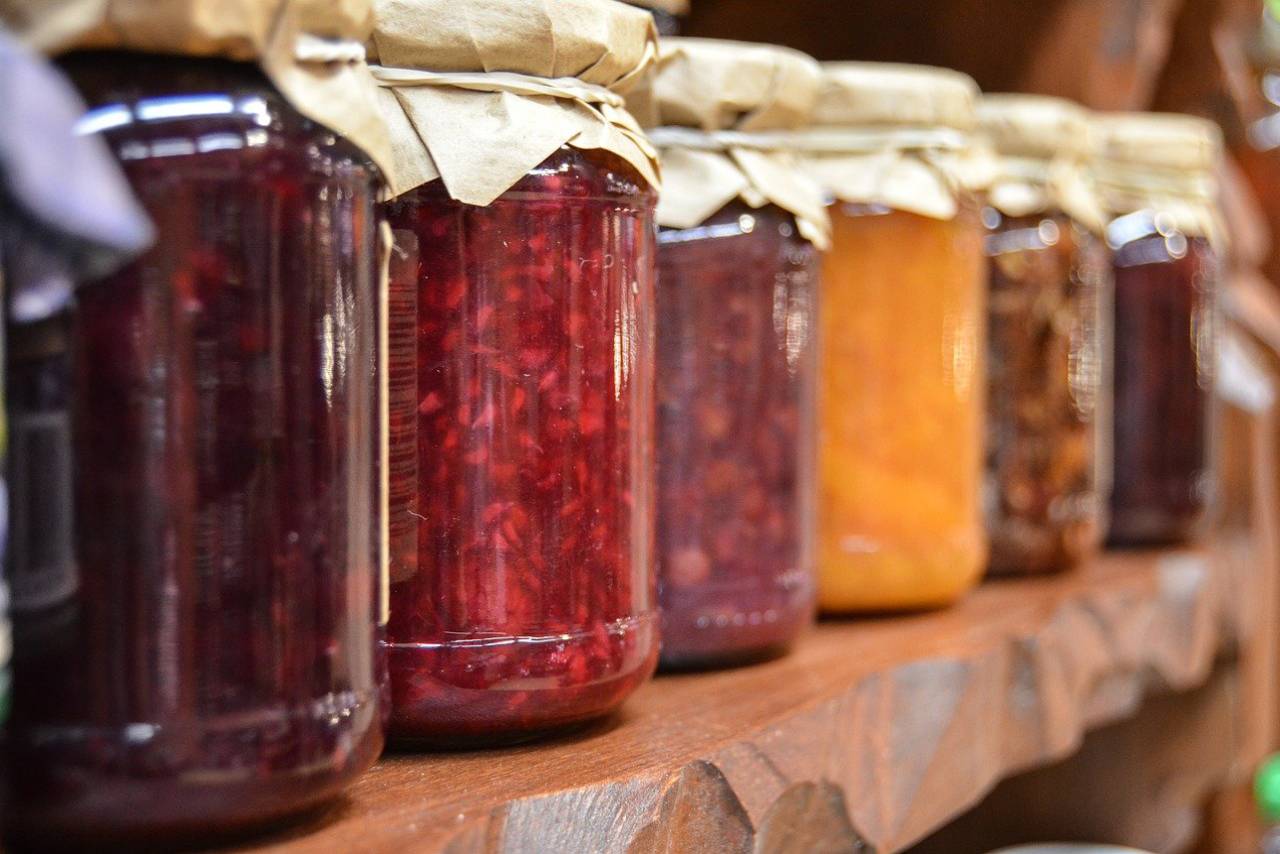
Since inventory is among the biggest expenses for restaurants, businesses should take the necessary precautions to reduce food waste. Although most foods have expiration dates, restaurants can extend the shelf-life by improving storage and ordering techniques.
Therefore, restaurants should understand the common causes and prevention practices of food spoilage to save on food costs.
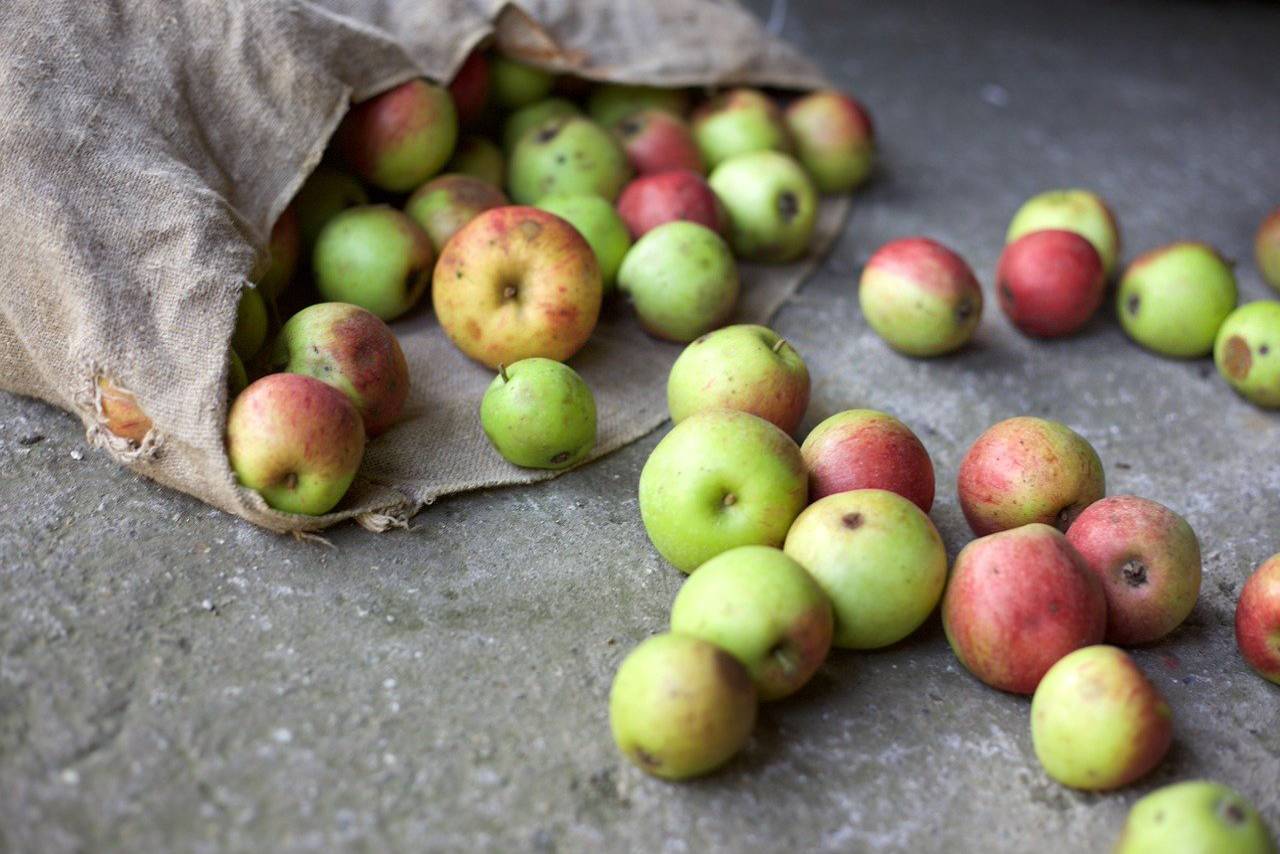
Food spoilage means an ingredient is no longer consumable because its nutritional value, flavor, or texture does not meet quality standards. Perishable goods, such as dairy products, bread, and meats, have shorter shelf life than canned foods. However, all types of food can spoil as a result of-
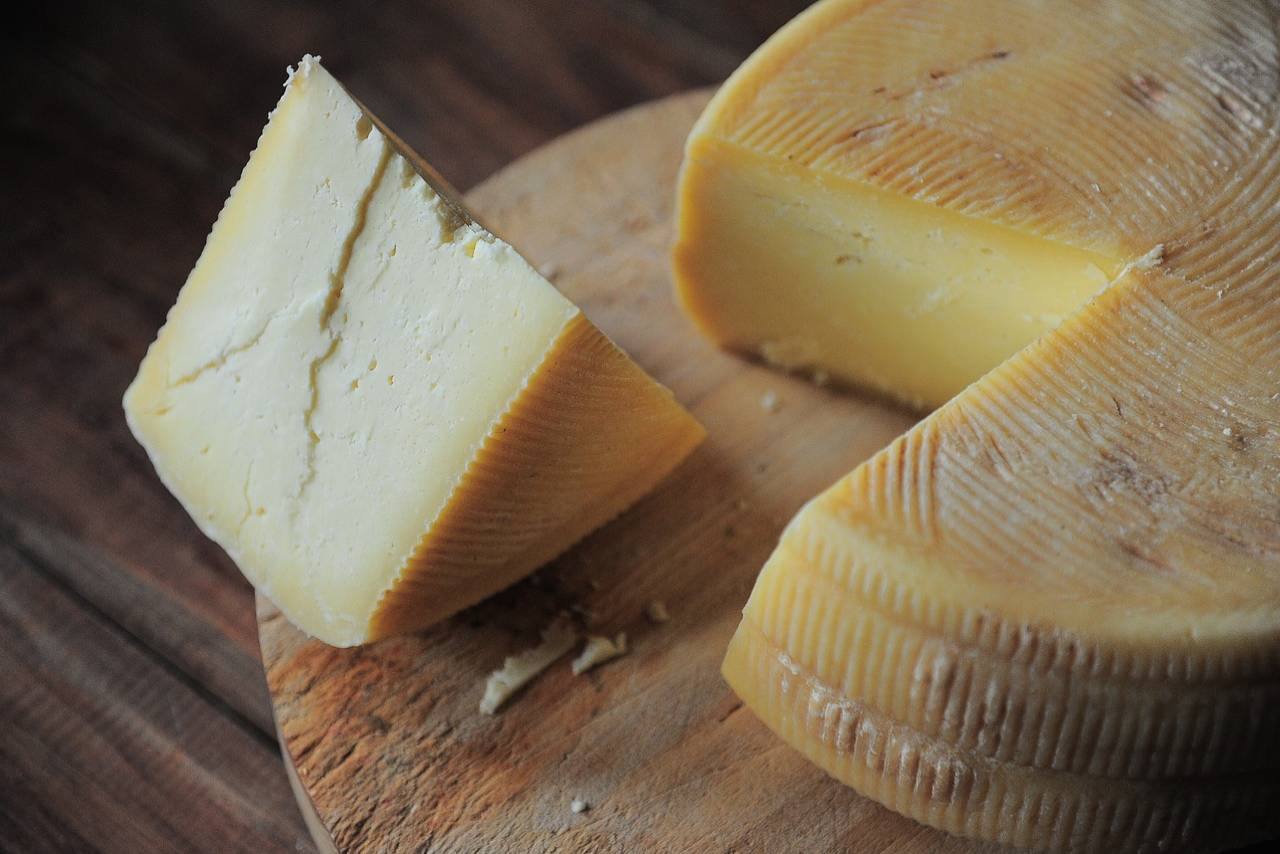
Natural food decay can result from one or multiple factors, including-

Microorganism, or microbial, spoilage can result in severe foodborne illnesses, also known as food poisoning. The three primary causes of microbial spoilage include-
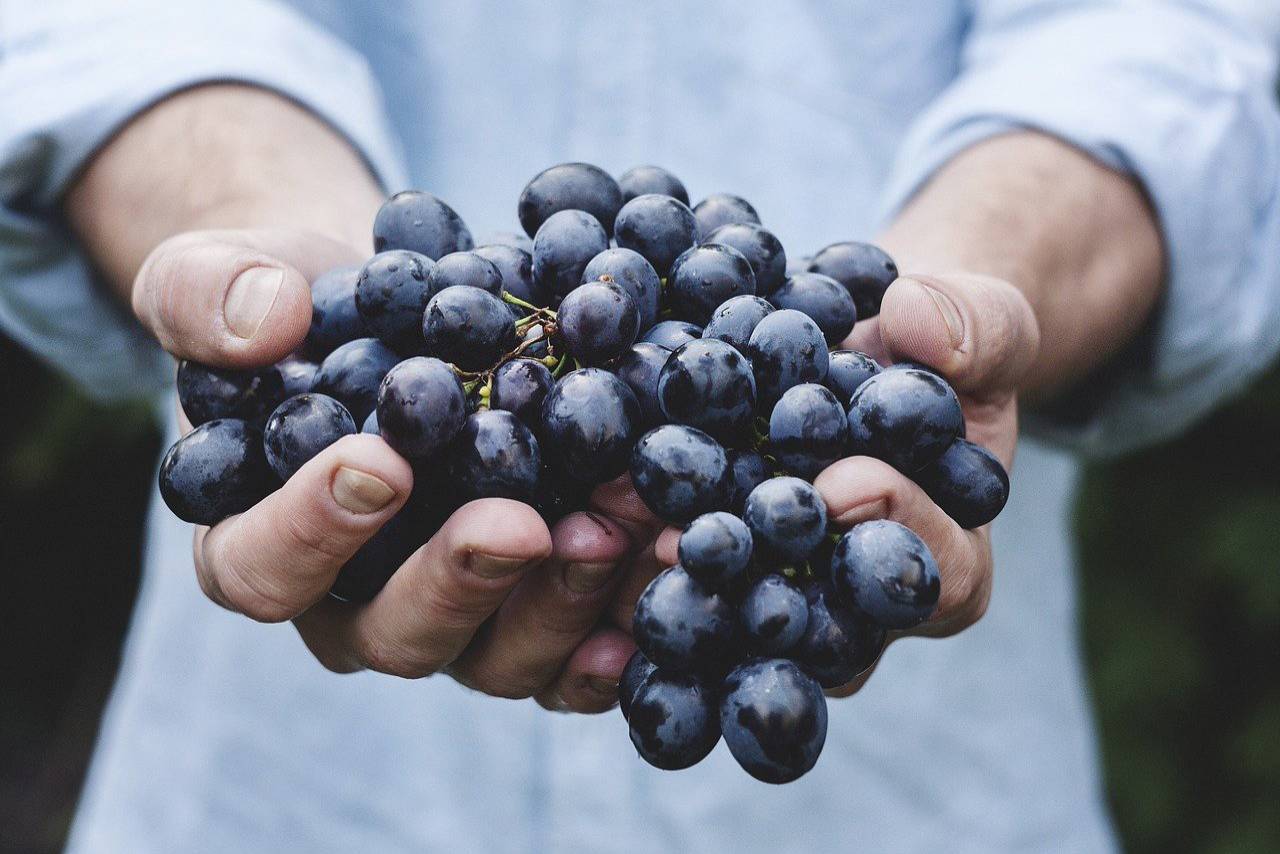
Usually, food spoilage is easily detected through taste, smell, touch, and sight. For example, spoiled vegetables will give off a foul odor, become soft, and turn brown.
Spoilage occurs from natural decay due to bacterial growth, which slowly breaks down the food. Sometimes the growth is apparent on the surface, causing discoloration and a slimy substance. Foods that experience soft rot become mushy as a byproduct of enzymatic deterioration.
While natural decay can only be elongated and not prevented, restaurants can slow the spread of bacteria through proper storage. Aside from keeping food and beverages at optimal temperatures until preparation, leftovers should be sealed in air-tight containers and kept in cool storage.
Restaurants can also practice dehydration and canning to further reduce food spoilage.
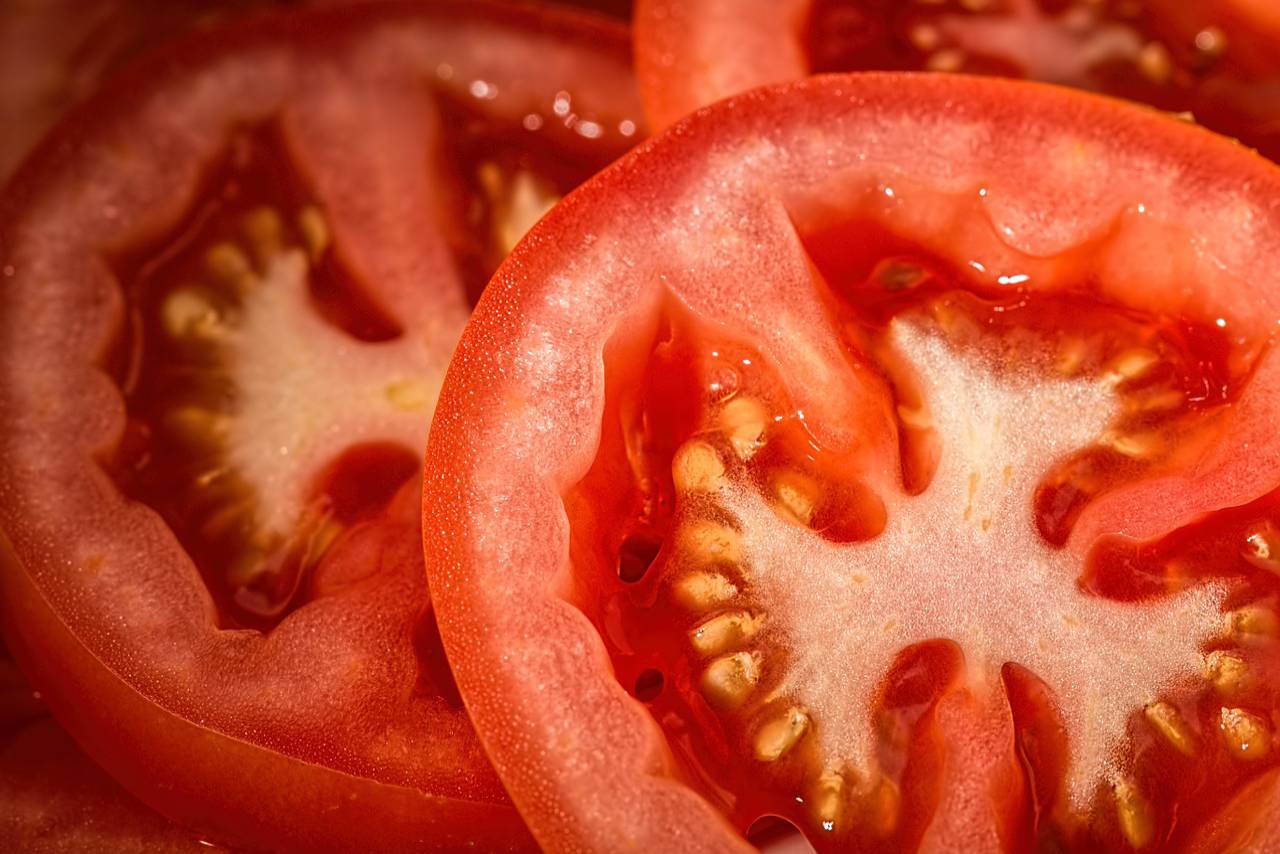
The National Restaurant Association reported that 4 to 10% of food is wasted before it even reaches the consumer. This means that restaurants have a significant margin of food waste that they can work on reducing.
The most common causes of food waste in the restaurant industry include-
Without proper inventory management, restaurants can overstock products, resulting in excessive food waste.
To prevent overordering, businesses should implement inventory tracking software to monitor ingredient usage. This enables managers to finetune their ordering strategies to save money on purchase orders and minimize food spoilage.
Even while maintaining healthy stock levels, restaurants can experience food spoilage if they do not practice the proper precautions. Managers should inspect deliveries before signing off to ensure that food isn't damaged or already expired.
Restaurants can also use the first in, first out (FIFO) method to ensure the oldest ingredients are used before the newest to avoid spoilage.

Overproduction is another significant source of food waste. If cooks overestimate the demand for specific dishes, prepared food can only be saved for so long before it must be discarded.
Therefore, owners should review reports from their inventory systems to determine customer demand and sales trends.
Whether a server forgets to note a customer's allergy or the chef misreads the order ticket, mistakes can drastically impact food waste.
Restaurants should establish a standard method for taking, submitting, and interpreting orders to minimize these occurrences.
If bussers notice large amounts of untouched food leftover on customers' plates, the restaurant's portions may be too large.
By practicing portion control, restaurants can maximize their inventory budget without sacrificing food quality. Therefore, businesses should standardize portions for each dish to limit leftovers.