Photo by Unseen Histories on Unsplash
Franchise Frenzy: Cross-Border Growth
A look at how U.S. brands expand through multi-unit deals, cross-border partnerships, and seasoned operators in 2026.
franchising
Apr 29, 2026
Photo by Unseen Histories on Unsplash
A look at how U.S. brands expand through multi-unit deals, cross-border partnerships, and seasoned operators in 2026.
Apr 29, 2026
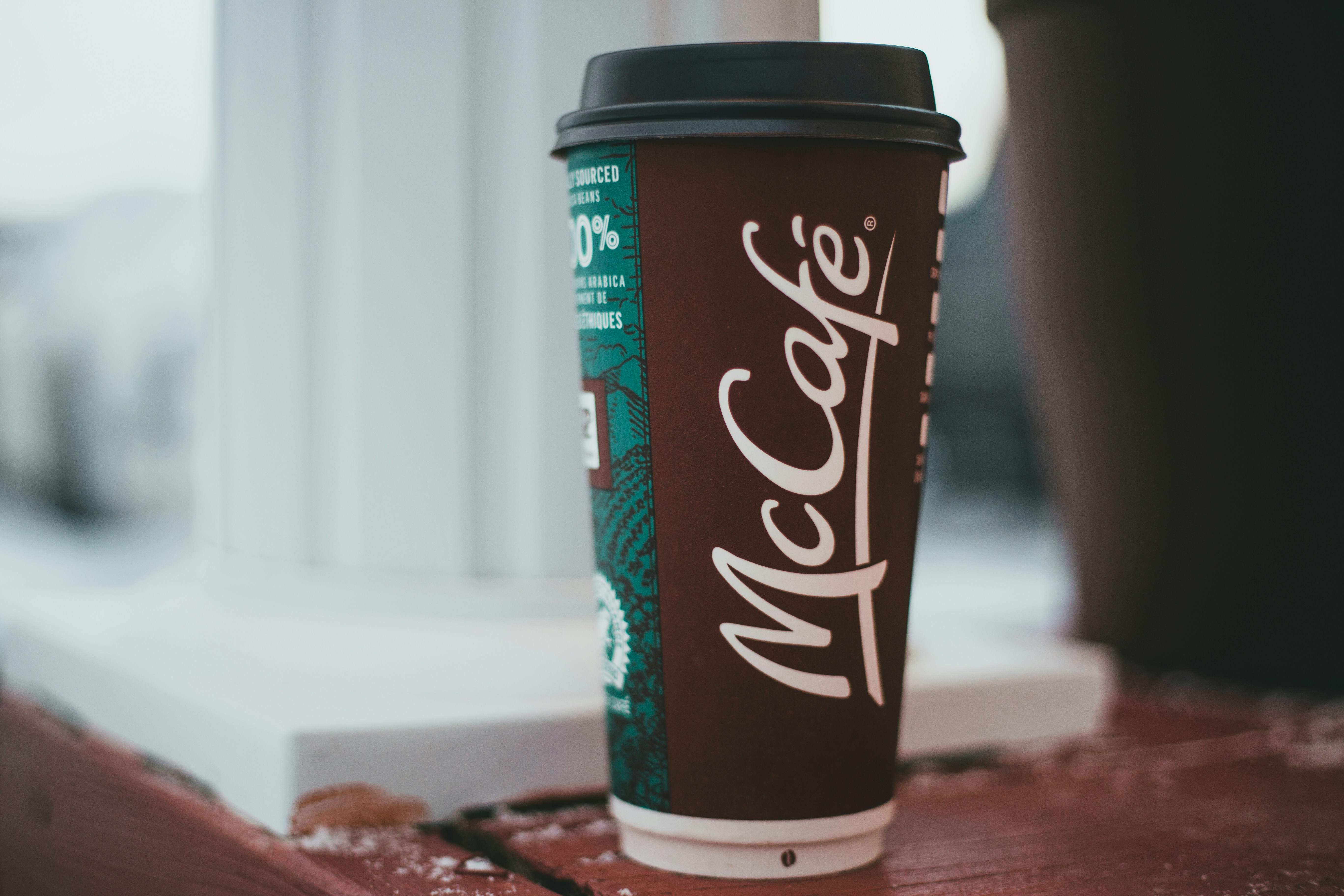
Photo by Erik Mclean on Unsplash
McDonald’s unveils six beverages across 14,000 restaurants on May 6, expanding McCafé with Refresher and crafted sodas and a new store-level beverage specialist role.
Apr 29, 2026
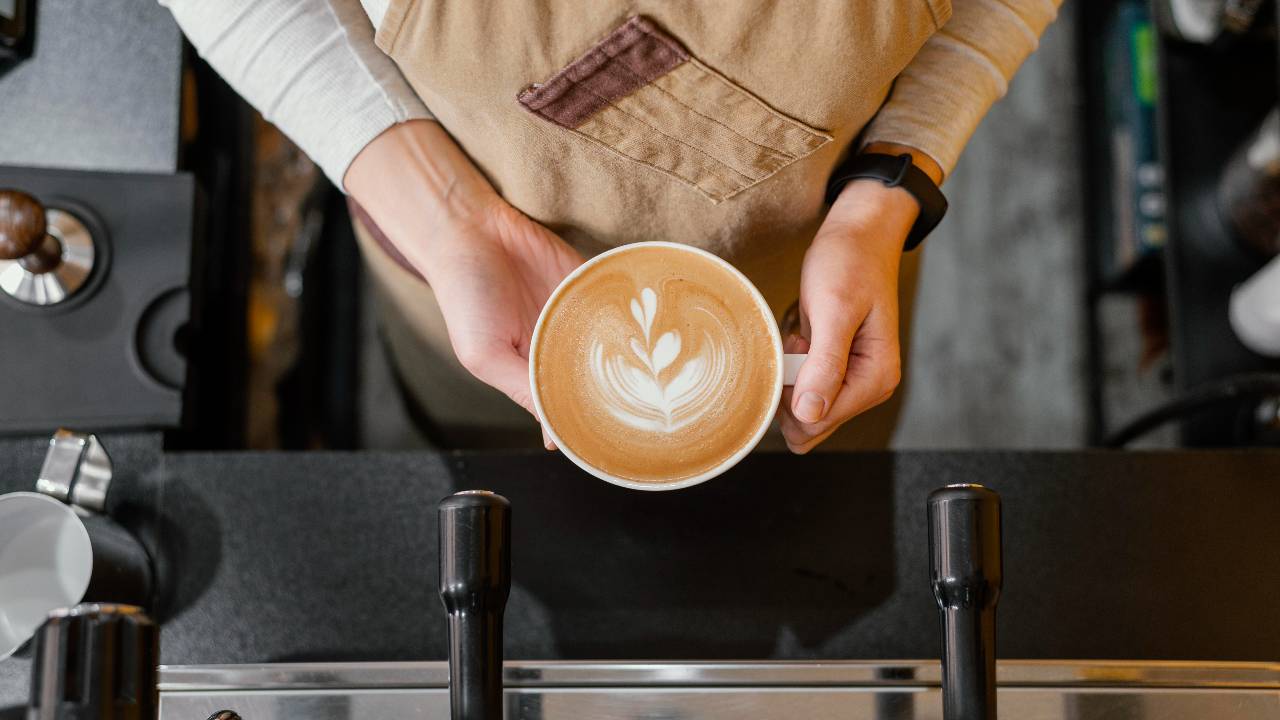
Learn how to write a coffee shop business plan that covers concept, location, menu, finances, branding, marketing, and risk planning.
Apr 27, 2026
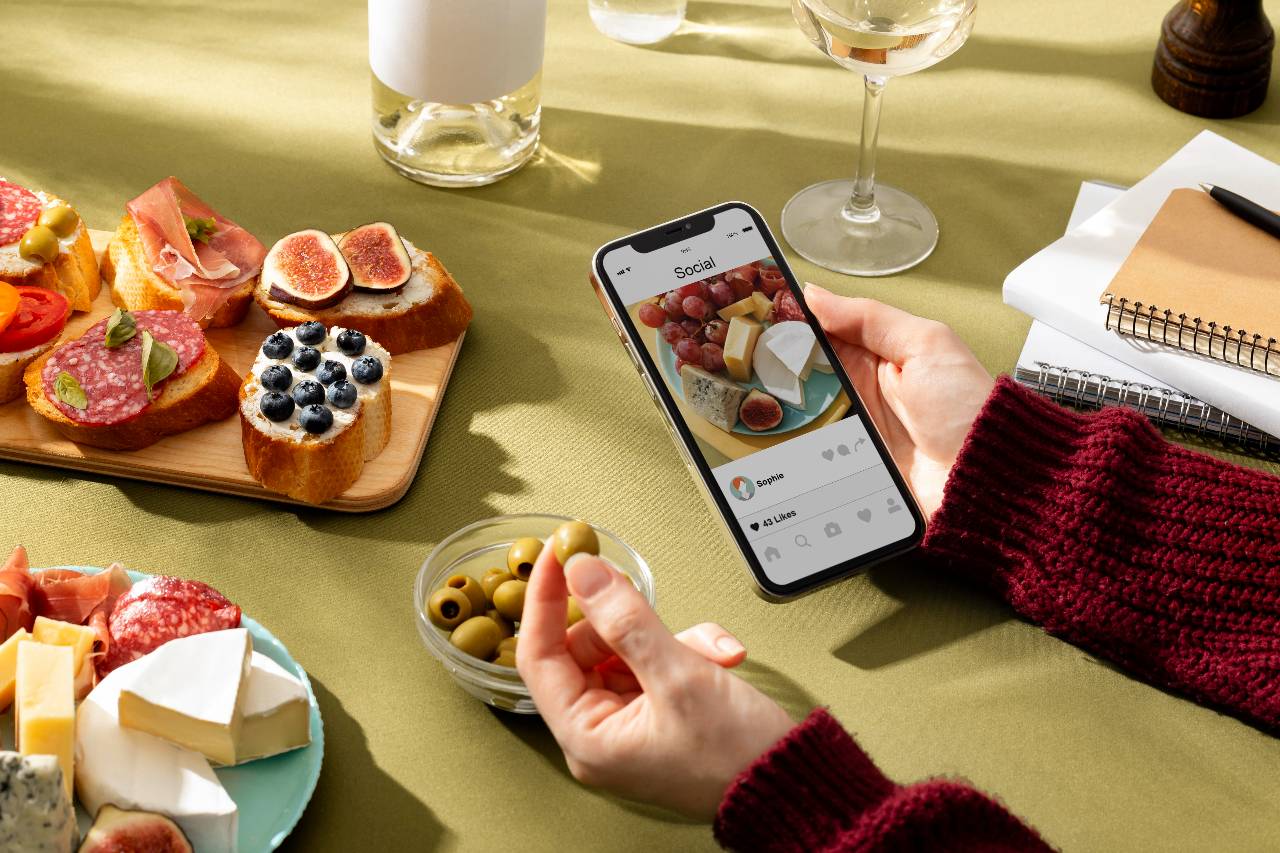
Explore marketing strategies for food businesses using reviews, professional photos, SEO, social media, partnerships, events, and catering.
Apr 28, 2026
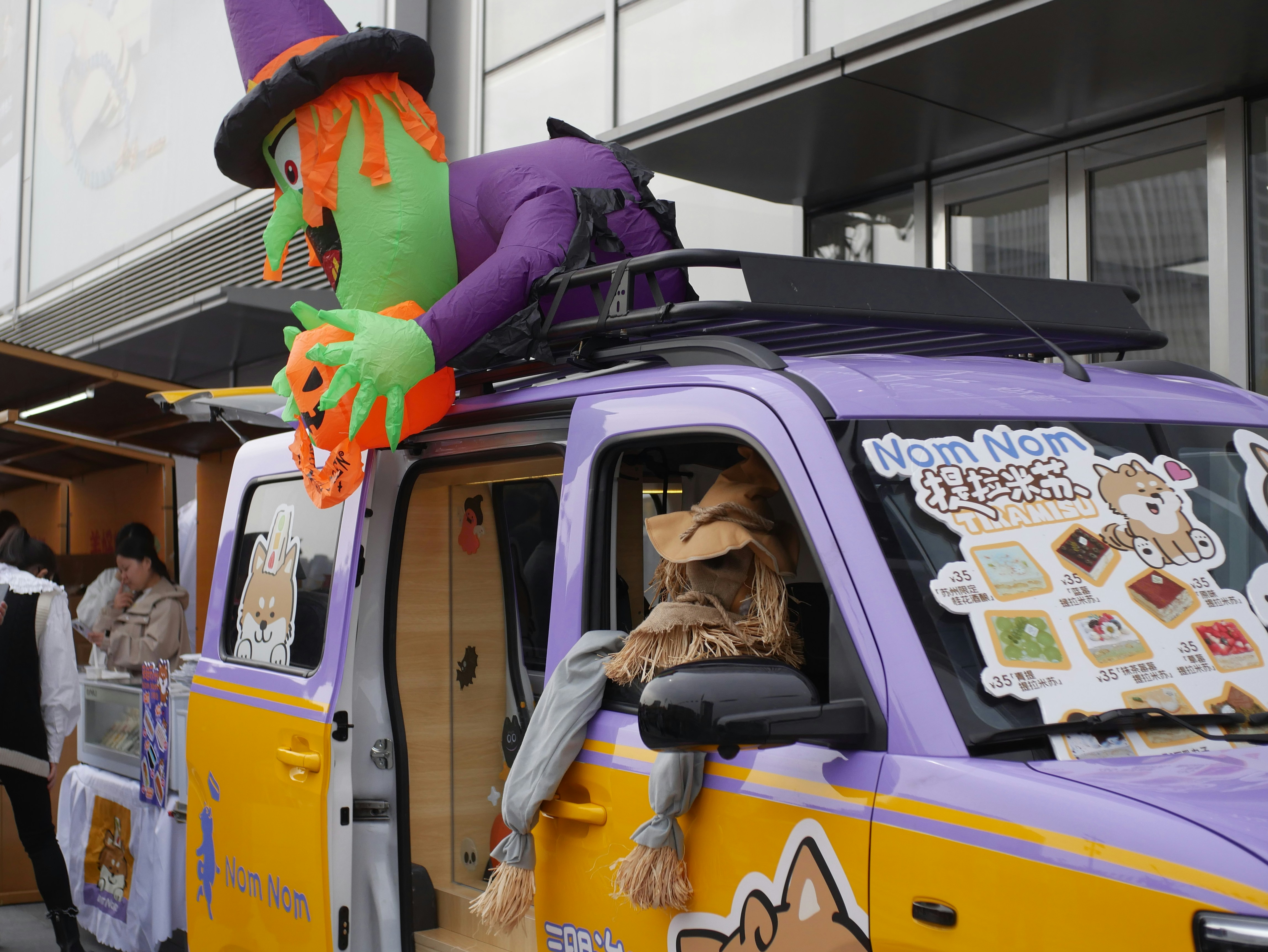
Photo by shen wenjie on Unsplash
Holiday-driven menu drops fuse nostalgia with wellness, turning menus into living calendars for fast-casual brands.
Apr 28, 2026
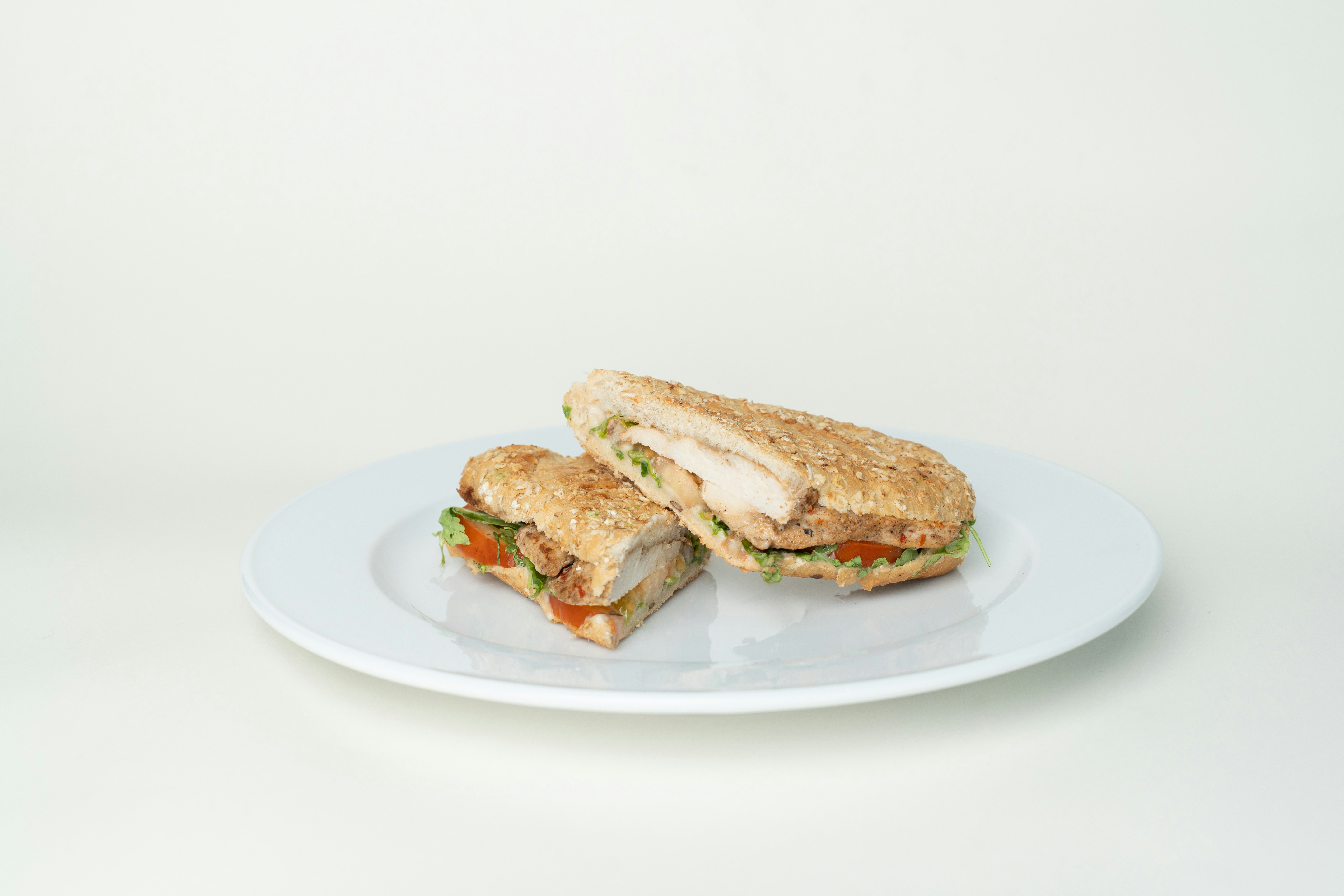
Photo by Abdul Raheem Kannath on Unsplash
Susannah Frost named Chick-fil-A President, joining Cliff Robinson as COO to guide domestic expansion and international growth.
Apr 28, 2026
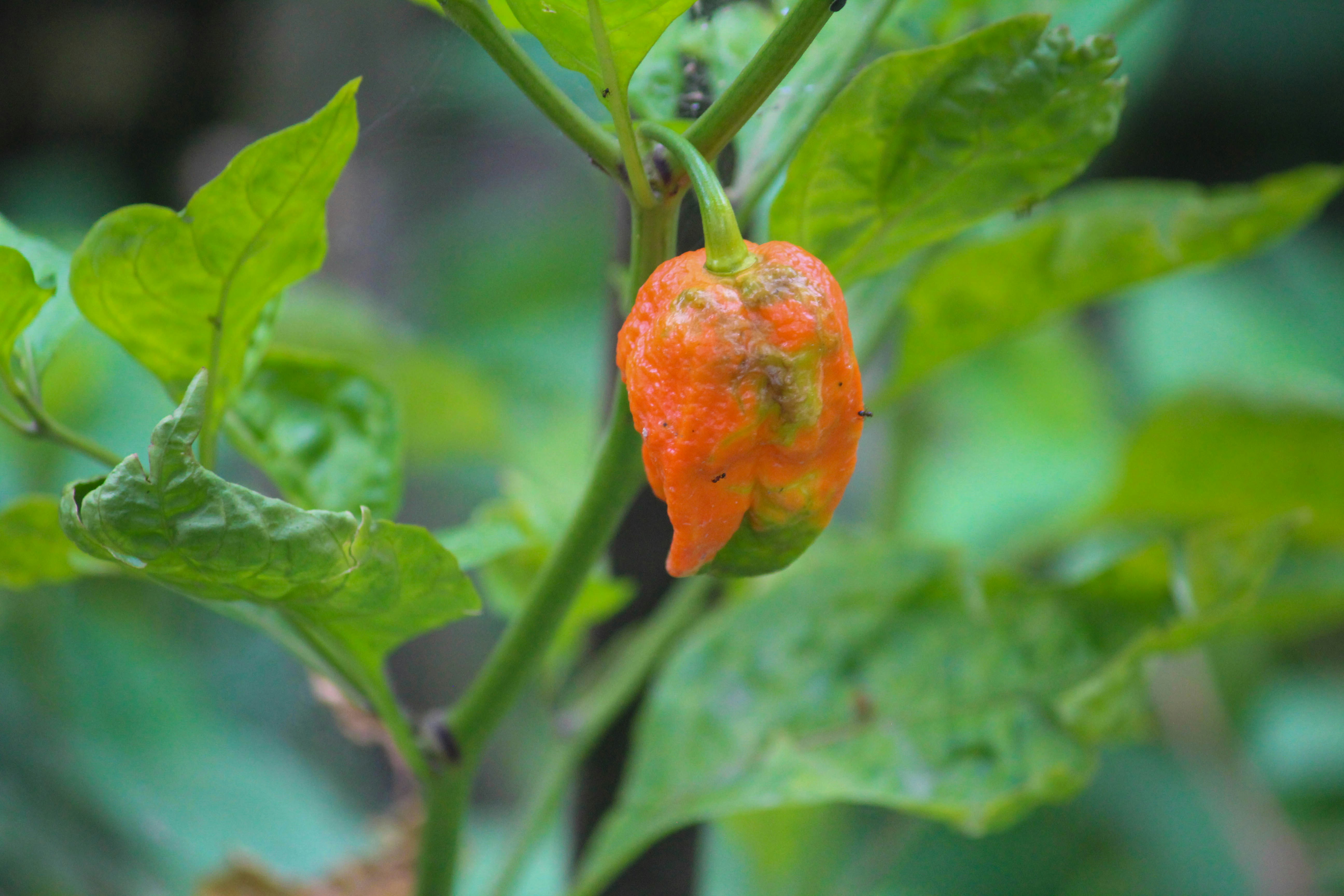
Photo by Moon Bhuyan on Unsplash
Ghost pepper-led promotions redefine autumn menus as chains blend heat, storytelling, and seasonal collaborations to drive foot traffic.
Apr 28, 2026

Photo by Noah Martinez on Unsplash
CAVA rolls out Garlic Ranch Pita Chips with a Steak + Harissa Bowl and a refreshed Rewards program, tying flavor innovation to personalized guest experiences.
Apr 28, 2026
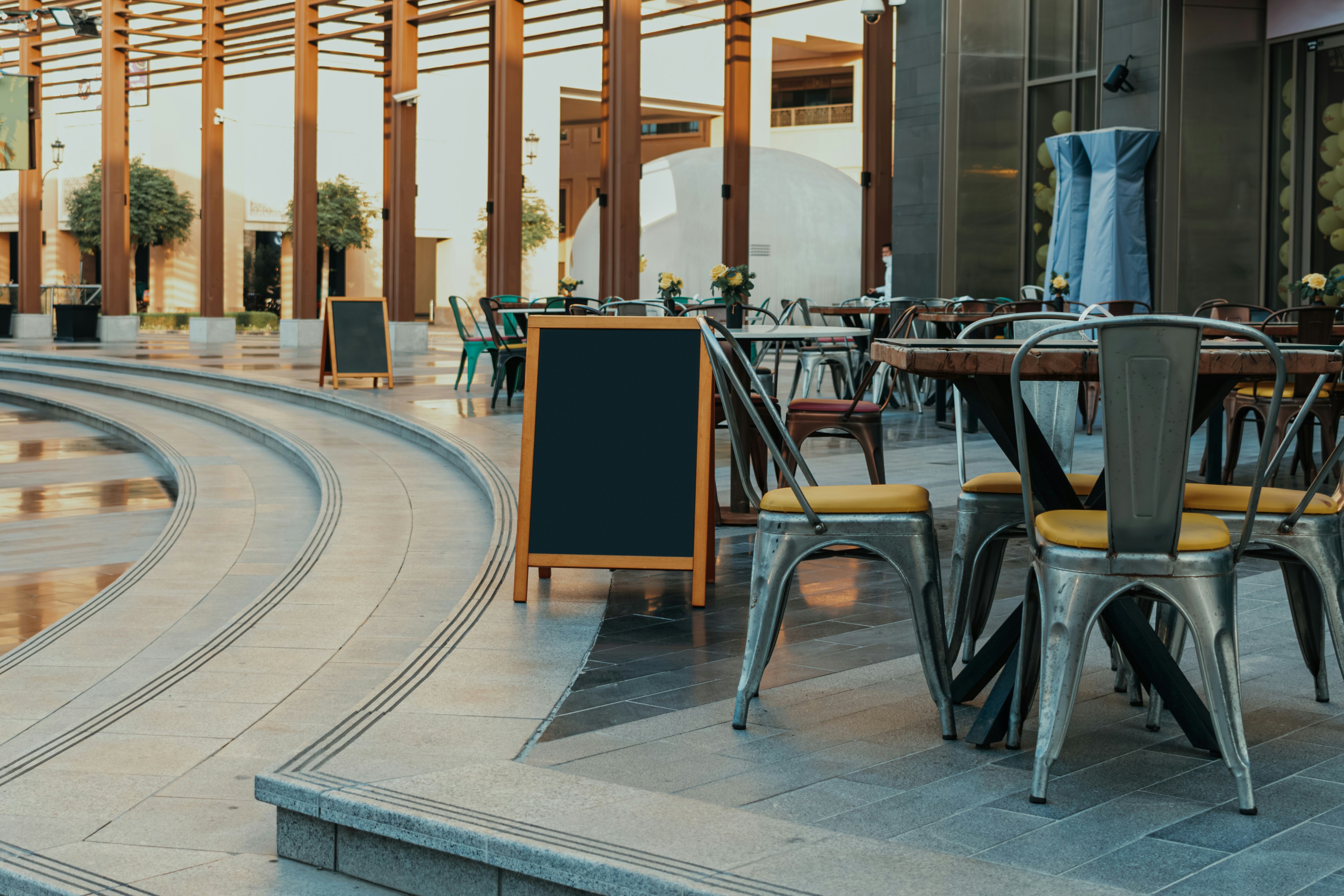
Photo by Kate Trysh on Unsplash
Applebee’s launches Pick 6 Mondays, offering free wings with a $10 purchase when a Pick 6 occurs on Sundays, driving game-day momentum across dine-in and To Go.
Apr 28, 2026
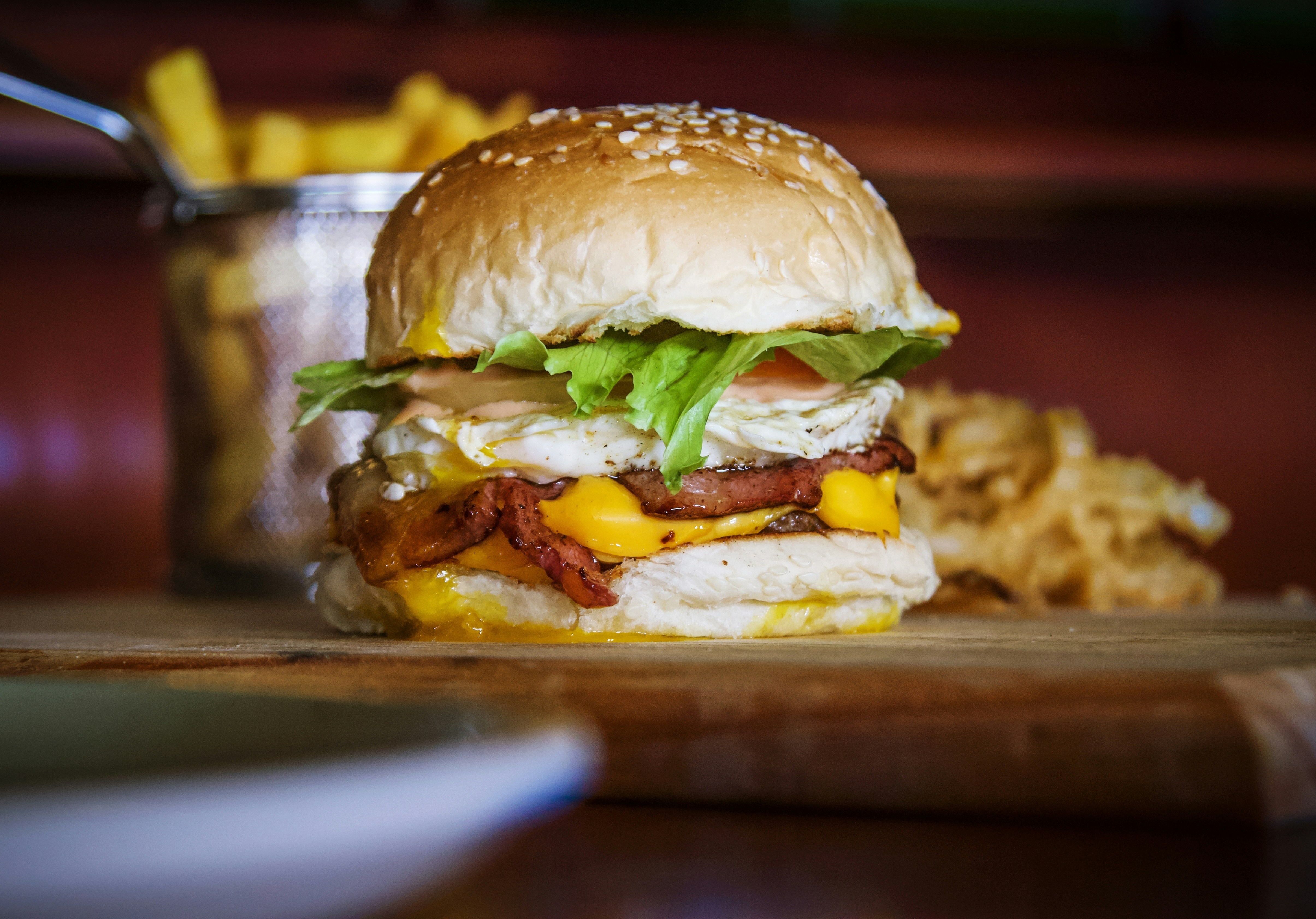
Photo by Stu Moffat on Unsplash
Beatrice Nguyen explores how leadership blends speed, loyalty, and standardized operations to grow Shake Shack while preserving its signature experience.
Apr 28, 2026
From cafes to sports bars, small businesses can improve their capacity by using restaurant design ideas that maximize available space through layout planning.
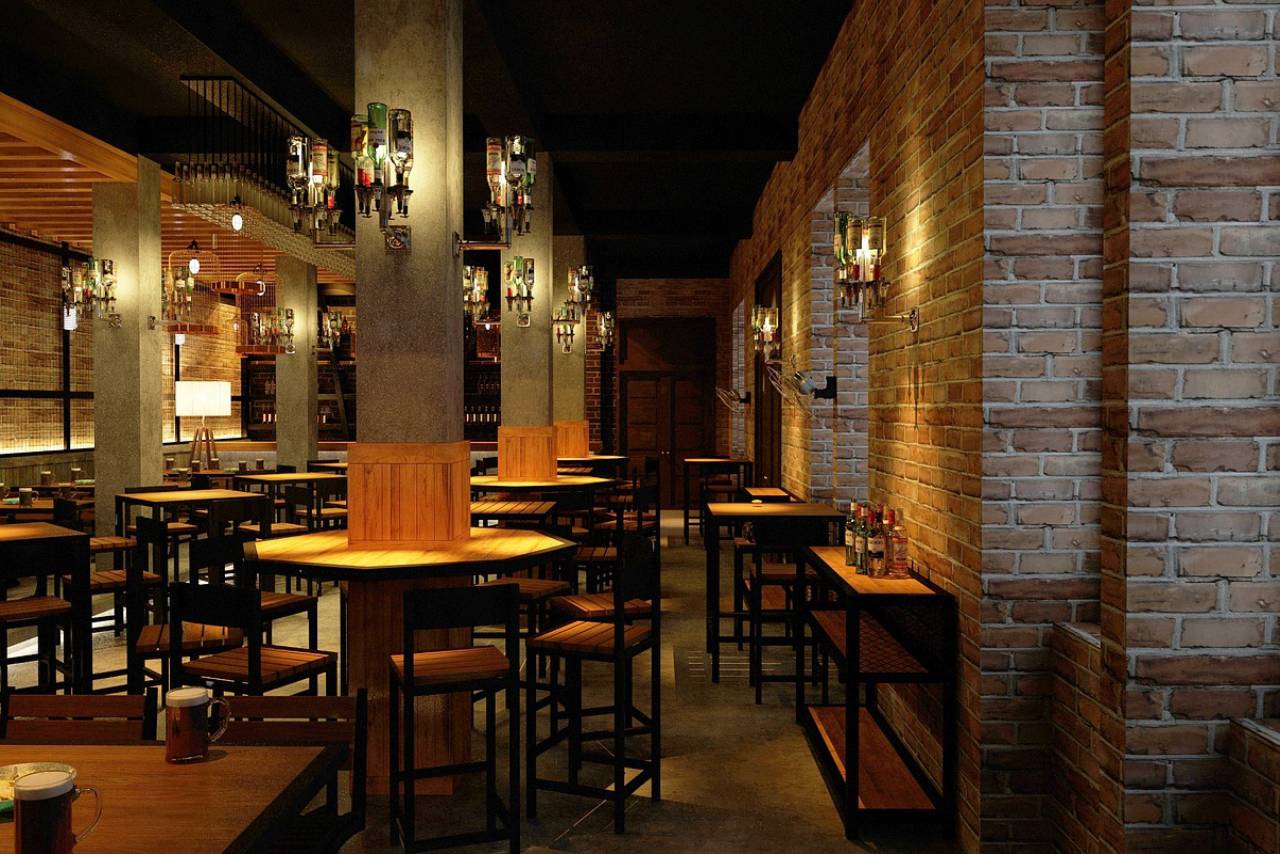
Designing a restaurant can be tricky, as it requires compliance with strict regulations, as well as creating curb appeal. Small businesses especially have the challenge of optimizing limited space to maximize their capacity and accommodate customers.
By considering the best restaurant design ideas, small businesses can provide comfortable customer experiences and establish a smooth workflow while remaining compliant with safety guidelines.
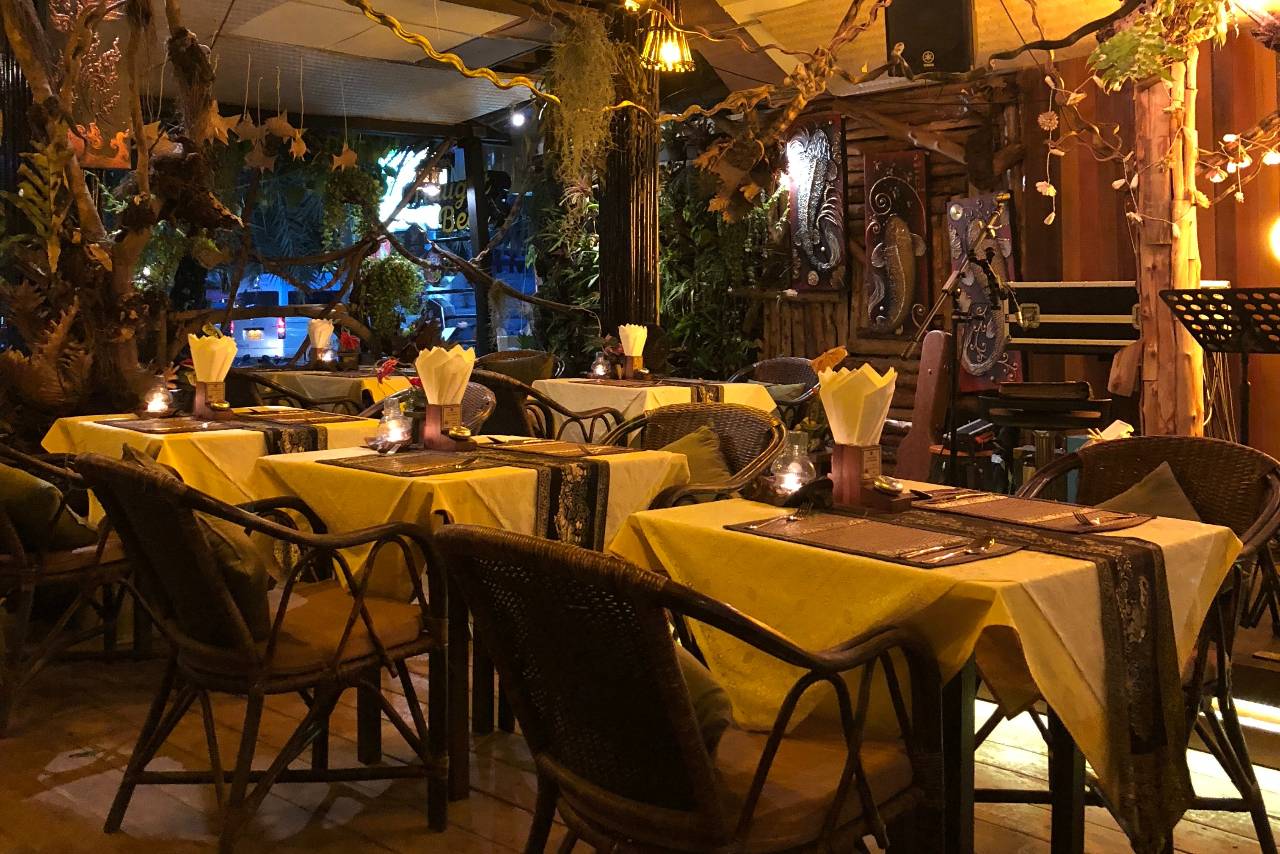
With these five design ideas, small businesses can ensure their restaurant is safe and attractive-
Before worrying about the aesthetic, owners need to create a floor plan that can accommodate furniture, decorations, equipment, and anything necessary for operations.
For small businesses, restaurants should have a 6-4 dining area to kitchen space ratio. This means that 60% of a building should be dedicated to the dining area and 40% to the kitchen.
When outlining the dining and kitchen areas, restaurants should consider-
Dining Area
The main priority when designing the dining room is spacing the tables and chairs appropriately. Typically, restaurants should maintain-
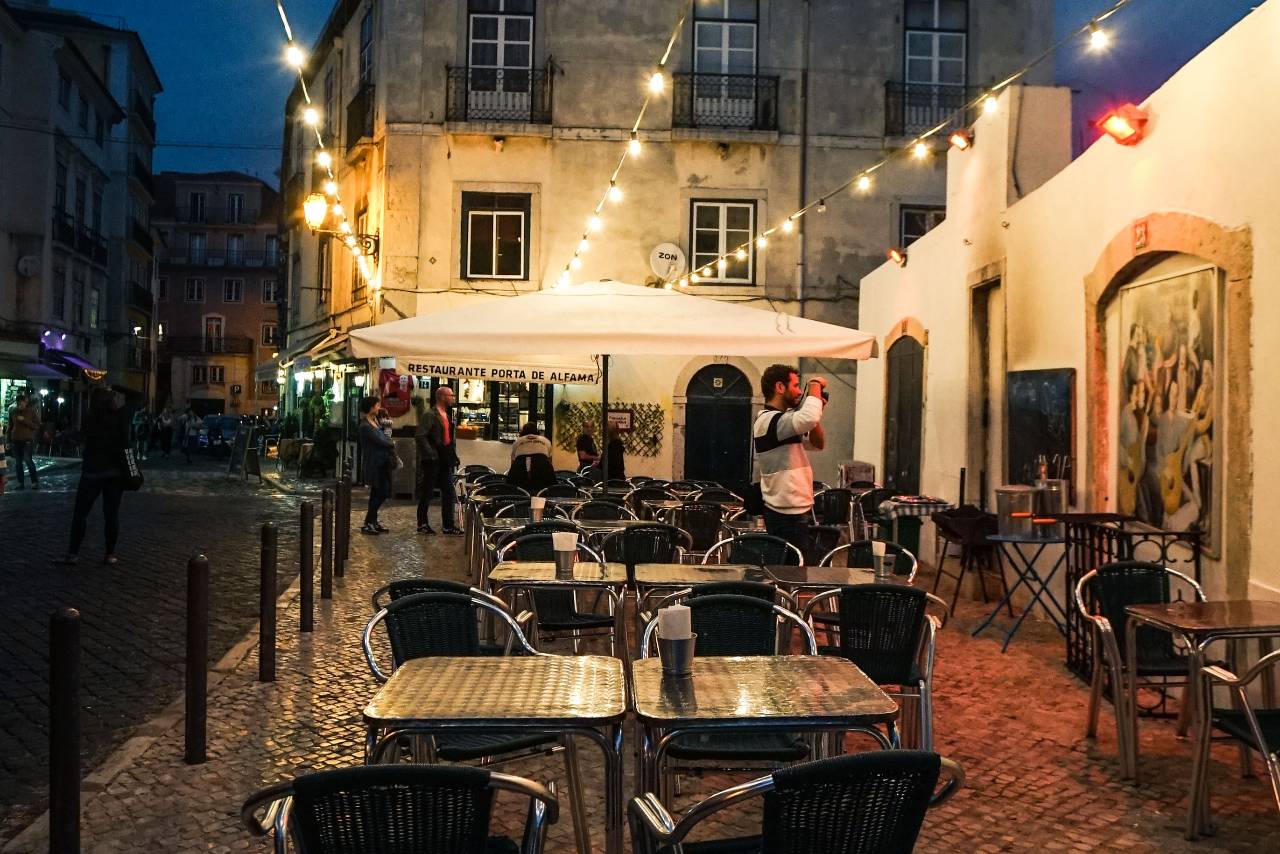
Customers shape their impression of a brand from the first thing they see, which is generally the entryway. While small businesses may not have much space to work with, there are ways to maximize the available room-
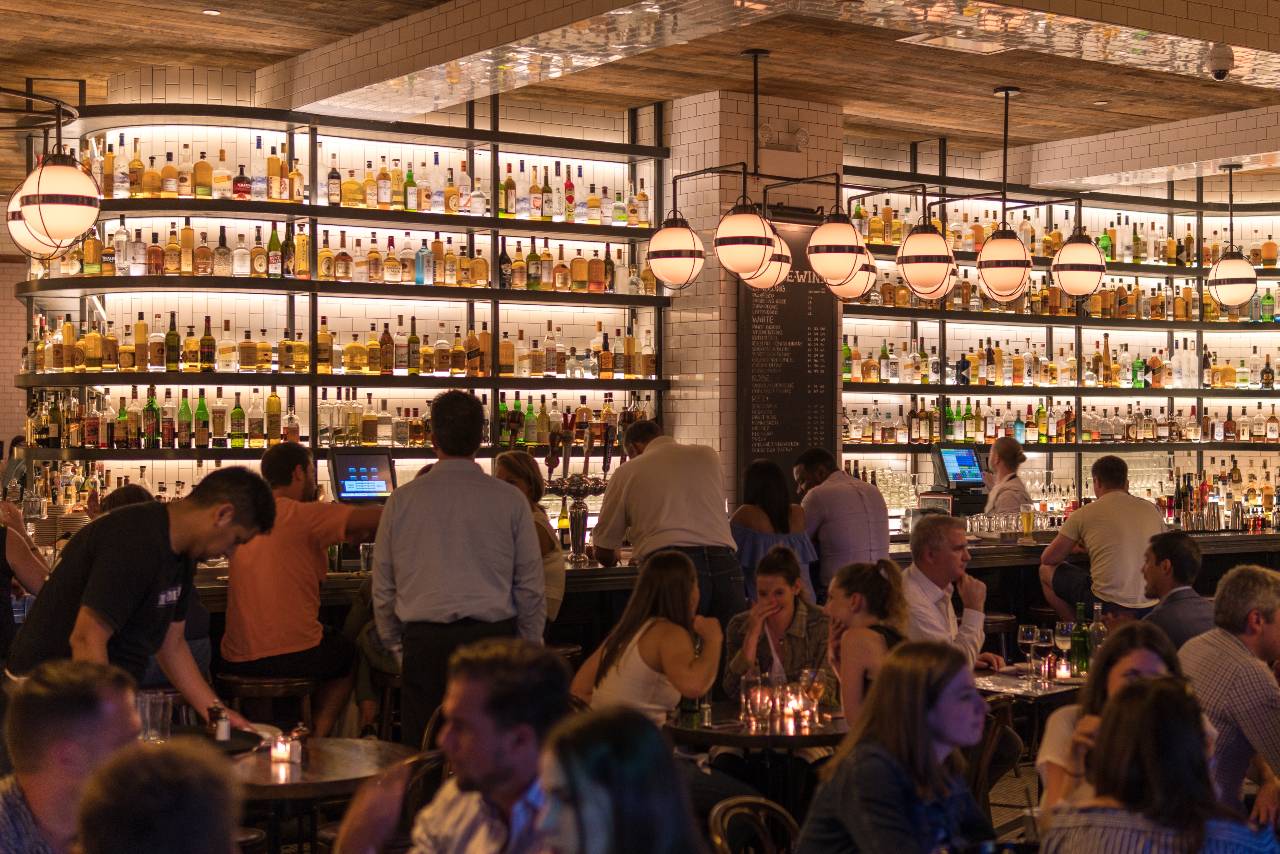
While larger restaurants are able to offer multiple bars in their waiting, outdoor, and dining areas, small businesses often only have enough room for one, if any. Therefore, small restaurants should place the bar in the front of the house, making it the focal point.
Establishments can also place the bar in the back if they have a wider building, so it is the first thing guests see. For narrow buildings, the bar should run alongside the wall, leaving room for the tables and chairs in the open floor space.
Restaurants must be sure to keep the bar six feet from tables and block every other stool. However, some states do not allow bartop seating, so owners should check with their local and state officials to confirm guidelines.
Once the bar setup is complete, owners can experiment with the lighting, decorations, and liquor placement. Many restaurants place light fixtures above tall shelving units, which hold the glasses and alcohol. This keeps the beverages organized and visible to the customers.
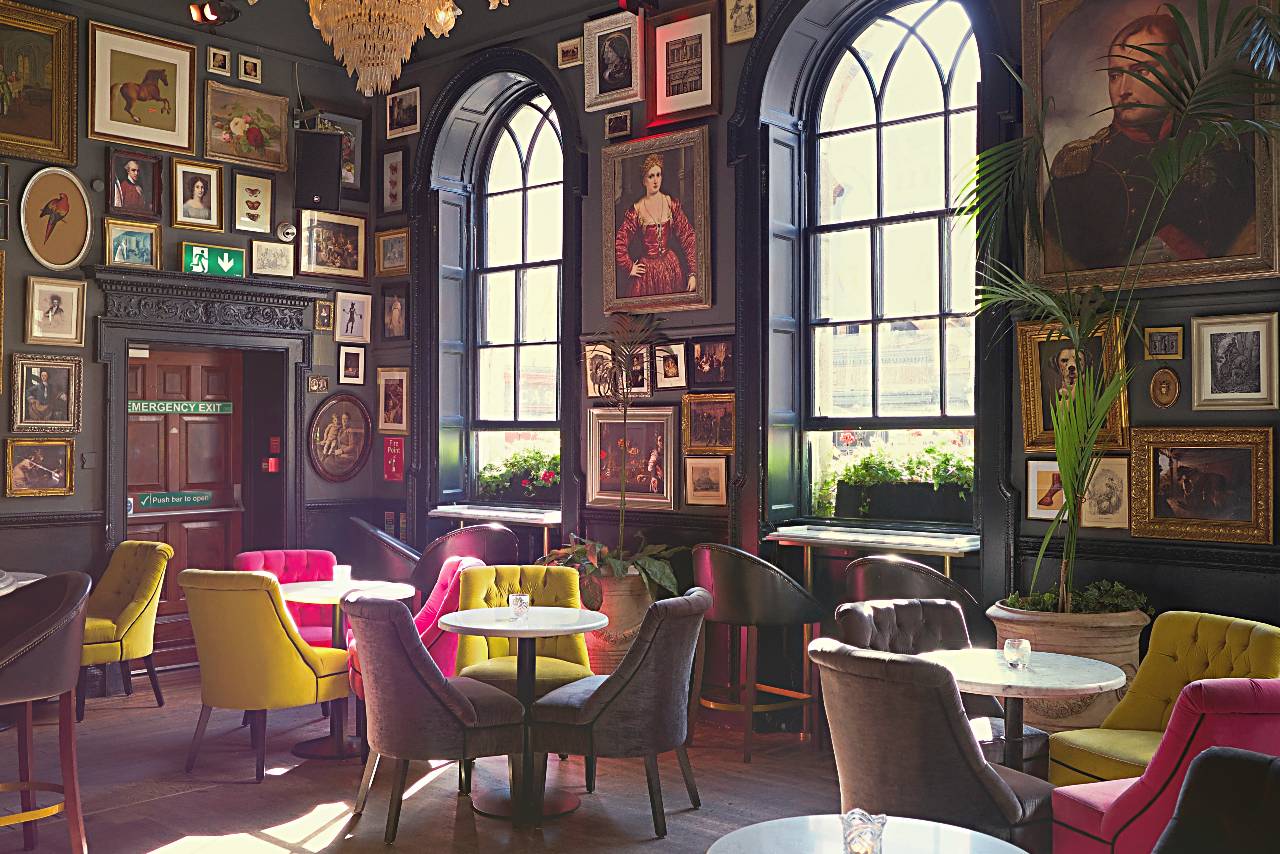
The decor is the element where restaurants can showcase their creativity and express their brand's identity. Whichever theme a restaurant chooses, they must keep it consistent along the walls, ceiling, and floors to create a harmonious atmosphere.
For example, sports bars tend to place jerseys, flags, and photos of athletes throughout the space.
Aside from themes, color schemes can also affect the atmosphere of a restaurant. Dark colors, such as deep reds, beiges, and black, create a cozy, relaxed environment. On the other hand, light colors like green, blue, and white make spaces seem larger and more open.
To create an illusion of larger rooms, restaurants can also place mirrors on the walls to make spaces appear longer or broader.
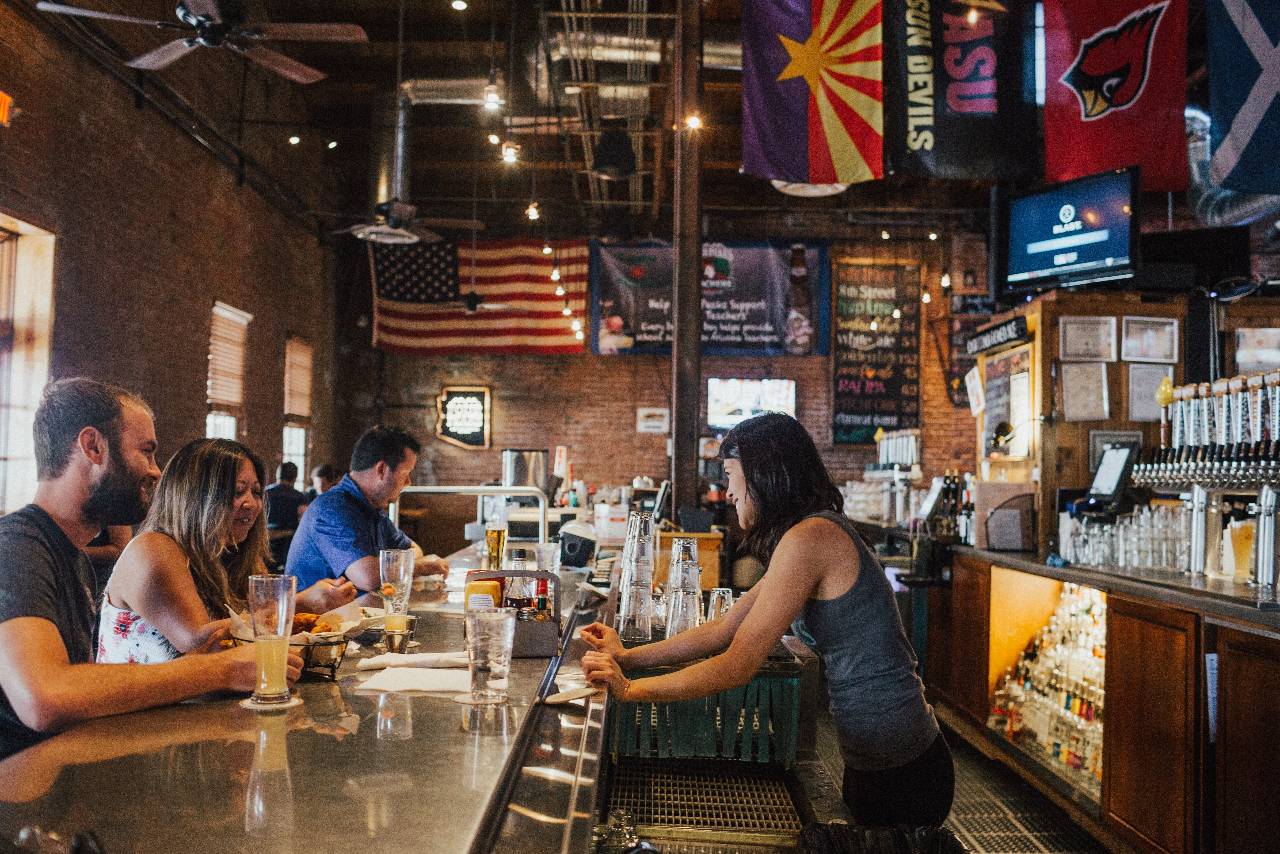
For restaurants wanting to provide live television to customers, they should place screens in areas that are visible to all diners, regardless of where they are seated. For narrow buildings, managers can place TVs on either side of the bar, whereas wider spaces may provide more room in the back.
Sports bars and restaurants that showcase major live events should have multiple TVs around the building so guests at the bar and tables can see the screens.