
Photo by Unseen Histories on Unsplash
Franchise Frenzy: Cross-Border Growth
A look at how U.S. brands expand through multi-unit deals, cross-border partnerships, and seasoned operators in 2026.
franchising
Apr 29, 2026
Photo by Unseen Histories on Unsplash
A look at how U.S. brands expand through multi-unit deals, cross-border partnerships, and seasoned operators in 2026.
Apr 29, 2026

Photo by Erik Mclean on Unsplash
McDonald’s unveils six beverages across 14,000 restaurants on May 6, expanding McCafé with Refresher and crafted sodas and a new store-level beverage specialist role.
Apr 29, 2026
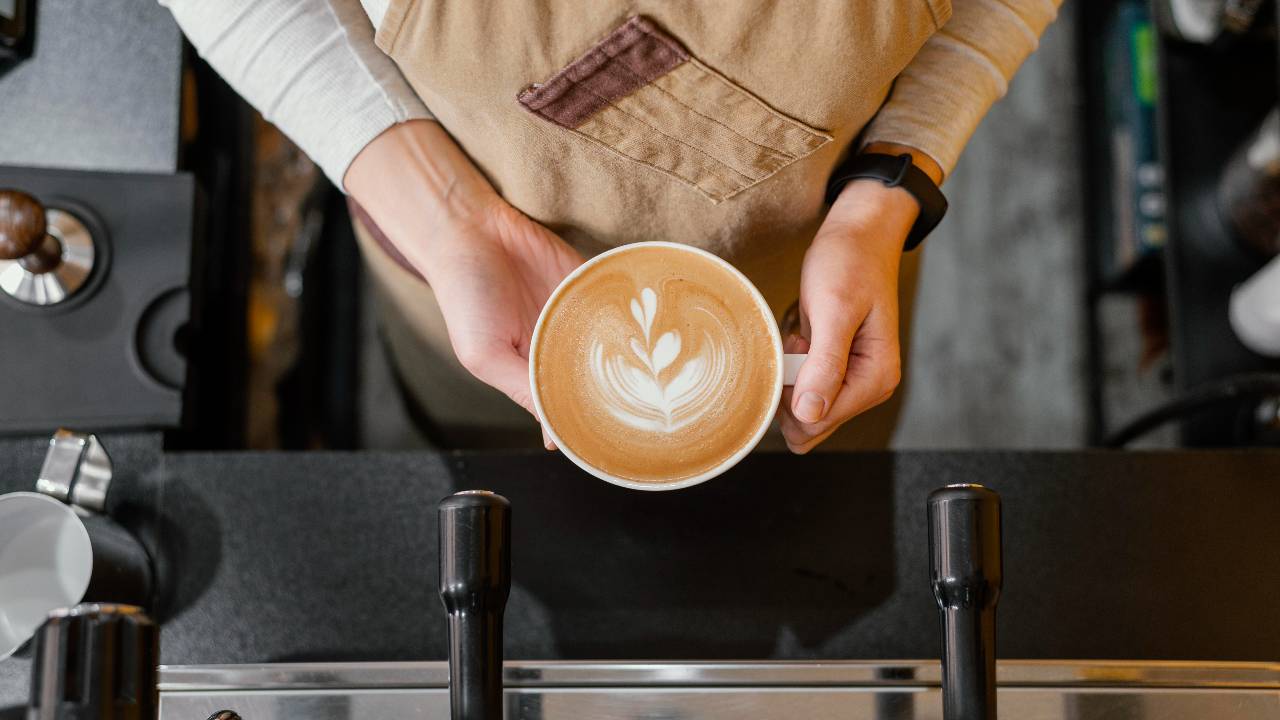
Learn how to write a coffee shop business plan that covers concept, location, menu, finances, branding, marketing, and risk planning.
Apr 27, 2026

Explore marketing strategies for food businesses using reviews, professional photos, SEO, social media, partnerships, events, and catering.
Apr 28, 2026

Photo by shen wenjie on Unsplash
Holiday-driven menu drops fuse nostalgia with wellness, turning menus into living calendars for fast-casual brands.
Apr 28, 2026
Photo by Abdul Raheem Kannath on Unsplash
Susannah Frost named Chick-fil-A President, joining Cliff Robinson as COO to guide domestic expansion and international growth.
Apr 28, 2026

Photo by Moon Bhuyan on Unsplash
Ghost pepper-led promotions redefine autumn menus as chains blend heat, storytelling, and seasonal collaborations to drive foot traffic.
Apr 28, 2026

Photo by Noah Martinez on Unsplash
CAVA rolls out Garlic Ranch Pita Chips with a Steak + Harissa Bowl and a refreshed Rewards program, tying flavor innovation to personalized guest experiences.
Apr 28, 2026

Photo by Kate Trysh on Unsplash
Applebee’s launches Pick 6 Mondays, offering free wings with a $10 purchase when a Pick 6 occurs on Sundays, driving game-day momentum across dine-in and To Go.
Apr 28, 2026
Photo by Stu Moffat on Unsplash
Beatrice Nguyen explores how leadership blends speed, loyalty, and standardized operations to grow Shake Shack while preserving its signature experience.
Apr 28, 2026
Restaurant food waste is a problem that affects all restaurants. However, there are proven strategies available to address this issue, ranging from redesigning the menu to installing waste tracking solutions.
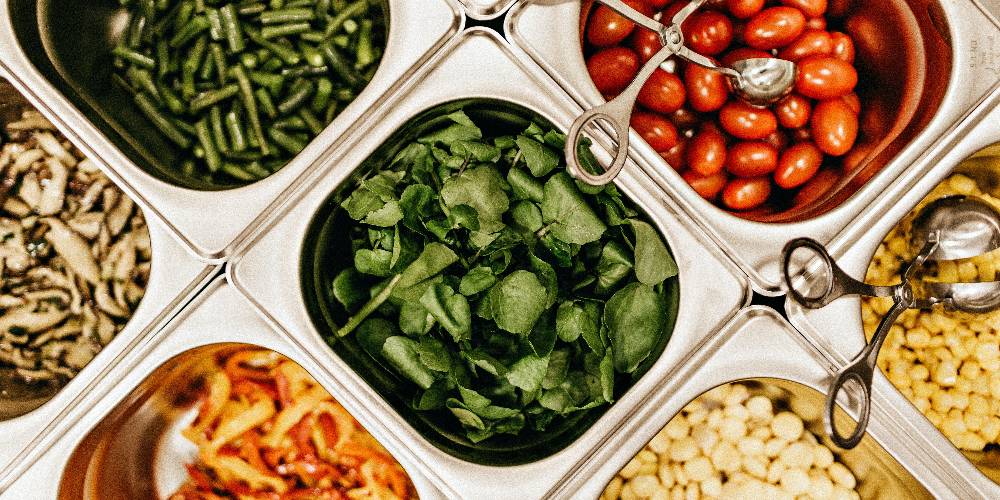
Food waste is an all too real problem in the United States, accounting for 30% to 40% of the country's food supply. The US restaurant industry alone is estimated to produce around 22 to 33 billion pounds of restaurant food waste each year. Globally, the cost of wasted food amounts to $1 trillion annually according to data from the Food and Agriculture Organization of the UN.
Food waste also presents a serious environmental problem. The World Wildlife Fund reports that around 11% of greenhouse gases generated by food production could be eliminated by simply reducing food waste.
If there is a silver lining to the crisis of food waste, it's that there's a strong impetus to solve the problem from both an ethical and business perspective.
For example, for every dollar restaurants invest in food waste reduction efforts, they stand to generate up to $8 dollars in cost savings. For restaurant owners, this could translate to thousands, if not tens of thousands of dollars saved each year.
This is hardly surprising. In profitable restaurants, food costs typically account for 28% to 35% of total sales. This presents an opportunity for restaurants to generate substantial savings by reducing pre-consumer and post-consumer food loss. Solutions such as restaurant food waste tracking, analytics, and waste audits could give restaurants and foodservice businesses a massive boost in profits amounting to over $1.6 billion annually.
Apart from the obvious financial benefits, reducing food waste can also improve a restaurant's reputation. A Unilever study revealed that 72% of US diners are concerned about how restaurants waste food and 47% would be willing to spend more to eat at places that observe sustainable restaurant food waste practices.
Fortunately, there are clear and proven ways to cut down on food waste. For example, about half of restaurants already implement waste tracking as a food loss prevention measure. But there are several other ways to take things even further.
1. Redesign the Menu
It's estimated that restaurant diners leave, on average, 17% of food uneaten on their plates. Restaurant operators can crack down on this wastage by redesigning their menus around minimizing food loss.
A simple but effective tactic is to limit the number of items on their menu, which, in turn, also limits the range of ingredients used across dishes. This opens up opportunities for cross-utilization using the same ingredients (or different parts of the same ingredient) for multiple dishes.
For example, bone-in chicken thighs can be deboned and roasted for salads and flatbreads while the pulled meat can be used for salads. Leftover bones and scraps can be used for chicken stock.
2. Optimize the Inventory
Much of a restaurant's pre-consumer food waste can be eliminated by conducting food waste audits to order optimized quantities of food at precise intervals. The key is to work closely with suppliers.
For example, a restaurant can negotiate with a supplier to order quantities of food smaller than their required minimum. One way around this problem is by signing long-term contracts with suppliers to gain flexibility.
Bottom line? Communicate with suppliers and work out a win-win situation for both parties.
3. Offer Portion Size Options
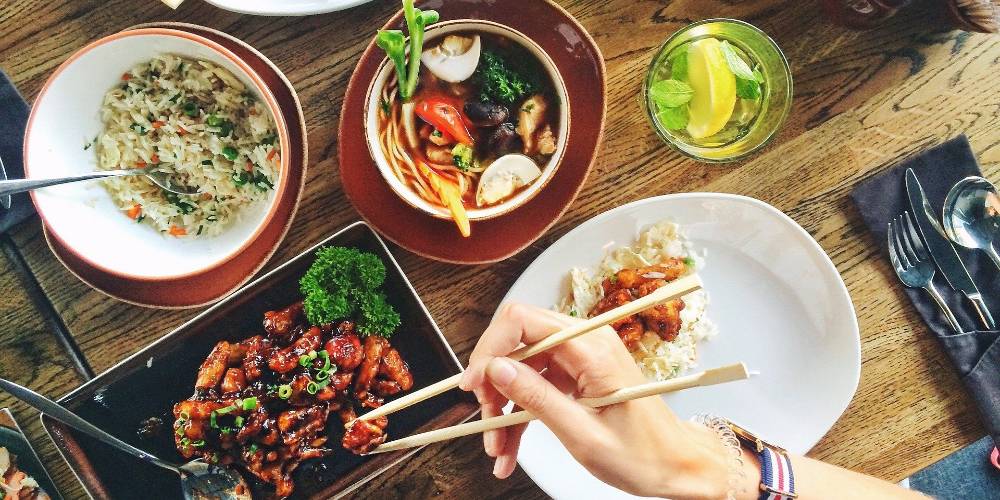
Many people overestimate their portion sizes when dining out, which inevitably results in leftovers. Restaurant owners can solve this problem by offering different portion sizes (for example, small, regular, and large), allowing customers to select a portion that matches their appetite or taste.
Another tactic is to allow customers to choose which sides they prefer with their mains/entrees. For example, a steakhouse can offer the option of pairing a ribeye with a salad, fries, or mashed potatoes. This goes a long way towards reducing small amounts of food scraps that can quickly add up over time.
4. Use Smaller Plates
In one study of guests at hotel restaurants, switching to smaller plates was found to help reduce food waste by as much as 20%.
The theory is that plate size influences how much food people think they need to have on their plate. A larger plate encourages people to pile as much food as they can, leading to leftover food scraps. Conversely, smaller plates often mean smaller portions and a lower chance of leaving uneaten food.
5. Relax Cosmetic Specifications for Fruits and Vegetables
Imperfect produce is estimated to be responsible for 40% of wasted ingredients each year. Because of strict USDA guidelines that grade produce by factors such as size and color, tons of fruits and vegetables with cosmetic flaws end up being rejected each year mostly by supermarkets and restaurants.
Restaurants should consider relaxing their requirements for off-spec produce, provided it meets their food safety and quality standards. A banana with spots on the peel, for example, does not need to be tossed in the trash when it's perfectly safe to eat.
6. Adopt Waste Tracking Tech
Finally, restaurants and other food businesses can use new technologies such as waste tracking, inventory management software, and analytics to reduce food waste. Consider using waste tracking solutions that can photograph, weigh, and sort food items by both category and source. Data analytics can then provide restaurant operators with insights such as -