
Photo by Unseen Histories on Unsplash
Franchise Frenzy: Cross-Border Growth
A look at how U.S. brands expand through multi-unit deals, cross-border partnerships, and seasoned operators in 2026.
franchising
Apr 29, 2026
Photo by Unseen Histories on Unsplash
A look at how U.S. brands expand through multi-unit deals, cross-border partnerships, and seasoned operators in 2026.
Apr 29, 2026
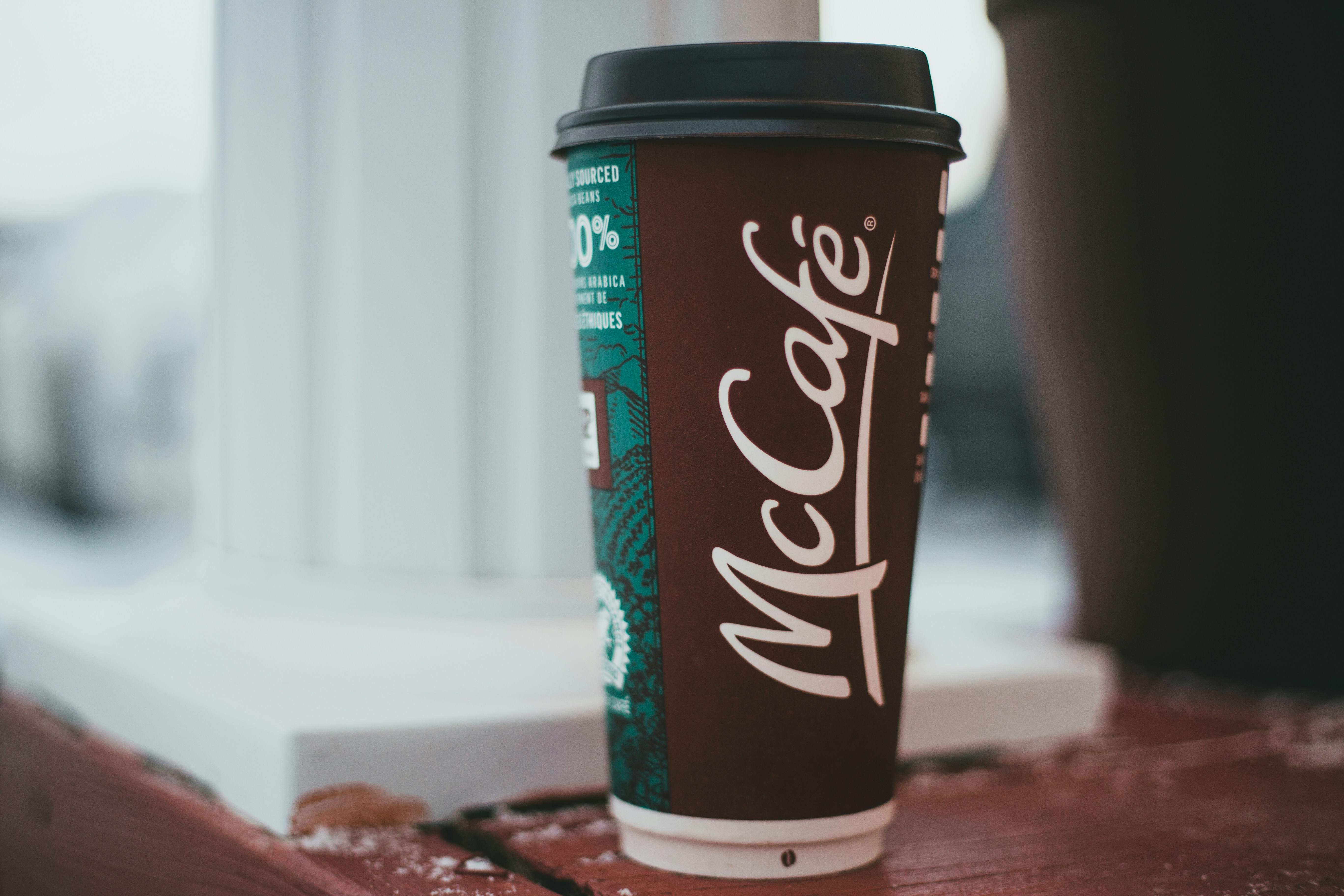
Photo by Erik Mclean on Unsplash
McDonald’s unveils six beverages across 14,000 restaurants on May 6, expanding McCafé with Refresher and crafted sodas and a new store-level beverage specialist role.
Apr 29, 2026
Learn how to write a coffee shop business plan that covers concept, location, menu, finances, branding, marketing, and risk planning.
Apr 27, 2026
Explore marketing strategies for food businesses using reviews, professional photos, SEO, social media, partnerships, events, and catering.
Apr 28, 2026
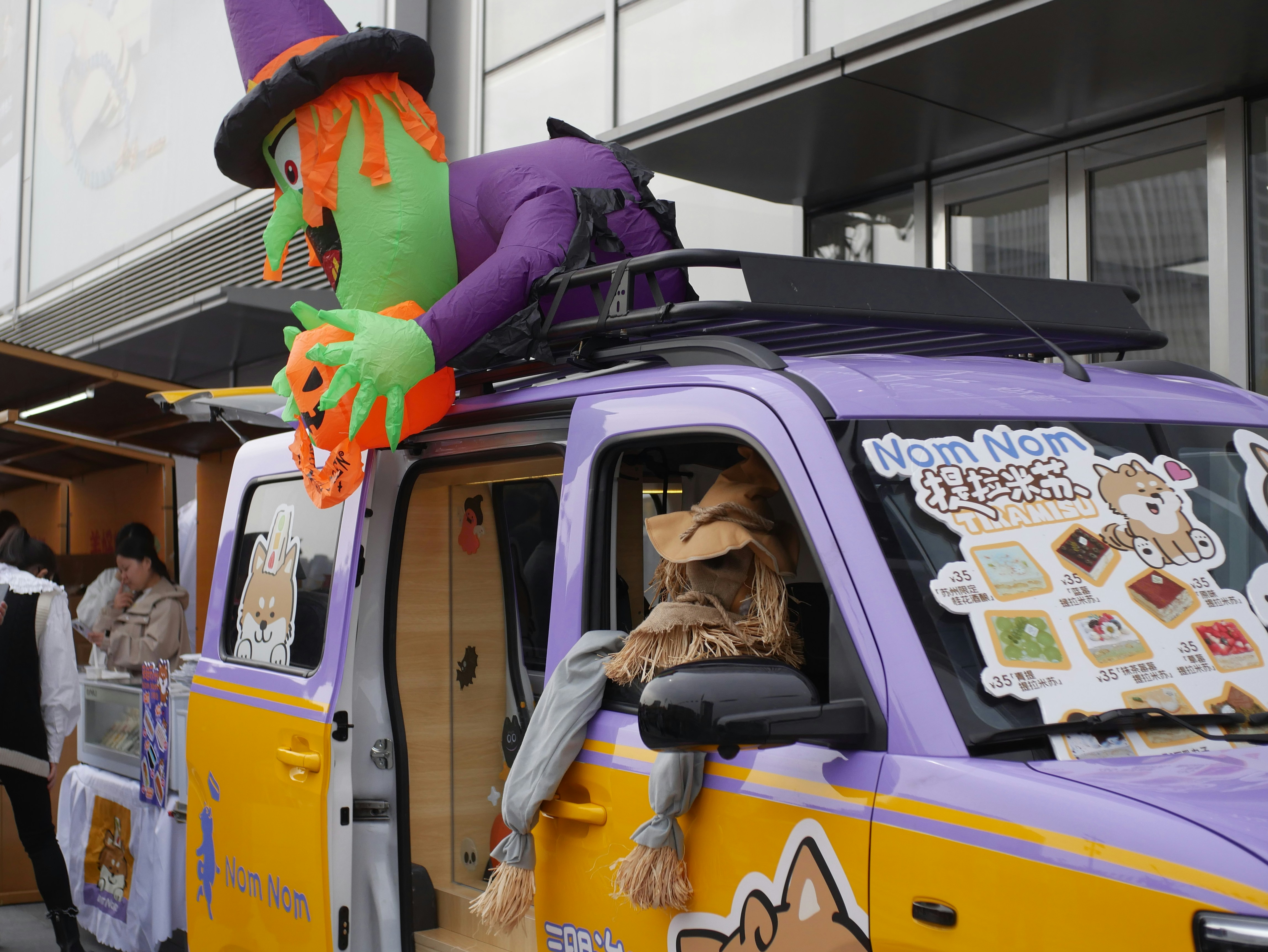
Photo by shen wenjie on Unsplash
Holiday-driven menu drops fuse nostalgia with wellness, turning menus into living calendars for fast-casual brands.
Apr 28, 2026
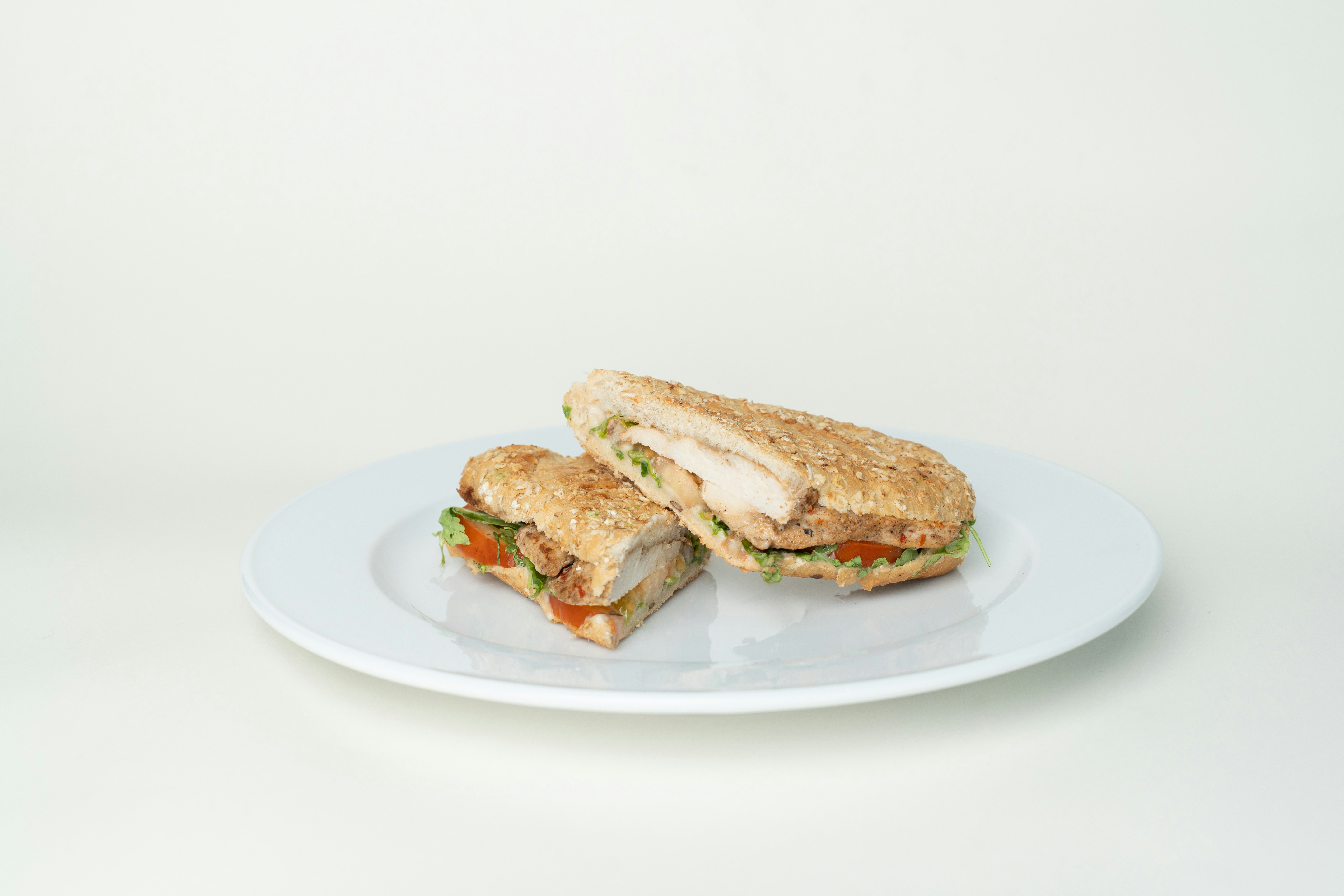
Photo by Abdul Raheem Kannath on Unsplash
Susannah Frost named Chick-fil-A President, joining Cliff Robinson as COO to guide domestic expansion and international growth.
Apr 28, 2026

Photo by Moon Bhuyan on Unsplash
Ghost pepper-led promotions redefine autumn menus as chains blend heat, storytelling, and seasonal collaborations to drive foot traffic.
Apr 28, 2026

Photo by Noah Martinez on Unsplash
CAVA rolls out Garlic Ranch Pita Chips with a Steak + Harissa Bowl and a refreshed Rewards program, tying flavor innovation to personalized guest experiences.
Apr 28, 2026
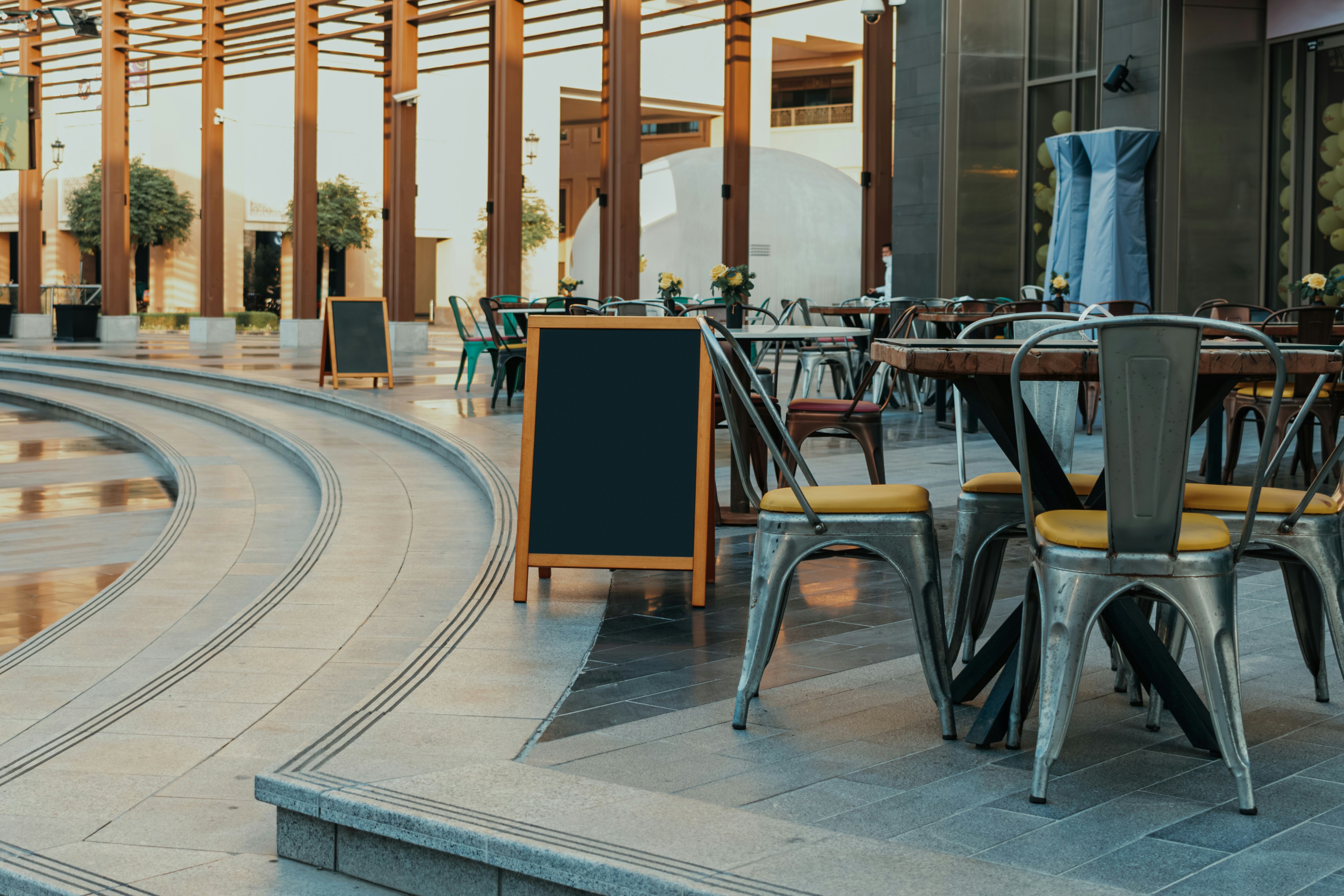
Photo by Kate Trysh on Unsplash
Applebee’s launches Pick 6 Mondays, offering free wings with a $10 purchase when a Pick 6 occurs on Sundays, driving game-day momentum across dine-in and To Go.
Apr 28, 2026
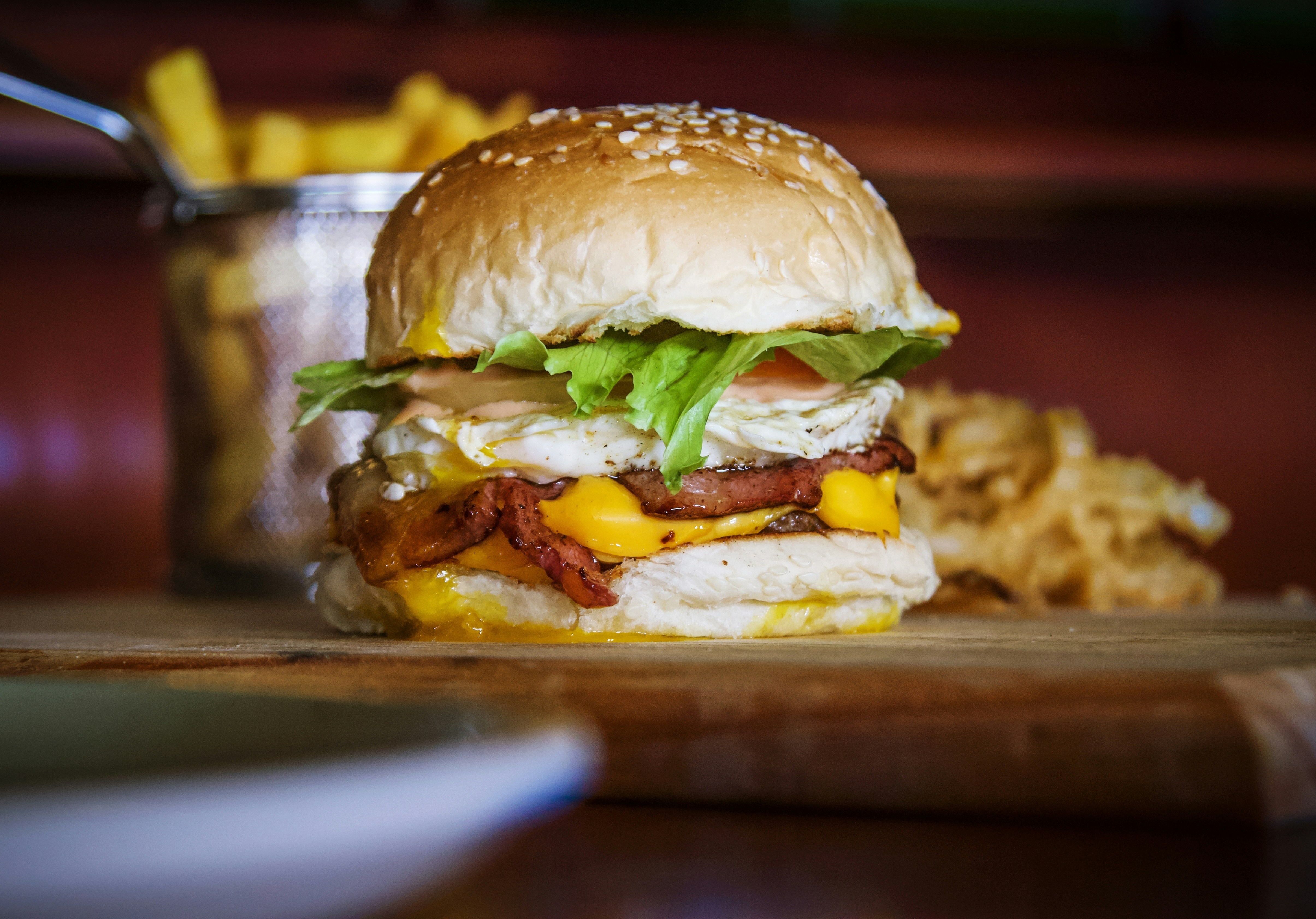
Photo by Stu Moffat on Unsplash
Beatrice Nguyen explores how leadership blends speed, loyalty, and standardized operations to grow Shake Shack while preserving its signature experience.
Apr 28, 2026
Electronic menu boards provide ample opportunities for restaurants to improve sales and draw in consumers through impressionable visuals, board templates, dinner menus, and brand optimization.
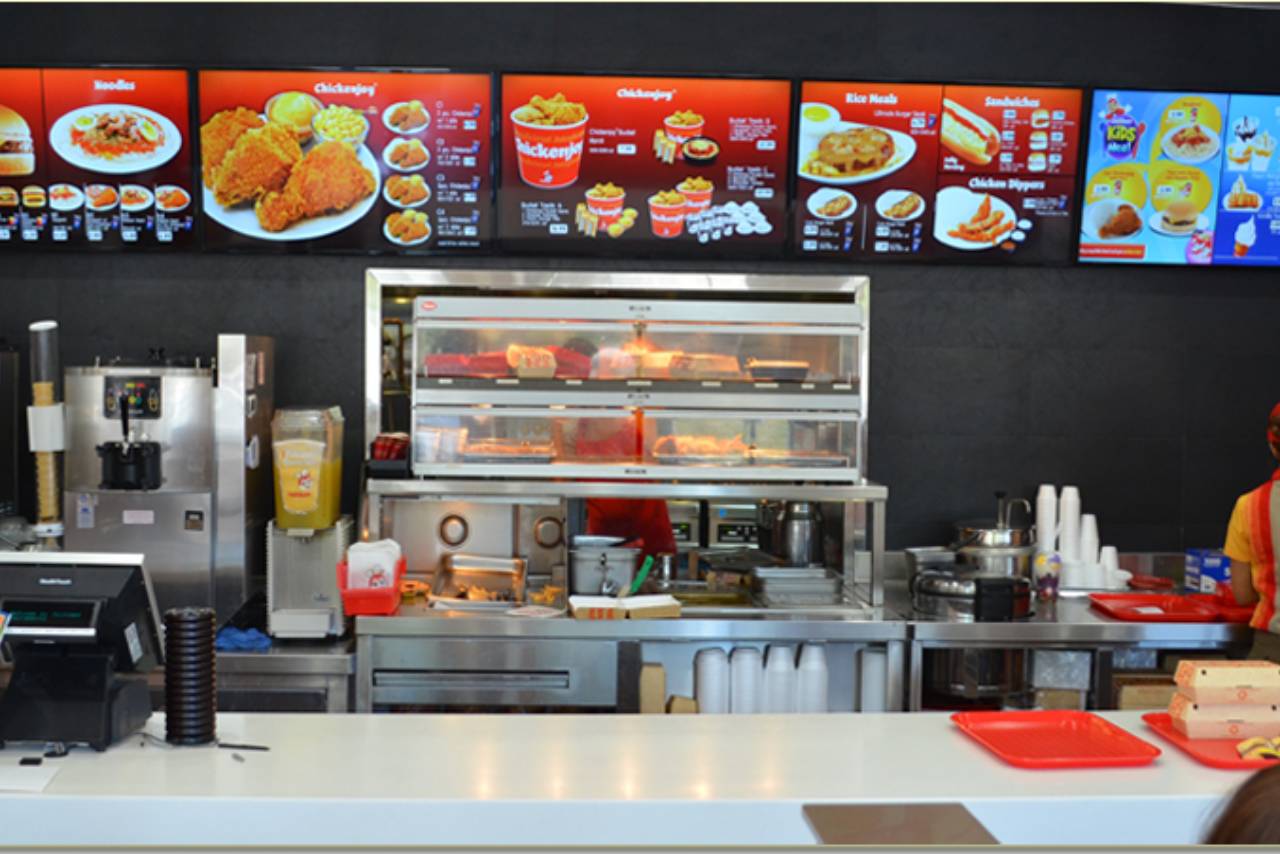
The current population is obsessed with easy use and easy read digital media. Whether it be televisions, smartphones, digital signage, iPads, or social media, the nation is full of potential consumers who want to receive their information through digitized means. Companies are drastically updating and reworking their own advertisements and signage in order to keep up with this trend. Furthermore, they need their messaging to be more progressive and innovative than the competition.
Just like any other industry, restaurants have instinctively moved towards incorporating digital trends into their advertisements and signage. An electronic menu board, or menus controlled digitally, are one of the recent courses of action that restaurants have taken to move in this direction. Here's some benefits of using an electronic menu board and signage software.

Old-fashioned signage displays often takes longer to update because it is sometimes handwritten, and includes decorations that are finished individually, instead of by a computer. Sometimes smaller restaurants use chalkboards with tedious calligraphy and hand-drawn artwork. Though owners may think this gives their restaurant a unique flair, this type of work also takes up quality time and resources.
Luckily, electronic menu boards can be updated quickly on a user-friendly app, at any time, and at any location. Global restaurants or fast food chains that change their menu board templates on a regular basis will find it to be much easier to move towards digitization, as they have many more locations, franchises, and updates every day.
Regular digital signage displays aren't going to usually have the wow factor that draws consumers in to buy a sandwich. Colors aren't as vibrant as they are on a digital menu board solution, nor are their promotional campaigns as big, so there's less engagement from consumers and doesn't provide the same type of customer experience. Electronic menu boards incorporate more high-quality visuals, such as vibrant coloring, detailed pictures and engaging videos about breakfast, lunch, dinner.
If there's a particular item that is the special of the day or a special that the company is promoting, an electronic menu board can highlight this featured item by showcasing its picture in more visible locations of the establishment. In other words, companies can use digital signage software to create the impressions they want, when they want, and where they want on their electronic menu board.

Because of the potent visual effects that digitization imparts, electronic menu boards provide opportunities for restaurants to draw consumers in towards performing a specific action. This includes buying that special of the day at the point sale, or signing up for a new reward program. On a side note, providing this quick service also help build up a restaurant's social media following and creates interest in the company website.
Making that information more visual to the consumer entices them to follow the restaurant online, especially if there's a monetary incentive to do so. For example, a restaurant can offer specials on electronic menu boards that are only available if someone signs up via email. Or they can incentivize consumers to re-share a picture of themselves at the restaurant on Instagram, in order to qualify for a buy 1-get 1 promotion.
With traditional non web-based signage, it takes much longer to evaluate and correlate sales data because there aren't the same opportunities to create calls to action and make products more impressionable to consumers. Electronic menu boards offer ample opportunities for companies to incorporate calls to action and decrease perceived wait times, so a digital sales campaign can evaluate this data on a day-by-day basis.
Restaurants can use their menu board solution and technical support to look at what consumers are buying every day, and modify their business to better fulfill the needs of the consumer. This implies staying fully stocked on popular items, knowing when to replenish ingredients, and removing menu options that aren't meeting expectations.
Managers can change their menu items or nutritional information from anywhere, from any location simply by using digital menu apps on their smartphones or tablets that allow for quick fixes and updates on promotions.
This provides opportunities for larger restaurant chains to easily outsource updates to the managerial staff at specific franchises. It also saves the need for any artistic skills, because the app already has a qualified team curating an optimized design on a new menu that exemplifies the restaurant's unique brand.
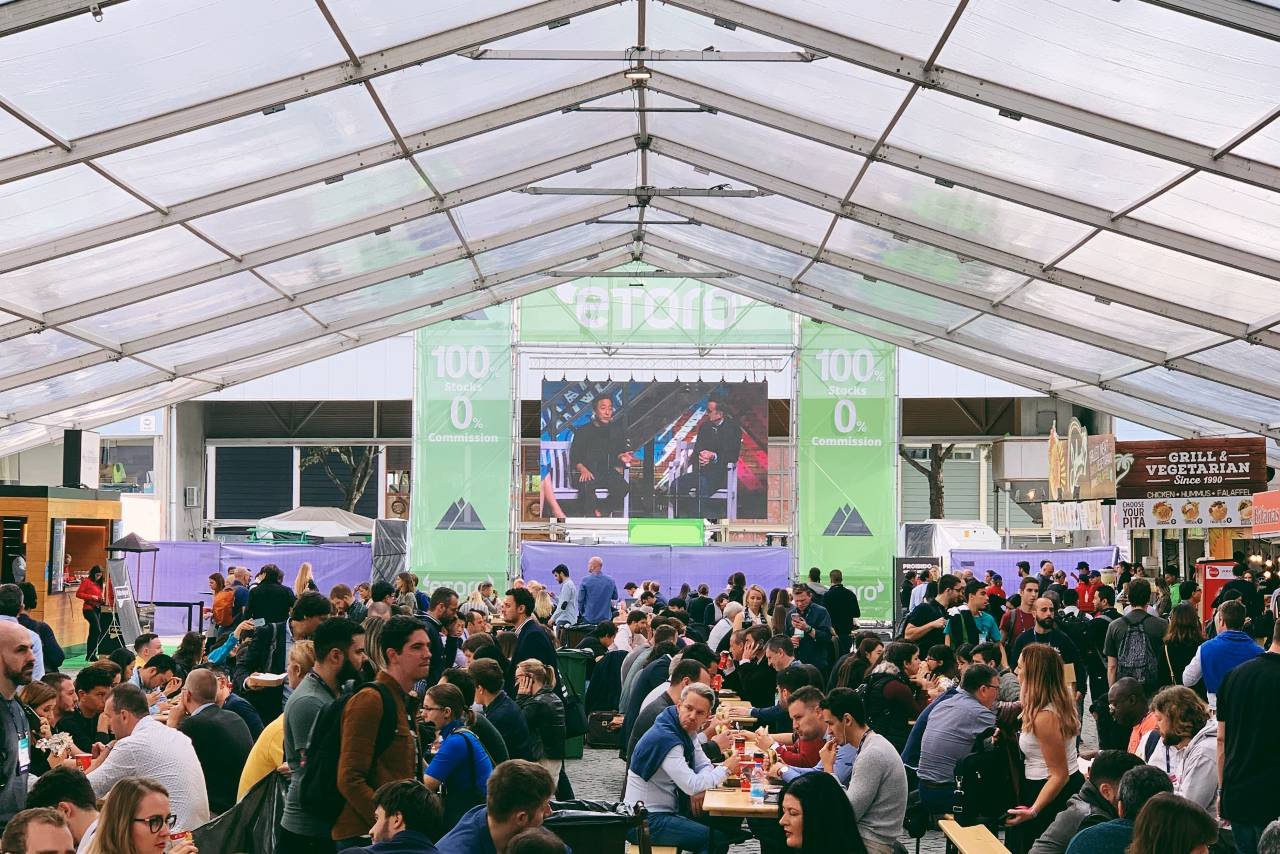
Electronic menu boards improve sales dramatically by creating more calls to action through visual effects, so restaurants will see the money spent on electronic menu boards come back, ten-fold. Restaurants can also easily experiment with design promotions by utilizing software within their app that work with digital campaigns to see how well they are performing.
These software tools can do simple testing by taking two slightly different designs (A/B testing) and comparing how well they perform against each other under different variables. Restaurants can then take whatever design performs the best out of those two, and use it in their digital campaign to get a better return on investment. With traditional signage, there's not a precise way to test out a campaign like this because it's difficult to correlate an increase in sales with a sign or menu without knowing which variable caused it. These apps provide the software to do so.
One of the best parts about electronic menu boards is the ability that companies have to promote their brand from within. There are ample opportunities to display company logos or advertisements, or messaging that is not available on an old-fashioned menu.
While restaurants can promote their brand, they can also make sure that it stays consistent amongst their other multiple chains. There's also always an inherent risk with old-fashioned signage that employees forget to change an item on the board. Electronic menu boards prevent that from happening because restaurants can make sure all of their franchise locations are consistent, no matter where they are.
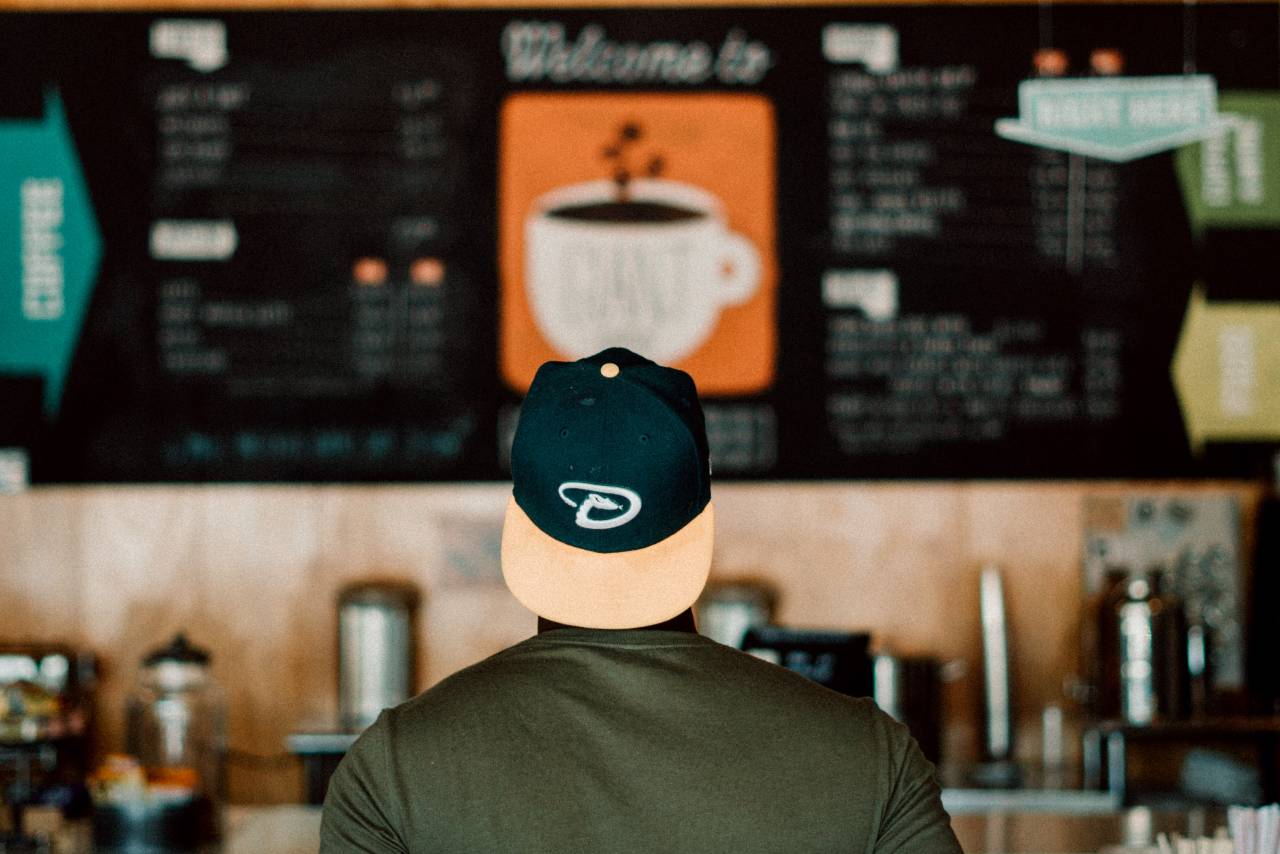
Though many restaurants are weary to switch from traditional menus to digital menu boards, the opportunities that they provide for sales growth and consumer happiness cannot be understated. The modern trend is towards digitization, and all larger restaurants are moving towards changing their menus to be more innovative and creative through the utilization of digital menus.
Consumers will provide a return on investment by taking advantage of the new call to actions that are utilized, and will be drawn in by the impressionable visual effects on the restaurant menu. The path of the future is digitization, and restaurants need to be on board.