
Photo by Unseen Histories on Unsplash
Franchise Frenzy: Cross-Border Growth
A look at how U.S. brands expand through multi-unit deals, cross-border partnerships, and seasoned operators in 2026.
franchising
Apr 29, 2026
Photo by Unseen Histories on Unsplash
A look at how U.S. brands expand through multi-unit deals, cross-border partnerships, and seasoned operators in 2026.
Apr 29, 2026
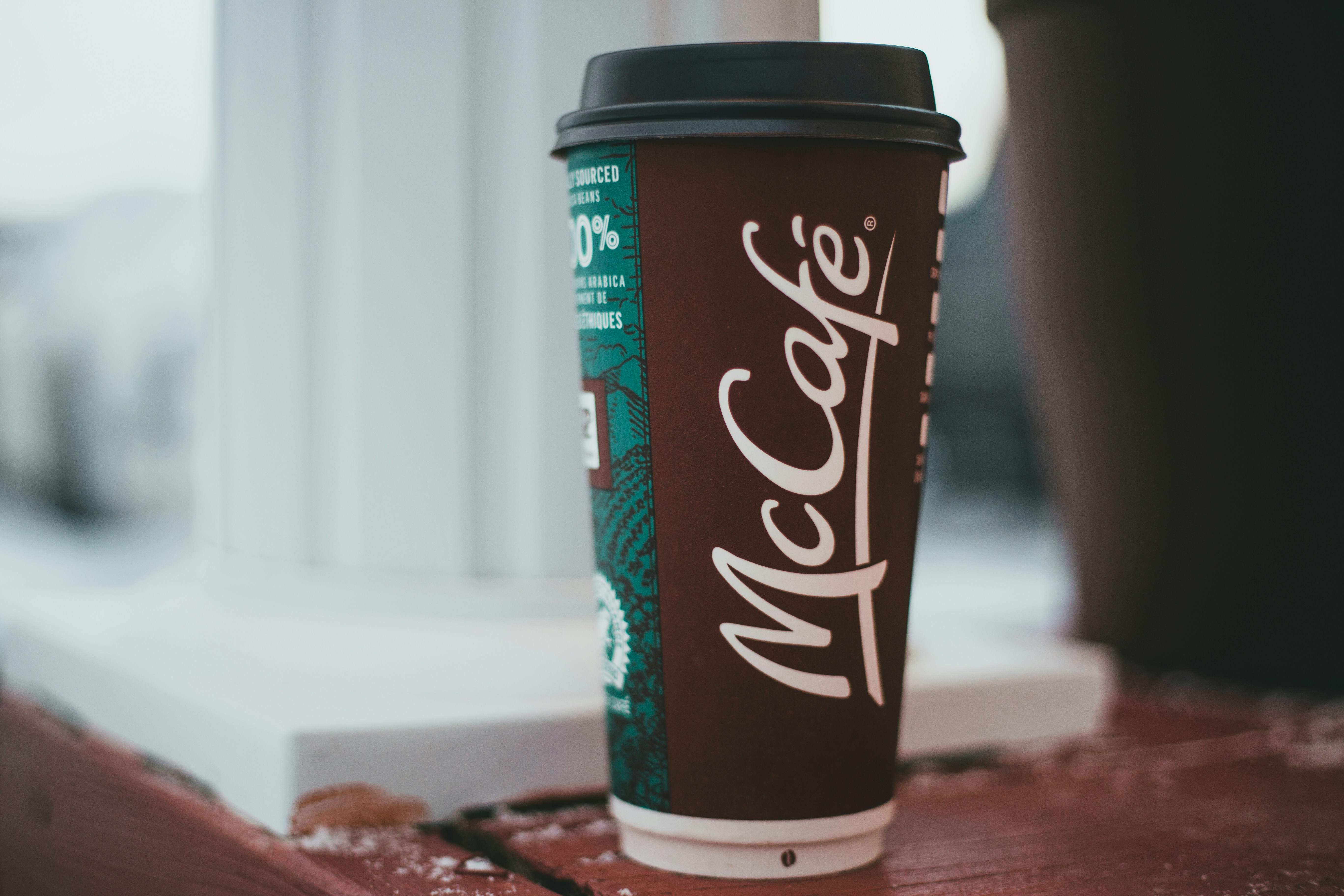
Photo by Erik Mclean on Unsplash
McDonald’s unveils six beverages across 14,000 restaurants on May 6, expanding McCafé with Refresher and crafted sodas and a new store-level beverage specialist role.
Apr 29, 2026
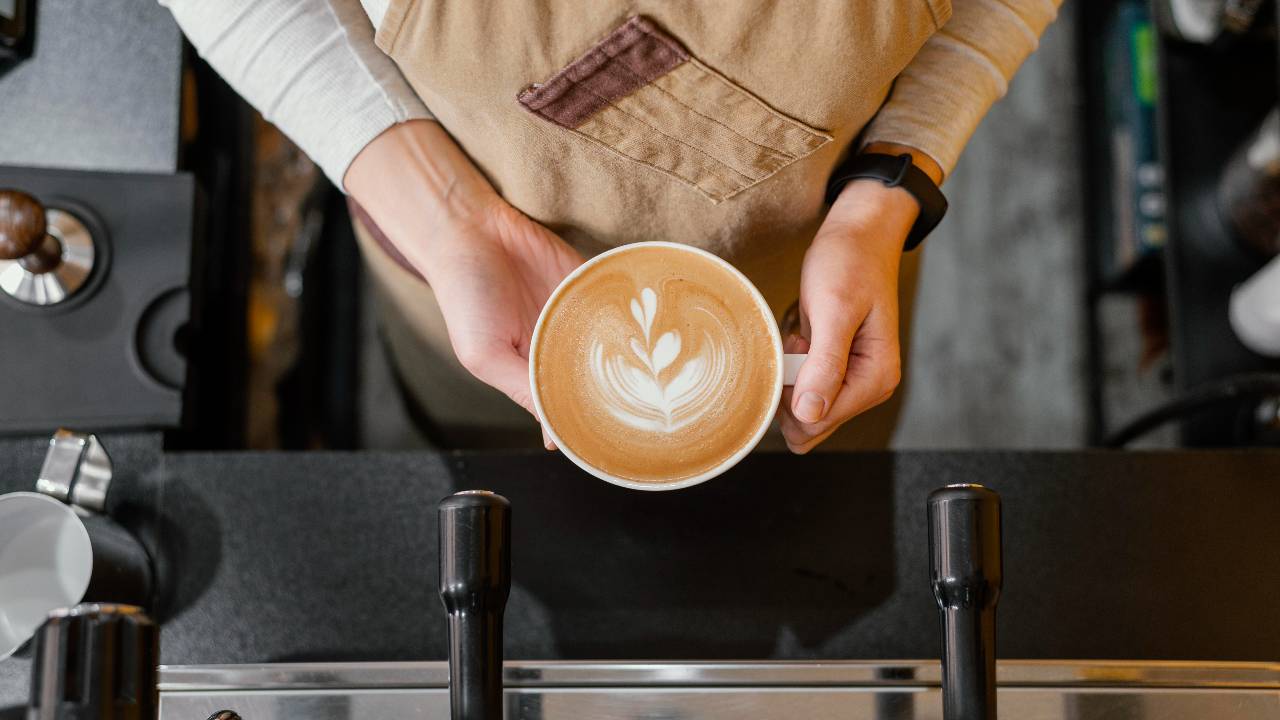
Learn how to write a coffee shop business plan that covers concept, location, menu, finances, branding, marketing, and risk planning.
Apr 27, 2026

Explore marketing strategies for food businesses using reviews, professional photos, SEO, social media, partnerships, events, and catering.
Apr 28, 2026
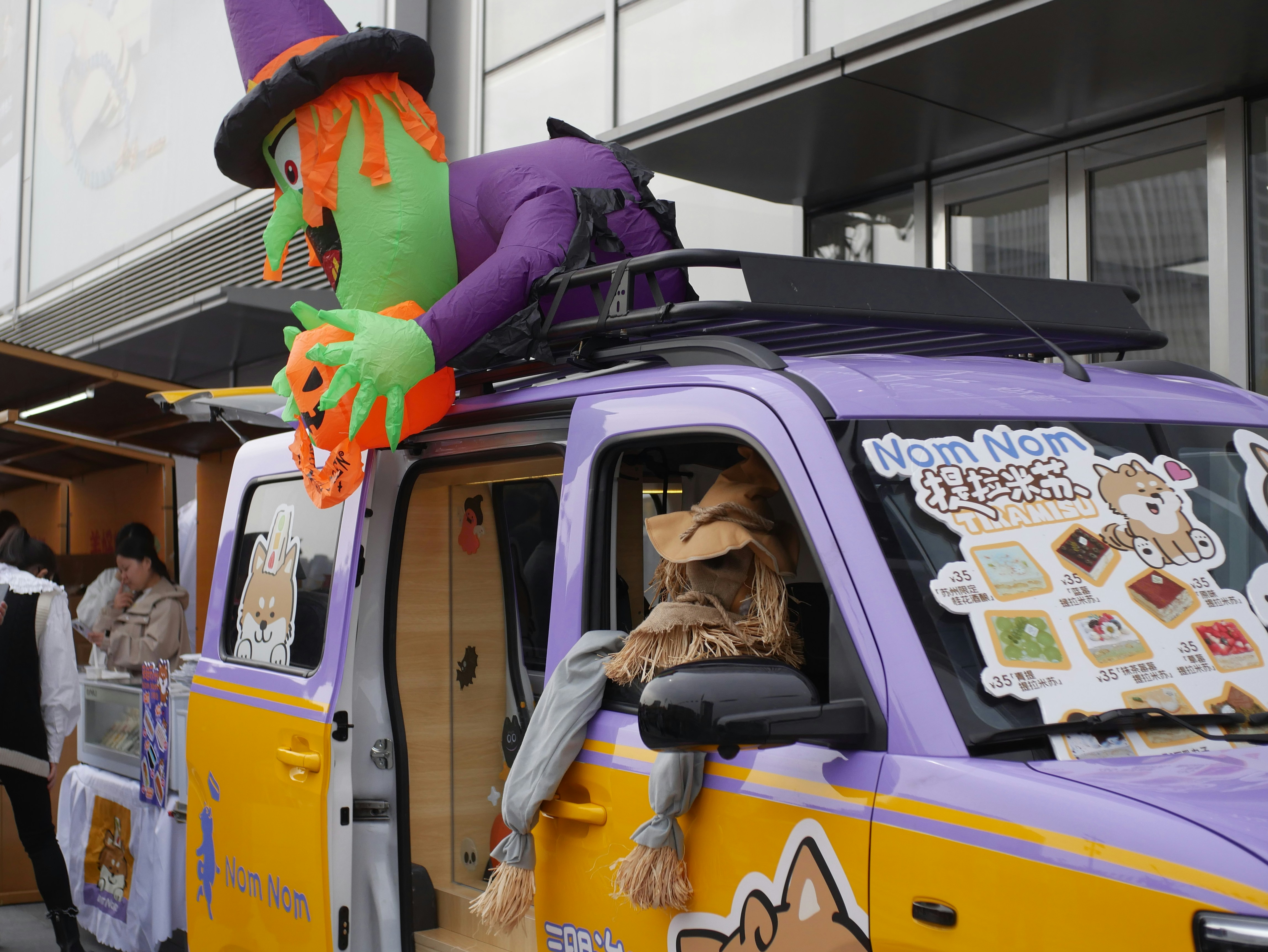
Photo by shen wenjie on Unsplash
Holiday-driven menu drops fuse nostalgia with wellness, turning menus into living calendars for fast-casual brands.
Apr 28, 2026
Photo by Abdul Raheem Kannath on Unsplash
Susannah Frost named Chick-fil-A President, joining Cliff Robinson as COO to guide domestic expansion and international growth.
Apr 28, 2026
Photo by Moon Bhuyan on Unsplash
Ghost pepper-led promotions redefine autumn menus as chains blend heat, storytelling, and seasonal collaborations to drive foot traffic.
Apr 28, 2026

Photo by Noah Martinez on Unsplash
CAVA rolls out Garlic Ranch Pita Chips with a Steak + Harissa Bowl and a refreshed Rewards program, tying flavor innovation to personalized guest experiences.
Apr 28, 2026

Photo by Kate Trysh on Unsplash
Applebee’s launches Pick 6 Mondays, offering free wings with a $10 purchase when a Pick 6 occurs on Sundays, driving game-day momentum across dine-in and To Go.
Apr 28, 2026
Photo by Stu Moffat on Unsplash
Beatrice Nguyen explores how leadership blends speed, loyalty, and standardized operations to grow Shake Shack while preserving its signature experience.
Apr 28, 2026
Food safety is a non-negotiable component of any food business. All food professionals should have the knowledge to properly implement food safety guidelines in their business. Read on to learn how to ensure you know how to maintain compliance.
Simply stated, food safety refers to a set of rules and procedures that govern how a kitchen, as well as the restaurant staff, operates for the purpose of ensuring that the food and beverages served are safe for consumption by patrons.
The rules, as well as the procedures, help prevent foodborne illnesses, colloquially referred to as food poisoning. Certain groups of patrons are more susceptible to certain foodborne illnesses due to their age according to the Office of Disease Prevention and Health Promotion.
Children who are under the age of four years old are more likely to develop salmonella as well as other types of foodborne illnesses. Patrons who are older than 50 years of age and patrons who have compromised immune systems are more likely to require hospitalization if they are made ill because of a foodborne illness.
Complaints of food poisoning from patrons can be quite costly for restaurant owners. You may find that some patrons expect more than a refund for their meal.
Some may expect compensation for their medical care, including hospitalization and missed time from work. Others may decide to file a negligence lawsuit against you.
Some patrons may file a complaint with the health department that, in turn, may cause surprise inspections to occur. If too many reports of food poisoning occur, you may even notice a dramatic decrease in revenue.
Safety concerns with food are also regulated at the state level. Failure to keep up with the required regulations could result in several costly matters.
You could be subjected to continuous monitoring by the state, fines, or be forced to shut down your operations until the required improvements are made. Depending on the severity of the violations, the state may permanently close down your restaurant.
Food safety is important for several critical reasons. Let's start with the operations.
To remain in business, your restaurant must comply with the guidelines in your state. If you're in the planning stage and haven't yet launched your business or if you've launched and you're looking to ensure that you're adhering to all of the requirements in your state, you're in luck.
The FDA provides a comprehensive list of links to each state's regulations to keep food safe as well as the FDA Food Code.
Failure to adhere to the regulations in your state or the FDA Food Code could result in-
Each state sets its own laws surrounding the safety of your food. Additionally, you may even find that some counties have their own food handling requirements. This highlights the importance of doing your research and locating the body that governs food regulations where your business is located.
As an owner, you will be the one who pays the ultimate price for health code or safety violations even if you're not in the proverbial trenches on a daily basis. As a result, it's important that you understand what is required of the restaurant's management, including chefs, line cooks, wait staff, and all other employees.
One of the best ways that you can protect your investment is to hire an experienced general manager who understands the importance of food safety laws. This person should have a proven background in working with health inspectors to ensure the safety of both diners as well as employees.
To provide a deeper understanding, here are some examples of laws from two jurisdictions as well as how you could be held accountable by the state-
California-
It wasn't quite so long ago that Chipotle had incident after incident reported in the news of a massive foodborne illness outbreak. In fact, the issue became so massive that the FDA got involved and launched an investigation. The CDC posted about it as well.
That is certainly not the kind of publicity that any restaurant wants to have. Once it's on the internet, it's there forever. While they did not declare bankruptcy or go out of business, it is estimated that the entire matter cost them $8 billion in profits. That isn't $8 billion in renovations, expansions, or anything positive.
According to CNN, they lost 44% of their profit compared to the year prior to the outbreak. All of this was, of course, linked to an issue related to food.
While Chipotle managed to survive, it is important to consider its size. Most restaurateurs do not have the same financial backing. Even if you're a franchisee, it's important to consider safety regulations for food since you're paying to use a name and promising to offer certain products to the public.
Improper food safety has the potential to close down most restaurants. Depending on the circumstances and whether the state issues fines, it could even drive some restaurateurs into bankruptcy.
We are not alone in this opinion. In 2013, the Economic Impact of Food Safety Outbreaks on Food Businesses was published. Authored by Malik Altaf Hussain and Christopher O. Dawson, the estimated cost of losses related to outbreaks is around $7 billion each year. It also notes that there are more than 300,000 hospitalizations each year that occur because of food poisoning.
While this article speaks directly to businesses in the food industry, it is still a beneficial source for common consumers to better understand how issues involving food can have an impact on restaurants.
To simplify things, here are three tips to help ensure proper food compliance in your restaurant.
Adequate food safety is imperative for your employees. Depending on where you operate, it may be required for your employees to have a food handler's permit. Additionally, their training in and application of safety regulations reflects upon them as professionals in the food industry. It also reflects upon your restaurant.
Although it may seem to your employees that you are the only person who will actually pay the price for a violation, the truth of the matter is that they pay as well. If the restaurant is shut down, temporarily or permanently, they won't earn a paycheck.
If the restaurant is closed down permanently, it can make it difficult for them to find a job since they will have to explain that they worked in some capacity for a restaurant that was permanently closed for violating food compliance. That would be a serious issue for many potential employers.
It really is in the best interest of everyone to understand and follow not only safety requirements for food but also the current best practices to exceed the general requirements.