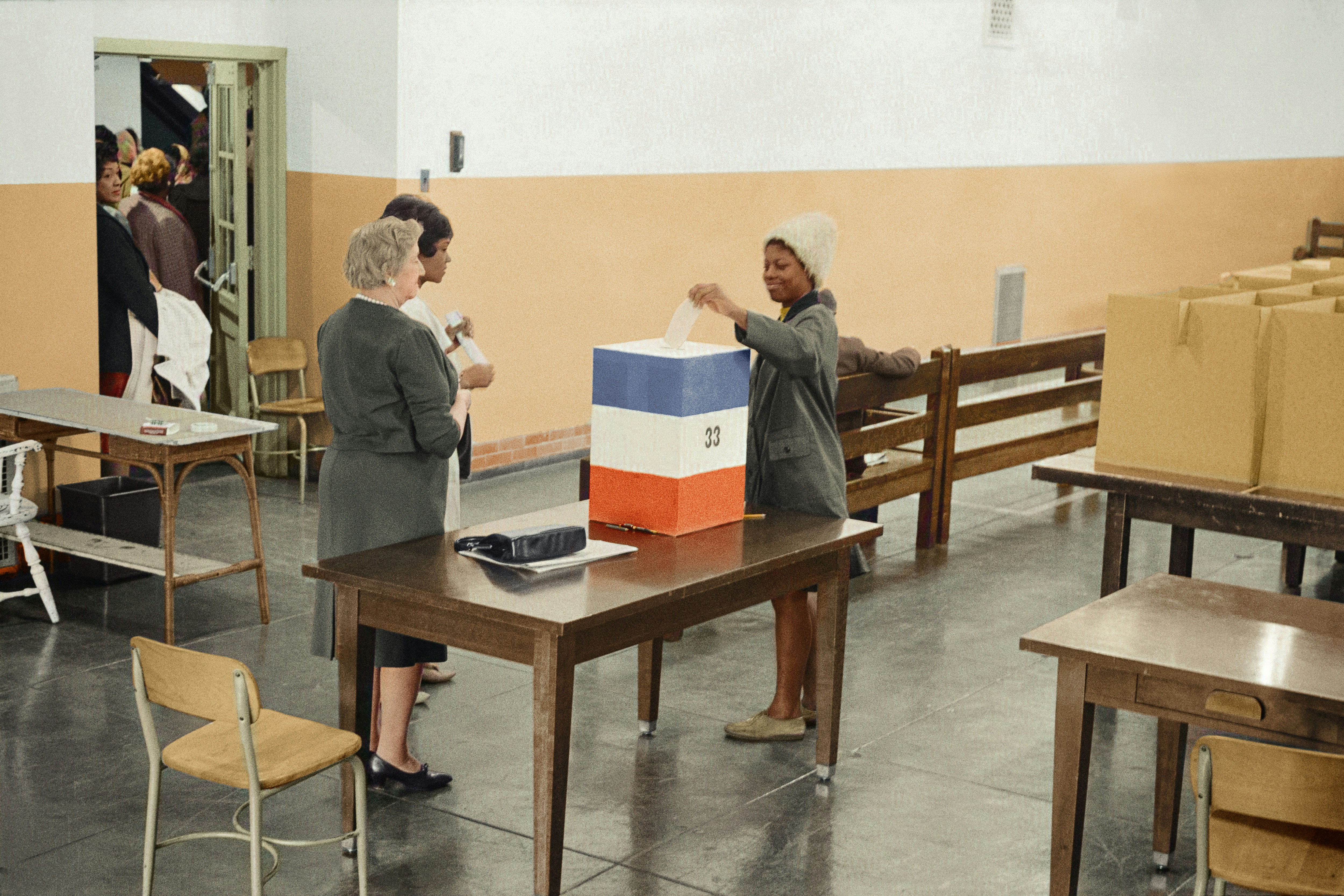
Photo by Unseen Histories on Unsplash
Franchise Frenzy: Cross-Border Growth
A look at how U.S. brands expand through multi-unit deals, cross-border partnerships, and seasoned operators in 2026.
franchising
Apr 29, 2026
Photo by Unseen Histories on Unsplash
A look at how U.S. brands expand through multi-unit deals, cross-border partnerships, and seasoned operators in 2026.
Apr 29, 2026

Photo by Erik Mclean on Unsplash
McDonald’s unveils six beverages across 14,000 restaurants on May 6, expanding McCafé with Refresher and crafted sodas and a new store-level beverage specialist role.
Apr 29, 2026

Learn how to write a coffee shop business plan that covers concept, location, menu, finances, branding, marketing, and risk planning.
Apr 27, 2026

Explore marketing strategies for food businesses using reviews, professional photos, SEO, social media, partnerships, events, and catering.
Apr 28, 2026
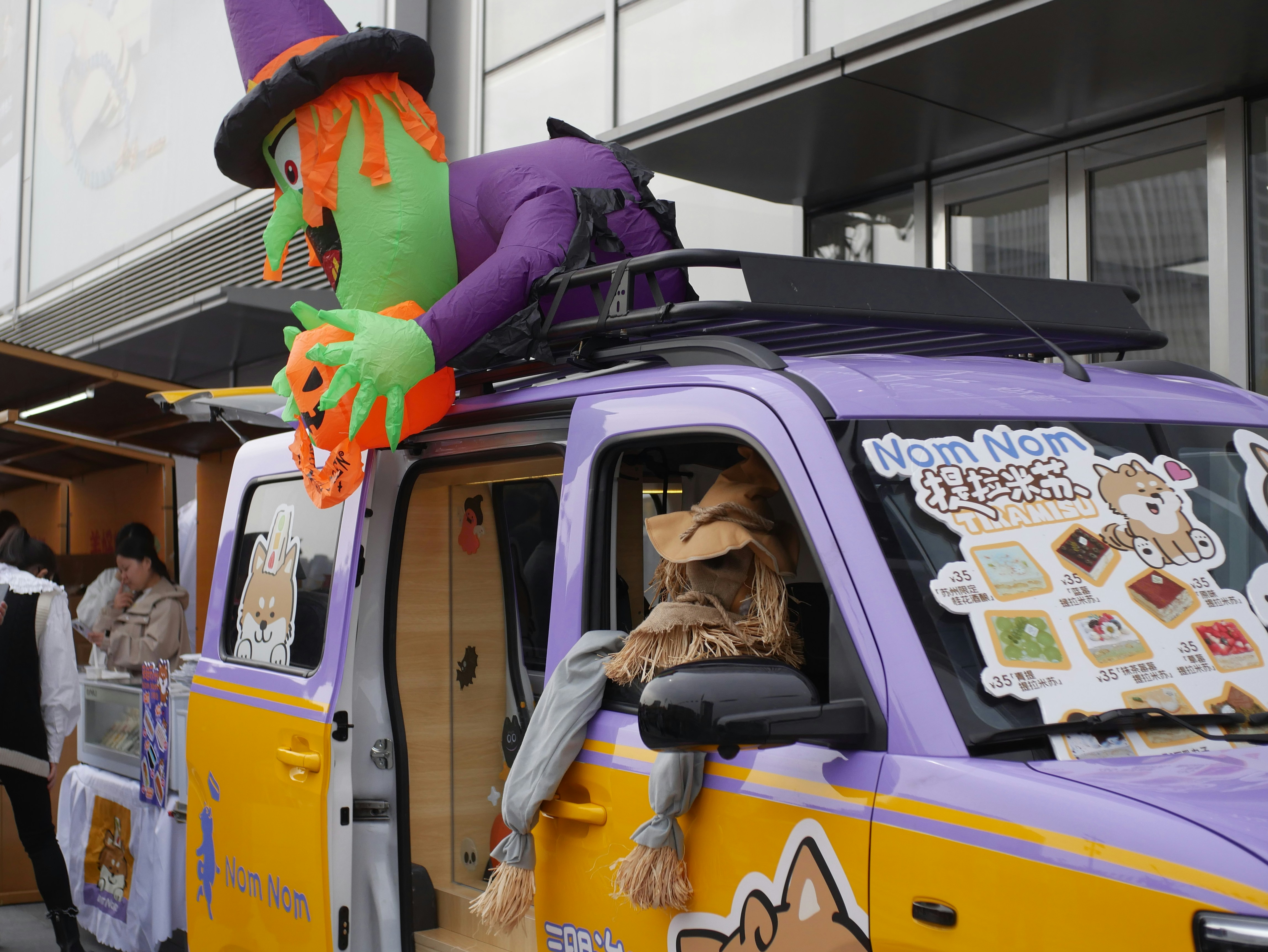
Photo by shen wenjie on Unsplash
Holiday-driven menu drops fuse nostalgia with wellness, turning menus into living calendars for fast-casual brands.
Apr 28, 2026
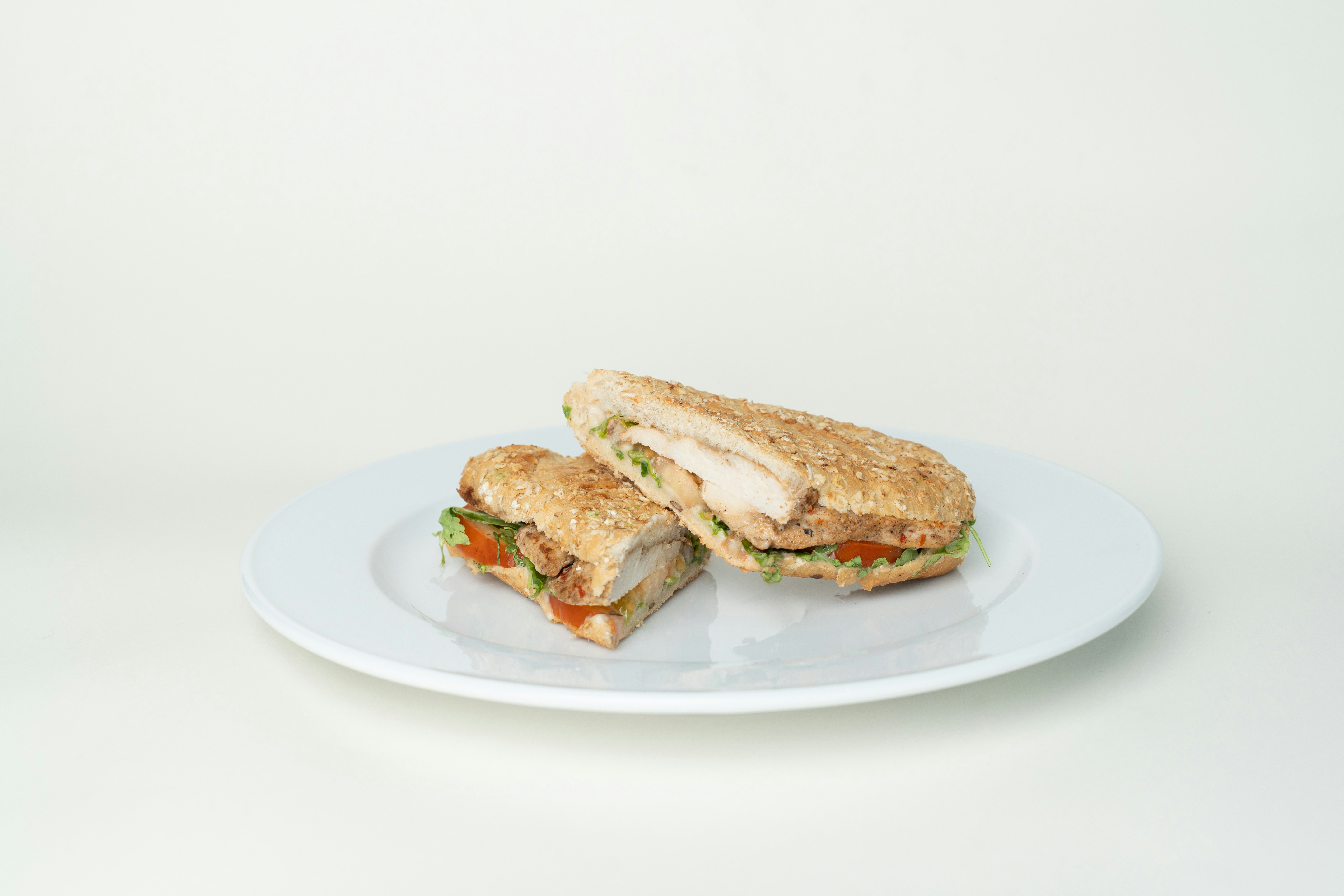
Photo by Abdul Raheem Kannath on Unsplash
Susannah Frost named Chick-fil-A President, joining Cliff Robinson as COO to guide domestic expansion and international growth.
Apr 28, 2026

Photo by Moon Bhuyan on Unsplash
Ghost pepper-led promotions redefine autumn menus as chains blend heat, storytelling, and seasonal collaborations to drive foot traffic.
Apr 28, 2026

Photo by Noah Martinez on Unsplash
CAVA rolls out Garlic Ranch Pita Chips with a Steak + Harissa Bowl and a refreshed Rewards program, tying flavor innovation to personalized guest experiences.
Apr 28, 2026

Photo by Kate Trysh on Unsplash
Applebee’s launches Pick 6 Mondays, offering free wings with a $10 purchase when a Pick 6 occurs on Sundays, driving game-day momentum across dine-in and To Go.
Apr 28, 2026

Photo by Stu Moffat on Unsplash
Beatrice Nguyen explores how leadership blends speed, loyalty, and standardized operations to grow Shake Shack while preserving its signature experience.
Apr 28, 2026
Absenteeism, also known as the bottom line killer, can result in lost productivity for any business. The following addresses the causes of employee absenteeism and how to fix the problem.

Employee absenteeism puts a financial strain on many businesses. With more employees absent it creates a loss of productivity. To find a solution for absenteeism, employers must find out where the problem is coming from, to begin with. Employers should start by measuring the absenteeism rate of their business. An absenteeism rate calculates the ratio of absences to workdays in a given period of time (annually or quarterly). If excess absenteeism is found, this can indicate issues within the inner workings of a workplace.

Many people miss work, for valid reasons or not. Here are some of the most common causes of employee absenteeism-
Bullying
Employees who are bullied or harassed at work are more likely to call in sick to avoid further harassment in the workplace.
Employee burnout, stress, and low morale
Heavy workloads, stressful deadlines, or feelings of being under-appreciated can cause employees to avoid coming into work.
Childcare or eldercare
Employees may be forced to miss work to take care of children or sick and aging parents.
Depression
Depression can be a common cause of absenteeism in the workplace. Depression can lead to substance abuse or fatality if not addressed promptly. Employers just have employees seek help if symptoms become unsafe.
Disengagement
Employees who don't feel valued at their job or just aren't committed are more likely to miss work. By management showing appreciation for hard work and commitment, it may improve employee engagement and morale.
Illness
Illness can include injuries or medical appointments and are most the commonly reported reasons for skipping work. It then comes to no surprise that during the colder seasons, there is an increase in absenteeism.
Injuries
Whether it's minor or major injuries, they result in an absence. Many office employees who sit for long periods of time are prone to suffering ongoing injuries, commonly in the neck and back area, which can unfortunately evolve into a major injury.
Job hunting
Employees may call in sick to attend a job interview or training.
Partial shifts
Arriving late, leaving early, or abusing break times are all considered forms of absenteeism, which can affect the productivity and morale of all employees.
A survey conducted by Gallup-Healthways surveyed 94,000 workers across 14 major occupations in the U.S. Of the 77 percent of workers who fit the definition of having a chronic health condition, such as heart disease, cancer, or diabetes, the total annual costs to lost productivity totaled to $84 billion.
Unscheduled absenteeism (absences that were not previously approved, like vacation days) costs can cost a business more than $3,500 annually. Costs can be reflected in the following-

Employee absenteeism can be hard to target because there can be both excused and unexcused absences. This is challenging for employers to monitor, or to know if an employee is actually sick or just calls in sick to avoid his or her shift. Because of this discrepancy, many companies have adopted mandatory paid sick leave policies. This is where an employee receives a certain number of days each year to use when sick.
Opponents of mandatory sick leave say it will cost businesses more and believe that employees might use the sick days when they're not needed. But by providing mandatory sick leave, this stops the problem of sick employees coming into work in fear of losing their jobs. Advocates argue that paid sick leave will help stop the spreading of disease and illness in the workplace. Advocates believe this would ultimately result in less absenteeism in the long run.
The Center for Disease Control, for example, states that paid sick leave could have a significant impact on the restaurant service industry. Sick food handlers are responsible for 53 percent of norovirus outbreaks. Norovirus, also known as the stomach flu, is a highly contagious illness and can easily be contracted from consuming contaminated food or water, or by touching contaminated surfaces.
For example, if one ill employee shows up to work and handles the food, he/she is now increasing the probability of infecting a number of fellow employees and patrons. It can also result in a larger number of absences that could have been avoided if sick employees just stayed home.
In an effort to reduce absenteeism, many companies offer incentives for going to work. This can include earned time off or lotteries and drawings for a chance for employees to win additional time off.
Other companies may include a more proactive approach by putting health policies in place. Before putting policies into place, companies must conduct a workplace health assessment and consider factors such as employee lifestyle choices or work environment. Then planning a program can take place, following implementation, and then evaluation of the success of these policies. Common company policies include-