Photo by Unseen Histories on Unsplash
Franchise Frenzy: Cross-Border Growth
A look at how U.S. brands expand through multi-unit deals, cross-border partnerships, and seasoned operators in 2026.
franchising
Apr 29, 2026
Photo by Unseen Histories on Unsplash
A look at how U.S. brands expand through multi-unit deals, cross-border partnerships, and seasoned operators in 2026.
Apr 29, 2026

Photo by Erik Mclean on Unsplash
McDonald’s unveils six beverages across 14,000 restaurants on May 6, expanding McCafé with Refresher and crafted sodas and a new store-level beverage specialist role.
Apr 29, 2026

Learn how to write a coffee shop business plan that covers concept, location, menu, finances, branding, marketing, and risk planning.
Apr 27, 2026

Explore marketing strategies for food businesses using reviews, professional photos, SEO, social media, partnerships, events, and catering.
Apr 28, 2026

Photo by shen wenjie on Unsplash
Holiday-driven menu drops fuse nostalgia with wellness, turning menus into living calendars for fast-casual brands.
Apr 28, 2026
Photo by Abdul Raheem Kannath on Unsplash
Susannah Frost named Chick-fil-A President, joining Cliff Robinson as COO to guide domestic expansion and international growth.
Apr 28, 2026

Photo by Moon Bhuyan on Unsplash
Ghost pepper-led promotions redefine autumn menus as chains blend heat, storytelling, and seasonal collaborations to drive foot traffic.
Apr 28, 2026

Photo by Noah Martinez on Unsplash
CAVA rolls out Garlic Ranch Pita Chips with a Steak + Harissa Bowl and a refreshed Rewards program, tying flavor innovation to personalized guest experiences.
Apr 28, 2026

Photo by Kate Trysh on Unsplash
Applebee’s launches Pick 6 Mondays, offering free wings with a $10 purchase when a Pick 6 occurs on Sundays, driving game-day momentum across dine-in and To Go.
Apr 28, 2026
Photo by Stu Moffat on Unsplash
Beatrice Nguyen explores how leadership blends speed, loyalty, and standardized operations to grow Shake Shack while preserving its signature experience.
Apr 28, 2026
Coronavirus Economic Impact - Learn how to implement the best practices to protect your business and employees, as we understand the consequences of global pandemics.

COVID-19, a highly infectious respiratory disease that has wreaked havoc in nearly every corner of the globe, is said to spread through small droplets, entering the body through the eyes, nose, or mouth.
The economic impact of this pandemic has been felt domestically, as well as internationally, as the public's fear of contamination has increased and policies regarding this outbreak have become stricter.
With many cities, states, and countries imposing strict social distancing or shelter in place orders, there have been countless mass gathering and event cancellations, as well as business and school closures.
While many fear this threat to financial stability across all industries and the global economy, business leaders can still take the recommended steps by following guidelines from the Center for Disease Control and World Health Organization to create an effective response to this coronavirus crisis.

Currently, many essential businesses across the U.S. are still allowed to operate as long as they are able to maintain a safe 6 feet distance between persons. While some cafes and restaurants are being required to turn away sit-in customers, they are still able to serve take-out or delivery orders. These distancing measures have been implemented in an attempt to slow the spread of the virus and is expected to continue on for some time.
Business leaders have seen just how difficult these regulations have been for the economy. As foot traffic falls and new alarming information is released by the government every day, it's vital that companies productively plan for this uncertain time and times to come.
As they navigate through how to handle the economic impact of the coronavirus, employers should consider the following recommendations to ensure the safety of customers and staff.

The most important point employers should keep in mind is to remain flexible. Have strategies in place for different scenarios, such as if the business must shut its doors or limit staff members, and make sure there is more than just one plan of action.
Take into account how to prevent transmission among staff members, the best ways to protect the people most at risk (older adults and people with serious underlying medical conditions), and how to maintain business operations while staying in line with new procedures.
Further considerations should include -
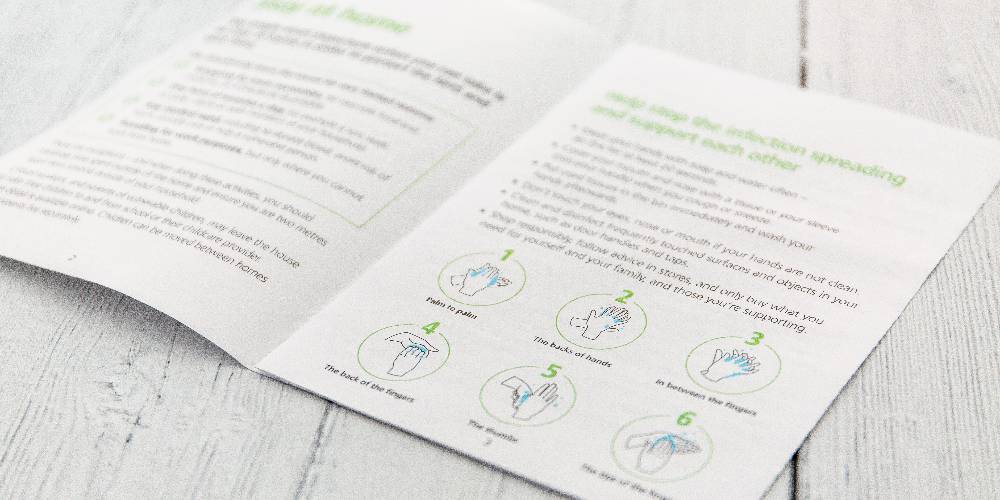
When creating a plan, consider the following steps in relation to the business's current situation.

As of right now, there are many possible outcomes to the longterm economic impact of this coronavirus outbreak. Therefore, business decisions should be based on responding to what is factual rather than fears or rumors.
When there are major shifts within the dynamic of economics, forecasting tools can be incredibly helpful at giving businesses a clearer outlook on how their sales, labor and supply chain may be affected, as well as how best to cope with potential setbacks and profit losses.
Automated software is just one way to harness the power of forecasting to help navigate through these uncertain times.