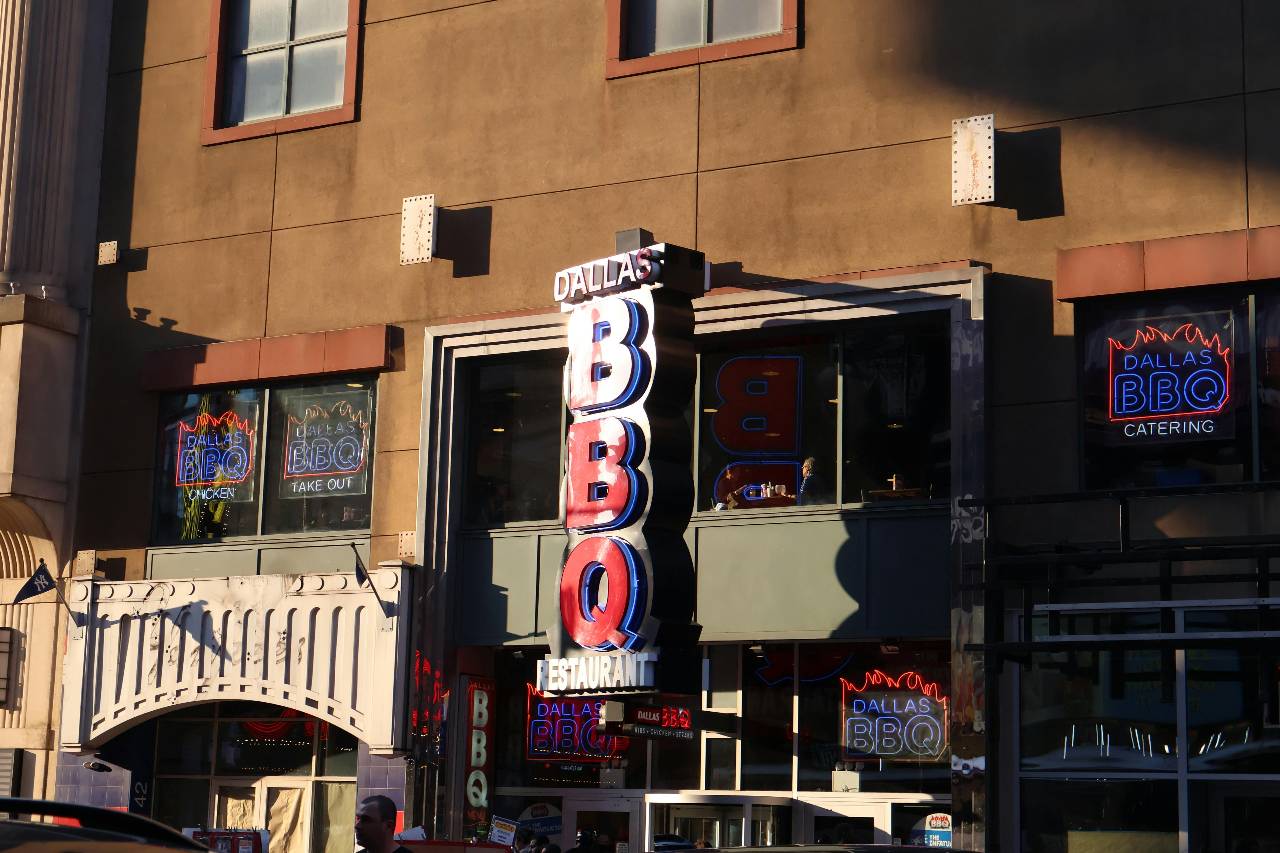
Best High-Traffic Areas in Texas to Open a Restaurant
Explore high-traffic Texas markets where restaurants can succeed by matching concepts, customer behavior, visibility, and daily demand.
operations
Apr 30, 2026
Explore high-traffic Texas markets where restaurants can succeed by matching concepts, customer behavior, visibility, and daily demand.
Apr 30, 2026
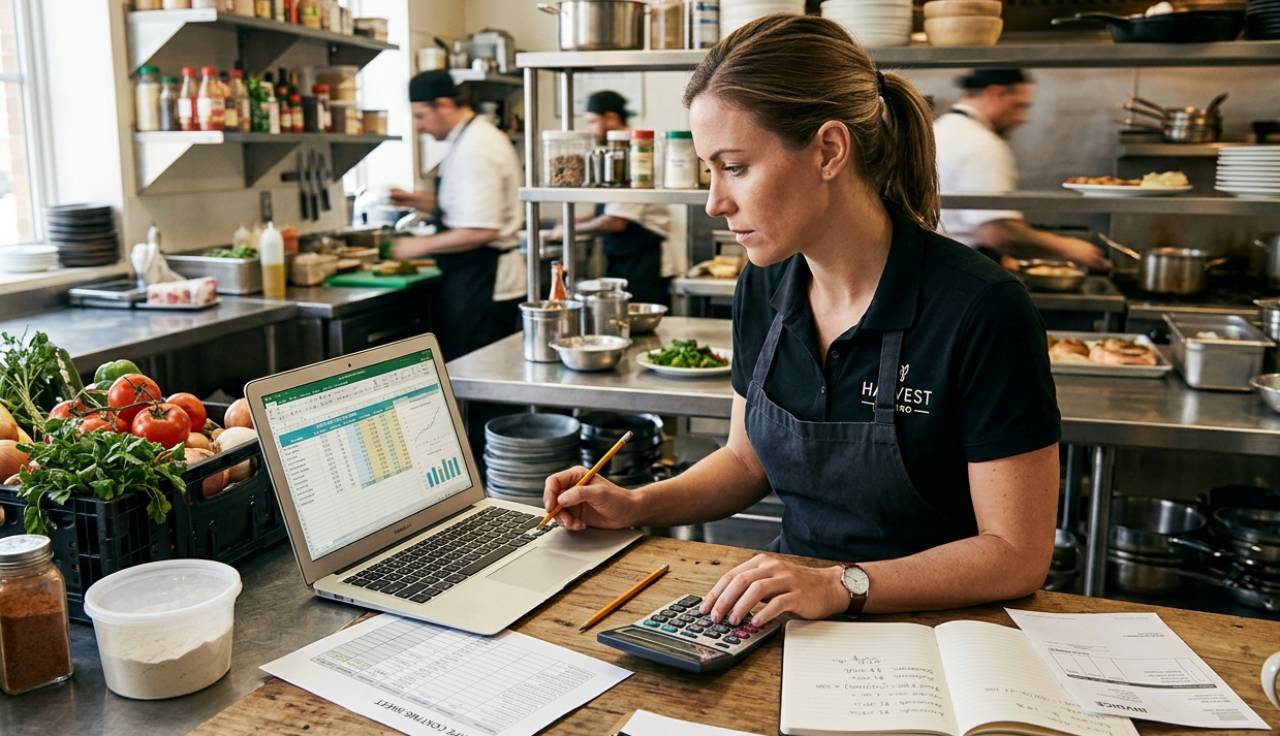
Learn how to calculate food cost, control margins, reduce waste, price menu items, and use technology to improve restaurant profit.
Apr 29, 2026

Photo by Unseen Histories on Unsplash
A look at how U.S. brands expand through multi-unit deals, cross-border partnerships, and seasoned operators in 2026.
Apr 29, 2026
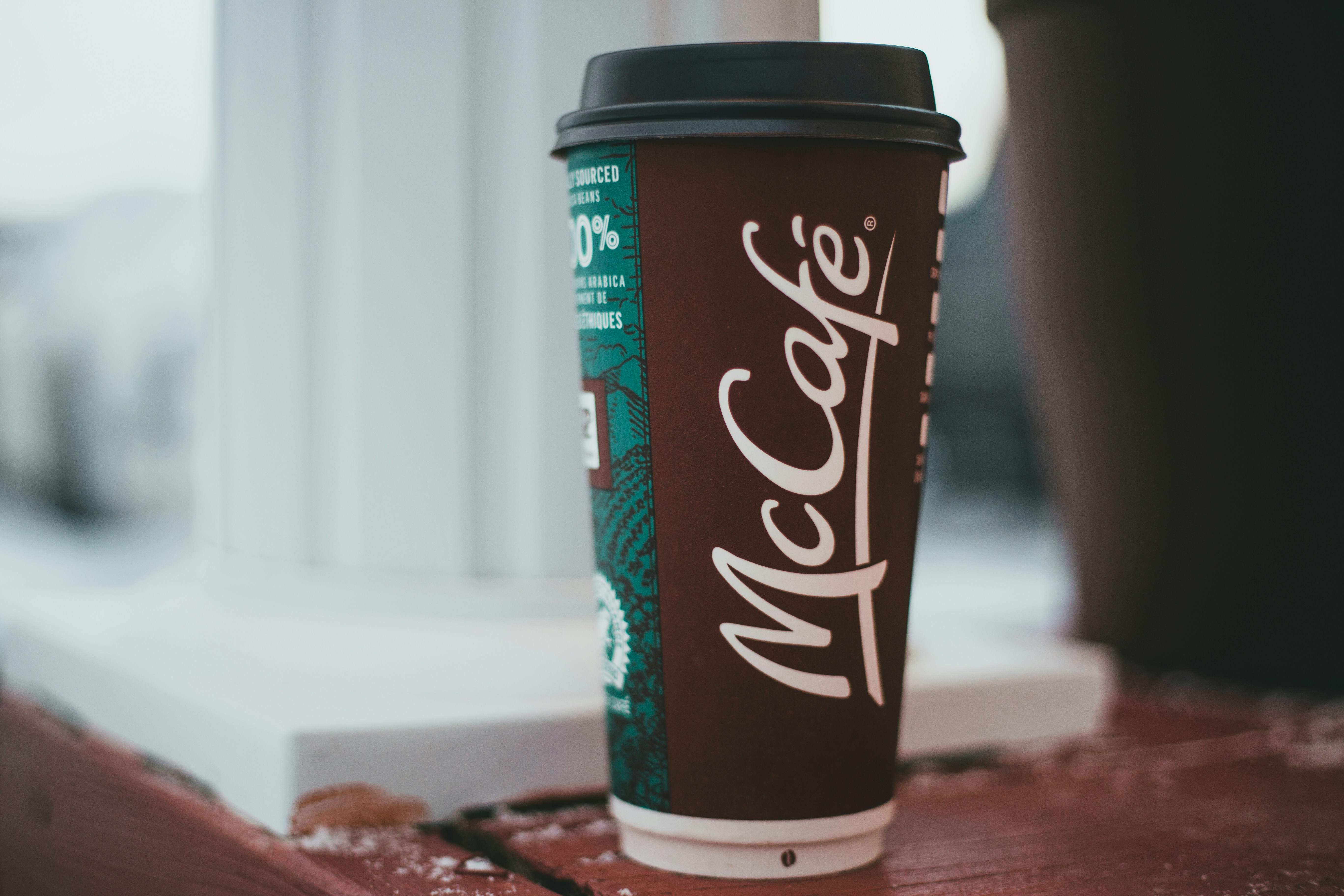
Photo by Erik Mclean on Unsplash
McDonald’s unveils six beverages across 14,000 restaurants on May 6, expanding McCafé with Refresher and crafted sodas and a new store-level beverage specialist role.
Apr 29, 2026

Explore marketing strategies for food businesses using reviews, professional photos, SEO, social media, partnerships, events, and catering.
Apr 28, 2026

Learn how to write a coffee shop business plan that covers concept, location, menu, finances, branding, marketing, and risk planning.
Apr 27, 2026

Photo by shen wenjie on Unsplash
Holiday-driven menu drops fuse nostalgia with wellness, turning menus into living calendars for fast-casual brands.
Apr 28, 2026
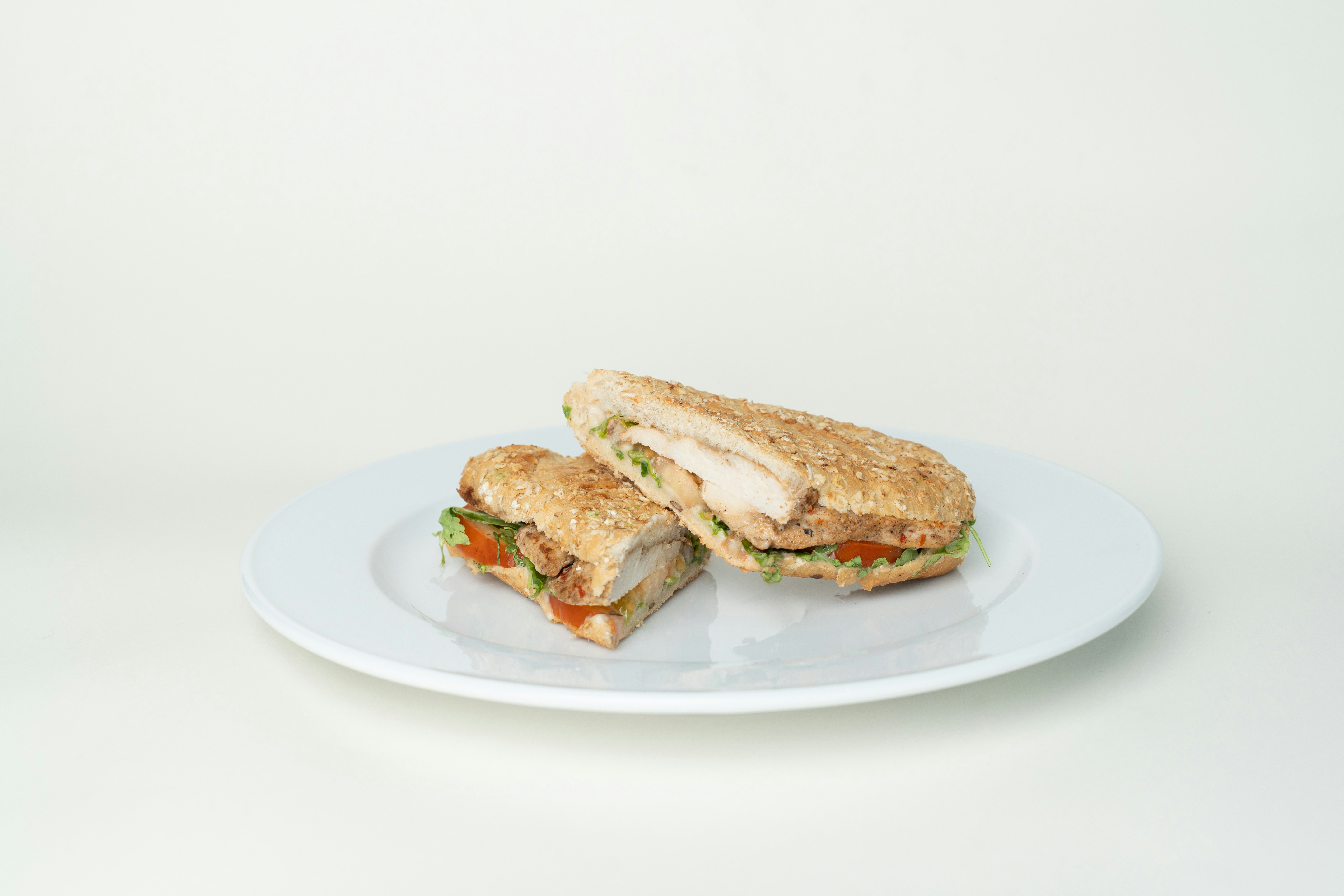
Photo by Abdul Raheem Kannath on Unsplash
Susannah Frost named Chick-fil-A President, joining Cliff Robinson as COO to guide domestic expansion and international growth.
Apr 28, 2026
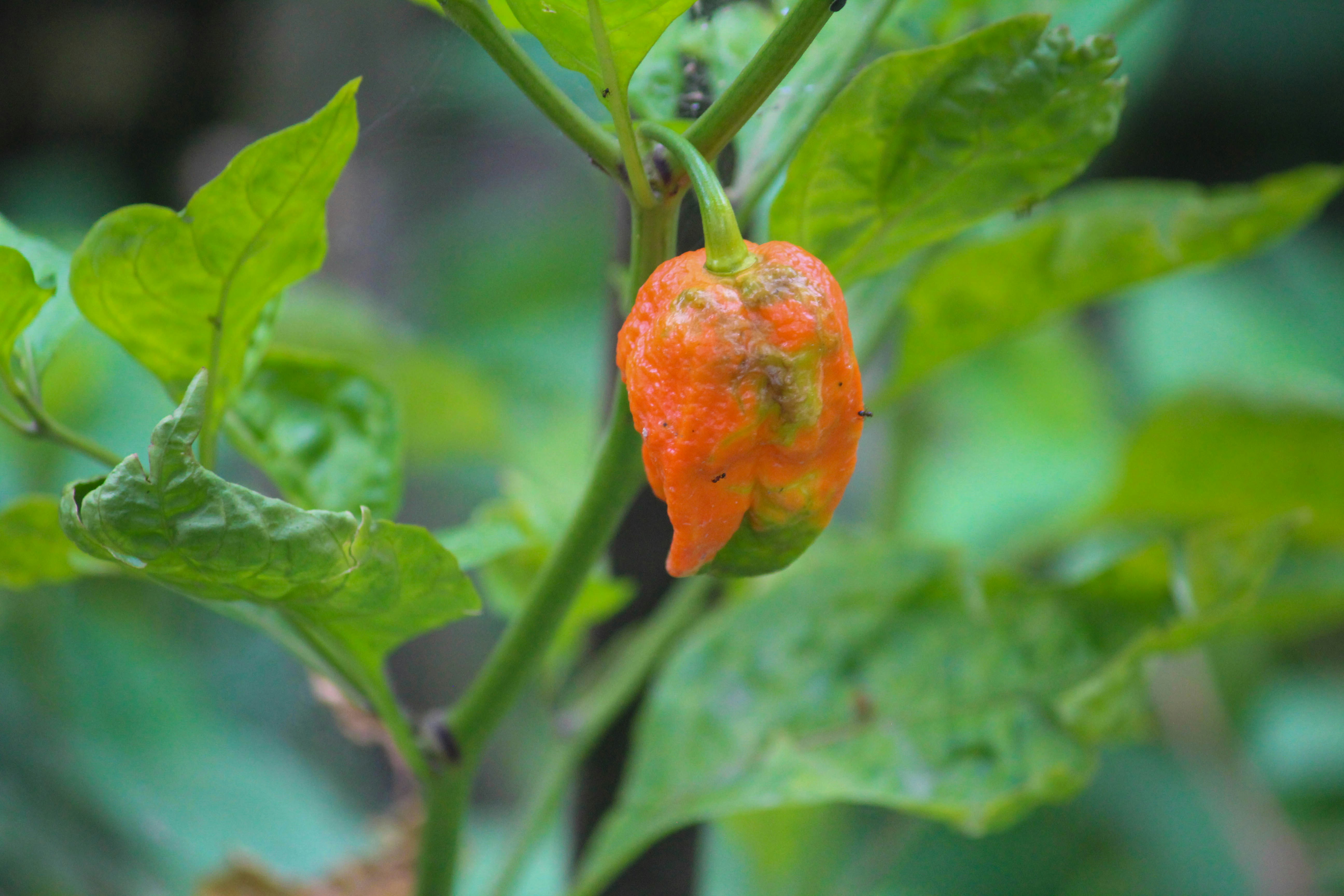
Photo by Moon Bhuyan on Unsplash
Ghost pepper-led promotions redefine autumn menus as chains blend heat, storytelling, and seasonal collaborations to drive foot traffic.
Apr 28, 2026

Photo by Noah Martinez on Unsplash
CAVA rolls out Garlic Ranch Pita Chips with a Steak + Harissa Bowl and a refreshed Rewards program, tying flavor innovation to personalized guest experiences.
Apr 28, 2026
Firebirds Wood Fired Grill hires Jeff Uttz as CFO, banking on his proven record from Kura Sushi and Shake Shack to drive nationwide growth.
Photo by Amy Nickoloff on Unsplash
Restaurant chains see a lot of promises, but only a few back them up with the right leadership. Firebirds Wood Fired Grill just made its position clear by bringing in Jeff Uttz as chief financial officer. This move is not window dressing—Uttz starts May 18, 2026, and the timing lines up with a big expansion drive.
The key here is Uttz’s pedigree. At Kura Sushi USA, he nearly doubled the store count. Before that, Shake Shack gave him a platform to fine-tune finance during its critical IPO run. Firebirds’ CEO Steve Kislow isn’t shy about describing Uttz’s experience as indispensable for pushing past comfortable territory into fresh markets.
There’s no secret here—Firebirds sees Uttz both as a growth engine and a safeguard. This hire signals a brand ready to scale with control, discipline, and none of the sloppiness that sinks some upstarts.
Most restaurant stories skip past the numbers, but here you have to stare them down. Firebirds closed 2024 with 69 locations and $357 million in domestic system sales, according to industry trackers. The average unit takes in $5.4 million annually. These aren’t flash-in-the-pan numbers. It’s a base strong enough to justify—and demand—serious expansion discipline.
In 2026, Firebirds has plans for seven new restaurants, with its first Kentucky unit making the blueprint anything but routine. The scale, spread, and speed make Uttz’s arrival more than a routine shuffle; it’s a calculated call to bring big-league oversight to an aggressive growth play.
Firebirds is sending a message: this is not expansion for its own sake. They know the margin for error gets tighter as you move beyond traditional strongholds. Uttz is the chosen fix.
A CFO’s seat can’t just be about spreadsheets. Jeff Uttz built his reputation managing more than cash flow. At Kura Sushi, he saw restaurants open at a rapid clip—39 to 88 on his watch. His stint at Shake Shack meant IPO-level scrutiny. As for Yard House, a 12-year run shaping finance and locking down the real estate that matters.
This matters because Firebirds’ plan isn’t about doubling a menu or chasing fads—it’s about measured, sequenced growth. Uttz is expected to oversee capital allocation, control cost creep, and orchestrate the sequence of openings with the discipline that only comes from having done it before. From collaborating with marketing and HR to supply chain and site selection, this is finance with its boots on the ground.
Brands trying to grow up fast often come apart on the details. Uttz’s history suggests Firebirds is betting on careful control as much as creativity.
Firebirds isn’t the only operator waking up to the need for next-level discipline. The polished casual segment is crowded and capital doesn’t come cheap. Recently, the brand doubled down by re-upping its partnership with supply-chain analytics pros ArrowStream—a move squarely aimed at tightening inventory controls and boosting cost visibility across nearly 70 stores.
The message is clear. Restaurant groups want finance leaders who’ve felt the pressure of scale. The industry is moving toward data-driven optimization—not just because it looks good in investor decks, but because the alternative is shrinking margins and missed targets.
Winners don’t just hire CFOs with the right resume. They give them the tools to clip waste, prioritize spend, and move with confidence in a market that punishes guesswork.
Bringing Uttz in doesn’t just impact Firebirds. Kura Sushi, which he leaves behind, faces its own challenge. The numbers tell the story: Kura Sushi posted a net loss of $1.9 million in fiscal 2025, but Q1 2026 revenue hit $73.5 million, with a year-end forecast of $330–334 million and another 16 units expected. On the Firebirds side, 2024 system sales hit $357 million with ambitious growth ahead.
This move forces both chains to sweat the details—investor confidence, transition stability, and the risk of momentum being thrown off. It’s a reminder: the right CFO move can anchor—or unbalance—brand trajectories, especially with new territory and new investments on the horizon.
Hajime Uba is holding interim CFO duties at Kura Sushi. That signals stability for now, but longer-term implications will depend on how both brands manage the transition.
Words carry weight only when paired with track records. Steve Kislow calls Uttz’s expertise “invaluable,” making it clear he expects real results. Uttz’s own statement is measured: “I’ve had the privilege of working with several exceptional restaurant concepts during pivotal phases of expansion, and I see that same tremendous opportunity here at Firebirds.” It’s the language of a seasoned operator scoping out his next big project, not just collecting another title.
Omissions matter too. There’s still no public playbook for Uttz’s exact capital structure approach, or the metrics that will judge Firebirds’ financial success. No timeline outside the opening schedule, and Kura Sushi’s permanent CFO search details stay private. Some cards aren’t on the table—yet.
Brands chasing big expansion plans always leave a few key answers for later. The difference is whether leadership can fill the gaps with execution—Firebirds’ next few quarters will show if these bets pay off.
Reality check—expansion, especially by seven more stores and into new locations like Kentucky, isn’t something you do off a hunch. Firebirds is arming up with both top finance talent and supply chain tech to avoid becoming another cautionary tale. Uttz’s arrival fits hand-in-glove with recent investments in bar program innovation and data systems.
The brand’s next test will be execution: can they weave Uttz’s operational rigor into everyday practice, while also keeping the spark that brought them $357 million in sales? Measured ambition, if done right, can carry Firebirds into a higher tier of the industry.
Firebirds isn’t betting wild—it’s betting calculated, and with Uttz steering the numbers, the probability of hitting their mark just improved. The rest will be decided in the kitchen, in new markets, and in quarterly results.