
Photo by Unseen Histories on Unsplash
Franchise Frenzy: Cross-Border Growth
A look at how U.S. brands expand through multi-unit deals, cross-border partnerships, and seasoned operators in 2026.
franchising
Apr 29, 2026
Photo by Unseen Histories on Unsplash
A look at how U.S. brands expand through multi-unit deals, cross-border partnerships, and seasoned operators in 2026.
Apr 29, 2026

Photo by Erik Mclean on Unsplash
McDonald’s unveils six beverages across 14,000 restaurants on May 6, expanding McCafé with Refresher and crafted sodas and a new store-level beverage specialist role.
Apr 29, 2026
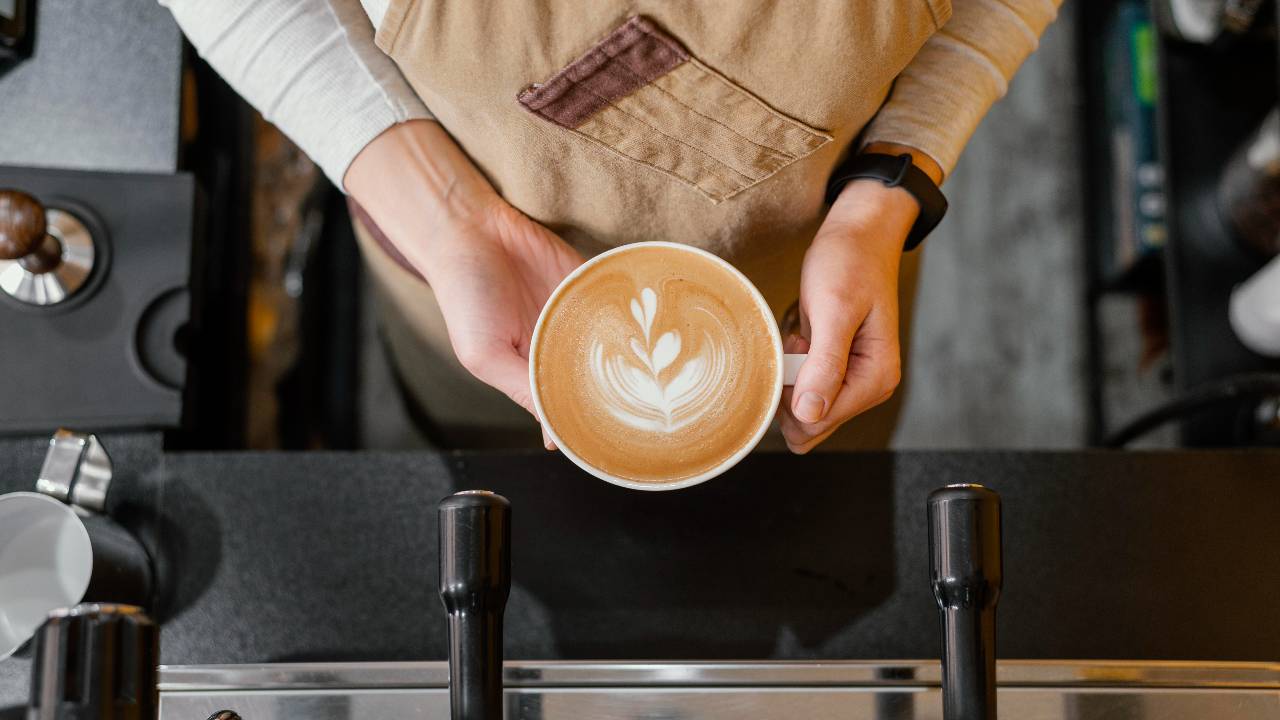
Learn how to write a coffee shop business plan that covers concept, location, menu, finances, branding, marketing, and risk planning.
Apr 27, 2026

Explore marketing strategies for food businesses using reviews, professional photos, SEO, social media, partnerships, events, and catering.
Apr 28, 2026

Photo by shen wenjie on Unsplash
Holiday-driven menu drops fuse nostalgia with wellness, turning menus into living calendars for fast-casual brands.
Apr 28, 2026
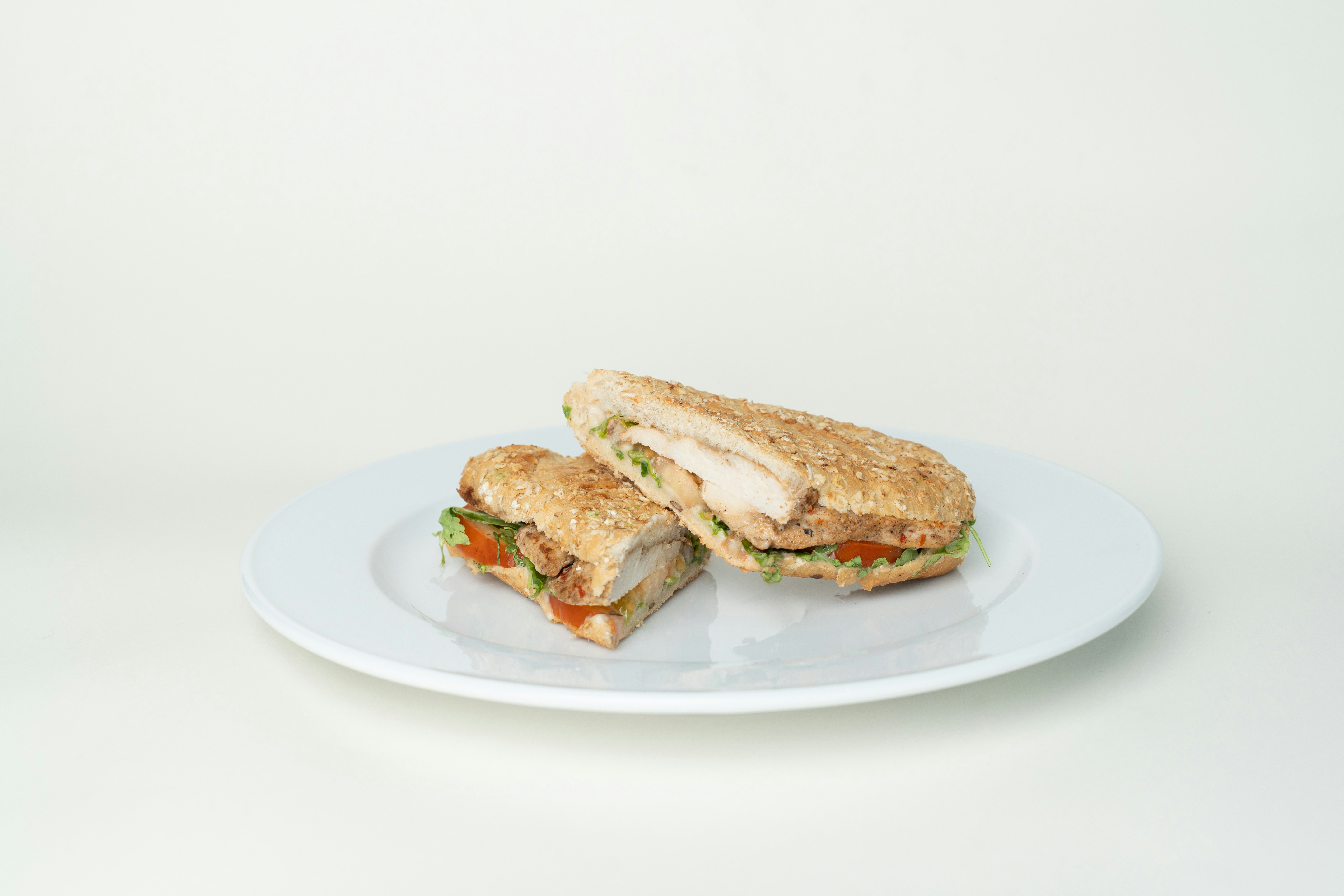
Photo by Abdul Raheem Kannath on Unsplash
Susannah Frost named Chick-fil-A President, joining Cliff Robinson as COO to guide domestic expansion and international growth.
Apr 28, 2026

Photo by Moon Bhuyan on Unsplash
Ghost pepper-led promotions redefine autumn menus as chains blend heat, storytelling, and seasonal collaborations to drive foot traffic.
Apr 28, 2026

Photo by Noah Martinez on Unsplash
CAVA rolls out Garlic Ranch Pita Chips with a Steak + Harissa Bowl and a refreshed Rewards program, tying flavor innovation to personalized guest experiences.
Apr 28, 2026

Photo by Kate Trysh on Unsplash
Applebee’s launches Pick 6 Mondays, offering free wings with a $10 purchase when a Pick 6 occurs on Sundays, driving game-day momentum across dine-in and To Go.
Apr 28, 2026
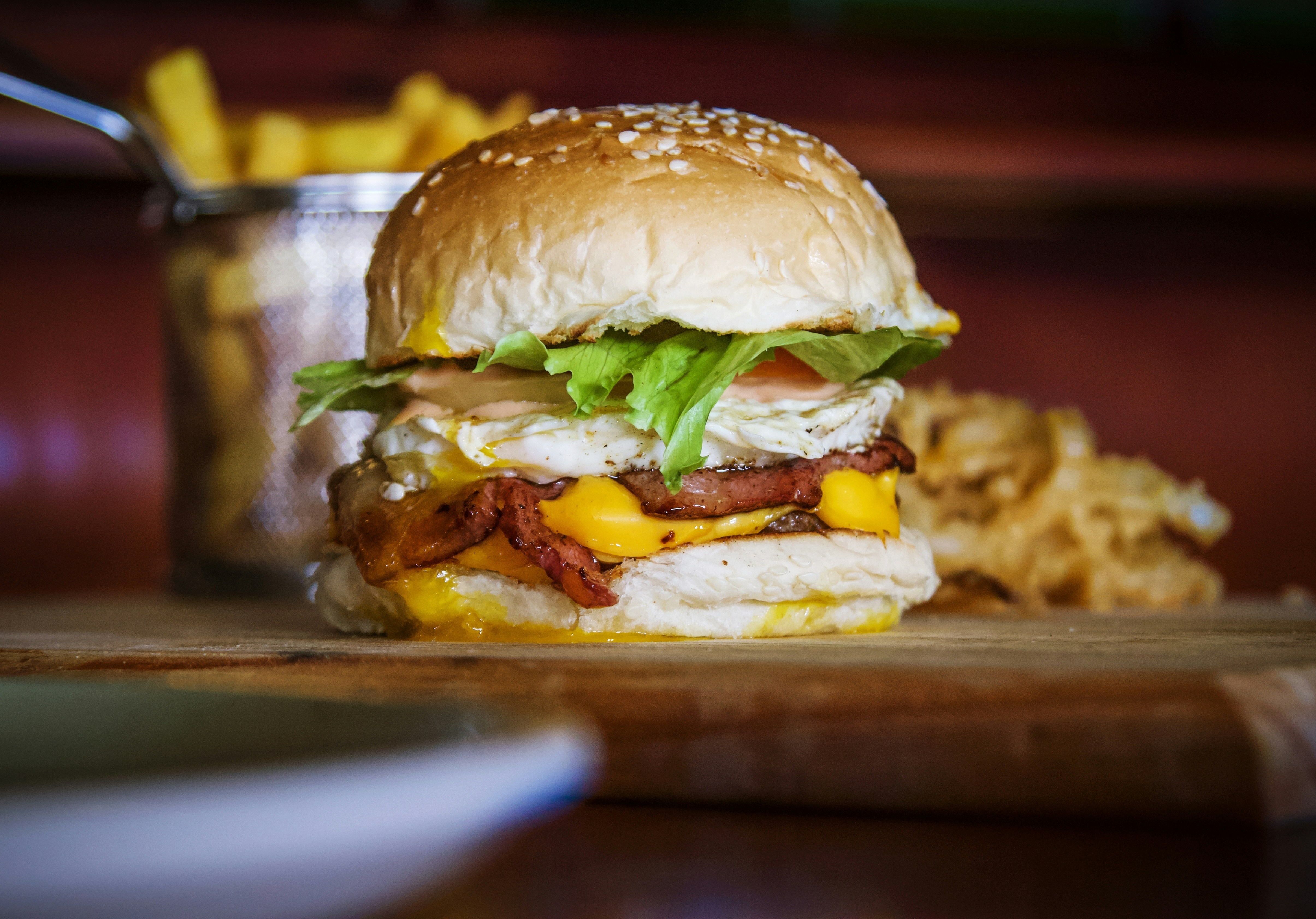
Photo by Stu Moffat on Unsplash
Beatrice Nguyen explores how leadership blends speed, loyalty, and standardized operations to grow Shake Shack while preserving its signature experience.
Apr 28, 2026
Food supply chain visibility improves inventory management and optimizes relationships with customers. Here is an overview of visibility benefits for the supply chain.

Though everyone has been affected by the COVID pandemic in one way or another, the restaurant industry has been probably one of the hardest hit. New restrictions on in-person interactions, social distancing requirements, and sanitation requirements have made it difficult for the restaurant industry to survive.
Small diners across the country have shut down, lost profits, and laid off their workforce. With all of these changes, the restaurant industry has had no choice but to evolve.
Adaptability and gaining more visibility to optimize the supply chain is the path forward for retail food diners who want to wave through this disruption and come out the other side.
Read ahead to learn about the many benefits of supply chain visibility and how those in the food service industry can gain visibility into the food chain and food security issues-
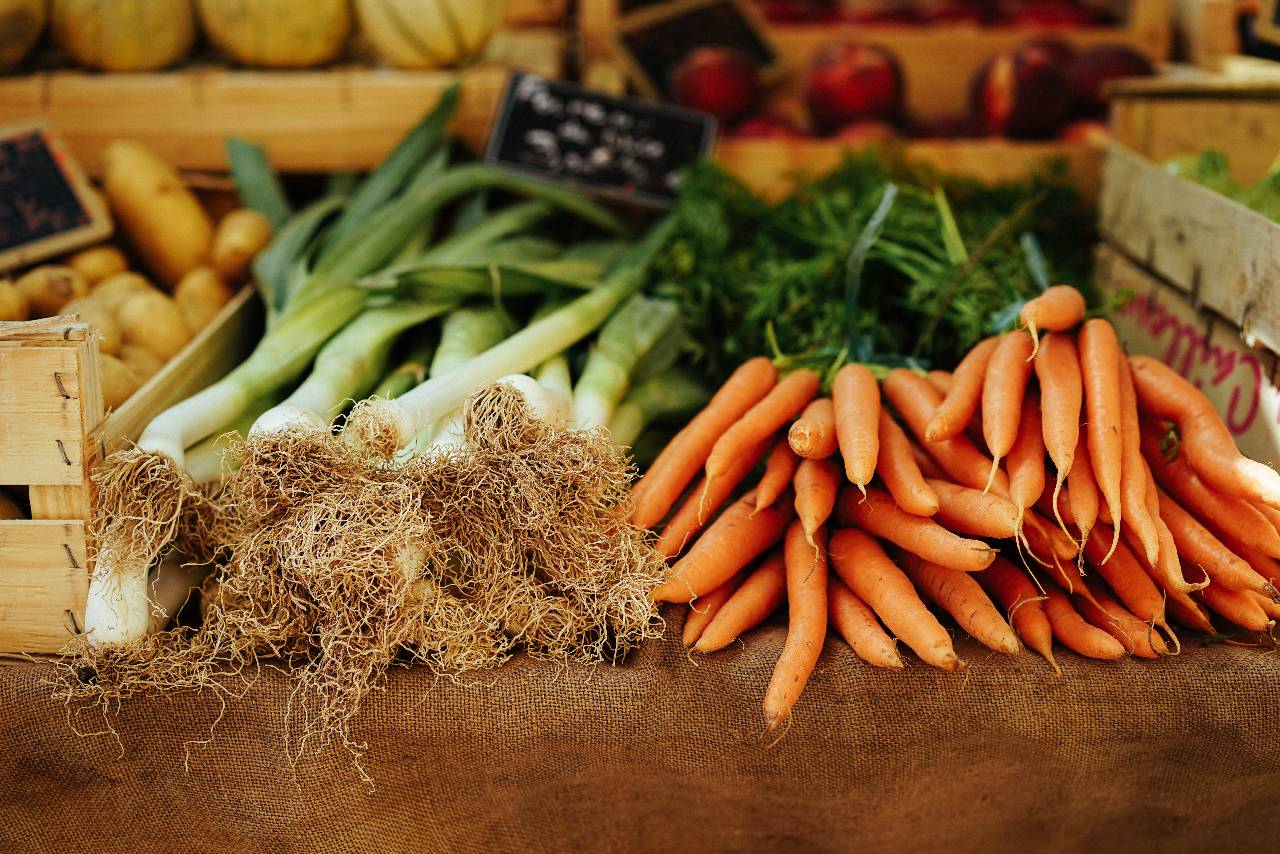
As restaurants across the United States are reopening with new restrictions placed on them to protect public health, they have no choice but to continue to improve their supply chain management.
Increasing visibility or transparency will help restaurants adapt to this disruption and manage inefficiencies in the chain quickly. It can also prevent food waste and pinpoint food safety issues before they become a problem.
Long term visibility is gained through data collection, open communication, technology systems, and improvements in tracking. Without a set of policies that maintain visibility in the food processing system, it's difficult to gain insight into problems and manage inventory properly.
Visibility also allows companies to harness information from the supply chain to satisfy consumers. Consumers are seeking more transparency about the quality and safety of their global food supply.
Utilizing technology systems to monitor food quality, temperature controls, and prevent spoilage can help prevent problems before they arise.
It also offers a way for health-conscious restaurants to attract new patrons by promoting a sustainable and transparent brand.
Gaining full visibility allows everyone to focus on compliance and audits rather than just quality and safety issues. In short, it helps improve the entire food industry-from consumer to the farmer to the restaurant.
Restaurants are just one of many industries facing the evolving diversification of patron tastes and demands.
Though there are still segments of the population that don't care about where their food comes from or how it's grown, more and more do. Patrons want to eat locally-grown, organic, or vegan foods, rather than processed.
Globalization has further complicated matters as ingredients now come from all corners of the earth. To meet consumer transparency demands, restaurants are improving traceability to ensure their foods are safe and fresh.
Coupled with the pressures of the pandemic and increased regulations, these challenges may seem like too much for some to bear.
Luckily, many restaurants have taken the initiative to do the following best practices to meet consumer demands, improve traceability, and increase visibility into the supply chain-
During the purchase order process, restaurants can use technology to gain insight into the supply chain. These insights derived from food data can help improve efficiency and track all of the interactions that occur in the restaurant's chain system.
PO platforms allow involved stakeholders to connect, collaborate, and automate their processes to help ensure order accuracy, quantity, and cost without the need for regular oversight.
They also gather and store large amounts of information that provides the visibility needed to understand the supply chain process and find areas for improvement.
These real-time insights will help the restaurant industry manage orders better and optimize the supply/demand process for better inventory management.
Technology is only one part of the puzzle for restaurants that want to improve visibility and optimize supply/demand. Hiring an external team of experts who can drill down into food data and use their knowledge to find solutions can help diners meet their needs.
Experts can analyze ordering, deliveries, logistics, and receiving to see if there are any gaps or inefficiencies that need improvement. They can use their insights to create standardized solutions and procedures that save money, attract new patrons, and handle the COVID-based restrictions.

Promotions and limited offers can be great for increasing sales, building brand loyalty, and attracting new customers. However, if the restaurant is facing product shortages due to supply chain mismanagement, it can be quite an embarrassing mistake that leads to the exact opposite results the restaurant hopes for.
Before implementing a promotion or limited offer, make certain that there is enough visibility into the supply chain and food systems to know it can meet anticipated demand. Forecasting and modeling tools can be helpful to figure out how much product is needed and when.
Furthermore, the restaurant should have open and honest communication with all of its suppliers. Everyone in the chain should have plenty of time to prepare and manage an upcoming promotion to ensure a successful outcome.
In conclusion, here are the key points to remember managing supply chain visibility-