
Photo by Unseen Histories on Unsplash
Franchise Frenzy: Cross-Border Growth
A look at how U.S. brands expand through multi-unit deals, cross-border partnerships, and seasoned operators in 2026.
franchising
Apr 29, 2026
Photo by Unseen Histories on Unsplash
A look at how U.S. brands expand through multi-unit deals, cross-border partnerships, and seasoned operators in 2026.
Apr 29, 2026
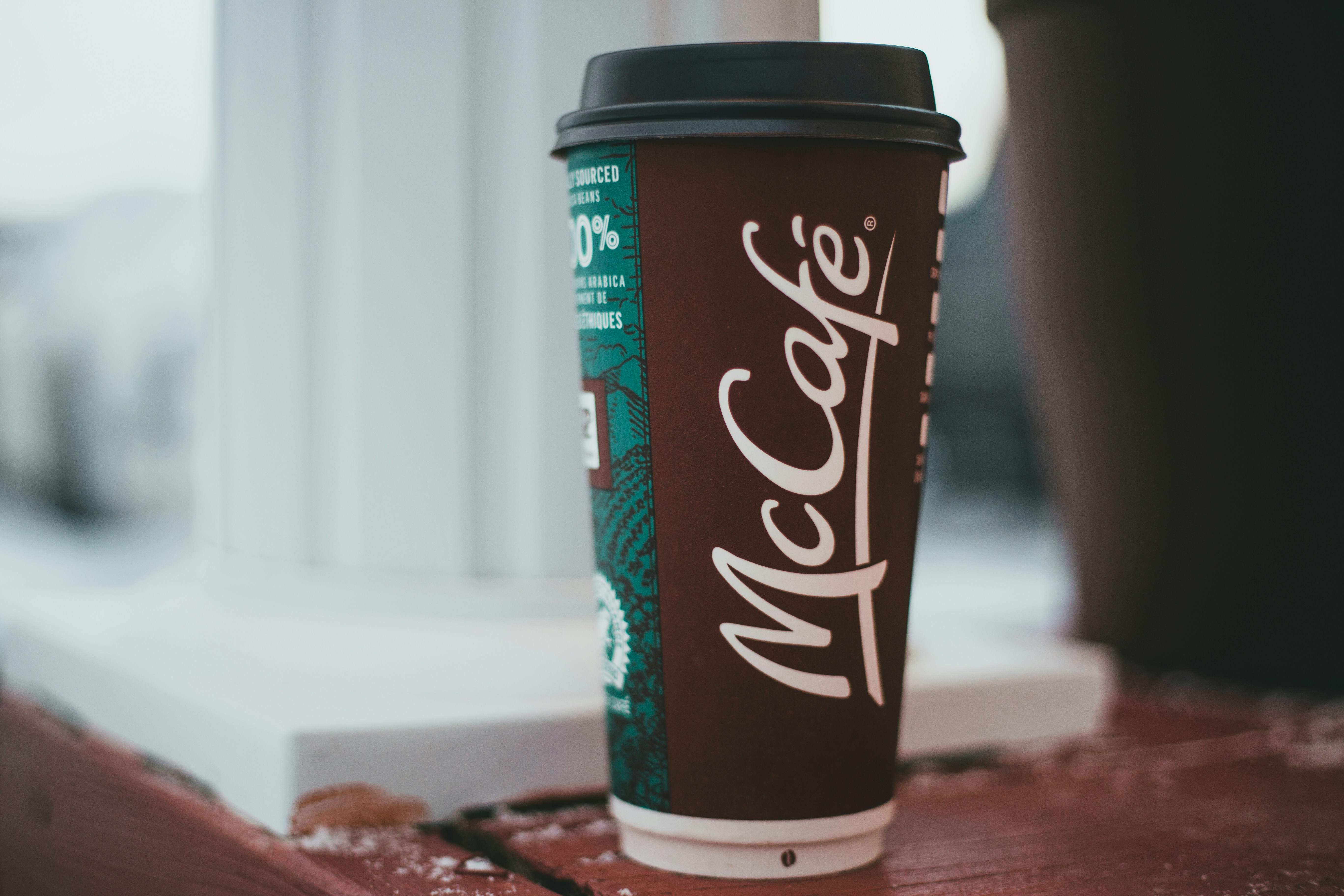
Photo by Erik Mclean on Unsplash
McDonald’s unveils six beverages across 14,000 restaurants on May 6, expanding McCafé with Refresher and crafted sodas and a new store-level beverage specialist role.
Apr 29, 2026
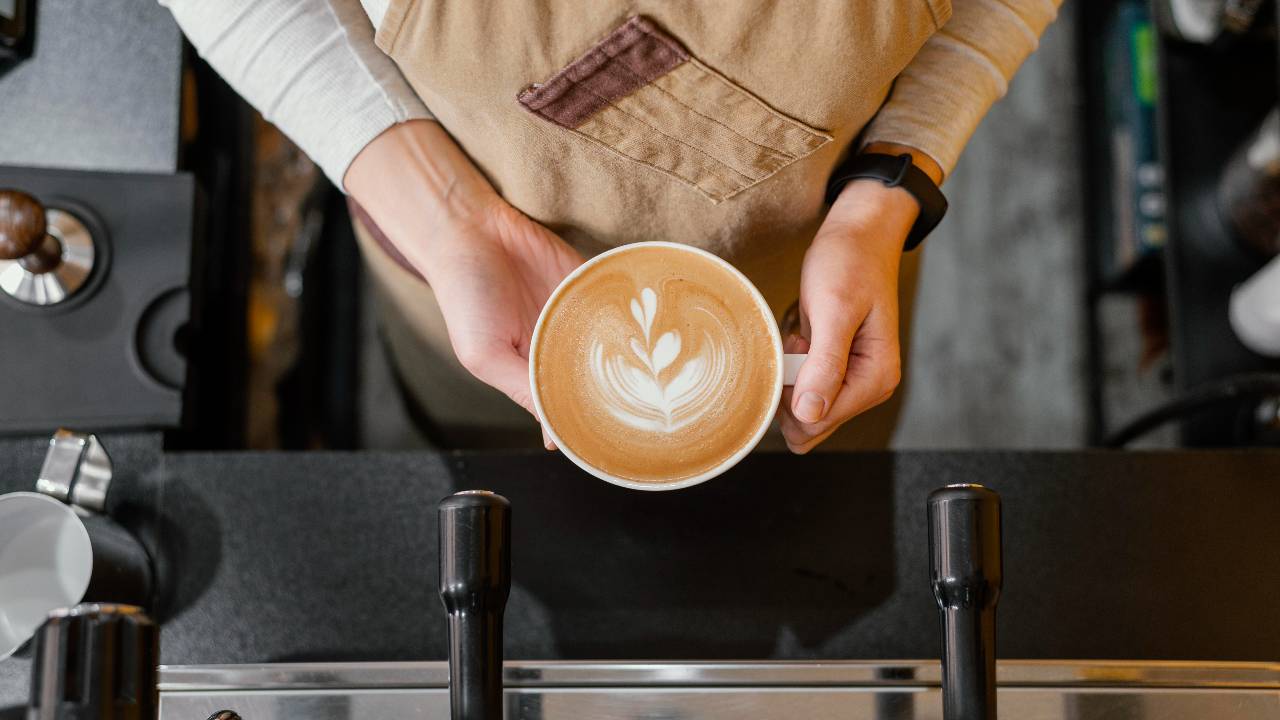
Learn how to write a coffee shop business plan that covers concept, location, menu, finances, branding, marketing, and risk planning.
Apr 27, 2026

Explore marketing strategies for food businesses using reviews, professional photos, SEO, social media, partnerships, events, and catering.
Apr 28, 2026
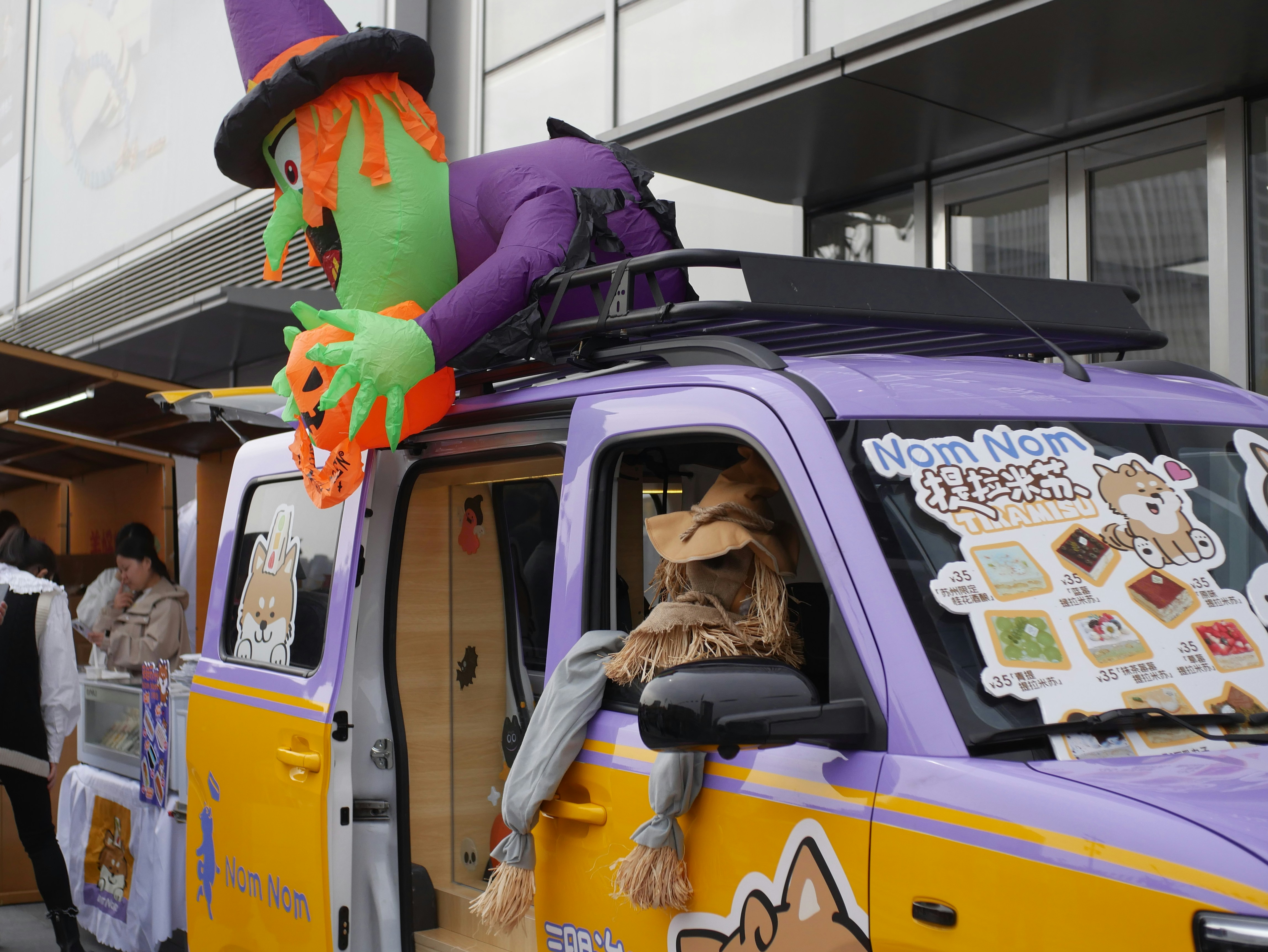
Photo by shen wenjie on Unsplash
Holiday-driven menu drops fuse nostalgia with wellness, turning menus into living calendars for fast-casual brands.
Apr 28, 2026
Photo by Abdul Raheem Kannath on Unsplash
Susannah Frost named Chick-fil-A President, joining Cliff Robinson as COO to guide domestic expansion and international growth.
Apr 28, 2026
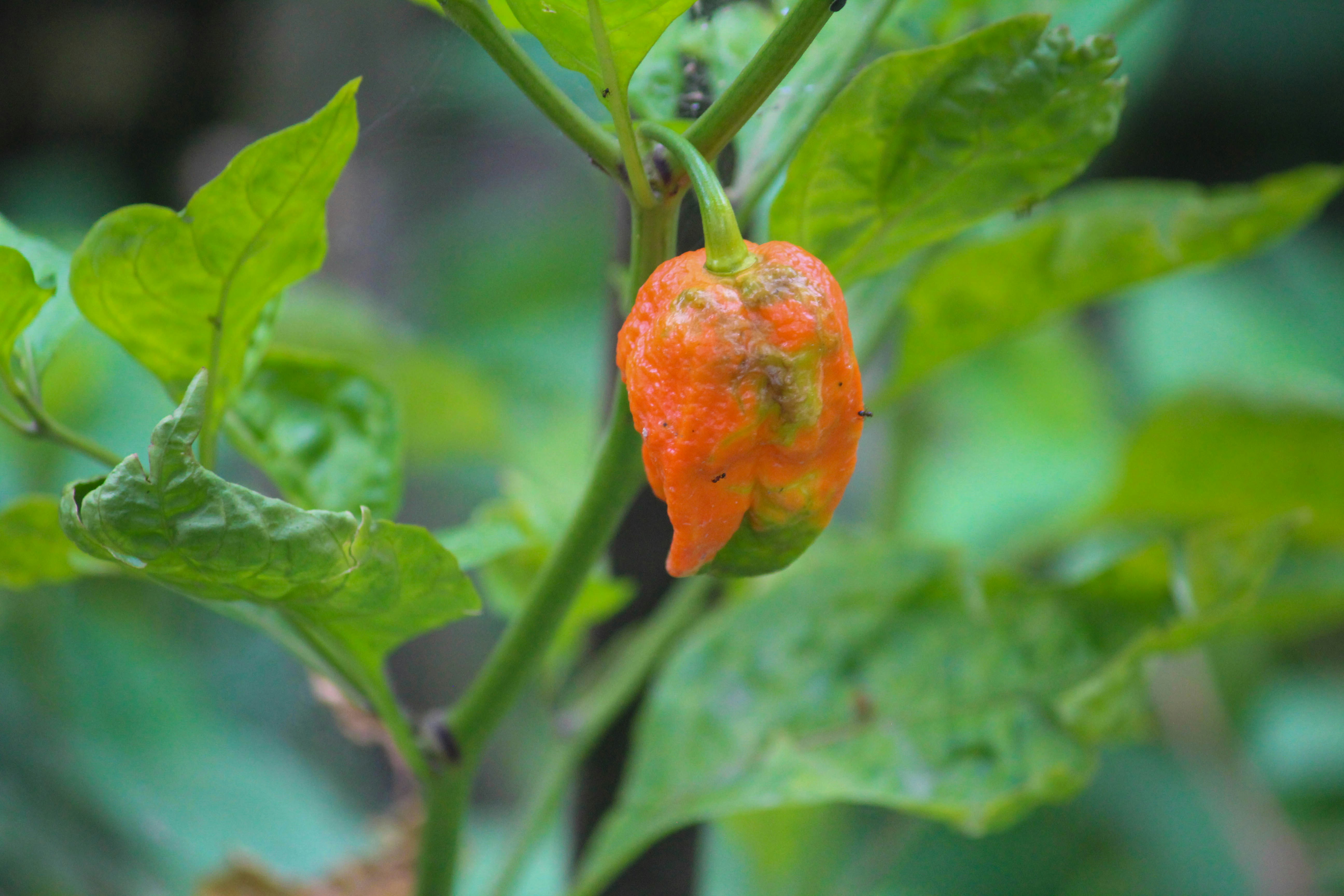
Photo by Moon Bhuyan on Unsplash
Ghost pepper-led promotions redefine autumn menus as chains blend heat, storytelling, and seasonal collaborations to drive foot traffic.
Apr 28, 2026

Photo by Noah Martinez on Unsplash
CAVA rolls out Garlic Ranch Pita Chips with a Steak + Harissa Bowl and a refreshed Rewards program, tying flavor innovation to personalized guest experiences.
Apr 28, 2026

Photo by Kate Trysh on Unsplash
Applebee’s launches Pick 6 Mondays, offering free wings with a $10 purchase when a Pick 6 occurs on Sundays, driving game-day momentum across dine-in and To Go.
Apr 28, 2026
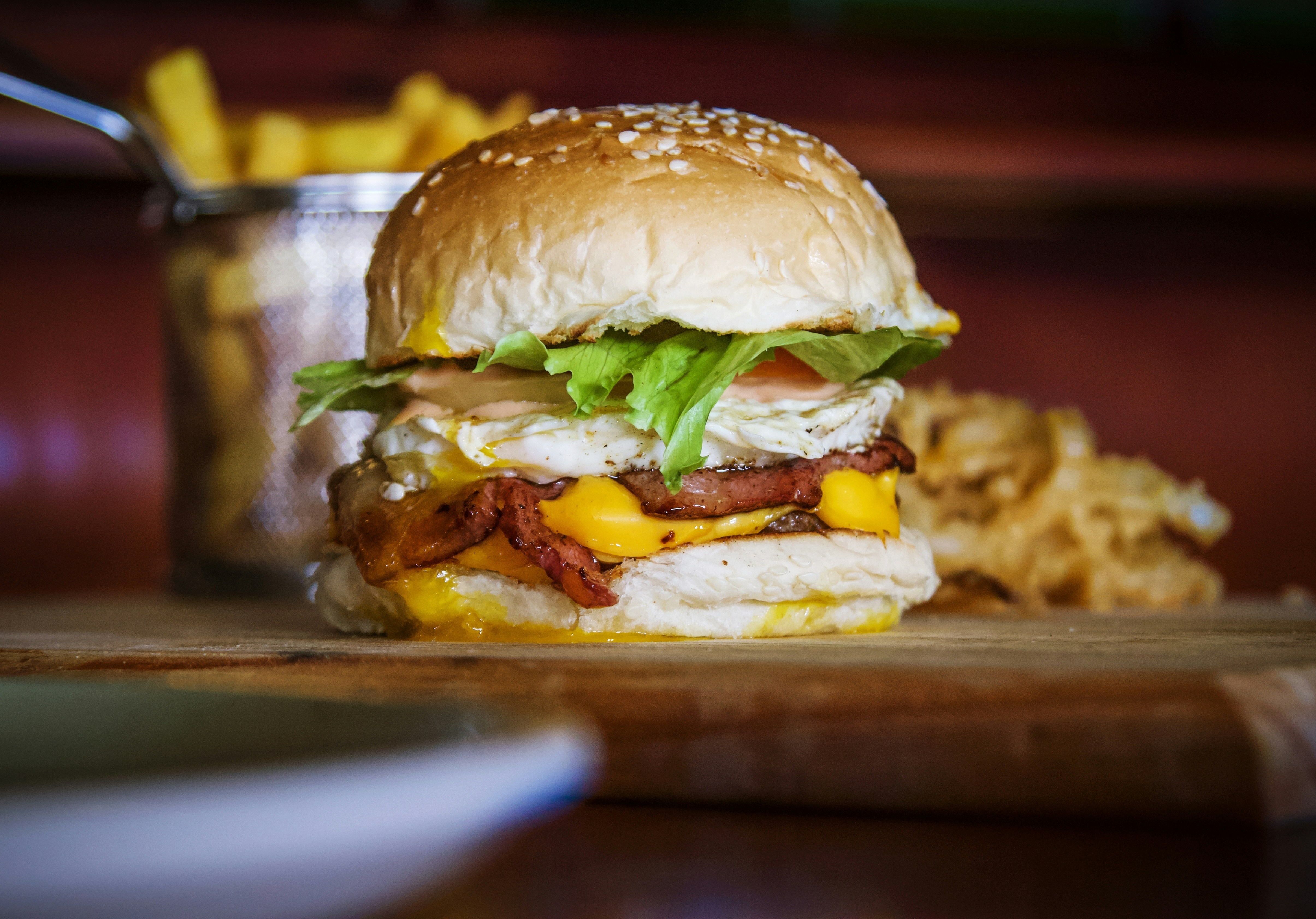
Photo by Stu Moffat on Unsplash
Beatrice Nguyen explores how leadership blends speed, loyalty, and standardized operations to grow Shake Shack while preserving its signature experience.
Apr 28, 2026
Reef Technology, the kitchen brand company, recently lost a number of partners such as Burger King, Popeyes, Jack in the Box, and Del Taco. The company ran into similar issues with Wendy's recently.
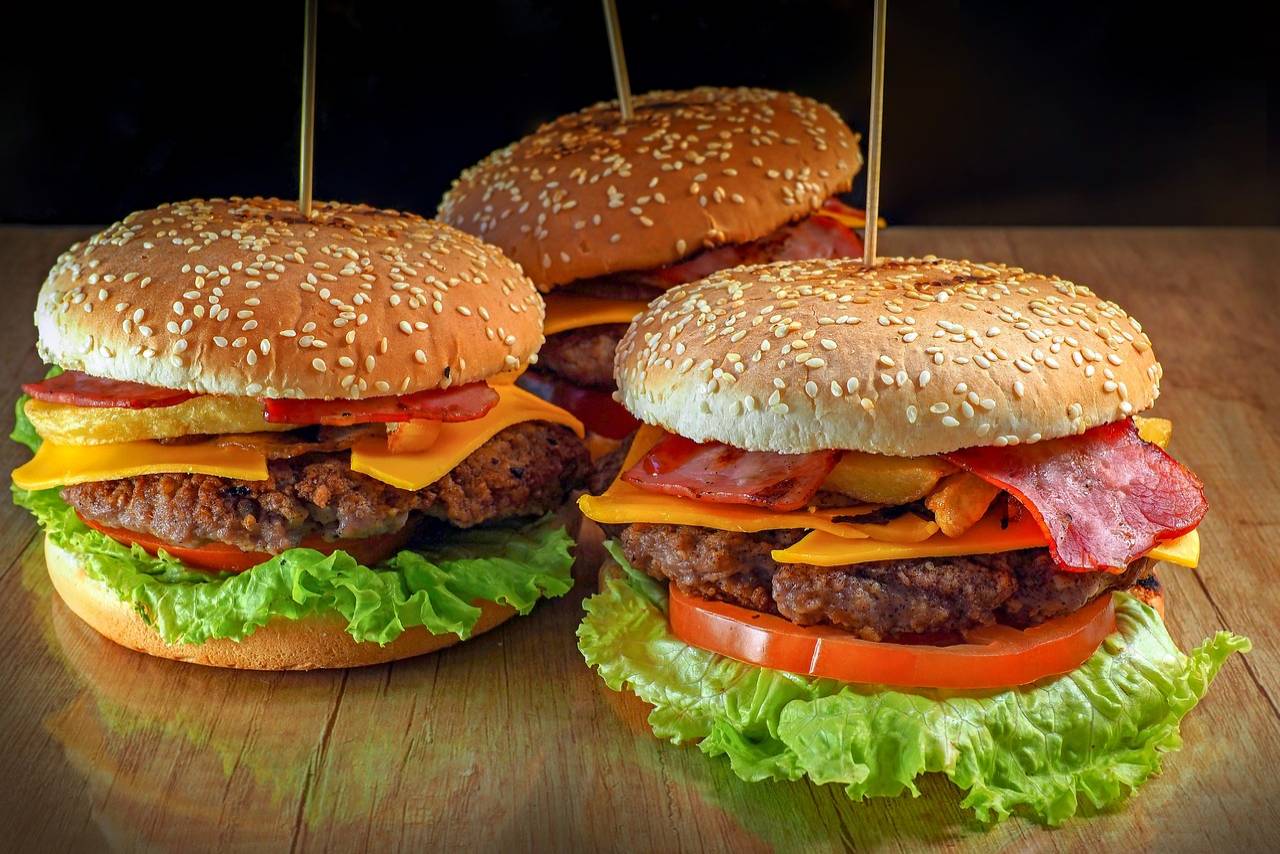
Recent reports state that major food chains such as Burger King, Popeyes, Jack in the Box, and Del Taco have terminated their partnerships with Reef Technology, a pioneer in the field of ghost kitchens.
"I can confirm that the pilot project that Burger King and Popeyes were testing with Reef has ended," a representative from Restaurant Brands International, the company that owns Burger King and Popeyes, said in an email to Business Insider. Another statement from Jack in the Box, which also owns Del Taco, reads, "Our trial program with Reef is complete and we continue to evaluate the future of ghost kitchens for our business."
All of the above-mentioned brands had declared significant plans to expand through their collaboration with Reef Technology. It must also be noted that the snag in their collaboration comes on the heels of Restaurant Brands International's investment in Kitchen United, a rival ghost kitchen company.
Reef Technology ran into similar issues with the food burger brand, Wendy's, recently. In August 2021, they announced the opening of 700 ghost kitchens together. In August this year, however, Wendy's limited the projected count to 100-150 by 2025. The collaboration between the two companies did not reap the benefits they had hoped for. Wendy's CFO, Gunther Plosch, explained that their national sales from the initial Wendy's-Reef kitchen had not lived up to their expectations.
Since the food brands either terminated or limited their collaboration with Reef Technology, the ghost kitchen brand has maintained that it was, in fact, their call to not go ahead with the development agreement proposed specifically by Restaurant Brands International (the company that owns Burger King and Popeyes), and it was their choice to replace the pilot locations they had with the other brands. They further clarified that they never had a development agreement with Jack in the Box and Del Taco, and the three pilot locations with these brands began the termination process in May this year.
Reef Technology is a ghost-kitchen start-up backed by SoftBank that found immense success in a very short period of time. The company operates hundreds of trailers, or vessels, as they prefer to call them, that prepare food for delivery through licensing agreements with major food brands. Reef was quick to sign deals with bigwigs like TGI Fridays, Wendy's, and Burger King, and this extremely impressive portfolio helped them bag $700 million in investment in 2020.
Ghost kitchens are considered to be the future of food delivery. Though these restaurant-less kitchens existed before the pandemic too, it was during the coronavirus-induced lockdowns that they gained prominence in 2020. The commercial cooking facilities are designed to prioritize speed and prepare food for delivery only. Since the pandemic, dine-in restaurants have taken a hit as most now prefer to order their favorite meals online. At a time like this, ghost kitchens, especially for food brands that have to deal with huge order numbers, can prove to be extremely beneficial.
The ghost kitchen startup's problems aren't limited to major brand partnerships. Four Reef vessels were suspended by health inspectors in Austin, Texas, while a Reef trailer in Philadelphia was charged for using the wrong retail operating license. This proved to be a huge setback for them. Reef's CEO and co-founder, Ari Ojalvo, asked workers to internally report any actions or conduct that may violate health or permit regulations.
Reef Technology has grown at breakneck speed over the last few years, operating as many as 330 vessels in parking lots across the globe during its peak in 2021. This was made possible largely through licensing agreements with brands like Wendy's, Nathan's Famous, and Burger King.
"Coming off the most successful quarter in our history, we are reviewing and refining our operations as is customary for any growing business," the company said in a statement last year.
Several operational challenges as well as health and safety issues have led to their downfall. Some of these incidents included a propane explosion that injured employees; several shutdowns over permitting and regulatory violations; and operational chaos, among others. Their operational mismanagement cost them the high-profile client, David Chang, whose popular fried-chicken restaurant, Fuku, now works with Reef's competitor, Kitchen United.
In addition to the issues of operations and regulations mentioned above, Reef continues to struggle with high costs, labor shortages, as well as challenges connecting to local utilities. The company's former employees have also spoken out and described the work environment as chaotic. A Reef statement previously mentioned that the "safety of our employees and the communities where we operate is our top priority. We are proud of our track record of preparing good food in a safe and clean environment."
The once leading player in the nascent delivery-only kitchens industry has major challenges to overcome. However, reports suggest that none of these incidents have dampened their will to pursue rapid growth not only in the United States but also globally. We'll just have to wait and see if the company can redeem itself and build yet another portfolio of top Restaurant Chains like Burger King and Del Taco once again!