Photo by Unseen Histories on Unsplash
Franchise Frenzy: Cross-Border Growth
A look at how U.S. brands expand through multi-unit deals, cross-border partnerships, and seasoned operators in 2026.
franchising
Apr 29, 2026
Photo by Unseen Histories on Unsplash
A look at how U.S. brands expand through multi-unit deals, cross-border partnerships, and seasoned operators in 2026.
Apr 29, 2026
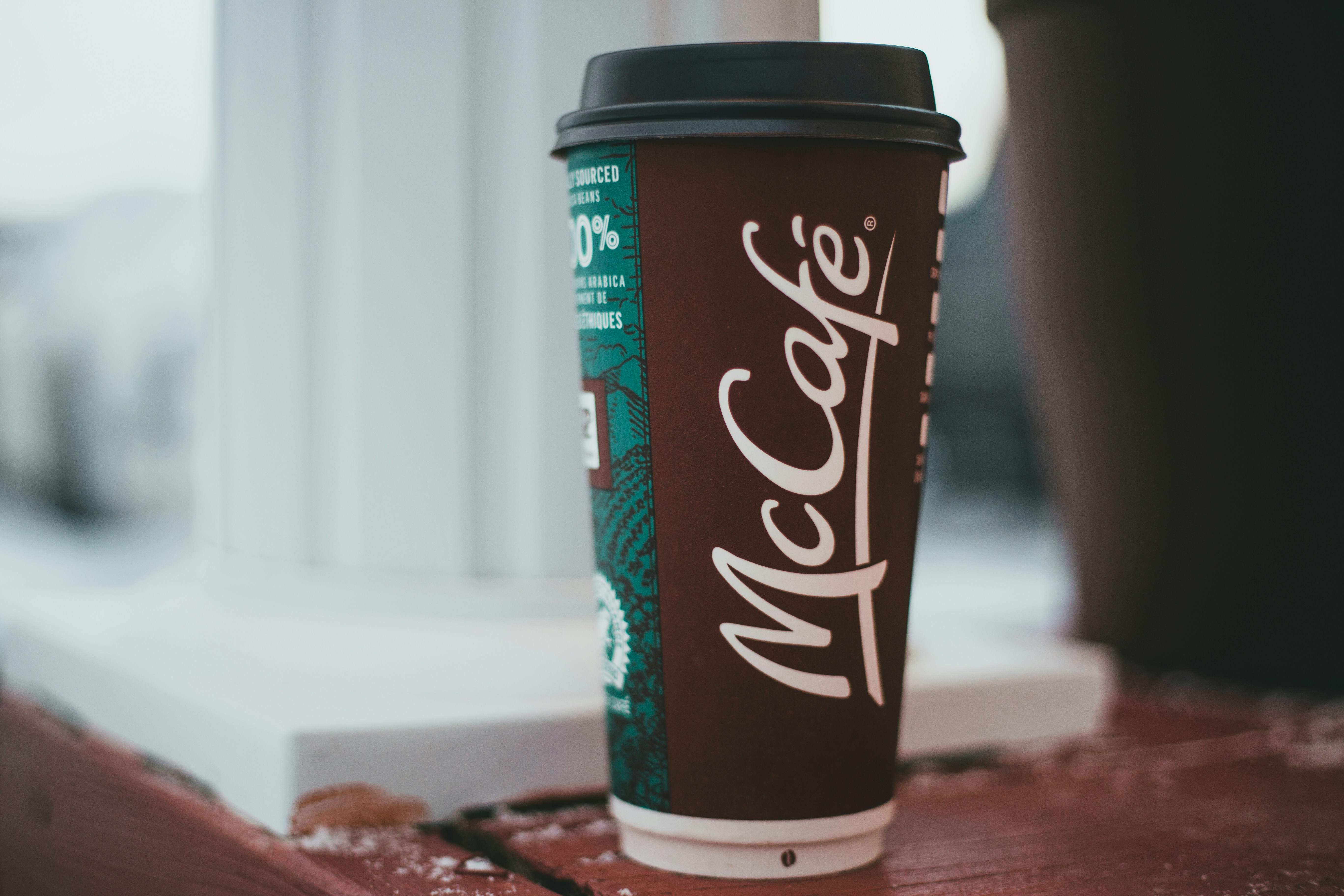
Photo by Erik Mclean on Unsplash
McDonald’s unveils six beverages across 14,000 restaurants on May 6, expanding McCafé with Refresher and crafted sodas and a new store-level beverage specialist role.
Apr 29, 2026
Learn how to write a coffee shop business plan that covers concept, location, menu, finances, branding, marketing, and risk planning.
Apr 27, 2026
Explore marketing strategies for food businesses using reviews, professional photos, SEO, social media, partnerships, events, and catering.
Apr 28, 2026

Photo by shen wenjie on Unsplash
Holiday-driven menu drops fuse nostalgia with wellness, turning menus into living calendars for fast-casual brands.
Apr 28, 2026
Photo by Abdul Raheem Kannath on Unsplash
Susannah Frost named Chick-fil-A President, joining Cliff Robinson as COO to guide domestic expansion and international growth.
Apr 28, 2026
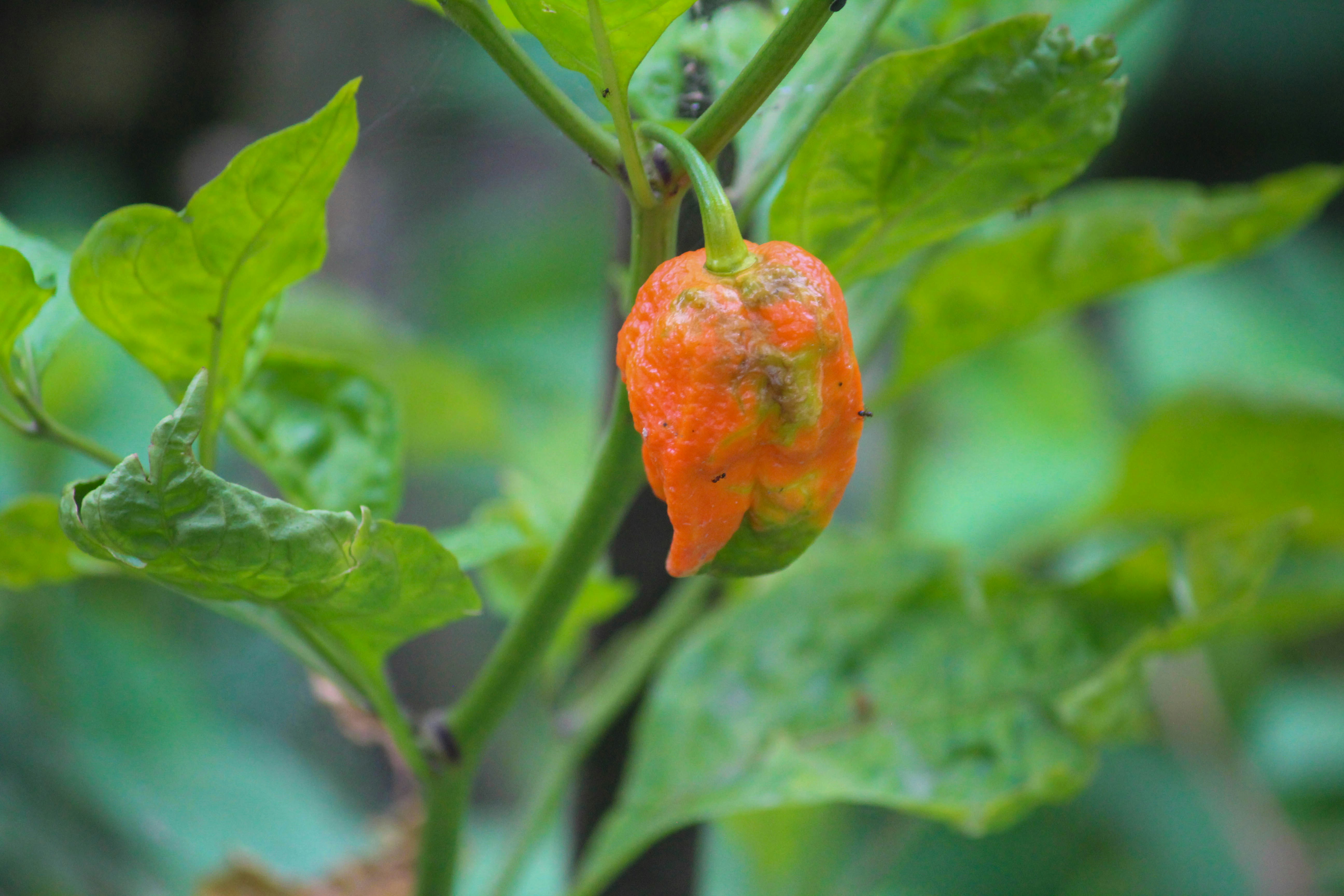
Photo by Moon Bhuyan on Unsplash
Ghost pepper-led promotions redefine autumn menus as chains blend heat, storytelling, and seasonal collaborations to drive foot traffic.
Apr 28, 2026

Photo by Noah Martinez on Unsplash
CAVA rolls out Garlic Ranch Pita Chips with a Steak + Harissa Bowl and a refreshed Rewards program, tying flavor innovation to personalized guest experiences.
Apr 28, 2026

Photo by Kate Trysh on Unsplash
Applebee’s launches Pick 6 Mondays, offering free wings with a $10 purchase when a Pick 6 occurs on Sundays, driving game-day momentum across dine-in and To Go.
Apr 28, 2026
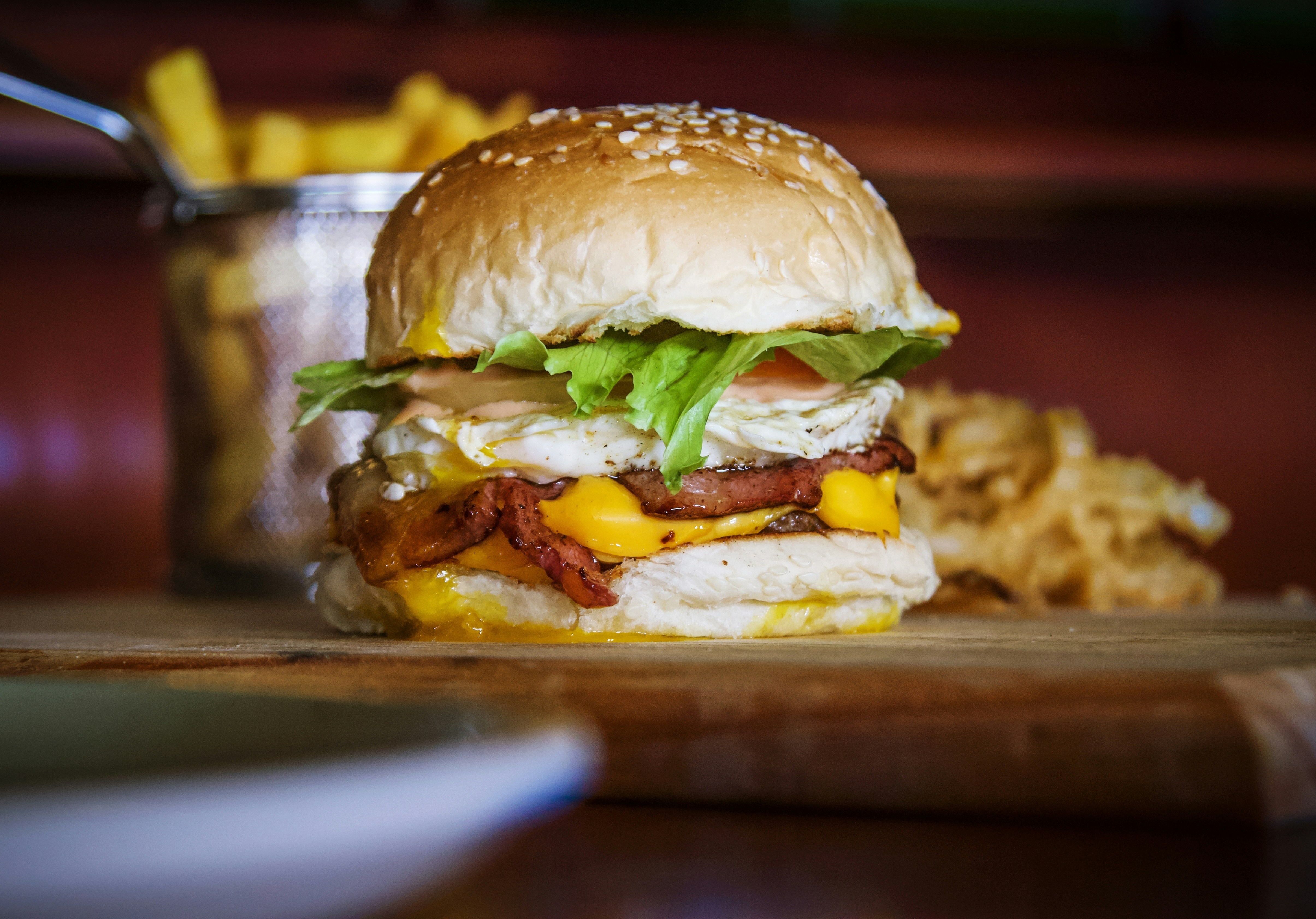
Photo by Stu Moffat on Unsplash
Beatrice Nguyen explores how leadership blends speed, loyalty, and standardized operations to grow Shake Shack while preserving its signature experience.
Apr 28, 2026
By choosing the appropriate restaurant food storage containers, establishments can streamline preparation and inventory counts while reducing food waste.
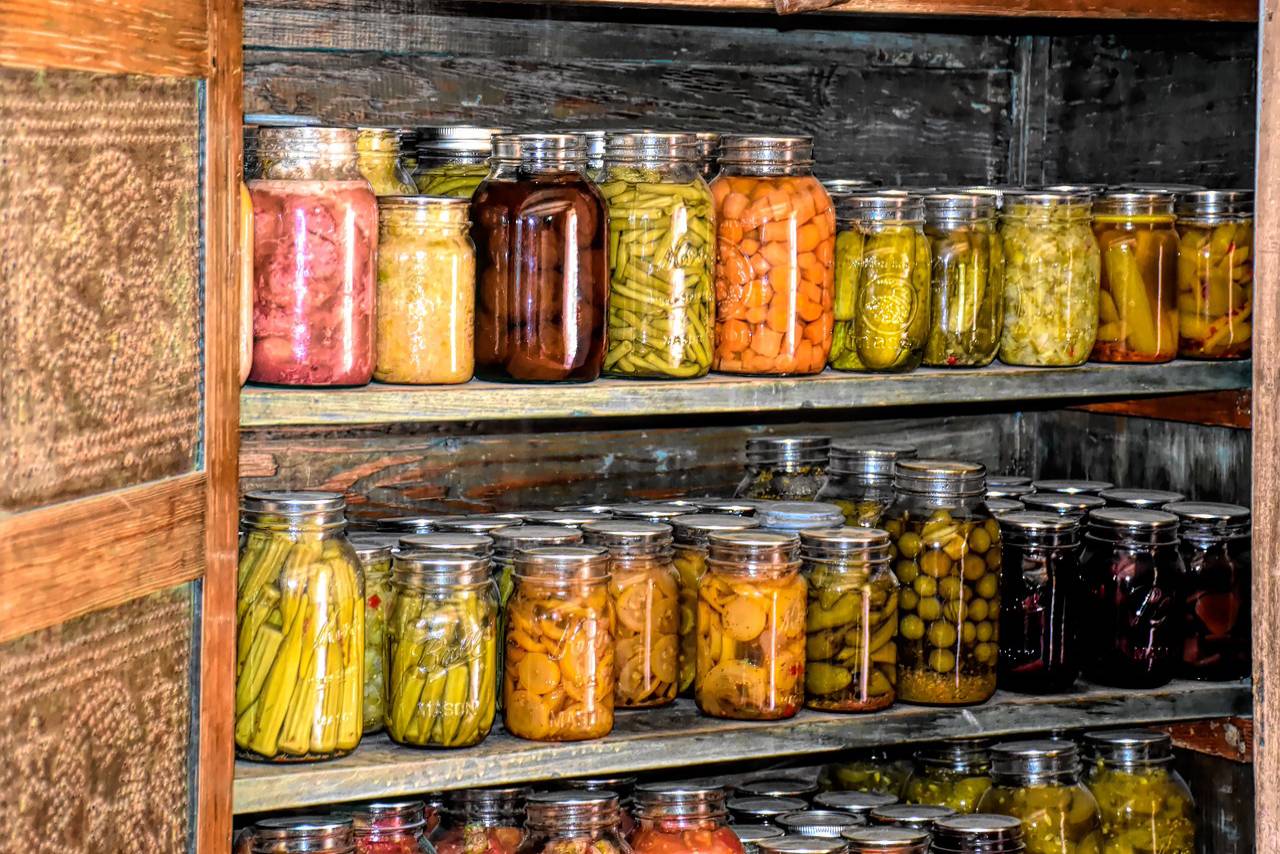
There are several health regulations and codes restaurants must abide by to maintain a clean and organized kitchen space. Health codes can even help establishments limit their food waste by outlining how and where ingredients should be stored.
However, owners must determine their restaurant food storage preferences, such as material, shape, and size, to optimize space and prevent spoilage.
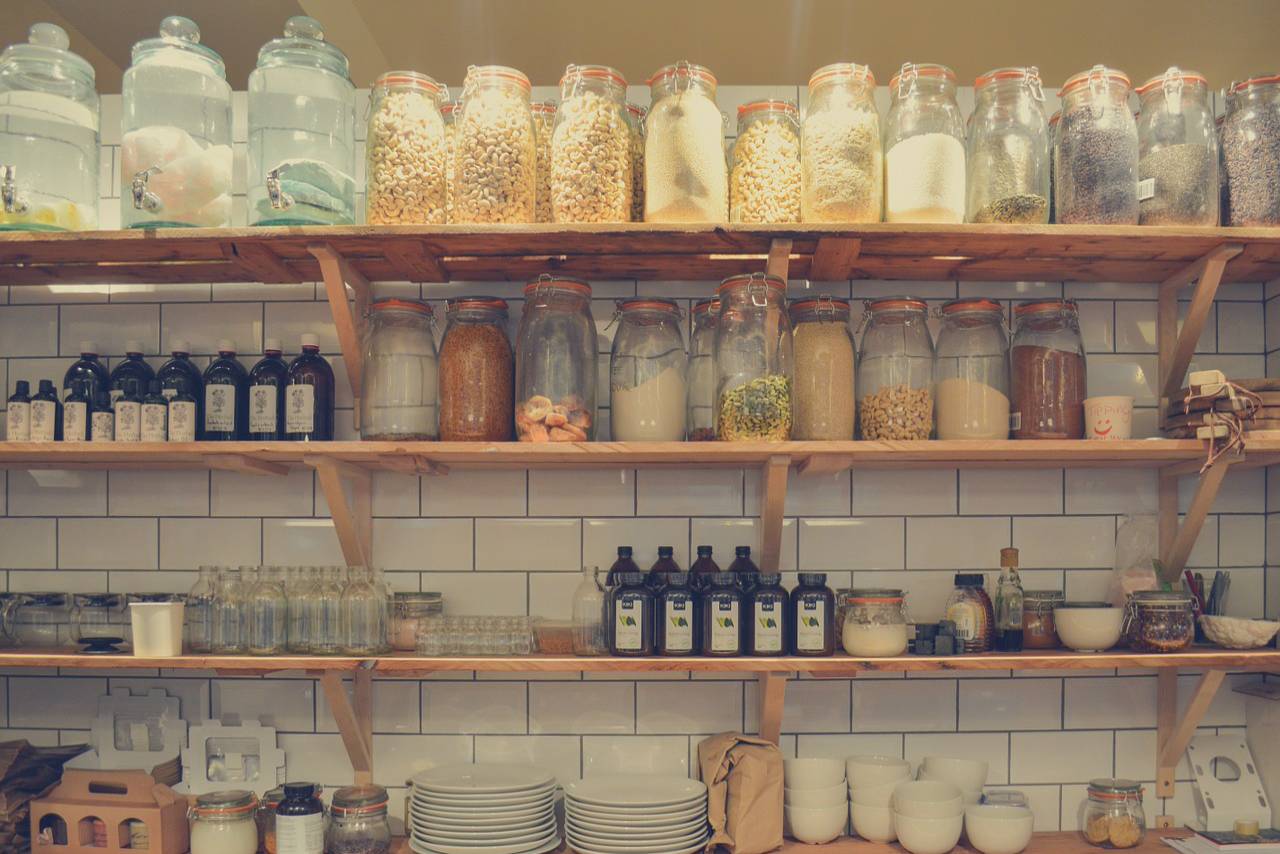
When it comes to storing food, restaurants must determine which containers work best for their ingredients and kitchen space by asking-
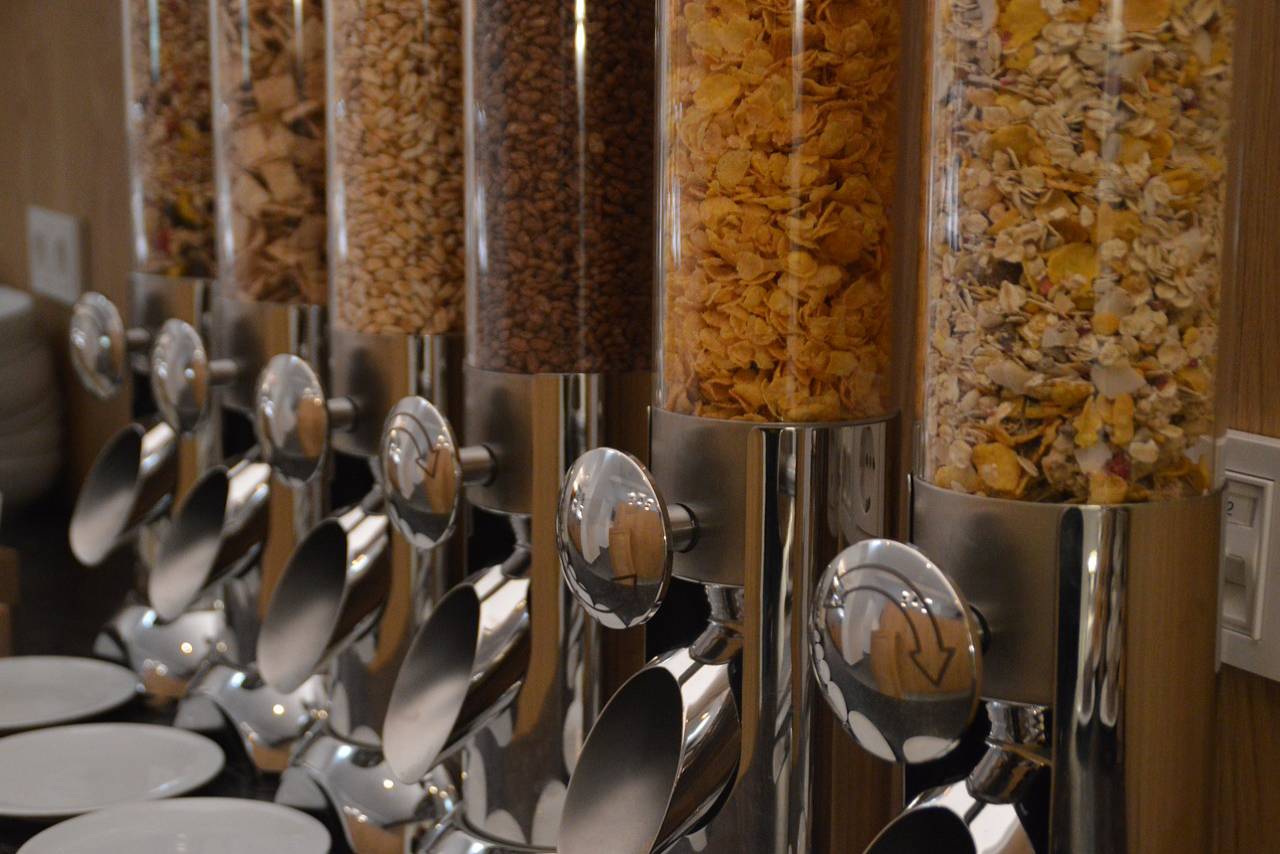
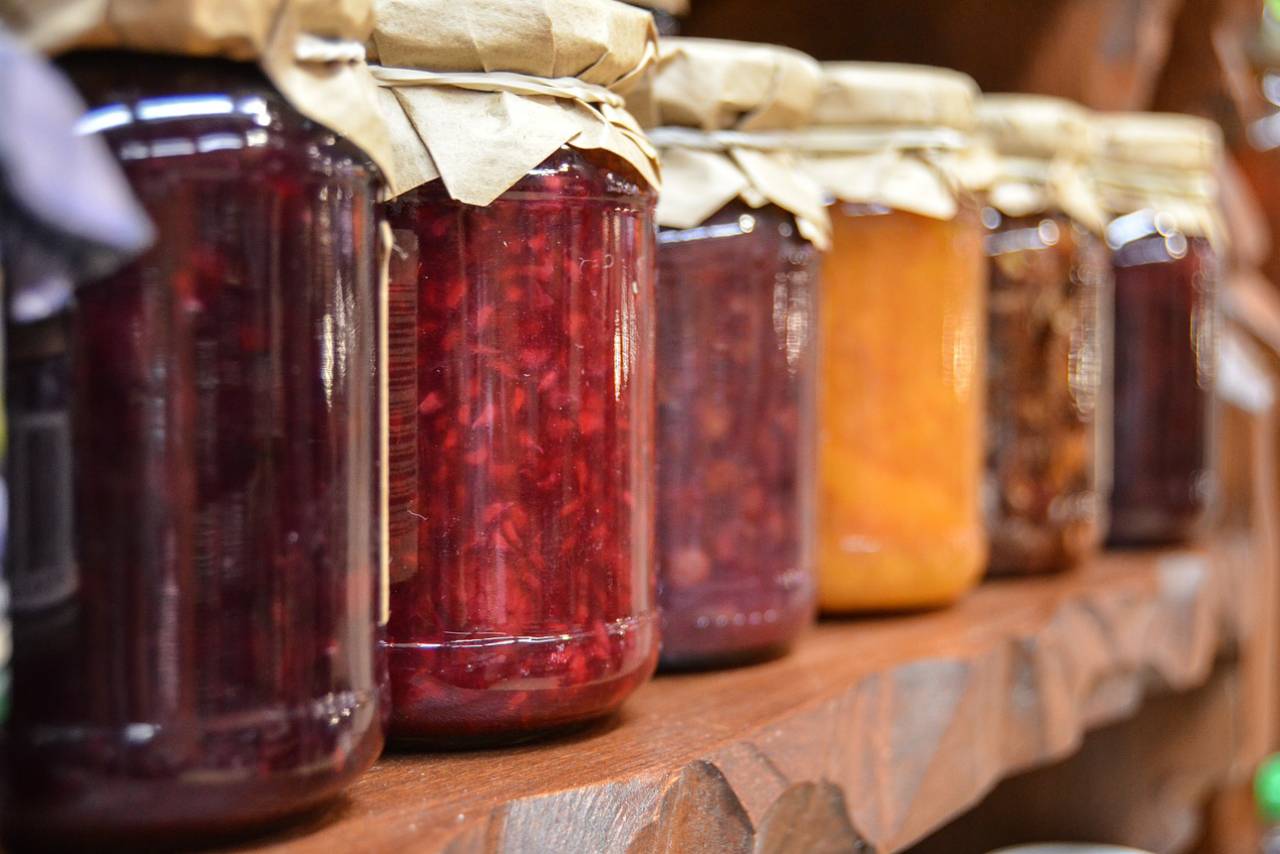
The material food containers are composed of determines their durability, accessibility, and longevity. Plastic is the most common material restaurants use as it is durable and often microwavable.
However, there are several types of plastics and metals that restaurants can use, each with its own set of unique properties.

After determining which material is best for each ingredient, restaurants need to assess the different storage options.

Square Containers
Square containers typically range from 2 to 22 quarts and are ideal for maximizing limited space as they are stackable and can sit flush against each other. However, these containers are more suitable for liquids, such as dressings and soups, as dry ingredients tend to get stuck in the corners.
Square boxes are made from various materials, such as-
Food Boxes
Food boxes are rectangular units ranging from 1.75 to 22 gallons used to store large products or smaller items in bulk. Restaurants typically use food boxes to store meat and produce. These containers can come in any color and are made from-

Round Containers
Round containers range from 2 to 22 quarts and are used for dry ingredients. However, their curved shape takes up more space, making it challenging to optimize storage. Round containers are also made from-
Ingredient Bins
Ingredient bins come as big as 32 gallons, making them ideal for storing bulk ingredients. Many of these containers have FIFO barriers and additional access points so restaurants can retrieve contents while bins are stacked.
Ingredient bins are often used in restaurants that use large amounts of certain ingredients, such as pizzerias, bakeries, and coffee shops. These bins are composed of-
Dough Boxes and Pans
Dough boxes and pans store unbaked dough to promote or prevent rising. This enables restaurants to prepare large batches of dough at one time. These containers range from 40 to 96 ounces and are made of-
Salad Bar Crocks
Salad bar crocks come in 0.6 to 10.38-quart containers and are customized to fit into any food bar. Depending on the size, crocks can be used to store salad dressing, condiments, and salad. These containers are made from several materials-
Kitchen Canisters
Kitchen canisters provide storage for smaller amounts, from 4 to 70 ounces. These containers are often used in the front and back-end of restaurants to hold ingredients, such as spices and sugar. Kitchen canisters are composed of-