Photo by Unseen Histories on Unsplash
Franchise Frenzy: Cross-Border Growth
A look at how U.S. brands expand through multi-unit deals, cross-border partnerships, and seasoned operators in 2026.
franchising
Apr 29, 2026
Photo by Unseen Histories on Unsplash
A look at how U.S. brands expand through multi-unit deals, cross-border partnerships, and seasoned operators in 2026.
Apr 29, 2026
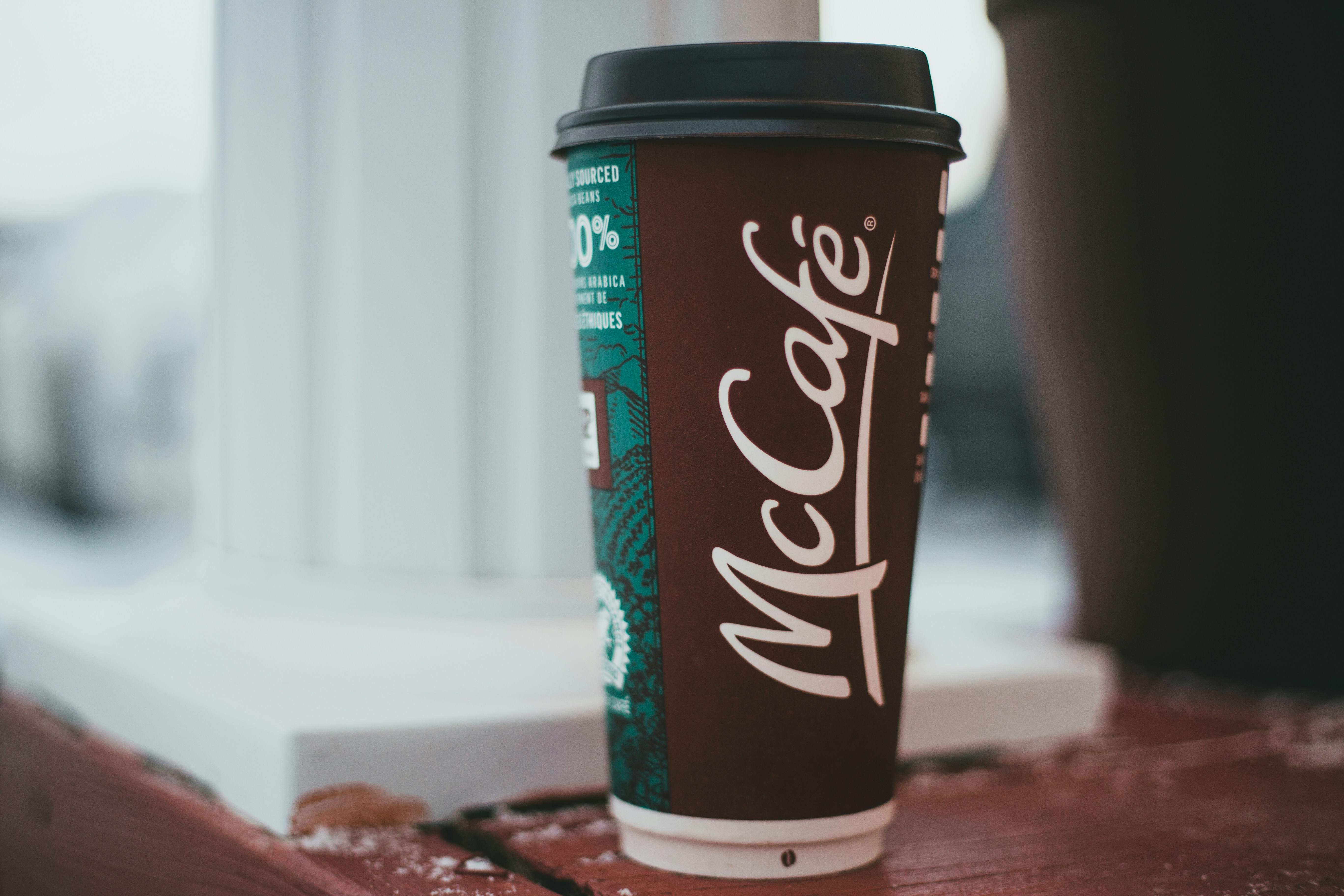
Photo by Erik Mclean on Unsplash
McDonald’s unveils six beverages across 14,000 restaurants on May 6, expanding McCafé with Refresher and crafted sodas and a new store-level beverage specialist role.
Apr 29, 2026
Learn how to write a coffee shop business plan that covers concept, location, menu, finances, branding, marketing, and risk planning.
Apr 27, 2026
Explore marketing strategies for food businesses using reviews, professional photos, SEO, social media, partnerships, events, and catering.
Apr 28, 2026

Photo by shen wenjie on Unsplash
Holiday-driven menu drops fuse nostalgia with wellness, turning menus into living calendars for fast-casual brands.
Apr 28, 2026
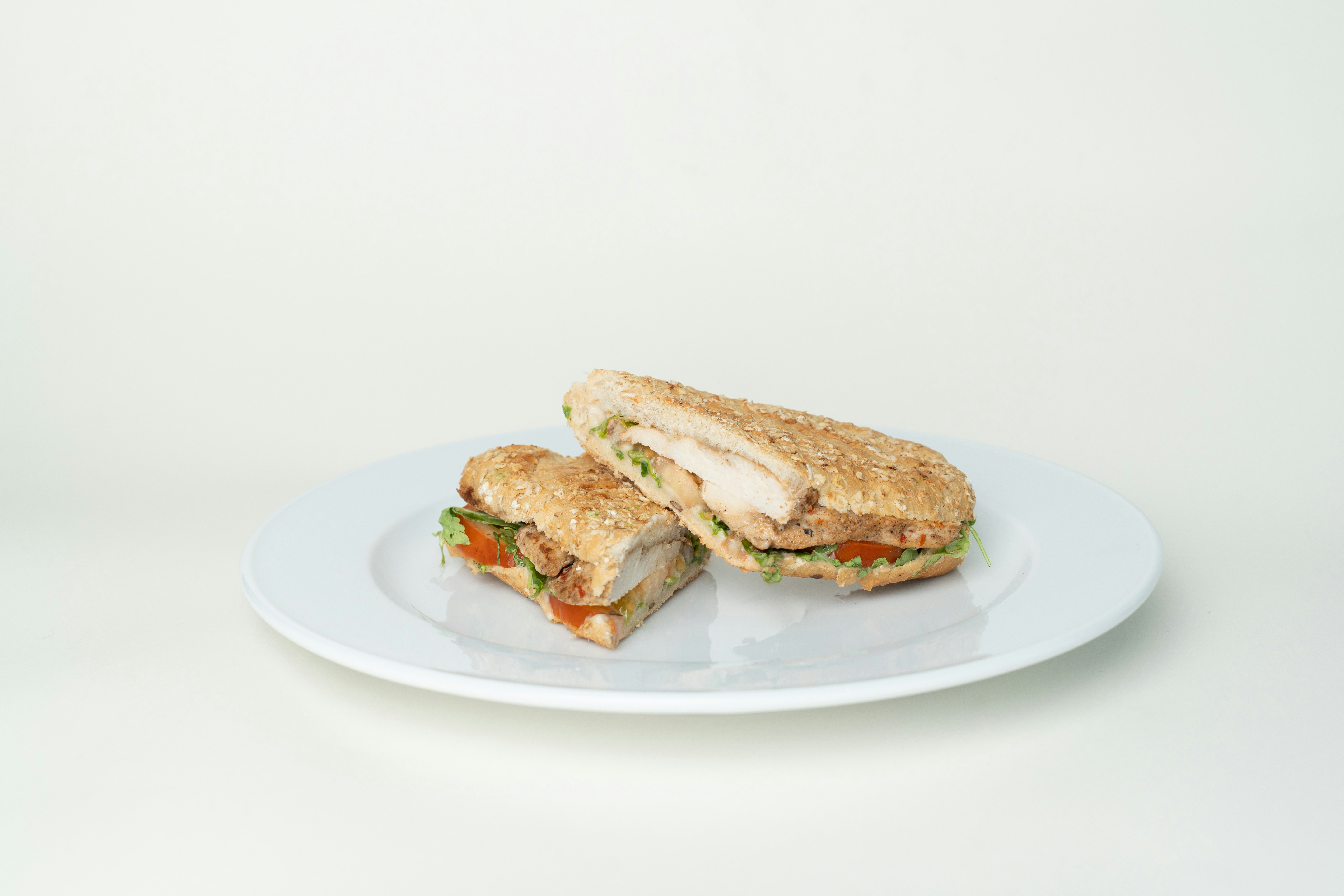
Photo by Abdul Raheem Kannath on Unsplash
Susannah Frost named Chick-fil-A President, joining Cliff Robinson as COO to guide domestic expansion and international growth.
Apr 28, 2026
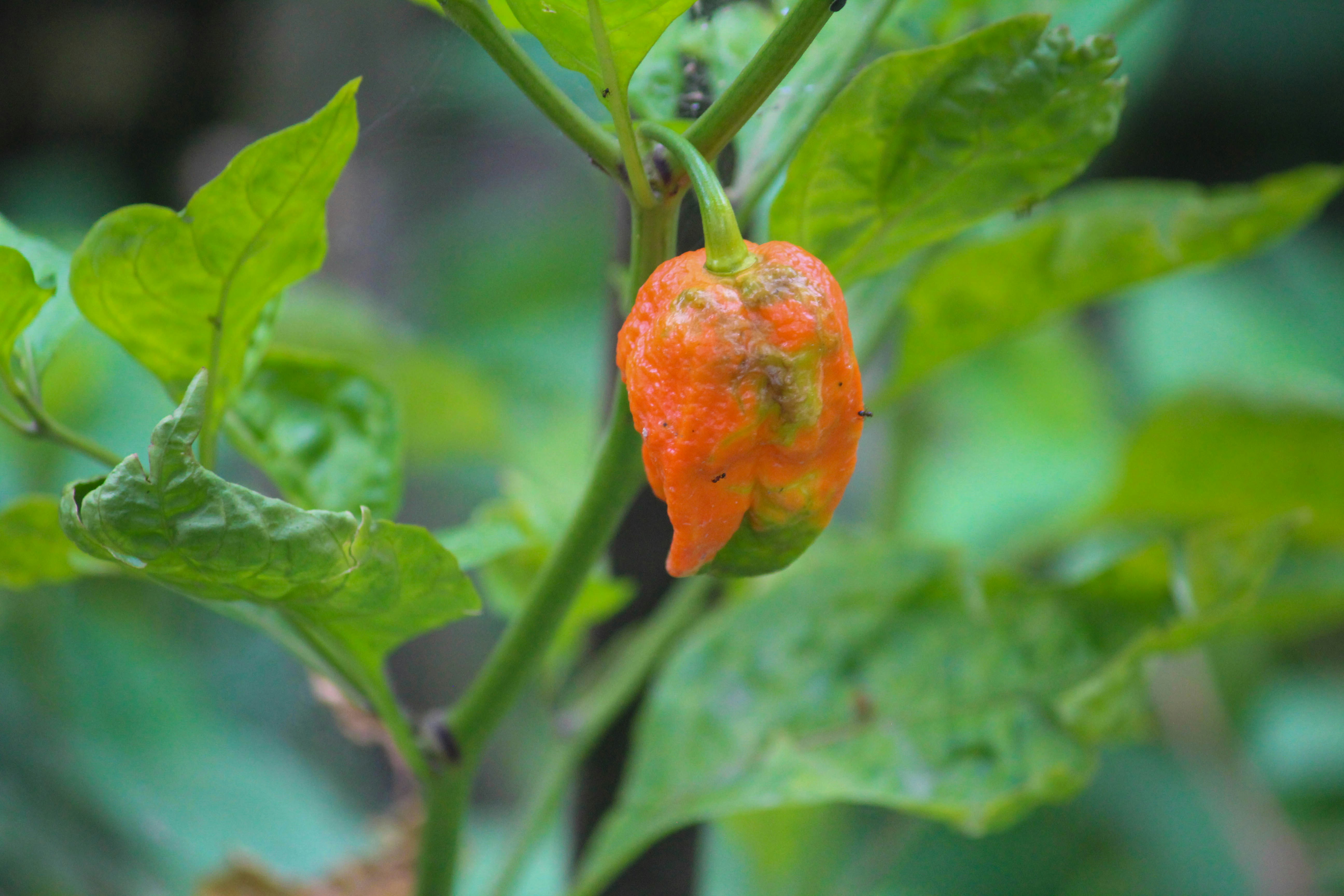
Photo by Moon Bhuyan on Unsplash
Ghost pepper-led promotions redefine autumn menus as chains blend heat, storytelling, and seasonal collaborations to drive foot traffic.
Apr 28, 2026

Photo by Noah Martinez on Unsplash
CAVA rolls out Garlic Ranch Pita Chips with a Steak + Harissa Bowl and a refreshed Rewards program, tying flavor innovation to personalized guest experiences.
Apr 28, 2026

Photo by Kate Trysh on Unsplash
Applebee’s launches Pick 6 Mondays, offering free wings with a $10 purchase when a Pick 6 occurs on Sundays, driving game-day momentum across dine-in and To Go.
Apr 28, 2026
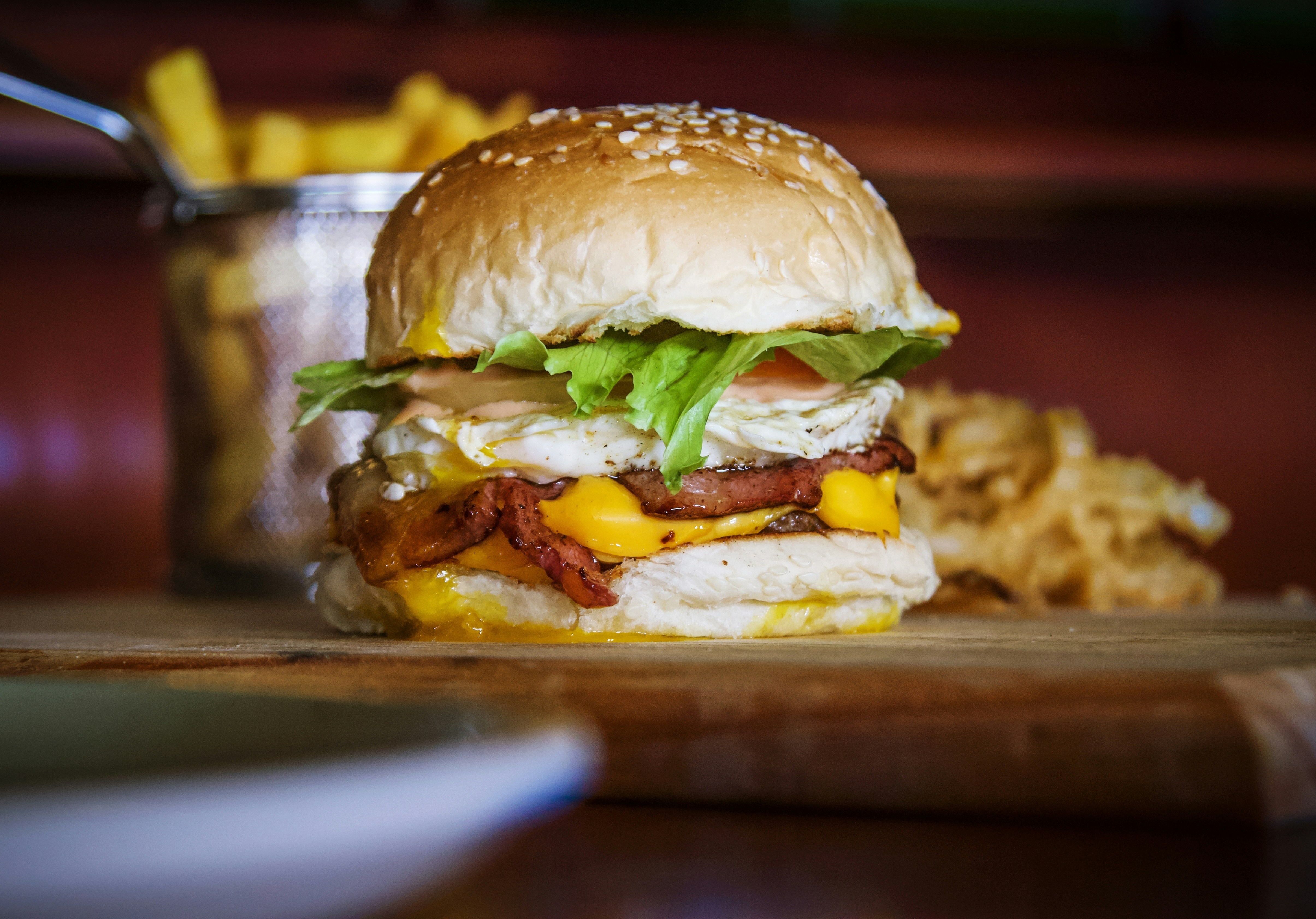
Photo by Stu Moffat on Unsplash
Beatrice Nguyen explores how leadership blends speed, loyalty, and standardized operations to grow Shake Shack while preserving its signature experience.
Apr 28, 2026
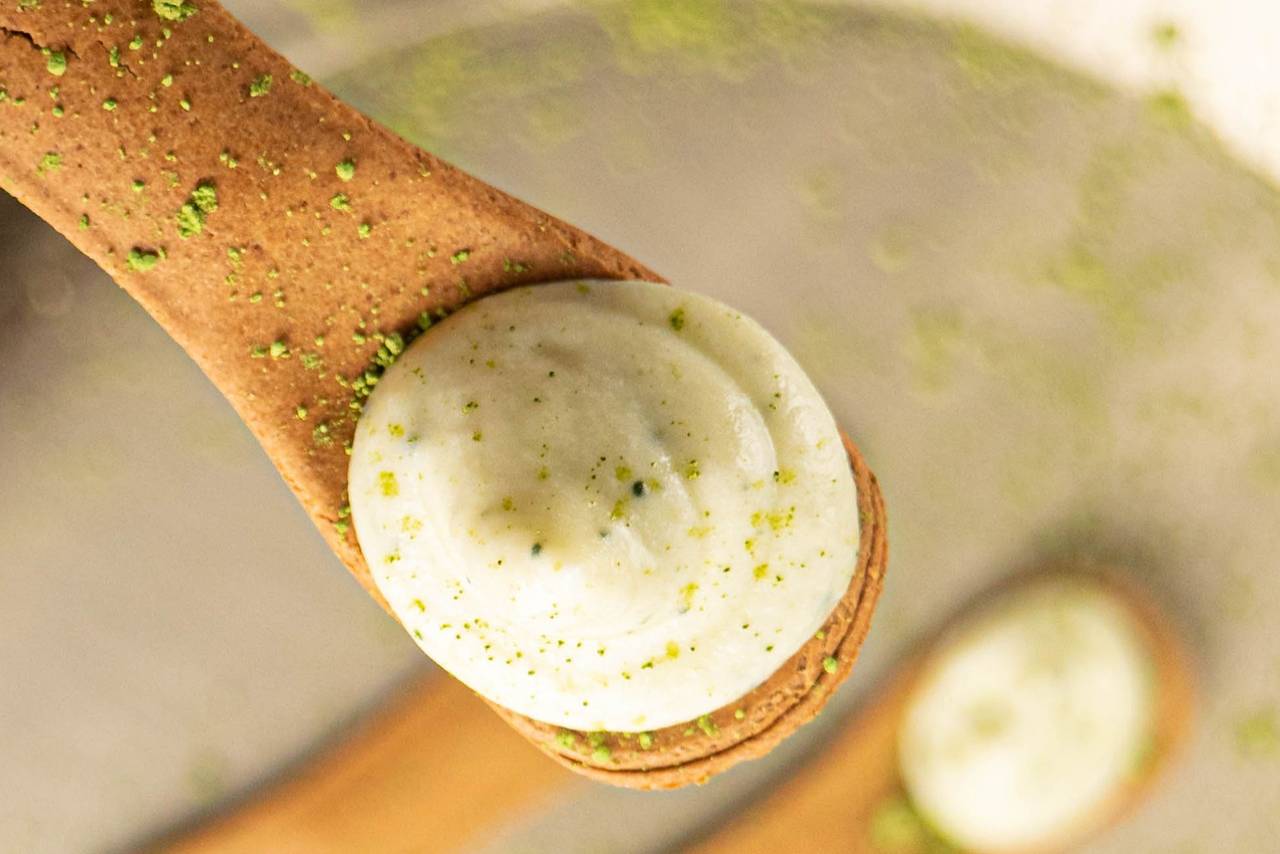
With edible cutlery, you can cut food safety risks and save costs at the same time. What's more, these spoons and plates are not just environmentally friendly, they're delicious and nutritious too!

Imagine reducing your pile of dirty dishes to zero. Imagine never having to clean your tables of crusty plates and soggy spoons after customers finish their meals. Imagine watching a customer wolf down your roast beef and the dish on which it was served. As it happens, scenes like these are already unfolding at dozens of restaurants around the world. Edible cutlery and crockery is no longer a wild, futuristic idea. Spoons and plates you can eat are slowly, but surely, nudging expensive china- and metalware off the table.
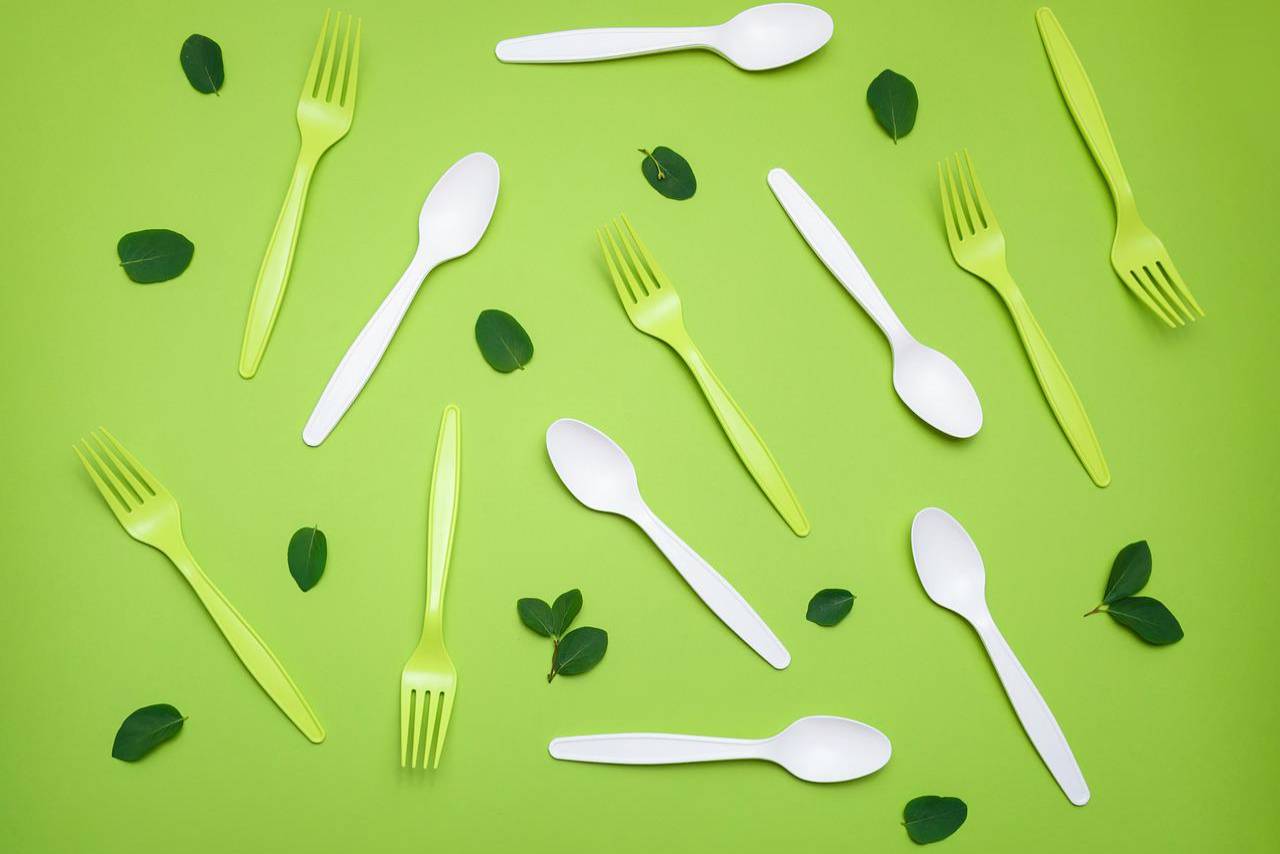
Edible cutlery comprises a range of utensils you can eat. Easily compostable, they are typically made with different types of flour, gelatine/starch, spices, water and occasionally chocolate or flavoring agents. These spoons and bowls are 100% safe to consume.
Small experiments around edible cutlery have been going on for years. But the idea finally caught on in the late 2000s, when an Indian groundwater researcher, Narayan Peesapatty, saw the amount of plastic waste produced daily and wanted to do something about it. After years of research, he created a model for utensils made from millet, rice, and wheat flour. After receiving an overwhelming response to his invention, he started a company called Bakeys to sell his environment-friendly edible cutlery. Peesapatty's idea found a global audience in the mid-2010s after a news report about his environmentally-friendly products went viral. Since then, a flurry of new start-ups has made it their mission to develop edible utensils, turning what was a fringe idea into a mainstream trend.
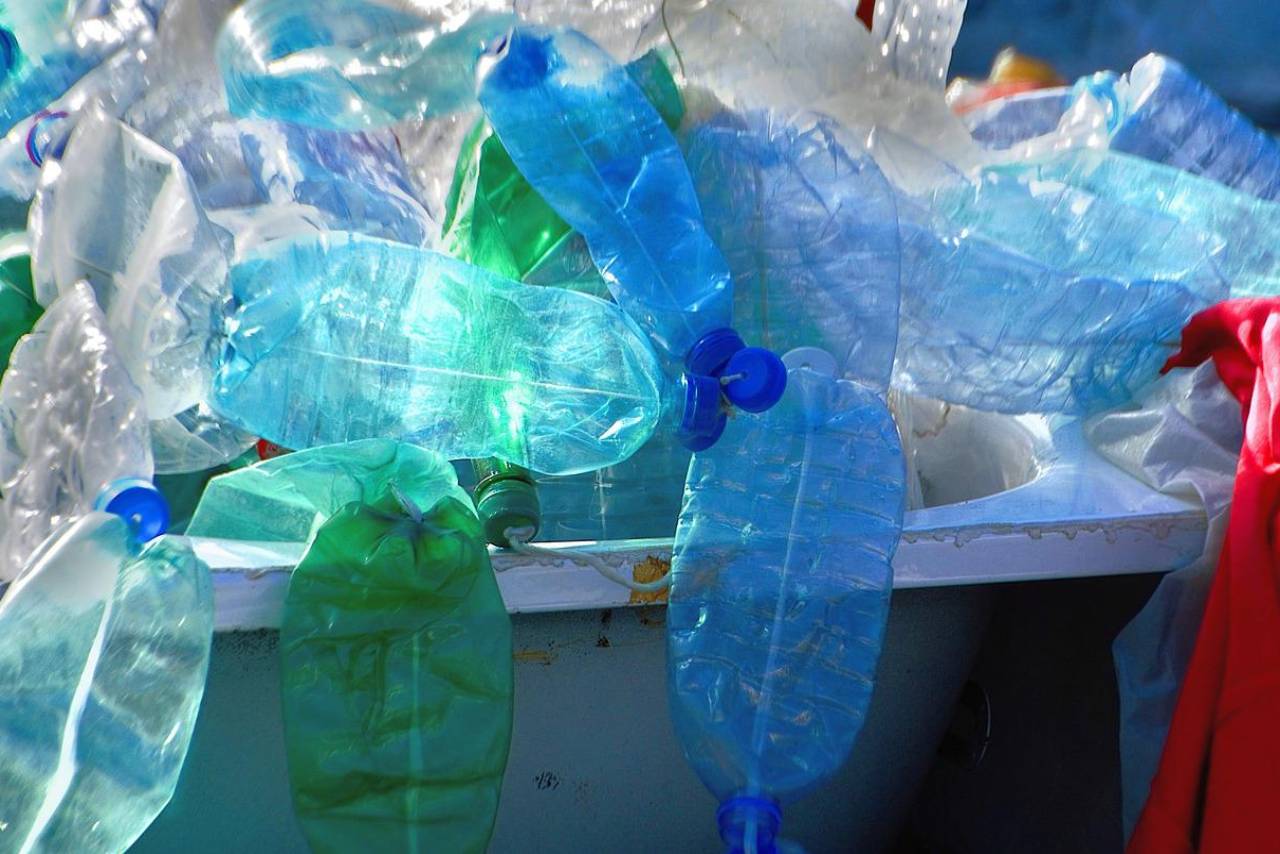
A study conducted by US scientists in 2017, published in the journal Science Advances, found that 8.3 billion metric tonnes of plastic have been produced on earth thus far. Of that, 6.3 billion metric tons have become waste. It means that only 9% of the plastic has been recycled. It's a huge number, considering that the production of plastic only began seven decades ago. According to the non-profit organization Habits of Waste, around 40 billion disposable forks, knives, and spoons, made of plastic are thrown away annually, and that's only in the United States. Then, the Ocean Conservancy's website has a list of items that are "most deadly" to birds, sea turtles, and mammals. Among these items is plastic cutlery.
This is a monumental problem because it takes centuries for plastic to degrade. And as unfortunate as it is, the peer-reviewed research from Science Advances found that over 70% of this plastic is now classified as waste and has ended up in landfills or in our natural environment, like oceans and rivers. This isn't good news.
Eco-warriors are on their toes, trying to salvage the situation. The years of damage may not be solved at once, but it isn't impossible if the right resources and ideas are put into place. The good news is that innovative ideas are being constantly explored to find a way out of the mess created by Industrialization.
As more people become interested in sustainability, eco-companies are working to create eco-friendly products that generate less Food Waste. Some of these companies are working to reduce or eliminate the use of disposable plastic within the food industry -- which produces a considerable amount of plastic waste year on year.
One way they are doing this is by creating edible cups, spoons, plates, bowls, chopsticks, and straws. These items can be eaten after they are used, eliminating the need to recycle them. The change is happening slowly, but it can potentially have a big environmental impact.
In the second week of July 2022, to mark National Fries Day, the food processing company Heinz popular for its ketchup, launched spoon-shaped fries. Heinz has long been a company that has pushed the envelope when it comes to food innovation. With the release of its tomato blood costume kit for Halloween and its Dip & Crunch condiment for burgers, Heinz continues to break new ground with its Heinz Spoon Friez french fries series. Aware of the limitations of traditional fries to scoop up enough ketchup, the company found a solution in spoon-shaped fries.
KFC introduced its first edible coffee cup made of biscuit in the mid-2010s, followed by 'rice-bowlz' made of tortilla. The trend only picked up when British celebrity chef Heston Blumenthal served edible cutlery made with chocolate-dusted silver and salted butter caramel in edible cellophane.
As gimmicky as it may sound, the idea may only fuel the fire for more edible utensils that can be clubbed with a variety of dishes. And it has a purpose too in reducing single-use plastic spoons, plastic bottles, and other cutlery.
The coronavirus pandemic has led to an exponential surge in online food delivery services, which in turn has accelerated the consumption of single-use plastics. This is only expected to grow in the coming years.
Edible utensils are one solution to the problem, and they are gaining popularity. Most companies that manufacture such products believe that these are more environmentally friendly than biodegradable plastic utensils made from corn plastic, which need to be subjected to high heat in specialized composting facilities to break down. On the other hand, edible utensils -- made of food-grade material --even if dumped after use, decompose in a few days.
Purists, however, aren't convinced of its impact. Some are of the opinion that, at the end of the day, these edible utensils are single-serve too and use multiple resources to be produced. They could therefore harm the planet in the long run, with their massive resource- and energy consumption. They believe multi-use utensils are more environment friendly as they require few resources.
Doubts about its long-term effects haven't however stopped people from experimenting with edible cutlery. Edibles by Jack, Sorbos, Cupfee, IncredibleEats, and TwentyFiftyFork are only a few companies trying to create interesting edible utensils to limit our collective carbon footprint.
Many restaurants worldwide have already adopted the new movement -- some are doing it to reduce plastic waste, some to ride the sustainable bandwagon, and some simply want to latch on to emerging Restaurant Trends. After all, edible knives and forks work marvelously as a marketing hook. Whatever the reason, edible cutlery is making the world sit up and take notice. Here are four food and beverage industry players with edible cutlery integrated into their business-
The global edible cutlery market is growing rapidly, largely due to the rising demand for healthy eating options. Plastic bowls and spoons are not healthy, so people are looking for alternatives. Additionally, the availability of various grains, including rice and millet, is increasingly driving market growth.
People are also becoming more aware of the pollution caused by plastics. This awareness is causing manufacturers to develop eco friendly products. In addition, non-profit organizations and business affiliates have launched various programs to reduce plastic consumption for a better environmental impact. Many Small Businesses are also looking at this trend as a way to expand their product line.
The global edible cutlery market has experienced significant growth in recent years. In 2018, the market size was valued at USD 22.6 million. It was valued at USD 29.40 million in 2021 and is expected to reach USD 59.10 million by 2029, registering a CAGR of 9.12% during the forecast period of 2022-2029. Data Bridge Market Research has curated this report to provide an overview of the current market landscape and future growth prospects of these innovative dining implements.