
Photo by Unseen Histories on Unsplash
Franchise Frenzy: Cross-Border Growth
A look at how U.S. brands expand through multi-unit deals, cross-border partnerships, and seasoned operators in 2026.
franchising
Apr 29, 2026
Photo by Unseen Histories on Unsplash
A look at how U.S. brands expand through multi-unit deals, cross-border partnerships, and seasoned operators in 2026.
Apr 29, 2026

Photo by Erik Mclean on Unsplash
McDonald’s unveils six beverages across 14,000 restaurants on May 6, expanding McCafé with Refresher and crafted sodas and a new store-level beverage specialist role.
Apr 29, 2026
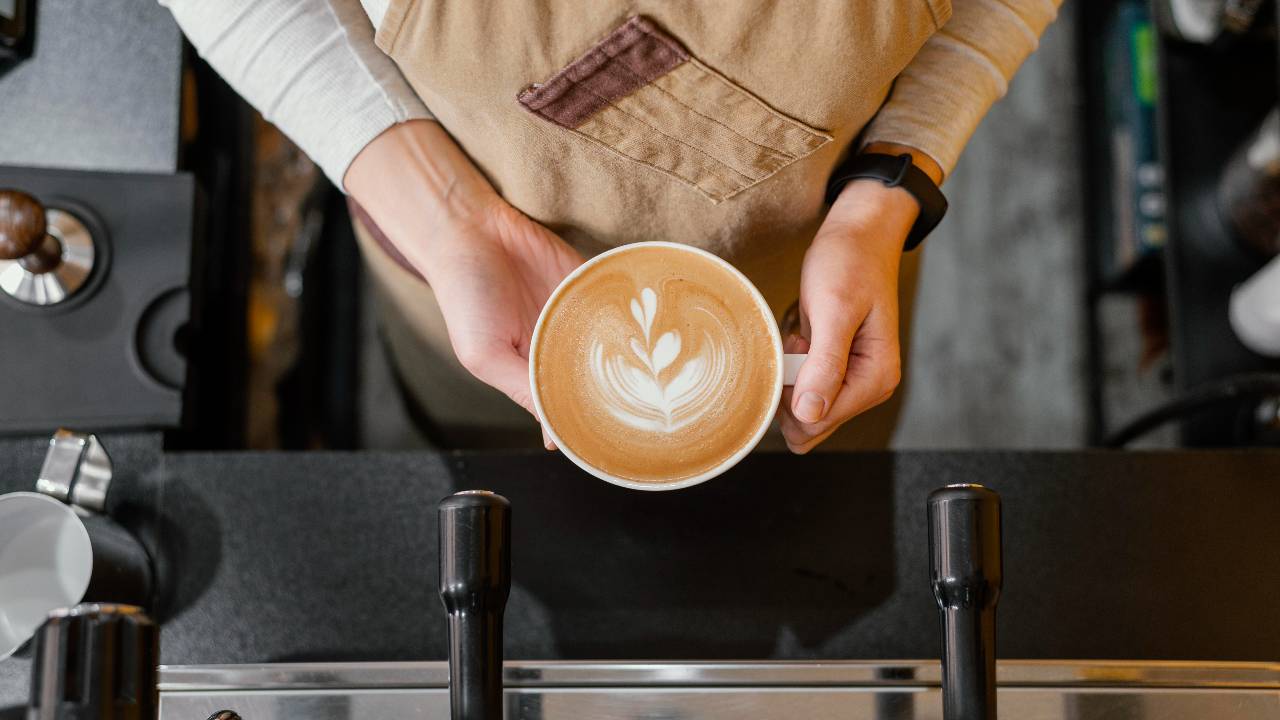
Learn how to write a coffee shop business plan that covers concept, location, menu, finances, branding, marketing, and risk planning.
Apr 27, 2026

Explore marketing strategies for food businesses using reviews, professional photos, SEO, social media, partnerships, events, and catering.
Apr 28, 2026
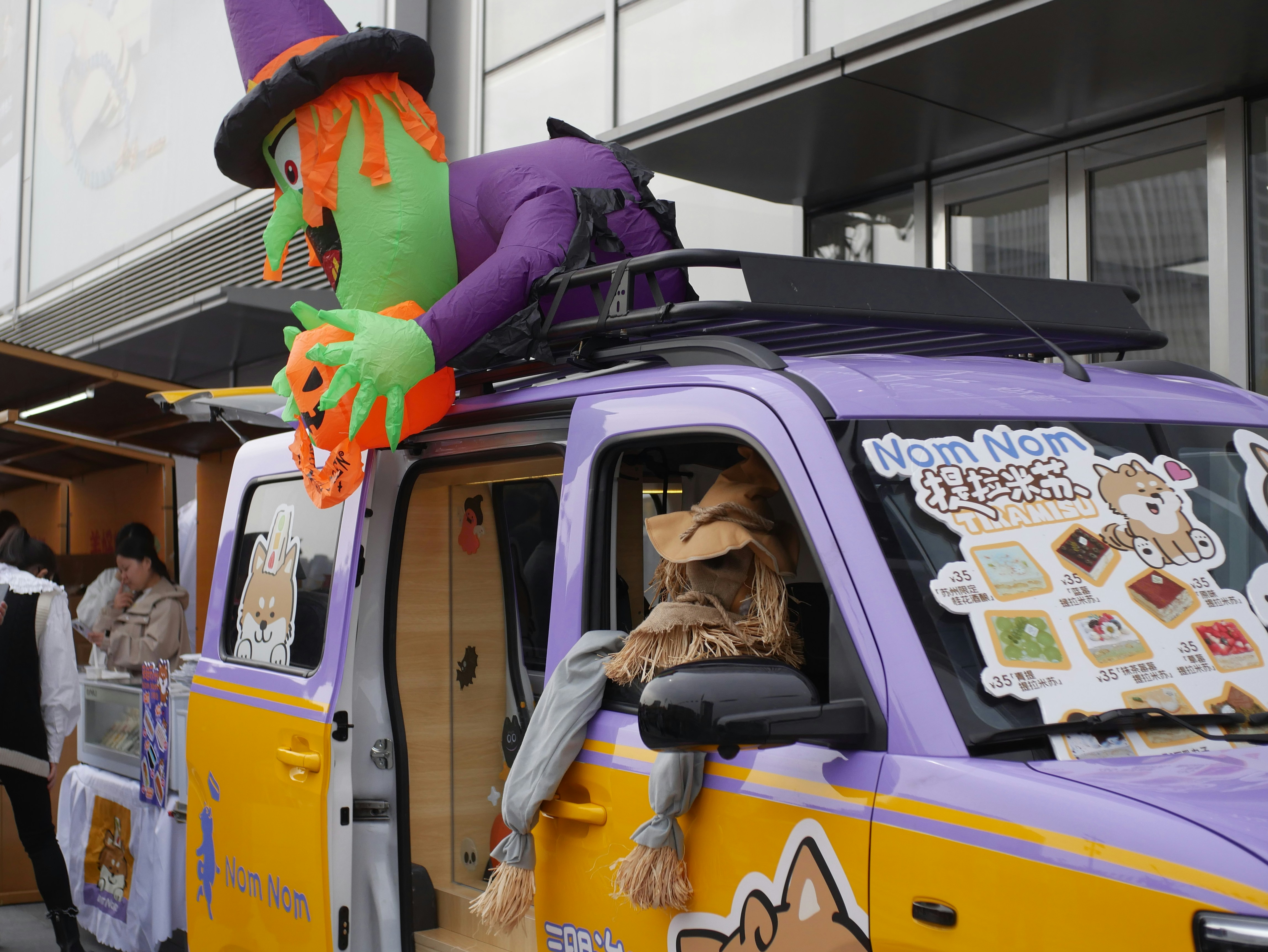
Photo by shen wenjie on Unsplash
Holiday-driven menu drops fuse nostalgia with wellness, turning menus into living calendars for fast-casual brands.
Apr 28, 2026
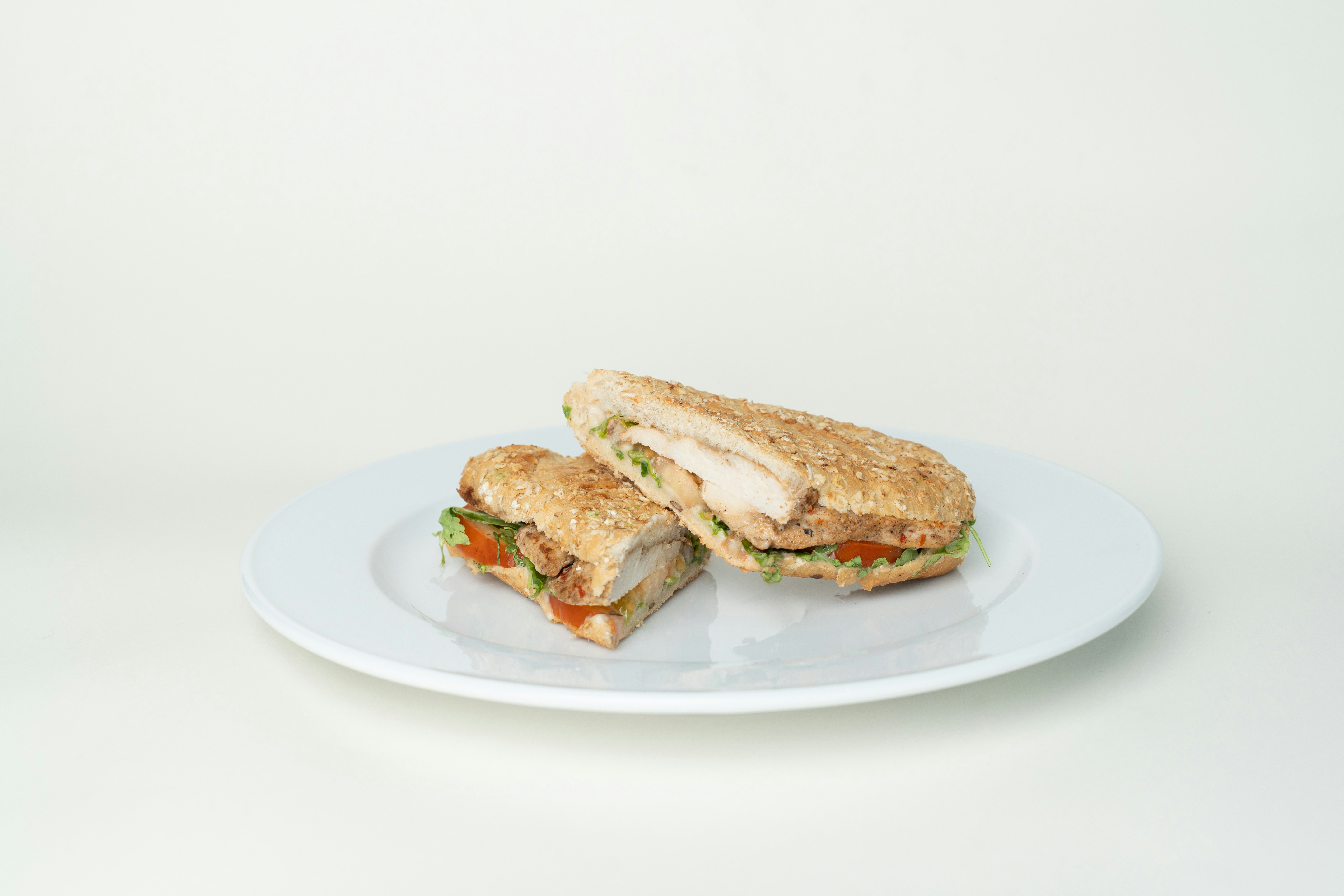
Photo by Abdul Raheem Kannath on Unsplash
Susannah Frost named Chick-fil-A President, joining Cliff Robinson as COO to guide domestic expansion and international growth.
Apr 28, 2026
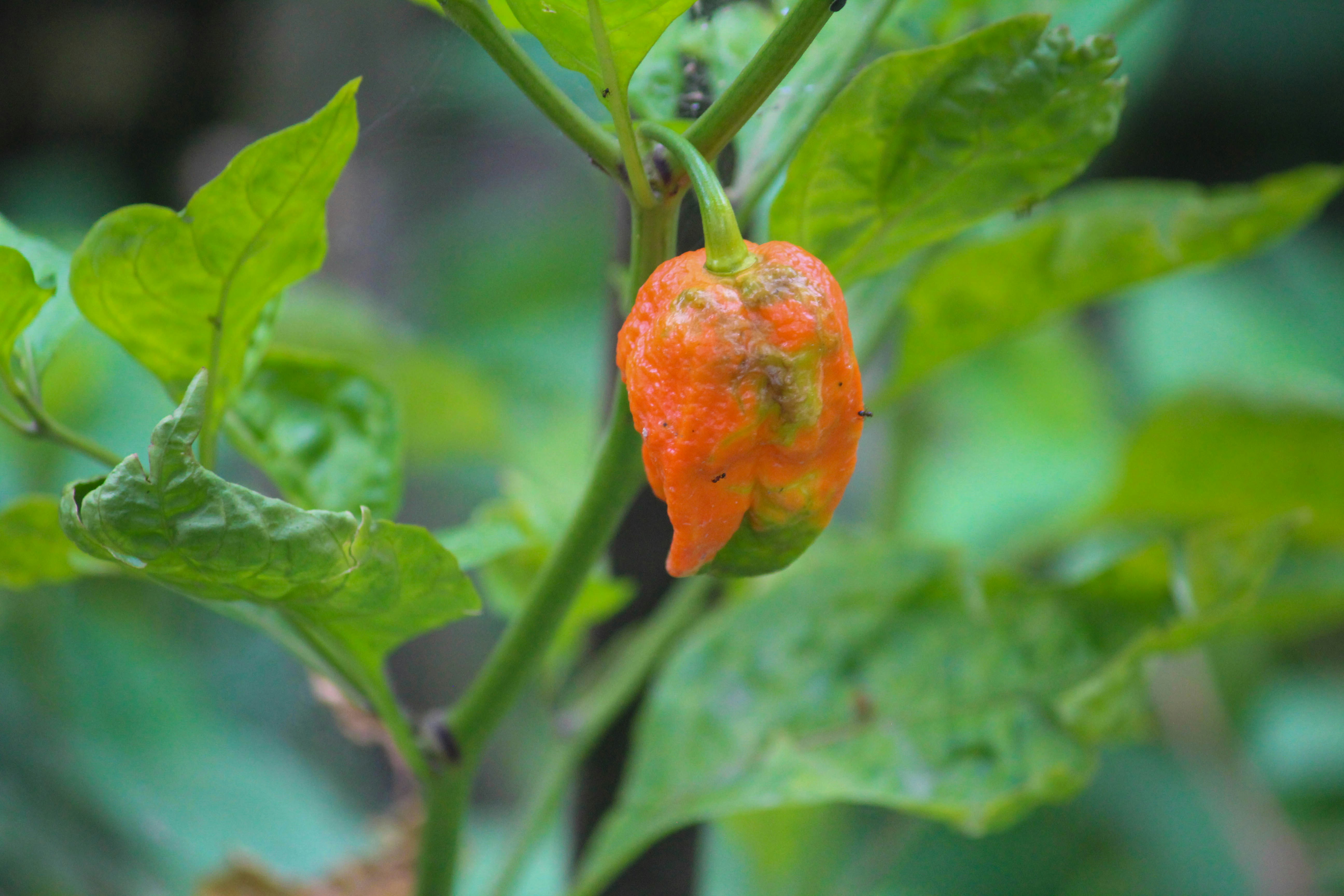
Photo by Moon Bhuyan on Unsplash
Ghost pepper-led promotions redefine autumn menus as chains blend heat, storytelling, and seasonal collaborations to drive foot traffic.
Apr 28, 2026

Photo by Noah Martinez on Unsplash
CAVA rolls out Garlic Ranch Pita Chips with a Steak + Harissa Bowl and a refreshed Rewards program, tying flavor innovation to personalized guest experiences.
Apr 28, 2026

Photo by Kate Trysh on Unsplash
Applebee’s launches Pick 6 Mondays, offering free wings with a $10 purchase when a Pick 6 occurs on Sundays, driving game-day momentum across dine-in and To Go.
Apr 28, 2026
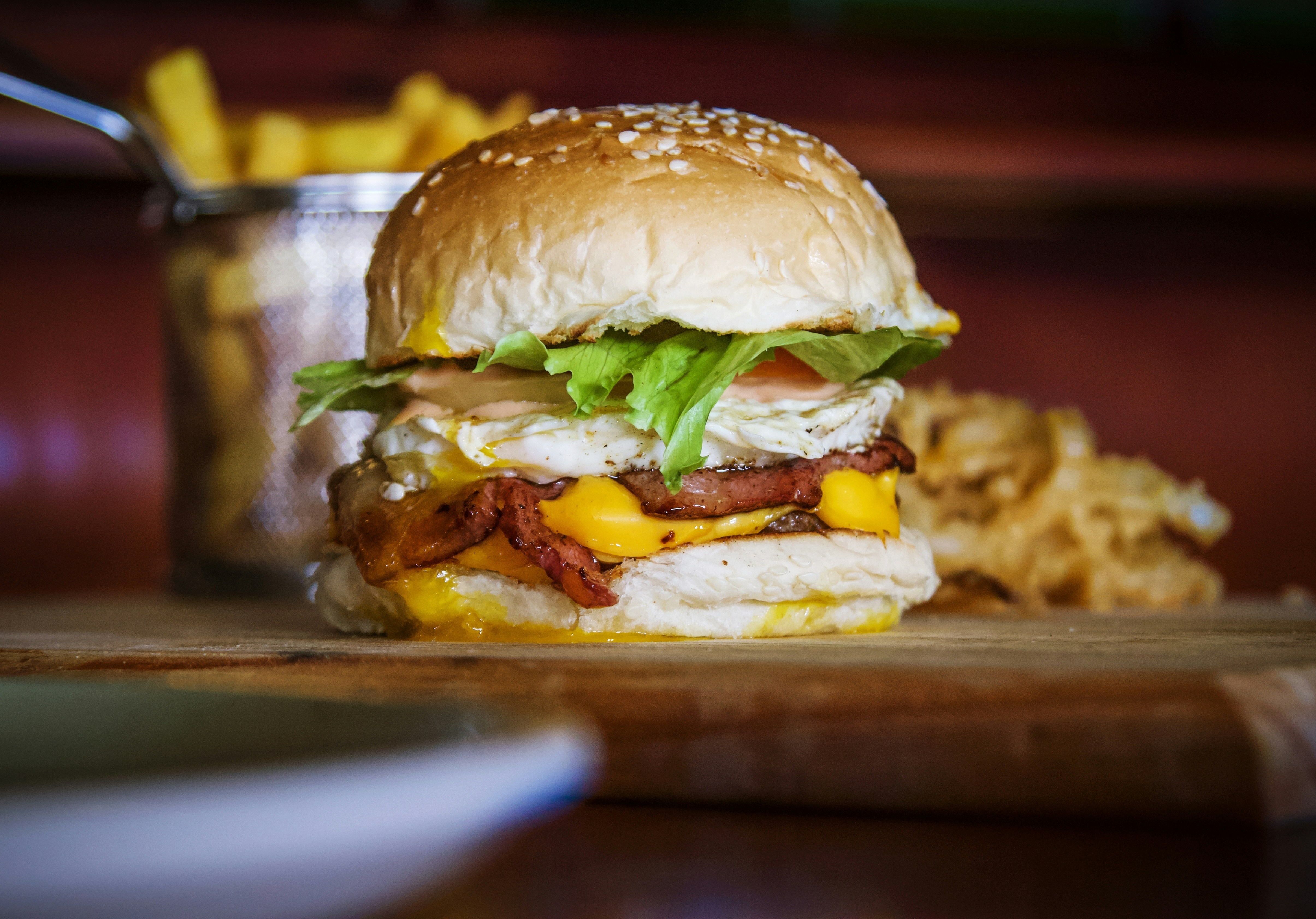
Photo by Stu Moffat on Unsplash
Beatrice Nguyen explores how leadership blends speed, loyalty, and standardized operations to grow Shake Shack while preserving its signature experience.
Apr 28, 2026
Restaurant operations include all front house and back house day to day activities.
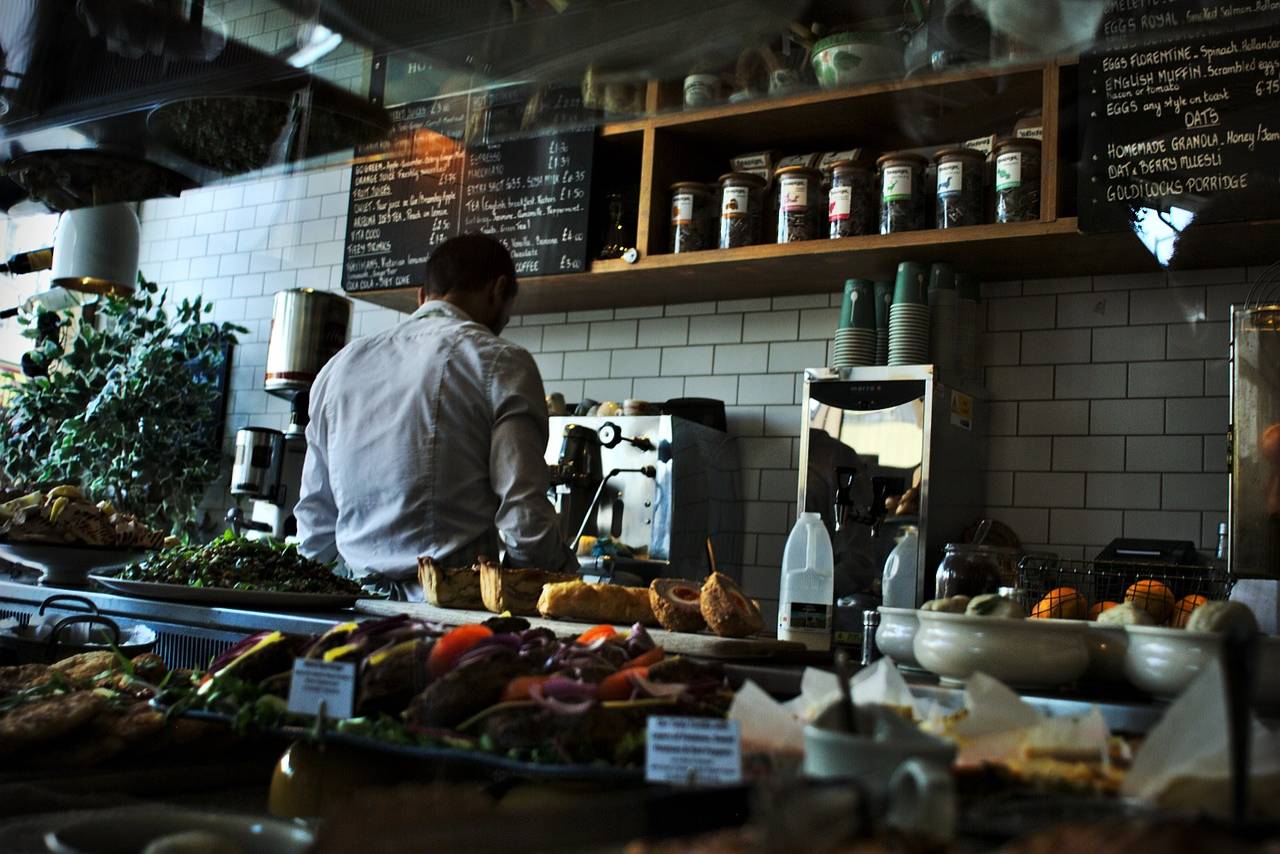
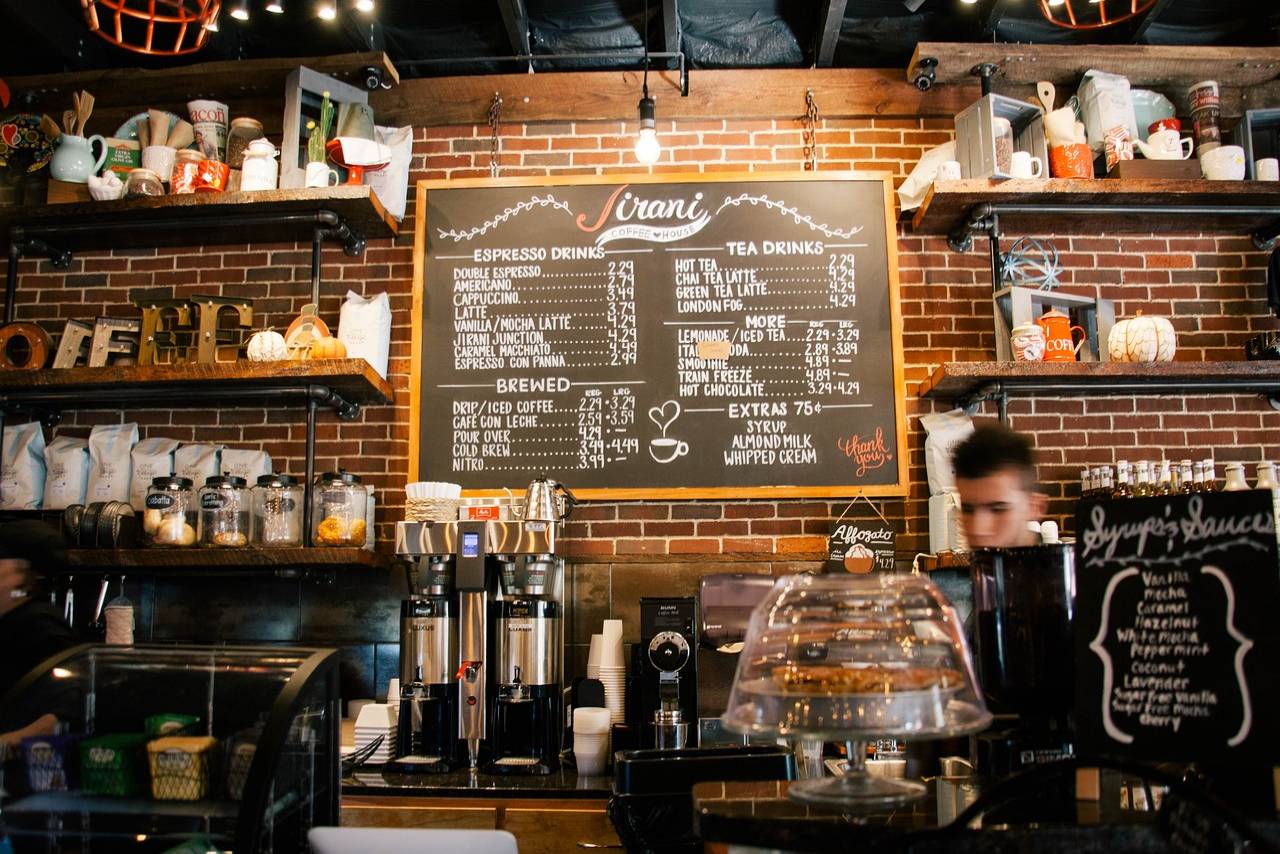
Restaurant operations include virtually every process and task necessary to successfully run a food service business. Whether you are a food truck owner or a restaurant management professional for a multi unit chain, restaurant operations allow you to perform your daily tasks most effectively.
Restaurant operations include both front house and back house daily operations. Common restaurant operations include-
1. Inventory- Purchasing food products and keeping food costs ideal is a part of a restaurant's daily operations. Restaurant management of inventory is crucial to avoid overstocking or understocking food products.
Overstocking can result in massive food waste and a high food cost incurred by your business. Understocking can result in missing ingredients necessary for preparing specific menu items. Whether you are a new restaurant or part of long termoperations restaurantinventory management is foundational to success.
2. Service- Customer service is a crucial part of restaurant operations for any prosperous food service business. Day to day operations should keep the customer at the forefront. This includes carefully implemented and maintained food safety protocol as well as a training manual that adequately prepares employees to interact with customers.
Focus on creating a great customer experience, from a customer's first interaction with an employee until they leave your establishment. Innovative restaurant owners and restaurant management staff members also look for ways to exceed customer service objectives even after the customer has left the restaurant.
Social media and increased restaurant technology must also be considered in your restaurant service objectives and operations. Ask customers for feedback about food service and for specific critiques like the appropriateness of the food cost for a menu item.
3. Safety- Food safety should always be the top priority for restaurant owners and any other food service professionals. Food should be prepared, handled, and cooked in accordance with food safety guidelines.
Both your front house and the back house should be cleaned regularly and properly. Customers are much less likely to want to eat at an establishment that does not appear hygienic and aesthetically inviting.
Food safety should be sufficiently covered in each employee training manual and food safety should be considered in all daily operations for your restaurant. Incorporating food safety in your day to day operations will keep restaurant operations running smoothly and avoid costly lawsuits or damage to your business's reputation.
4. Preparation- Your sole source of revenue in the restaurant business is the menu items you serve to your customers. Restaurant owners and restaurant industry staff members should take great pride in serving customers the highest quality and safest food products possible.
Proper food preparation also helps back house daily operations run smoothly. Chefs may choose to do some preparation in advance, such as chopping vegetables, so that they can prepare a finished dish in less time.
Remember that even with the best food preparation techniques in place, there will always be special accommodations necessary to fulfill. These include making changes to menu items based on allergies or customer preferences.
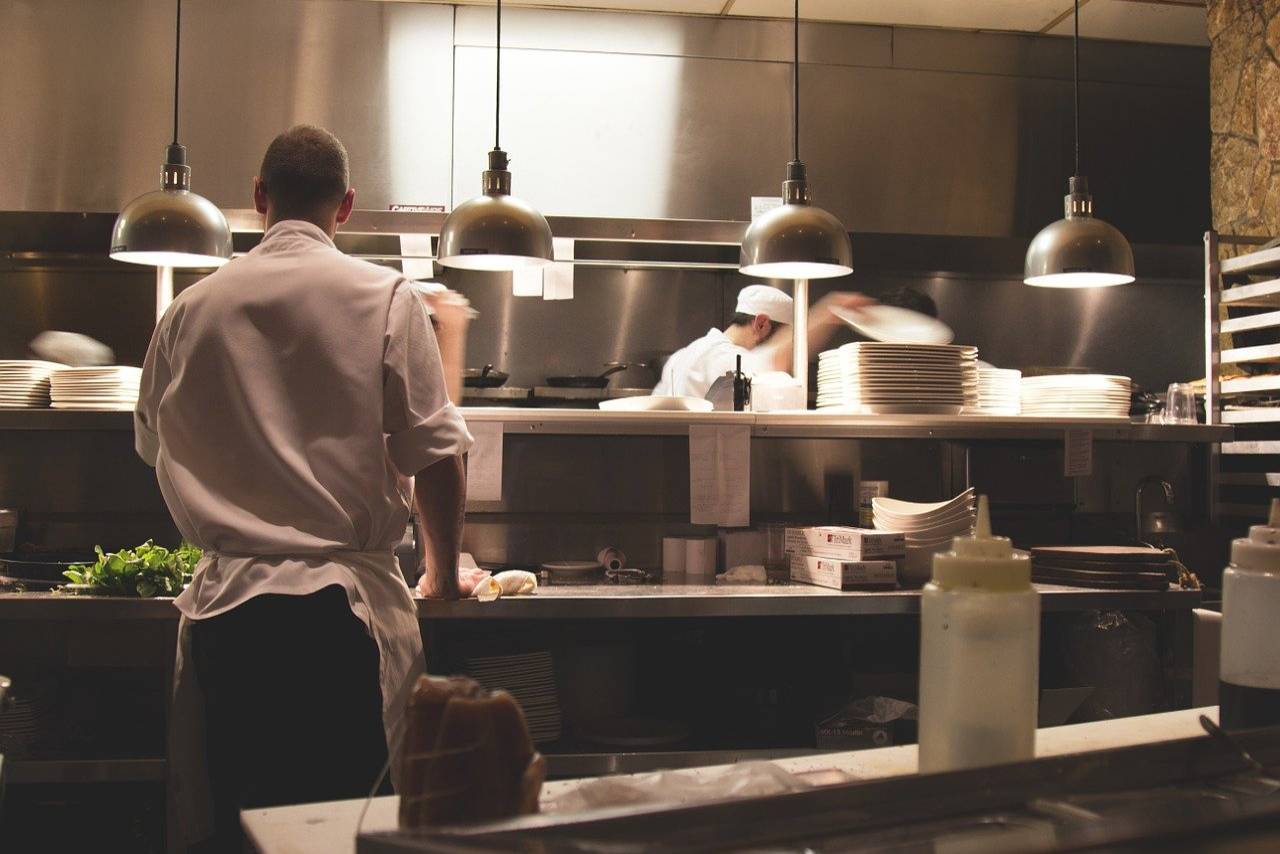
Forming effective restaurant operations requires careful planning and implementation. As with any process, day to day operations will likely change over time based on your restaurant's needs.
If there is a problem area in existing business operations make sure to address it before moving on to optimizing other operations. The great news is that as you improve restaurant operations individually, you will likely see improvements in daily operations collectively. Various tips for developing and idealizing restaurant operations include-
1. Training manual creation- Restaurant owners and restaurant management staff members that rely on casual and informal training may be noticing issues in their restaurant. When even one employee is not effectively trained, your entire team can suffer as a result.
To avoid inadequate training, provide a training manual individual for each employee role. Make sure that new hires are not only familiar with the training manual but consider implementing a test to see how well they understand the material.
To improve future training and onboarding, ask your new hires for feedback on the training manual material and about their employee experience at your restaurant.
2. Security improvements- Food safety and food service can be improved with security measures. Installing security cameras at your restaurant will encourage staff members to be on their best behavior.
If there is ever a food safety issue, your footage can help determine where the food safety error occurred. Additionally, a security system will deter any employee theft and the likelihood of your restaurant being broken into.
3. Restaurant technology optimization- As restaurant technology constantly increases your business can benefit from investing in software and programs. Restaurant owners should research and try various front house and back house restaurant management software in order to find the best fit for their restaurant needs.
A food cost calculator is a great example of restaurant technology that can be used to optimize business operations on a daily basis. Understanding food cost helps with inventory management, menu planning, and many other restaurant operations for both front house and back house staff members.