
Photo by Unseen Histories on Unsplash
Franchise Frenzy: Cross-Border Growth
A look at how U.S. brands expand through multi-unit deals, cross-border partnerships, and seasoned operators in 2026.
franchising
Apr 29, 2026
Photo by Unseen Histories on Unsplash
A look at how U.S. brands expand through multi-unit deals, cross-border partnerships, and seasoned operators in 2026.
Apr 29, 2026

Photo by Erik Mclean on Unsplash
McDonald’s unveils six beverages across 14,000 restaurants on May 6, expanding McCafé with Refresher and crafted sodas and a new store-level beverage specialist role.
Apr 29, 2026
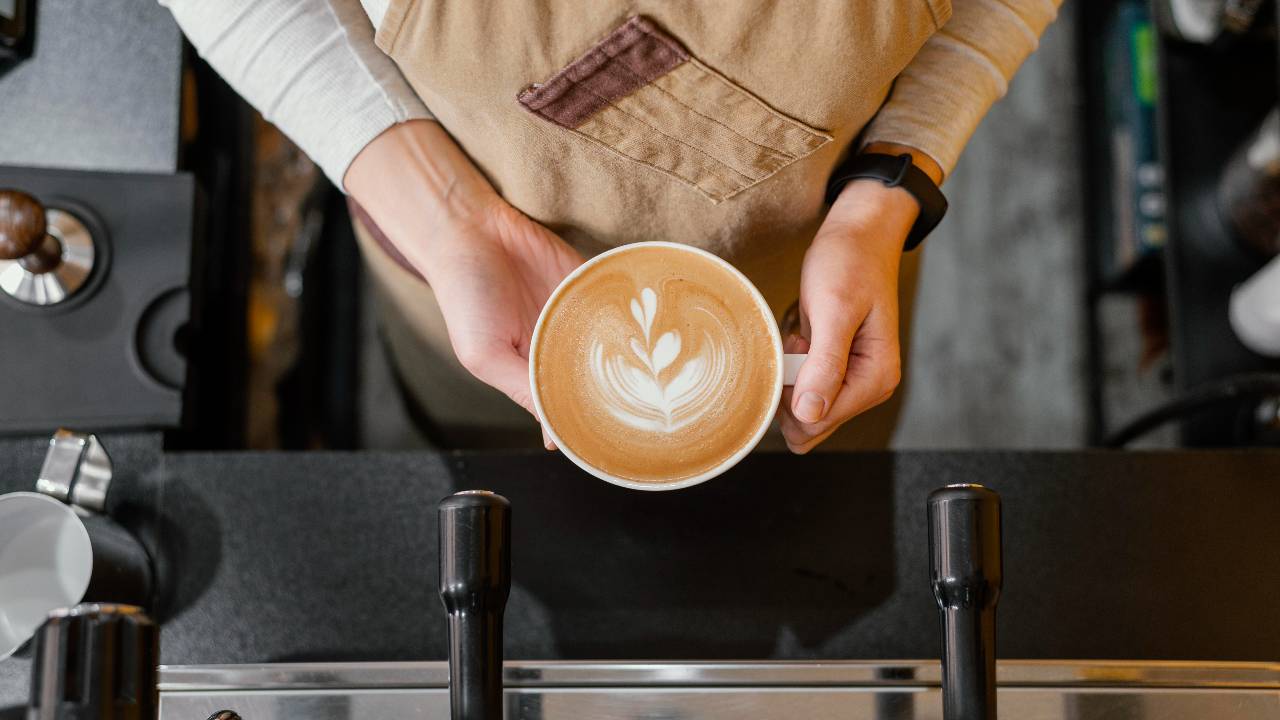
Learn how to write a coffee shop business plan that covers concept, location, menu, finances, branding, marketing, and risk planning.
Apr 27, 2026

Explore marketing strategies for food businesses using reviews, professional photos, SEO, social media, partnerships, events, and catering.
Apr 28, 2026

Photo by shen wenjie on Unsplash
Holiday-driven menu drops fuse nostalgia with wellness, turning menus into living calendars for fast-casual brands.
Apr 28, 2026
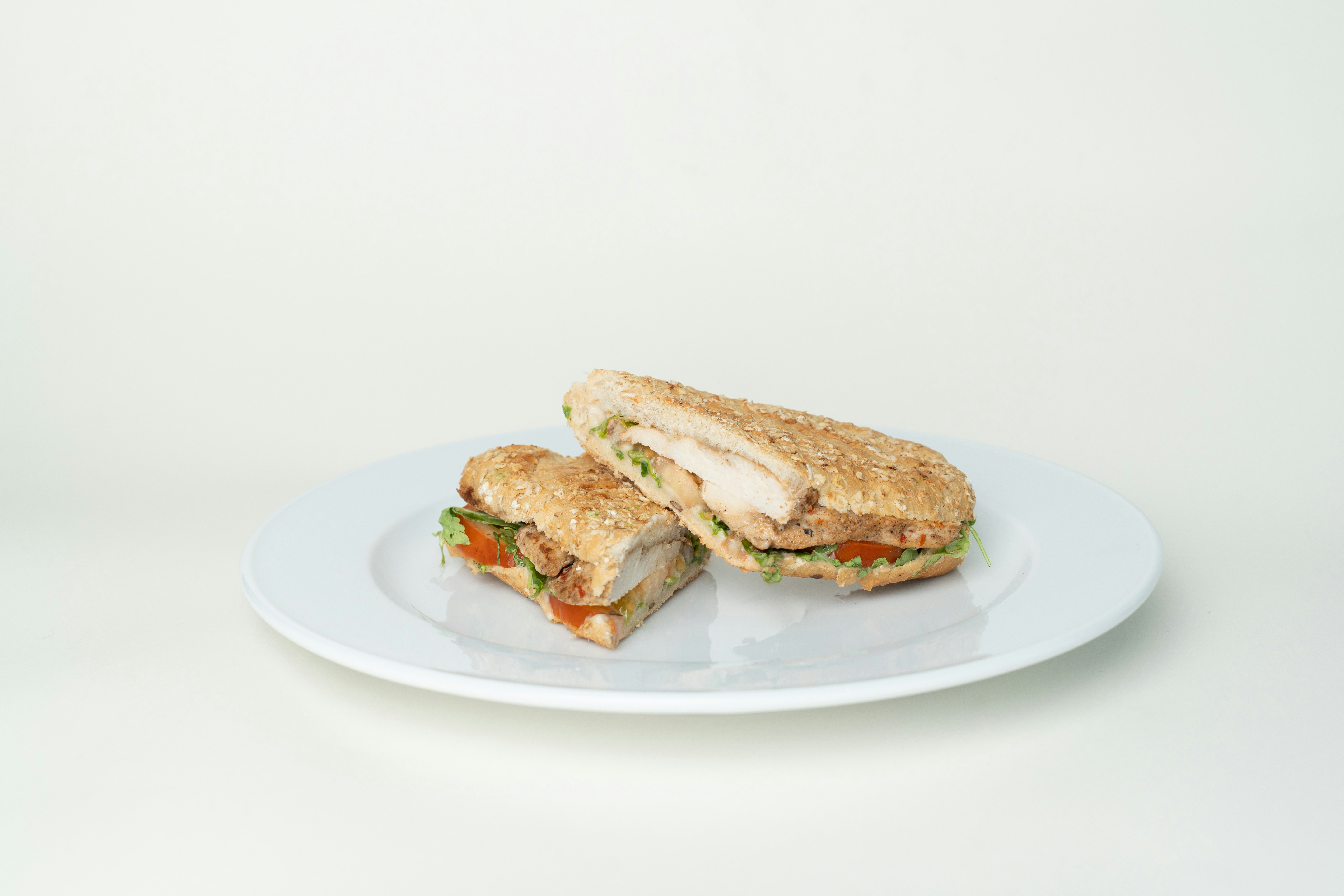
Photo by Abdul Raheem Kannath on Unsplash
Susannah Frost named Chick-fil-A President, joining Cliff Robinson as COO to guide domestic expansion and international growth.
Apr 28, 2026

Photo by Moon Bhuyan on Unsplash
Ghost pepper-led promotions redefine autumn menus as chains blend heat, storytelling, and seasonal collaborations to drive foot traffic.
Apr 28, 2026

Photo by Noah Martinez on Unsplash
CAVA rolls out Garlic Ranch Pita Chips with a Steak + Harissa Bowl and a refreshed Rewards program, tying flavor innovation to personalized guest experiences.
Apr 28, 2026

Photo by Kate Trysh on Unsplash
Applebee’s launches Pick 6 Mondays, offering free wings with a $10 purchase when a Pick 6 occurs on Sundays, driving game-day momentum across dine-in and To Go.
Apr 28, 2026
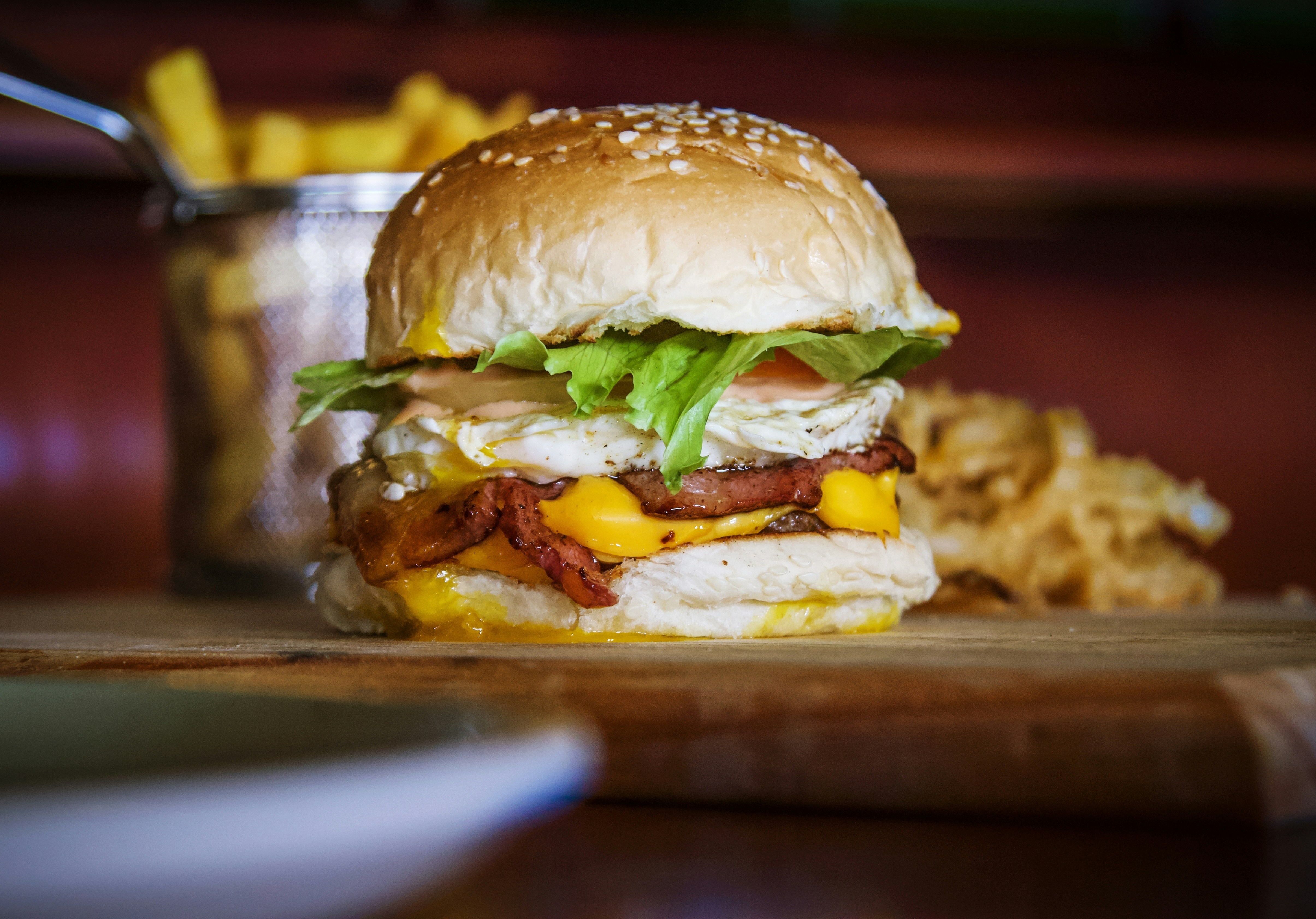
Photo by Stu Moffat on Unsplash
Beatrice Nguyen explores how leadership blends speed, loyalty, and standardized operations to grow Shake Shack while preserving its signature experience.
Apr 28, 2026
Restaurant forecasting software collects data from historical and real-time transactions to detect future sales patterns and predict potential outcomes.
Every restaurant experiences slow and busy seasons, making it challenging to maintain steady profits. Without a sales forecast, establishments can accidentally overstock ingredients and over-schedule staff, resulting in excessive storage, labor, and food costs.
With restaurant sales forecasting software, businesses can automatically generate projections to anticipate emerging customer demand and market trends.

Analyzing sales data is essential for making educated decisions. By referencing historical sales patterns, establishments can develop sales forecasts to optimize staffing and restaurant inventory management.
An accurate sales forecast enables businesses in the restaurant industry to define various elements.
Since sales forecasts are based on historical trends from different timeframes, restaurants can use this information to determine how much inventory to keep on hand daily, weekly, or even monthly. When restaurants overstock raw materials, it runs the risk of expiring, wasting valuable capital. On the other hand, understocking restaurant inventory could result in shortages and lost sales.
Sales forecasts will disclose which days of the week generally draw more business so restaurants can increase stock in small increments. For example, if a diner finds they sell more shakes on Friday nights, they can increase inventory orders enough to match the expected surge.

Once a restaurant has established itself and collected years of data, it can determine its slow and busy seasons. This information enables establishments to anticipate fluctuating demand from holidays, events, seasons, and weather conditions.

When sales increase, the restaurant business must adjust employee scheduling to adapt to the fluctuating demand. If a restaurant is overstaffed on a slow day, they can lose profits due to excessive labor wages. On the other hand, if they are understaffed on a busy day, restaurants may elongate wait times and lose potential sales.
By referencing sales forecasts, management can optimize staffing to avoid unnecessary labor costs and enhance the customer experience.

Restaurants need to have a clear understanding of how much income they must generate to fulfill financial obligations and sustain profits. Otherwise, establishments may experience fluctuating revenue, making it difficult to attract investors and plan expansion projects.
With a sales forecast, restaurants can pinpoint their profit expectations, allowing management to make data-based decisions on pricing strategies. It also enables the finance department to create budgets for different projects and expansion efforts.

Depending on a restaurant's capabilities, managers can create forecasts manually or with the help of back office restaurant management software, such as point-of-sale (POS) and demand forecasting software. By integrating forecasting and restaurant POS systems, the software solution can automatically update forecasts with every transaction and customer interaction.
Regardless of a business's preferred method, management can create a sales forecast to optimize restaurant operations.

To start, restaurants need to determine their daily capacity by recording their typical business day.
For example, a restaurant has 10 tables that each seats five. On a busy day, the restaurant completely fills all tables three times each. This means that the restaurant serves 150 customers per day-
5 diners per table x 10 tables x 3 turns = 150 customers per day
Once the capacity has been calculated, managers must determine the average ticket price. If the average customer order is $15, then their sales forecast would be $2,250-
150 customers per day x $15 order value = $2,250
This same procedure should be performed for slow and average days to determine how much revenue is generated at half and quarter capacity. By referencing a restaurant's minimum and maximum daily income, owners can establish best and worst-case scenarios and weekly targets.

By integrating cloud based POS data with forecasting software, restaurants can generate the most accurate sales projections. With every transaction, financial report, payroll release, and manual input, the integrated forecasting management system can compare POS metrics to detect trends and pinpoint variables. By eliminating manual calculations, restaurants can prevent human error, improving reporting accuracy and timeliness.
Forecasting solutions continually update their algorithms with real-time data to improve its data-driven reporting. Some even provide further insights into revenue generated by each menu item per hour, day, or week. This enables management to forecast sales for specific times of the year without manual intervention.
By determining the day of the week and year each dish reaches peak sales, restaurants can optimize their marketing schemes, pricing strategies, inventory control, and staffing to generate more income.
With an integrated forecasting system, restaurant owners can also anticipate demand fluctuations resulting from external causes, such as events or inclement weather. Modern forecasting solutions can take local weather predictions into consideration to adjust expected foot traffic levels.