
Photo by Unseen Histories on Unsplash
Franchise Frenzy: Cross-Border Growth
A look at how U.S. brands expand through multi-unit deals, cross-border partnerships, and seasoned operators in 2026.
franchising
Apr 29, 2026
Photo by Unseen Histories on Unsplash
A look at how U.S. brands expand through multi-unit deals, cross-border partnerships, and seasoned operators in 2026.
Apr 29, 2026

Photo by Erik Mclean on Unsplash
McDonald’s unveils six beverages across 14,000 restaurants on May 6, expanding McCafé with Refresher and crafted sodas and a new store-level beverage specialist role.
Apr 29, 2026
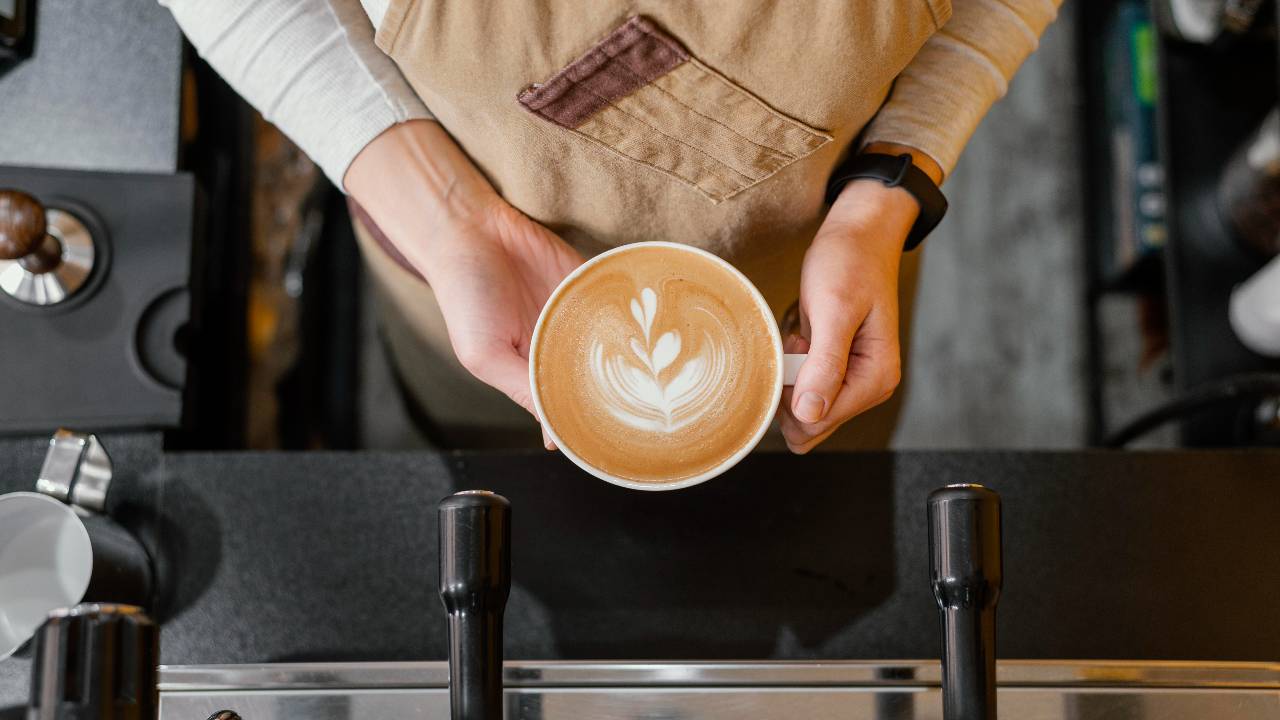
Learn how to write a coffee shop business plan that covers concept, location, menu, finances, branding, marketing, and risk planning.
Apr 27, 2026

Explore marketing strategies for food businesses using reviews, professional photos, SEO, social media, partnerships, events, and catering.
Apr 28, 2026

Photo by shen wenjie on Unsplash
Holiday-driven menu drops fuse nostalgia with wellness, turning menus into living calendars for fast-casual brands.
Apr 28, 2026
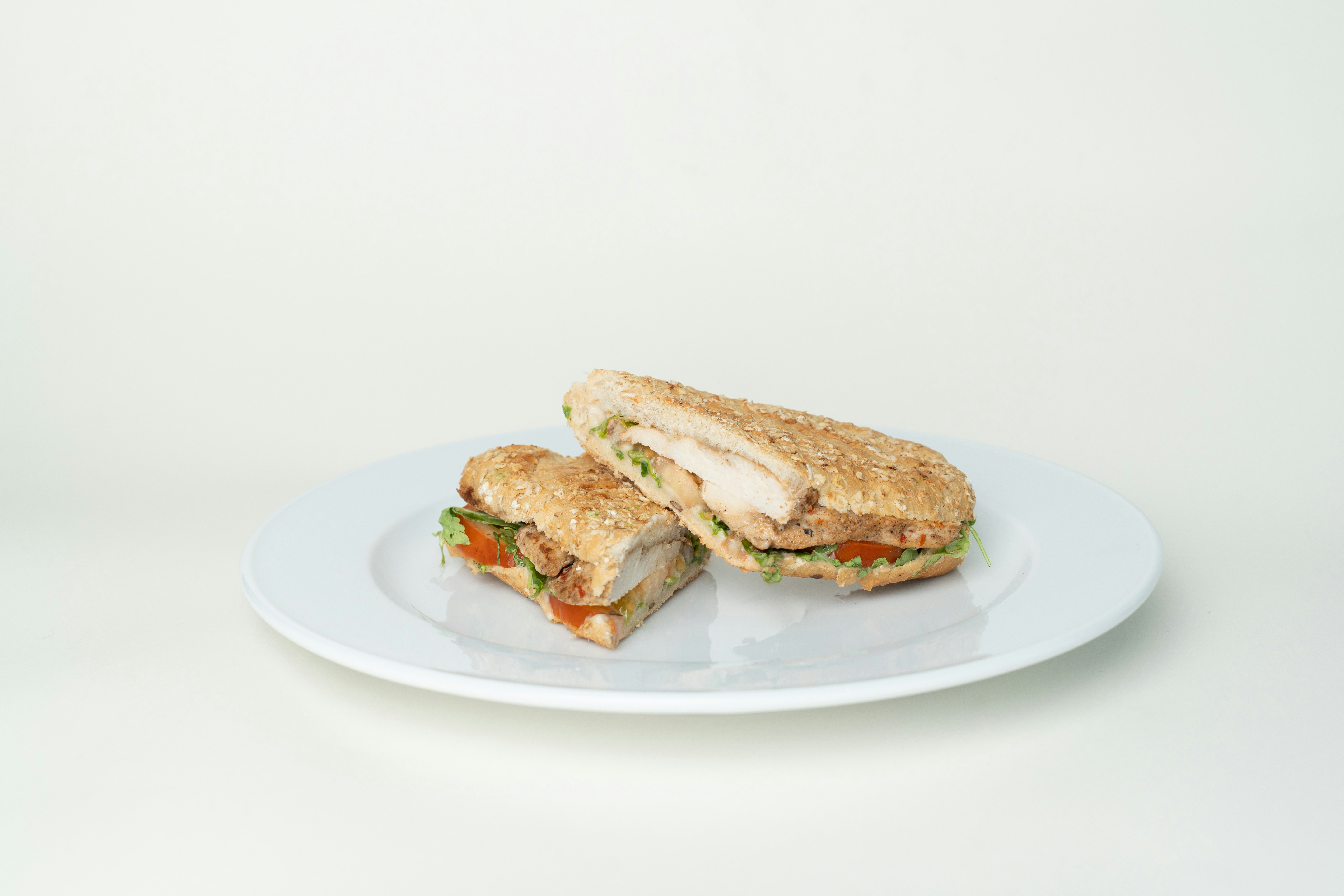
Photo by Abdul Raheem Kannath on Unsplash
Susannah Frost named Chick-fil-A President, joining Cliff Robinson as COO to guide domestic expansion and international growth.
Apr 28, 2026

Photo by Moon Bhuyan on Unsplash
Ghost pepper-led promotions redefine autumn menus as chains blend heat, storytelling, and seasonal collaborations to drive foot traffic.
Apr 28, 2026

Photo by Noah Martinez on Unsplash
CAVA rolls out Garlic Ranch Pita Chips with a Steak + Harissa Bowl and a refreshed Rewards program, tying flavor innovation to personalized guest experiences.
Apr 28, 2026

Photo by Kate Trysh on Unsplash
Applebee’s launches Pick 6 Mondays, offering free wings with a $10 purchase when a Pick 6 occurs on Sundays, driving game-day momentum across dine-in and To Go.
Apr 28, 2026
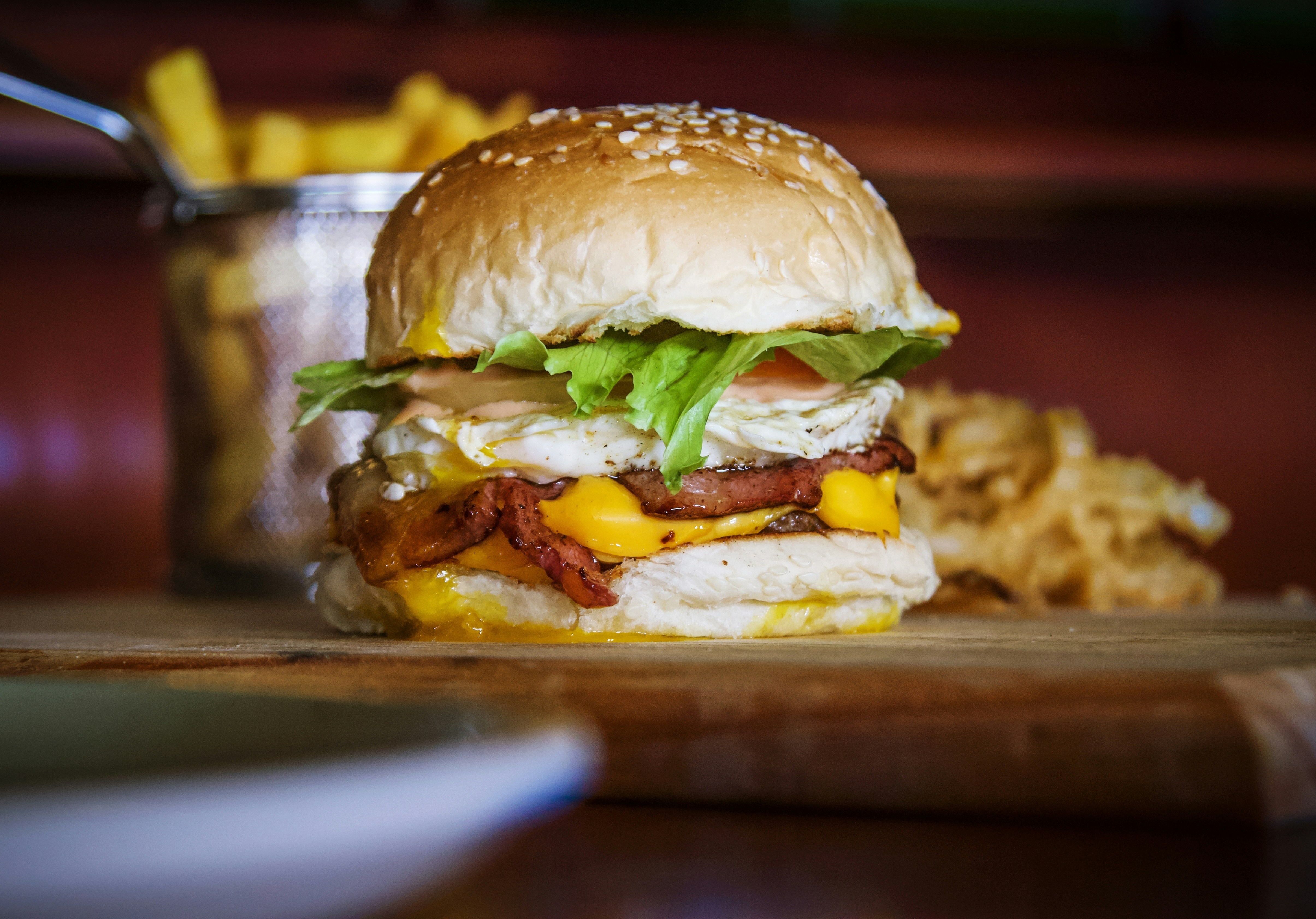
Photo by Stu Moffat on Unsplash
Beatrice Nguyen explores how leadership blends speed, loyalty, and standardized operations to grow Shake Shack while preserving its signature experience.
Apr 28, 2026
Implementing a plan to manage food waste will help the restaurant industry boost its profitability, save money, and streamline operations. Here are the best methods to reduce food waste.
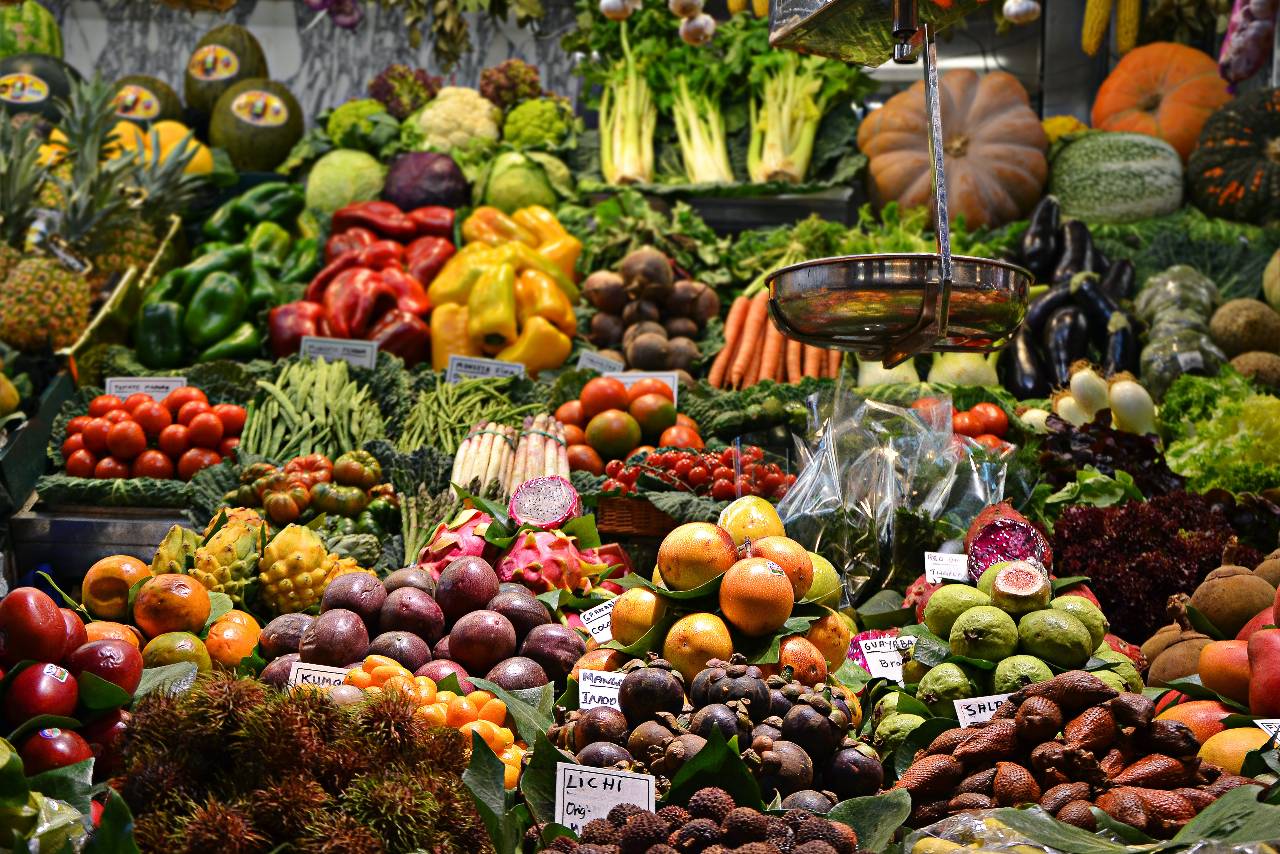
The amount of food waste in America is a crisis. As 42 million people are struggling to secure food for their homes, the restaurant industry is losing 162 billion a year in food waste costs.
How can a country have so many impoverished people and still have billions of dollars in wasted food? This disparity demonstrates that solutions are desperately needed.
Employing an effective strategy to reduce waste will increase profitability, streamline workflows, and save money. Read ahead to learn how food is going bad, how waste causes financial harm and what the best practices are to use food strategically.
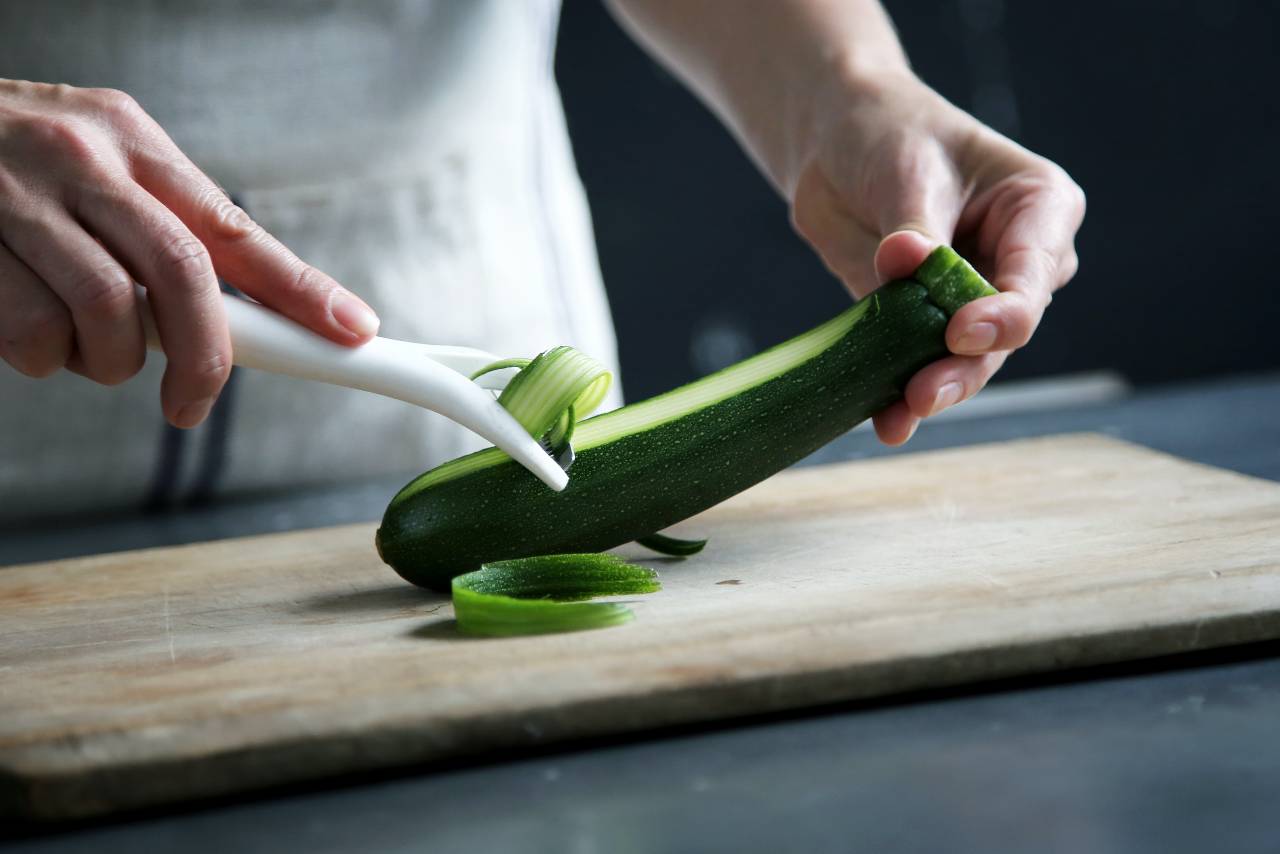
Food waste causes immense financial disruption to the restaurant industry and society at large. In 2010, the Department of Agriculture found that retail and consumer food loss constituted 31% of the food supply. This is equivalent to 133 billion pounds of food at approximately 162 billion dollars.
A single restaurant will throw away approximately 25-75,000 pounds of food per year. A grocery store can also throw away unused items after a given time period. If only one diner or grocery store wastes this amount of food, consider the waste in all of the restaurants across the United States.
Because of growing concerns of climate change, greenhouse gas, reducing waste, and the quality of food produced, many people care deeply about the way diners approach food loss. Unfortunately, many restaurants have not been able to manage the problem as 218 billion every year is misspent on growing, processing, and delivering uneaten food.
Experts estimate that roughly 85% of unused food is tossed out and only a small percentage of it is donated to a food bank. If a diners realized the cost savings available when they waste less, they may squirm a bit more at this statistic. Studies demonstrate that restaurants can save 8 dollars for every dollar invested in food waste reduction.
To run a profitable restaurant, owners should make sure to keep food costs between 28-35% of revenue. The more they waste food, the harder it is to grow and remain profitable. Restaurants who take action to reduce food waste will reduce the number of food-insecure Americans, increase profitability, and generate growth opportunities.
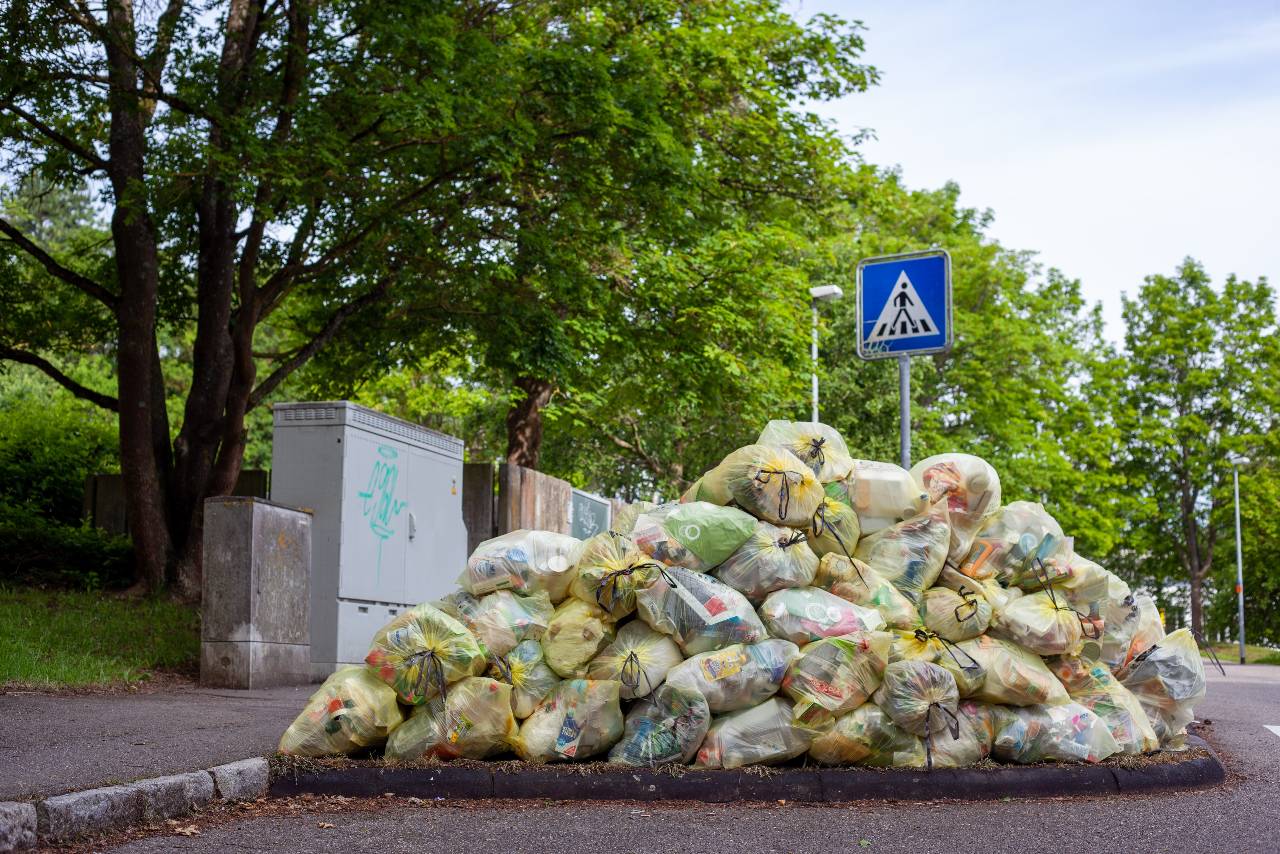
Because food waste causes so much social and financial damage, restaurants need to employ strategies to resolve the problem. Here is how to get creative to help reduce waste -
1. Conduct an Audit
A waste audit will help to know exactly how much food is tossed as a result of current policies and what cost savings opportunities exist. To conduct an audit, the restaurant will have to sort out trash and food scraps into categories before it's picked up. These categories include-

Here are the key takeaways to remember about tips reducing food waste -