
Photo by Unseen Histories on Unsplash
Franchise Frenzy: Cross-Border Growth
A look at how U.S. brands expand through multi-unit deals, cross-border partnerships, and seasoned operators in 2026.
franchising
Apr 29, 2026
Photo by Unseen Histories on Unsplash
A look at how U.S. brands expand through multi-unit deals, cross-border partnerships, and seasoned operators in 2026.
Apr 29, 2026

Photo by Erik Mclean on Unsplash
McDonald’s unveils six beverages across 14,000 restaurants on May 6, expanding McCafé with Refresher and crafted sodas and a new store-level beverage specialist role.
Apr 29, 2026
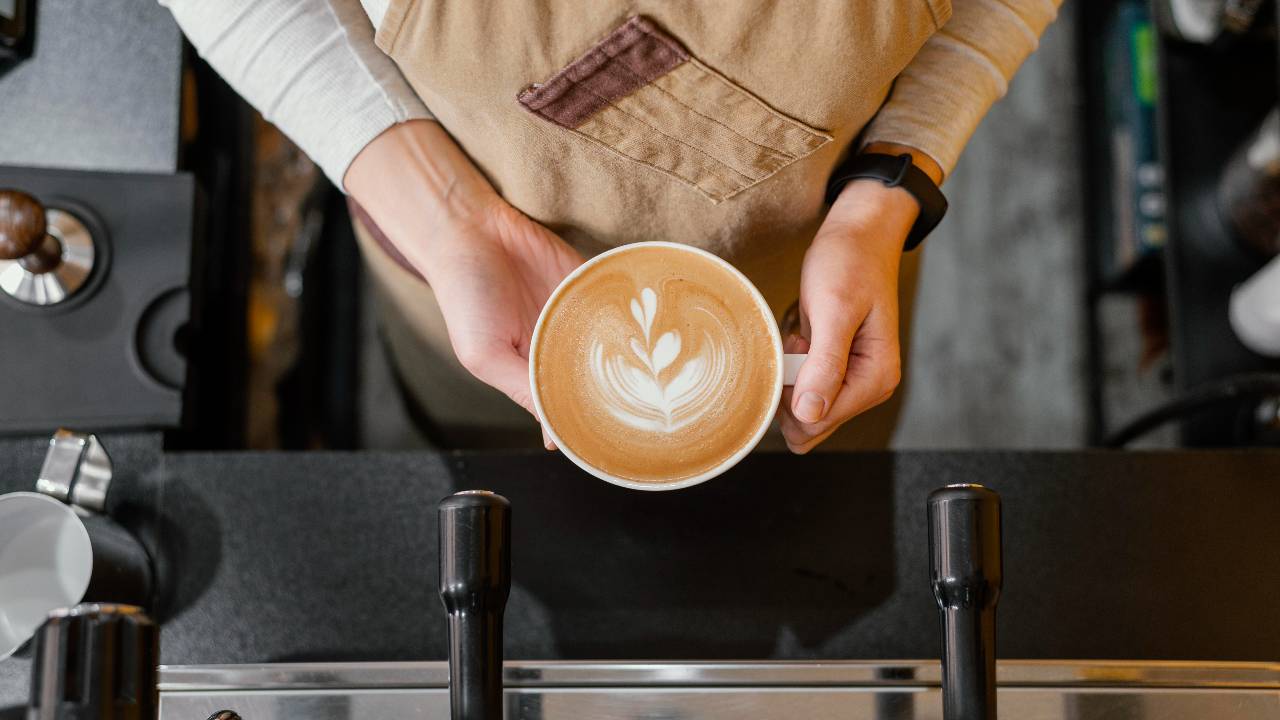
Learn how to write a coffee shop business plan that covers concept, location, menu, finances, branding, marketing, and risk planning.
Apr 27, 2026
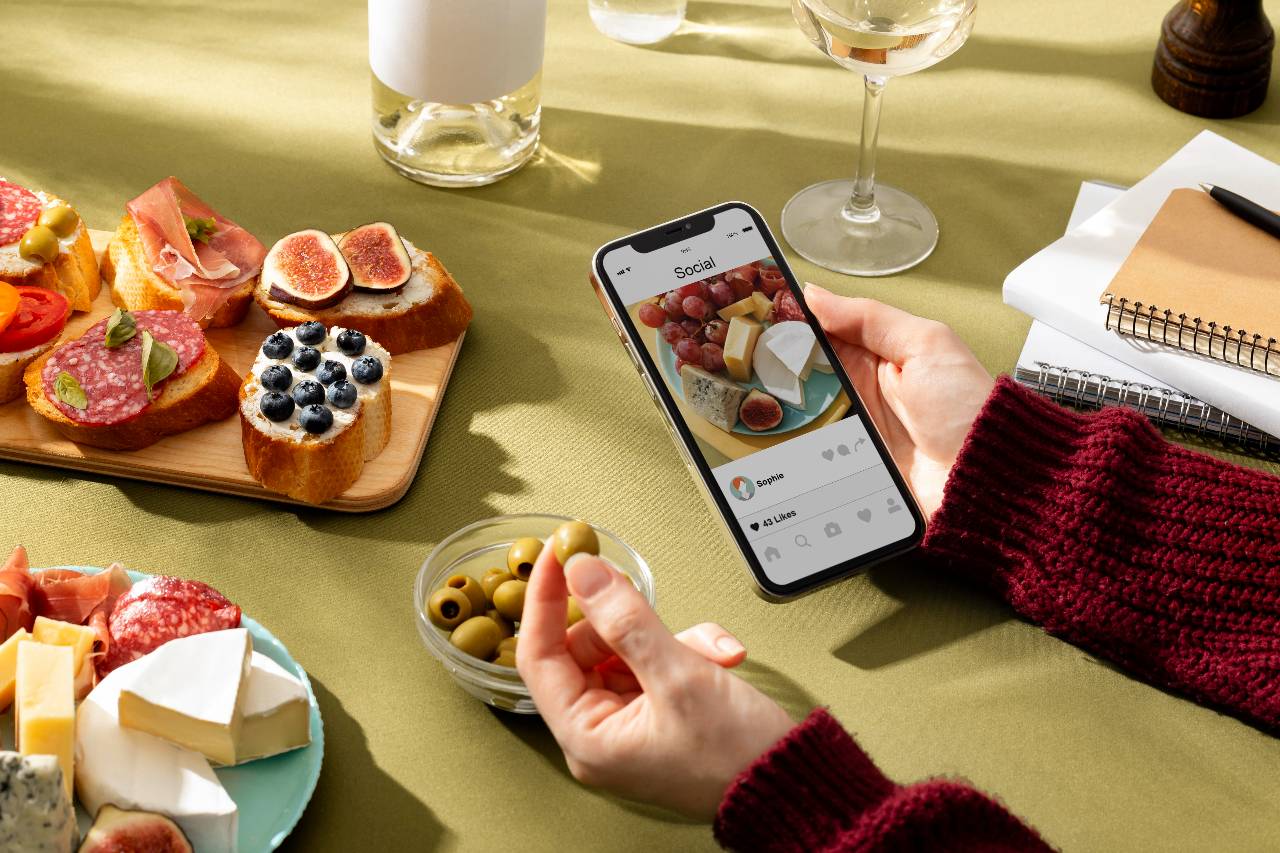
Explore marketing strategies for food businesses using reviews, professional photos, SEO, social media, partnerships, events, and catering.
Apr 28, 2026

Photo by shen wenjie on Unsplash
Holiday-driven menu drops fuse nostalgia with wellness, turning menus into living calendars for fast-casual brands.
Apr 28, 2026
Photo by Abdul Raheem Kannath on Unsplash
Susannah Frost named Chick-fil-A President, joining Cliff Robinson as COO to guide domestic expansion and international growth.
Apr 28, 2026

Photo by Moon Bhuyan on Unsplash
Ghost pepper-led promotions redefine autumn menus as chains blend heat, storytelling, and seasonal collaborations to drive foot traffic.
Apr 28, 2026

Photo by Noah Martinez on Unsplash
CAVA rolls out Garlic Ranch Pita Chips with a Steak + Harissa Bowl and a refreshed Rewards program, tying flavor innovation to personalized guest experiences.
Apr 28, 2026

Photo by Kate Trysh on Unsplash
Applebee’s launches Pick 6 Mondays, offering free wings with a $10 purchase when a Pick 6 occurs on Sundays, driving game-day momentum across dine-in and To Go.
Apr 28, 2026
Photo by Stu Moffat on Unsplash
Beatrice Nguyen explores how leadership blends speed, loyalty, and standardized operations to grow Shake Shack while preserving its signature experience.
Apr 28, 2026
An online ordering system can promote a restaurant's scalability by driving its sales, profits, and traffic through digital exposure.

Virtual shopping has gained immense popularity among modern consumers, making online payment processing vital for a business's profitability, and the restaurant industry is no exception.
A food and beverage business can reach out to new customers and gain visibility in the industry by utilizing an online ordering system that accepts and completes credit card payments.
In addition to convenience, restaurant online ordering also allows the buyer to save time by avoiding the line. Therefore, restaurants that implement an online ordering website can maximize customer satisfaction and revenue.

A study conducted by the Nation's Restaurant News shows that online ordering and delivery have grown 300% faster than dining-in since 2014. For the customer, ordering food online is a quick and easy alternative to dining-in. And for businesses, this process can be just as simple by utilizing the proper software.
A restaurant that already has a point-of-sale (POS) solution that includes online ordering just needs to activate the feature. Although some systems require an additional monthly and setup fee to integrate an ordering platform with the established software. Once the processes are integrated, all online food orders are sent to the kitchen staff through the POS system. The alert will show the time of the request, along with the delivery instructions, depending on if the order was placed in-house or through a third-party app.
If the POS software does not offer an ordering system, management should check with the provider about its integration capabilities. In most cases, an app or software can be downloaded into the system and will be available immediately.
Restaurants that do not utilize software and want to implement online food ordering need to verify that their websites can handle high volumes of traffic. Businesses should have a robust e-commerce site that can integrate with POS software in case of high volumes of customers.
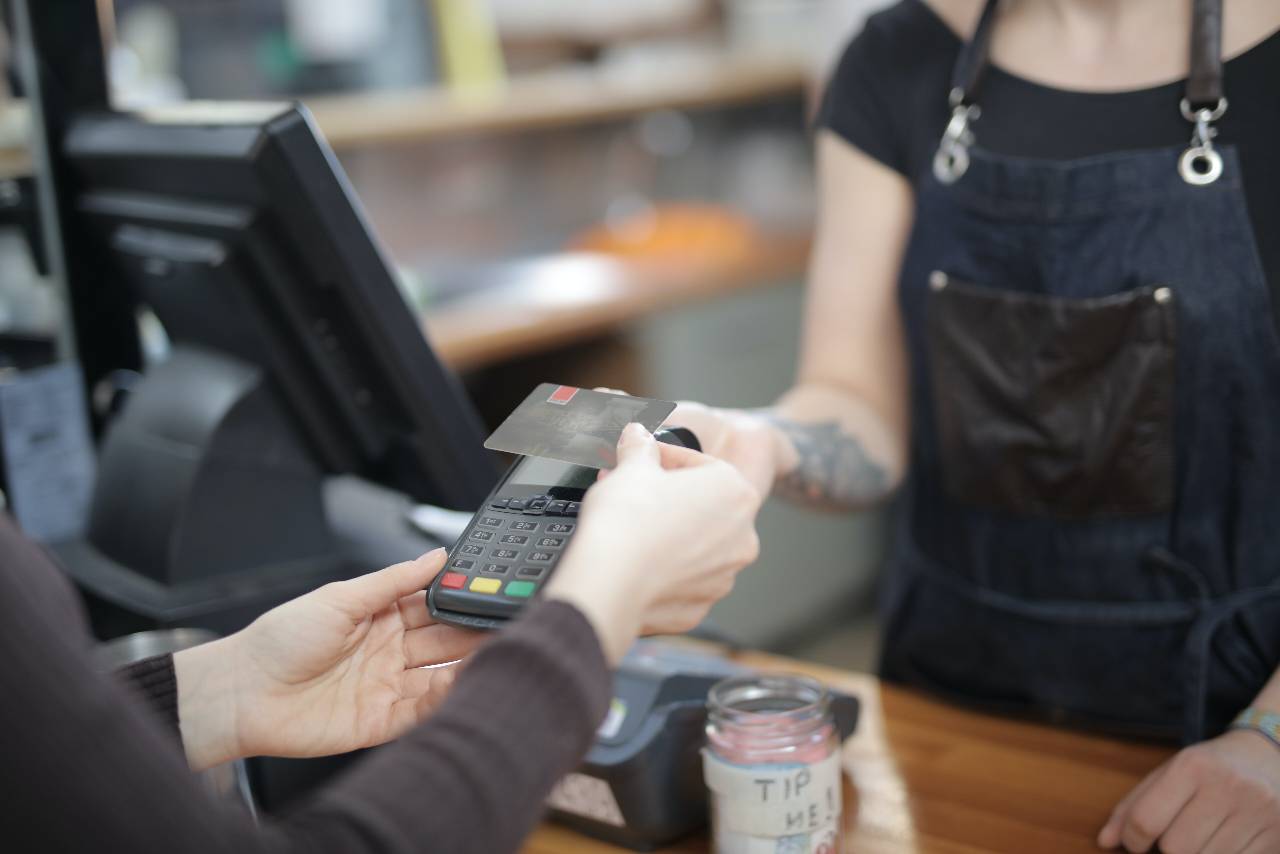
There are several options for restaurants wanting to expand their food ordering options. Depending on the company's wants and needs, they can manage digital order placement via-
POS Add-Ons
These features are prebuilt into the software but typically cost more per month to activate. Add-ons have several advantages, including-

Third-Party Systems
These applications are designed to enhance the efficiency of a restaurant online ordering system. They can be easily downloaded from an app store or integrated with a website. Third-party ordering platforms benefit establishments because they-
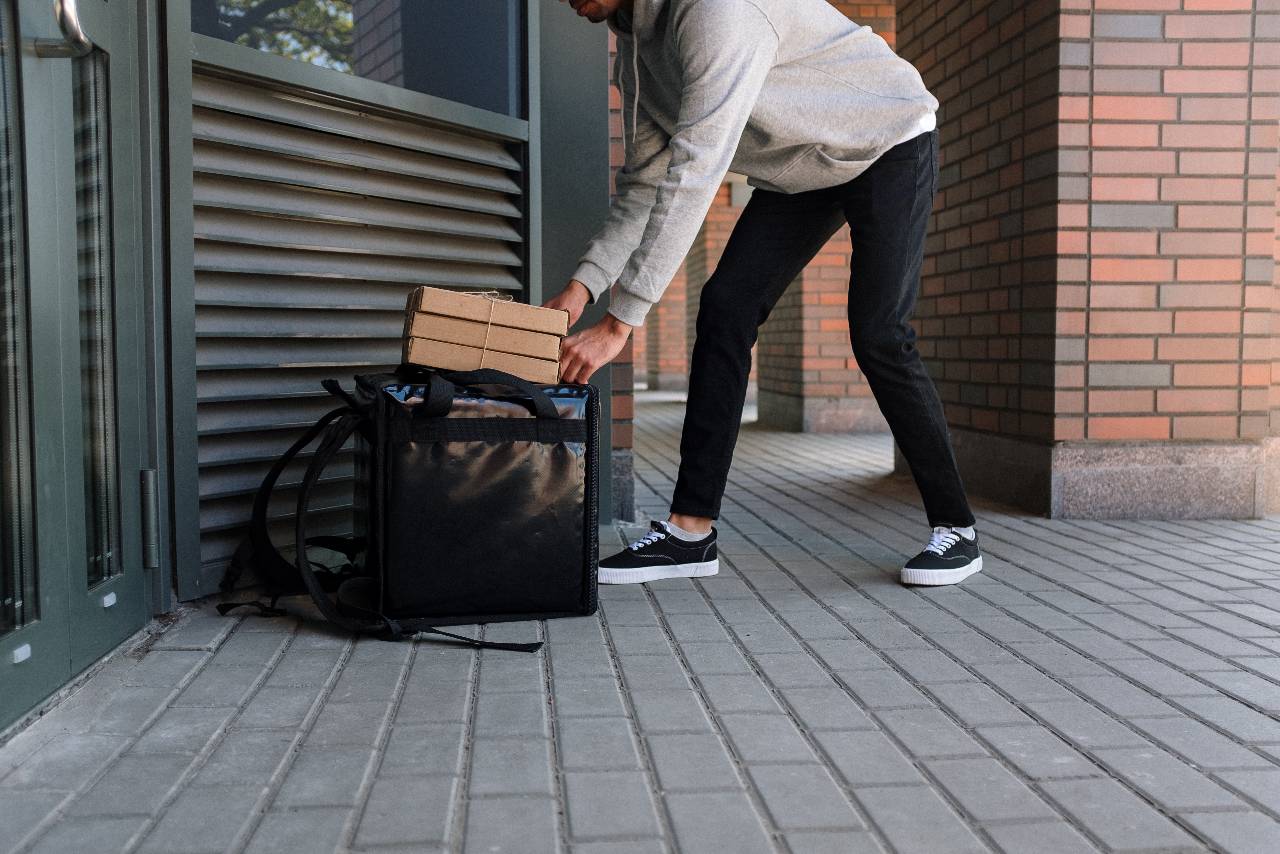
Delivery Apps
Most commonly used through mobile apps, these solutions rely on external workers to pick up and deliver customer orders. Some of their advantages include-
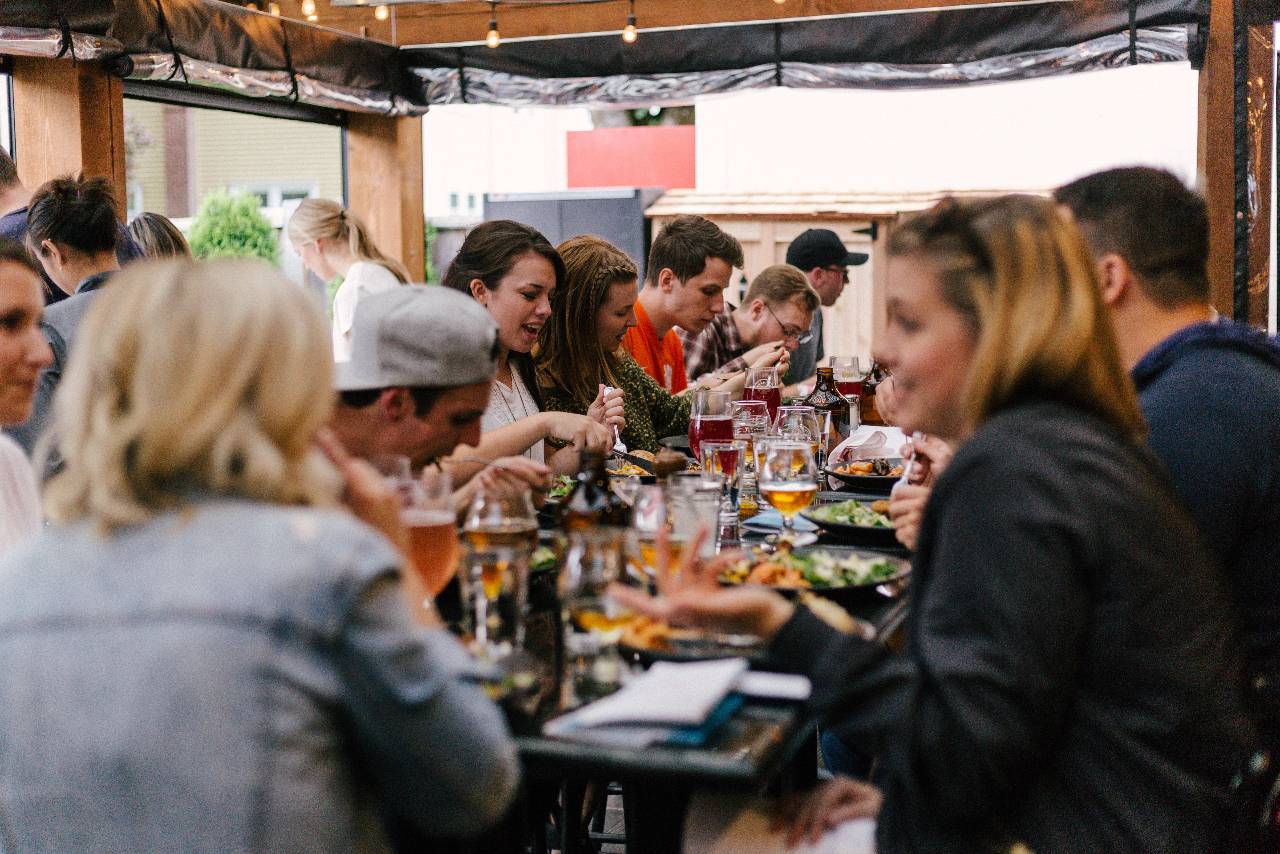
Implementing an online ordering website ensures a restaurant is extending its services to all potential customers. A report by PMQ Pizza Magazine disclosed that consumers who place a digital order visit the restaurant 67% more than those who do not use online solutions. Restaurant ordering systems have many other benefits, such as-