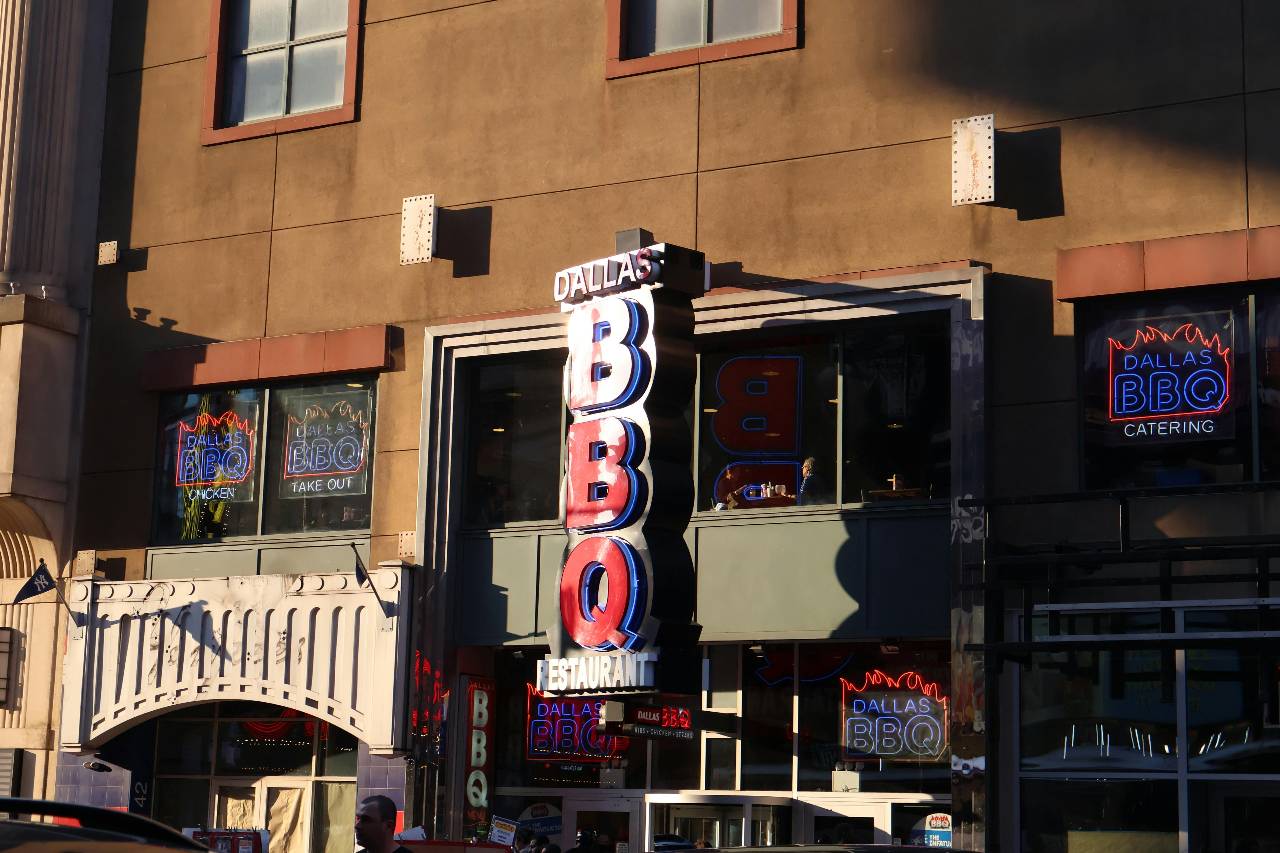
Best High-Traffic Areas in Texas to Open a Restaurant
Explore high-traffic Texas markets where restaurants can succeed by matching concepts, customer behavior, visibility, and daily demand.
operations
Apr 30, 2026
Explore high-traffic Texas markets where restaurants can succeed by matching concepts, customer behavior, visibility, and daily demand.
Apr 30, 2026
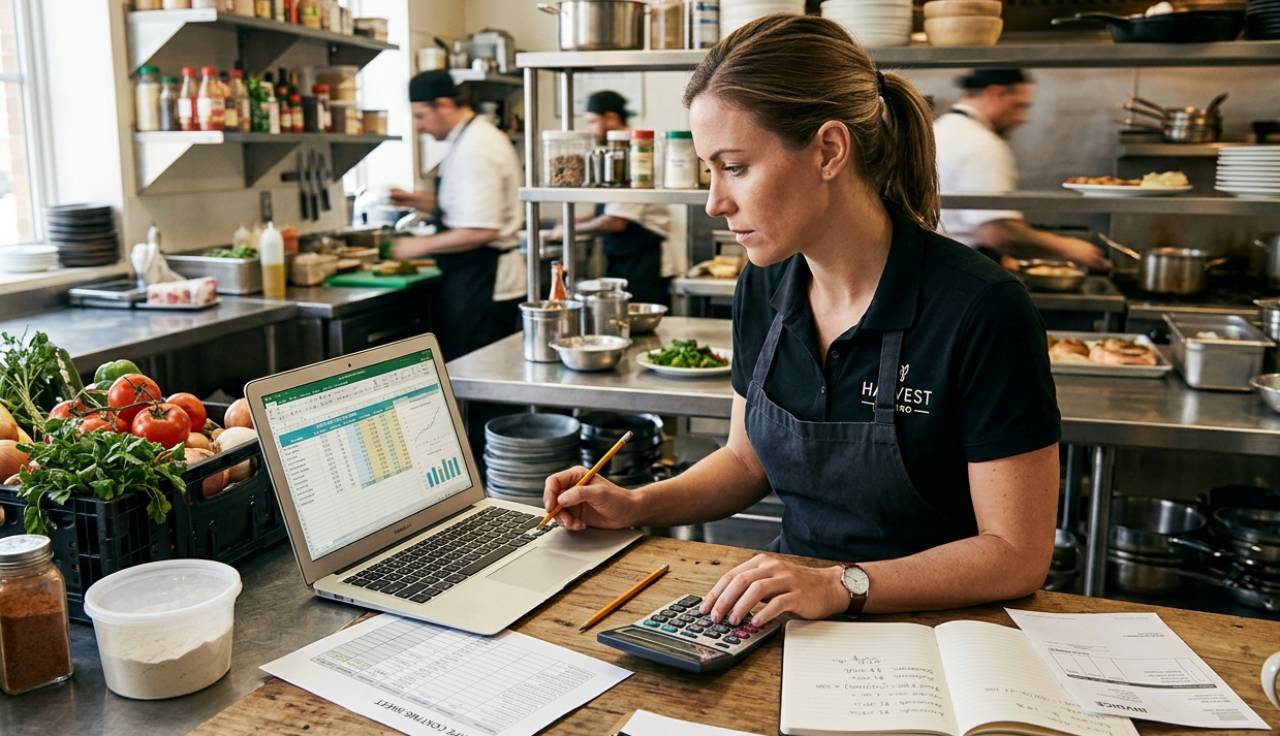
Learn how to calculate food cost, control margins, reduce waste, price menu items, and use technology to improve restaurant profit.
Apr 29, 2026
Photo by Unseen Histories on Unsplash
A look at how U.S. brands expand through multi-unit deals, cross-border partnerships, and seasoned operators in 2026.
Apr 29, 2026
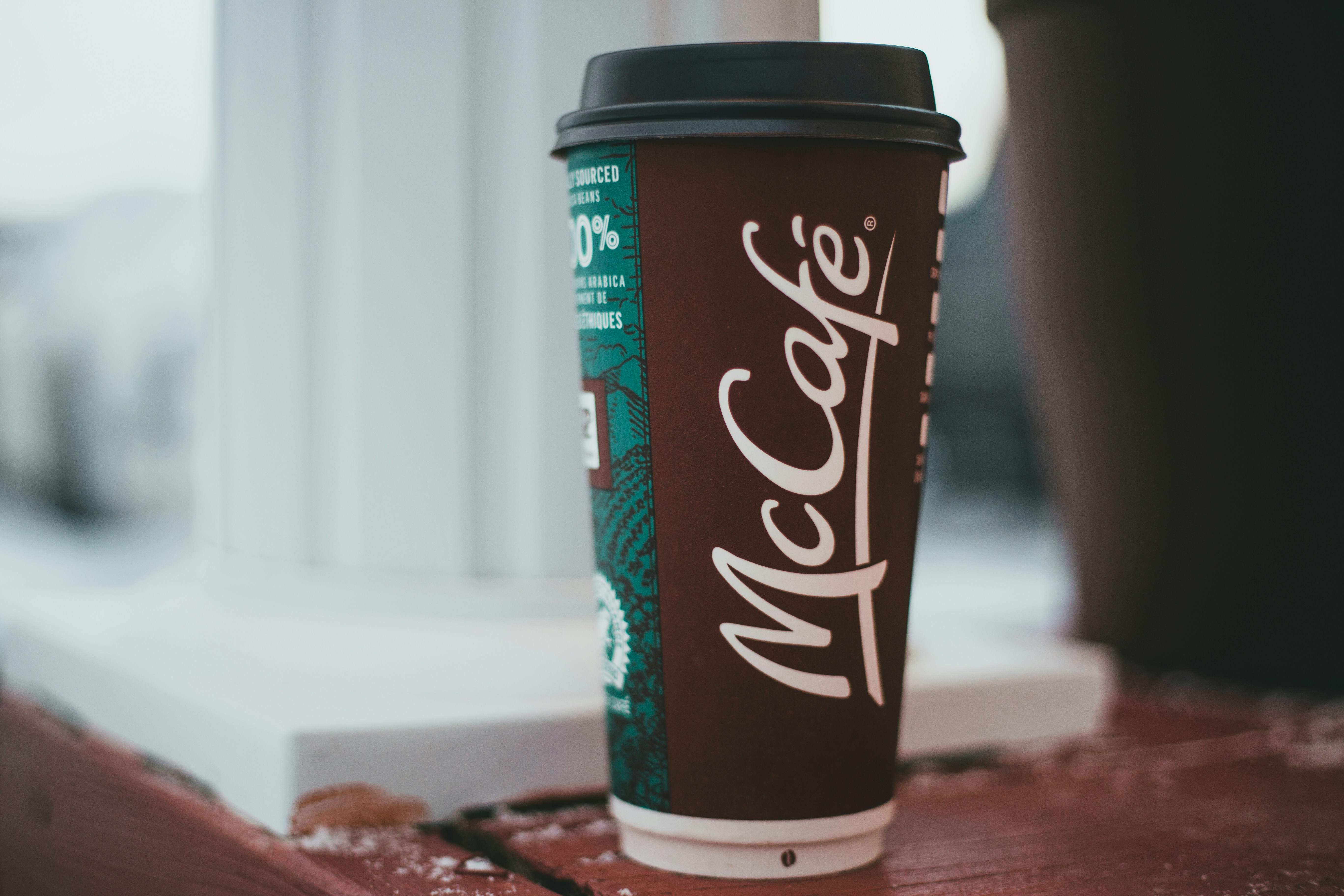
Photo by Erik Mclean on Unsplash
McDonald’s unveils six beverages across 14,000 restaurants on May 6, expanding McCafé with Refresher and crafted sodas and a new store-level beverage specialist role.
Apr 29, 2026
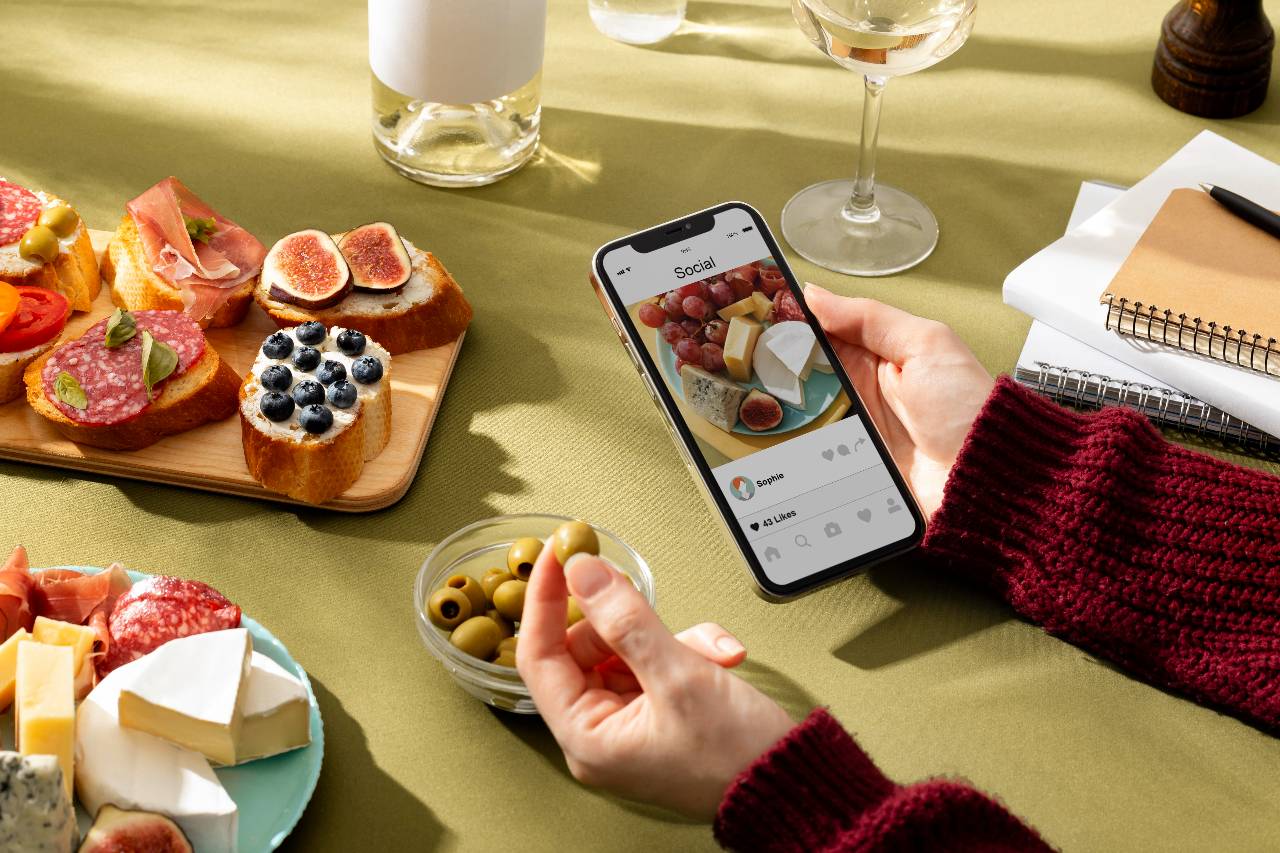
Explore marketing strategies for food businesses using reviews, professional photos, SEO, social media, partnerships, events, and catering.
Apr 28, 2026
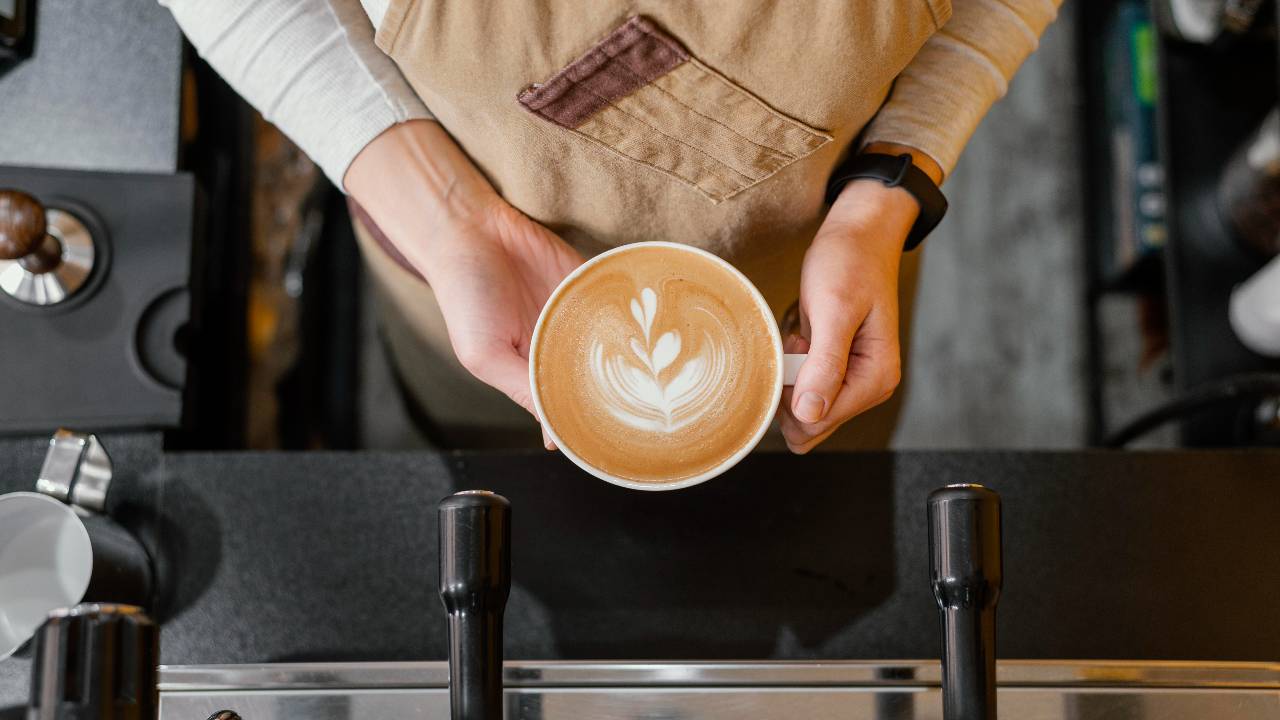
Learn how to write a coffee shop business plan that covers concept, location, menu, finances, branding, marketing, and risk planning.
Apr 27, 2026
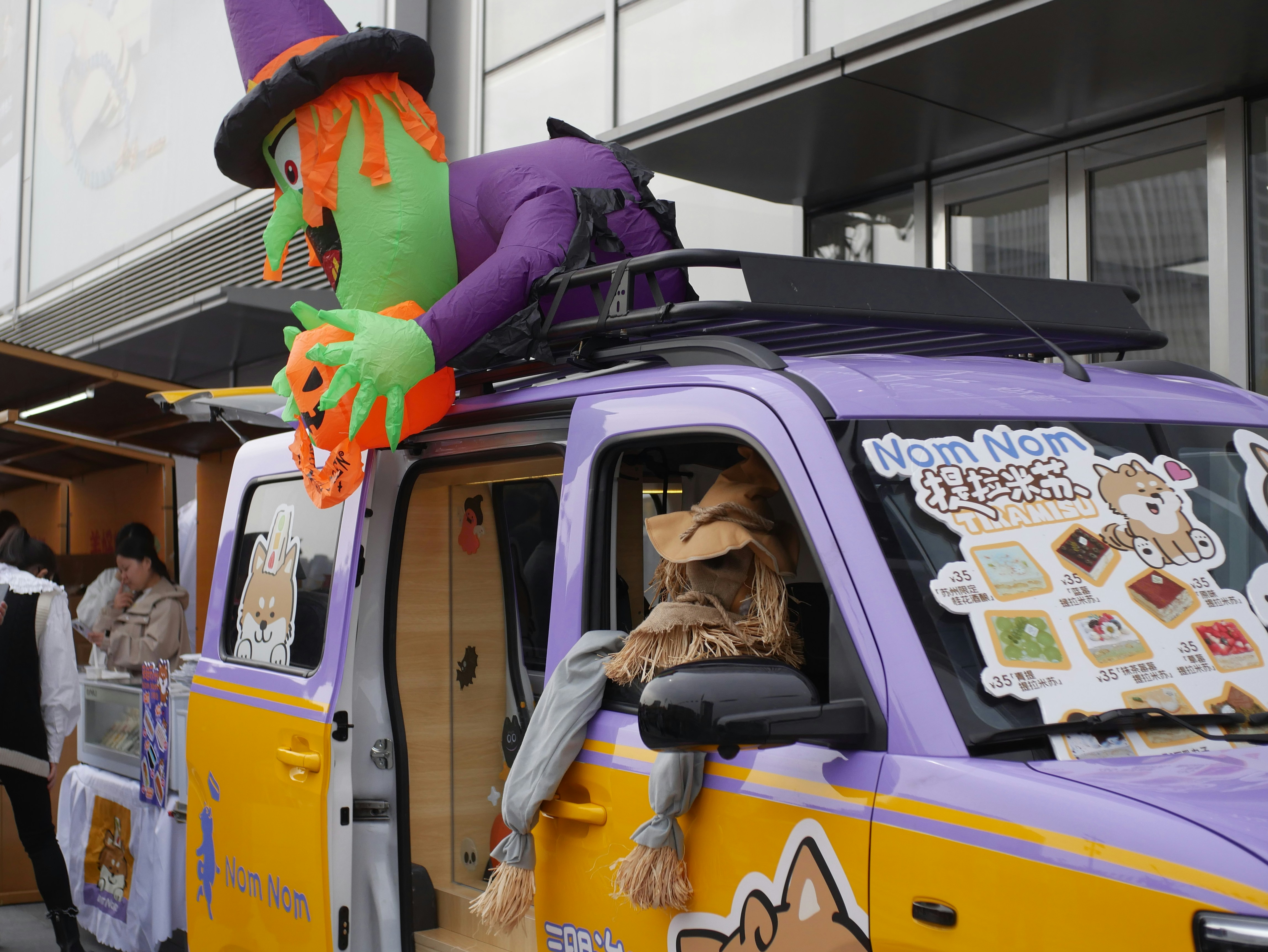
Photo by shen wenjie on Unsplash
Holiday-driven menu drops fuse nostalgia with wellness, turning menus into living calendars for fast-casual brands.
Apr 28, 2026
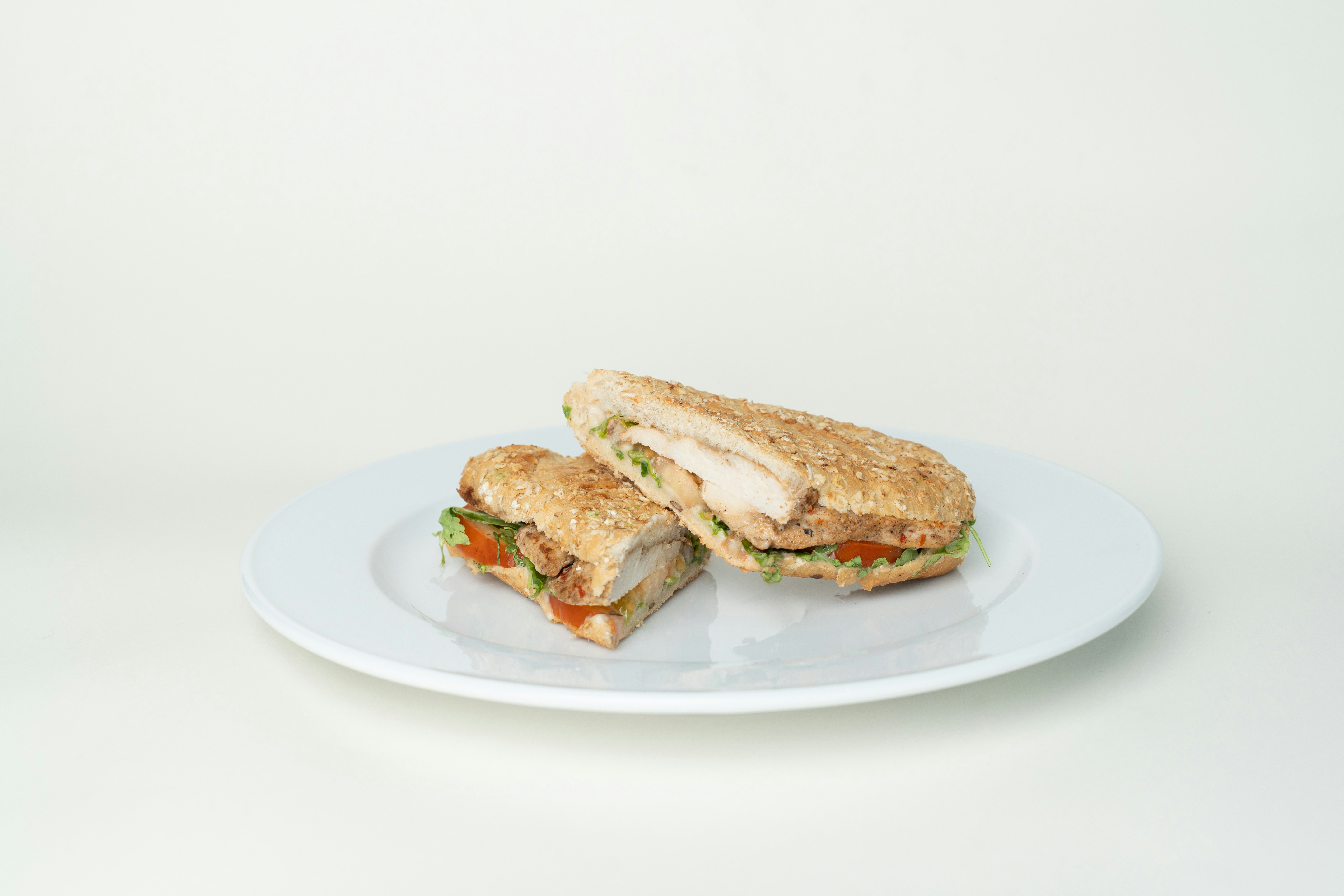
Photo by Abdul Raheem Kannath on Unsplash
Susannah Frost named Chick-fil-A President, joining Cliff Robinson as COO to guide domestic expansion and international growth.
Apr 28, 2026
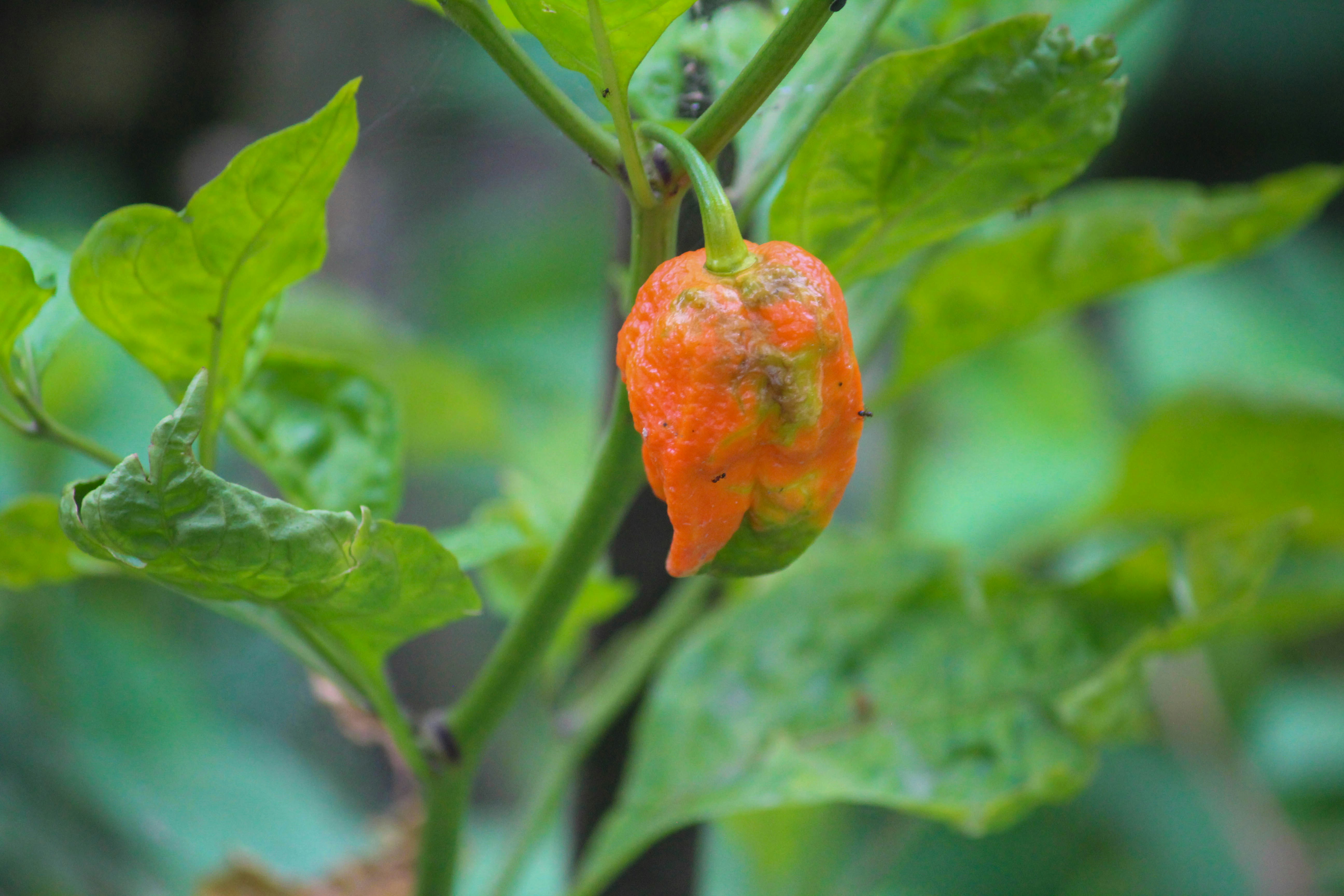
Photo by Moon Bhuyan on Unsplash
Ghost pepper-led promotions redefine autumn menus as chains blend heat, storytelling, and seasonal collaborations to drive foot traffic.
Apr 28, 2026

Photo by Noah Martinez on Unsplash
CAVA rolls out Garlic Ranch Pita Chips with a Steak + Harissa Bowl and a refreshed Rewards program, tying flavor innovation to personalized guest experiences.
Apr 28, 2026
A cross-brand wave turns SpongeBob’s Krabby Patty into real-world menu items across 250+ restaurants, blending nostalgia with culinary experimentation.
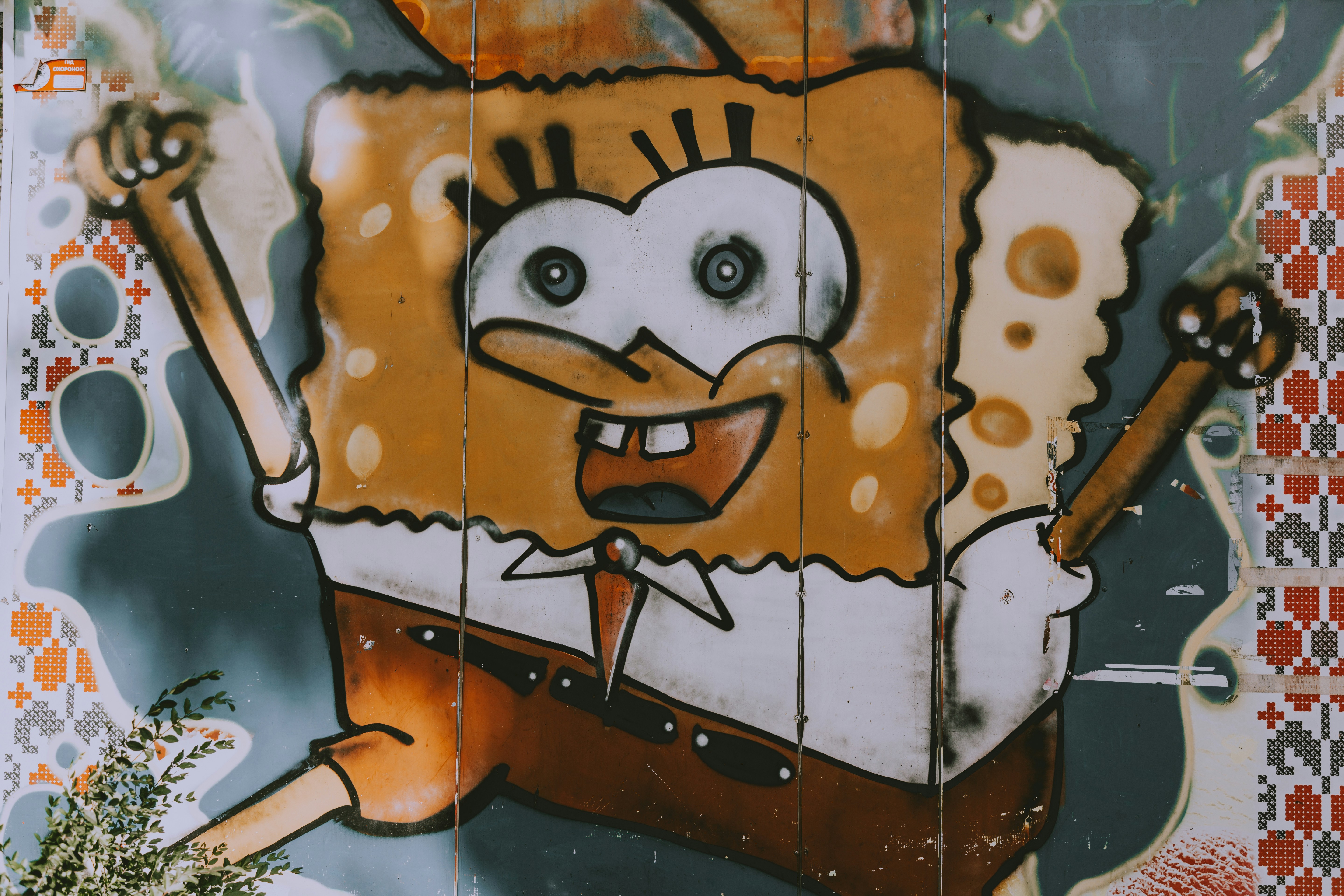
Photo by Marjan Blan on Unsplash
On the stage where cartoons meet cuisine, a playful collision arrived this fall: the Krabby Patty Kollab, turning SpongeBob SquarePants’ 25th anniversary into a restaurant‑wide celebration. Across more than 250 local restaurants in the United States, Canada, and beyond—including Toronto, London, and Mexico City—fans could encounter over 100 interpretations of the Bikini Bottom patty by October 27. From October 8 onward, select restaurants, chefs, and even celebrities reimagined the patty in formats ranging from dumplings and falafel to burgers, doughnuts, ice cream and more. Nickelodeon and Paramount describe the Kollab as a celebration inviting fans to sample imaginative variants through this unique collaboration, developed with Off The Menu and The MRG Group. It’s a thoughtful fusion of nostalgia and culinary curiosity, inviting readers to ask what this might mean for the future of dining.
“The Kollab is a platform for custom creative, engaging social content and recognizable influence.”
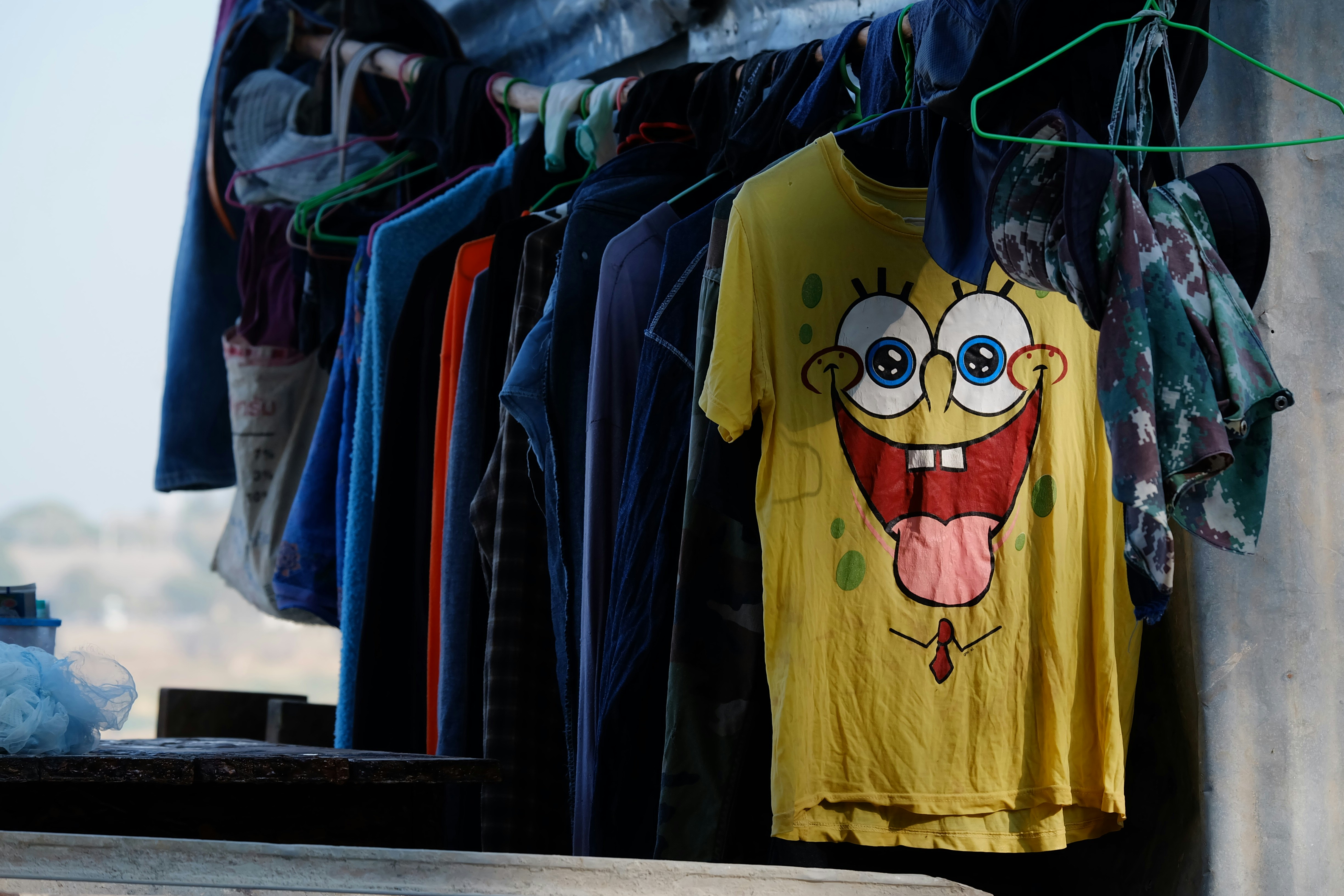
Mechanics and scope defined the Kollab as a multi‑channel, multi‑vendor endeavour. Nickelodeon and Paramount staged the program around a cross‑brand alliance that included Off The Menu and The MRG Group, with Wendy’s serving as the exclusive national QSR partner in the United States, Canada, and Guam. The item lineup extended beyond a single burger to a spectrum of interpretations, reflecting local tastes and chef creativity. The official materials describe more than 100 renditions of the Bikini Bottom favorite, realized through a network of over 250 local restaurants across major markets. “SpongeBob SquarePants began his journey as a fry cook, flipping Krabby Patties in the pilot episode of the series 25 years ago, and the coveted patty has since remained an enduring fixture in Bikini Bottom.” said Sherry Liu. “The Kollab is a platform for custom creative, engaging social content and recognizable influence.” said Dario Spina. The collaboration also highlighted two centerpiece items—Wendy’s Krabby Patty Kollab Burger and the Pineapple Under the Sea Frosty—available nationwide from October 8 through early November.
This moment reads as a bridge between memory and meal, a calculated blend of whimsy and craft. It suggests that nostalgia can be a thoughtful catalyst for culinary exploration when anchored by trusted partners and a clear timeline. As guests taste the variations, the question lingers: what durable demand will endure beyond these limited‑time moments?
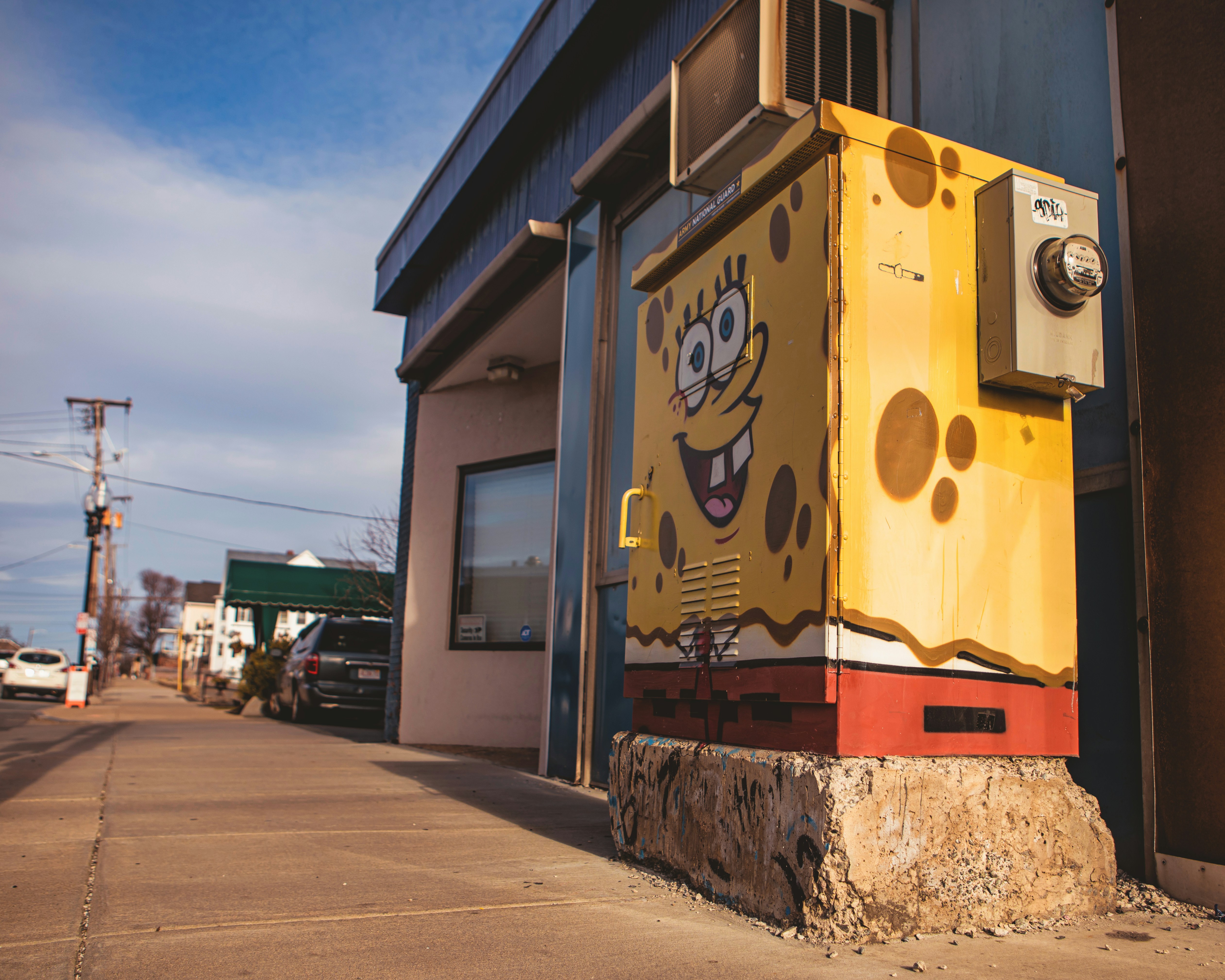
Spanning markets and languages, SpongeBob’s reach is a testament to cross‑generational appeal. Official materials describe more than 180 markets, translations into 30+ languages, and an audience that averages roughly 90 million viewers each quarter. The Kollab sits within Nickelodeon and Paramount’s deliberate 25th‑anniversary slate, expanding beyond television into location‑based experiences and exclusive consumer moments that invite fans to encounter the Krabby Patty in tangible, edible forms.
The Kollab leverages cross‑brand alignment and experiential partnerships designed to translate nostalgia into active engagement. The official narrative frames the Kollab as a celebration of longevity and a driver of contemporary engagement through collaboration. The initiative brings together experiential partners with a track record in viral food moments, signaling that entertainment IP can travel through menus as confidently as it does through screens.
Viewed through a mindful lens, it feels like a balanced, nourishing approach to pop culture—nostalgia that respects local menus, teams, and sustainability.

From television pilot to table, the Kollab was defined as a multi‑channel, multi‑vendor endeavour. A dedicated online hub mapped local offerings and guided fans to participating venues, while a cross‑brand alliance stitched together Nickelodeon, Paramount, Off The Menu, and The MRG Group. Wendy’s stood as the exclusive national partner, extending its Krabby Patty Kollab Burger and Pineapple Under the Sea Frosty to guests from October 8 to early November. More than 100 renditions and a footprint of over 250 local restaurants signaled a wave that moved across markets from New York to London, Tokyo to Mexico City.
Across major markets—New York, Los Angeles, Chicago, Dallas, Atlanta, San Francisco, Seattle, Miami, Las Vegas, and beyond—participating venues translated the patty through their own lenses, from fast‑casual to street‑food twists. Harlem Shake in New York City joined with a citywide rollout, adding a playful, seafood‑inspired twist to its menu during the anniversary window. The Dallas Observer highlighted the energy of the moment, confirming a broad, multi‑market footprint that stretched from flagship chains to indie concepts.
Viewed as a blueprint for cross‑market collaboration, the episode offers a proof point: with a clear timeline, trusted partners, and a shared narrative, entertainment IP can re‑ignite traffic and conversation while inviting chefs to interpret a single idea in diverse ways.
Voices from partners and chefs illustrate the energy behind the Kollab. Otto Othman captured the spirit when he said, “The SpongeBob SquarePants series has an awesome universal appeal, and we couldn’t resist bringing our own take on the legendary burger to life.” The Dallas Observer and Harlem Shake coverage echoed a similar mood, with local concepts—from Wendy’s to Black Tap and beyond—eager to translate the Krabby Patty into real menus. Harlem Shake in New York City even joined with a citywide rollout, adding a playful, seafood‑inspired twist to its menu during the anniversary window.
The overarching message from participating operators is that the Kollab offered a rallying point for cross‑market engagement, nostalgia, and culinary experimentation, anchored in SpongeBob’s 25th‑anniversary narrative that ties moments to a shared pop culture memory.
These voices remind me of a core truth in mindful dining: when collaboration respects local kitchens and a common story, the experience becomes nourishing for both guests and operators.

Two numbers in public reporting illustrate how rapidly scale can be framed in different ways: early press materials described more than 100 interpretations and a footprint of over 250 local restaurants across major markets, while other summaries referenced roughly 120 participating concepts. These variances reflect how campaigns are counted—by menu items, participating venues, or regional affiliates—and underscore the importance of precise terminology when assessing cross‑market promotions. Nevertheless, the underlying pattern is clear: SpongeBob’s Krabby Patty has become a real‑world culinary catalyst, expanding beyond a single brand to a spectrum of operators who interpret the iconic patty in ways that suit local tastes and brand identities.
For stakeholders, the takeaway is a durable engagement path when beloved culture meets culinary craft, even as exact numbers shift with each reporting milestone.
As a broader trend, entertainment‑driven menus go mainstream, offering a template for how IP can spark renewed foot traffic while allowing operators to tailor experiences with local character and mindful constraints.
The Krabby Patty Kollab illustrates how nostalgia and cross‑brand storytelling can restore excitement to a difficult period for the industry, even as traffic fluctuates regionally. By pairing a globally recognized character with a broad network of operators, the Kollab delivered a rare blend of pop culture, culinary risk‑taking, and measurable visibility. For restaurant teams, the campaign offered a blueprint: leverage a recognizable IP, partner with trusted experiential players, and create locally tailored menus that still align with a shared narrative. For fans, the result was not just a burger or a Frosty but a moment of collective memory—an opportunity to relive SpongeBob’s world in a tangible, edible form. As the collaboration concludes, stakeholders will monitor whether the momentum translates into lasting customer visits and whether future entertainment‑driven partnerships mirror the scale and variety achieved during the Kollab.
In Amira’s view, this is where mindful dining meets storytelling: a balanced, nourishing approach that respects local kitchens, supports sustainability, and invites guests to engage with culture without losing sight of everyday dining.