
Photo by Unseen Histories on Unsplash
Franchise Frenzy: Cross-Border Growth
A look at how U.S. brands expand through multi-unit deals, cross-border partnerships, and seasoned operators in 2026.
franchising
Apr 29, 2026
Photo by Unseen Histories on Unsplash
A look at how U.S. brands expand through multi-unit deals, cross-border partnerships, and seasoned operators in 2026.
Apr 29, 2026

Photo by Erik Mclean on Unsplash
McDonald’s unveils six beverages across 14,000 restaurants on May 6, expanding McCafé with Refresher and crafted sodas and a new store-level beverage specialist role.
Apr 29, 2026
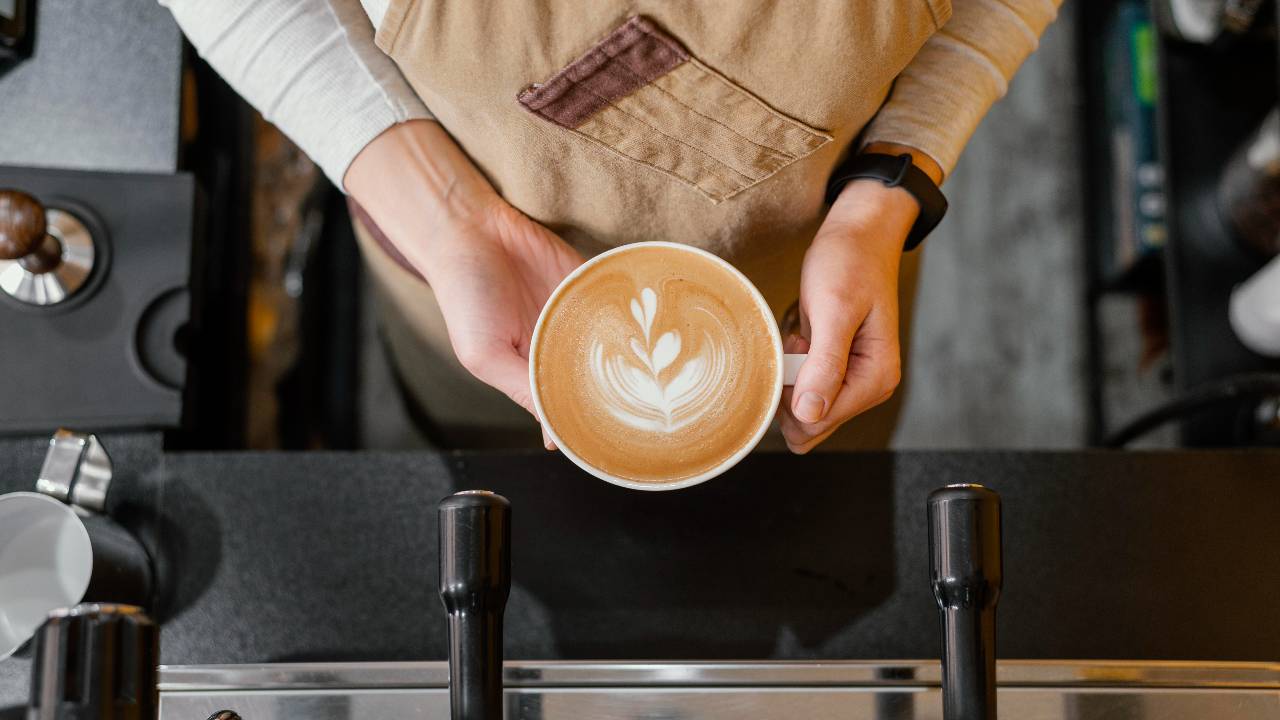
Learn how to write a coffee shop business plan that covers concept, location, menu, finances, branding, marketing, and risk planning.
Apr 27, 2026
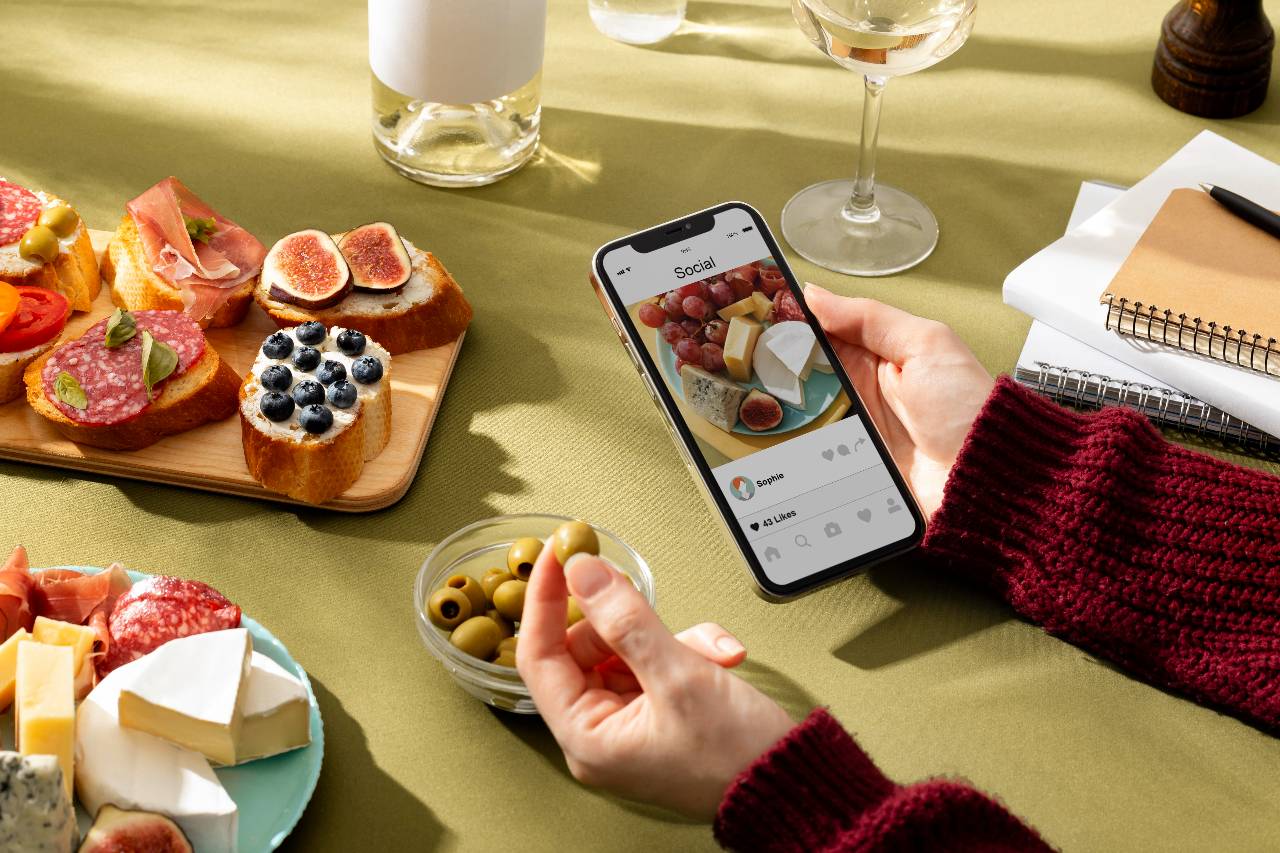
Explore marketing strategies for food businesses using reviews, professional photos, SEO, social media, partnerships, events, and catering.
Apr 28, 2026

Photo by shen wenjie on Unsplash
Holiday-driven menu drops fuse nostalgia with wellness, turning menus into living calendars for fast-casual brands.
Apr 28, 2026
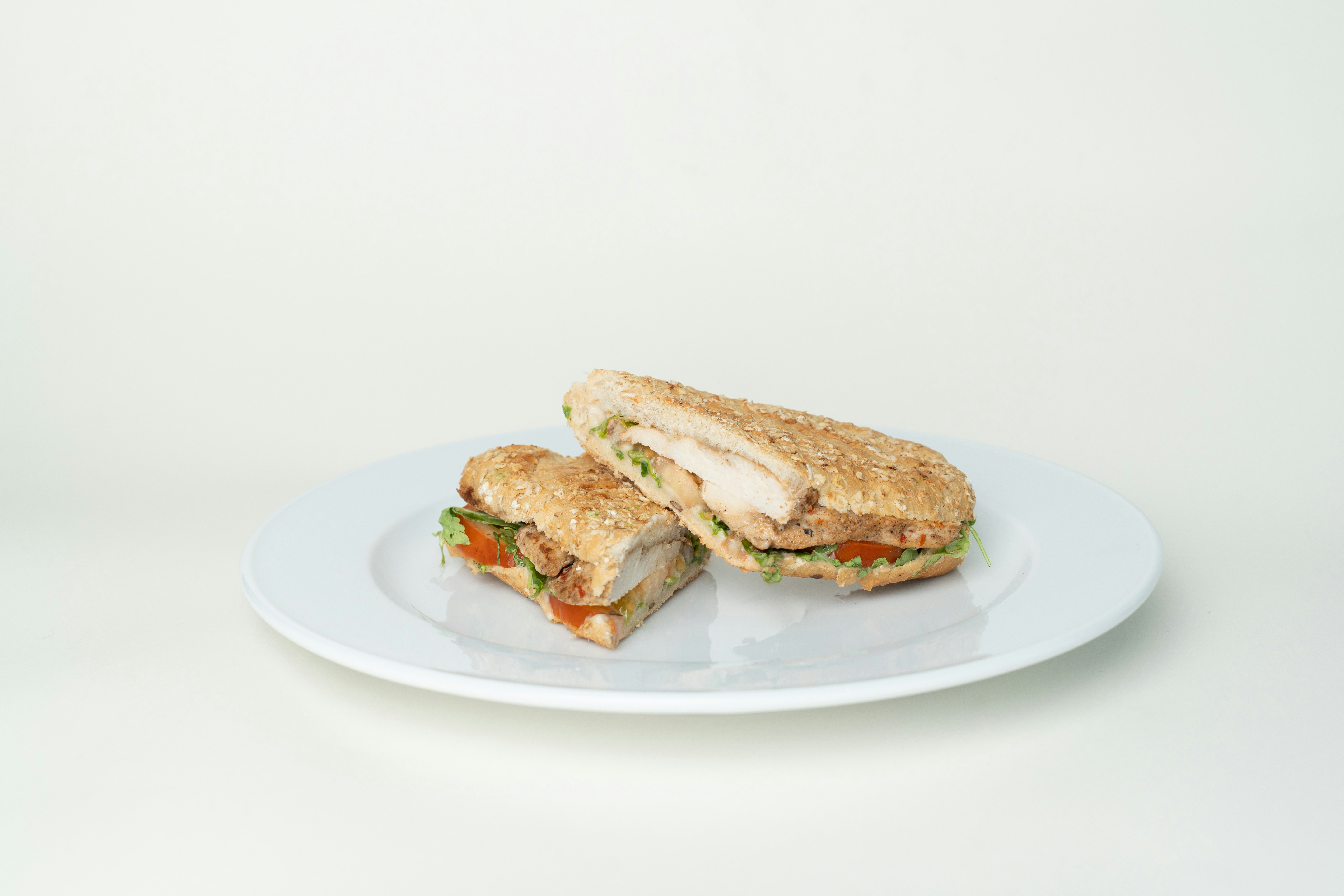
Photo by Abdul Raheem Kannath on Unsplash
Susannah Frost named Chick-fil-A President, joining Cliff Robinson as COO to guide domestic expansion and international growth.
Apr 28, 2026

Photo by Moon Bhuyan on Unsplash
Ghost pepper-led promotions redefine autumn menus as chains blend heat, storytelling, and seasonal collaborations to drive foot traffic.
Apr 28, 2026

Photo by Noah Martinez on Unsplash
CAVA rolls out Garlic Ranch Pita Chips with a Steak + Harissa Bowl and a refreshed Rewards program, tying flavor innovation to personalized guest experiences.
Apr 28, 2026

Photo by Kate Trysh on Unsplash
Applebee’s launches Pick 6 Mondays, offering free wings with a $10 purchase when a Pick 6 occurs on Sundays, driving game-day momentum across dine-in and To Go.
Apr 28, 2026
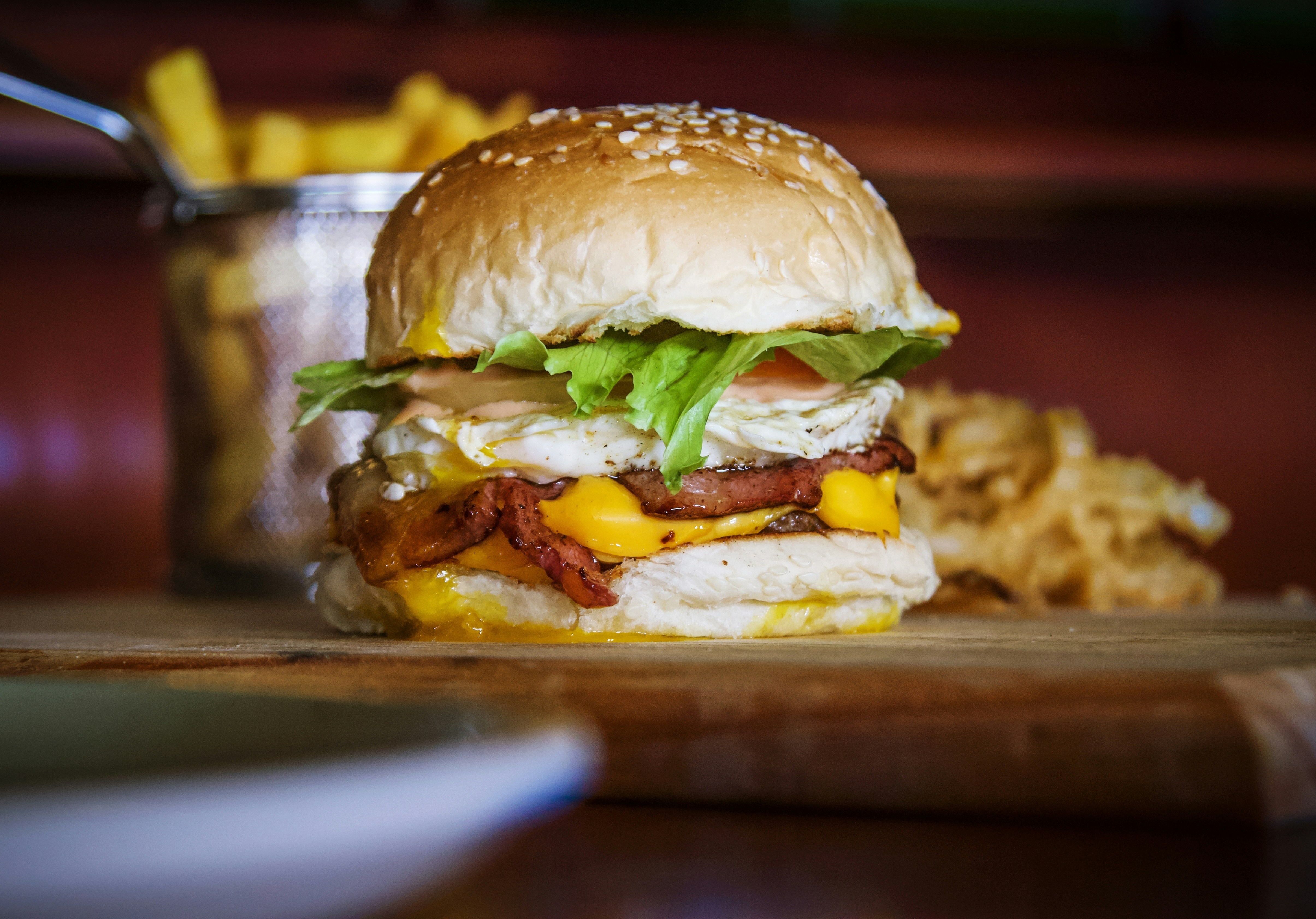
Photo by Stu Moffat on Unsplash
Beatrice Nguyen explores how leadership blends speed, loyalty, and standardized operations to grow Shake Shack while preserving its signature experience.
Apr 28, 2026
A seasonal restaurant menu has many advantages, but the top four are listed here.
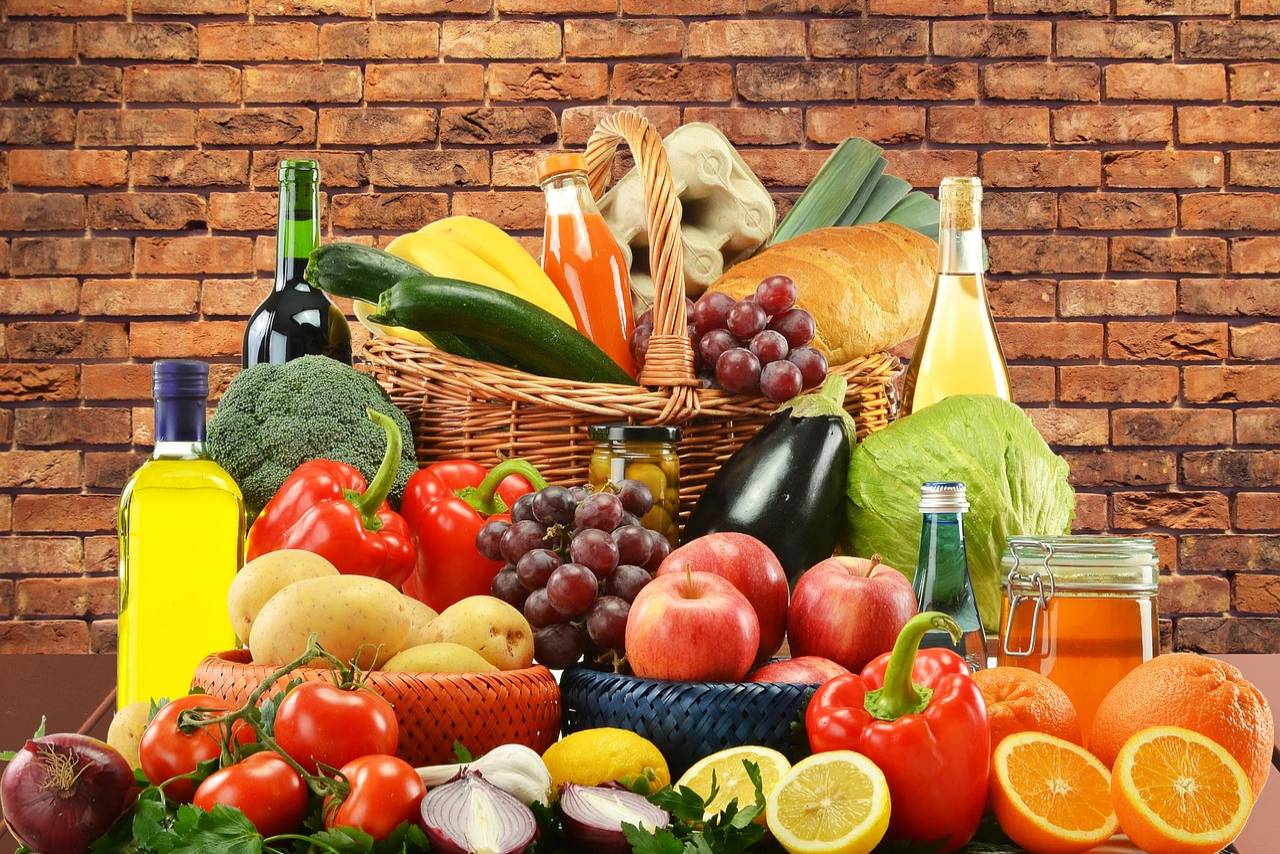
The restaurant industry is constantly evolving, and the implementation of a seasonal menu is one trend that has become increasingly popular in recent years. In fact, according to a study by Technomic, 67% of consumers believe that it is important for restaurants to offer seasonal menu items. A seasonal menu is a restaurant menu that is only available during a specific time of the year, offering fresh and in-season offerings. This creates a sense of urgency and exclusivity, encouraging customers to try items on the menu before they're gone. Not only does a seasonal menu provide diversity in the kitchen, but it also allows chefs to get creative and experiment with new ingredients, cooking styles, and flavors. For a restaurant business owner, it's crucial to keep the menu up to date with the seasons in order to stay competitive. By implementing effective practices for managing relationships with suppliers., you can source in-season products and differentiate your restaurant from others. According to the National Restaurant Association, 77% of restaurants offer seasonal menu items.
Incorporating a seasonal menu into your existing restaurant menu can be time-consuming and costly, especially if it requires reprinting the entire menu. To overcome this, it's beneficial to consider implementing a digital menu or restaurant QR code menu. This will allow you to add and remove items as you see fit, without the need for a physical menu. In fact, a recent study found that 45% of restaurants have already implemented a digital menu system.Some restaurants have adopted digital and touch screen menu ordering systems, which enhances operations and enhances the customer experience.. In a survey of restaurant customers, 85% of respondents stated that they prefer to order from a digital menu. By incorporating a seasonal menu into your existing restaurant menus, you can take advantage of the delicious and in-season ingredients, as well as stay on top of food trends. This will help you grow your business and attract new customers, as another study found that restaurants that offer seasonal menu items see a 20% increase in sales compared to those that don't.
Your restaurant's menu is a big part of your business. It's one of the first things customers see when they come into your restaurant, and it can make or break their decision to stay. That's why it's so important to create a menu that not only looks appealing but also entices your customers to try something new.
One way to do this is by creating seasonal menus. This gives you the opportunity to change up your offerings on a regular basis, keeping things fresh for both your regulars and new customers alike. Seasonal ingredients are also usually more affordable, so you can save money while still providing high-quality dishes.
Not sure where to start? Here are some tips for creating a seasonal restaurant menu that will tantalize your taste buds-
When it comes to promoting your restaurant menus with promotions and discounts, there are many options available. Offering prix fixe menus or happy hour specials are popular methods, as well as discounts for groups or special events. However, it's essential to advertise these specials effectively to attract customers and increase sales.
One effective way to promote your specials is by updating your restaurant menu design to include them. This can be done by adding a separate section on the menu or highlighting specific items with icons or callouts. You can also share images and details of the promotions on social media channels like Facebook and Instagram and through email marketing campaigns with your subscribers.
It's important to monitor the performance of these initiatives to ensure they are worth the investment. By tracking sales and customer feedback and analyzing the cost of ingredients and other resources required to execute the promotions, you can make informed decisions about which promotions to continue, adjust or discontinue.
With the right strategies in place, introducing special promotions and discounts through your restaurant menu can increase customer satisfaction, loyalty, and business. It can differentiate your restaurant from competitors and establish you as a top destination for diners. However, always keep in mind that rights are reserved to maintain the exclusivity of your menu template and avoid the replication of your unique design.
Leveraging digital signage to customize your food menu with promotional offerings can increase customer engagement and boost restaurant sales. But it's important to advertise these promotions effectively, track their performance, and protect the design rights of your restaurant menu. By adopting these strategies, you can successfully promote your restaurant menus and drive business growth.
Social media can be a powerful tool to promote your restaurant menu, engage with your customers, and ultimately drive more business. By following these tips, you can make the most of your social media strategy and leverage your restaurant menu to increase your reach and engagement.
1. You can use social media to promote special deals and discounts. By announcing promotions, discounts, or seasonal specials via social media, you can entice customers to try new menu items or visit during off-peak hours. You can also create special social media offers that are exclusive to your followers, providing an additional incentive for them to dine at your restaurant.
2. It's important to create an online ordering system that allows customers to order directly from your website or Facebook page. This can make it more convenient for customers to order food, especially during the pandemic, and encourage repeat business.
3. You can use platforms like Snapchat and Instagram to give customers a behind-the-scenes look at what goes into preparing their food. This can be a great way to showcase your restaurant's unique offerings and build excitement around your menu items.
4. Hosting competitions and giveaways on social media is a great way to generate excitement and attract new customers. For example, you can run a photo competition where customers take a picture of their food or dining experience and post it on social media with a specific hashtag. This will increase your brand awareness and attract more customers to your restaurant.
5. You can leverage user-generated content by reposting photos and reviews from satisfied customers. This not only shows your customers that you appreciate their business but also provides social proof that your restaurant is worth a visit. You can also use this content to create a social media buzz around your restaurant, which can be beneficial in terms of customer acquisition and retention.
You can reach more customers, engage with them, and ultimately drive more business by incorporating social media into your restaurant menu strategy, Remember to promote special deals and discounts, create an online ordering system, use behind-the-scenes content, host social media competitions, and leverage user-generated content. These tips will help you to build a loyal following and generate more revenue for your restaurant.
Designing a seasonal menu that reflects the best of each season can be an excellent way to attract customers and stand out from competitors. By using seasonal produce and local ingredients, and creating dishes that are tailored to holidays and special events, your restaurant can offer unique and exciting dining experiences to your customers. Here are a few additional tips on how to design a seasonal menu that is both visually appealing and informative.
If you're all about that locavore lifestyle, opening a farm-to-table restaurant is the ultimate way to channel your passion for fresh, locally-sourced ingredients! Not only does it support local farmers and suppliers, but it's also a great way to satisfy your customers' craving for seasonal, healthy, and delicious meals.
But, let's be real - sourcing from local farms and planning a seasonal menu can be daunting, especially for first-timers. So, roll up your sleeves and start by building relationships with local food producers. Attend farmers markets, connect with other foodie entrepreneurs, and keep up-to-date on what's in season so that you know where to get the freshest ingredients.
Of course, once you have your ingredients sorted, you need to make sure your dishes do them justice! This means crafting a menu that showcases the natural flavors and beauty of each ingredient. Be bold and innovative, and don't be afraid to experiment with unusual pairings or unique cooking techniques to create signature dishes that truly stand out.
And don't forget, a farm-to-table restaurant means you get to switch up your menu often - which is both a challenge and an opportunity! Keep things fresh by rotating your dishes regularly and constantly coming up with new ideas to impress your customers. By doing so, you can be sure that every visit to your restaurant will be an exciting and unique experience.
So, if you're ready to turn your love for locally sourced, sustainable food into a profitable business, there's no time like the present to start planning your farm-to-table restaurant. You'll be supporting your local community, providing a healthy and delicious dining experience, and impressing your customers - all in one fell swoop!
Is your restaurant menu as memorable as your delicious dishes? If not, it's time to step up your game! A well-designed menu can be a powerful tool in attracting new customers and keeping them coming back for more. So, what can you do to make sure your menu stands out from the rest?
Firstly, consider working with a pro designer who can help create a custom look for your menus. They can help you incorporate your brand identity and unique style into the design. This will give your menus a cohesive look and make your restaurant more memorable. You can even add your own personal touch with special touches like custom illustrations or handwritten notes.
Secondly, presentation is everything! Be clear and concise when describing your dishes, and make sure the menu is easy to read. You can also use appetizing images to highlight certain dishes, but don't go overboard! You want to tantalize taste buds, not create a cluttered mess. Keep it simple and elegant.
Finally, don't forget about the feel of your menu! The paper and texture you choose can add a unique element to your menu experience. Choose a textured paper that feels good in your customers' hands, or go for a sleek, glossy finish. The possibilities are endless!
A well-designed restaurant menu not only showcases your delicious dishes but also creates a memorable experience for your customers. So, don't be afraid to get creative and have some fun with your menu design. With the right approach, your menu can be the perfect ingredient for success!
As a restaurant owner, keeping your menu fresh, engaging, and profitable is essential. It can be tough to find time to evaluate your menu performance amidst the many other tasks on your plate. Fortunately, with the right tools and techniques, it's possible to get a clear picture of how well your restaurant is performing and where you can make improvements.
Here are three easy tips to help you track and analyze your restaurant menu performance like a pro-
Case Study 1
The Ordinary
Charleston, SC
The Ordinary is a popular seafood restaurant located in Charleston, SC that offers a seasonal menu. Their menu changes based on the availability of the freshest seafood, making it a popular destination for both locals and tourists. The restaurant sources its ingredients from local fishermen and farmers, ensuring that its dishes are always fresh and sustainably sourced.
The Ordinary's menu features a variety of seafood dishes, including raw bar options, whole fish preparations, and classic seafood entrees. The restaurant also offers a selection of small plates and shareable dishes, allowing diners to sample a variety of flavors and textures.
One of The Ordinary's most popular dishes is the Crispy Oyster Sliders. These sliders feature a perfectly fried oyster, homemade pickles, and a tangy remoulade sauce. The dish is a favorite among locals and tourists alike and is a perfect example of the restaurant's commitment to fresh, seasonal ingredients.
Overall, The Ordinary's seasonal menu has helped the restaurant become a top dining destination in Charleston. By sourcing its ingredients locally and changing its menu regularly, the restaurant is able to offer a unique dining experience that keeps diners coming back for more.
Case Study 2
Sweetgreen
Multiple locations throughout the United States
Sweetgreen is a fast-casual restaurant chain that offers healthy, customizable salads and grain bowls. The restaurant is known for its commitment to using fresh, organic ingredients, and its use of technology to streamline the ordering and pickup process.
Sweetgreen's mobile app allows customers to place their orders and pay ahead of time, reducing wait times and making the ordering process more convenient. The app also allows customers to earn rewards and track their order history, making it easy to reorder their favorite dishes.
In addition to its mobile app, Sweetgreen uses technology to track ingredient availability and ensure that all of its locations are well-stocked with fresh ingredients. The restaurant also uses data analytics to track customer preferences and make menu changes based on customer feedback.
Overall, Sweetgreen's use of technology has helped the restaurant become a leader in the fast-casual dining space. By prioritizing customer convenience and using data to inform menu changes, Sweetgreen has built a loyal customer base and continues to grow and expand into new markets.
A well-planned and executed seasonal restaurant menu is essential for the growth and success of your business. By using creativity, strategy, and promotion, you can differentiate your restaurant from competitors and build a loyal customer base. Additionally, tracking and analyzing menu performance is critical for making informed decisions and maximizing profitability. Utilizing restaurant technology software can simplify this process, providing valuable insights and streamlining your operations. By staying ahead of trends, optimizing your menu, and utilizing technology, you can create a memorable dining experience and establish a thriving restaurant business.
Investing in the right tools and technology, such as restaurant management software, can provide a significant advantage in the highly competitive world of the restaurant industry. This software can help you track key metrics, manage inventory, and streamline operations, giving you a comprehensive view of your business and allowing you to make informed decisions. Whether it's through menu optimization, social media promotion, or collaboration with local suppliers, the right technology can help you stay ahead of the curve and grow your restaurant business.Moreover, utilizing technology in your restaurant can also enhance the customer experience. For example, by offering online ordering and delivery options, you can provide convenience and accessibility for your customers. Additionally, by using customer feedback platforms, you can gather valuable insights and improve your menu offerings.
In conclusion, a seasonal restaurant menu strategy is a valuable tool for increasing sales and attracting customers. By combining creativity, strategy, and promotion with the right technology, you can build a successful and profitable restaurant. By investing in the right tools and tracking your performance, you can create a memorable dining experience for your customers and establish a thriving business in the competitive world of the restaurant industry.