
Photo by Unseen Histories on Unsplash
Franchise Frenzy: Cross-Border Growth
A look at how U.S. brands expand through multi-unit deals, cross-border partnerships, and seasoned operators in 2026.
franchising
Apr 29, 2026
Photo by Unseen Histories on Unsplash
A look at how U.S. brands expand through multi-unit deals, cross-border partnerships, and seasoned operators in 2026.
Apr 29, 2026
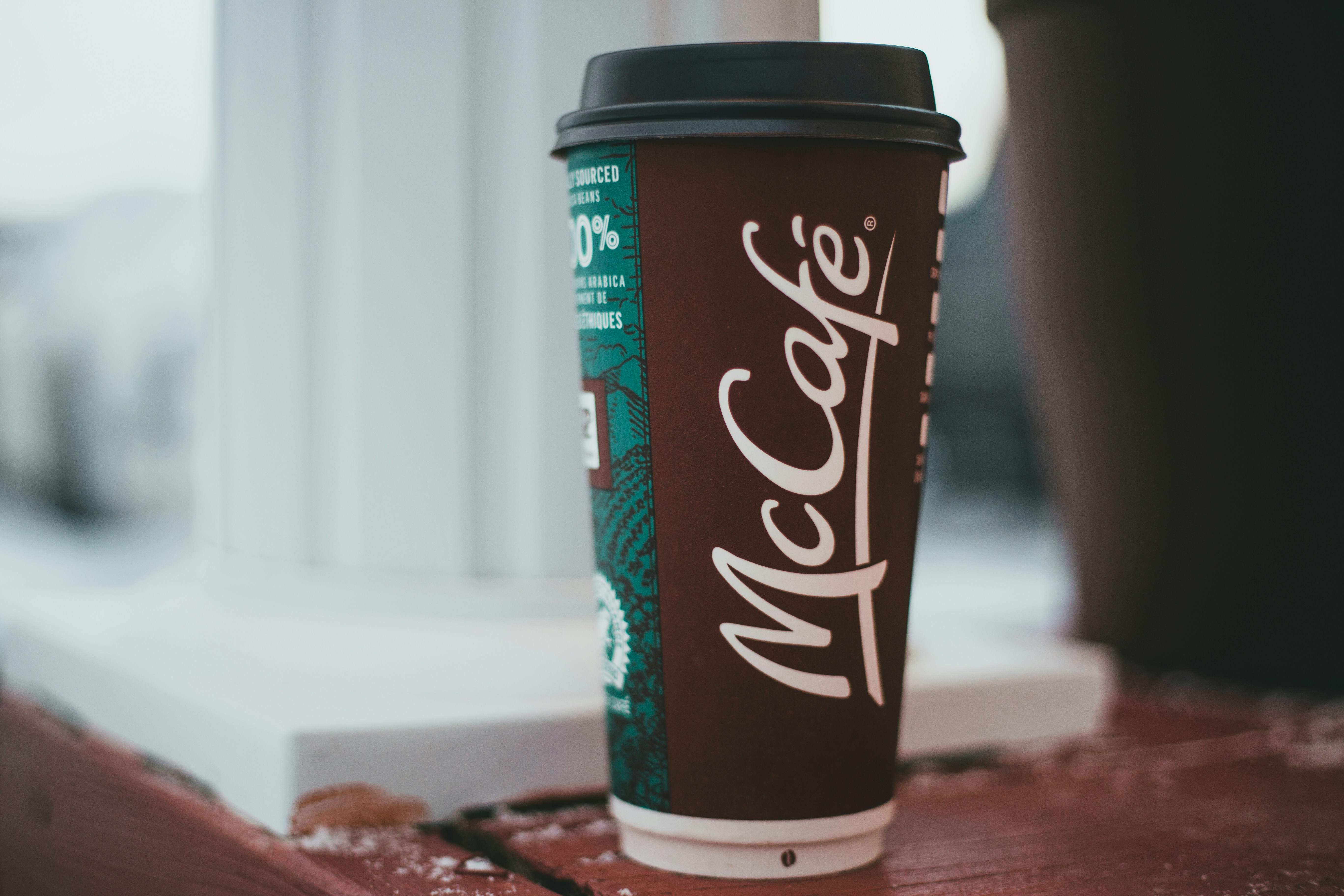
Photo by Erik Mclean on Unsplash
McDonald’s unveils six beverages across 14,000 restaurants on May 6, expanding McCafé with Refresher and crafted sodas and a new store-level beverage specialist role.
Apr 29, 2026
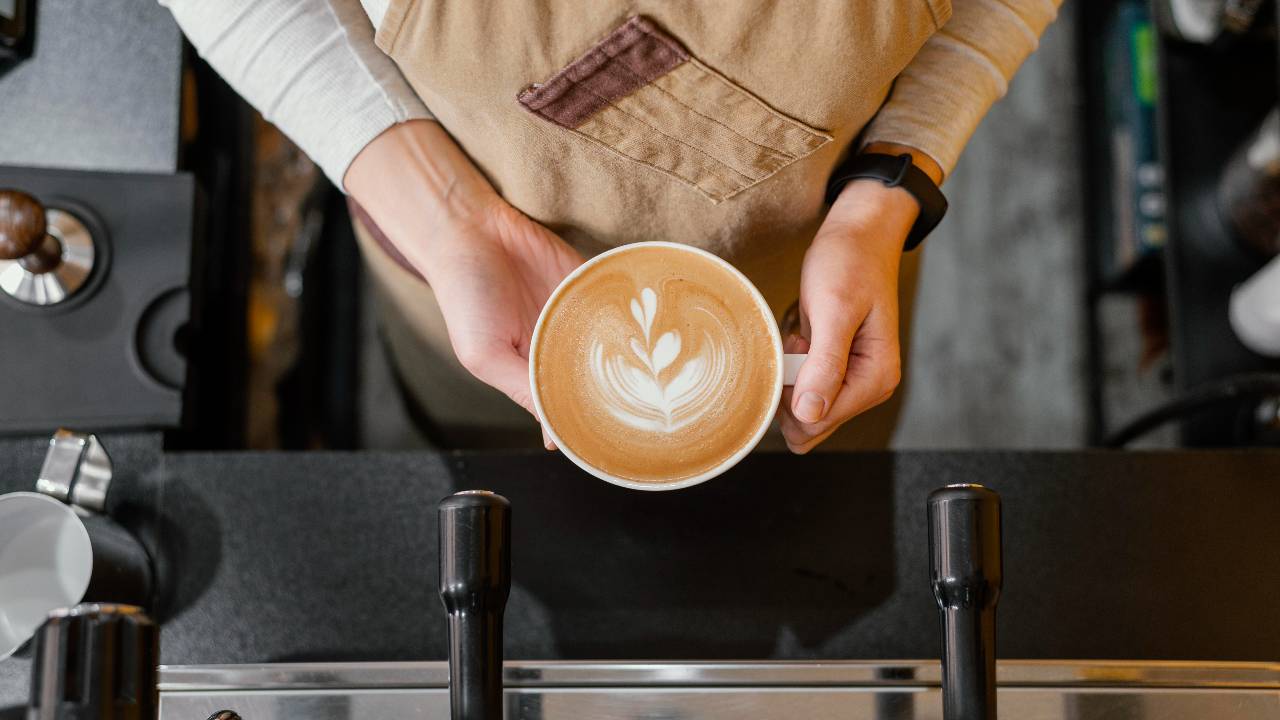
Learn how to write a coffee shop business plan that covers concept, location, menu, finances, branding, marketing, and risk planning.
Apr 27, 2026

Explore marketing strategies for food businesses using reviews, professional photos, SEO, social media, partnerships, events, and catering.
Apr 28, 2026
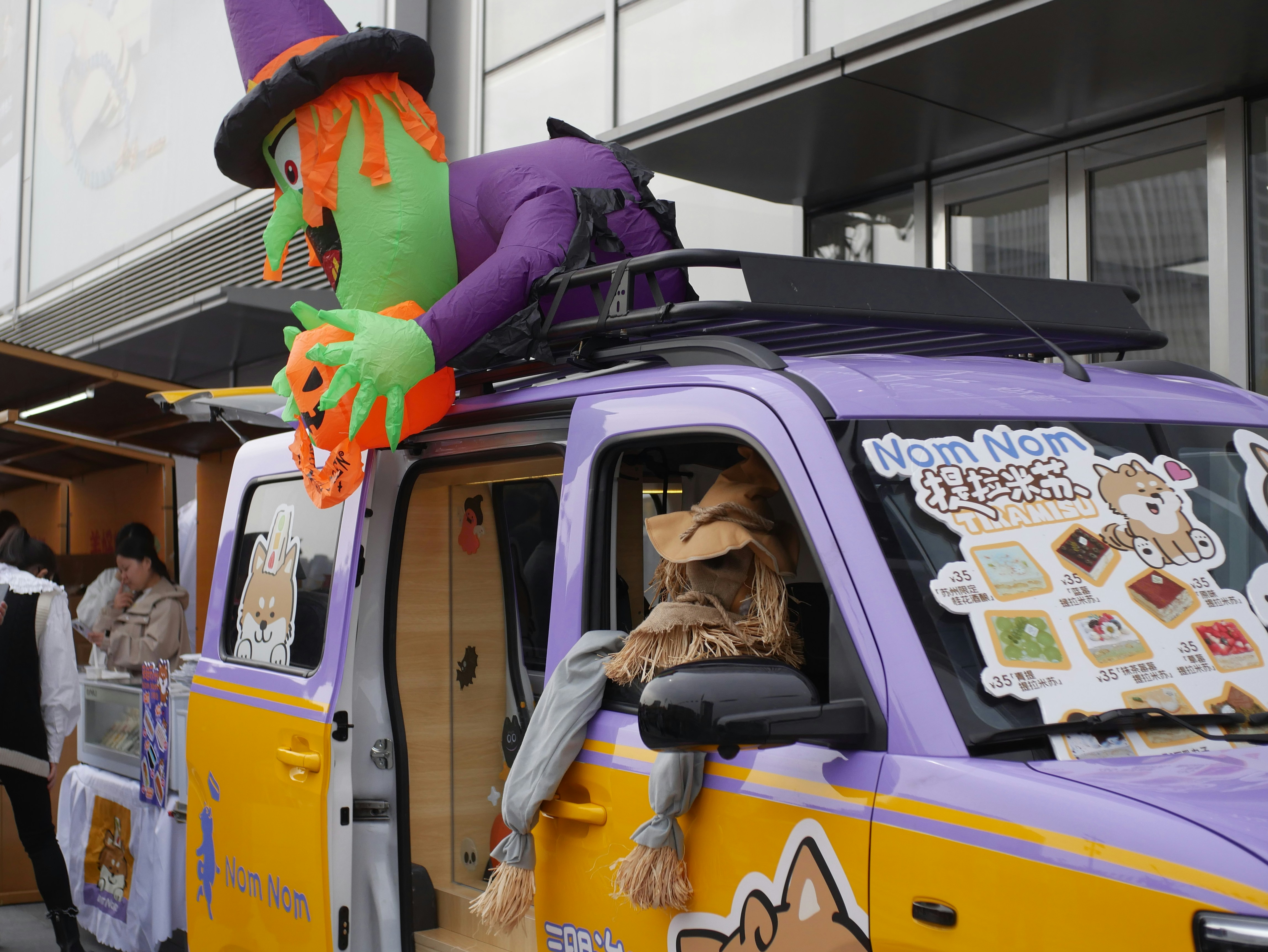
Photo by shen wenjie on Unsplash
Holiday-driven menu drops fuse nostalgia with wellness, turning menus into living calendars for fast-casual brands.
Apr 28, 2026
Photo by Abdul Raheem Kannath on Unsplash
Susannah Frost named Chick-fil-A President, joining Cliff Robinson as COO to guide domestic expansion and international growth.
Apr 28, 2026
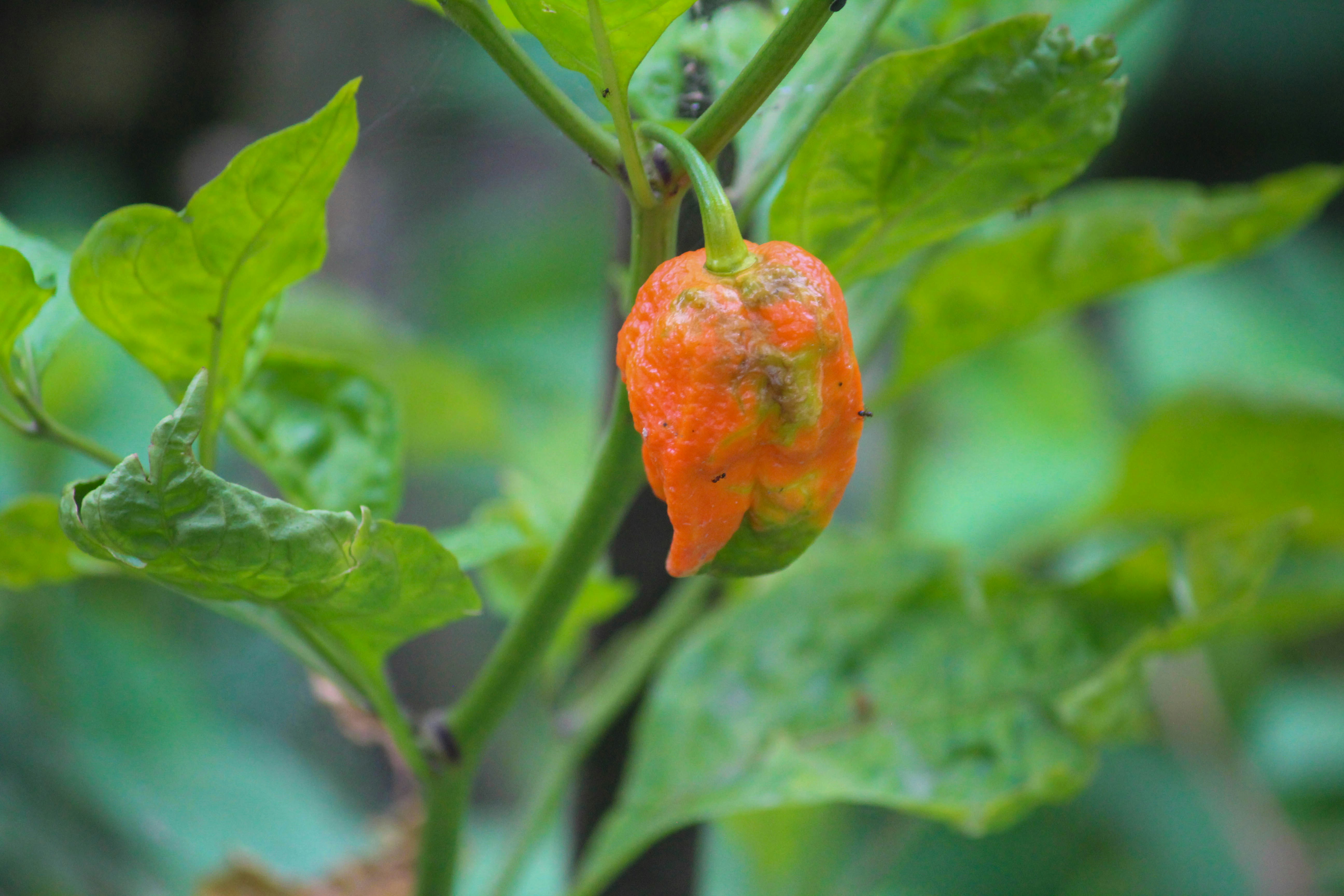
Photo by Moon Bhuyan on Unsplash
Ghost pepper-led promotions redefine autumn menus as chains blend heat, storytelling, and seasonal collaborations to drive foot traffic.
Apr 28, 2026

Photo by Noah Martinez on Unsplash
CAVA rolls out Garlic Ranch Pita Chips with a Steak + Harissa Bowl and a refreshed Rewards program, tying flavor innovation to personalized guest experiences.
Apr 28, 2026

Photo by Kate Trysh on Unsplash
Applebee’s launches Pick 6 Mondays, offering free wings with a $10 purchase when a Pick 6 occurs on Sundays, driving game-day momentum across dine-in and To Go.
Apr 28, 2026
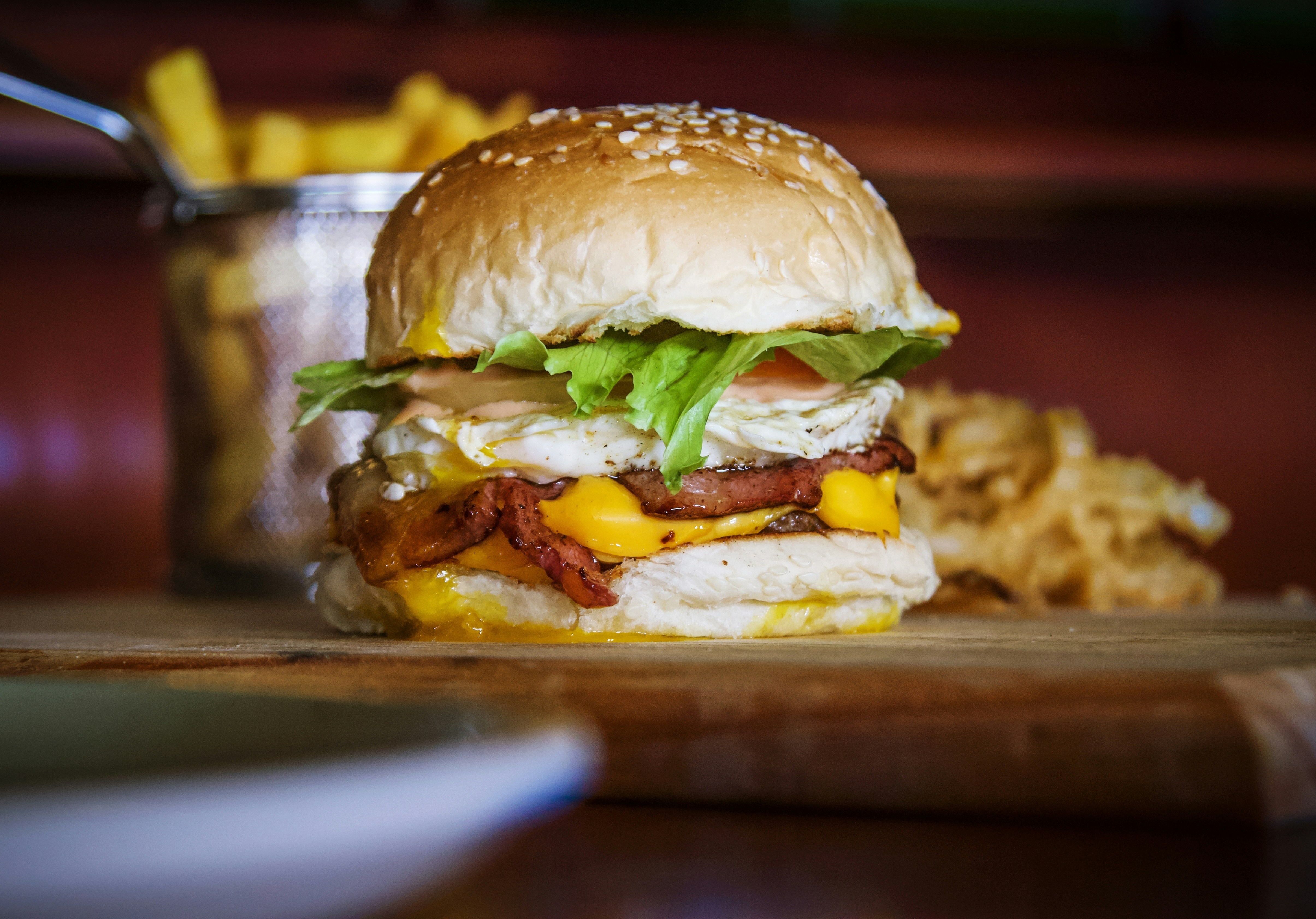
Photo by Stu Moffat on Unsplash
Beatrice Nguyen explores how leadership blends speed, loyalty, and standardized operations to grow Shake Shack while preserving its signature experience.
Apr 28, 2026
Some of the most loved and iconic restaurant chains in the United States have shut down hundreds of locations over the last few years. Subway and Ruby Tuesday being the prominent ones.
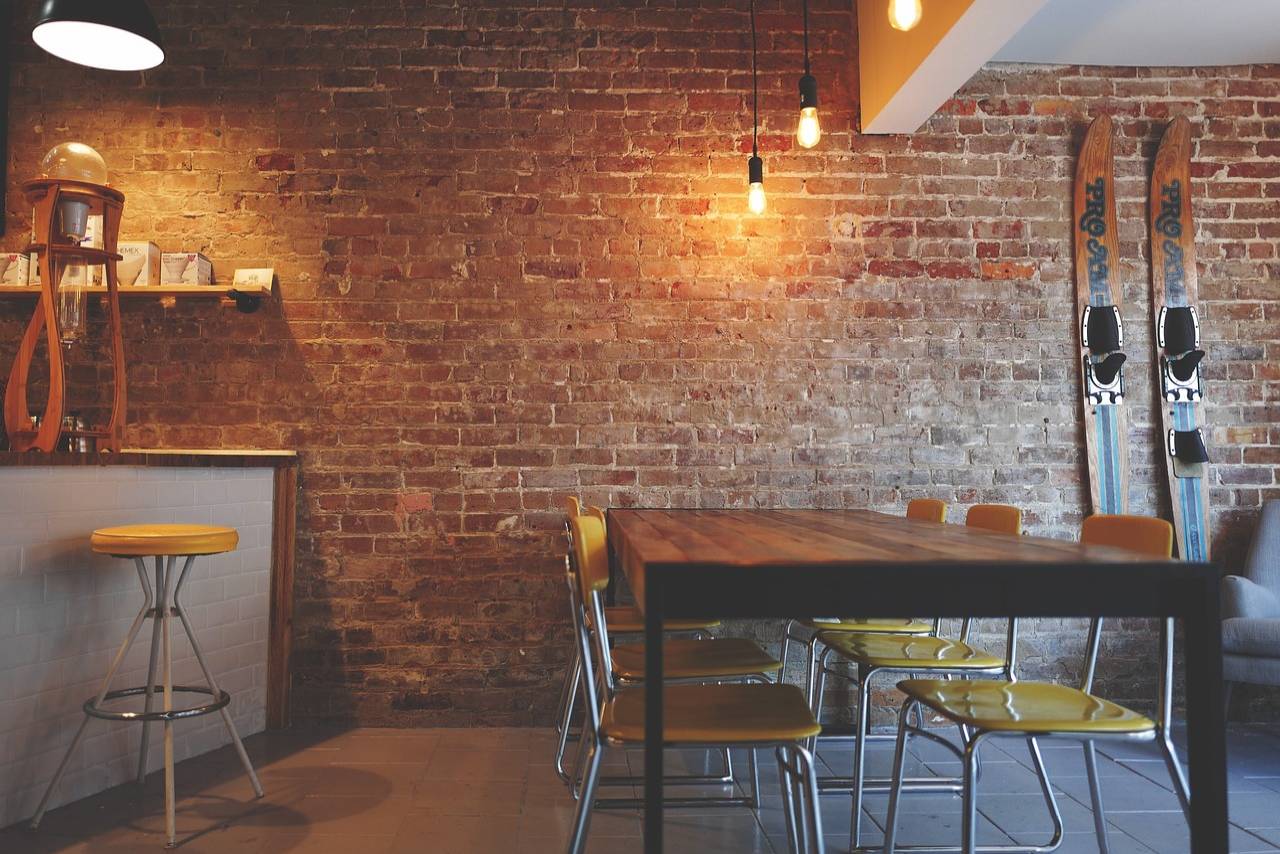
Two years into the pandemic, restaurant chains across the United States are still struggling with dwindling sales numbers and rapidly changing consumer behavior. Most of them have been able to dodge bankruptcy by shutting down their restaurants in relatively underperforming locations. It isn't just the food brands that were, in any case, relegated to the wayside; even legacy brands like Ruby Tuesday and Boston Market have declared losses and are permanently shuttering hundreds of locations. At the same time, restaurants specializing in buffets like Ponderosa and Golden Corral have been forced to reconsider their business model.
The pandemic hit the restaurant industry hard, leading to most chain restaurants incurring more losses than they had in previous years put together. Most fast-food brands struggled with closures and losses. 2021 saw the chains continue to struggle to bring customers in. This was partly due to lockdowns that were imposed through the year to curtail the spread of the virus. Reports suggest a considerable shift in consumer behavior towards fast food while many now prefer to order-in, others have habitually grown to make healthier food choices.
The pandemic was a particularly difficult period for the restaurant industry. Labor shortages, exhausting working capital, tight-fisted landlords, and supply chain issues plagued the industry, and many are still reeling from its effects. While online deliveries, either direct or through third-parties, helped, they still only accounted for a minuscule percentage of the restaurant's turnover. This has caused many restaurants, global chains as well as small restaurants, to shut down.
Several restaurant chains across the United States have been pushed to cease activity in certain locations. Among the newest to join the lot are Subway, Ruby Tuesday, Boston Market, Golden Corral, Ponderosa Steakhouse, Bonanza Steakhouse, Steak n Shake, Quiznos, and Fuddruckers. Keep reading to find out why some of these American chain restaurants are now much smaller than they once were!
Subway has been closing unprofitable locations domestically for a few years now. According to estimates, the sandwich chain's location count has dropped to 20,890. The food giant ran over 27,000 domestic units in 2013.
According to CEO John Chidsey, this is all part of their strategy, which no longer aims for the feverish ascent it is known for. "I don't really see a lot of growth in the US," he said earlier this year. "I still think there are some non-traditional opportunities in the US, but we want to get away from being so unit-focused on the US and focus more on the quality of what we have."
Ruby Tuesday made it through the pandemic, but just barely. Like many other fast-casual chains now decades past their prime, Ruby Tuesday was pushed into bankruptcy by its parent company, filing for Chapter 11 protection in late 2020. In February of 2021, the chain emerged from a bankruptcy case with its restaurant count cut by more than half, from 451 to 209.
Despite ambitious expansion plans and a new, takeout-friendly design, Boston Market has seen dwindling numbers for over two decades now. The company's 1200 units in 1998 came down to 326 last year, and the shrinking shows no signs of abating.
Golden Corral has been America's
Ponderosa and Bonanza were acquired by FAT brands in 2017 from the conglomerate Metromedia Restaurant Group, which filed for bankruptcy in 2008. Despite the shift in hands, Ponderosa and Bonanza show no signs of recuperating from their years-long decline. The sister restaurants are currently operational in just 23 locations.
The decades-old food brand has struggled to stay afloat for years now. It experienced a resurgence in the late 2000s when it found new Restaurant Owners and was taken over by entrepreneur Sardar Biglari, but it was short-lived and the company found itself straining at the bits yet again. The company has routinely hit the headlines for poor Restaurant Management and its financial woes, and the store count, too, has been on a steady decline.
Theirs is probably the scariest illustration of this decline. Quiznos's store count has shrunk by an astounding 94%. The sandwich chain expanded exponentially in 2006, with 5,000 units across the United States. Since 2010, its footprint has been approximately halved every five years- it was down to 2,800 units in 2010, 671 units in 2016, and 255 last year. The once-massive sandwich brand has partnered with Ghost Kitchen Brands, which plans to introduce Quiznos to 100 of its stores across North America.
Fuddruckers was acquired by Black Titan Franchise Systems for $18.5 million from Luby's in late 2021. The brand, though, has been slipping downhill since 2010, when it was acquired by Luby's. The store count is now down to half, from 198 stores in 2010 to 92 last year. The new Restaurant Management clearly has its work cut out!