Photo by Unseen Histories on Unsplash
Franchise Frenzy: Cross-Border Growth
A look at how U.S. brands expand through multi-unit deals, cross-border partnerships, and seasoned operators in 2026.
franchising
Apr 29, 2026
Photo by Unseen Histories on Unsplash
A look at how U.S. brands expand through multi-unit deals, cross-border partnerships, and seasoned operators in 2026.
Apr 29, 2026
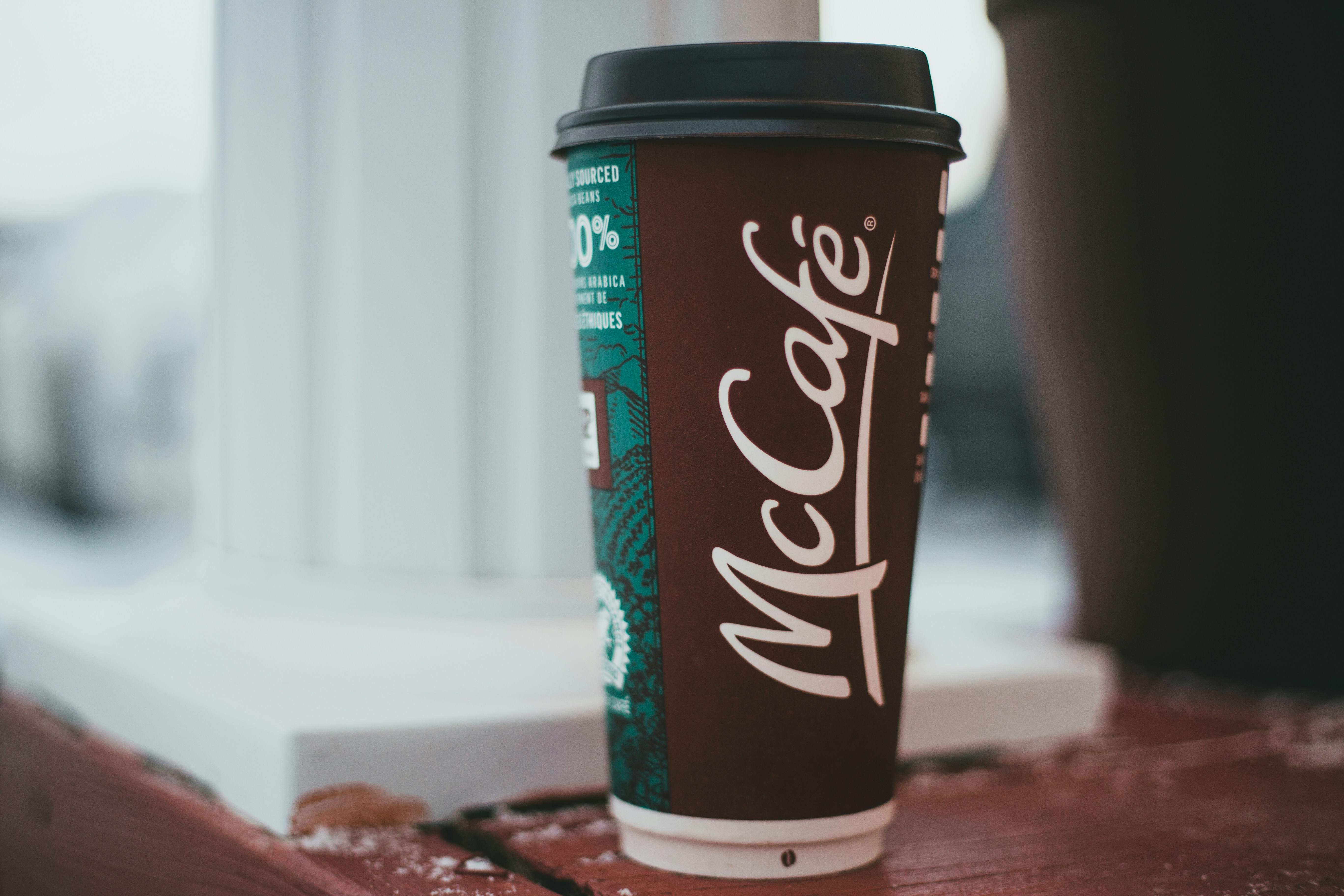
Photo by Erik Mclean on Unsplash
McDonald’s unveils six beverages across 14,000 restaurants on May 6, expanding McCafé with Refresher and crafted sodas and a new store-level beverage specialist role.
Apr 29, 2026
Learn how to write a coffee shop business plan that covers concept, location, menu, finances, branding, marketing, and risk planning.
Apr 27, 2026

Explore marketing strategies for food businesses using reviews, professional photos, SEO, social media, partnerships, events, and catering.
Apr 28, 2026
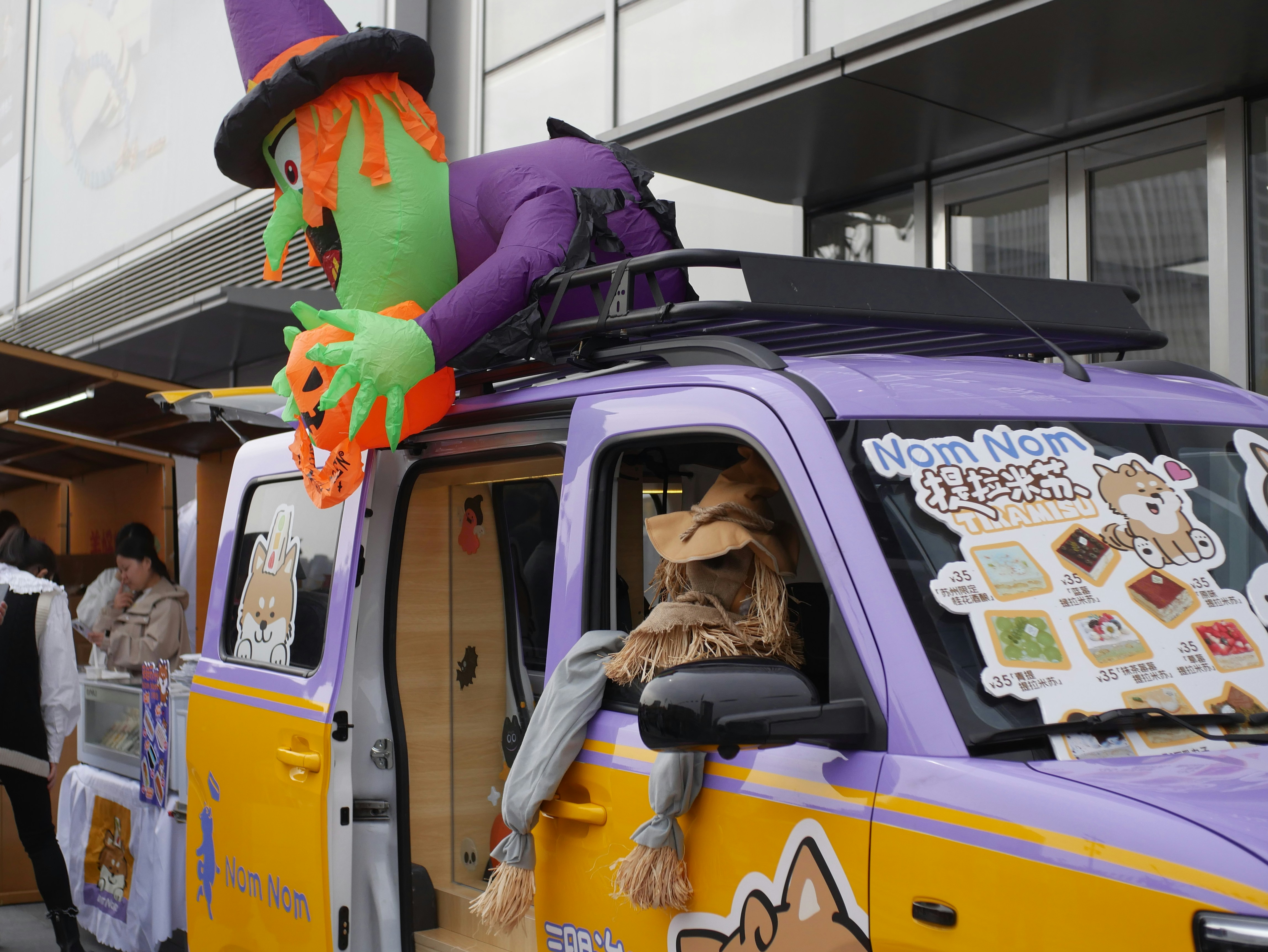
Photo by shen wenjie on Unsplash
Holiday-driven menu drops fuse nostalgia with wellness, turning menus into living calendars for fast-casual brands.
Apr 28, 2026
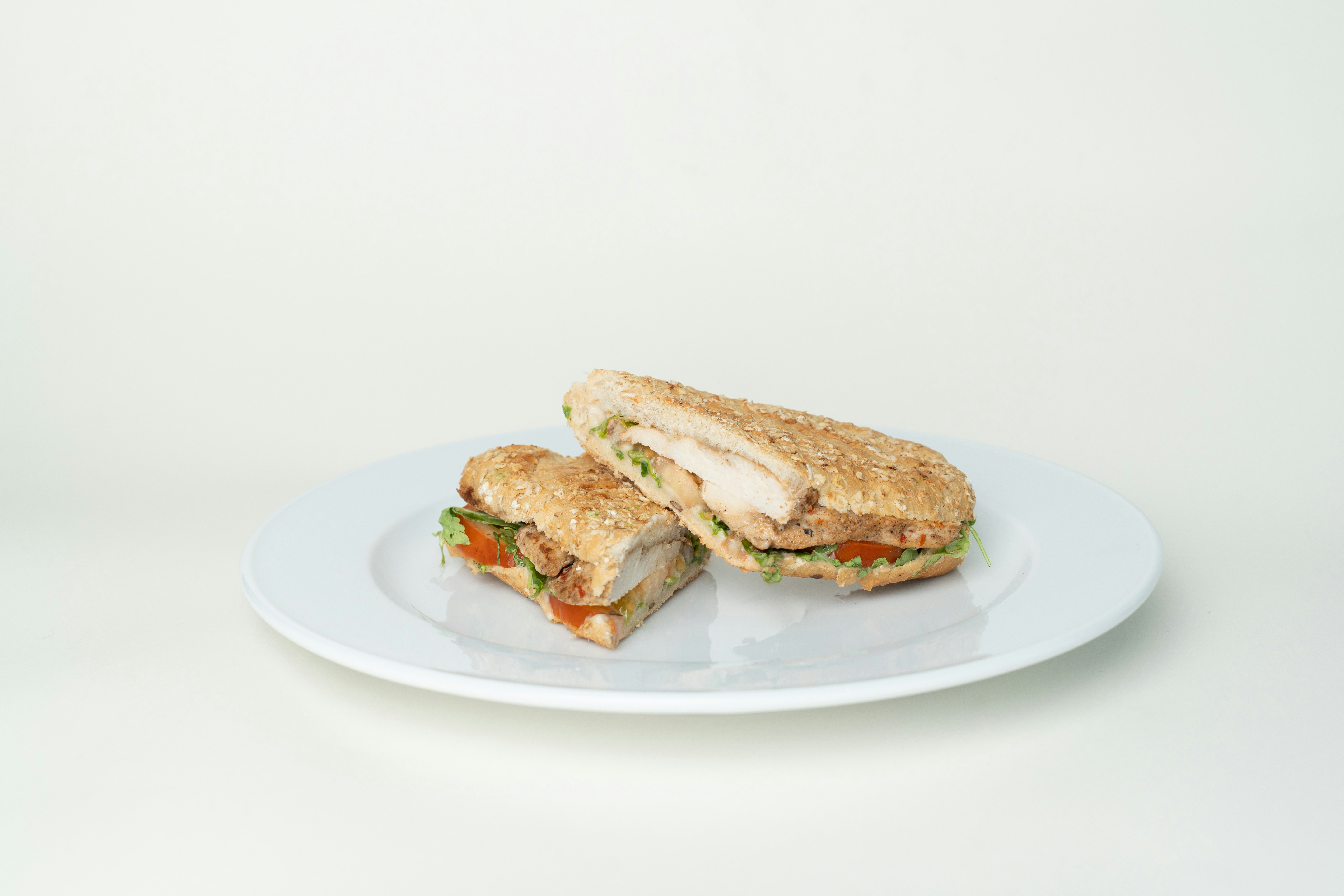
Photo by Abdul Raheem Kannath on Unsplash
Susannah Frost named Chick-fil-A President, joining Cliff Robinson as COO to guide domestic expansion and international growth.
Apr 28, 2026
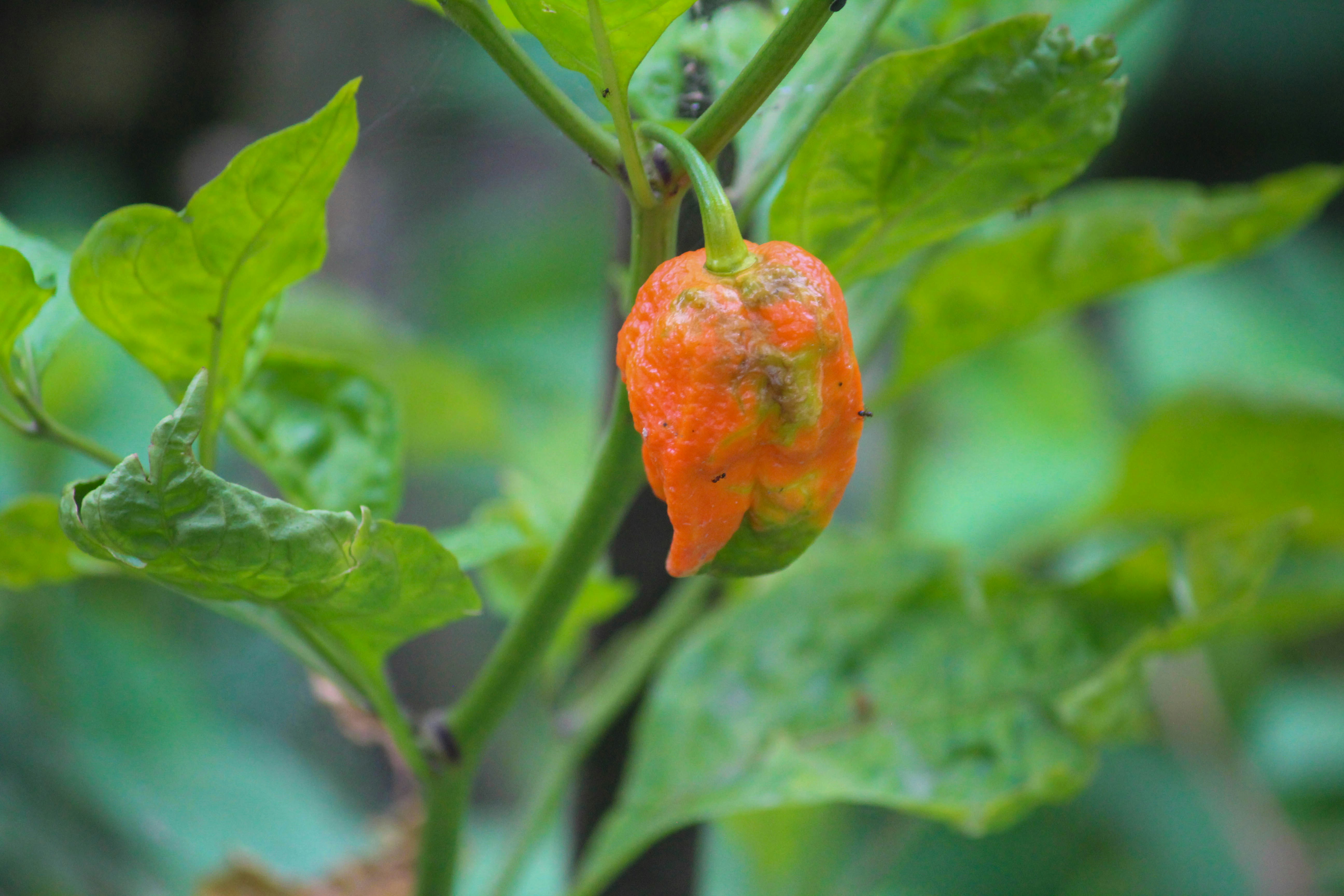
Photo by Moon Bhuyan on Unsplash
Ghost pepper-led promotions redefine autumn menus as chains blend heat, storytelling, and seasonal collaborations to drive foot traffic.
Apr 28, 2026

Photo by Noah Martinez on Unsplash
CAVA rolls out Garlic Ranch Pita Chips with a Steak + Harissa Bowl and a refreshed Rewards program, tying flavor innovation to personalized guest experiences.
Apr 28, 2026
Photo by Kate Trysh on Unsplash
Applebee’s launches Pick 6 Mondays, offering free wings with a $10 purchase when a Pick 6 occurs on Sundays, driving game-day momentum across dine-in and To Go.
Apr 28, 2026
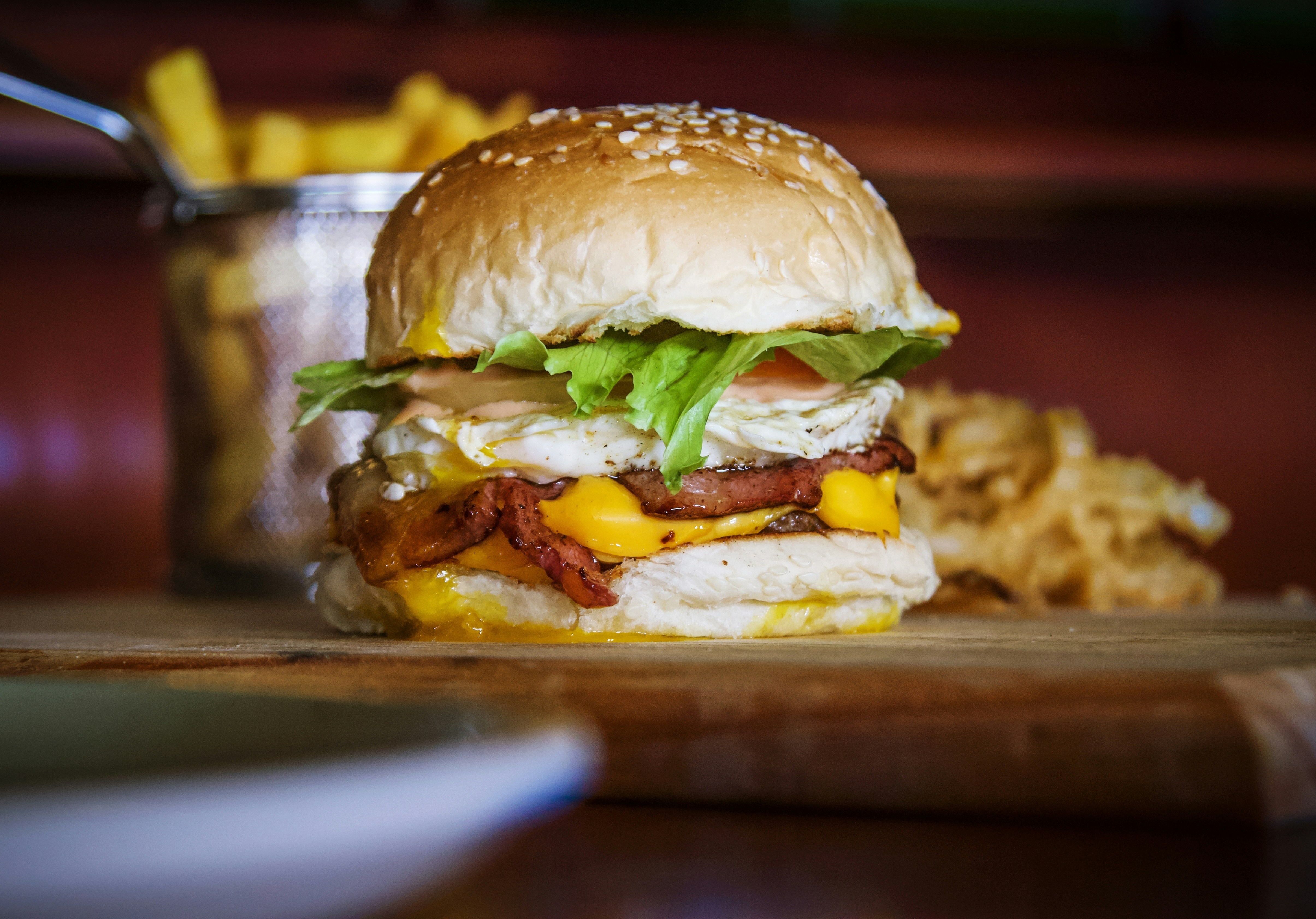
Photo by Stu Moffat on Unsplash
Beatrice Nguyen explores how leadership blends speed, loyalty, and standardized operations to grow Shake Shack while preserving its signature experience.
Apr 28, 2026
Understanding and controlling the 4 major sources of Restaurant Cost Breakdown will help businesses protect their bottom line.
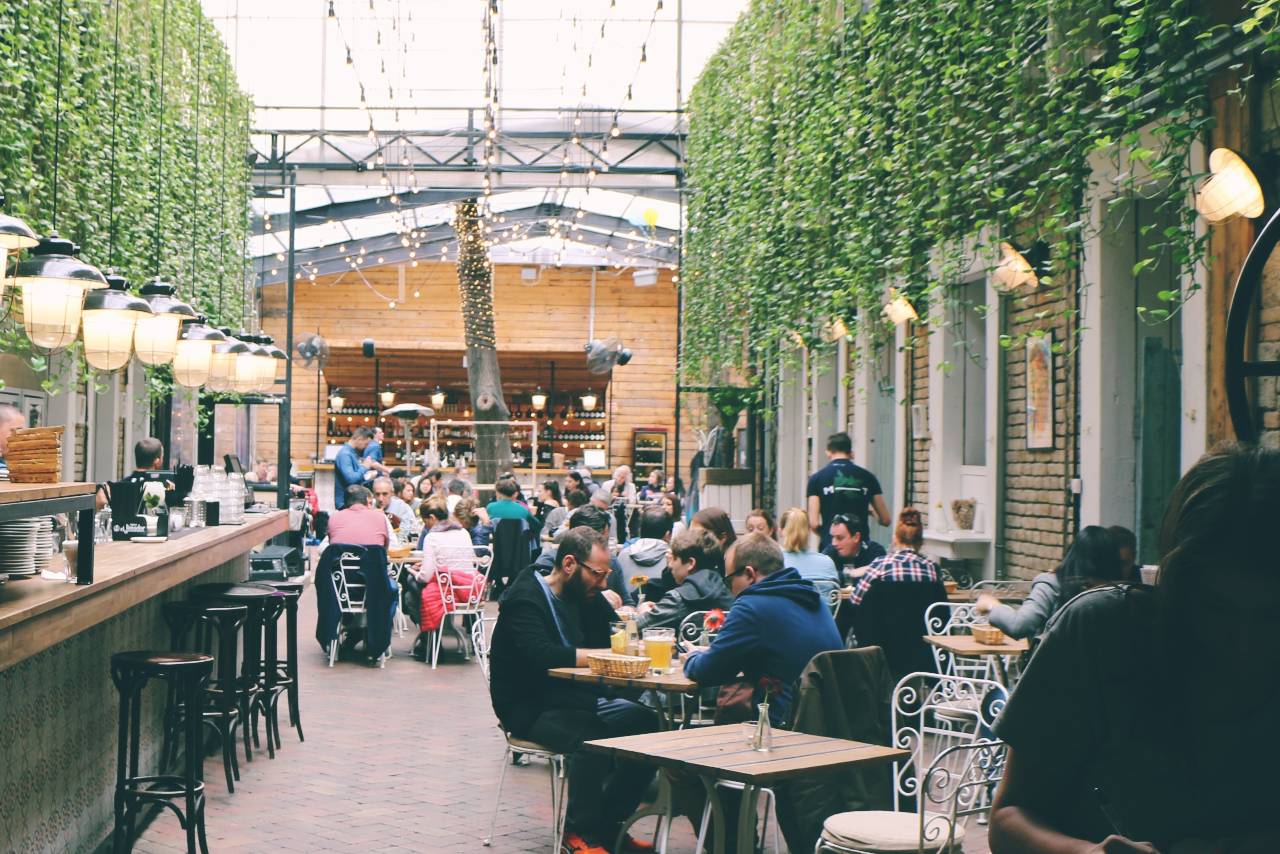
One of the main challenges of running a restaurant is understanding and managing the various costs that are associated with operations. Along with the expenses for equipment and utilities, management must also control rising food costs caused by inflation and increases in taxes and labor costs.
By keeping track of these expenses, restaurant managers will be able to make informed decisions that will help them to remain profitable.
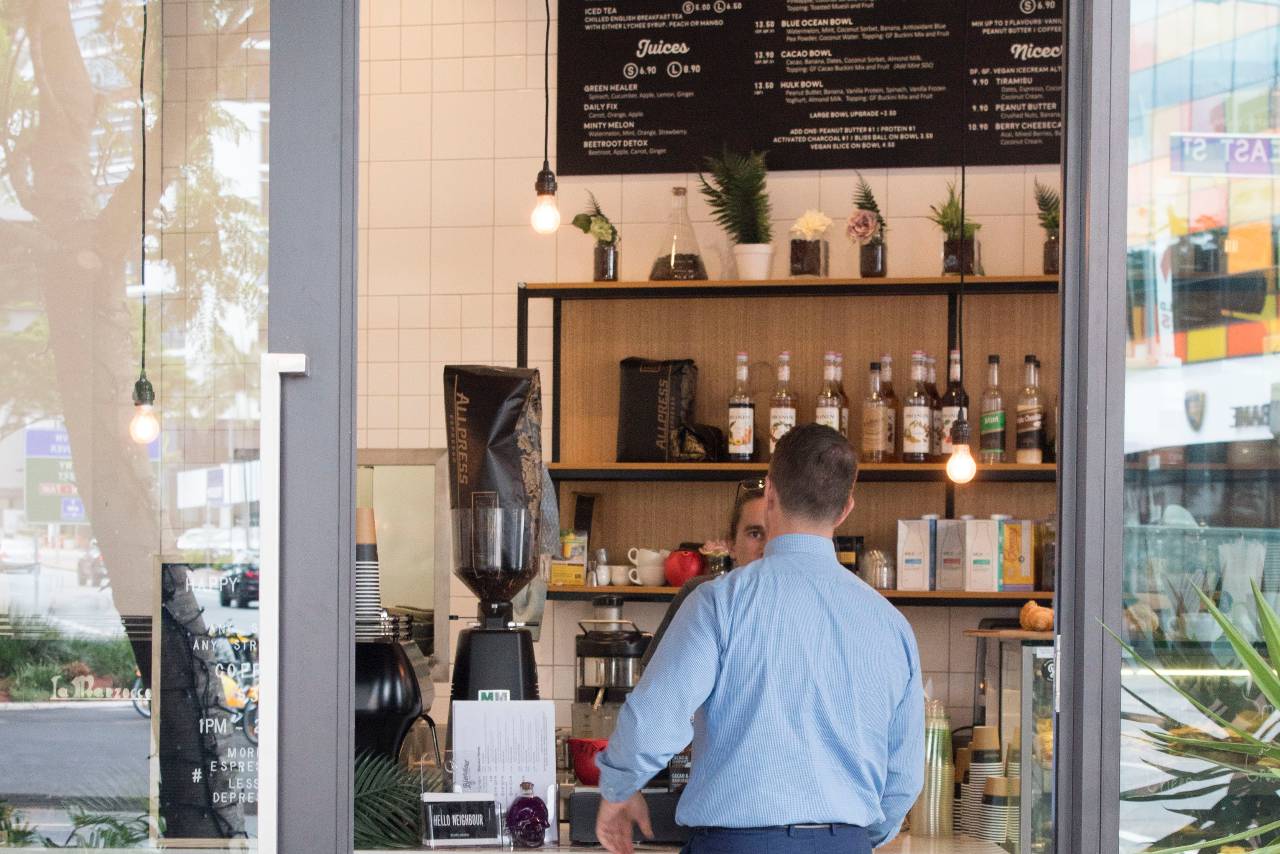
Restaurant costs depend on the size of the business, its concept, and location. However, most eateries can expect 4 main costs - labor, food, utilities, and equipment.
Labor costs refer to the hourly wages and salaries a business pays to its employees. These costs also encompass vacation and sick day pay, healthcare, overtime, bonuses, and payroll taxes.
To ensure that the amount of money spent on labor does not make a negative impact on profitability, restaurant managers need to calculate their labor cost percentage. They can do so by dividing their total labor costs by their total sales in a given period and multiplying the quotient to 100.
This percentage will give businesses insight into how efficient their labor force is in producing profits. Typically, fast-casual restaurants will have an average labor cost percentage of 28.9%, while upscale-casual eateries have 30.4%.
Restaurants with rising labor costs can implement various methods to control expenses without having to sacrifice quality service, such as-

By understanding food costs, managers can establish menu prices that will ensure profitability.
The two main costs related to food that restaurateurs need to monitor are the cost per dish - also known as plate costs - and period costs, which is the cost of food over a given period.
To find a restaurant's plate cost, managers need to take the portion cost and divide it by the sales price, and then multiply the total to 100. On the other hand, the period cost is calculated by dividing food cost by its price and then multiplying the quotient to 100.
If businesses want to find their total food cost for a given period they need to add their beginning inventory and food purchases, and then subtract the total to their ending inventory. For example, if the eatery started with $4,000 in food inventory at the start of February and purchased $20,000 throughout the month, and ended with $3,000 worth of inventory, their total food cost would be $21,000.
Restaurants that want to improve their food costs should-
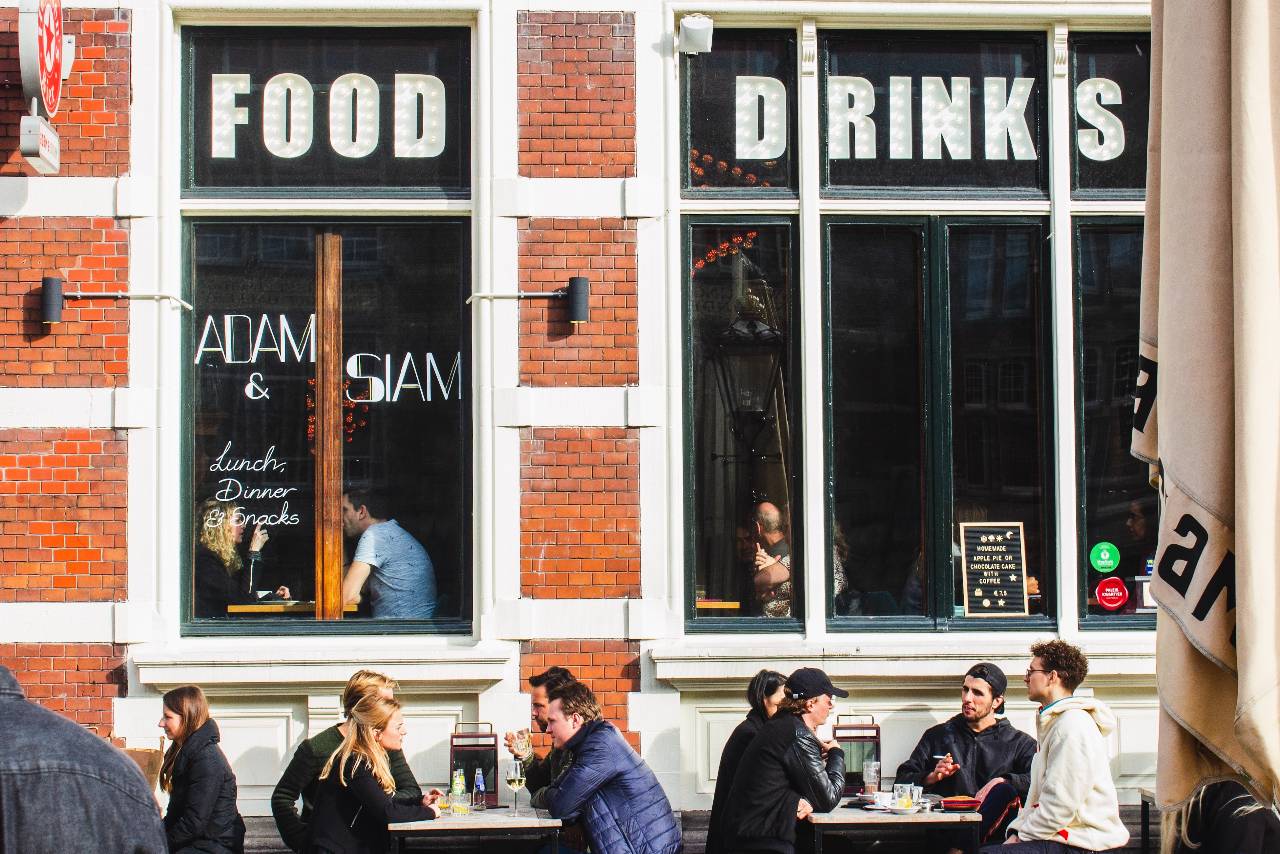
Utility costs usually cover water, electricity, rent, gas, Internet, and phone services. These expenses will vary for each restaurant depending on various factors, such as-
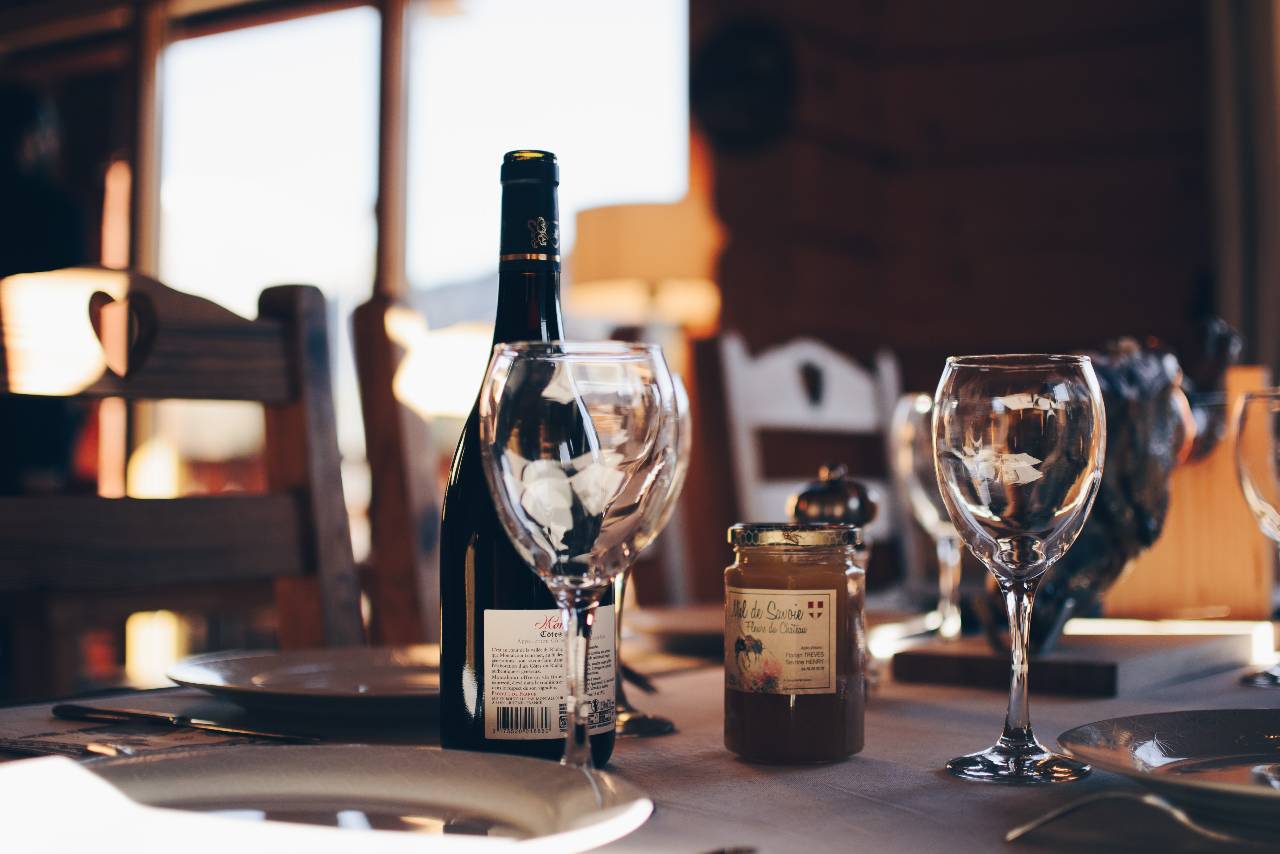
Restaurants need equipment to operate and provide customer service. The most common supplies management needs to invest in are-
By understanding the different restaurant costs and effectively implementing measures to minimize expenses, restaurateurs can protect their bottom line and increase their profit margins.