
Photo by Unseen Histories on Unsplash
Franchise Frenzy: Cross-Border Growth
A look at how U.S. brands expand through multi-unit deals, cross-border partnerships, and seasoned operators in 2026.
franchising
Apr 29, 2026
Photo by Unseen Histories on Unsplash
A look at how U.S. brands expand through multi-unit deals, cross-border partnerships, and seasoned operators in 2026.
Apr 29, 2026
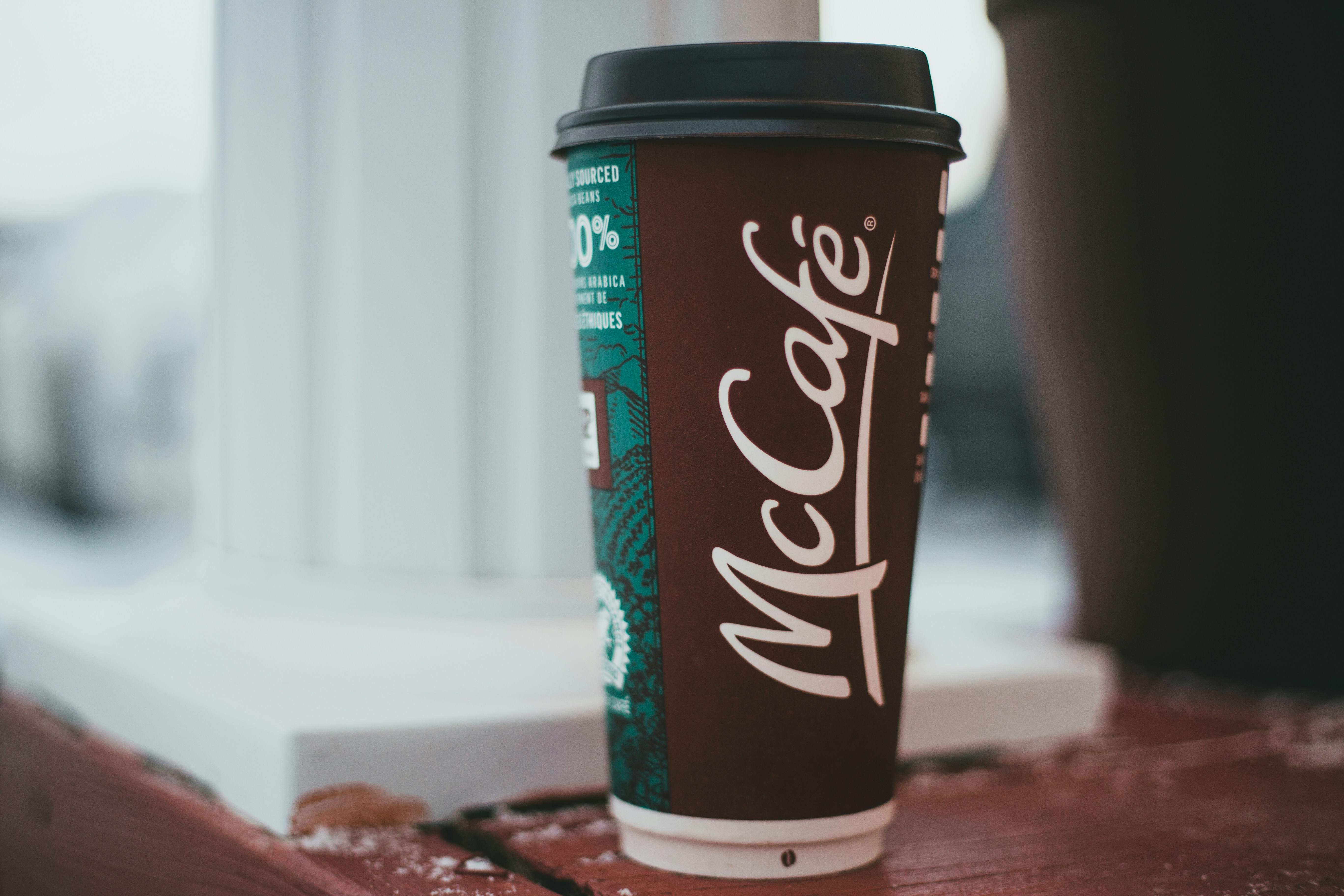
Photo by Erik Mclean on Unsplash
McDonald’s unveils six beverages across 14,000 restaurants on May 6, expanding McCafé with Refresher and crafted sodas and a new store-level beverage specialist role.
Apr 29, 2026
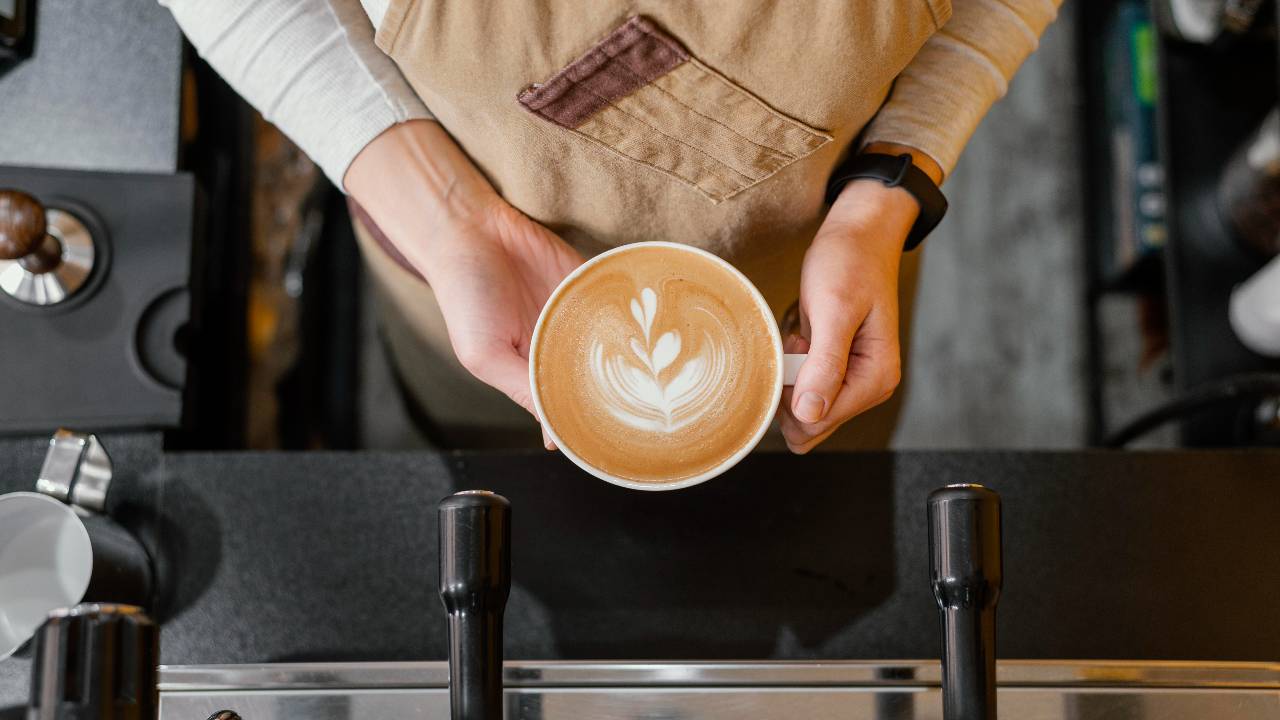
Learn how to write a coffee shop business plan that covers concept, location, menu, finances, branding, marketing, and risk planning.
Apr 27, 2026
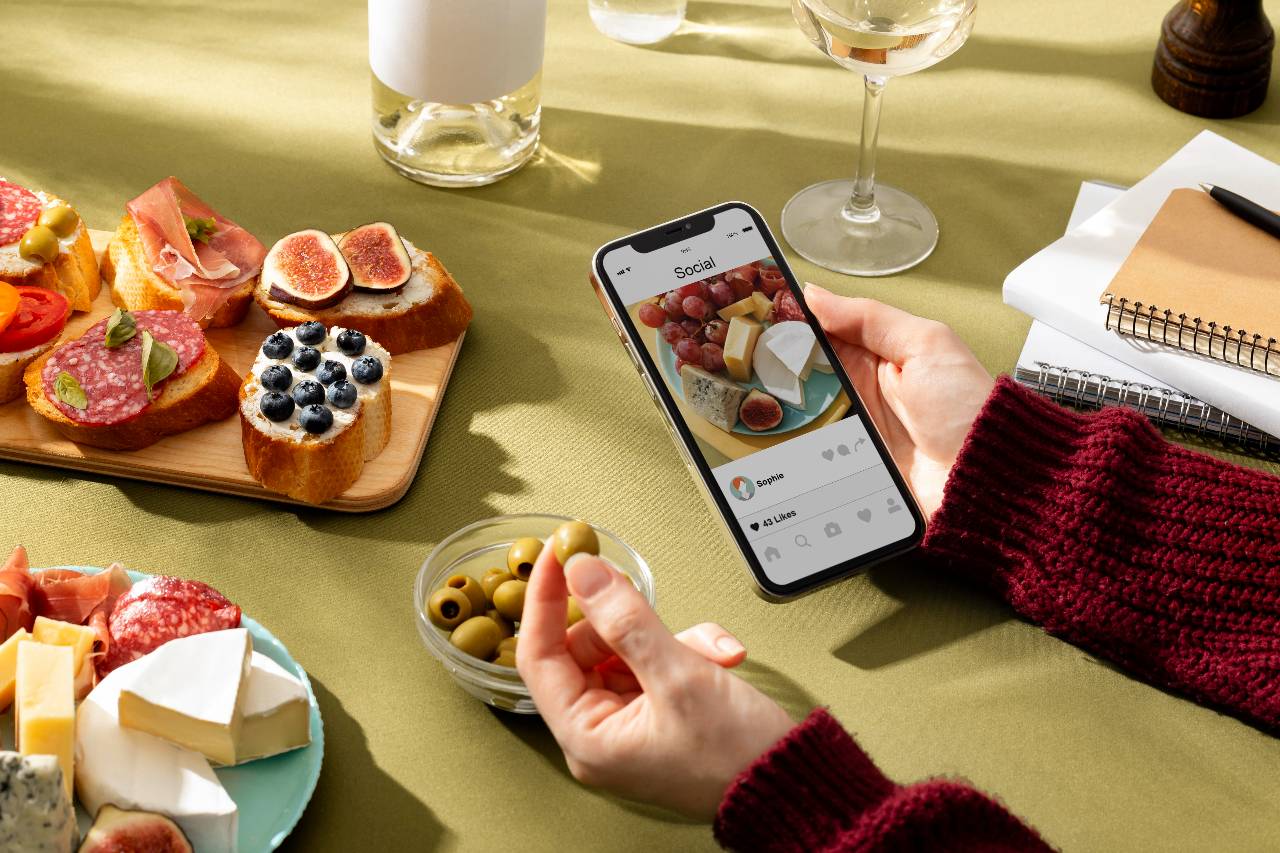
Explore marketing strategies for food businesses using reviews, professional photos, SEO, social media, partnerships, events, and catering.
Apr 28, 2026

Photo by shen wenjie on Unsplash
Holiday-driven menu drops fuse nostalgia with wellness, turning menus into living calendars for fast-casual brands.
Apr 28, 2026
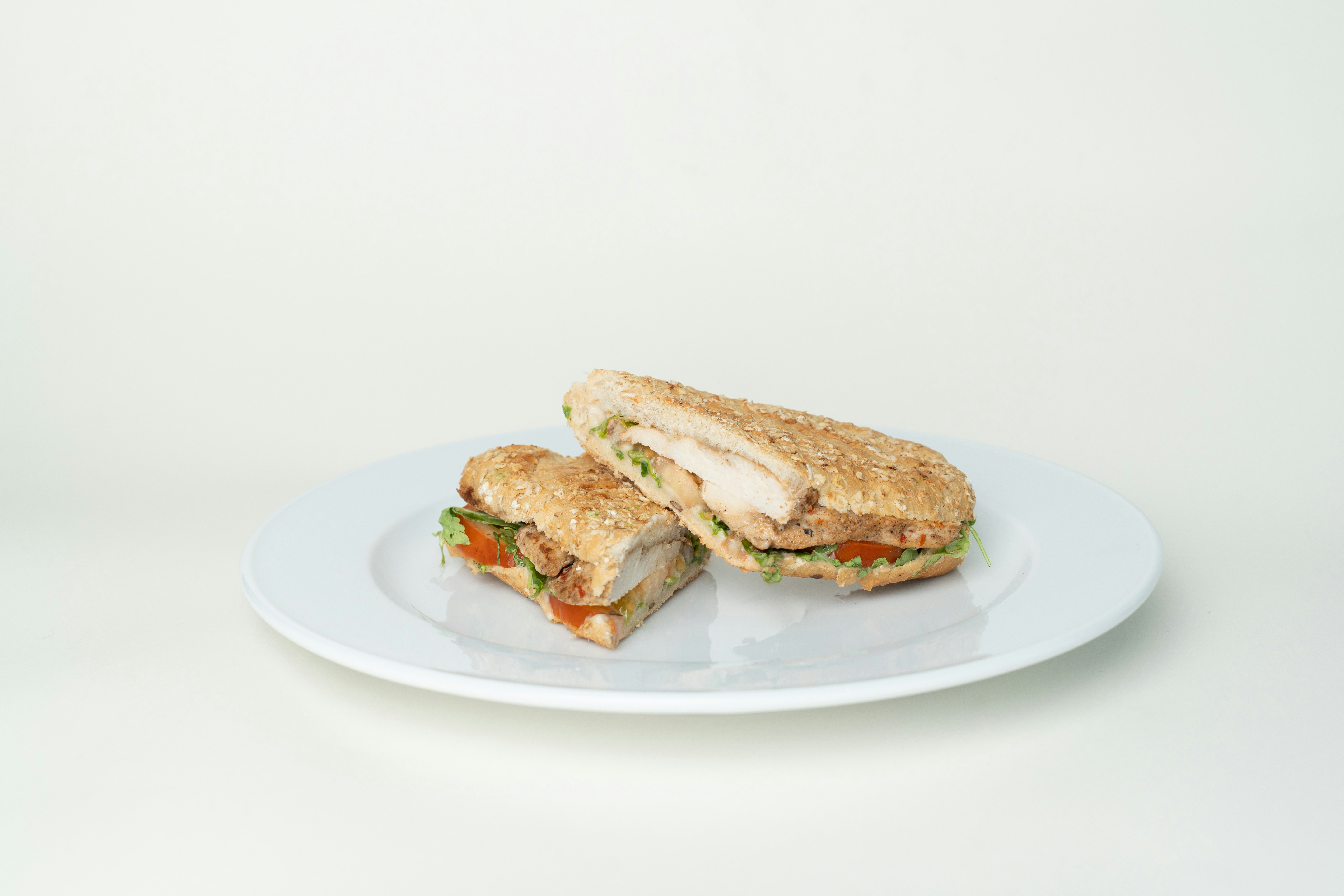
Photo by Abdul Raheem Kannath on Unsplash
Susannah Frost named Chick-fil-A President, joining Cliff Robinson as COO to guide domestic expansion and international growth.
Apr 28, 2026
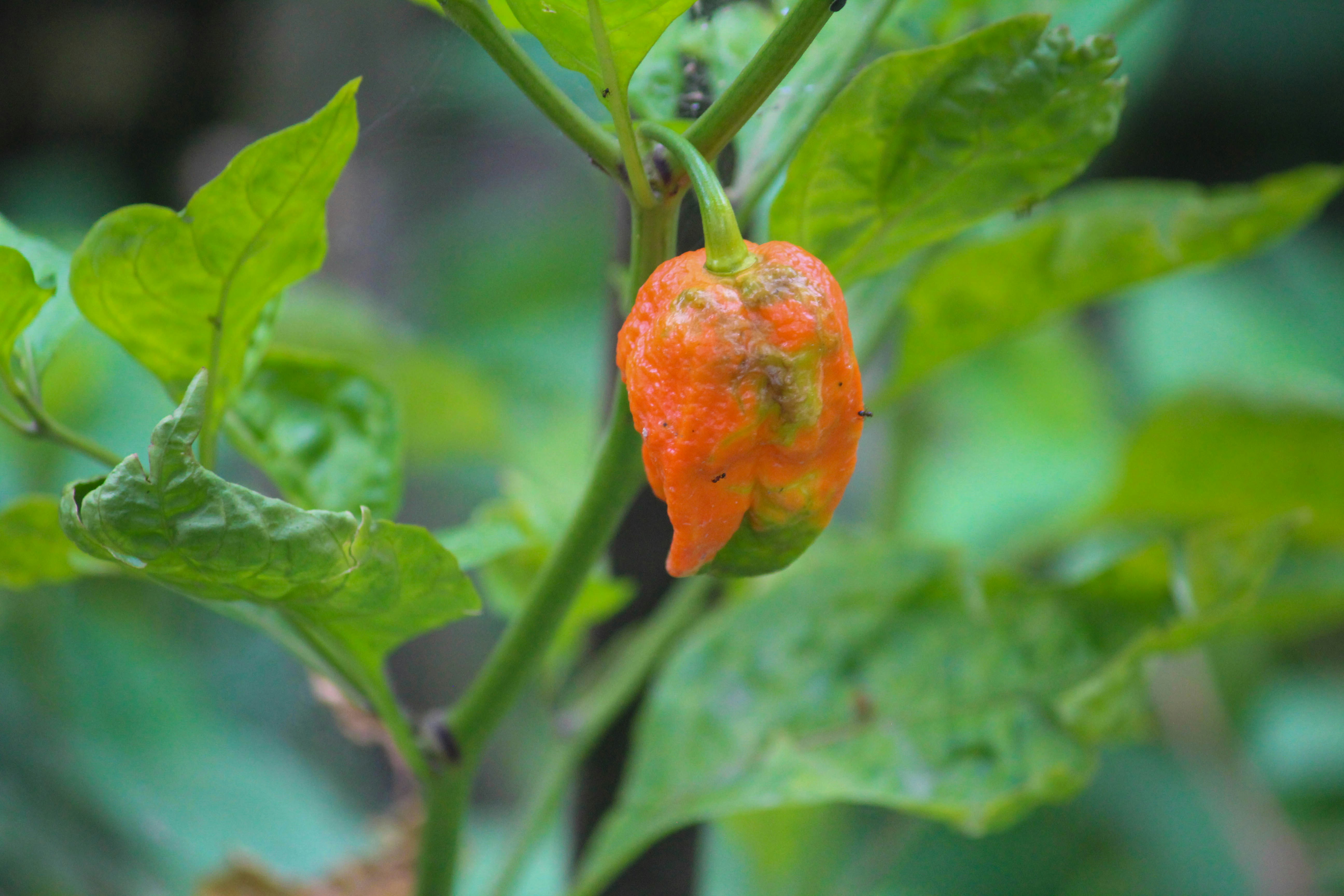
Photo by Moon Bhuyan on Unsplash
Ghost pepper-led promotions redefine autumn menus as chains blend heat, storytelling, and seasonal collaborations to drive foot traffic.
Apr 28, 2026

Photo by Noah Martinez on Unsplash
CAVA rolls out Garlic Ranch Pita Chips with a Steak + Harissa Bowl and a refreshed Rewards program, tying flavor innovation to personalized guest experiences.
Apr 28, 2026
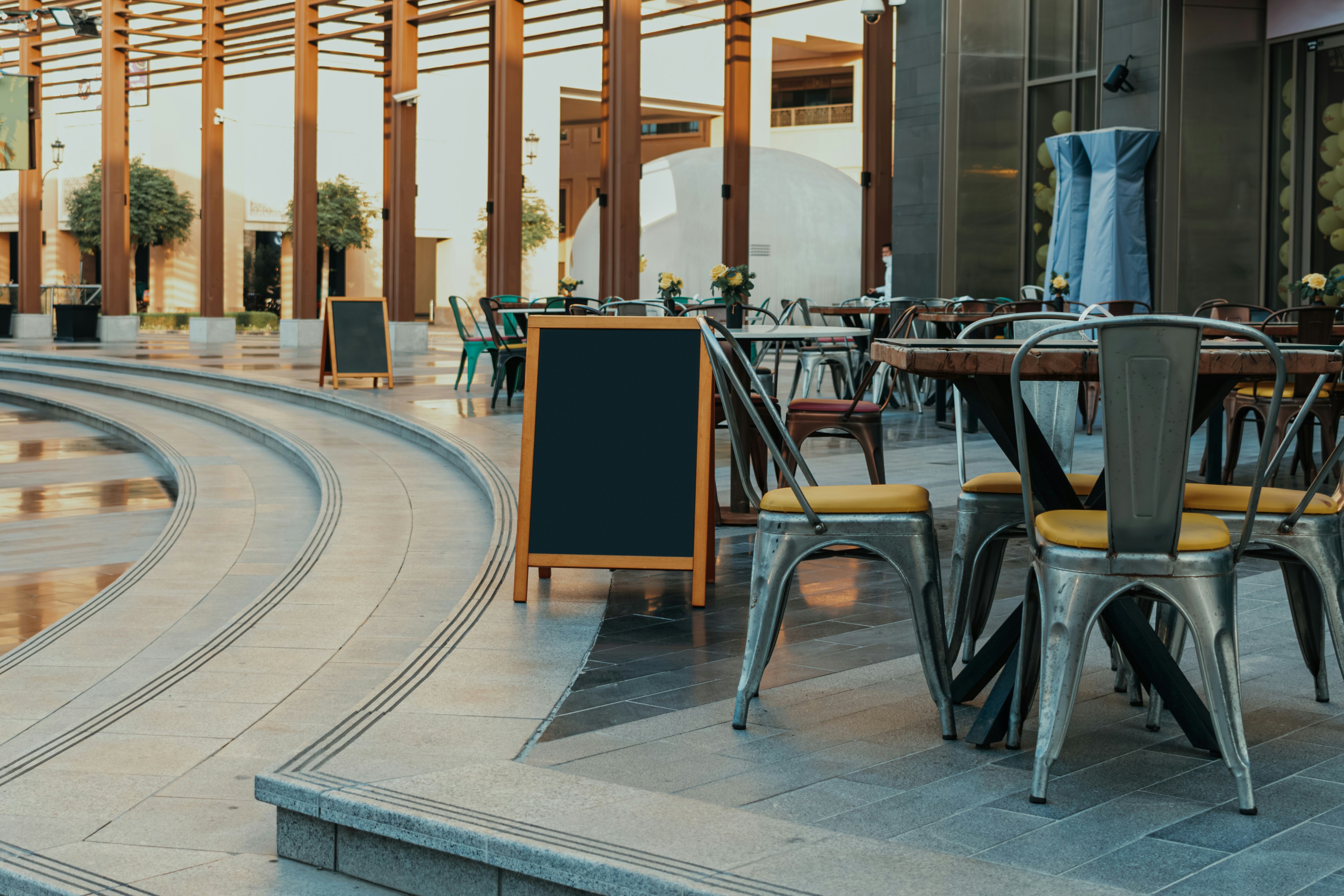
Photo by Kate Trysh on Unsplash
Applebee’s launches Pick 6 Mondays, offering free wings with a $10 purchase when a Pick 6 occurs on Sundays, driving game-day momentum across dine-in and To Go.
Apr 28, 2026
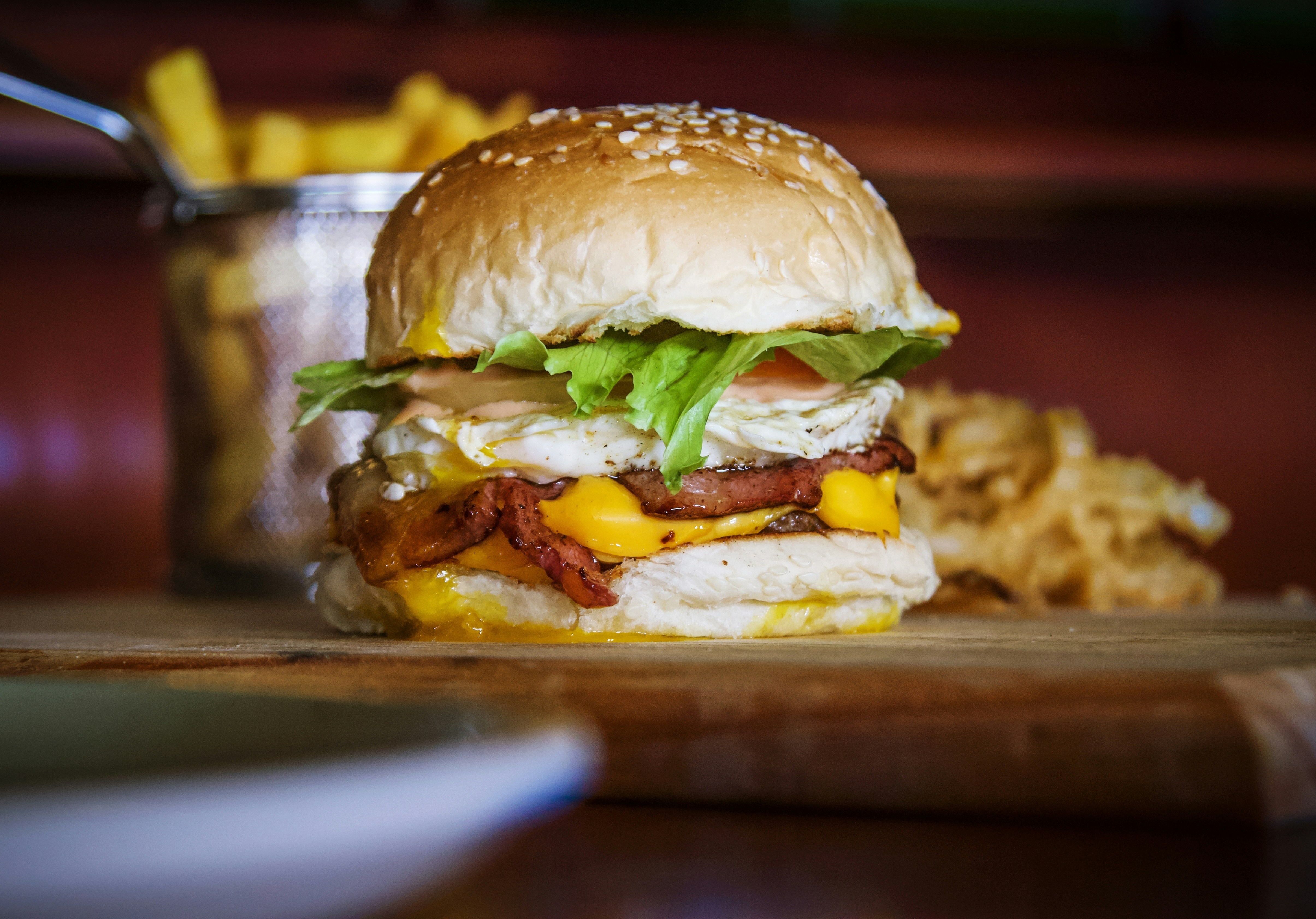
Photo by Stu Moffat on Unsplash
Beatrice Nguyen explores how leadership blends speed, loyalty, and standardized operations to grow Shake Shack while preserving its signature experience.
Apr 28, 2026
Developing a well-defined restaurant organization strategy will ensure that perishable goods, like meat and produce, are properly stocked and food quality standards are maintained.
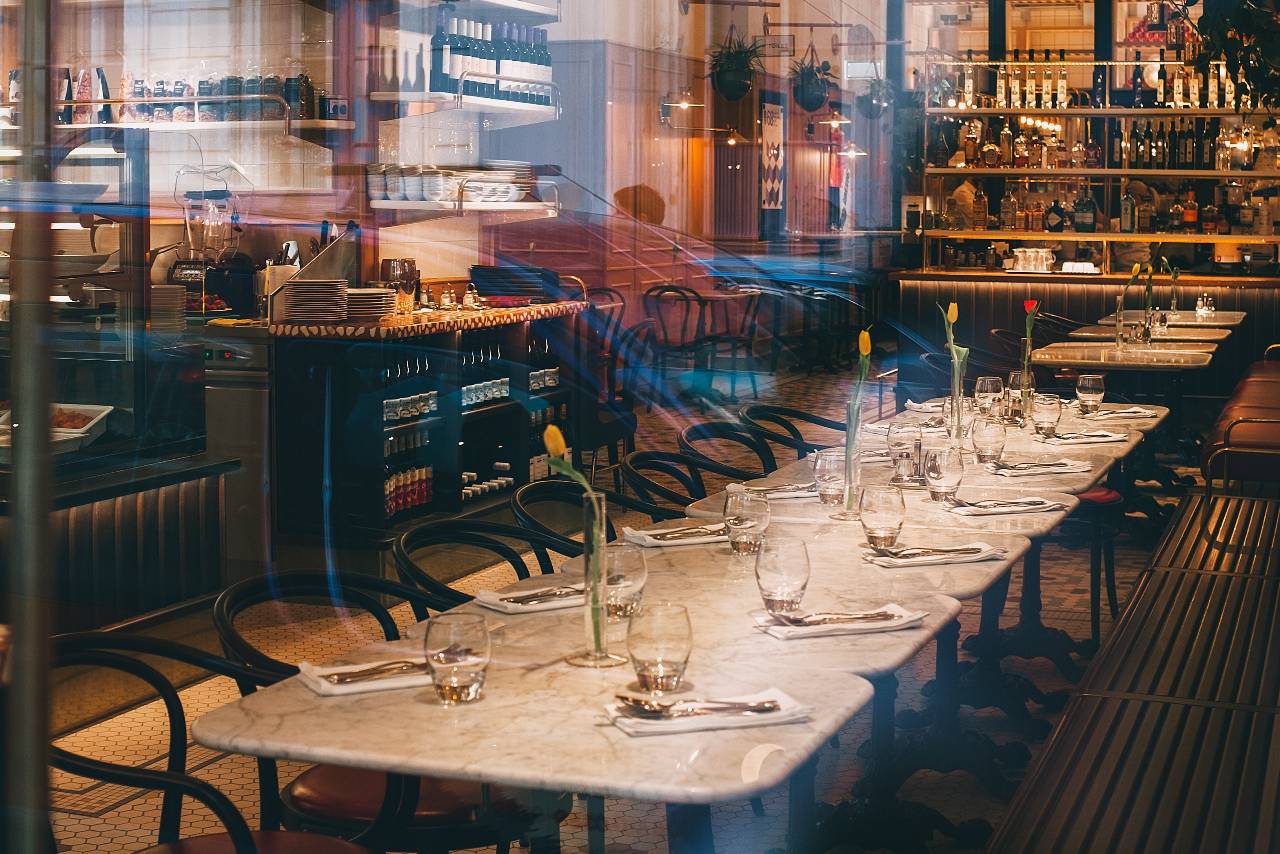
A restaurant's back-of-house area is where key functions are performed, specifically food storage. Developing a well-defined restaurant organization strategy will ensure that perishable goods, like meat and produce, are properly stocked and food safety and quality standards are maintained.
An organization plan will also enable restaurant employees to efficiently navigate and utilize their storeroom and kitchen space.
Restaurants that want to improve their organizational methods should implement these best practices.
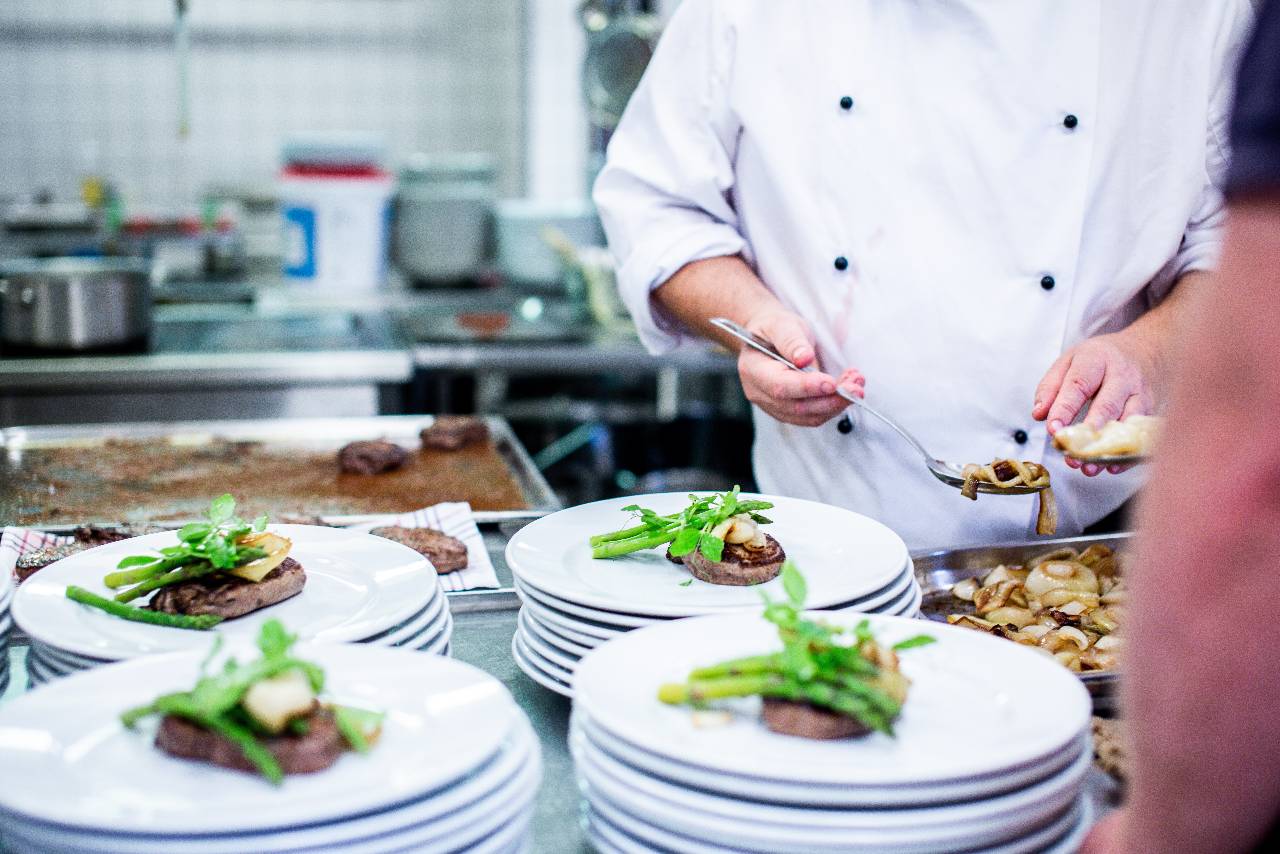
Also known as FIFO, the first in and first out rule ensures that perishable ingredients are used before they expire.
According to FIFO, when new deliveries of supplies are received, they must be placed behind the existing stock. This makes the older ingredients easier to retrieve and guarantees that they are all used before the new stock.
This rule enables restaurants to reduce their food waste and helps staff effectively organize stock based on dates of expiration.
All ingredients and supplies should be correctly labeled so that employees can quickly find exactly what they need in the storeroom.
Shelves and storage spaces should also be labeled to ensure that goods are placed in the appropriate areas. This will not only help with locating products, but it can allow kitchen managers to easily identify whether or not ingredients are running low.
Storerooms and kitchen spaces can be maximized with the installation of shelves. Restaurant owners should look into durable and heavy-duty shelves that can be easily cleaned and can hold large-volumes of food supplies.
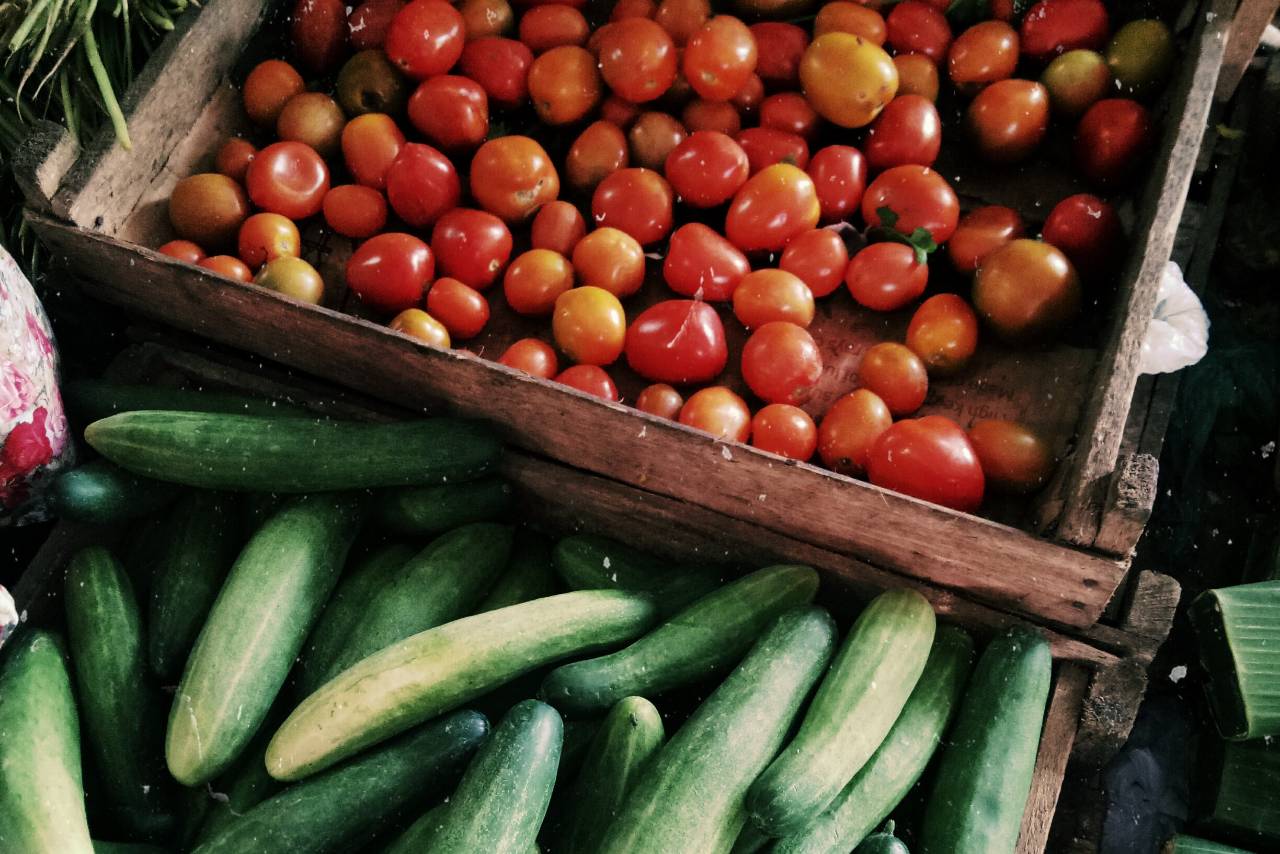
To make sure that restaurant staff can locate the ingredients and supplies they need, management should organize these products based on categories. Goods can be separated by ingredient type, tool usage, or recipe.
For example, a shelf can be dedicated for dry products, like flour and sugar, while another shelf can be used for liquids, like syrups and alcohol.
This can eliminate instances of cross-contamination, which is the transfer of contaminants or bacteria from one product to another.
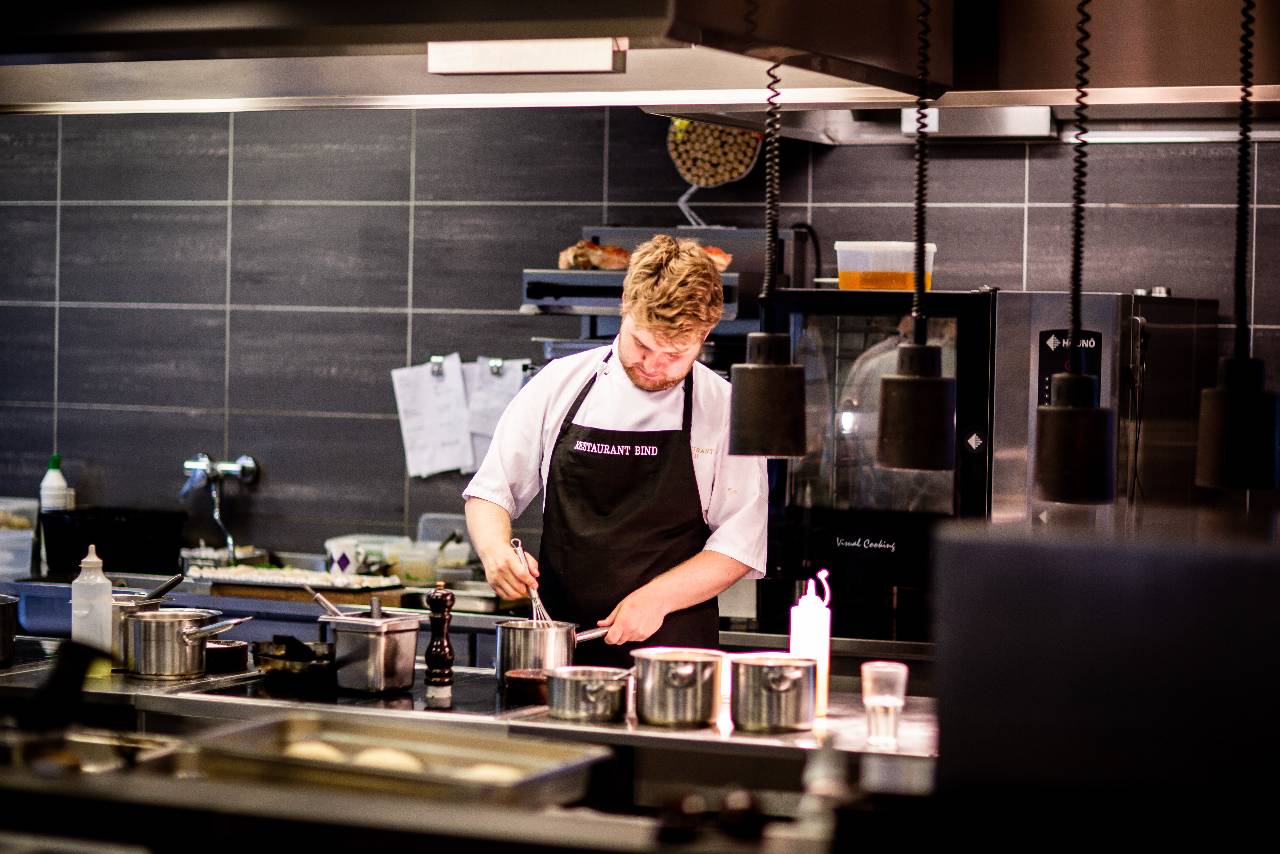
Restaurant owners should plan and organize their overall back of house layout to optimize the flow and accessibility of the space.
An eatery, for instance, can place its shelves in a way where staff members can easily access the front and back of it. This will simplify the FIFO process since employees can effortlessly stock new products to the back of the shelf.
Additionally, certain ingredients and kitchen equipment that are most frequently used should be placed near the front of the storeroom. Prioritizing these supplies and putting them closer to kitchen staff will save time and ensure the necessary products can be accessed quickly.
Once a floor plan is established, management teams should create a detailed map and display it clearly for kitchen staff. Employees will then be able to guide themselves throughout the space and can consult the map whenever they need it.
Almost all kitchen staff will have to navigate through the storeroom to find ingredients and items to prepare customer orders. Therefore, they should all be trained on inventory management practices and storage room regulations.
For example, staff should be taught how to receive new deliveries of goods. Doing so will ensure that products are correctly counted and processed, and properly organized from the beginning.
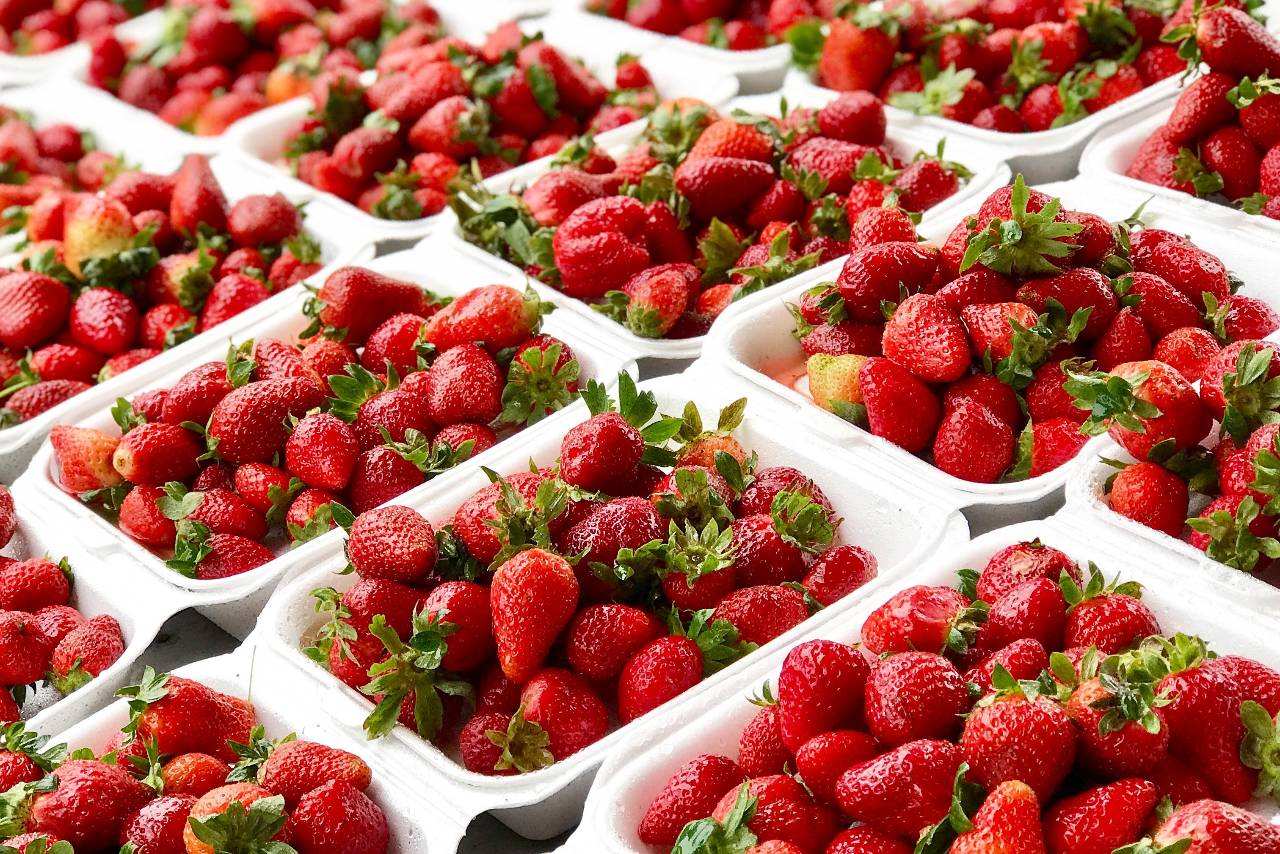
The internal conditions in a kitchen's storeroom can greatly impact the quality of goods. When organizing the restaurant space, management should focus on its temperature, lighting, and moisture levels.