Photo by Unseen Histories on Unsplash
Franchise Frenzy: Cross-Border Growth
A look at how U.S. brands expand through multi-unit deals, cross-border partnerships, and seasoned operators in 2026.
franchising
Apr 29, 2026
Photo by Unseen Histories on Unsplash
A look at how U.S. brands expand through multi-unit deals, cross-border partnerships, and seasoned operators in 2026.
Apr 29, 2026
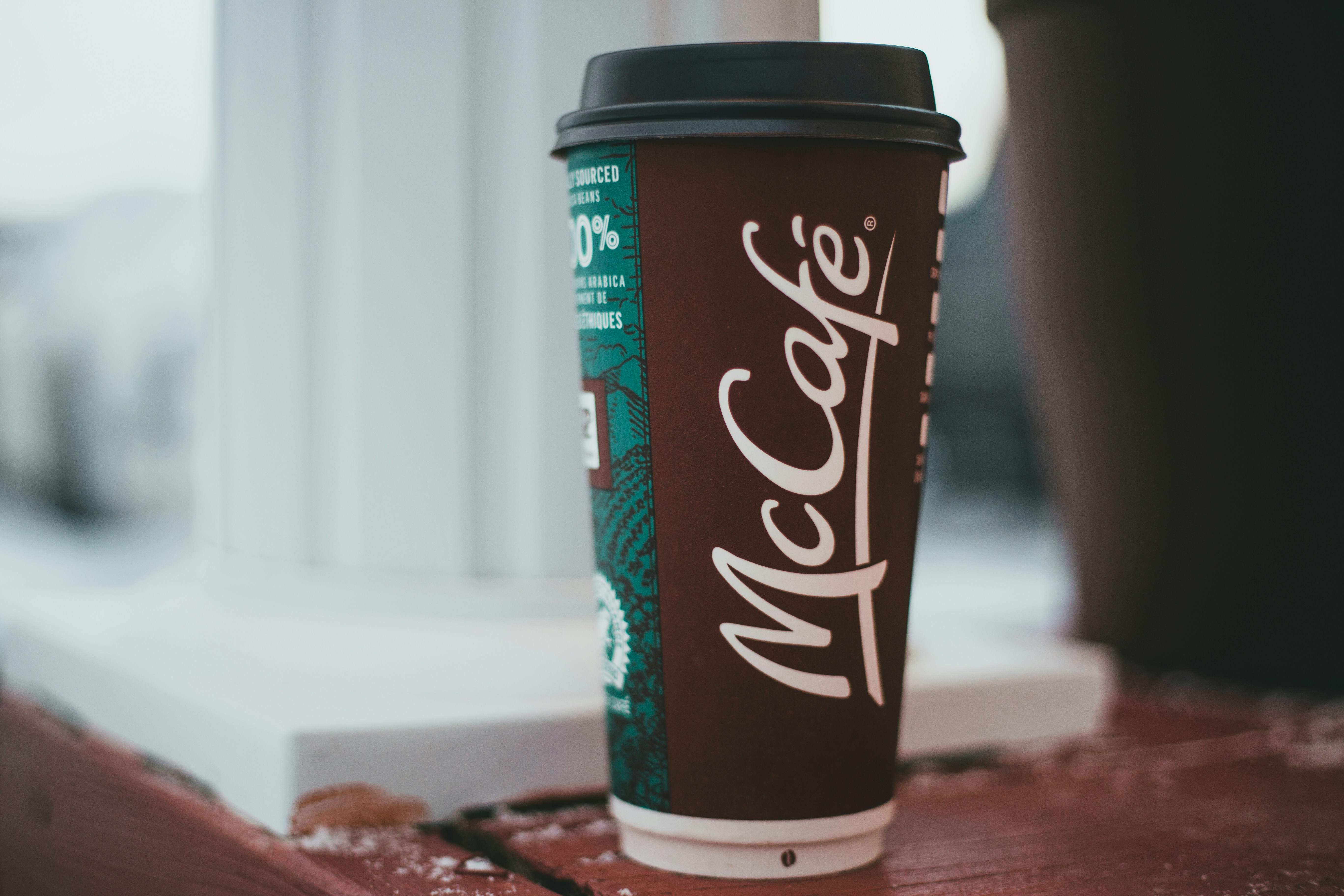
Photo by Erik Mclean on Unsplash
McDonald’s unveils six beverages across 14,000 restaurants on May 6, expanding McCafé with Refresher and crafted sodas and a new store-level beverage specialist role.
Apr 29, 2026
Learn how to write a coffee shop business plan that covers concept, location, menu, finances, branding, marketing, and risk planning.
Apr 27, 2026
Explore marketing strategies for food businesses using reviews, professional photos, SEO, social media, partnerships, events, and catering.
Apr 28, 2026
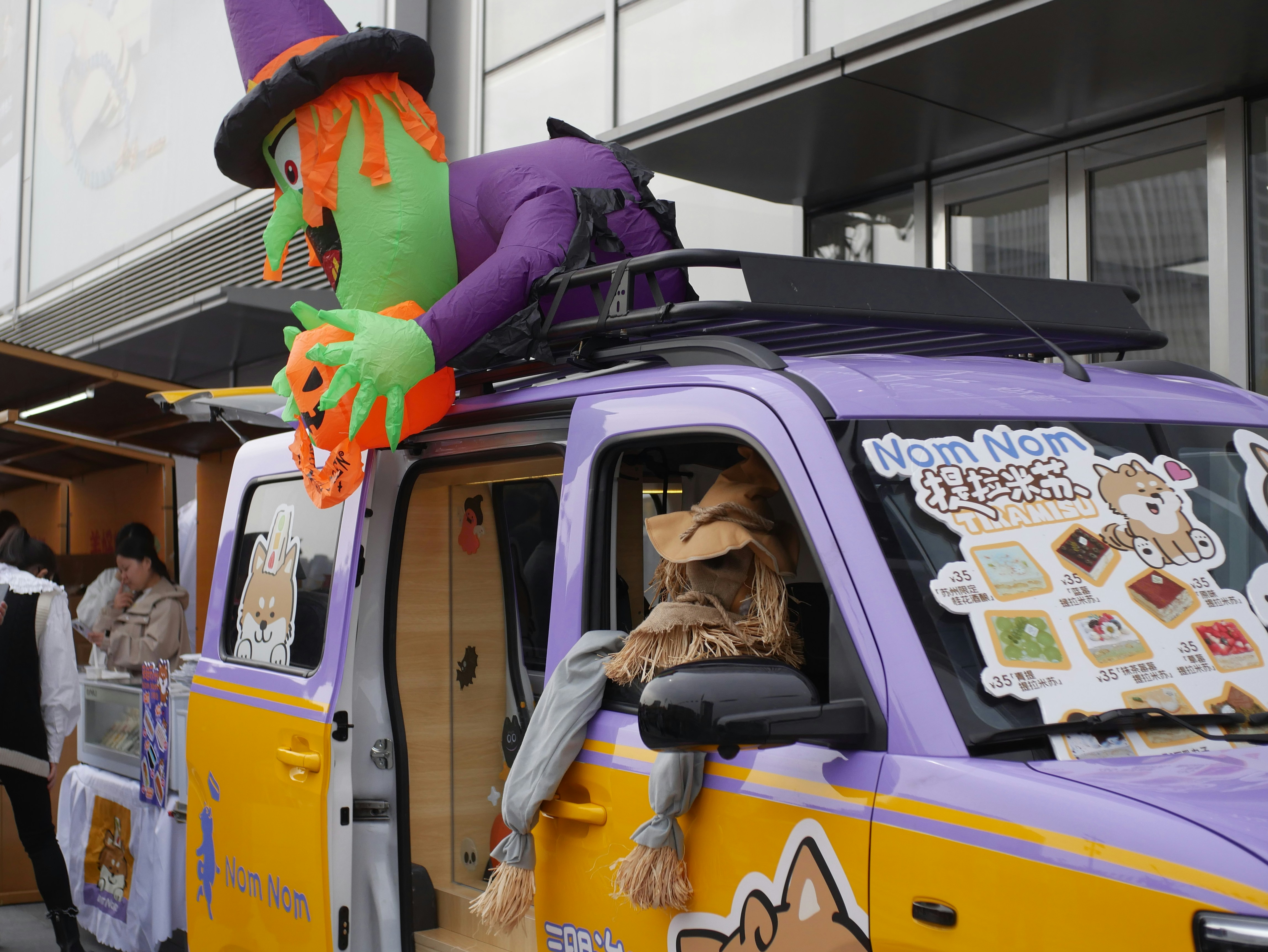
Photo by shen wenjie on Unsplash
Holiday-driven menu drops fuse nostalgia with wellness, turning menus into living calendars for fast-casual brands.
Apr 28, 2026
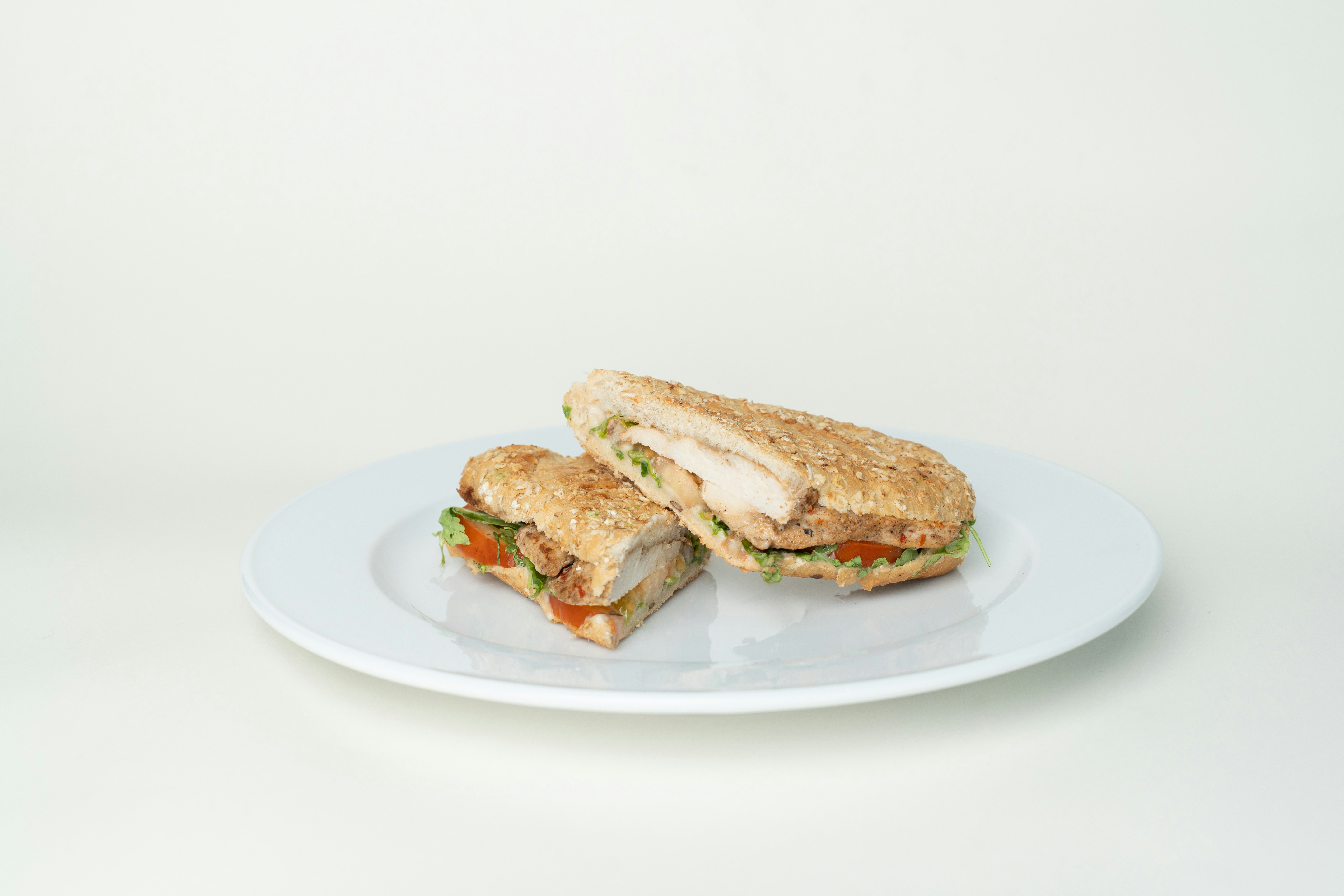
Photo by Abdul Raheem Kannath on Unsplash
Susannah Frost named Chick-fil-A President, joining Cliff Robinson as COO to guide domestic expansion and international growth.
Apr 28, 2026
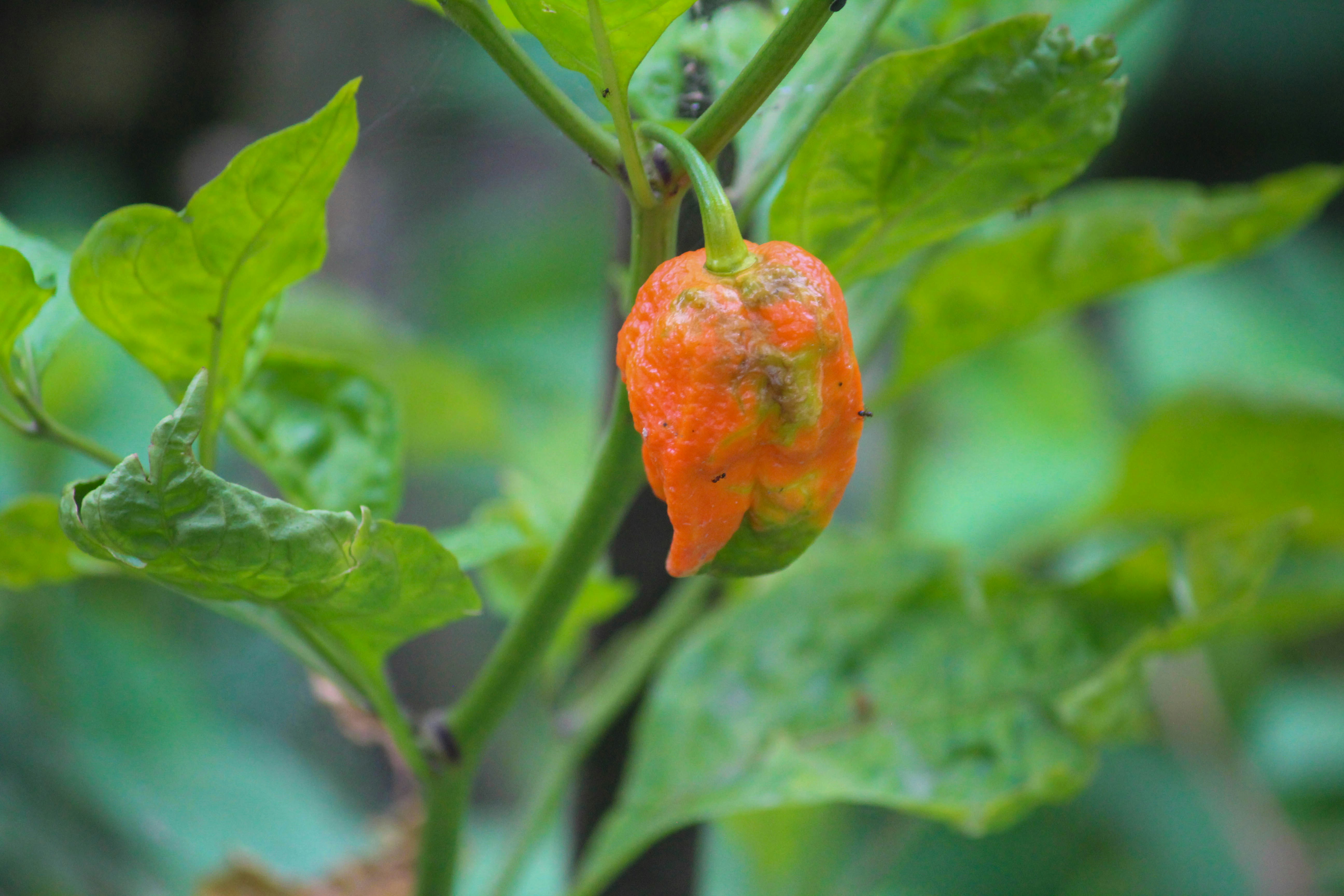
Photo by Moon Bhuyan on Unsplash
Ghost pepper-led promotions redefine autumn menus as chains blend heat, storytelling, and seasonal collaborations to drive foot traffic.
Apr 28, 2026

Photo by Noah Martinez on Unsplash
CAVA rolls out Garlic Ranch Pita Chips with a Steak + Harissa Bowl and a refreshed Rewards program, tying flavor innovation to personalized guest experiences.
Apr 28, 2026

Photo by Kate Trysh on Unsplash
Applebee’s launches Pick 6 Mondays, offering free wings with a $10 purchase when a Pick 6 occurs on Sundays, driving game-day momentum across dine-in and To Go.
Apr 28, 2026
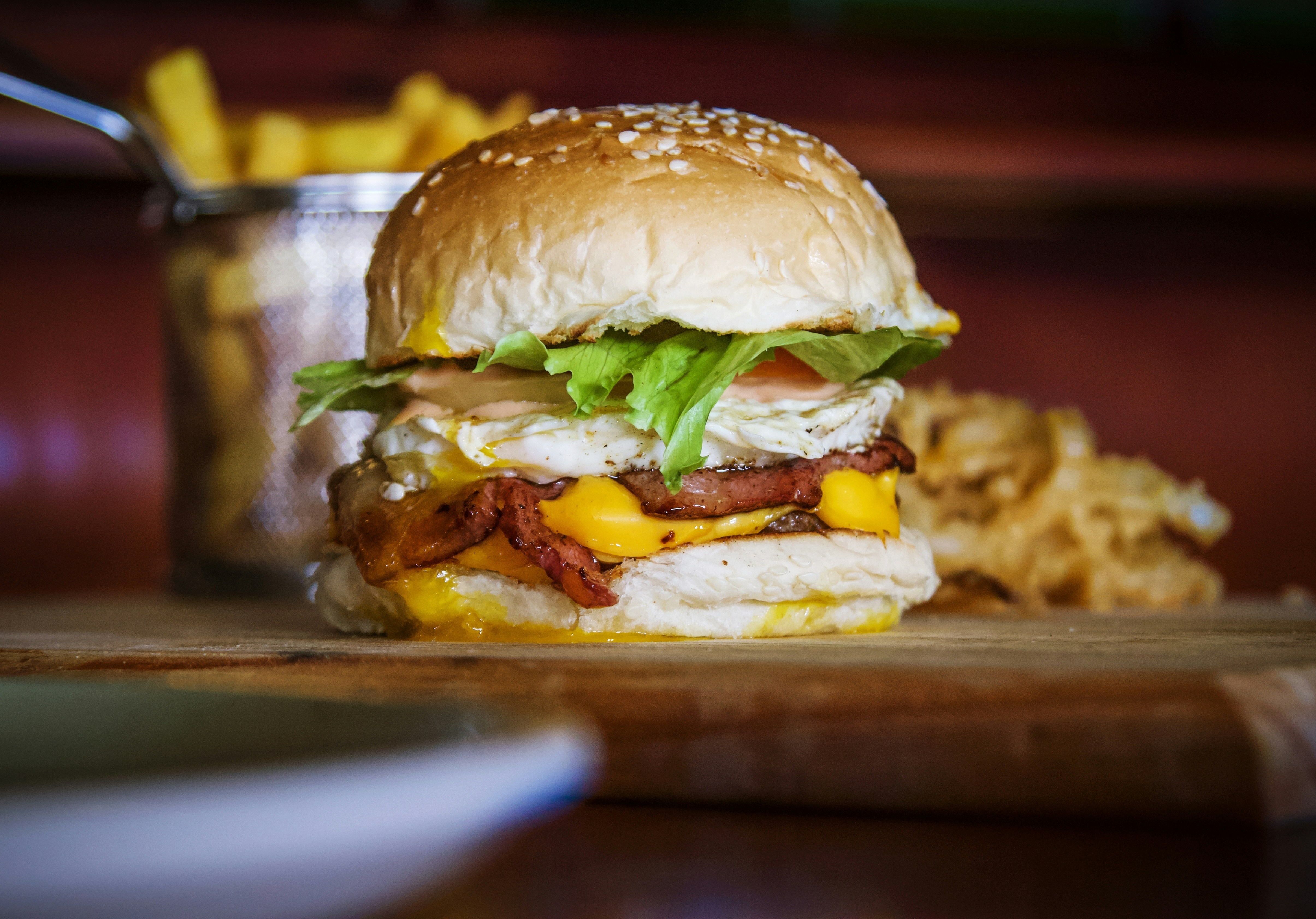
Photo by Stu Moffat on Unsplash
Beatrice Nguyen explores how leadership blends speed, loyalty, and standardized operations to grow Shake Shack while preserving its signature experience.
Apr 28, 2026
The science of creating an optimal menu pricing methods will involve calculating prices geared towards driving profits while creating strategically eye-catching designs.
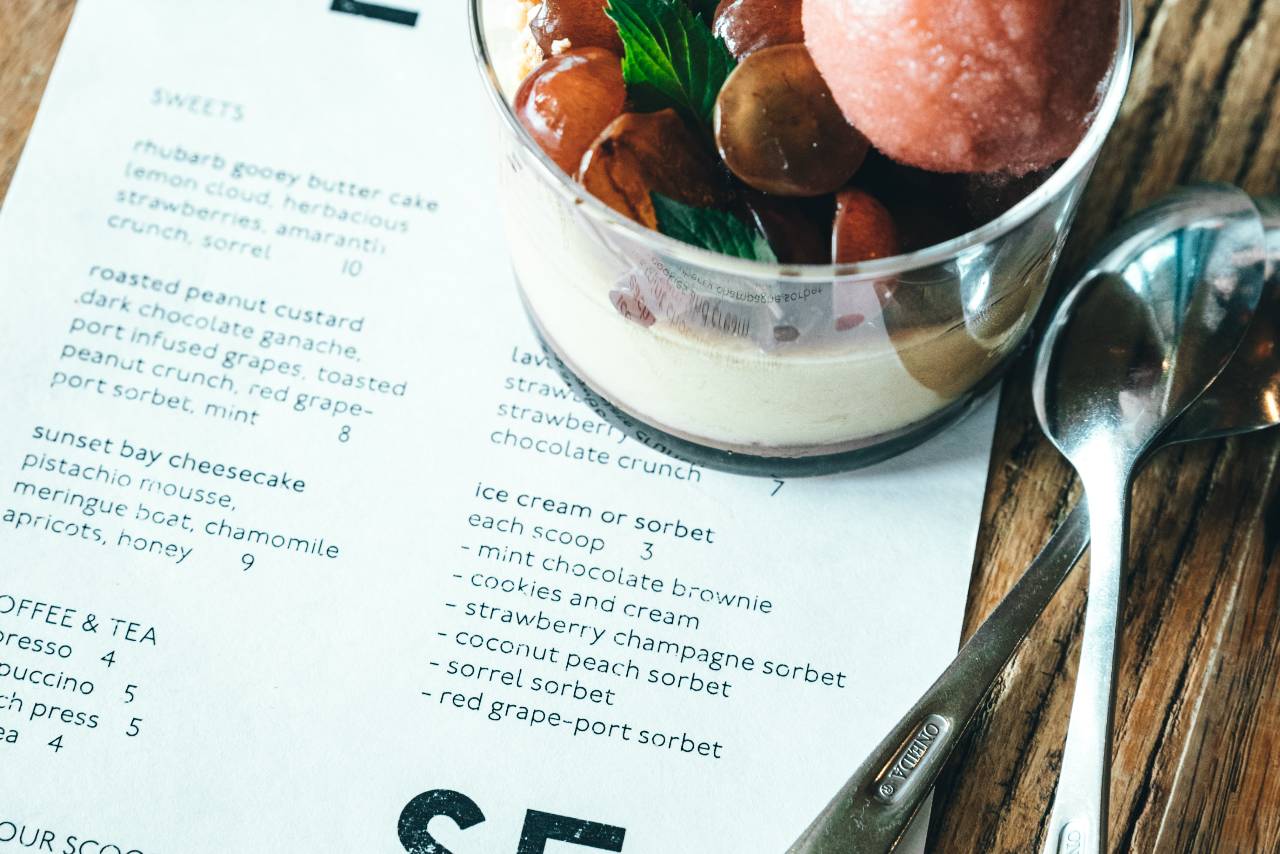
Businesses trying to operate a profitable restaurant have a lot to consider when it comes to creating the menu alone.
Restaurants deciding how to price their menu items must consider all expenditures necessary to make a dish. These considerations should also include the costs of ingredients, gross profits, and consumer demand, in order to stand apart from the competition.
Once all item prices are assigned using a menu pricing method, management then needs to ensure the perfect menu layout, so customers are more inclined to order their high-profit margin dishes.
When all of these elements are successfully executed, restaurants can expect success from a boost in gross sales profit.
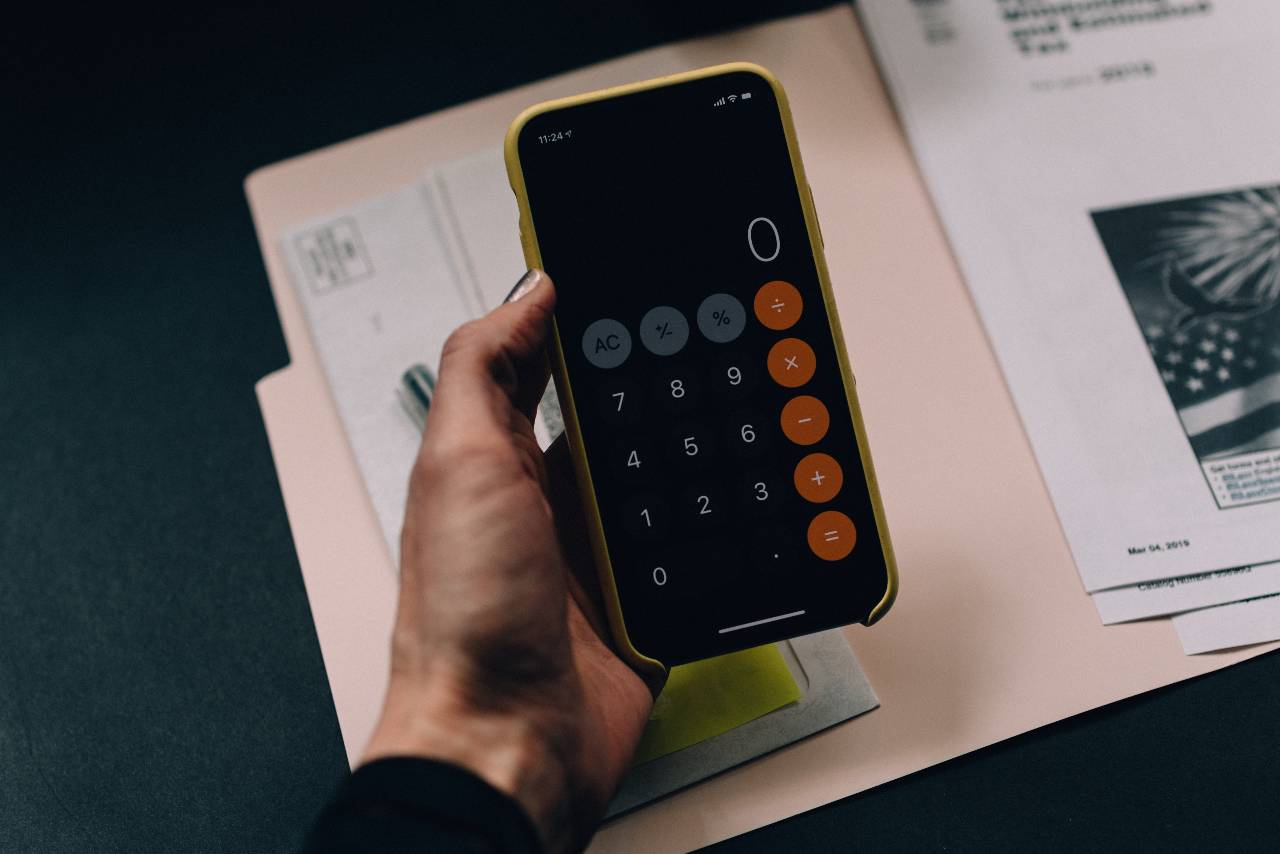
Whether a restaurant is just creating their menu or working on updating their prices, increasing profit margins, and lowering food costs are vital when pricing menu items. Depending on the type of restaurant, the owner may want to price items based on how much they are spending on raw materials to offset the cost of ingredients.
The following steps help calculate appropriate food item prices based on food cost percentage-
1. Choose the Restaurant's Ideal Food Cost Percentage - Food cost percentage is the amount spent on ingredients, taken from the final sales. On average, a profitable restaurant's food cost percentage is between 25-35%. However, the lower the total food costs, the higher the gross profits.
2. Calculate the Raw Food Cost of the Item - Businesses calculating total food costs and prices need to take into account every ingredient that goes into a dish.
3. Calculate the Price - Once the ideal food cost percentage and raw food costs are determined, entering the figures into the following equation calculates the appropriate price of the dish-
Price = Raw Food Cost / Ideal Food Cost Percentage
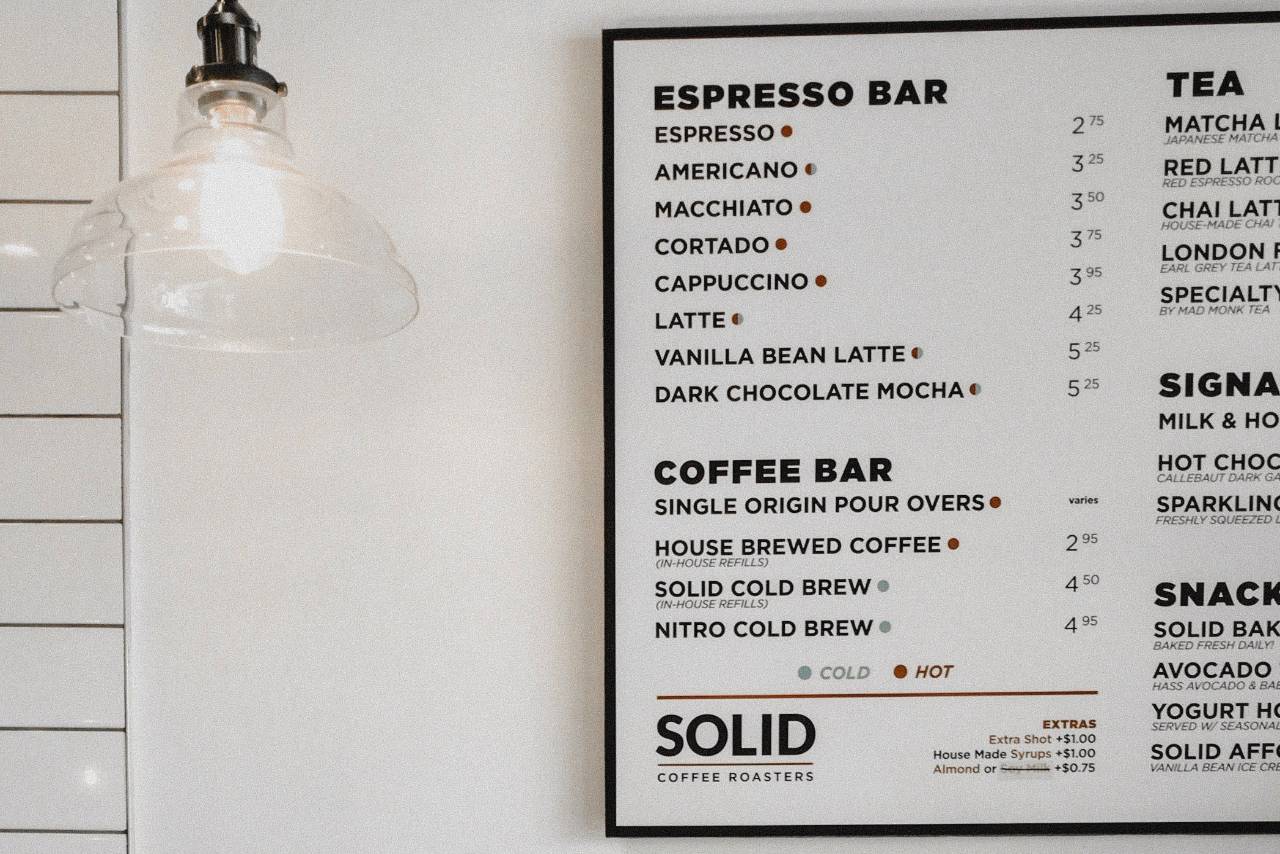
Restaurants can also price an item by determining their desired gross profit margin. This process allows the establishment to appropriately estimate their bottom line based on percentage pricing by ensuring every sale is contributing to their profit margin goal.
The following steps show how to use this method to price menu items-
1. Determine the Ideal Gross Profit Margin - A restaurant's gross profit margin is the percentage of profit made from sales. If the restaurant has a 50% profit margin on an item, they would make 50 cents per dollar spent on that particular item, while the other 50 cents would supplement production and raw food costs.
2. Calculate Price - After restaurants determine their ideal gross profit margin, the following equation is used to calculate the menu item cost-
Ideal Gross Profit Margin= (Menu Price Raw Food Cost) / Menu Price
For example, if a restaurant's ideal profit margin for an item is 80% and the cost of ingredients is $4, the equation would look as follows-
80%= (Menu price - $4) / Menu Price
Therefore, the final calculation prices for this menu item would be $20.

While restaurants tend to profit more from selling items with high gross profit margins and low food cost, other factors should be reviewed when calculating menu items.
When determining the price of a dish, businesses should also consider increasing profits based on the ideal food cost percentage, customer demand, and market prices.
There are several menu pricing strategies, including-
Competition Pricing Method
This pricing method requires restaurants to research their competitors' selling prices to determine their menu costs. Depending on the type of restaurant, the business can choose-

According to a Gallup poll, customers only spend about 109 seconds scanning a restaurant's menu. Therefore, businesses need an impactful format to persuade customers to order high-profiting items. There are several formatting and phycological tactics that increase the likelihood of customers ordering the targeted item, including-