
Photo by Unseen Histories on Unsplash
Franchise Frenzy: Cross-Border Growth
A look at how U.S. brands expand through multi-unit deals, cross-border partnerships, and seasoned operators in 2026.
franchising
Apr 29, 2026
Photo by Unseen Histories on Unsplash
A look at how U.S. brands expand through multi-unit deals, cross-border partnerships, and seasoned operators in 2026.
Apr 29, 2026

Photo by Erik Mclean on Unsplash
McDonald’s unveils six beverages across 14,000 restaurants on May 6, expanding McCafé with Refresher and crafted sodas and a new store-level beverage specialist role.
Apr 29, 2026

Learn how to write a coffee shop business plan that covers concept, location, menu, finances, branding, marketing, and risk planning.
Apr 27, 2026

Explore marketing strategies for food businesses using reviews, professional photos, SEO, social media, partnerships, events, and catering.
Apr 28, 2026

Photo by shen wenjie on Unsplash
Holiday-driven menu drops fuse nostalgia with wellness, turning menus into living calendars for fast-casual brands.
Apr 28, 2026

Photo by Abdul Raheem Kannath on Unsplash
Susannah Frost named Chick-fil-A President, joining Cliff Robinson as COO to guide domestic expansion and international growth.
Apr 28, 2026

Photo by Moon Bhuyan on Unsplash
Ghost pepper-led promotions redefine autumn menus as chains blend heat, storytelling, and seasonal collaborations to drive foot traffic.
Apr 28, 2026

Photo by Noah Martinez on Unsplash
CAVA rolls out Garlic Ranch Pita Chips with a Steak + Harissa Bowl and a refreshed Rewards program, tying flavor innovation to personalized guest experiences.
Apr 28, 2026

Photo by Kate Trysh on Unsplash
Applebee’s launches Pick 6 Mondays, offering free wings with a $10 purchase when a Pick 6 occurs on Sundays, driving game-day momentum across dine-in and To Go.
Apr 28, 2026

Photo by Stu Moffat on Unsplash
Beatrice Nguyen explores how leadership blends speed, loyalty, and standardized operations to grow Shake Shack while preserving its signature experience.
Apr 28, 2026
An optimized food management system allows operators to streamline inventory management, logistics, and prevent food safety problems. Here are the ultimate benefits of food management systems.

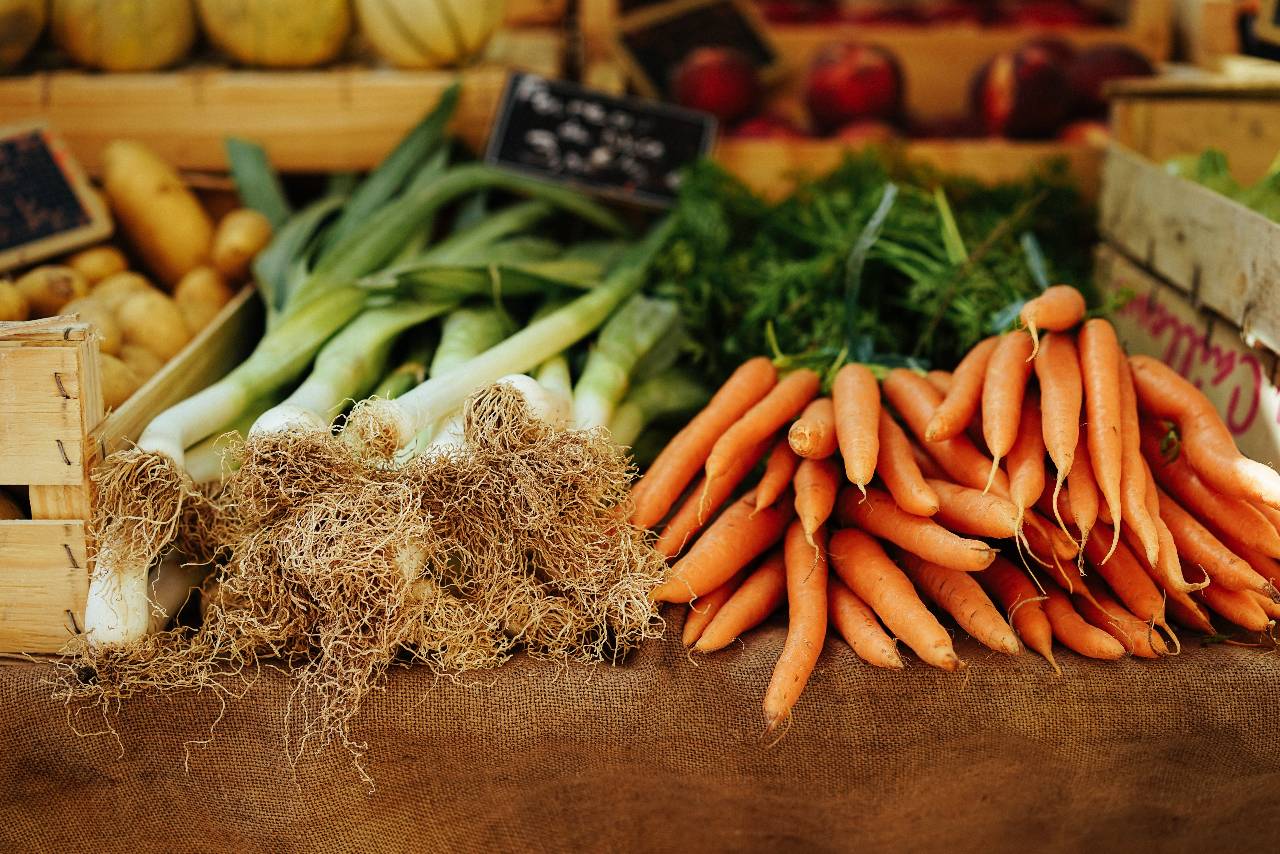
Over time, the food service industry has faced new challenges. COVID-19 increased regulations, and globalization has forced food operators to adapt in ways they never had to. Navigating the complexities of food management requires expertise and extensive training in safety practices and quality control.
An increase in consumer desire for traceability has also proved challenging, particularly for smaller operators with minimal resources. Unfortunately, many restaurants and grocers have struggled and failed to meet these requirements.
Developments in technology have provided a solution for those seeking to streamline the entire supply chainprocess and meet complex requirements. Successful participants in the food industry have utilized an optimized software solution that alleviates the pressure to comply with regulations and meet consumer needs.
The benefits of these solutions cannot be understated, as many of them have saved struggling restaurants and grocers during one of the more challenging times in history.
Read ahead for a comprehensive guide to food management systems and their advantages.

Food management is an extensive operation that entails the supervision of food picking, preparation, exhibition, and conservation.
The food industry requires a variety of workers, inspectors, and managers to oversee every part of the operation to make certain that each item is quality, nutritious, and safe to eat. It is also necessary to closely supervise the process to comply with local and FDA-based regulations.
The primary goal of food management is to make certain that every item sold to restaurants, grocers, and businesses is high-quality and meets safety standards.
Because of this important responsibility, food inspectors need to make sure preparation spaces are sanitized and contamination-free, as well as ensure that all packaged items are stored properly at the appropriate temperatures throughout transport.
Software solutions have provided a way for operators to streamline and automate these tasks throughout the supply chain.
The top benefits of utilizing a food management system include-

Violating food safety regulations is no longer a minor offense. Processors need to comply with complex regulations to stay open and avoid penalties, including the FSMA, or the Food Safety Modernization Act.
The FSMA is gradually transforming the United States' food safety system by focusing on preventing foodborne illnesses, rather than responding to them. The FSMA consists of six major rules, including-

Monitoring food temperatures, packaging, and humidity levels are essential requirements in food management. Operators need to comply with regulations, maintain customers, and prevent contamination by ensuring food is stored properly at the right temperature during transport.
Before the development of modern technology systems, many operators had no choice but to put their trust in transporters and suppliers to perform their jobs properly.
Nowadays, technology systems combine software, built-in temperature monitoring devices, and mobile tablets to collect and store valuable real-time food data from any location.
These technology systems allow operators to streamline logistics, ensure their suppliers are following safety rules, and have greater visibility into the supply chain and processing facilities. RFID or Radio Frequency Identification is a newer data collection system that identifies food items through low-power radio waves.
This allows operators to track food inventory and streamline the re-ordering process.
Over time, using these systems helps to save money by preventing over-ordering, spoilage, and food waste.
It also holds everyone accountable by requiring employees to go to the location of the RFID tag and check its temperature. This helps to prevent inaccurate temperature readings, guesswork, fraud, and spoilage from occurring.

Because software solutions can integrate with mobile devices, managers can monitor their food data from any location.
Authorized individuals can update inventory, address suspicious activity, or pinpoint inefficiencies both on-site and off-site.
Automated data collection allows everyone to know what's happening in real-time, resulting in improved communication and collaboration among all involved stakeholders.
Instant notifications are sent if there is out-of-the-ordinary data input, allowing managers to address inventory and logistics problems before they become more serious.
Food quality and safety data are monitored in real-time, which helps to improve traceability in the supply chain. As a result of streamlining the food management system, consumer satisfaction increases, food items are of higher quality, and safety requirements are met. There is also more assurance that involved stakeholders are complying with FSMA or other local regulations.

In conclusion, here are the key points to remember about food management solutions and its benefits-