
Photo by Unseen Histories on Unsplash
Franchise Frenzy: Cross-Border Growth
A look at how U.S. brands expand through multi-unit deals, cross-border partnerships, and seasoned operators in 2026.
franchising
Apr 29, 2026
Photo by Unseen Histories on Unsplash
A look at how U.S. brands expand through multi-unit deals, cross-border partnerships, and seasoned operators in 2026.
Apr 29, 2026
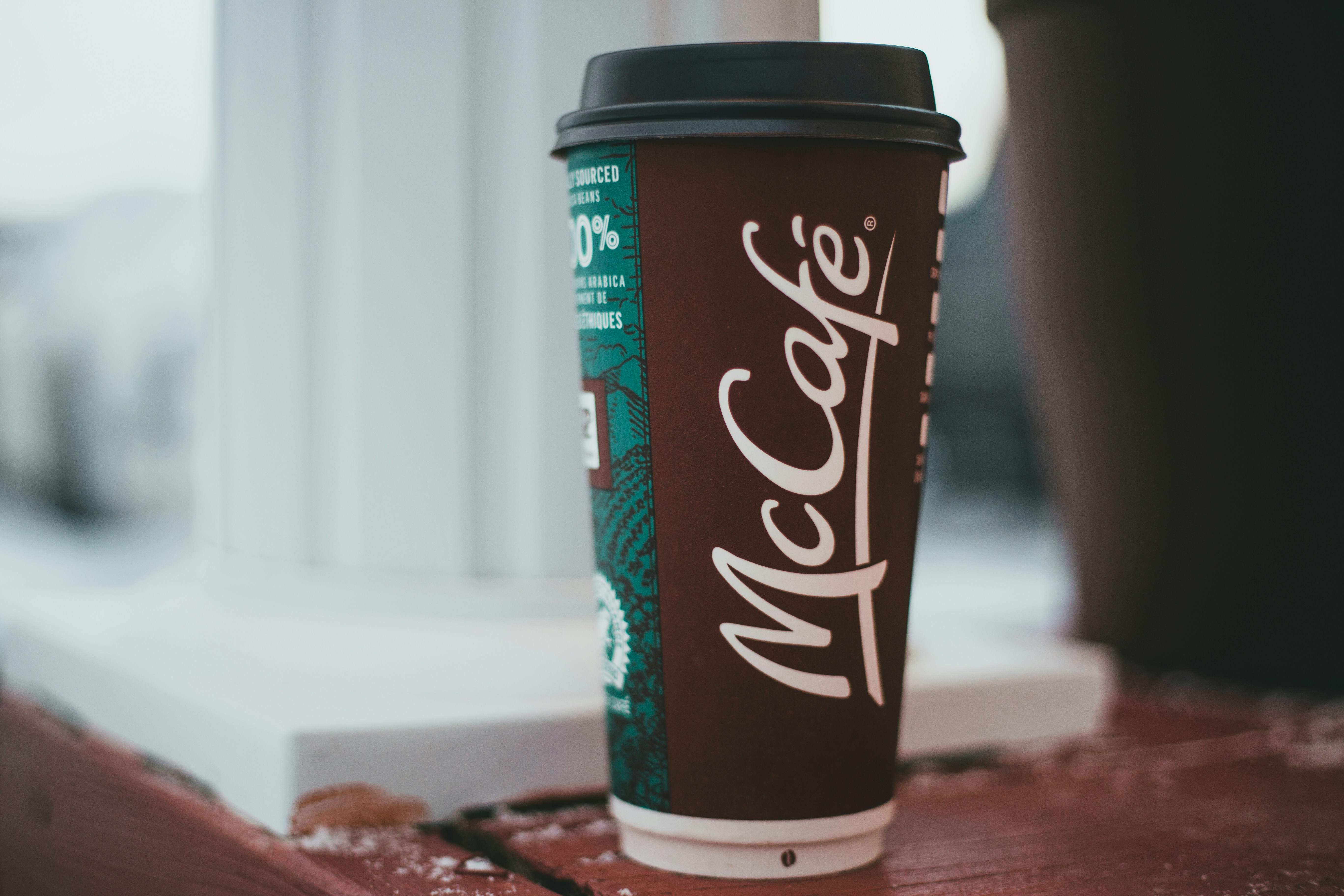
Photo by Erik Mclean on Unsplash
McDonald’s unveils six beverages across 14,000 restaurants on May 6, expanding McCafé with Refresher and crafted sodas and a new store-level beverage specialist role.
Apr 29, 2026

Learn how to write a coffee shop business plan that covers concept, location, menu, finances, branding, marketing, and risk planning.
Apr 27, 2026

Explore marketing strategies for food businesses using reviews, professional photos, SEO, social media, partnerships, events, and catering.
Apr 28, 2026
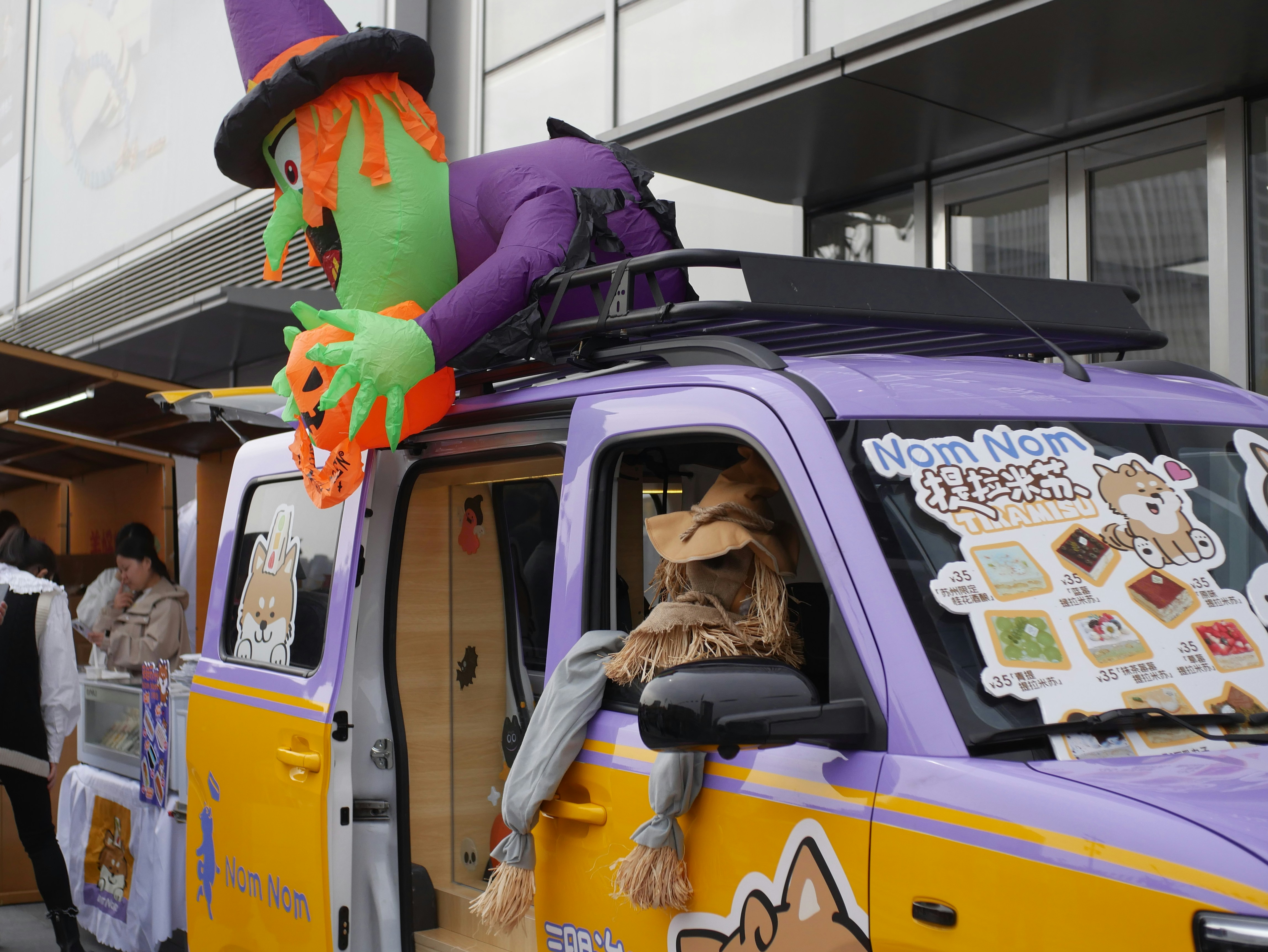
Photo by shen wenjie on Unsplash
Holiday-driven menu drops fuse nostalgia with wellness, turning menus into living calendars for fast-casual brands.
Apr 28, 2026
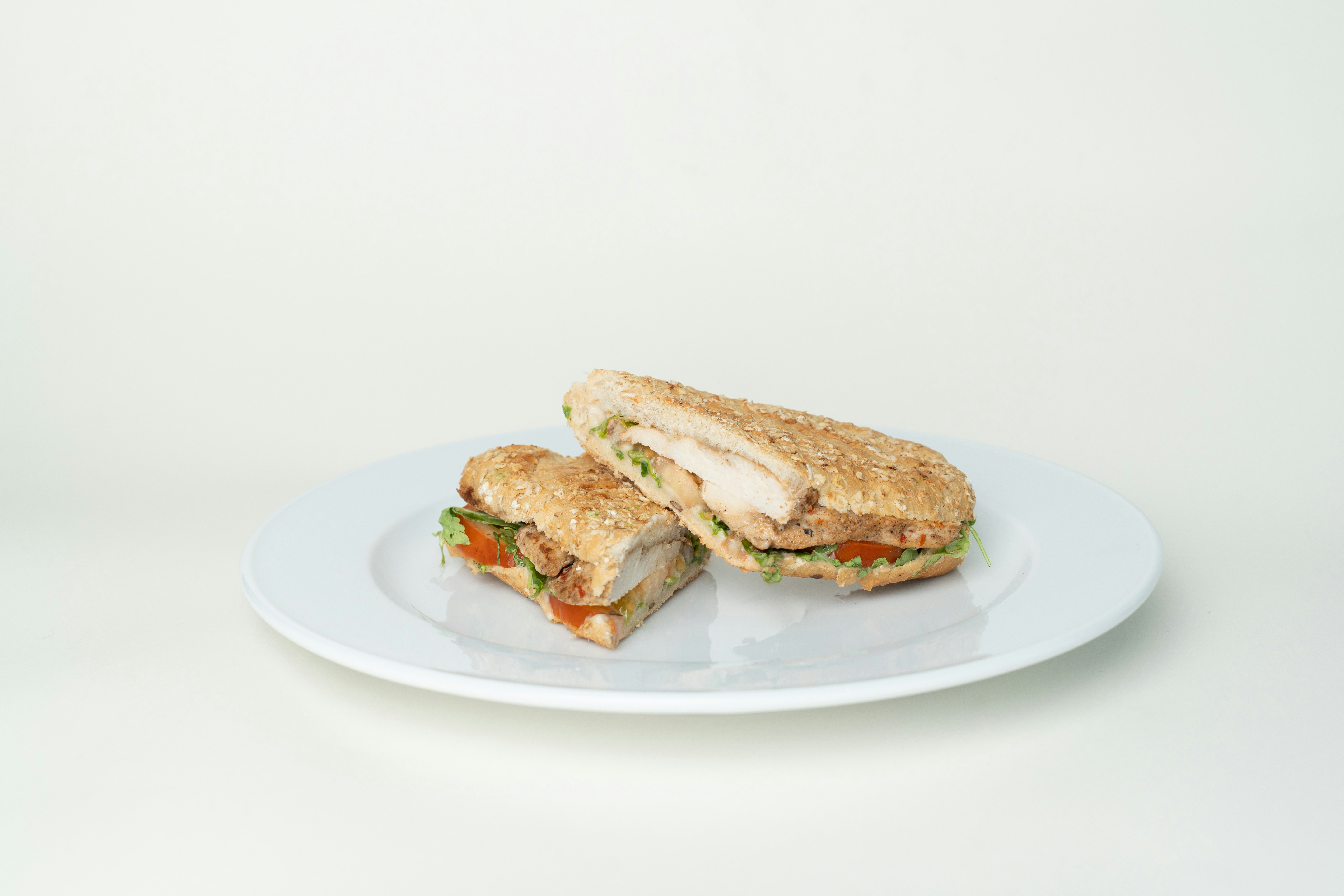
Photo by Abdul Raheem Kannath on Unsplash
Susannah Frost named Chick-fil-A President, joining Cliff Robinson as COO to guide domestic expansion and international growth.
Apr 28, 2026
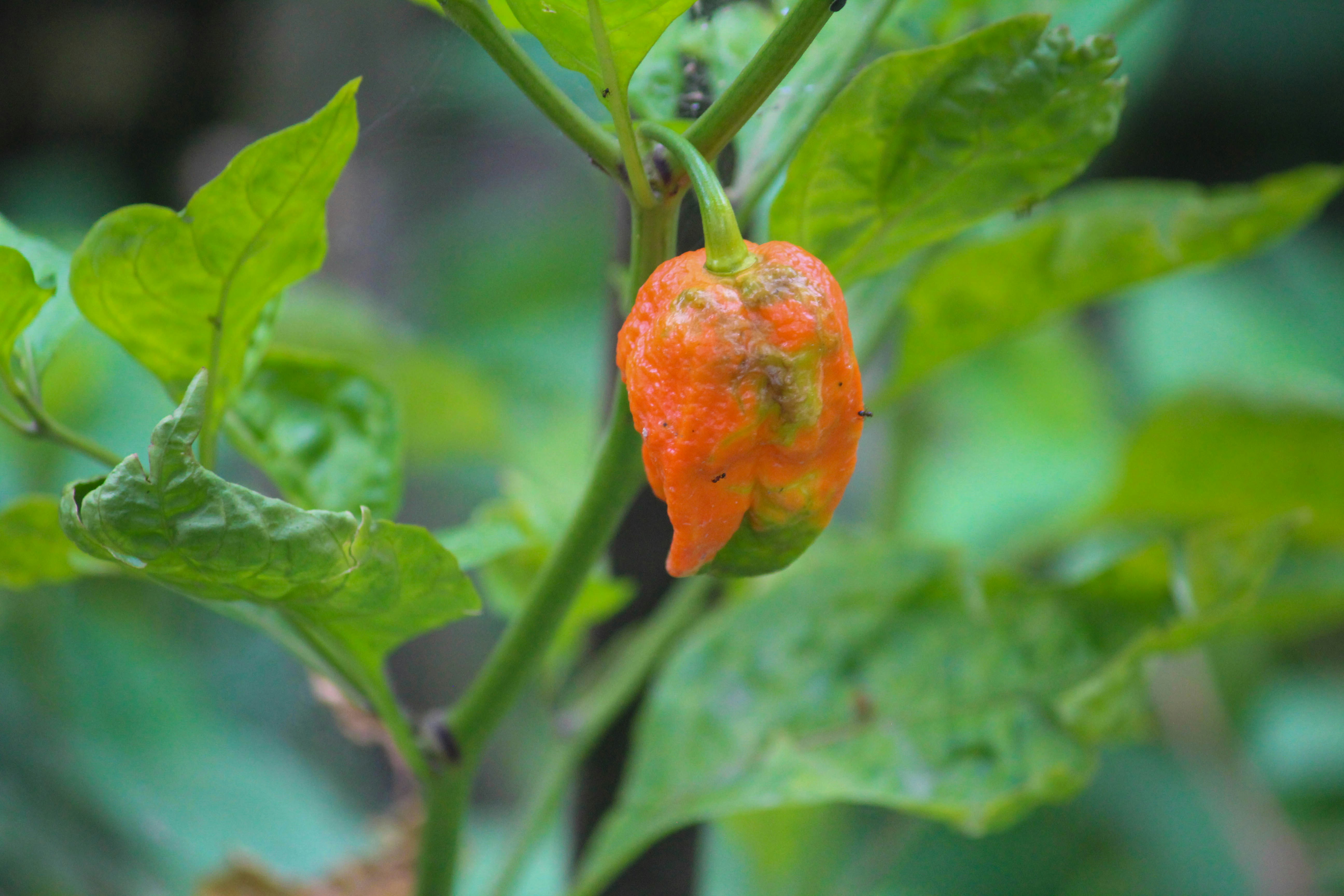
Photo by Moon Bhuyan on Unsplash
Ghost pepper-led promotions redefine autumn menus as chains blend heat, storytelling, and seasonal collaborations to drive foot traffic.
Apr 28, 2026

Photo by Noah Martinez on Unsplash
CAVA rolls out Garlic Ranch Pita Chips with a Steak + Harissa Bowl and a refreshed Rewards program, tying flavor innovation to personalized guest experiences.
Apr 28, 2026
Photo by Kate Trysh on Unsplash
Applebee’s launches Pick 6 Mondays, offering free wings with a $10 purchase when a Pick 6 occurs on Sundays, driving game-day momentum across dine-in and To Go.
Apr 28, 2026
Photo by Stu Moffat on Unsplash
Beatrice Nguyen explores how leadership blends speed, loyalty, and standardized operations to grow Shake Shack while preserving its signature experience.
Apr 28, 2026
Calculating the food cost and using food cost control techniques are crucial for a restaurant's bottom line.

Food cost is the ratio of food inventory costs and revenue produced from menu items sold. Food cost is also generally referred to as food cost percentage within the food industry, the terms are often used interchangeably.
To calculate food cost percentage you divide inventory costs by the revenue produced. Frequently calculating food cost with the above food cost formula is a best practice technique that all food industry businesses should undertake.
Comparing the cost of raw materials to revenue produced is a great way to analyze if a food industry business is sustainable long term. Additionally, food cost percentages are helpful to reference when you are considering making changes to menu item portion sizes or menu prices at your restaurant.
When determining appropriate food costs it is necessary to consider both the affordability of menu items for customers as well as the revenue for your business. Food sales must consistently generate profit for a restaurant in order for it to stay in business.
On the other hand, if the menu items cost too much then customers are unlikely to continue to dine at your restaurant or even dine there in the first place. Customers want to frequent restaurants that provide great quality food for a fair price.
Actual food cost and ideal food cost are two concepts that food industry professionals should understand. The ideal food cost is defined as the optimal profit that food sales could generate. An ideal food cost does not estimate waste, portion size differences, or a decrease in sales for a particular menu item.
Actual food cost is the real cost that factors in waste, portion sizes, and sales as they occurred. Discrepancies between the actual food cost and ideal food cost can reveal where there is room for improvement and food cost control measures.
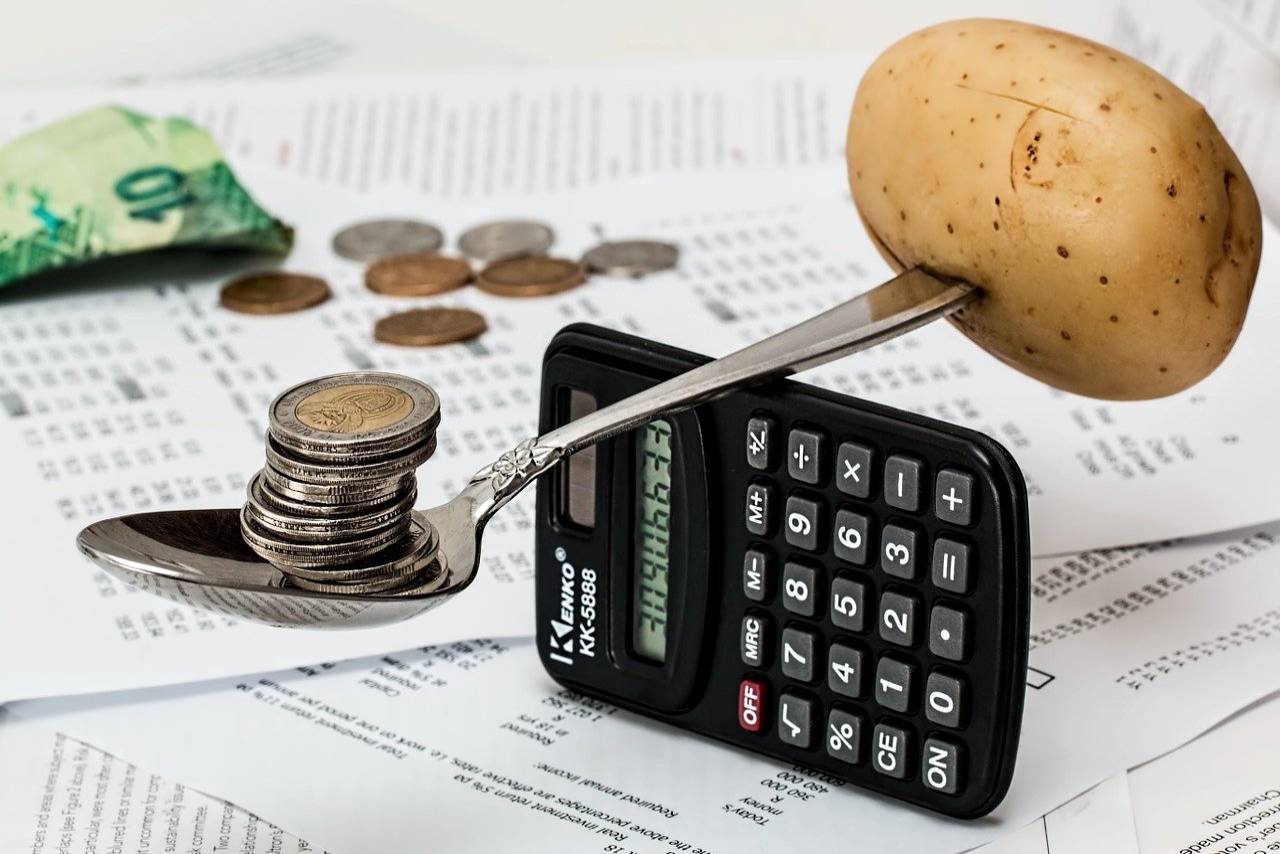
With an average of 20-40% of revenue spent on food products, a restaurant needs a great food cost management system. The above percentage does not even take into consideration other substantial operational expenses including labor costs, rent, and utilities.
Food industry businesses must understand how much money they are spending on food in order to accurately and competitively price menu items. Increased food costs can signify that your business may need to find a new supplier for certain products, or negotiate current prices.
Benefits of food cost management include-
1. Competitiveness- Many restaurants wisely use industry benchmarks to better understand their food cost percentage in relation to other restaurants. Industry benchmarks allow business owners to make adjustments to their food costs in order to be more competitive.
In such a high-stress and high-demand industry, keeping competitive is essential for long term business success. Keeping your customers happy is great, but if you are not generating a profit then your business model is not sustainable.
2. Decision-making- It is a misconception that the more menu items a restaurant has the more total food sales it will have. Slimming down menu items according to how much revenue they generate is a great way to decrease food costs for your business and increase bottom line profitability.
If a certain menu item is not at the food cost percentage a restaurant owner desires it to be there are a few options to consider. One option is to increase the menu pricing so the food cost per serving is closer to the food cost percentage desirable.
Alternatively, if portion sizes are decreased the food cost percentage can be optimized. If food costs for a specific menu item are consistently unsatisfactory even with adjustments, it may be necessary to find another supplier for ingredients.
The last option to consider is for the item to be taken off the menu completely. This can be tough for a restaurant owner to do, especially if they feel strongly about the menu item.
Food cost management is a great way to separate emotional attachment with actual data. With the proper food cost management techniques in place, your business is much more likely to succeed.
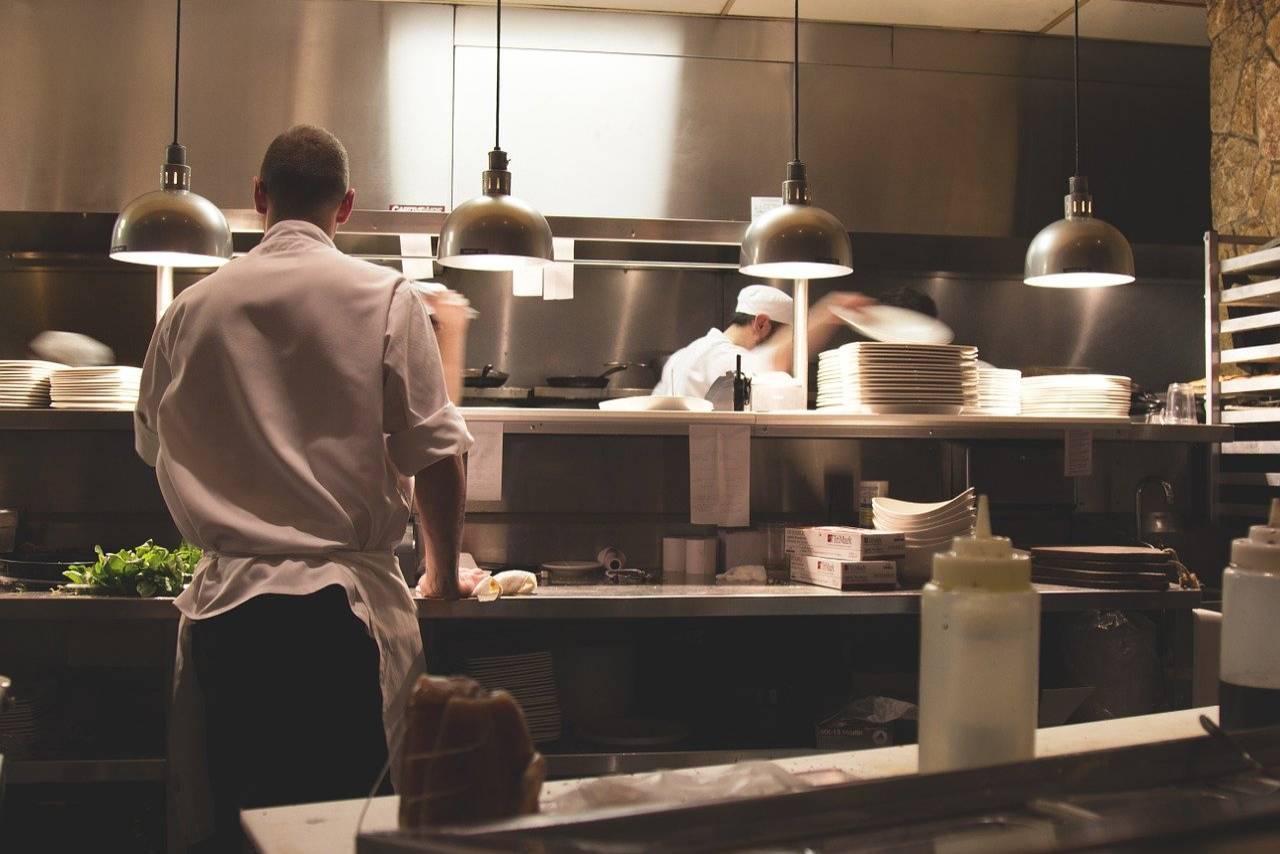
Over the past five years, the cost of food has increased by over 25%. Food cost control is crucial to business success and longevity. Tips for controlling food cost at your business include-
1. Avoid waste- With many ingredients being perishable, a lot of your beginning inventory may end up wasted if food ingredients are not properly planned for or utilized. Menu items that use similar ingredients can help avoid costly and unnecessary food waste.
2. Monitor variances- Look for variances between the ideal food cost and actual food cost of a product. Variances can indicate a range of issues early on, from operational problems to employee theft.
3. Reimagine menus- Calculating food costs will indicate which menu items bring in the most revenue for your business. After using the food cost formula to understand which items perform best on the menu, consider up pricing popular menu items appropriately.
4. Delegate free meals- Free employee meals are a perk that many restaurants use to keep employees motivated and feel like a part of the team. Instead of cutting employee free or discounted meals, find a healthy balance that works for both employees and your business bottom line.
For example, you may limit discounted or free meals to a specific total cost or offer decreased portion sizes for employees. Remember that the value of boosting the employee experience may well be worth the food cost per employee in the long run.
5. Stop theft- Discounting or comping meals and beverages for friends and family may not immediately come to mind when you think of employee theft. However, these expenses can add up and eat away at your restaurant's revenue over time.
Studies show that 4 out of 10 manager codes are inappropriately used which means that even your most trusted employees, your managers, may be hurting cost control initiatives whether or not they mean to.
To avoid this, create clear standards with all employees about appropriate comping and discounting policies for friends and family. Additionally, let your employees and managers know that you will be routinely monitoring how codes are used.
6. Inventory management- Analyze the beginning inventory and ending inventory to better understand food costs and develop cost control techniques for your restaurant. The beginning inventory and ending inventory should be as close as possible to each other in terms of dollar cost.
Regularly switch inventory responsibilities between employees to make sure that multiple employees understand your inventory process. Employees should also be well trained in and maintain the first in, first out system as a companywide food cost control initiative.
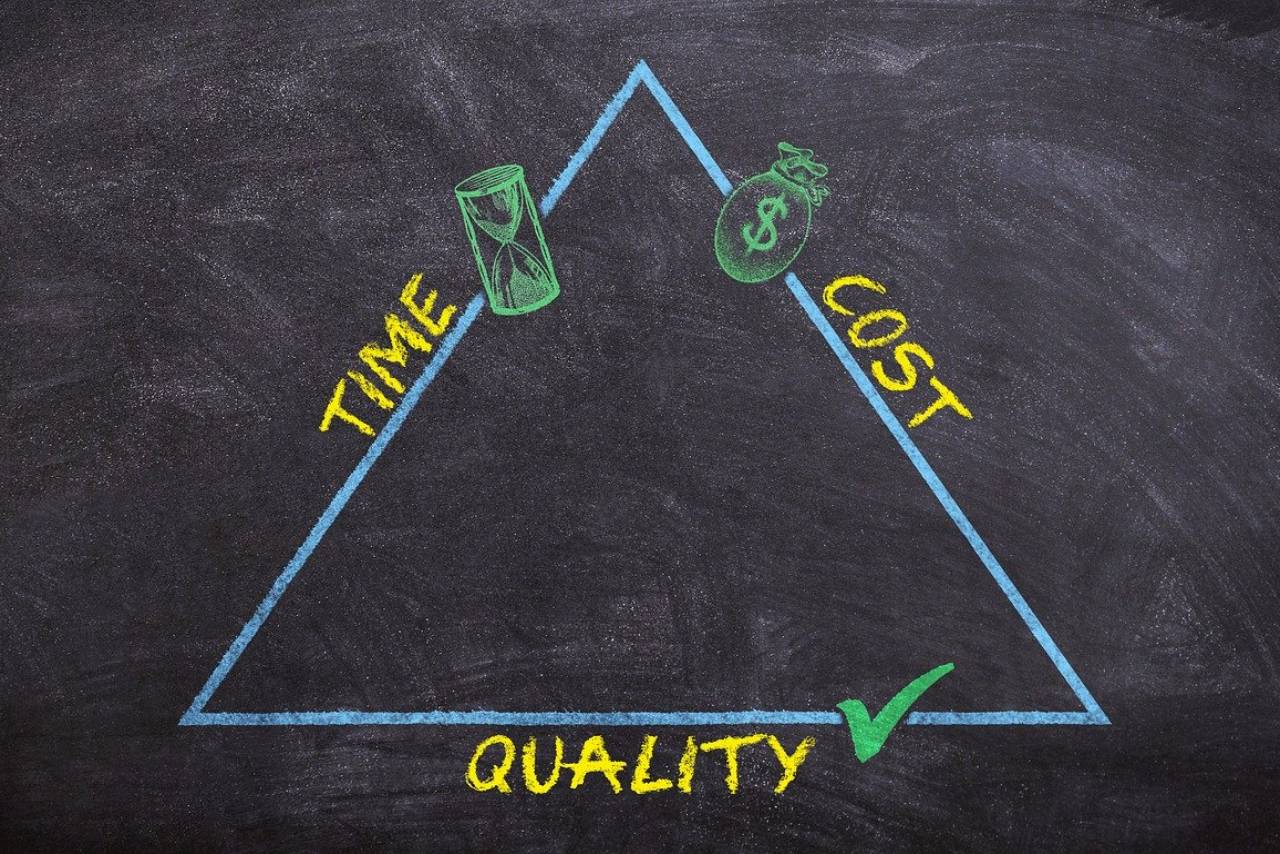
52% of food industry professionals believe food costs are a top challenge. When you calculate food cost percentage it provides the opportunity to improve business operations and make updates to your menu. Various ways to do so include-
1. Decrease portion size- Portion sizes at restaurants are often hefty, resulting in people taking food home with them. Large portion sizes can justify higher menu prices but if your portion sizes are not helping reach an ideal food cost percentage it may be time to slim them down.
2. Increase menu prices- Instead of decreasing portion sizes, you can alternatively increase menu prices to solve a cost formula issue. It is wise to gradually increase a menu item price and avoid drastic price changes whenever possible.
However, if you do decrease the menu price for a specific item it is important to make sure the item is still selling. If a menu item does not sell well with the menu price change it may be time to take the item off your menu.
3. Locate new vendors- If you have colleagues in the food industry ask about the vendors they use. Alternatively, you can do independent research to see where you could decrease your cost per serving by spending less on food ingredients.
Before switching vendors, you can also inquire if there is room for negotiation with your current vendor. Perhaps a vendor will meet the prices of competitors or offer you discounts to keep you as a customer.
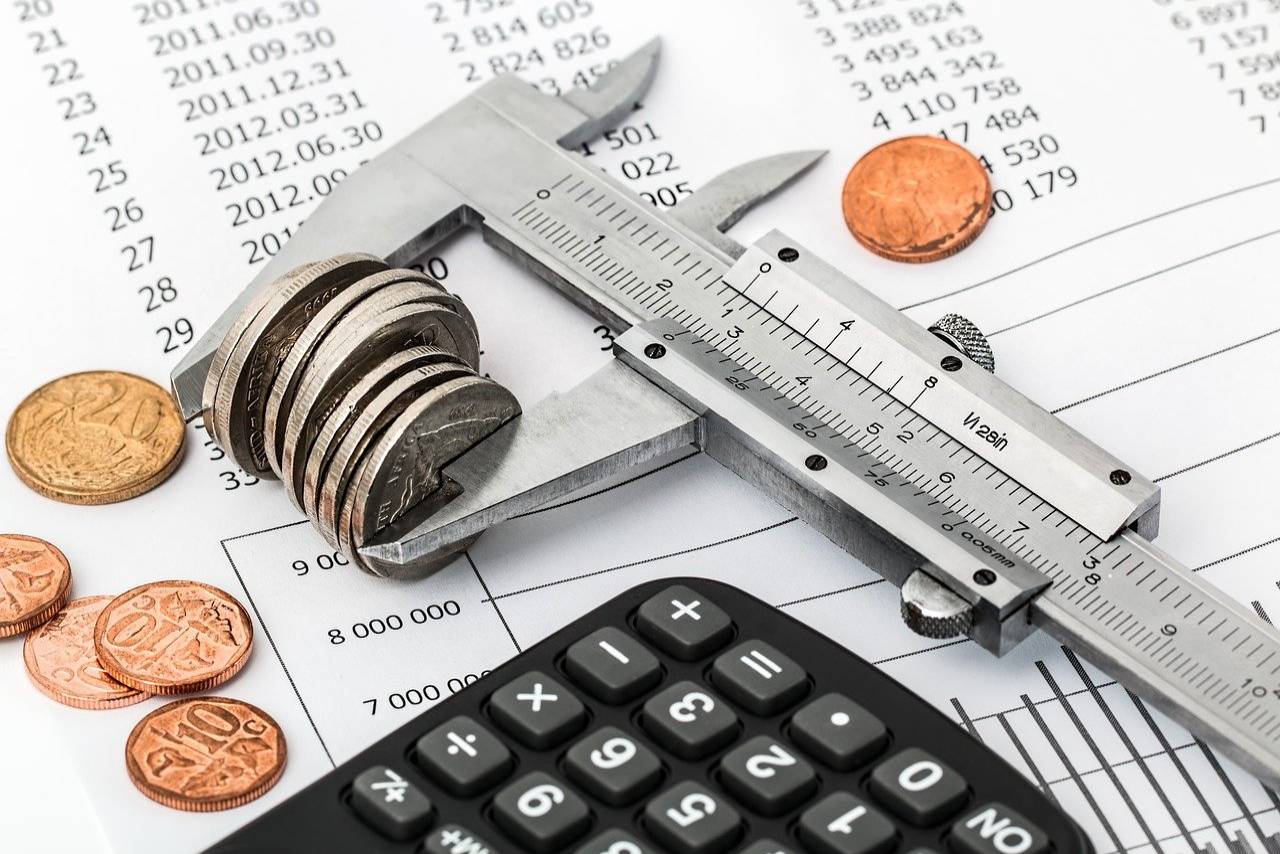
80% of restaurants go out of business within the first five years of operation and 60% do not even stay open past the first year. Setting a realistic budget for your restaurant should be a top priority if you plan to make it past your first few years in business.
A profit and loss budget analyzes the 4 main checkpoints that restaurants should be monitoring- sales, prime cost, controllable income, and net income. Comparing the sales made with prior sales periods and your forecast will help decrease food costs.
Prime cost includes both the cost of all sales and all payroll costs and should not exceed 65% of total sales. The ideal prime cost range is 60-65% of sales.
Controllable income, also known as operating income represents the expenses associated with operations that staff influences. Controllable income is a great indicator of how effectively your staff members are performing.
Net income should ideally be in the positive number range, indicating that your business is making money instead of losing it. Compare your net income with your investments in the business to understand your return on investment rate.
Developing a successful menu requires a lot of thought and consideration. You want to offer your customers diverse and innovative food items but you do not want food costs to be so extravagant that you cannot keep your doors open.
It is crucial to consider the labor and product costs that are included with each menu item respectively. From the labor standpoint, if a menu item is not prepared consistently and effectively it will likely not be popular. Additionally, if a menu item requires too much labor it could negatively affect the food cost per serving.
If a menu item requires a new ingredient make sure ahead of time that the ingredient will be available. Ingredients that have fluctuated product costs or are only available seasonally should be added cautiously and consciously.
Do not analyze food costs only when you are developing a menu. Due to fluctuations in food product pricing, it is important to calculate food cost percentage regularly.
A best practice for food cost control is to use similar ingredients across your menu items in order to keep your food cost down and total sales as high as possible. Additionally, your beginning inventory and ending inventory are more likely to even out if food items are used most efficiently.