
Photo by Unseen Histories on Unsplash
Franchise Frenzy: Cross-Border Growth
A look at how U.S. brands expand through multi-unit deals, cross-border partnerships, and seasoned operators in 2026.
franchising
Apr 29, 2026
Photo by Unseen Histories on Unsplash
A look at how U.S. brands expand through multi-unit deals, cross-border partnerships, and seasoned operators in 2026.
Apr 29, 2026

Photo by Erik Mclean on Unsplash
McDonald’s unveils six beverages across 14,000 restaurants on May 6, expanding McCafé with Refresher and crafted sodas and a new store-level beverage specialist role.
Apr 29, 2026
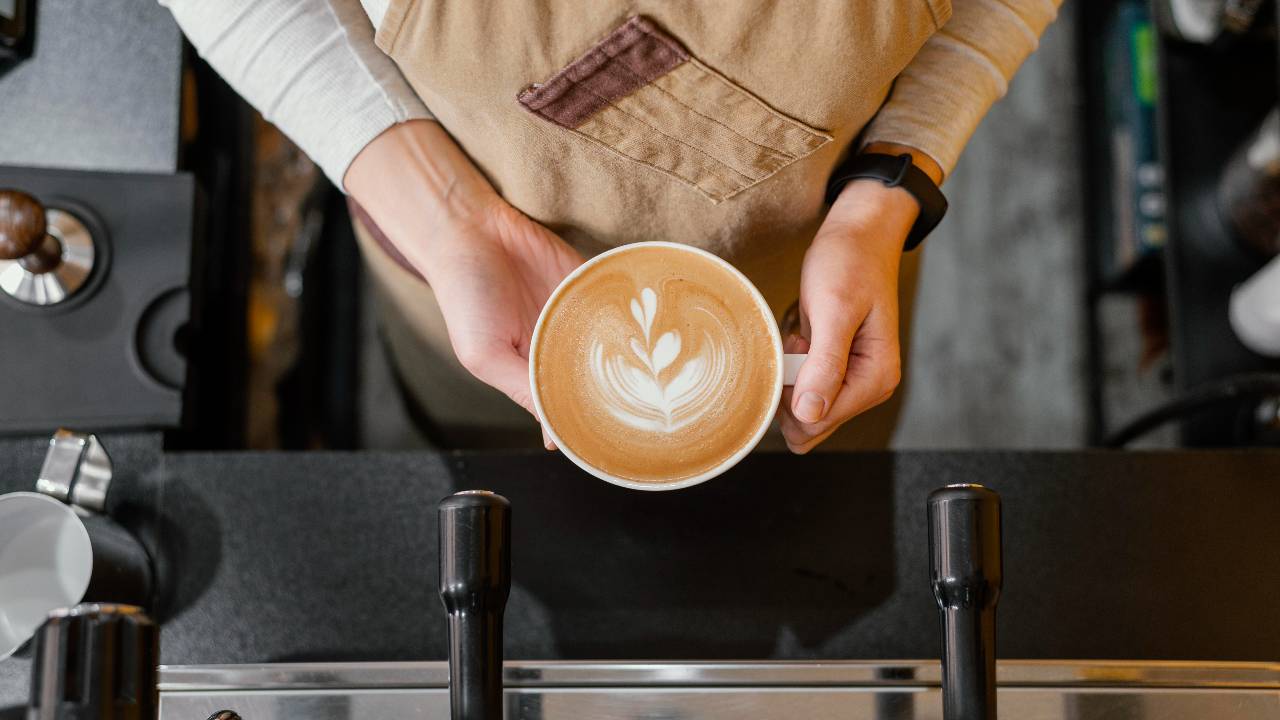
Learn how to write a coffee shop business plan that covers concept, location, menu, finances, branding, marketing, and risk planning.
Apr 27, 2026
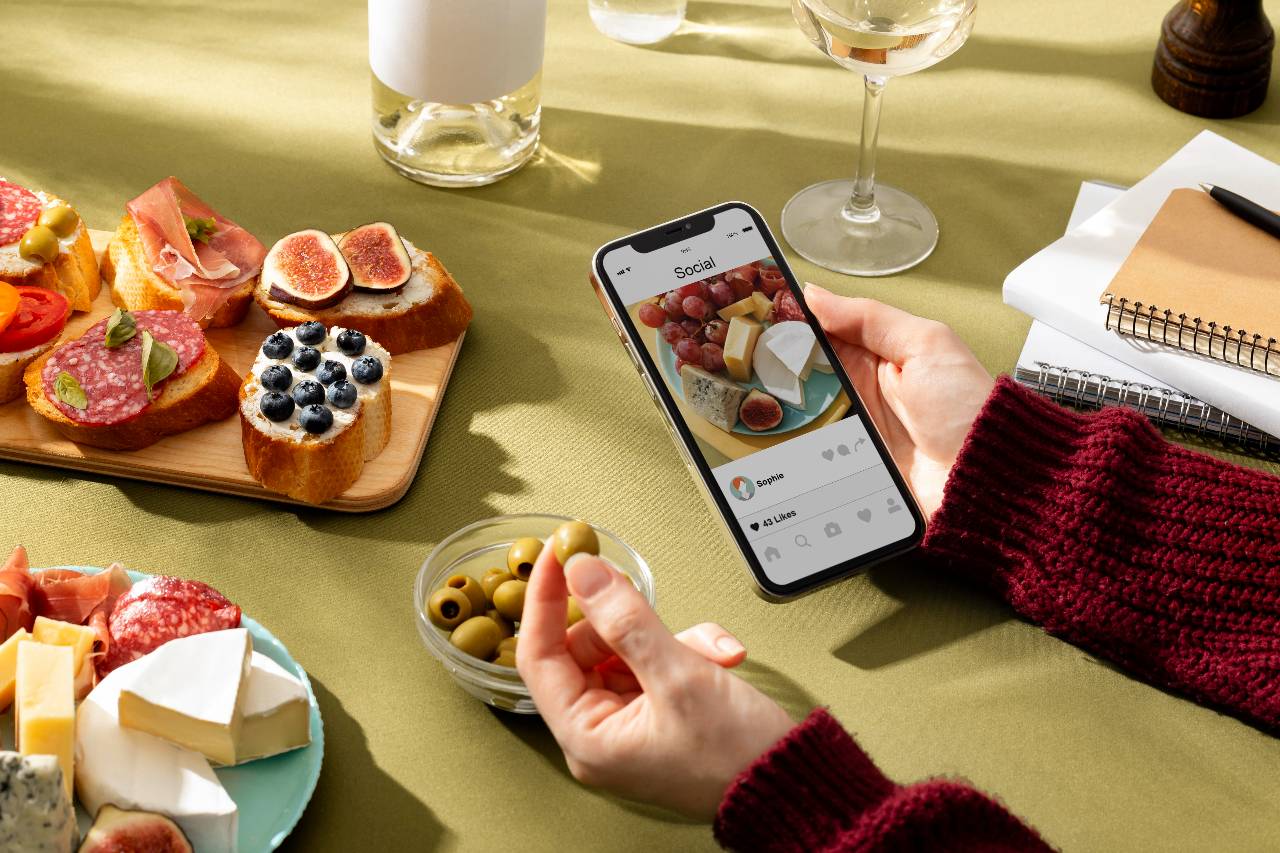
Explore marketing strategies for food businesses using reviews, professional photos, SEO, social media, partnerships, events, and catering.
Apr 28, 2026

Photo by shen wenjie on Unsplash
Holiday-driven menu drops fuse nostalgia with wellness, turning menus into living calendars for fast-casual brands.
Apr 28, 2026
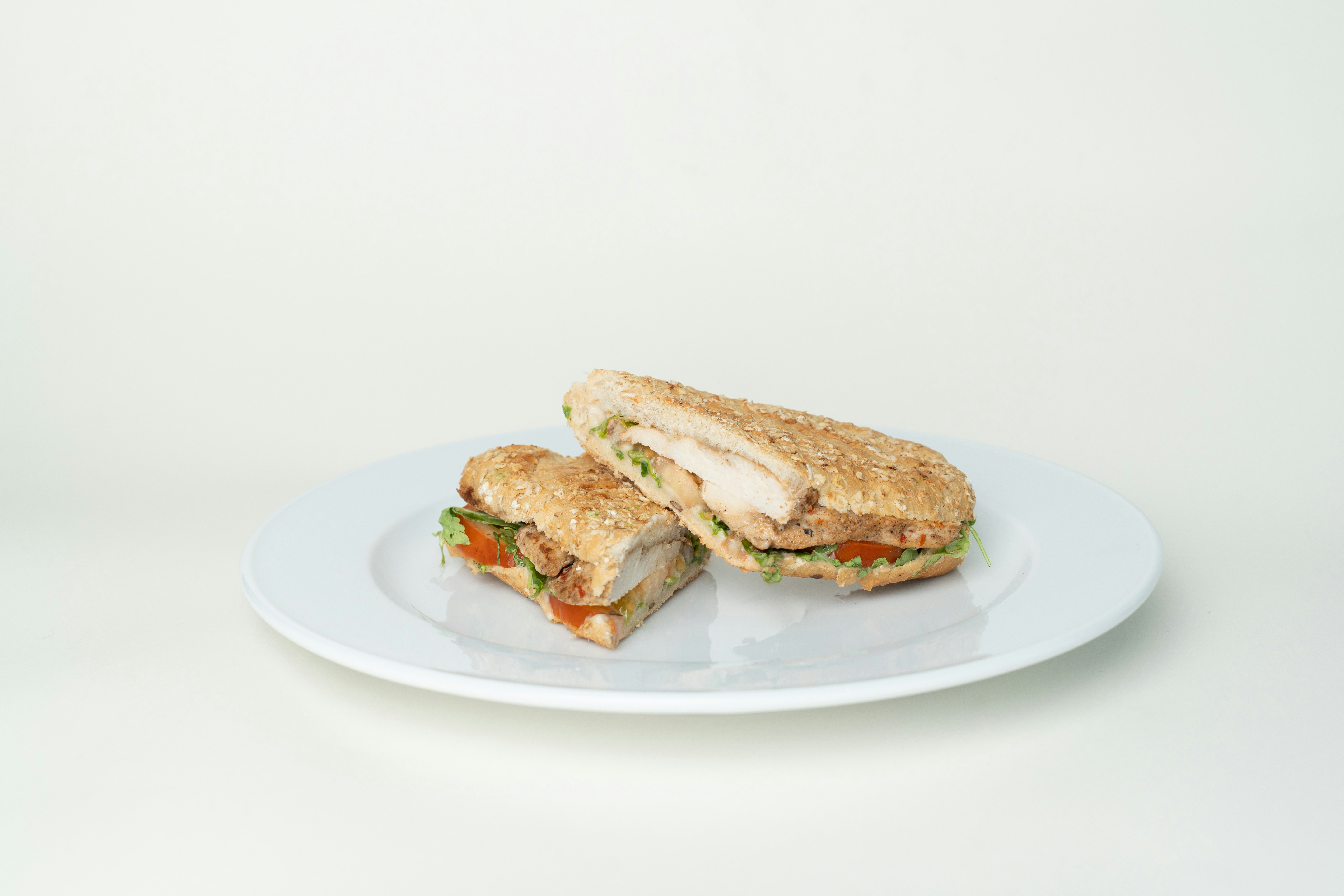
Photo by Abdul Raheem Kannath on Unsplash
Susannah Frost named Chick-fil-A President, joining Cliff Robinson as COO to guide domestic expansion and international growth.
Apr 28, 2026

Photo by Moon Bhuyan on Unsplash
Ghost pepper-led promotions redefine autumn menus as chains blend heat, storytelling, and seasonal collaborations to drive foot traffic.
Apr 28, 2026

Photo by Noah Martinez on Unsplash
CAVA rolls out Garlic Ranch Pita Chips with a Steak + Harissa Bowl and a refreshed Rewards program, tying flavor innovation to personalized guest experiences.
Apr 28, 2026

Photo by Kate Trysh on Unsplash
Applebee’s launches Pick 6 Mondays, offering free wings with a $10 purchase when a Pick 6 occurs on Sundays, driving game-day momentum across dine-in and To Go.
Apr 28, 2026
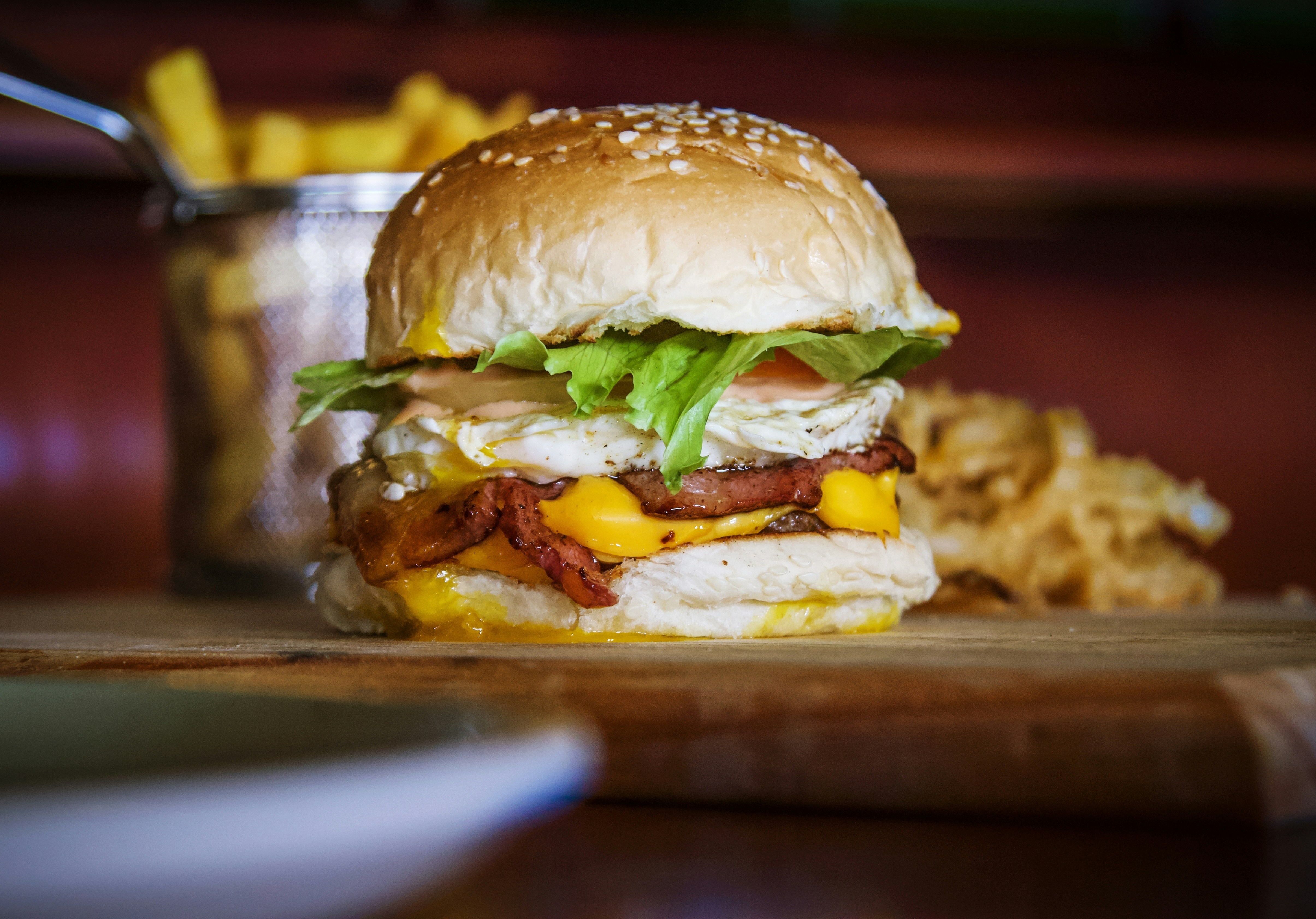
Photo by Stu Moffat on Unsplash
Beatrice Nguyen explores how leadership blends speed, loyalty, and standardized operations to grow Shake Shack while preserving its signature experience.
Apr 28, 2026
Discover the key features of restaurant inventory management software, how to monitor food costs, as well as the importance of automation in inventory monitoring.
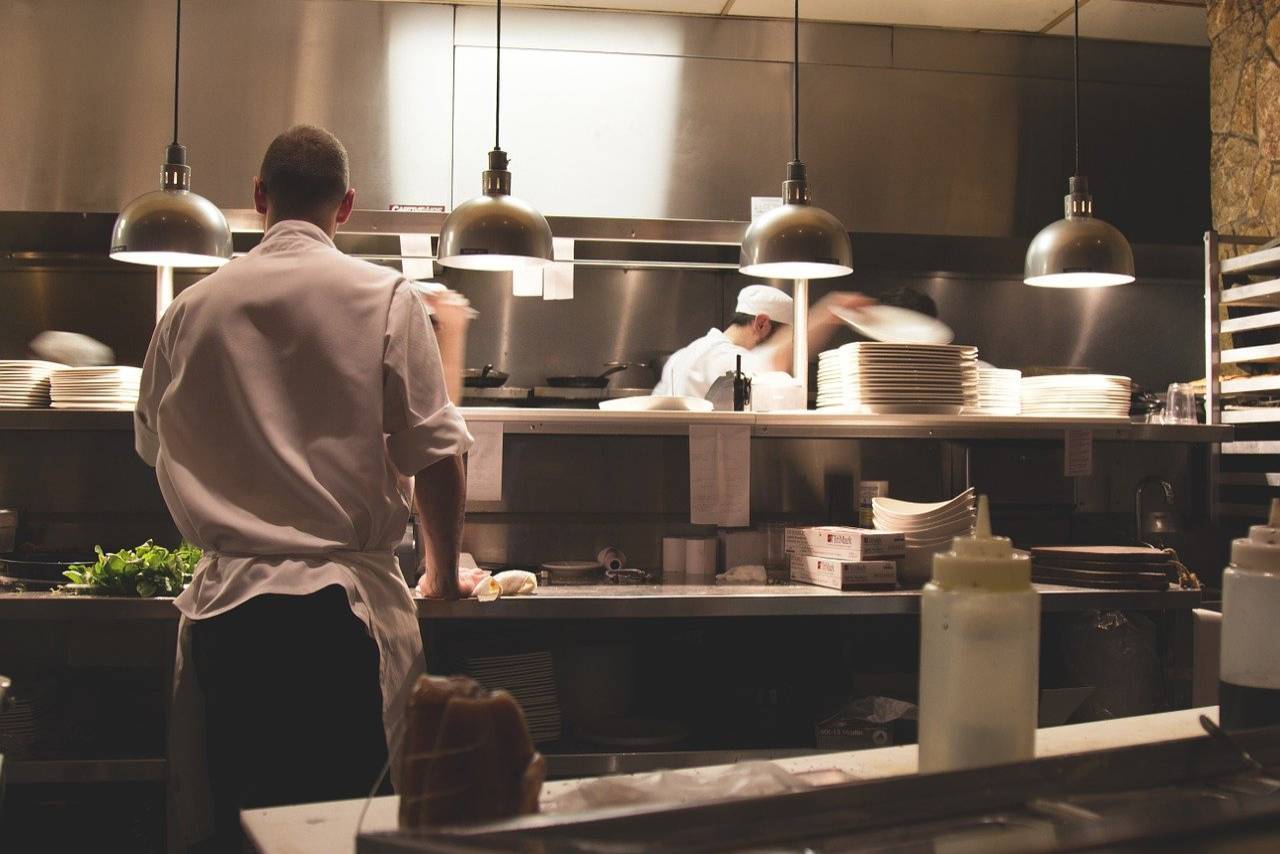
Having a successful restaurant takes a vision, a great chef, and the right inventory management procedures. Customers may love the location, the menu, and the wine list, but without effective stock management, the restaurant will not be profitable or sustainable.
Restaurant inventory management software is a comprehensive monitoring tool that tracks each ingredient, supply order, and meal that goes into or out of the kitchen. Inventory management increases efficiency in the kitchen, reduces inventory loss such as food spoilage or waste, and drives up profitability by cutting food costs.
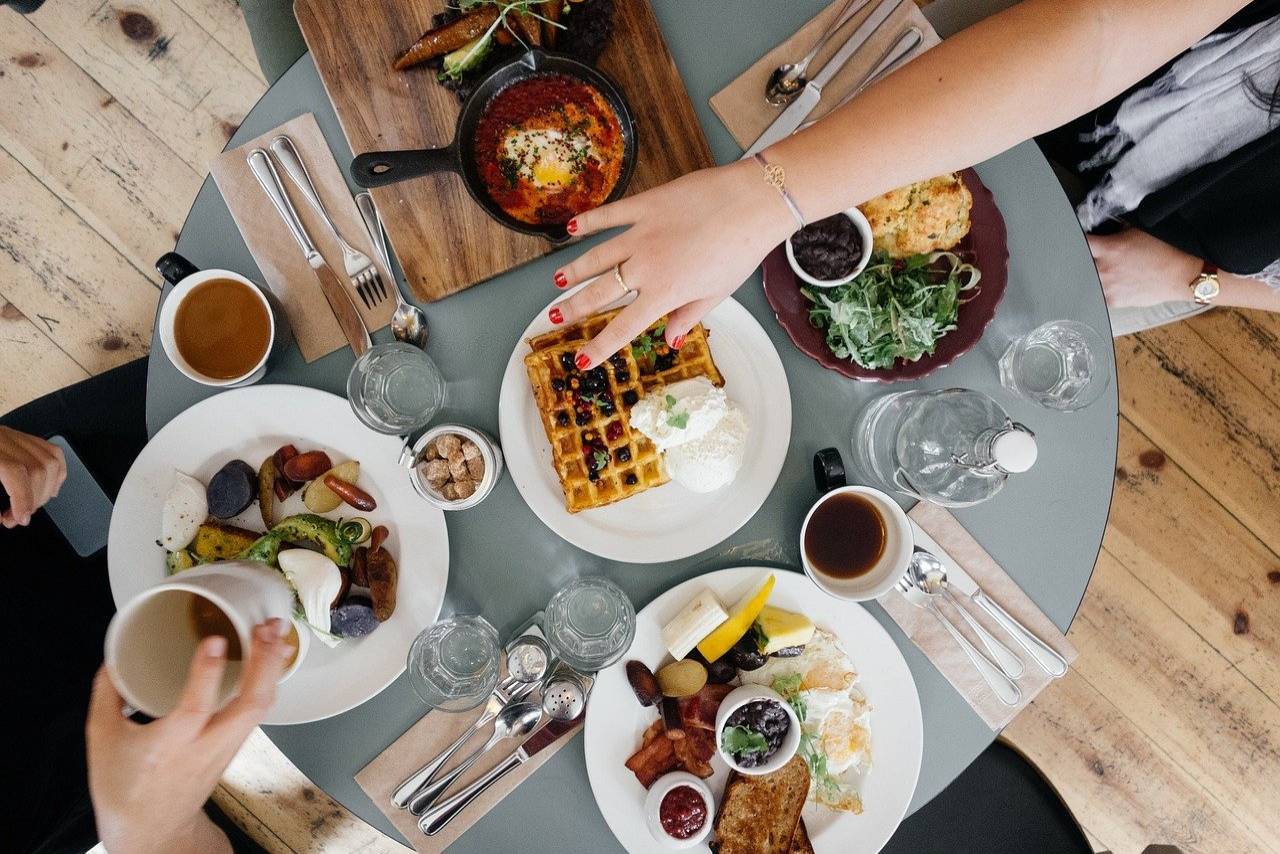
Restaurant inventory management includes monitoring all stock, standardizing recipes, and planning the menu based on current inventory. It calculates usage (or the number of days the inventory will last), as well as depletion ( the inventory used in a day or a week).
This allows for accurate tracking of both inventory and profit margins. Inventory management
will accurately predict restaurant ingredient needs to prevent over or understocking. It also notifies of any surpluses or shortages before it's too late.
Automation of inventory management using software will simplify this process, reduce errors, and engage more staff in minimizing food waste. Some restaurants may lose as much as 10% of their inventory due to poor inventory management, and these errors can be avoided with the right restaurant inventory management software.
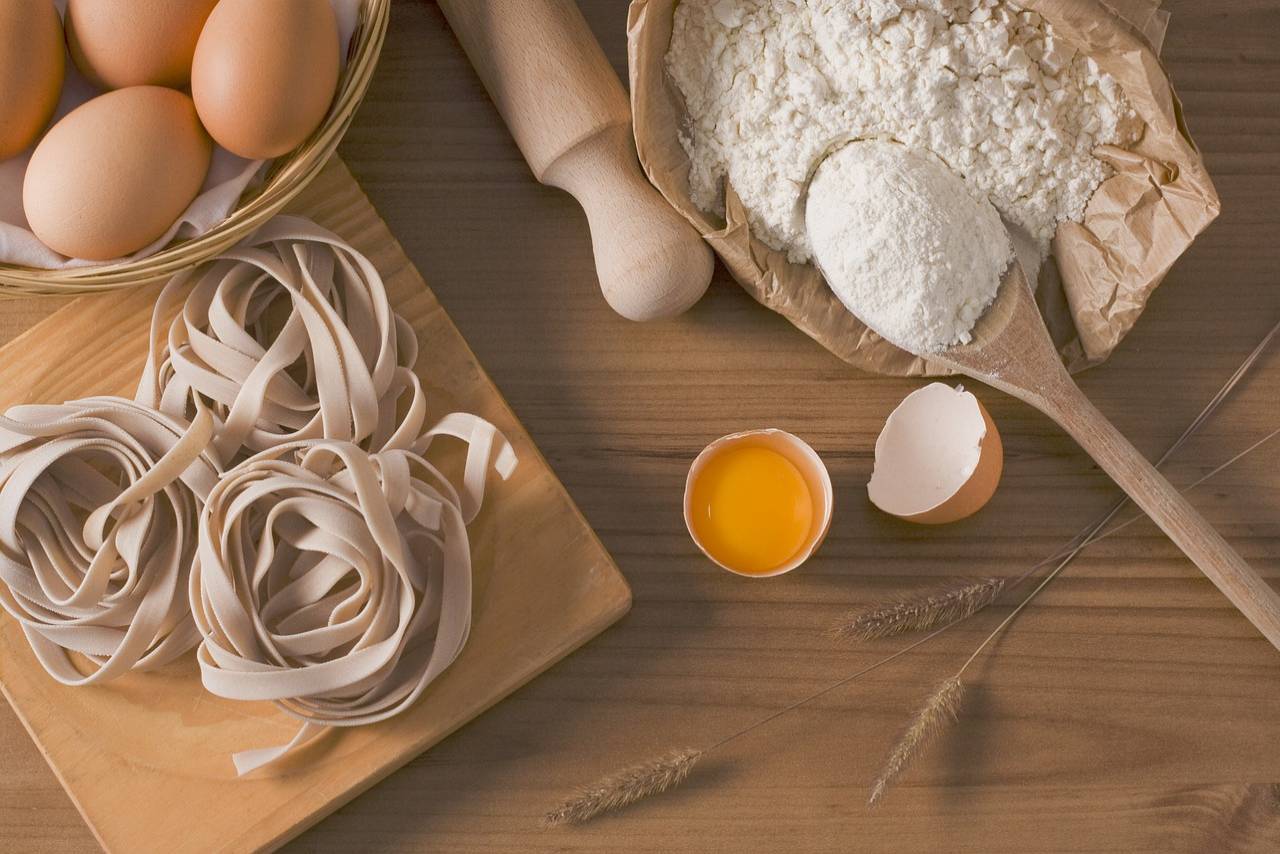
Taking accurate inventory is the key to running a successful business. Stock counts should be taken at the beginning and end of each day, and include all ingredients ordered throughout the day, as well as food left on the shelf.
Software tools will make it easy to manage stock, minimize food waste, and maximize efficiency. It will also automatically calculate the food cost percentages or the percentage of operational costs that are spent on food. This is vital information for inventory budget planning and should be tracked to avoid overspending on unnecessary ingredients.
The food cost percentage is the difference between the money spent on inventory and the revenue that inventory brought in when sold to customers. To calculate the food cost percentage, start with the value of inventory received in a week, both at the beginning of the week and throughout the week. Subtract the ending inventory from the total inventory purchased, then divide it by the total food sales for the same week.
On average, the food cost percentage for casual restaurants is about 25%, while fine dining restaurants have an average food cost percentage of around 35%. Monitoring inventory usage with inventory management software makes it easy to calculate the food cost percentages and track revenue. If your food cost percentage is too high, look for ways to reduce waste, avoid surpluses, and manage staff error.
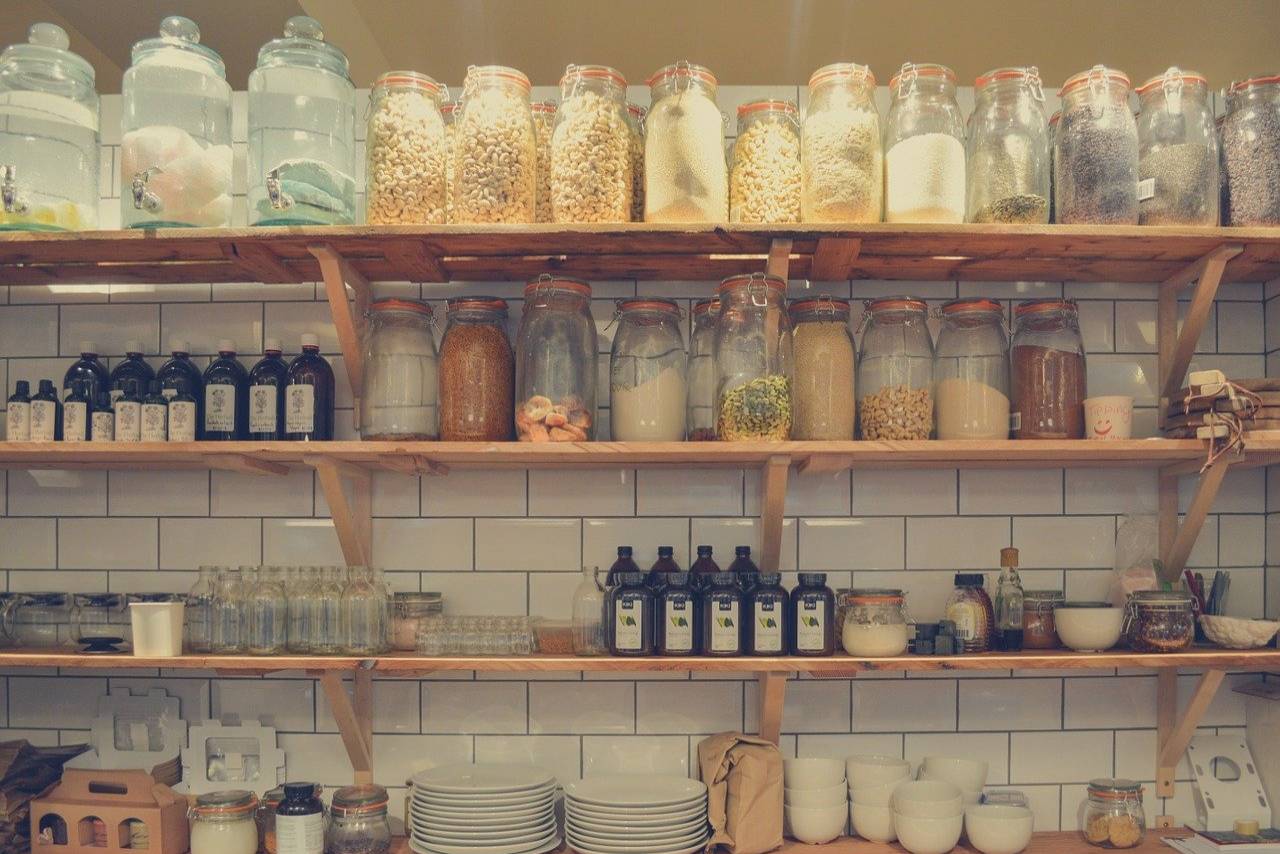
There are many different inventory management systems to choose from, so take some time to understand what the business needs. When researching restaurant inventory management software, make sure it includes these key features-
Restaurant inventory management software takes the stress out of managing stock. It reduces common sources of shrinkage by tracking products as they come into the kitchen and as they leave.
Understanding exactly what inventory is being used and what is being lost optimizes operations.
Having up-to-date information about both inventory and sales allows the software to protect users against food spoilage and food waste to increase restaurant efficiency.
When purchasing restaurant inventory management software, make sure it can integrate all locations, communicate with all vendors, and generate reports to take the stress out of inventory management and increase profitability.