The Hidden Cost of Unpredictable Schedules on Employee Retention
Struggling with employee retention? Learn how unpredictable scheduling drives turnover and what you can do to create a more stable workforce.
May 4, 2026
Struggling with employee retention? Learn how unpredictable scheduling drives turnover and what you can do to create a more stable workforce.
May 4, 2026
Photo by on Unsplash
GoTo Foods blends seven iconic brands to push snacking as a growth engine, expanding dayparts, off-premise channels, and co-branding.
May 3, 2026
Mark Graff steps in as CFO to anchor Red Robin's First Choice turnaround with disciplined financial leadership.
May 3, 2026
Photo by Graphe Tween on Unsplash
Doinita Leahu redefines hospitality leadership with practical training, mentorship, and people-first systems guiding Vicious Biscuit’s growth.
May 3, 2026
Explore high-traffic Texas markets where restaurants can succeed by matching concepts, customer behavior, visibility, and daily demand.
Apr 30, 2026
Learn how to calculate food cost, control margins, reduce waste, price menu items, and use technology to improve restaurant profit.
Apr 29, 2026
Photo by Unseen Histories on Unsplash
A look at how U.S. brands expand through multi-unit deals, cross-border partnerships, and seasoned operators in 2026.
Apr 29, 2026
Photo by Erik Mclean on Unsplash
McDonald’s unveils six beverages across 14,000 restaurants on May 6, expanding McCafé with Refresher and crafted sodas and a new store-level beverage specialist role.
Apr 29, 2026
Learn how to write a coffee shop business plan that covers concept, location, menu, finances, branding, marketing, and risk planning.
Apr 27, 2026
Explore marketing strategies for food businesses using reviews, professional photos, SEO, social media, partnerships, events, and catering.
Apr 28, 2026
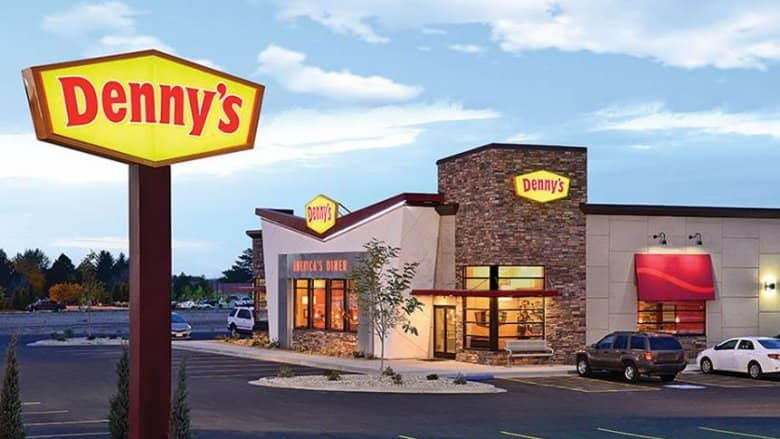
Explore how Denny's is strategically expanding its restaurant chain, optimizing operations through store closures and remodels, and enhancing sales strategies.


Denny’s, a well-known player in the restaurant industry, continues to expand its presence by opening new locations. In the past year alone, the company added 14 new restaurants, with plans to open approximately 20 more this year. Ending 2024 with a total of 1,334 restaurants, Denny's focuses on strategic locations, with a significant portion of its domestic stores centralized in key states like California, Texas, Florida, and Arizona. This targeted approach allows Denny's to capitalize on high-traffic regions and maintain a strong market presence.
Facing the challenge of underperforming locations, Denny's implemented a meticulous store closure plan after evaluating 265 of its worst-performing restaurants. By focusing on rehabilitating viable locations and accelerating the closure of lower-volume restaurants, Denny's aims to enhance franchisee cash flow and redirect investments towards initiatives that drive traffic and revenue. This strategic move aligns with the evolving consumer preferences seen in the rise of Quick-Service Restaurants (QSRs), allowing Denny's to adapt to changing market dynamics.
To revitalize its brand and enhance customer experience, Denny's embarked on a comprehensive remodel program, completing 23 remodels, including facilities both company-owned and franchised. These remodels have proven to be instrumental in driving sales, with an average sales lift of 6.4% and a traffic increase of 6.5%. Despite the average investment of approximately $250,000 per remodel, these initiatives have been key in achieving Denny's long-term goal of $2.2 million in average unit volumes (AUVs), demonstrating the company's commitment to operational excellence and customer satisfaction.

Analyzing Denny's sales performance, the company reported a 1.1% increase in fourth-quarter systemwide same-store sales, while full-year comparable sales experienced a slight decrease of 0.2%. Notably, domestic franchised stores outperformed company-owned locations with a 1.2% same-store sales lift. Looking ahead to 2025, Denny's anticipates domestic comparable sales to range between negative 2% and positive 1%, showcasing a proactive approach to addressing market challenges and driving sustainable growth.