Pei Wei Wins Best Fast-Casual Chain Award
Pei Wei Asian Kitchen named Best Fast-Casual Chain in Reviewed 2026 Awards, reflecting shift from price competition to quality and transparency.
News
Sep 11, 2026
Pei Wei Asian Kitchen named Best Fast-Casual Chain in Reviewed 2026 Awards, reflecting shift from price competition to quality and transparency.
Sep 11, 2026

O'Charley's shuttered all corporate restaurants nationwide on September 9, 2026, ending its 55-year legacy as a casual-dining regional powerhouse.
Sep 11, 2026
Authentic Restaurant Brands lands $325M investment from Trimontium to fuel disciplined regional expansion across five established restaurant concepts.
Sep 11, 2026

Walmart expands restaurant delivery beyond Subway and Dunkin', taking on DoorDash, Uber Eats, and Grubhub with Papa Johns nationwide rollout.
Sep 11, 2026

Complete NFL season restaurant checklist covering licensing, AV setup, menu prep, inventory, staffing, and marketing before kickoff arrives.
Sep 11, 2026

California shifts to public enforcement strategy against Dickey's for deceptive franchise disclosures, signaling stricter state-level franchise oversight.
Sep 10, 2026
Paul Brown temporarily steps away from Inspire Brands as Scott Murphy assumes interim CEO role during confidential IPO filing process targeting late 2026.
Sep 10, 2026
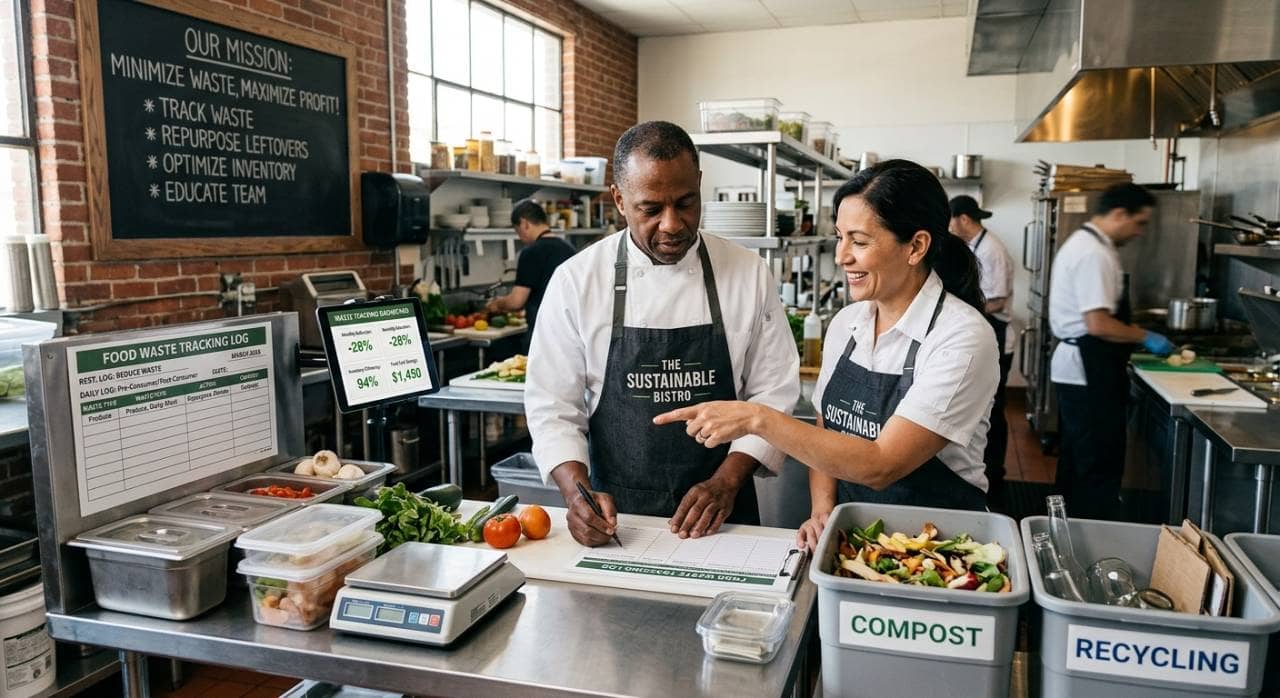
Learn how to reduce food waste in restaurants through smarter purchasing, storage, preparation, and service strategies that cut costs.
Sep 9, 2026
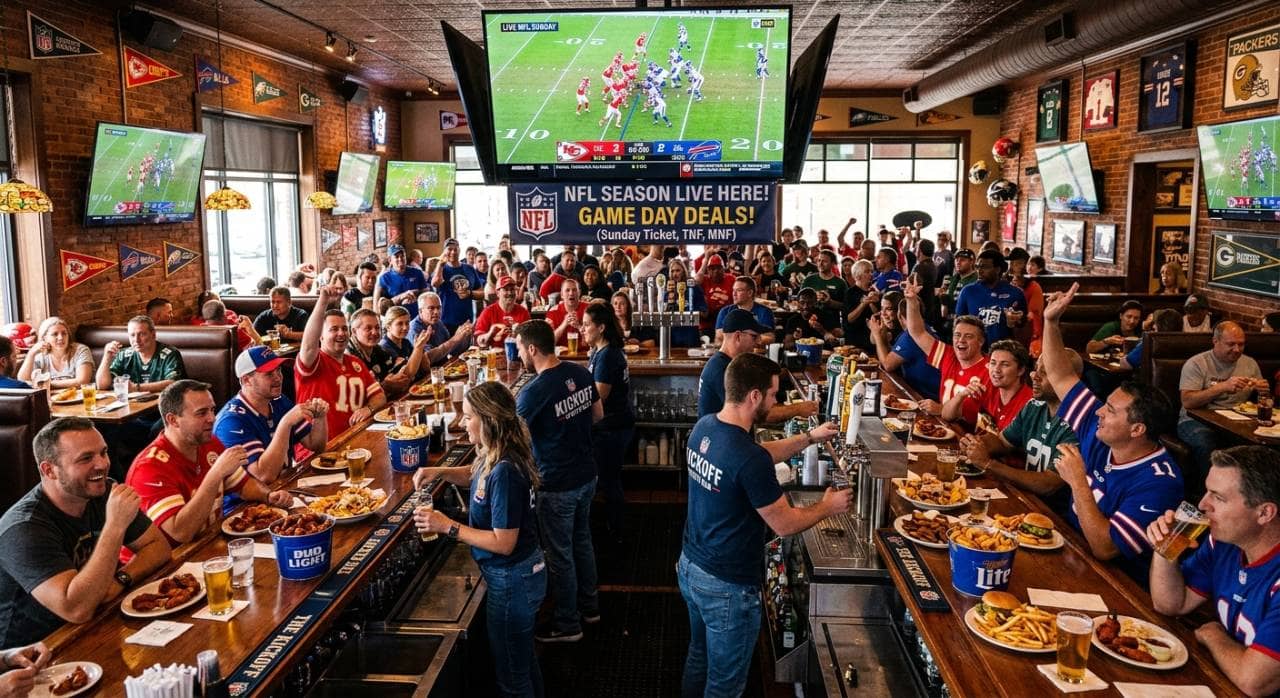
Prepare your restaurant for NFL season with smart menu planning, staffing, marketing, technology, and atmosphere strategies that boost season-long revenue.
Sep 9, 2026
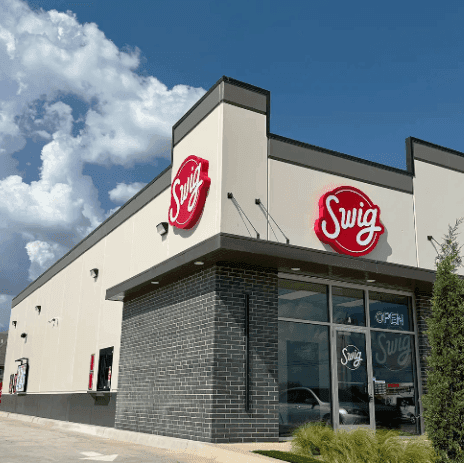
Swig signs franchise agreement for 11 South Denver locations, marking Colorado entry and validating its national expansion strategy.
Sep 8, 2026

Unlock Exclusive Access To Webinars, Events, And The Latest News For Free!
WOWorks CEO Joel Bulger outlines how AI, loyalty, and GLP-1 trends are reshaping fast casual, from labor scheduling to GLP-ready menus and data-driven rewards.

Photo by Mario Gogh
“AI is a crazy advantage,” Joel Bulger told a packed Conversations session at the National Restaurant Association Show. The WOWorks CEO likened ChatGPT- and Claude-style tools to “a sounding board of 1.7 trillion websites you can bring at your disposal,” and he made the case that smaller restaurant groups benefit most, He paired that thesis with two more forces reshaping fast casual,
applying AI “to labor scheduling, brand strategy, competitor reviews, and market evaluations all basically for free.” loyalty and GLP-1 medications, framing them as intertwined drivers that no operator can afford to ignore. The Show drew more than 55,000 foodservice professionals from 112 countries to McCormick Place, a sign of how practical solutions are rising to the top of the industry agenda.
Bulger’s stance is shaped by persistent cost pressure and thinner labor pipelines. The National Restaurant Association’s 2026 State of the Restaurant Industry report forecasts total restaurant and foodservice sales of $1.55 trillion while price and wage pressures continue to erode margins. Technomic projects a shrinking share of young workers in the US workforce by 2034,
which makes AI scheduling and training appealing rather than optional. He also flagged GLP-1 medications as a durable force in diner behavior, and loyalty as an unsolved puzzle for mid-market brands that need durable, first-party data rather than coupon spikes.

The practical playbook is getting clearer. Bulger demonstrated menu creation, back-of-house training, and trademark vetting with generative tools like ChatGPT and Flux 1.1. “You can literally do an entire menu without doing any photography,” he said, a time and cost saver that is already within reach.
Adoption data points to early experimentation. Finitless reports that 69 percent of restaurants use some AI tools, but only 6 percent deploy them for customer orders. National Restaurant Association data shows 26 percent of operators currently use AI in at least one capacity, with the greatest traction in scheduling and forecasting. AI-assisted scheduling can trim labor costs by 5 to 8 percent, and automated waste reduction and upselling tools add to margin gains. Operators are also watching what large systems validate. Yum! China’s Q-Smart voice assistant now handles scheduling, inventory, and safety inspections via wireless earphones, while Flippy fry stations showcased at the Show promise up to $75,000 in annual profits per location through labor reduction and throughput gains.
Loyalty remains the missing link for many smaller brands, and Bulger was blunt about what must change. “A true loyalty program…lands in the middle and that’s your source knowledge on your customers,” he said, describing a single profile where SMS, email, POS activity, and visit patterns actually meet. Paytronix’s 2026 Loyalty Report points to where leaders are going, moving beyond points-only mechanics toward personalized experiences driven by AI and first-party data that competitors cannot copy.
Restaurant Dive reports that points-based loyalty programs are increasingly obsolete, as consumers demand relevance and value over pure discounting. The payoff is measurable. PAR Technology’s 2026 QSR Operational Index reveals a 6.4 times performance gap between top- and bottom-performing loyalty-enabled locations, drawn from 30,000 outlets and $26 billion in loyalty-generated sales in 2025.
Health-motivated ordering is shifting menus and digital UX as GLP-1 use expands. Smoothie King has introduced GLP-friendly menus and educational filters on its nutrition site, mirroring WOWorks’ “GLP bar” that flags items meeting protein, fiber, and calorie thresholds. Forecasts diverge on macro impact. Morgan’s February 2026 research projects a potential $30–55 billion annual revenue reduction for restaurants by 2030–2034 due to expanded GLP-1 use.
Circana analysis indicates that doubling GLP-1 penetration over five years would shave industry sales growth by less than 1 percent and traffic by about 5 percent. Operator reports are mixed, and Fortune Magazine noted that 57 percent of patients said they were “dramatically decreasing business to restaurants” last summer when 8 percent of the US population was on GLP-1s. Affluence and health priorities may further stratify outcomes.

Execution quality will separate leaders from late adopters. Bulger warned that AI outcomes hinge on prompt quality, “garbage in, garbage out,” which is pushing teams toward structured training courses like Coursiv. The loyalty “one-best way” still does not exist, so brands will need clear data ownership and cross-channel hygiene to stitch SMS, email, POS, and visit data into a usable profile.
Smaller operators are already moving in that direction. San Antonio’s Mattenga’s Pizzeria is automating web ordering and marketing with Owner.com to counter tight margins and staffing shortages, according to the Texas Restaurant Association’s Ben Knorr. Registration is open for Bulger’s upcoming QSR Evolution Conference session, a timely forum for operators to compare notes on AI workflows, loyalty design, and GLP-ready menus after four days of innovation in Chicago. The near-term brief is pragmatic, iterate on pilots that compress time and cost, center loyalty on first-party data, and meet guests with clear nutrition filters that support how they eat now.