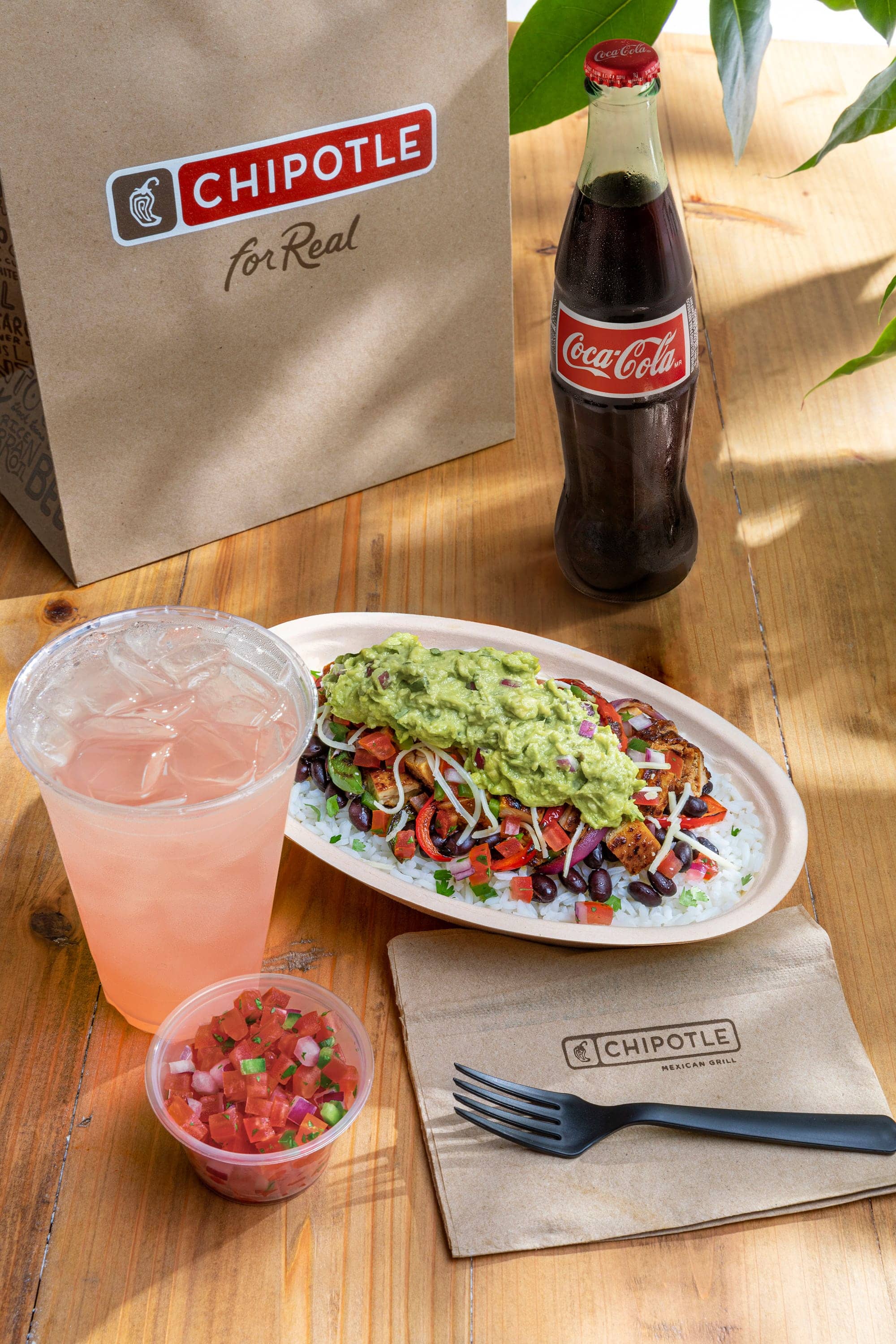
Chipotle Adds Ex-KFC Global CEO to Board
Chipotle names former KFC global CEO Sabir Sami to its board as the chain expands into Mexico, Saudi Arabia, and South Korea.
Business Growth
Sep 15, 2026
Chipotle names former KFC global CEO Sabir Sami to its board as the chain expands into Mexico, Saudi Arabia, and South Korea.
Sep 15, 2026

LeBron James joins Mike's Red Tacos as an investor, backing the birria chain led by Blaze Pizza and Dave's Hot Chicken veteran Bill Phelps.
Sep 15, 2026
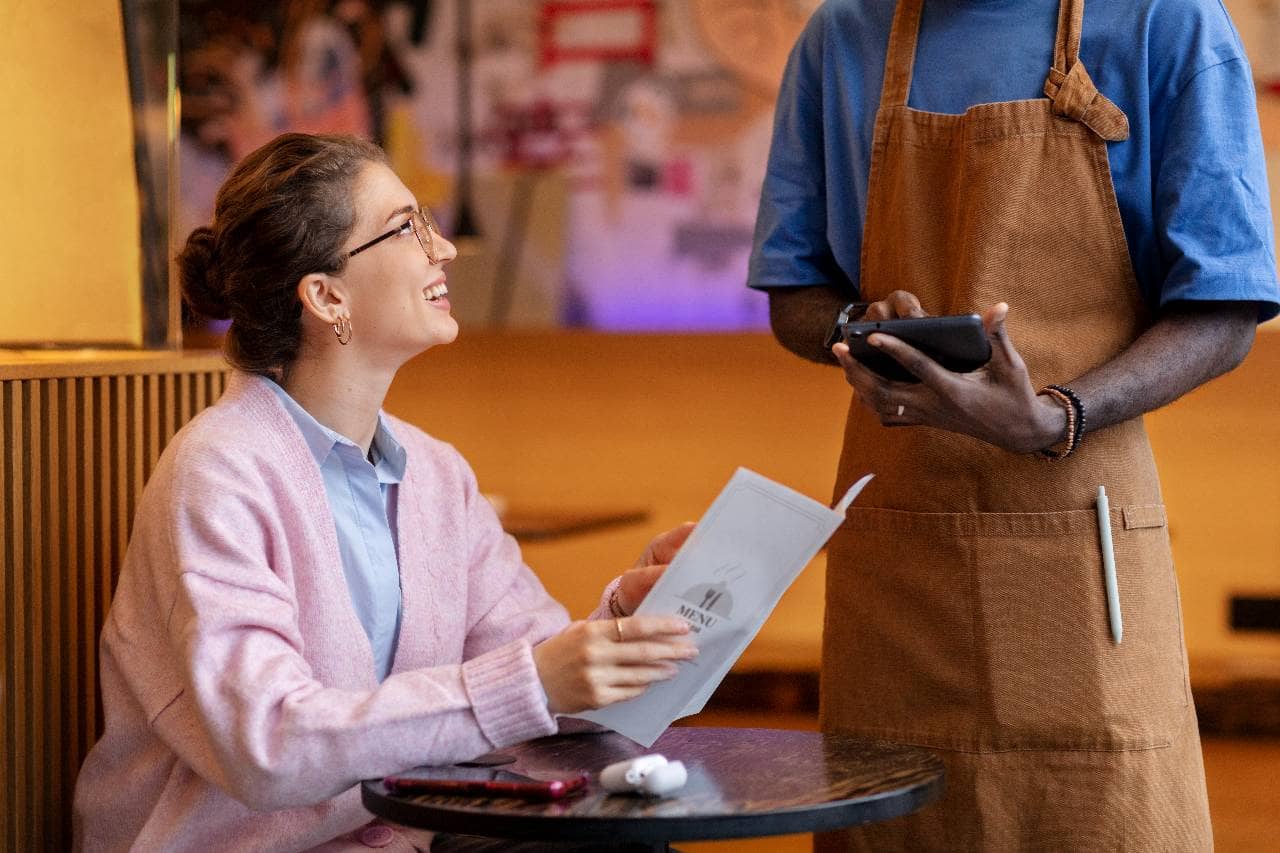
Discover practical promotion ideas - time-based deals, loyalty programs, local partnerships, and digital marketing - to boost restaurant foot traffic consistently.
Sep 14, 2026

Practical payroll compliance checklist for restaurant owners covering wage rules, tips, overtime, taxes, deductions, and recordkeeping to reduce legal risk.
Sep 14, 2026
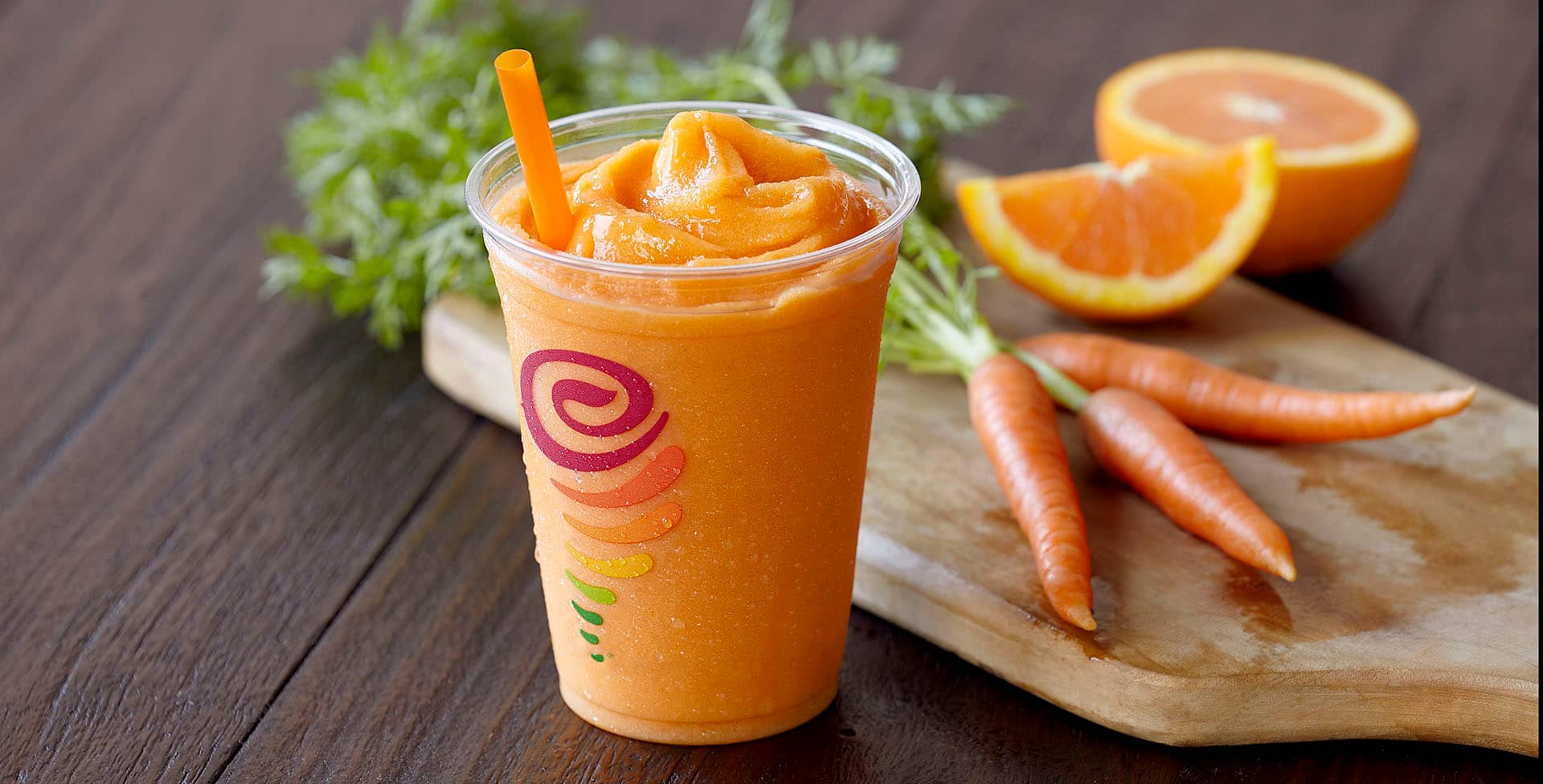
Lucy Brady joins Jamba as president to lead digital-first growth strategy. GoTo Foods restructures leadership to strengthen franchise platform capabilities.
Sep 14, 2026

Contactless payment offers restaurants faster transactions, better security, and improved customer experience, making it a valuable, worthwhile technology investment today.
Sep 11, 2026

Pei Wei Asian Kitchen named Best Fast-Casual Chain in Reviewed 2026 Awards, reflecting shift from price competition to quality and transparency.
Sep 11, 2026

O'Charley's shuttered all corporate restaurants nationwide on September 9, 2026, ending its 55-year legacy as a casual-dining regional powerhouse.
Sep 11, 2026
Authentic Restaurant Brands lands $325M investment from Trimontium to fuel disciplined regional expansion across five established restaurant concepts.
Sep 11, 2026

Walmart expands restaurant delivery beyond Subway and Dunkin', taking on DoorDash, Uber Eats, and Grubhub with Papa Johns nationwide rollout.
Sep 11, 2026

Unlock Exclusive Access To Webinars, Events, And The Latest News For Free!
Explore best Areas in Chicago to open a restaurant by matching neighborhood demand, concept type, costs, traffic, and customer behavior.
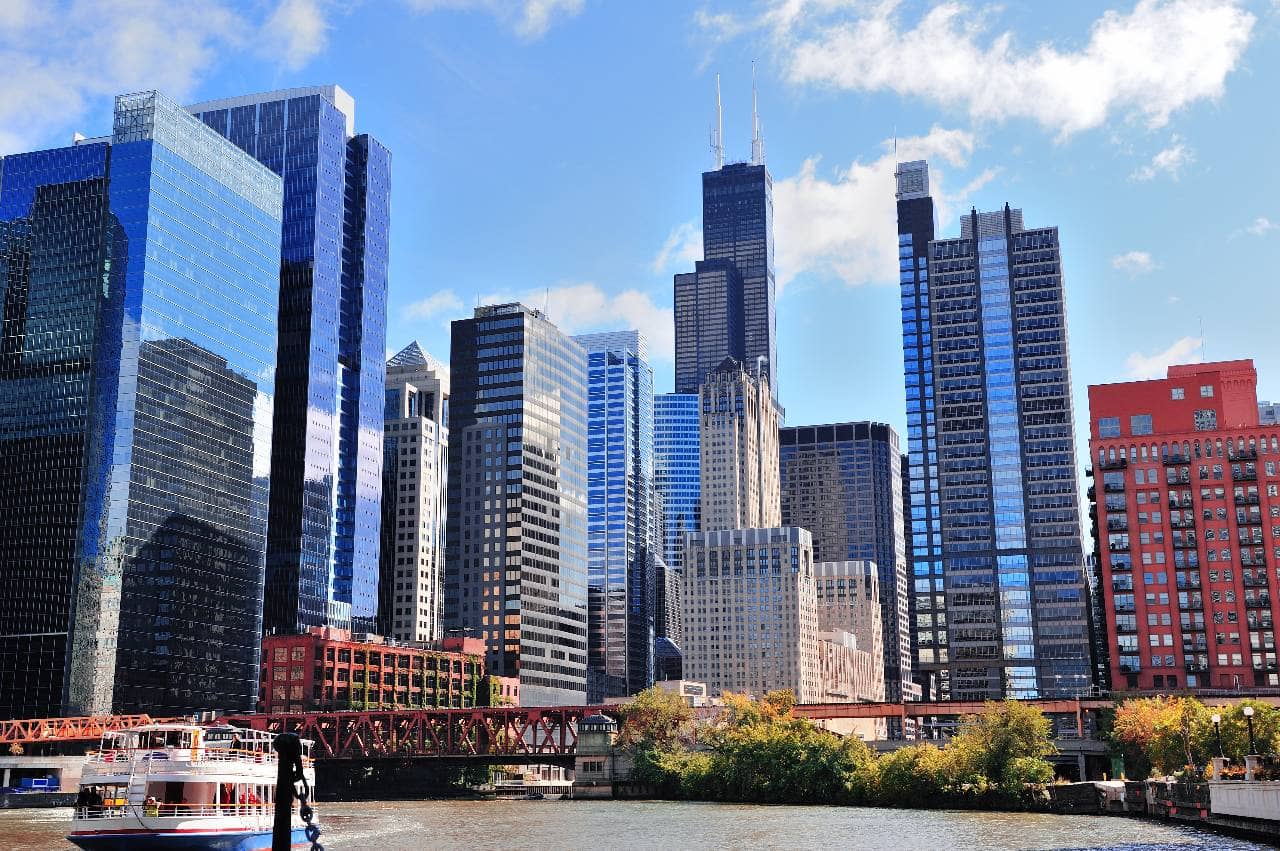
Chicago is a strong restaurant market because demand comes from many places at once. A restaurant may serve local residents during the week, office workers at lunch, tourists on weekends, convention visitors during major events, students after class, sports fans before games, and delivery customers at night. This gives owners more than one way to build sales, as long as the location matches the concept. Tourism is a major driver. Chicago welcomed an estimated 55.3 million visitors in 2024 and generated about $20.6 billion in economic impact. Visitors spend on meals, coffee, drinks, entertainment, late-night food, and group dining, which helps restaurants near hotels, museums, shopping streets, lakefront attractions, convention centers, and nightlife districts. Events and meetings add another layer of demand. In 2024, Chicago meetings and events generated more than $3 billion in economic activity. That traffic can benefit restaurants near downtown, South Loop, River North, West Loop, McCormick Place, Soldier Field, and other high-activity areas. Chicago also gives owners many neighborhood options. West Loop and Fulton Market can attract destination diners. River North can serve tourists, nightlife customers, and business groups. Logan Square and Wicker Park may fit independent concepts. Lincoln Park and Lakeview can support residential, family, brunch, and cafe demand. Hyde Park and Pilsen may work well for community-driven restaurants. For owners opening in 2026, the opportunity is real, but location planning matters. The best area is where customer demand, rent, pricing, staffing, competition, and concept fit make financial sense.
West Loop and Fulton Market are two of Chicago's most competitive areas for restaurants that depend on strong branding, premium pricing, and customers willing to travel for a dining experience. These neighborhoods are not only local dining zones. They also pull traffic from business groups, hotel guests, downtown visitors, young professionals, residents, nightlife customers, and people looking for well-known restaurants, cocktail bars, brunch spots, and chef-driven menus. For restaurant owners, this creates room for concepts such as upscale casual restaurants, steakhouses, sushi bars, Italian restaurants, wine bars, cocktail lounges, bakeries, cafes, rooftop dining, private dining spaces, and experience-focused restaurants. The area works especially well for operators who can create a clear reason for guests to choose them in a crowded market. The income profile also supports higher-ticket concepts. The Near West Side, which includes much of the West Loop area, had a median household income of $111,332 from 2020 to 2024, compared with $77,902 for Chicago overall. Per capita income was $87,447, compared with $50,086 citywide. The area also had 38.1% of households earning $150,000 or more, compared with 23.4% across the city. For restaurant owners, these numbers suggest stronger potential for premium menu pricing, craft beverage programs, private events, and higher average checks. Another strength is the mix of demand throughout the day. Office workers can support weekday lunch and happy hour. Residents can drive weeknight dinner, coffee, delivery, and brunch. Visitors and destination diners can support weekend reservations, special occasions, and late-night traffic. This variety can help restaurants avoid depending on only one revenue stream. Still, West Loop and Fulton Market are not low-risk markets. Strong demand comes with higher expectations. Customers have many options nearby, so restaurants need sharp positioning, consistent service, strong design, competitive reviews, and a menu that feels worth the price. Higher rent, labor costs, buildout costs, and marketing needs can also raise the sales volume required to break even. 1. Premium positioning - This area is strongest for restaurants that can justify higher prices through food quality, service, atmosphere, drinks, and brand experience. 2. Multiple customer groups - Owners may be able to serve office workers, residents, visitors, nightlife customers, and private dining groups from the same location. 3. High competitive pressure - Before signing a lease, owners should compare nearby menus, pricing, reviews, reservation availability, bar programs, delivery options, and peak-hour traffic. West Loop and Fulton Market can be excellent choices for restaurants with a strong concept and enough capital to compete. But the area works best when owners understand exactly who they are serving, how often those customers visit, and what makes the restaurant different from the many other dining options nearby.
River North and South Loop give restaurant owners two different ways to reach downtown Chicago demand. River North is better known for nightlife, hotels, business dinners, tourists, galleries, cocktail bars, steakhouses, and high-energy dining. South Loop is more connected to residents, students, museums, convention traffic, sports events, lakefront activity, and large venues. Both areas can work well for restaurant owners, but they serve different customer patterns. River North has one of the strongest income profiles near downtown. The Near North Side had a total population of 107,331 in 2024 and 69,552 households. The median household income was $124,208, compared with $77,902 for Chicago overall. The area also had 40.9% of households earning $150,000 or more, compared with 23.4% citywide. For restaurant owners, these numbers can support higher-check concepts, cocktail programs, premium casual dining, private dining, brunch, late-night food, and restaurants designed for tourists and business groups. River North also benefits from activity that changes throughout the day. Business lunches, hotel guests, happy hour, dinner reservations, nightlife, and weekend visitors can all contribute to sales. A restaurant in this area may have a stronger chance of building revenue across multiple dayparts, especially if it can serve both local professionals and out-of-town guests. South Loop has a different type of strength. The Near South Side had a population of 30,482 in 2024, up 220.6% from 2000. The area had 17,032 households, a median household income of $118,170, and 39.3% of households earning $150,000 or more. For restaurant owners, this shows that South Loop is not only an event market. It also has a growing residential base with strong spending potential. The South Loop also has major traffic drivers nearby. Museum Campus, Soldier Field, McCormick Place, Wintrust Arena, Columbia College Chicago, apartment buildings, hotels, and downtown offices can all affect restaurant demand. This can create opportunities for casual dining, fast casual, breakfast, brunch, coffee shops, sports bars, family-friendly restaurants, catering, group dining, and event-friendly concepts. 1. River North traffic - This area is strongest for restaurants that can serve tourists, hotel guests, nightlife customers, business diners, and professionals looking for polished dining experiences. 2. South Loop demand - This area can work well for restaurants that serve residents, students, museum visitors, convention guests, sports fans, and event traffic. 3. Different operating rhythms - River North may lean more heavily on dinner, drinks, nightlife, and visitor traffic. South Loop may depend more on residential demand, event calendars, weekday convenience, and group activity. River North and South Loop can both be strong choices for restaurant owners who want access to downtown Chicago. The key difference is customer behavior. River North is better suited for restaurants built around energy, nightlife, tourism, and premium experiences. South Loop is often a better fit for operators who want a mix of residents, venues, events, students, and everyday dining demand.
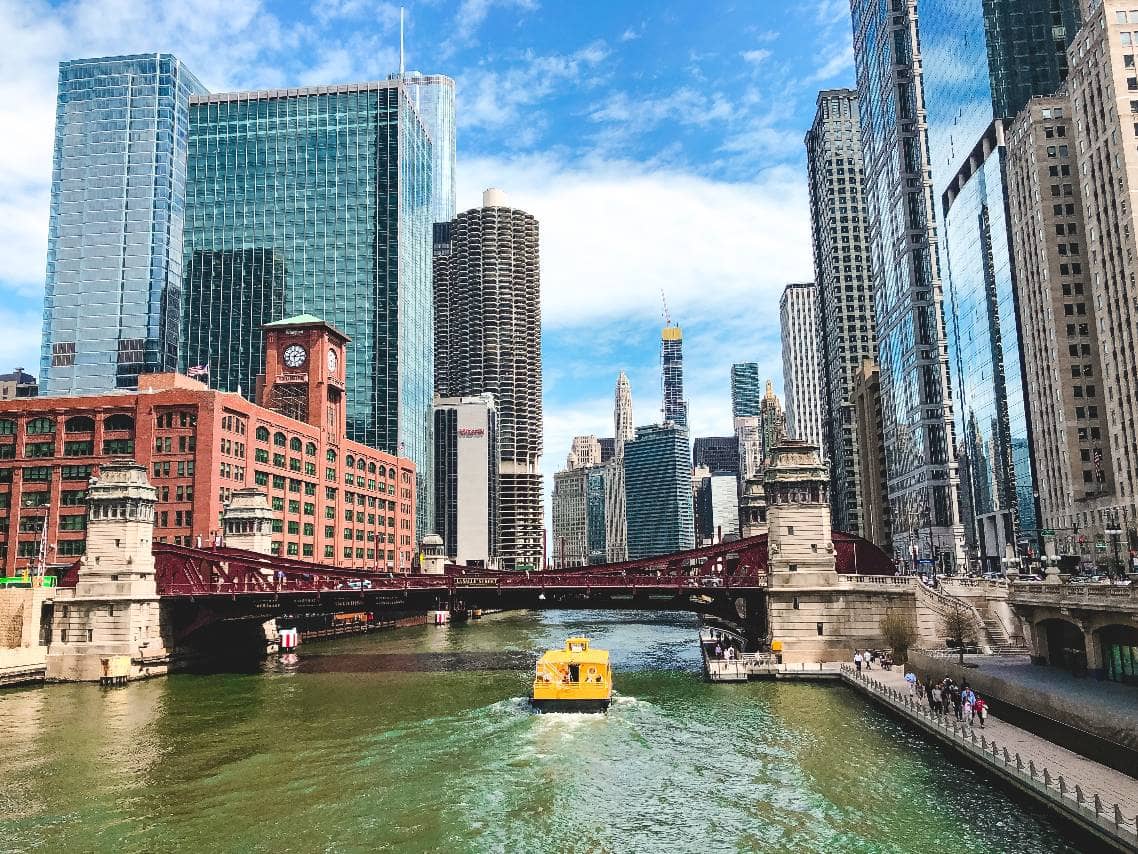
Logan Square and Wicker Park are strong options for restaurant owners who want to open a concept with personality instead of a standard high-traffic chain model. These areas are known for independent restaurants, creative menus, cocktail bars, music venues, coffee shops, bakeries, vintage retail, nightlife, and walkable commercial corridors. For owners, that makes them especially attractive for brunch spots, neighborhood bars, modern diners, cafes, pizza, tacos, bakeries, chef-led casual dining, plant-forward menus, wine bars, and late-night food. Logan Square has a customer base that supports both neighborhood dining and destination dining. The community area had 71,192 residents and 32,992 households in 2024. It also had a median household income of $107,916, compared with $77,902 for Chicago overall. Another important signal is age. About 39.0% of Logan Square's population was between 20 and 34, compared with 26.9% citywide. For restaurant owners, this can create demand for coffee, brunch, delivery, bars, casual dining, social dining, and restaurants with a strong brand identity. Wicker Park, which sits within the larger West Town community area, brings a different but complementary advantage. West Town had 88,164 residents and 43,757 households in 2024. The area also had a median household income of $141,208, and 47.3% of households earned $150,000 or more. For restaurant owners, that points to strong spending potential for higher-end casual dining, premium coffee, cocktail concepts, wine bars, specialty bakeries, boutique fast casual, and experience-driven restaurants. Access also matters in both areas. Logan Square had 22.1% of households with no vehicle available, while West Town had 20.7%. West Town also had 36.8% of workers working from home, compared with 21.0% citywide. This can support weekday coffee, lunch, delivery, happy hour, and neighborhood dining because many customers spend more time close to home during the week. The challenge is that these neighborhoods reward originality but can be unforgiving to weak positioning. A restaurant may not need the formality of West Loop or River North, but it still needs a clear identity. Customers in Logan Square and Wicker Park often respond to restaurants that feel local, creative, consistent, and connected to the neighborhood. 1. Independent appeal - These areas are strong for restaurants with a clear point of view, whether that means a unique menu, strong beverage program, creative design, or neighborhood-first service style. 2. Local weekday demand - A mix of residents, remote workers, transit users, shoppers, nightlife customers, and nearby workers can help restaurants build sales beyond Friday and Saturday nights. 3. Brand fit matters - Owners should study nearby bars, cafes, restaurants, music venues, retail corridors, delivery demand, reviews, and pricing before choosing a location. Logan Square and Wicker Park can be excellent choices for restaurants built around creativity, local loyalty, and repeat neighborhood visits. But owners should avoid treating them as low-cost alternatives to downtown. The strongest concepts usually understand the local audience, offer something distinct, and give customers a reason to come back often.
Lincoln Park and Lakeview are two of the strongest Chicago neighborhoods for restaurant owners who want steady local demand instead of relying only on tourists or downtown office traffic. These areas combine high household income, dense residential blocks, walkability, lakefront activity, entertainment, shopping, nightlife, and repeat neighborhood dining. For owners, that creates opportunities for cafes, brunch restaurants, bakeries, pizza shops, fast casual concepts, casual dining, family-friendly restaurants, dessert shops, neighborhood bars, coffee shops, and takeout-focused restaurants. Lincoln Park has a strong local customer base with higher spending power. The neighborhood had 67,987 residents and 33,772 households in 2024. Median household income was $137,914, compared with $77,902 for Chicago overall. The area also had 46.3% of households earning $150,000 or more, nearly double the citywide share of 23.4%. For restaurant owners, this can support premium cafes, polished casual restaurants, brunch, specialty bakeries, wine bars, private events, and higher-quality neighborhood dining. Lakeview offers a larger residential base and strong younger-adult demand. The neighborhood had 102,827 residents and 58,374 households in 2024. Median household income was $105,499, and 34.9% of households earned $150,000 or more. Lakeview also had 46.4% of its population between ages 20 and 34, compared with 26.9% citywide. That matters for restaurants because younger residents can help drive coffee, casual dining, delivery, late-night food, bars, brunch, and social dining. Access is another major advantage. In Lincoln Park, 31.6% of households had no vehicle available, while Lakeview's share was even higher at 39.5%. This suggests many residents depend on walking, biking, rideshare, public transit, and nearby neighborhood businesses. For restaurants, visibility near residential corridors, train stops, lakefront paths, shopping streets, and entertainment areas can be more valuable than parking alone. The two neighborhoods also have different demand patterns. Lincoln Park benefits from attractions such as Lincoln Park Zoo, the lakefront, North Avenue Beach, museums, boutique shopping, and established dining corridors. Lakeview includes East Lakeview, Central Lakeview, Northalsted, and Wrigleyville, which bring a mix of residents, nightlife, theaters, music venues, LGBTQ+ history, lakefront activity, and sports traffic. 1. Repeat local demand - These neighborhoods are strong for restaurants that can become part of weekly routines, including coffee, brunch, takeout, family meals, casual dinners, and neighborhood drinks. 2. Walkable customer behavior - High no-vehicle household shares make convenience, visibility, transit access, and nearby residential density especially important. 3. Different concept fit - Lincoln Park may work better for polished neighborhood dining, cafes, brunch, and family-friendly concepts. Lakeview may offer stronger potential for casual dining, bars, delivery, late-night food, sports traffic, and younger-adult demand. Lincoln Park and Lakeview can be strong choices for owners who want a reliable neighborhood customer base. But success depends on choosing the right micro-location. A restaurant near a residential street, lakefront path, shopping corridor, train stop, theater, or sports traffic zone may serve a very different customer than one only a few blocks away.
Hyde Park and Pilsen are strong Chicago restaurant markets for owners who want to build around culture, community identity, local loyalty, and neighborhood-specific demand. These areas are not the same as West Loop, River North, or Fulton Market, where restaurants often compete for destination diners and premium nightlife traffic. Hyde Park and Pilsen are more dependent on understanding who lives nearby, who visits the neighborhood, what the community values, and how the restaurant fits into the local routine. Hyde Park has a unique mix of residents, students, university staff, museum visitors, professionals, families, and cultural traffic. The neighborhood had 30,599 residents and 15,027 households in 2024. It also had a strong younger-adult base, with 39.2% of residents between ages 20 and 34, compared with 26.9% citywide. For restaurant owners, this can support cafes, fast casual restaurants, student-friendly meals, coffee shops, bakeries, casual dining, takeout, delivery, lunch spots, and restaurants that serve both residents and visitors. Hyde Park also has unusual access patterns compared with many other Chicago neighborhoods. About 43.2% of households had no vehicle available, and 30.4% of workers walked or biked to work, compared with 7.2% citywide. That means restaurants in Hyde Park may benefit from walkable locations near campuses, apartment buildings, transit stops, museums, bookstores, hotels, and neighborhood corridors. Convenience and visibility can matter as much as parking. Pilsen offers a different kind of opportunity. The Lower West Side, which includes Pilsen, had 33,446 residents and 14,718 households in 2024. The area's median household income was $80,267, slightly above Chicago's $77,902. The neighborhood also had 68.2% Hispanic or Latino residents, compared with 29.7% citywide. For restaurant owners, this points to a market where cultural relevance, authenticity, pricing, community trust, and local reputation can strongly influence performance. Pilsen is also shaped by arts, music, murals, nightlife, and culinary tradition. Restaurants in this area may perform well when they connect to the neighborhood's identity instead of simply copying a downtown concept. Mexican restaurants, cafes, bakeries, taquerias, casual dining, bars, brunch spots, dessert shops, food trucks, and independent concepts can all fit, but the concept needs to feel intentional and respectful of the local audience. 1. Community fit - Hyde Park and Pilsen reward restaurants that understand the neighborhood. Owners should study local routines, cultural expectations, price sensitivity, nearby institutions, and existing dining habits before choosing a site. 2. Walkable demand - Hyde Park's high no-vehicle share and walk/bike commuting patterns make visibility, proximity, and convenience especially important. Pilsen also benefits from neighborhood corridors, transit access, nightlife, galleries, and local events. 3. Local loyalty - These areas can support strong repeat business when restaurants become part of everyday life. Coffee, lunch, casual dinner, takeout, delivery, weekend meals, and community events can be more important than tourist traffic alone. Hyde Park and Pilsen can be strong fits for restaurant owners who want to build a concept around neighborhood connection, culture, and repeat customers. But owners should avoid treating either area as a cheaper version of downtown. The right concept should match the people who already live, study, work, visit, and spend time there.
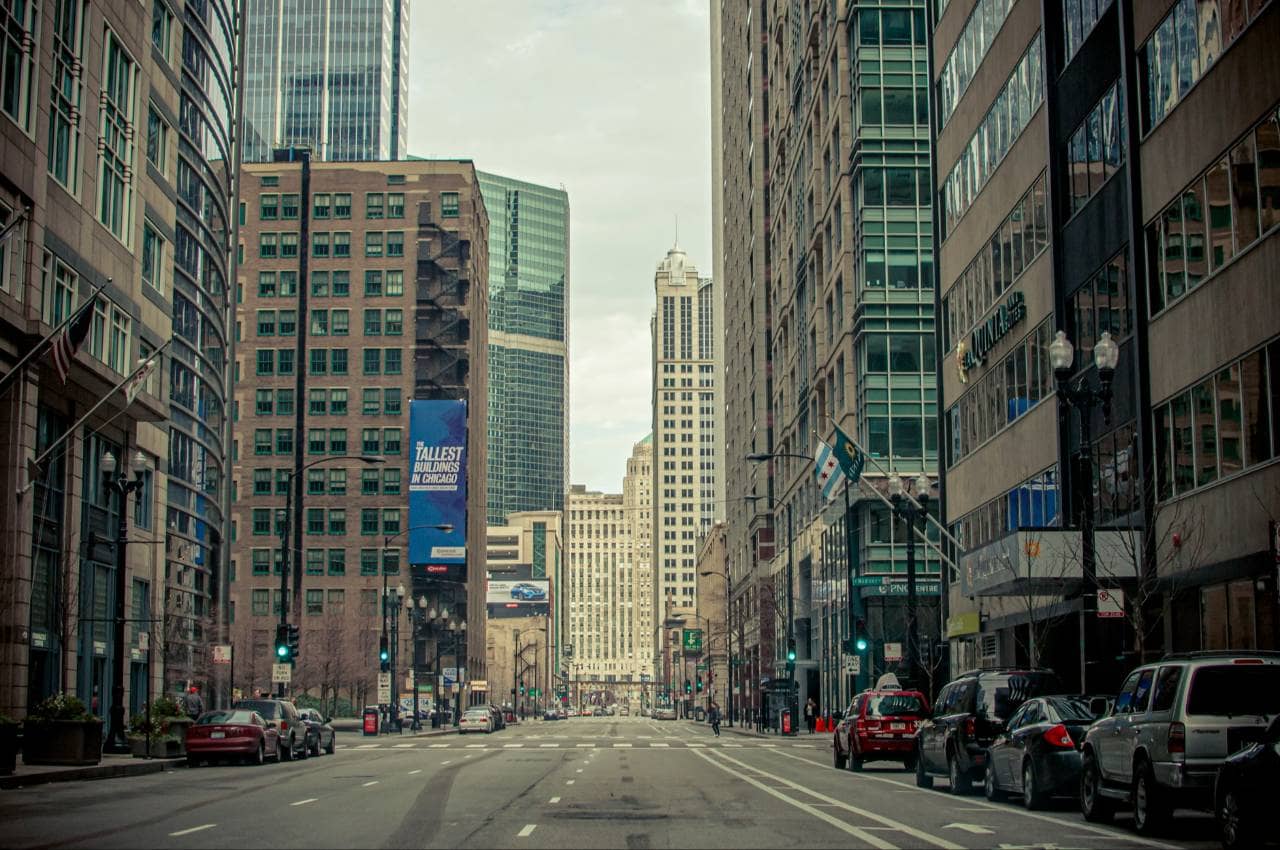
Choosing the best area in Chicago to open a restaurant should start with the concept, not the neighborhood name. A well-known area may bring strong visibility, but it may also come with higher rent, heavier competition, higher labor expectations, and more pressure to generate sales from the first month. For restaurant owners, the right location is the one where the customer base, menu pricing, service model, hours, and operating costs all fit together. The first step is to match the restaurant concept to the area's demand pattern. A fine dining restaurant, cocktail bar, or chef-driven concept may fit better in West Loop, Fulton Market, or River North because these areas attract destination diners, business groups, tourists, and higher-check customers. A cafe, brunch spot, bakery, family restaurant, or casual neighborhood concept may have stronger long-term potential in Lincoln Park, Lakeview, Logan Square, or Wicker Park, where repeat local visits can support daily sales. The second step is to study when customers are actually active. Some Chicago neighborhoods are strongest during dinner and weekends. Others perform better during breakfast, lunch, student hours, commuter periods, sports events, or convention traffic. A South Loop restaurant near museums, Soldier Field, McCormick Place, or apartment buildings may have very different traffic patterns than a River North restaurant near hotels and nightlife. The third step is to compare sales potential against fixed costs. A high-income neighborhood can support stronger menu pricing, but that does not automatically make the location profitable. Owners should estimate rent, payroll, food cost, utilities, insurance, marketing, delivery commissions, equipment, repairs, and debt payments before deciding how much monthly revenue the location must produce. 1. Concept fit - Match the menu, price point, service style, and brand to the people who already live, work, study, or visit the neighborhood. 2. Revenue timing - Understand whether the area depends on breakfast, lunch, dinner, late-night, weekends, events, students, office workers, tourists, or residents. 3. Cost control - Compare projected sales against rent, labor, food costs, buildout expenses, and competition before signing a lease. 4. Local behavior - Study nearby restaurants, reviews, delivery demand, parking, public transit, foot traffic, residential density, and nearby attractions. 5. Repeat demand - Look for areas where customers can return often, not just places with one-time visitor traffic. Chicago gives restaurant owners many different market options in 2026. West Loop and Fulton Market may work best for premium destination dining. River North may be stronger for nightlife, tourists, and business dinners. South Loop may offer event, student, residential, and convention demand. Logan Square and Wicker Park may fit creative independent concepts. Lincoln Park and Lakeview may support residential, family, brunch, coffee, and casual dining demand. Hyde Park and Pilsen may reward restaurants that understand culture, community, and local loyalty. The best area is not always the busiest or most famous neighborhood. It is the area where the restaurant can attract the right customers, charge the right prices, manage costs, hire effectively, and build repeat demand over time.
