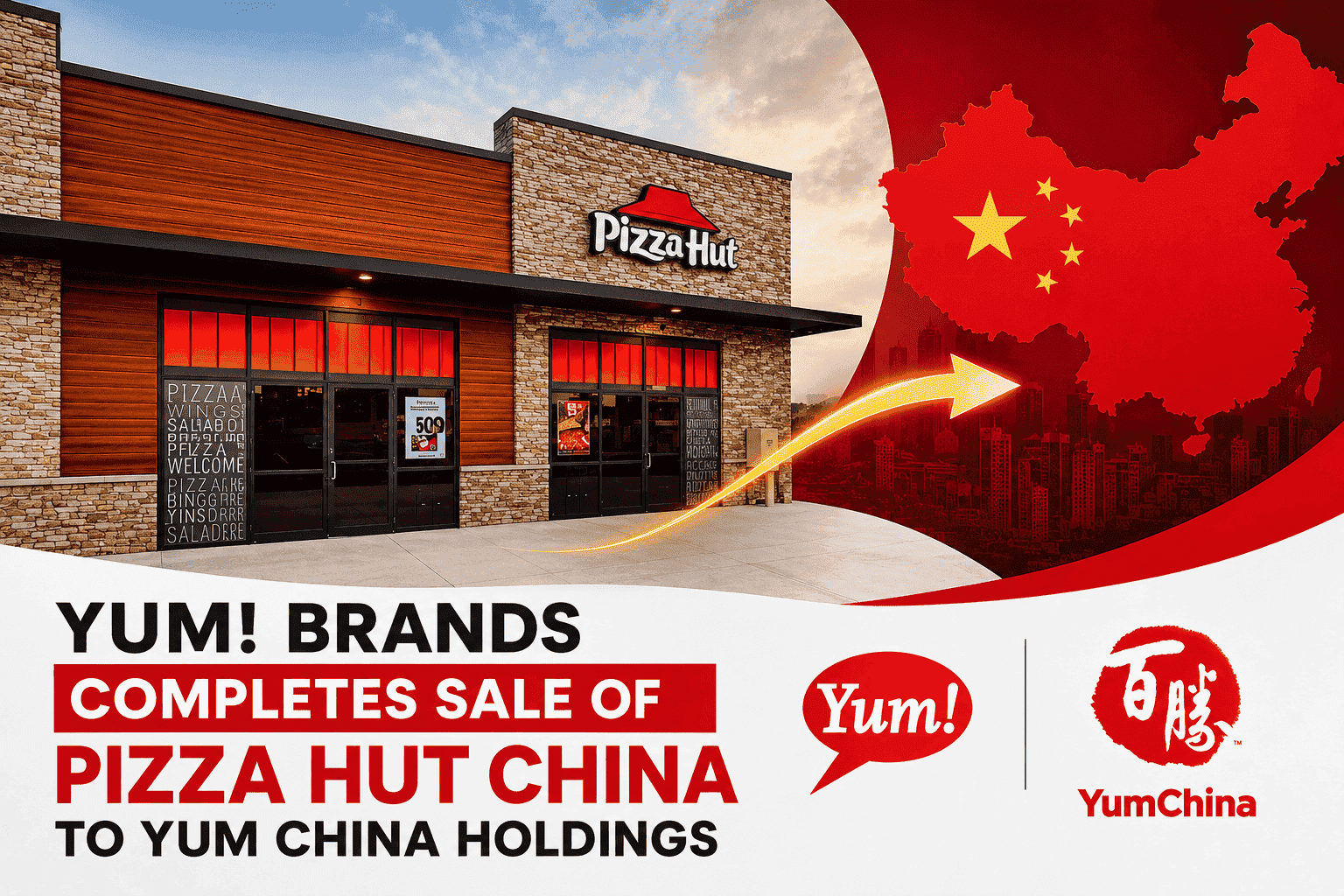
Pizza Hut’s $1.2B China Sale Shakes Up Market
Yum! Brands has finalized a $1.2B deal to transfer Pizza Hut China to Yum China Holdings, signaling big strategic moves for both global franchisors and operators.
News
Aug 7, 2026
Yum! Brands has finalized a $1.2B deal to transfer Pizza Hut China to Yum China Holdings, signaling big strategic moves for both global franchisors and operators.
Aug 7, 2026
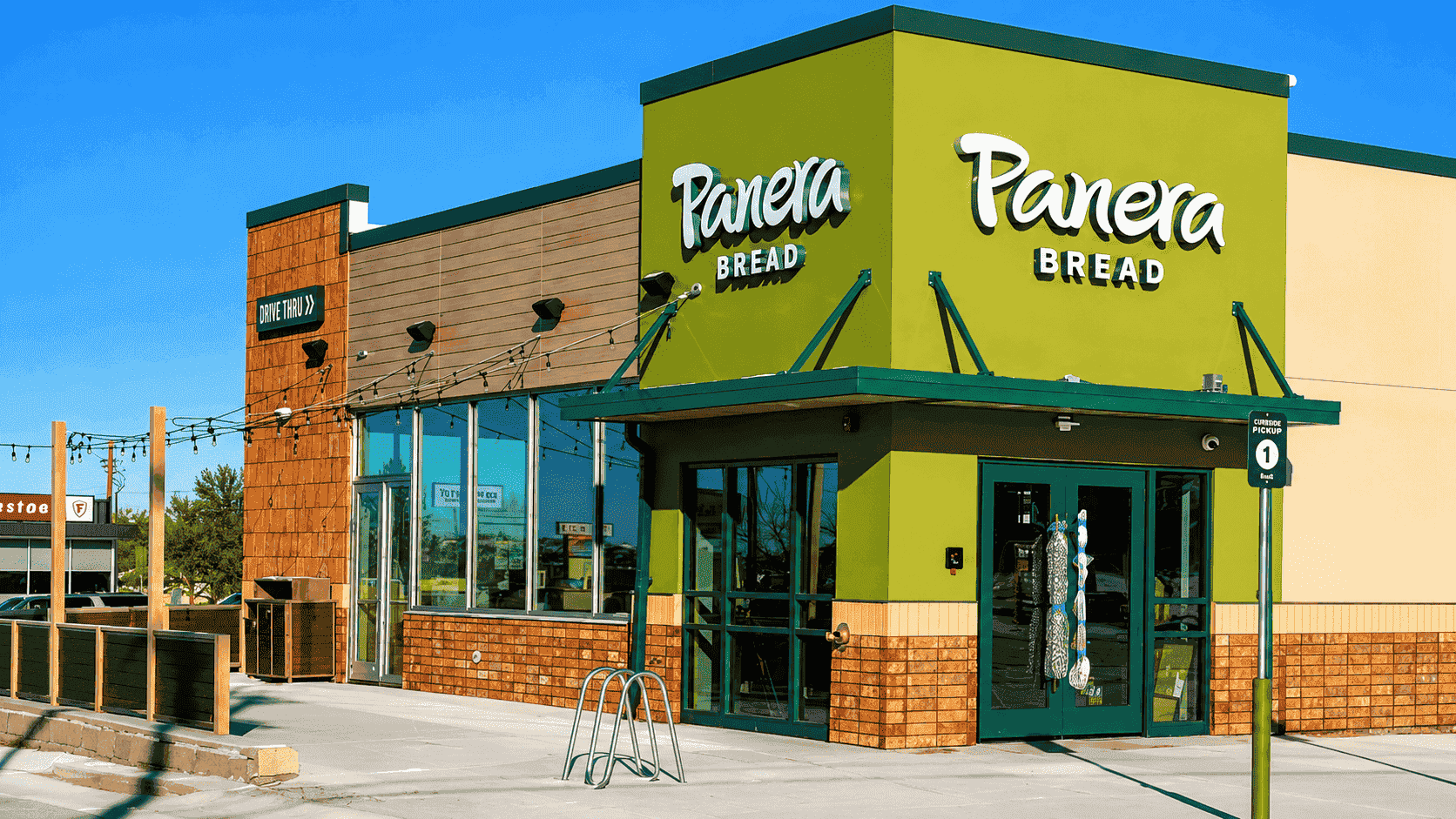
Panera Bread appoints industry veteran Andy Rebhun as Chief Marketing Officer, ushering in a new era of brand growth and consumer engagement.
Aug 7, 2026
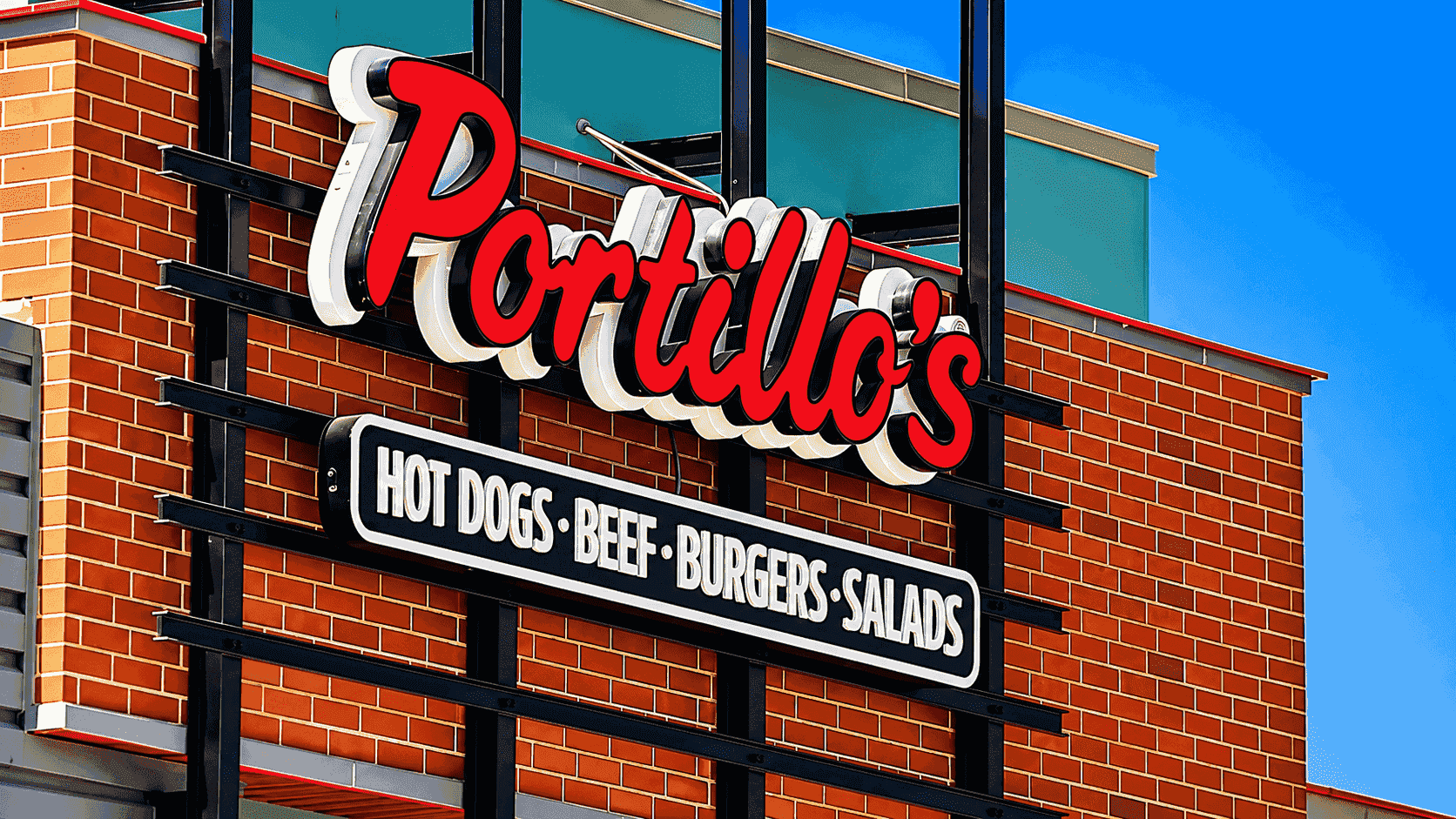
Portillo’s trims 18% of its corporate staff in a bid to refocus resources on restaurant excellence and navigate operational challenges. Discover what the changes mean for the chain’s future.
Aug 7, 2026
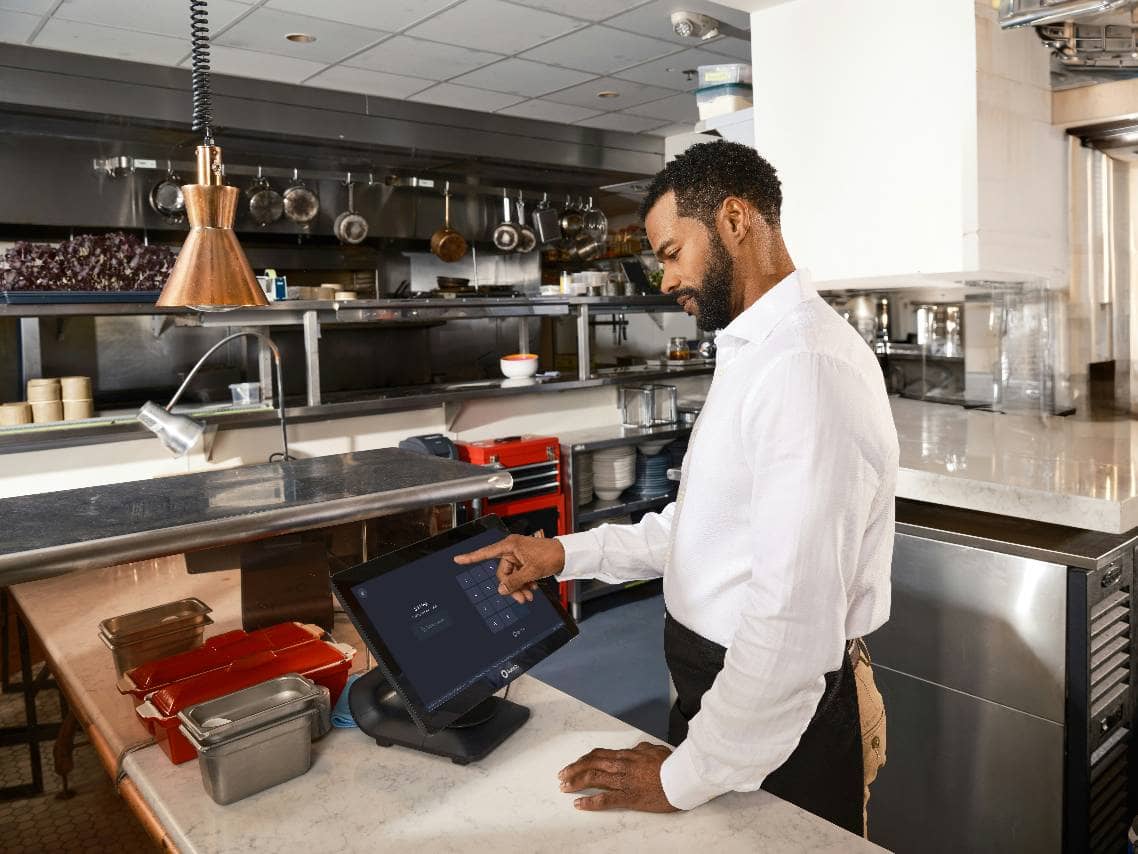
Scheduling software helps restaurants save time, control labor costs, improve communication, prevent conflicts, support compliance, and make smarter staffing decisions.
Aug 5, 2026
Portillo’s trims corporate and field roles by 18% in a strategic shake-up to support future growth after soft traffic and sales. Read what this means for multi-unit operators.
Aug 6, 2026
Dutch Bros invests $105 million to acquire Salad and Go’s closed locations, targeting rapid expansion in key southern markets. Learn what this means for multi-unit restaurant owners and operators.
Aug 6, 2026
Salad and Go's bankruptcy and closure offer key lessons on growth, risk management, and market dynamics for restaurant leaders. See what every operator can learn.
Aug 5, 2026

Learn how to calculate prime cost, track food and labor expenses, measure percentages, identify problems, and improve restaurant profitability consistently.
Aug 5, 2026
Portillo’s announces industry veteran Kevin Kalicak as its new CFO and Treasurer, underscoring the brand’s growth strategy and financial vision.
Aug 5, 2026
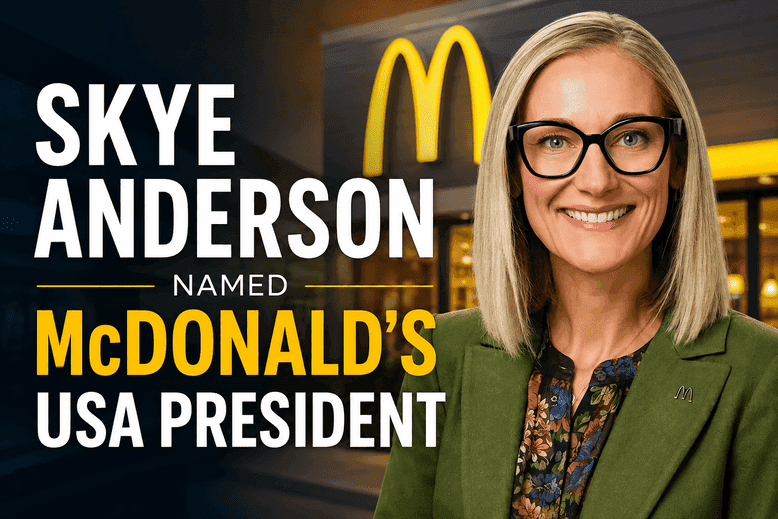
Skye Anderson will lead McDonald's USA as its new president, stepping in to accelerate growth and revive sales. Learn how her leadership could shape the future of the restaurant industry.
Aug 4, 2026
Illinois offers strong restaurant opportunities across Chicago, suburbs, college towns, and tourist markets when concept, demand, and costs align profitably.
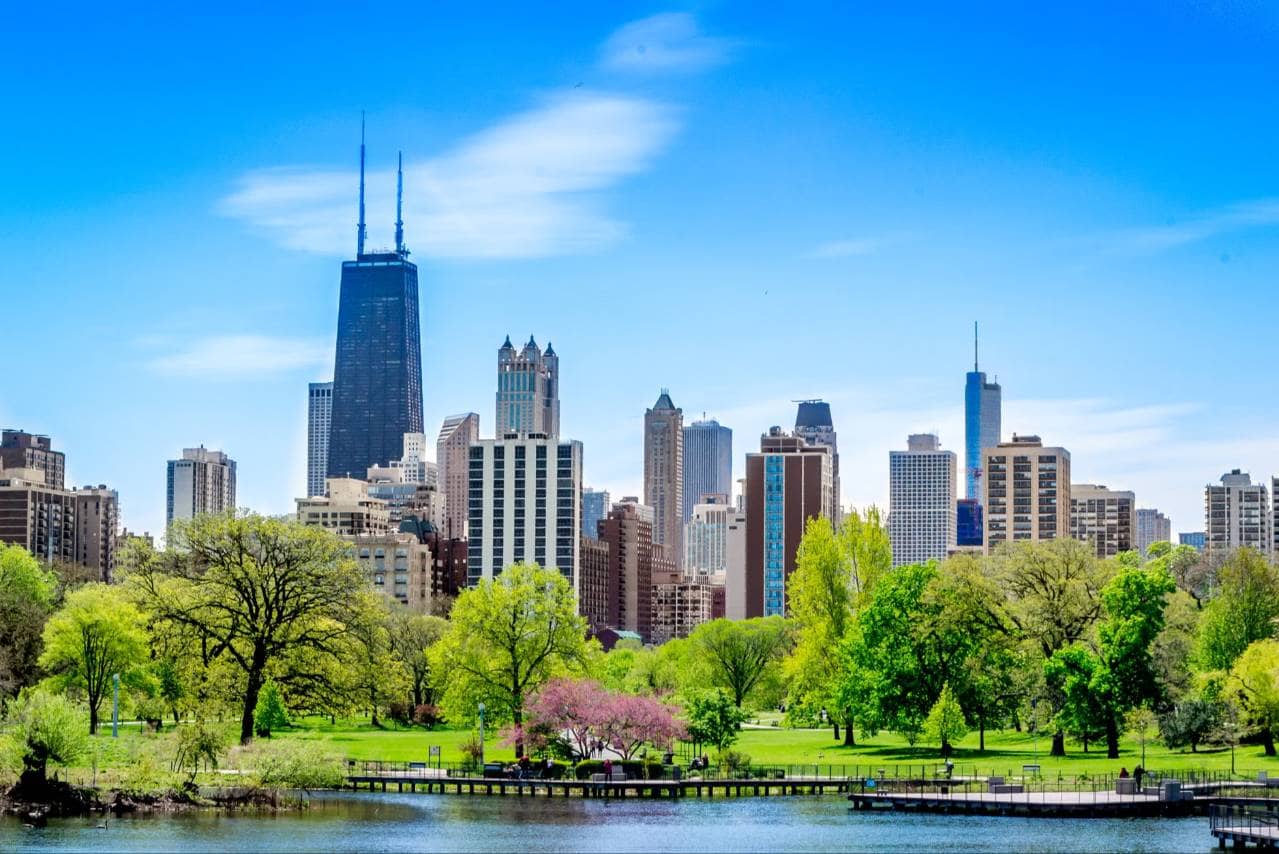
Illinois is a strong restaurant market in 2026 because demand comes from several sources at the same time. A restaurant owner is not only serving one type of customer. Depending on the area, the customer base may include local residents, tourists, office workers, college students, commuters, families, event visitors, delivery customers, and late-night diners. The first advantage is population size. Illinois has more than 12.7 million residents, giving restaurant owners access to one of the largest consumer markets in the Midwest. Chicago alone has more than 2.7 million residents, but the opportunity does not stop inside the city. Suburbs such as Naperville, Aurora, Schaumburg, Oak Brook, Evanston, Arlington Heights, Joliet, and Orland Park also create strong demand for family dining, fast casual, cafes, pizza, breakfast, takeout, and franchise restaurants. The second advantage is tourism. Illinois welcomed 112.9 million visitors in 2024, and those visitors spent $48.5 billion across the state. For restaurant owners, this matters because visitor spending often flows into meals, coffee, drinks, desserts, group dining, catering, nightlife, and quick-service food. Areas near hotels, convention centers, shopping districts, colleges, parks, museums, entertainment venues, and historic downtowns can benefit from this traffic. Chicago is the largest demand driver. The city welcomed more than 55 million visitors in 2024 and generated more than $20 billion in tourism-related economic impact. This helps support restaurants in areas with strong foot traffic, business travel, nightlife, events, and destination dining. However, the best Illinois restaurant location is not always the busiest one. High-traffic areas can also come with higher rent, stronger competition, tighter labor markets, and higher customer expectations. That is why restaurant owners should compare demand against operating costs before choosing a market. In 2026, Illinois offers opportunity for many restaurant concepts, but success depends on choosing the right area for the right business model. A fine dining restaurant may need a very different location than a pizza shop, coffee shop, brunch concept, fast-casual brand, or family restaurant. The strongest markets are the ones where customer demand, rent, labor, visibility, parking, and menu pricing all work together.
Chicago is usually the first Illinois market restaurant owners consider, and for good reason. The city combines residents, tourists, office workers, convention visitors, students, nightlife customers, sports fans, and delivery demand in one large market. For the right concept, this can create multiple revenue windows throughout the day - breakfast, lunch, happy hour, dinner, late night, weekend brunch, catering, and delivery. The biggest advantage is demand density. Chicago has more than 2.7 million residents, but restaurant demand is not spread evenly across the city. Neighborhoods with strong foot traffic, high household income, hotels, apartments, offices, entertainment venues, and transit access usually give restaurants more ways to generate sales. Several neighborhoods stand out for different reasons - West Loop and Fulton Market are strong for chef-driven restaurants, fine dining, cocktail bars, fast casual, lunch concepts, and destination dining. These areas benefit from office activity, nightlife, hotels, apartments, and a reputation as one of Chicago's major dining districts. The tradeoff is higher competition and higher occupancy costs. River North and the Loop work well for restaurants that can serve tourists, business travelers, office workers, hotel guests, and theater or event crowds. These areas can support lunch, dinner, group dining, bars, and upscale casual concepts. However, owners should study weekday office traffic carefully because hybrid work has changed some downtown demand patterns. Lincoln Park, Lakeview, and Wicker Park are strong residential and lifestyle markets. They can support brunch, coffee shops, casual dining, pizza, neighborhood bars, dessert shops, and delivery-heavy concepts. These neighborhoods often benefit from repeat local customers rather than relying only on tourists. Logan Square can work well for independent restaurants, cafes, bars, bakeries, and creative dining concepts. The area has strong neighborhood identity, nightlife traffic, and younger customer demand, but owners still need to evaluate parking, rent, and local competition. South Loop offers a mix of residents, students, museums, lakefront visitors, and event traffic. It can be attractive for cafes, fast casual, family dining, takeout, and casual restaurants that serve both locals and visitors. For restaurant owners, the key lesson is that Chicago is not one single restaurant market. Each neighborhood has its own customer behavior, price tolerance, rent level, traffic pattern, and competition. A restaurant that succeeds in West Loop may need a completely different model than one in Lakeview, Logan Square, or South Loop. The best Chicago neighborhood is the one where the concept matches the customer base and the sales potential is strong enough to support the cost of operating there.
Chicago suburbs can be strong restaurant markets because they combine household income, family demand, commuter traffic, shopping centers, office corridors, parking access, and repeat local customers. For many restaurant owners, the suburbs may offer a better balance between sales potential and operating costs than the most expensive Chicago neighborhoods. The biggest advantage is repeat demand. A suburban restaurant does not always need heavy tourist traffic to succeed. It can build revenue from families ordering dinner, commuters stopping for coffee, office workers buying lunch, parents choosing weekend brunch, and local residents ordering takeout or delivery during the week. Several suburbs stand out for different restaurant concepts - Naperville is one of the strongest suburban markets for restaurants because it combines population, income, downtown activity, and family demand. With more than 150,000 residents and a median household income above $150,000, Naperville can support full-service restaurants, brunch concepts, cafes, bakeries, fast casual, pizza, and higher-end dining. Downtown Naperville can also benefit from walkability, shopping, nightlife, and weekend traffic. Schaumburg is attractive for restaurants that depend on shopping, office traffic, lunch demand, and regional visitors. Its median household income is close to $98,000, and the area is known for retail and commercial activity. Fast casual, casual dining, coffee shops, takeout, family restaurants, and franchise concepts can fit well in this type of market. Oak Brook works well for concepts that target higher-income customers, business lunches, shopping traffic, and upscale dining. With a median household income above $175,000, Oak Brook can support premium casual restaurants, steakhouses, seafood, wine bars, brunch, and polished full-service concepts. Aurora and Joliet may offer opportunities for owners who want larger population bases with potentially lower location costs than premium suburbs. These markets can support family dining, pizza, Mexican food, breakfast restaurants, drive-thru concepts, fast casual, and delivery-focused restaurants. Evanston, Arlington Heights, and Orland Park can also be strong fits depending on the concept. Evanston benefits from university demand, lakefront access, and dense neighborhoods. Arlington Heights offers a strong suburban downtown and commuter base. Orland Park works well for family dining, shopping-center restaurants, and car-accessible concepts. The main advantage of suburban Illinois markets is that restaurants can often win through convenience. Parking, visibility, easy access, delivery coverage, and neighborhood loyalty matter heavily. A restaurant does not always need to be the trendiest place in the state. It needs to be easy to visit, easy to order from, and well matched to the daily habits of the surrounding community.
College towns are some of the most important restaurant markets in Illinois because they create steady demand from students, faculty, staff, visiting families, alumni, sports fans, and nearby residents. Unlike some suburban areas that depend mostly on local households, university markets can generate traffic during lunch, late night, weekends, game days, move-in periods, graduation, and campus events. The strongest example is Champaign-Urbana, home to the University of Illinois Urbana-Champaign. With more than 60,000 students, the area can support quick-service restaurants, coffee shops, pizza, Asian food, Mexican food, late-night dining, dessert shops, fast casual, and delivery-heavy concepts. Student markets are often price-sensitive, but they can also produce high order volume when the restaurant is convenient, fast, and easy to access. Evanston is another strong university-driven market because it combines Northwestern University demand with a dense local population, lakefront activity, commuter access, and proximity to Chicago. This makes it suitable for cafes, brunch restaurants, casual dining, takeout, upscale casual concepts, and restaurants that can serve both students and local residents. Normal and Bloomington benefit from Illinois State University and a larger regional economy. Illinois State has nearly 22,000 students, which creates demand for affordable meals, coffee, lunch, dinner, delivery, and casual restaurants. Because Bloomington-Normal also has employers, families, and commuters, restaurants are not limited to student traffic alone. DeKalb offers a different type of opportunity through Northern Illinois University, which has more than 16,000 students. This type of market can work well for pizza, wings, burgers, coffee, fast casual, late-night food, takeout, and delivery. Owners should pay close attention to campus proximity, housing density, and student spending patterns. Carbondale, home to Southern Illinois University Carbondale, has a smaller but still meaningful student base, with nearly 12,000 students. Restaurants in this type of market often need strong local loyalty, affordable pricing, and flexible operations because demand may shift during school breaks. The biggest advantage of college markets is built-in traffic. The biggest challenge is seasonality. Sales may rise during the academic year and fall during summer, winter break, and holiday periods. Restaurant owners should plan staffing, inventory, cash flow, and marketing around the academic calendar. In Illinois, college towns can be especially strong for restaurants that are convenient, affordable, fast, and social. The best concepts are usually the ones that serve repeat student demand while also attracting faculty, families, visitors, and local residents.
Illinois restaurant opportunities are not limited to Chicago and its suburbs. Regional cities can be strong markets because they often have lower entry costs, less direct competition, easier parking, and more repeat local customers. Instead of depending mainly on tourists or destination dining, these markets usually rely on daily habits - lunch breaks, family dinners, weekend brunch, takeout, delivery, catering, school events, office meals, and community traffic. Springfield is one of the strongest regional markets because it combines state government, healthcare, local residents, tourism, and downtown activity. As the state capital, Springfield can support restaurants that serve office workers during the day, families in the evening, and visitors around historic attractions. Cafes, sandwich shops, casual dining, brunch, bars, pizza, and catering concepts can work well when they are close to employers, hotels, hospitals, or downtown traffic. Peoria is another important regional market because it has a larger metro economy and a mix of healthcare, education, riverfront activity, local employers, and neighborhood demand. A restaurant owner in Peoria may not need the same rent budget required in Chicago, but the concept still needs to match local spending habits. Casual dining, breakfast restaurants, pizza, barbecue, coffee shops, takeout, and family-friendly concepts can be strong fits. Rockford offers a different type of opportunity. It has a large regional population base and can support restaurants that focus on convenience, value, and repeat visits. Because household income levels can vary by neighborhood, owners should study the exact trade area before choosing a lease. A restaurant near strong retail corridors, medical centers, schools, entertainment areas, or residential neighborhoods may have very different sales potential than one in a weaker traffic zone. Bloomington-Normal is attractive because it combines university demand, local employers, families, and regional traffic. This market can support fast casual, coffee, lunch concepts, casual dining, brunch, delivery, and catering. Restaurants here should pay attention to both student traffic and non-student demand so the business is not too dependent on the academic calendar. Champaign also has strong regional potential because it serves both a university population and a broader local market. Quick-service restaurants, cafes, late-night food, casual dining, pizza, Asian food, Mexican food, and delivery-focused concepts can perform well when they are near campus, apartments, offices, or high-traffic retail areas. Decatur may offer lower-cost opportunities for owners who understand the local customer base. Because income levels are lower than in many suburban markets, pricing strategy becomes especially important. Value-driven menus, breakfast, diners, pizza, family restaurants, takeout, and casual concepts may be better fits than high-end dining. The main advantage of regional Illinois cities is that restaurants can build loyalty around consistency. Customers may return because the restaurant is convenient, affordable, familiar, and dependable. For owners, that means success often depends less on hype and more on execution - strong service, clear pricing, easy access, accurate staffing, and a menu that fits local demand.
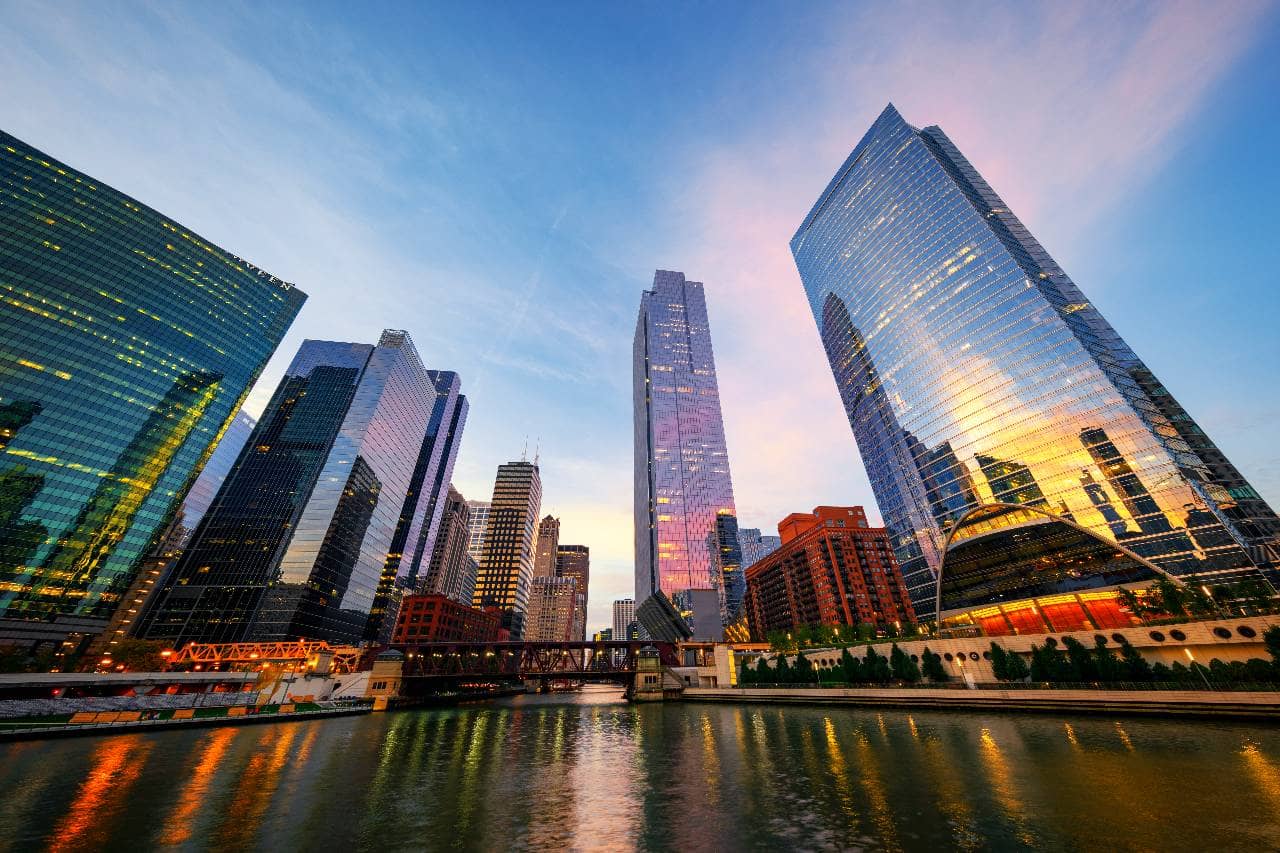
Tourist and destination areas can be strong restaurant markets because they bring in customers who are already prepared to spend money outside the home. Unlike purely residential areas, these markets may include hotel guests, weekend travelers, event visitors, museum guests, park visitors, road-trip travelers, wedding groups, convention attendees, and shoppers. For restaurant owners, that can create demand for breakfast, coffee, lunch, dinner, drinks, desserts, group dining, and quick-service meals. Illinois has a large visitor economy. In 2024, the state welcomed 112.9 million visitors, and those visitors spent $48.5 billion. This matters because restaurants are often one of the first categories that benefit from travel spending. Visitors may need a meal before an event, coffee near a hotel, dinner after sightseeing, lunch near a downtown district, or takeout while staying overnight. Downtown Chicago is the largest tourism-driven restaurant market in the state, but it is also one of the most competitive. Areas near hotels, museums, theaters, convention activity, the lakefront, shopping corridors, and nightlife districts can support full-service restaurants, fast casual, bars, cafes, dessert shops, and group dining. The opportunity is high volume, but the risk is also higher because rent, labor, and competition can be difficult to manage. Galena is one of the strongest small-town tourism markets in Illinois. Jo Daviess County tourism generated $333.2 million in direct visitor spending and $554 million in overall economic impact, showing how travel can support local restaurants, shops, lodging, and attractions. For restaurant owners, Galena can work well for brunch, casual dining, cafes, bakeries, wine bars, farm-to-table concepts, dessert shops, and restaurants that appeal to weekend travelers. Springfield has tourism value because it combines state government, history, museums, downtown activity, hotels, and Route 66 traffic. Restaurants near historic attractions, government offices, hotels, and event spaces can serve both visitors and local workers. This makes Springfield a practical market for cafes, lunch concepts, casual dining, bars, catering, and family restaurants. Starved Rock and nearby Illinois River communities can support restaurants that benefit from outdoor recreation and weekend travel. Illinois state parks and historic sites attracted more than 41 million visitors in 2024, which shows how recreation-based tourism can create food demand outside major cities. Restaurants near parks, trails, lodging, and waterfront areas should plan carefully for weekend peaks, seasonal shifts, and weather-related traffic changes. Route 66 communities also deserve attention in 2026 because the historic highway is celebrating its centennial. Illinois is the starting point of Route 66, beginning in Chicago and passing through communities such as Joliet, Pontiac, Bloomington-Normal, Springfield, Litchfield, Edwardsville, and the Metro East region. For restaurant owners, this can create opportunities around road-trip traffic, themed dining, diners, coffee shops, casual restaurants, bakeries, and quick-service stops. Downtown Naperville, Evanston, Peoria, Rockford, and Champaign are also worth studying. These areas may not have the same tourism scale as downtown Chicago, but they can combine visitors with local residents, students, office workers, shoppers, and event traffic. That mix can help restaurants avoid depending on one customer group. The main challenge in tourist and destination markets is inconsistency. A restaurant may be busy on weekends, holidays, event days, and peak travel seasons, but slower on weekdays or during off-season months. Owners need to plan staffing, inventory, marketing, and cash flow around these patterns. The best destination areas in Illinois are not just places with visitors. They are places where visitor traffic overlaps with local demand. A restaurant that can serve tourists on weekends and residents during the week has a stronger chance of building steady sales throughout the year.
Choosing the right Illinois area should start with numbers, not assumptions. A busy neighborhood, suburb, college town, or tourist district may look attractive, but the best location is the one where customer demand can support the restaurant's cost structure. In 2026, this is especially important because restaurant owners are still dealing with higher food costs, labor pressure, insurance costs, energy costs, and cautious consumer spending. Restaurant owners should compare each Illinois market using five main factors. 1. Customer demand - Start with the size and behavior of the trade area. Look at population, household income, nearby apartments, offices, hotels, schools, universities, shopping centers, hospitals, tourist attractions, and event venues. Illinois has more than 12.7 million residents, so the opportunity is large, but demand changes by area. A restaurant in downtown Chicago will have different traffic patterns than one in Naperville, Champaign, Springfield, Galena, or Rockford. 2. Concept fit - The location must match the restaurant model. A coffee shop needs morning traffic and repeat visits. A pizza restaurant needs residential density, delivery demand, and family customers. A fine dining restaurant needs higher-income customers, destination traffic, and strong evening demand. A fast-casual restaurant needs speed, visibility, lunch traffic, and convenient access. 3. Cost of operating - A strong sales area can still be risky if rent is too high. Owners should estimate monthly rent, common area maintenance, utilities, payroll, food costs, insurance, repairs, marketing, and loan payments before signing a lease. The question is not, "Can this area generate sales?" The better question is, "Can this area generate profitable sales after expenses?" 4. Traffic by daypart - Restaurant owners should study the area at breakfast, lunch, dinner, late night, weekdays, weekends, and event periods. A downtown district may be strong at lunch but weaker at night. A college town may be busy during the school year but slower during breaks. A tourist area may perform well on weekends and holidays but need local demand during slower seasons. 5. Competition and visibility - Competition is not always bad. A restaurant district can attract more diners because customers already think of the area as a place to eat. However, owners need to know whether the market has room for another similar concept. Visibility, signage, parking, walkability, delivery access, and nearby anchors can make a major difference in whether customers notice and choose the restaurant. Before committing to an Illinois location, owners should build a simple location scorecard. Score each area on demand, rent, labor availability, customer fit, competition, parking, delivery potential, visibility, and seasonality. A high score does not guarantee success, but it can help owners avoid choosing a location based only on excitement or foot traffic. The best area in Illinois to open a restaurant in 2026 is not the same for every owner. Chicago may be right for a high-volume or destination concept. Naperville or Schaumburg may be better for family dining or fast casual. Champaign or Evanston may fit student-focused brands. Springfield, Peoria, Rockford, and Bloomington-Normal may offer lower-cost regional opportunities. Galena, Route 66 towns, and park-adjacent areas may work for visitor-driven concepts.
