Restaurant Technology Trends in 2026
Explore restaurant technology trends in 2026, including AI, automation, digital ordering, workforce tools, connected kitchens, personalization, and profitability strategies today.
Technology
Aug 28, 2026
Explore restaurant technology trends in 2026, including AI, automation, digital ordering, workforce tools, connected kitchens, personalization, and profitability strategies today.
Aug 28, 2026
Learn the startup costs of opening an ice cream shop, including rent, equipment, renovations, permits, inventory, labor, marketing, and reserves.
Aug 28, 2026

RaceTrac has appointed Jill Pemberton as chief financial officer, succeeding Karla Ahlert, who moves into the newly created role of chief administrative officer.
Aug 26, 2026

A restaurant P&L statement reveals sales, expenses, and profits, helping owners manage costs, improve margins, and plan finances more effectively.
Aug 26, 2026

Learn practical ways to reduce labour costs through smarter scheduling, forecasting, productivity, cross-training, automation, overtime control, and performance monitoring strategies.
Aug 26, 2026

Levain Bakery appoints Lorna Sommerville and Taya Stenson as co-CEOs, blending operational and marketing expertise to power national expansion and innovation while staying rooted in its brand values.
Aug 25, 2026
A payroll advance policy helps restaurant owners define eligibility, limits, repayment, documentation, approval procedures, and compliance requirements for employee advances.
Aug 24, 2026

Blaze Pizza welcomes Tracy Stockard as Chief Marketing Officer, bringing decades of brand and franchise experience to drive strategic growth and guest engagement.
Aug 25, 2026
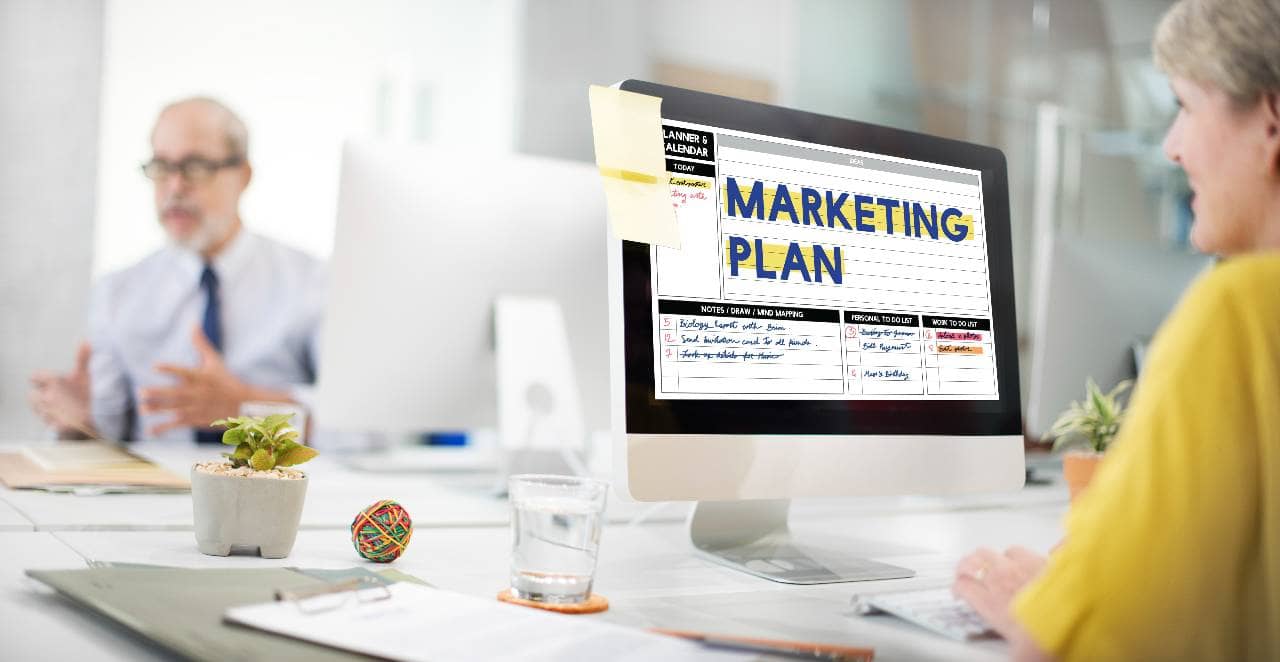
Create a practical restaurant marketing plan by setting goals, targeting customers, choosing channels, budgeting wisely, scheduling campaigns, and measuring results.
Aug 24, 2026

Anna Faktorovich, a seasoned marketing executive, has been named Chief Marketing Officer at Scooter’s Coffee, bringing decades of multi-brand experience to fuel the franchise’s next growth stage.
Aug 25, 2026

Unlock Exclusive Access To Webinars, Events, And The Latest News For Free!
Biometric Fingerprint and Scanners identification systems are now being utilized in workplaces all around the United States to track time and attendance, as well as verify employee identity.
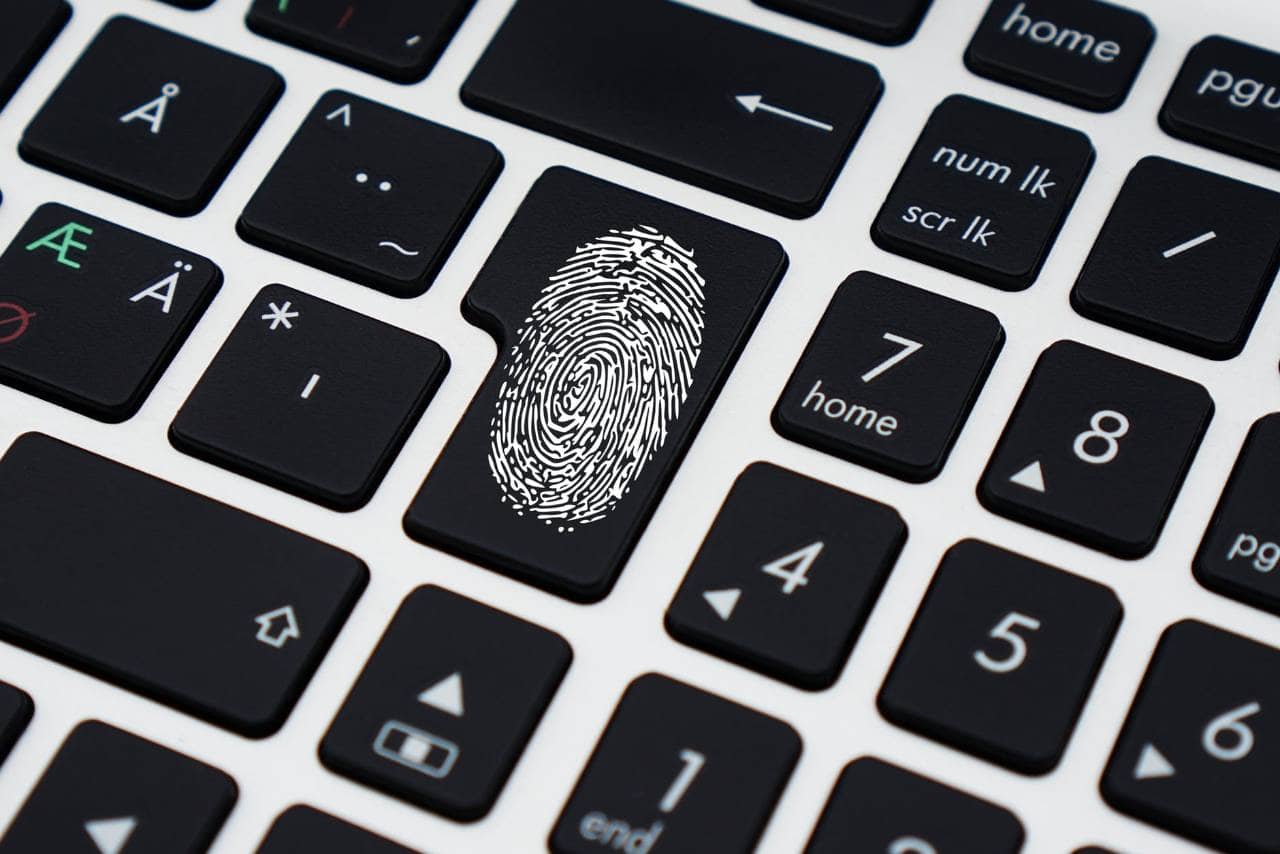
Evolving technology has made it easier for businesses to streamline work processes. The use of biometrics, or measurements of the body's unique physical traits, has been incorporated into this advanced technology. Biometric time clocks use fingerprints or hand geometry to identify an employee and track the number of hours he/she works. As a reliable timekeeping device, biometric time clocks make it easier for businesses to manage payroll and conserve valuable monetary resources. Fingerprints are the most commonly used identifier of biometric technology. Biometric scanners and fingerprint technology helps businesses prevent errors associated with traditional timekeeping systems. Here is a look into the technology behind biometric-use in the workplace.
Biometrics are methods utilized to identify a person based on his/her psychological or behavioral characteristics. Faces, fingerprints, hand geometry, the eye's iris, voice, or handwriting are some of the various features that biometrics recognizes and associates with individuals. A person typically utilizes biometrics technology to gain access to restricted systems, databases, or devices in the workplace.
Because a person's fingerprints are unique and impossible to replicate, fingerprints have been utilized as an identification system for over a century. To identify a person, fingerprint readers must be implemented. The most commonly used readers are optical scanners, which are devices that use light beams to scan an image and send it to a database. An optical scanner works by first capturing an image of the finger. Then it determines whether the pattern of ridges/valleys in the finger match another pre-stored image with those same ridges/valleys. The pre-stored image is saved as a series of numbers, or binary code. If the code matches the pre-stored code within the database, then a person's identity is verified.
Employers utilize fingerprint recognition technology to manage employee time and attendance. Before an employee is granted access to clock in or clock out, the scanner reads the individual's assigned biometric identifier (fingerprint, hand, face, etc.) and verifies identity. All logged punches are digitally recorded in a database and later used for payroll purposes.
During the initial enrollment process, a new employee scans his/her finger for the first time. When this initial image is captured, only an encrypted mathematical algorithm is stored. Because the image is saved as an algorithm, hackers can't duplicate the original image from that representation.
Fingerprint identification systems have several advantages over traditional timekeeping devices, including 1. Captures Unique Traits Fingerprint time clocks identify a person by his/her unique traits. Because it is impossible to replicate another person's individual makeup, fingerprint time clocks make buddy punching impossible. Traditional timekeeping methods such as passcodes and pins can be used by another employee to clock in for a friend. 2. Prevents Buddy Punching Biometric systems capture an employee's physiological attributes, which cannot be duplicated or forged by another person. This makes it impossible to buddy punch because employees can only clock in for themselves. 3. Monitors Remote Workers Fingerprint recognition technology can integrate with mobile phones, enabling employees to clock in/out remotely. Employers can monitor and track a remote employee's time from anywhere with a Wi-Fi connection. 4. Cloud-Based Integrations Some biometric time clocks allow integrations with the cloud. The cloud can save large amounts of data that may otherwise overwhelm an in-house database. HR staff can upload punch-in data to the cloud, which is equipped with the latest security measures and safeguards. 5. Accurate Payroll HR staff can automatically access biometric data from a database when it's time to do payroll and will not have to spend time verifying timesheets or overtime hours. 6. Increased Savings HR staff that uses traditional timesheets spend an inordinate amount of time verifying the number of hours each employee worked. It is also easier to miscalculate wages and overtime hours when performing payroll manually. Biometric time clocks automatically track punch-ins, so the HR department doesn't have to spend time verifying timesheets. This saves the HR department a lot of time and prevents them from accidentally overpaying or underpaying employees.
Many states have enacted laws that regulate biometrics as an identification system. Employers need to research their state laws before implementing a fingerprint recognition system in the workplace. California, Illinois, Texas, and Washington have all enacted legislation that regulates the collection, retention, and use of biometric data. In many cases, companies are required to obtain an employee's consent before obtaining his/her biometric data. HR staff can create a set of policies that is compliant with state regulations. Businesses operating in more than one state should check the biometric privacy laws in each of these states before employing a fingerprint identification system.
Recap