California Penalizes Dickey's for Franchise Disclosure Violations
California shifts to public enforcement strategy against Dickey's for deceptive franchise disclosures, signaling stricter state-level franchise oversight.
Franchising
Sep 10, 2026
California shifts to public enforcement strategy against Dickey's for deceptive franchise disclosures, signaling stricter state-level franchise oversight.
Sep 10, 2026
Paul Brown temporarily steps away from Inspire Brands as Scott Murphy assumes interim CEO role during confidential IPO filing process targeting late 2026.
Sep 10, 2026
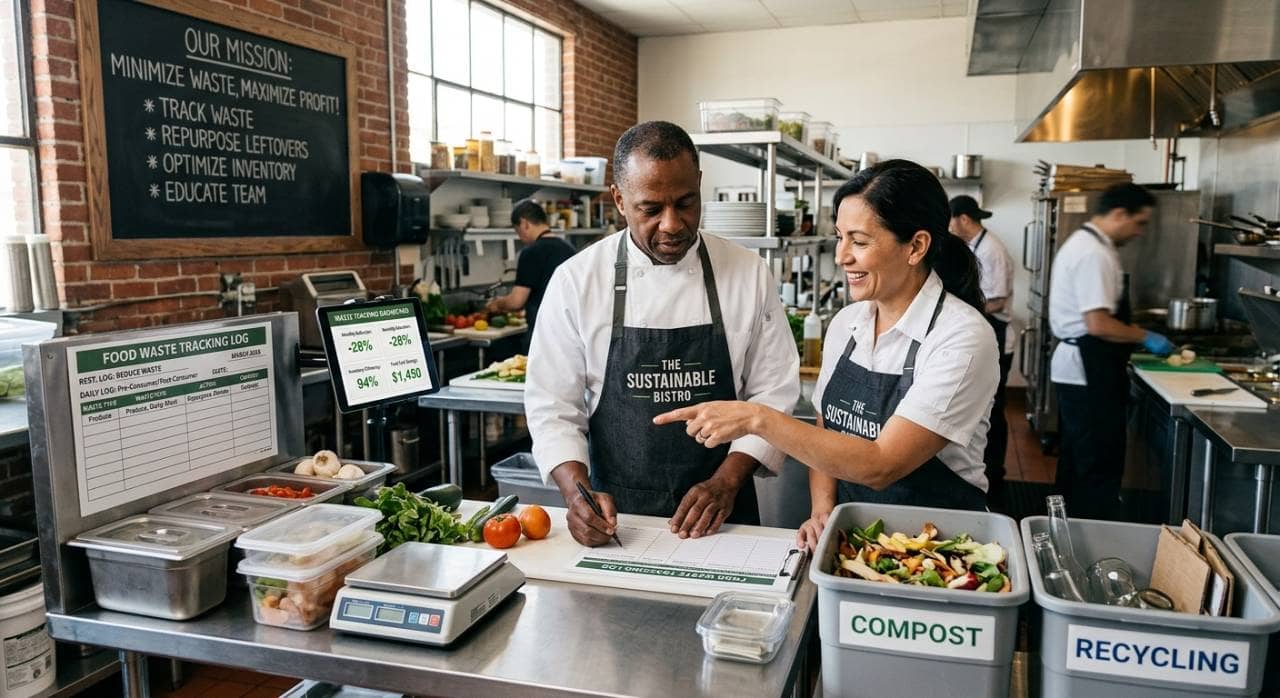
Learn how to reduce food waste in restaurants through smarter purchasing, storage, preparation, and service strategies that cut costs.
Sep 9, 2026
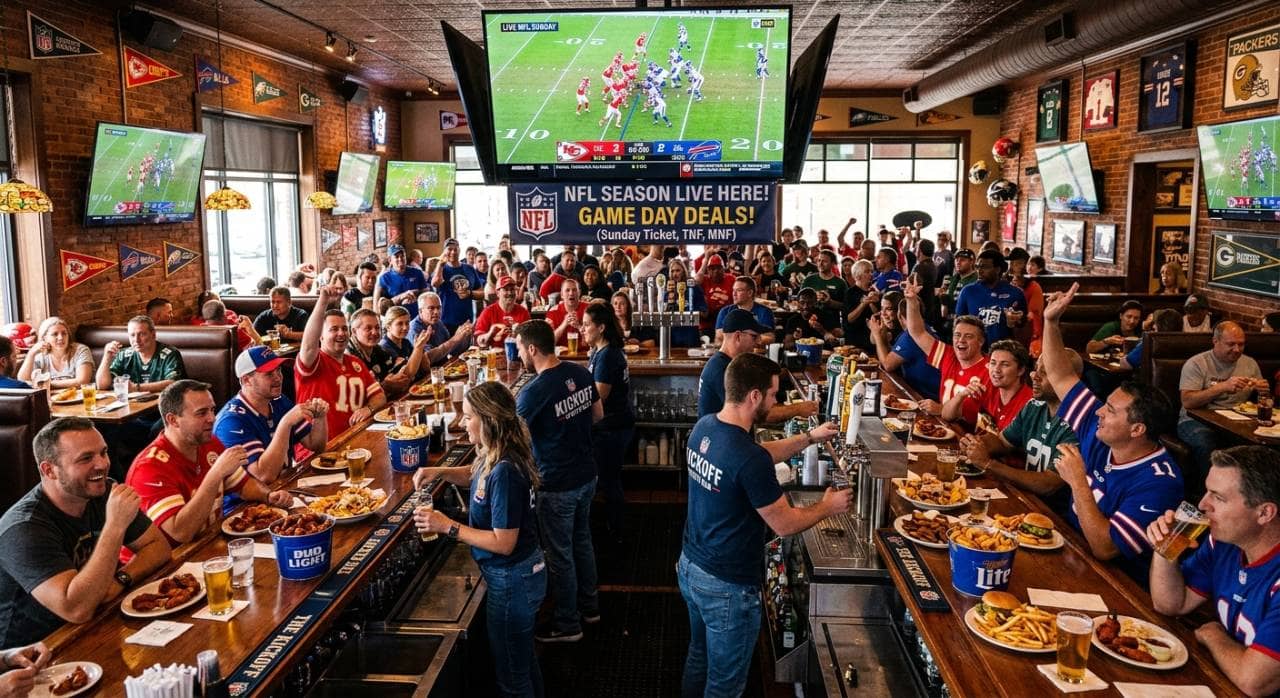
Prepare your restaurant for NFL season with smart menu planning, staffing, marketing, technology, and atmosphere strategies that boost season-long revenue.
Sep 9, 2026
Swig signs franchise agreement for 11 South Denver locations, marking Colorado entry and validating its national expansion strategy.
Sep 8, 2026
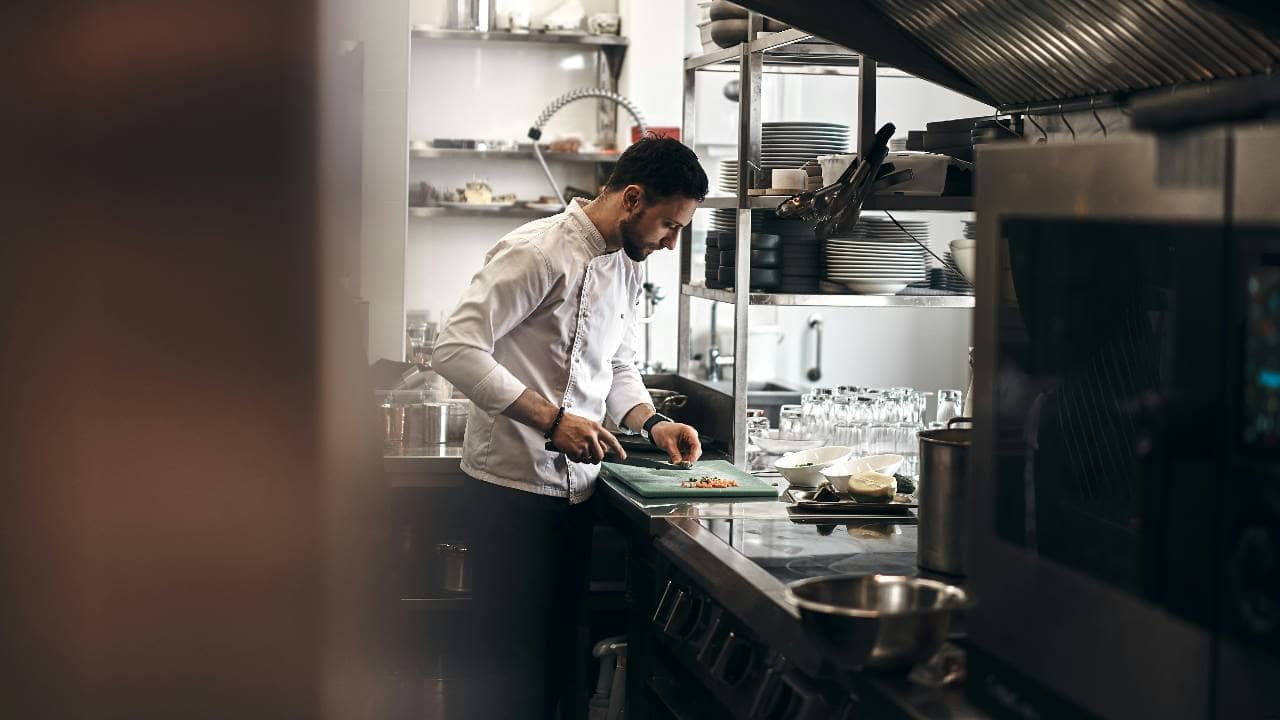
Complete guide helping restaurant owners choose essential kitchen equipment - covering cooking, refrigeration, prep, sanitation, ventilation, safety, and long-term maintenance planning.
Sep 7, 2026
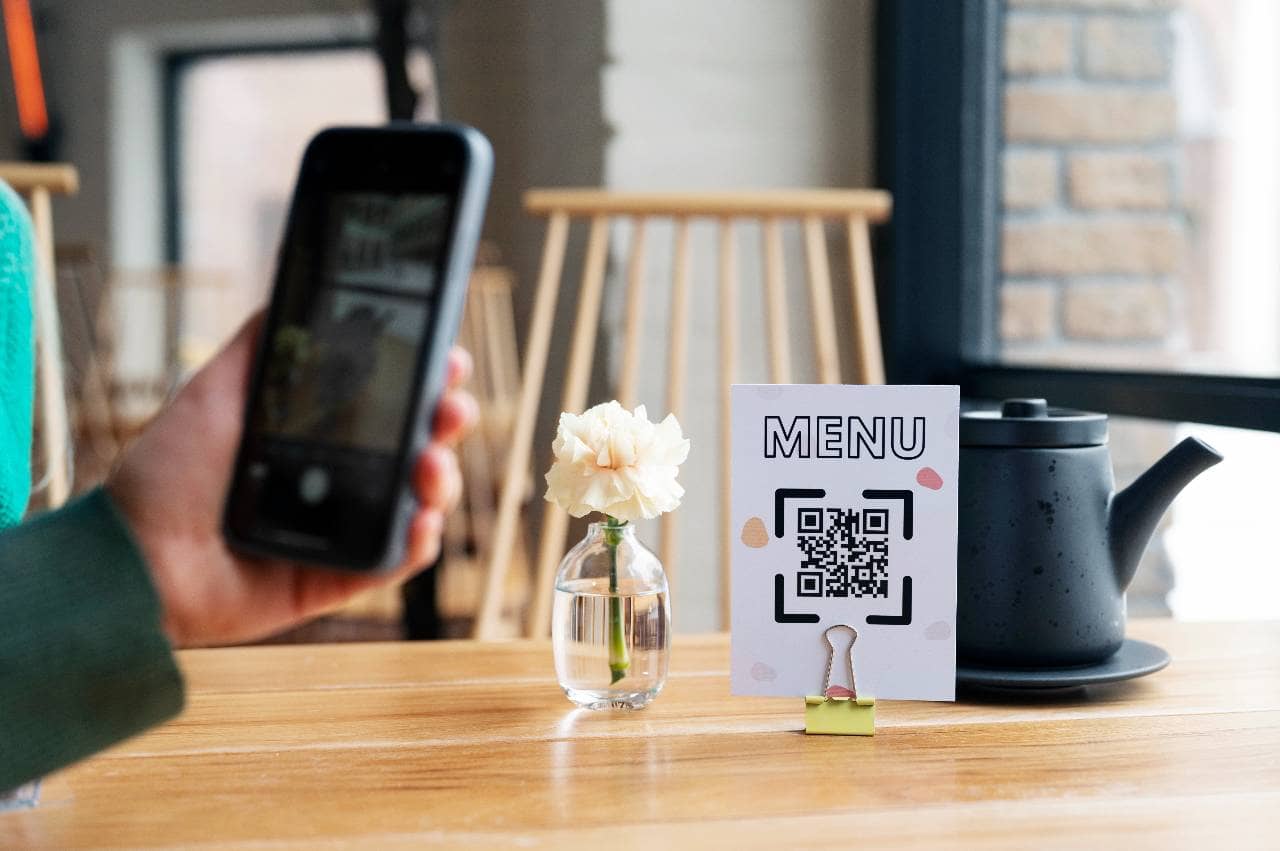
QR code menus let restaurants replace paper menus digitally, enabling instant updates, contactless browsing, ordering, and payment through simple smartphone scanning.
Sep 7, 2026

Avoiding common restaurant payroll mistakes - misclassification, tip credit errors, overtime miscalculations - protects businesses from costly penalties, back pay, and compliance risks.
Sep 4, 2026
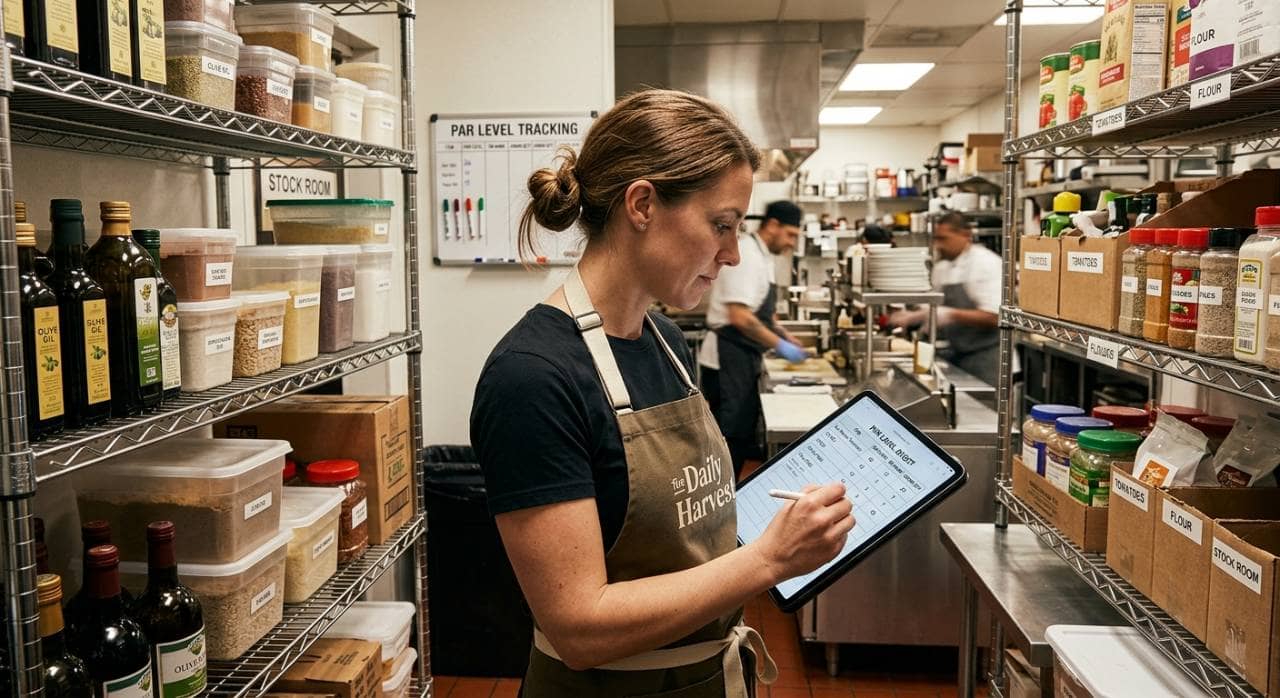
Learn to calculate par levels for restaurant food, beverages, and packaging inventory, preventing stockouts and waste through proper formulas.
Sep 4, 2026
Caribou Coffee appoints Zane Thomas-Rogers as Chief Operations Officer to strengthen execution across its expanding coffeehouse network.
Sep 4, 2026

Unlock Exclusive Access To Webinars, Events, And The Latest News For Free!
BJ’s Restaurants scales hospitality-led throughput through remodels, new training, and a prototype approach to lift guest experience and top-line sales.

Photo by Annabel Coope
From the moment the plan was announced, the transformation felt less like a fashion refresh and more like a careful choreography. BJ’s Restaurants has launched the second phase of its Gracious Hospitality program, a deliberate rebalancing of throughput and guest experience across its roughly 200-location footprint. Under the guidance of Greg Levin, the brand’s chief executive, the initiative seeks to move guests more quickly from greeting to order while preserving a gold standard of hospitality and operational excellence. Initiated in April, the program centers on structural changes that reframe how dining rooms breathe, and it sets a tempo for what follows: a measured recalibration of pace without sacrificing warmth:
Central to the plan are tangible levers: a rebalanced table count per server, plus added food runners and a dedicated expediter to sustain speed without exhausting staff. In parallel, BJ’s is testing kitchen display systems and server tablets to sharpen the exchange between front of house and kitchen. The aim, according to Greg Levin, is to let servers reach guests sooner and push orders into the kitchen and the bar with greater alacrity. A wide program of hourly training is slated for the third and fourth quarters to standardize best practices across locations and to embed discipline inside hospitality. “In April, we initiated our enhanced service model, which balances the number of tables per server, food runners and quality fast expediter positions in our restaurants,” Greg Levin said. “These changes allow servers to get to our guests sooner, so we can get orders into the kitchen and the bar faster.”
The backbone of the rollout is a thoughtful reallocation of labor and the addition of support roles designed to sustain pace without overburdening a single server. Levin described the April initiation as a balance of tables per server, food runners, and a dedicated fast expediter in each restaurant. The objective is twofold: push guests to be seated and move orders to the kitchen and bar with greater speed, while preserving the human presence that defines the BJ’s experience. Beyond staffing, the orchestra includes a closer look at technology, how kitchen display systems alert teams and how server tablets are deployed for real-time coordination. The broader aim is to raise table turnover and improve guest satisfaction through consistent, prompt service, in concert with the remodel program and prototype efforts. “In April, we initiated our enhanced service model, which balances the number of tables per server, food runners and quality fast expediter positions in our restaurants,” Greg Levin explained. “This will include additional side-by-side training for all new hourly team members.”
A pivotal thread in the narrative is a manager-centric dining room presence, leaders supervising standards and guest interactions in real time, ensuring that speed never eclipses warmth. Technology enhancements are positioned as accelerants, not substitutes for hospitality. The protocol, it seems, is less a crash course in efficiency and more a refined lexicon of operational discipline that can scale across the brand’s multi-state footprint. As the plan matures, the team expects to see tangible gains in throughput without compromising the signature BJ’s welcome.
Beyond the physical remodels, the human element sits at the center of the program’s ambition. The next phase promises new hourly training with more side-by-side coaching for new hires, a practical precursor to translating the fixed costs baked into BJ’s restaurant model into sustained guest experiences. The leadership frames this as a scalable hallmark: consistent coaching that travels across locations, ensuring that a restaurant near Chicago or a store along the coast shares the same rhythm, standards, and spirit. The industry’s coverage has noted the progressive rollout and the ongoing coaching as catalysts for better guest engagement, a key lever in converting hospitality into measurable throughput.
Promotions, such as the Pizookie Pass featuring the brand’s signature pan cookie, are cited as incremental sales drivers during peak periods. In discussing holiday demand, Mother’s Day, Father’s Day, and graduation weekends, Levin underscored an emotional attachment among consumers to sit-down dining, a sentiment BJ’s seeks to capture through a blend of hospitality and value-driven promotions. CFO Tom Houdek noted that price increases were moderated in May, reflecting a disciplined approach to pricing amid macro volatility. Taken together, the initiatives signal a human-centric path to scalable growth rather than relying on promotions alone.
The quarterly figures illuminate the scale of BJ’s ongoing investments in hospitality and operations. In the fiscal second quarter of 2025, total revenues reached $365.6 million, up 4.5% from the prior year, with comparable restaurant sales up 2.9% on a per-restaurant basis in the company’s own data. Restaurant-level operating profit rose to $62.1 million, with margins expanding meaningfully. The results also showed stock discipline, with the company repurchasing and retiring hundreds of thousands of shares. Remodeling momentum continued: 19 remodels completed year-to-date, with approximately five more planned for the year, bringing the total remodeled or rebuilt to about 70 by year-end.
Attention to capital efficiency extended to the opening cadence: the Brookfield, Wisconsin location opened this year, with two additional openings anticipated in August and September. Each new prototype is designed to reduce construction costs by roughly $1 million (to about $6 million post landlord allowances) while delivering faster returns and improved operating efficiency. The prototype features a lighter color palette, a contemporary bar, and a 130-inch television at the room’s center. May pricing adjustments were limited to about 40 basis points, and the footprint now exceeds 200 locations across 31 states, underscoring the breadth of the transformation and its potential impact on top-line performance.
BJ’s remodel program and the new prototype approach sit within a broader industry movement: hospitality excellence paired with operating discipline and cost leverage. The enhancements to throughput and guest engagement are positioned as scalable, enabling the brand to pursue growth with discipline rather than relying solely on menu promotions. The 130-inch centerpiece and the lighter palette are design cues accompanying a move toward faster returns on investment, while pricing discipline aims to balance guest demand with value. Taken together, the strategy sketches a blended model of top-line growth, guest engagement, and capital efficiency as BJ’s expands in a measured, deliberate fashion.
Looking ahead, the company’s 2026 outlook contemplates 1% to 3% comparable-restaurant sales growth and sustaining margins through continued remodeling, labor productivity initiatives, and menu discipline. The emphasis remains on balancing top-line initiatives, hospitality, promotions, and selective openings, with disciplined cost control and prudent capital deployment. In this light, the path to sustained outperformance hinges on translating thoughtful hospitality into measurable throughput, aligning guest delight with the economics of a scalable, multi-state enterprise.