Leadership, Training, and Innovation
13. What strategies have been most effective in driving traffic and repeat visits across locations?
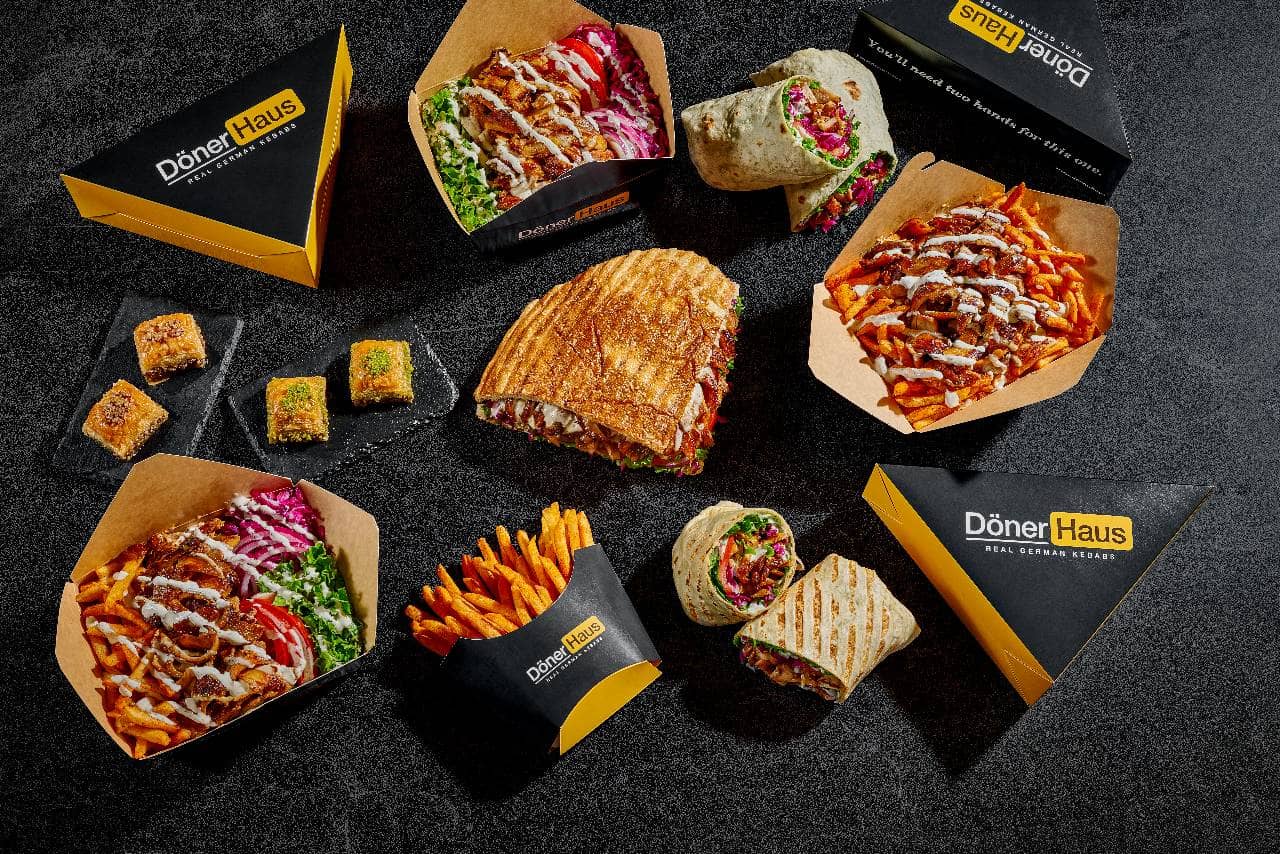
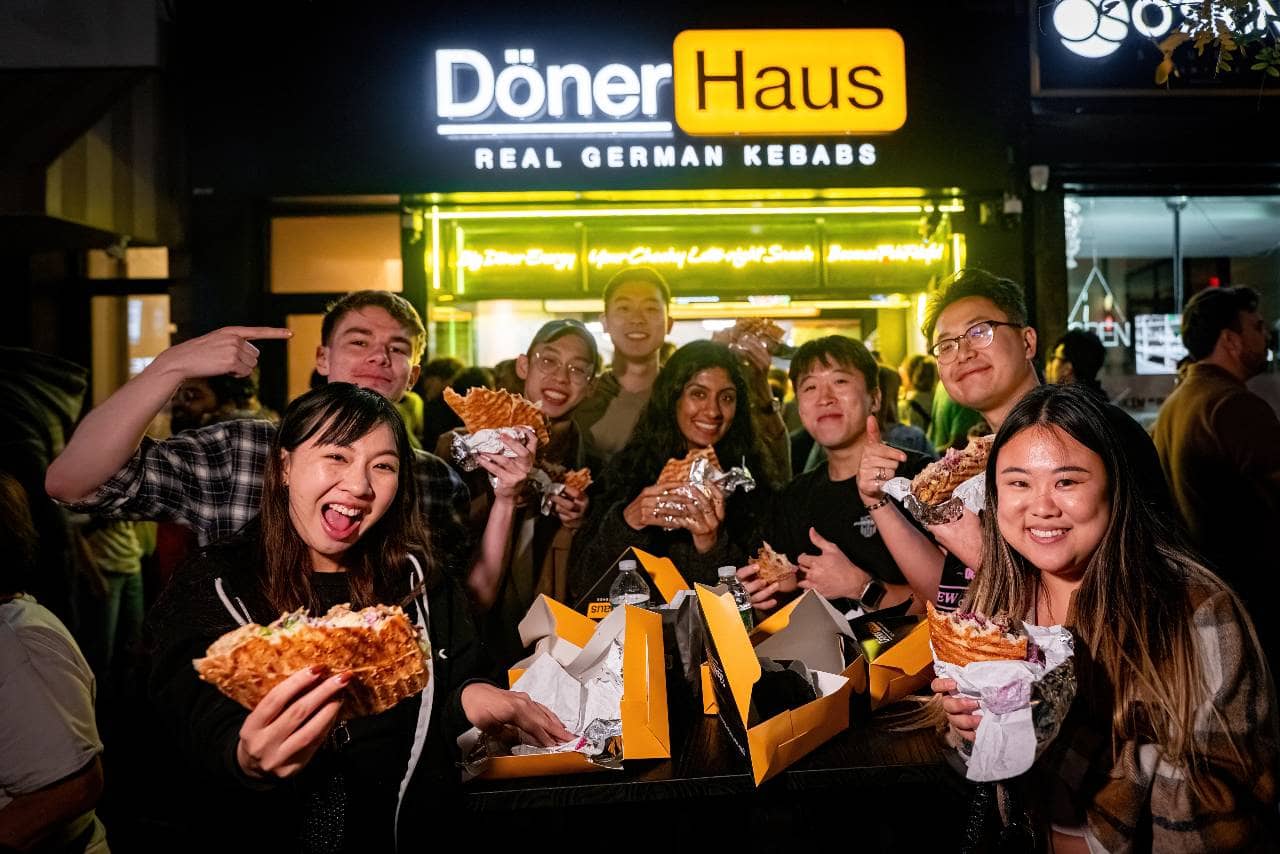
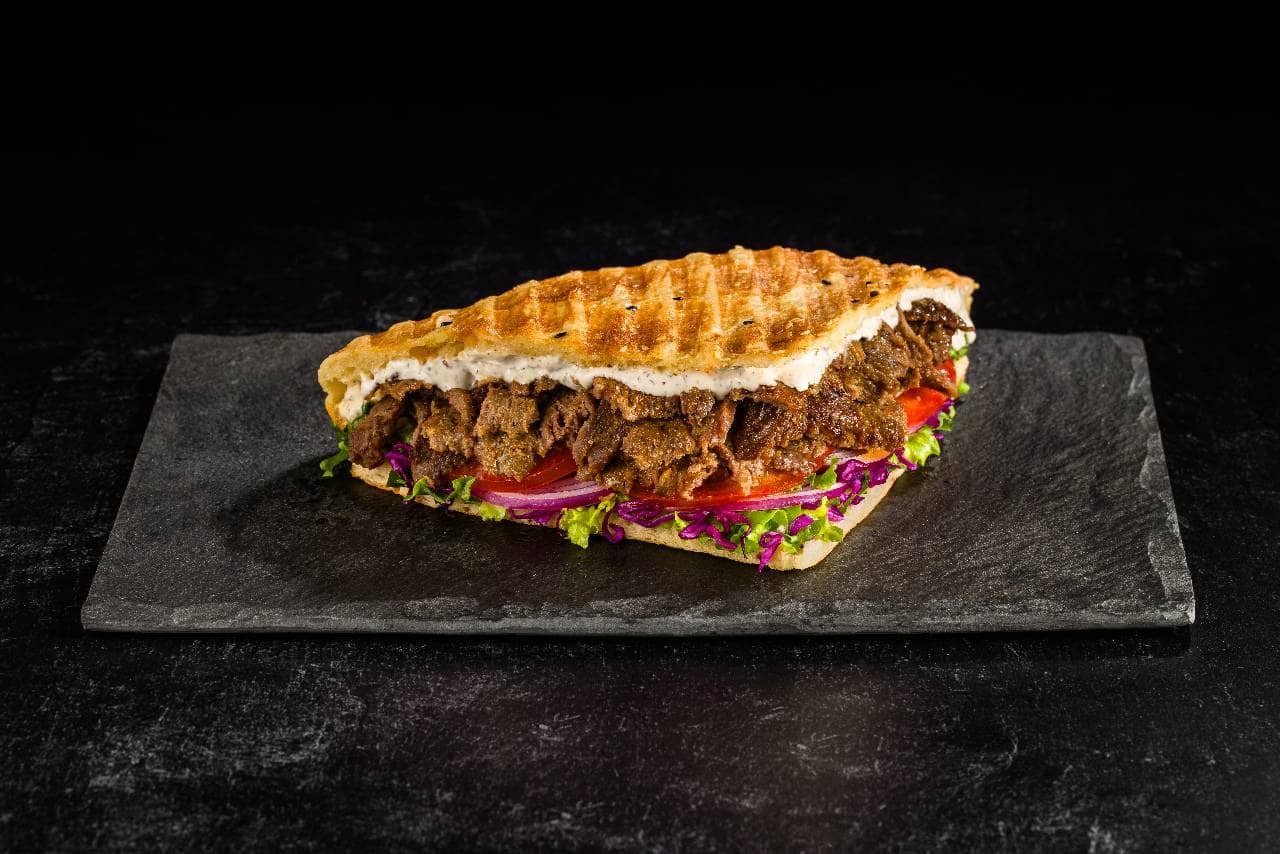
E. Social media has been a game-changer for us in terms of awareness and customer engagement. Our food photographs beautifully, and platforms like Instagram help us reach people who are constantly looking for unique food experiences. Beyond that, we use built-in rewards programs to keep customers coming back. Loyalty programs create a sense of belonging and incentivize repeat visits. We also rely on digital marketing to target local communities around each store. These combined strategies have proven highly effective in building a loyal customer base and maintaining high foot traffic.
14. What's your approach to leadership and communication across the franchise network?
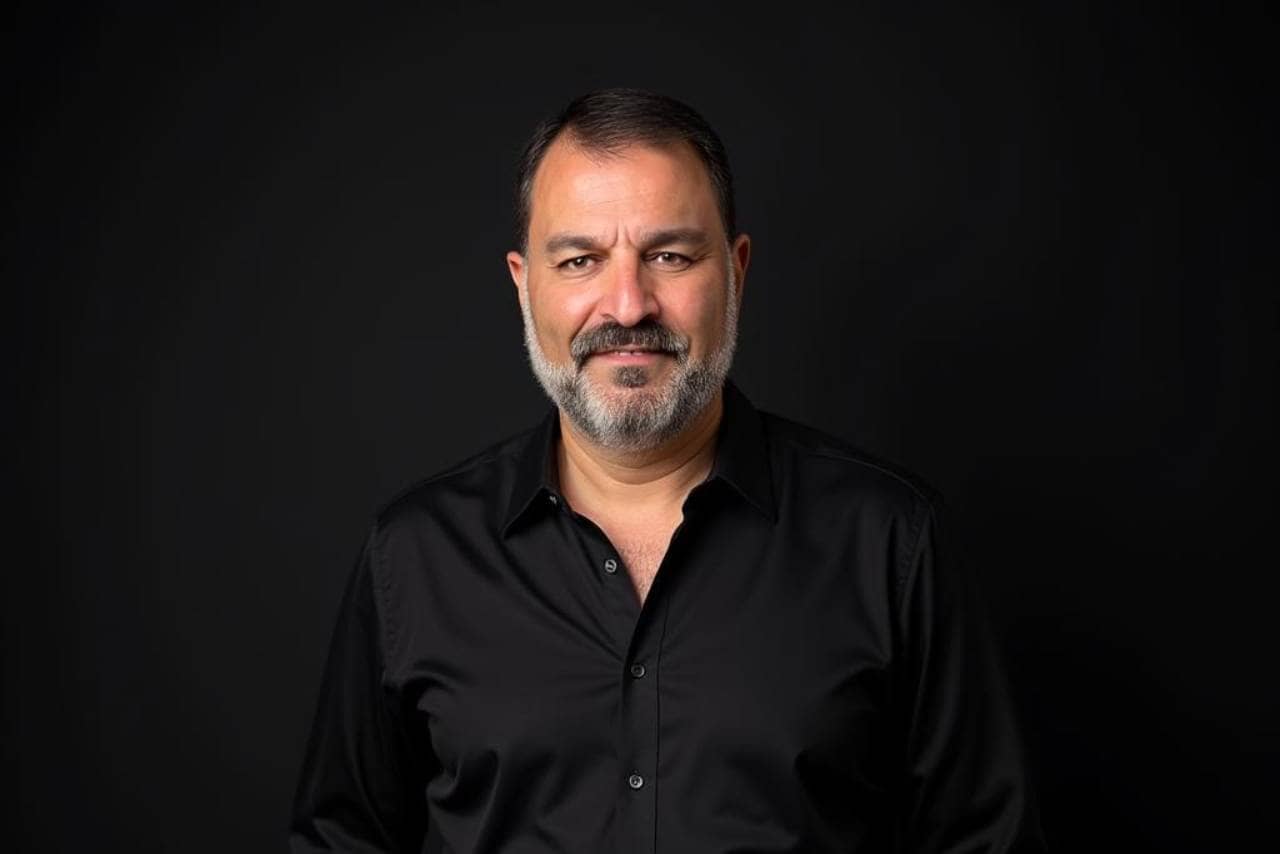
E. I take a very hands-on and collaborative approach. As Franchise Director, I'm involved in everything from development deals to day-to-day decision-making. I believe in clear, consistent communication with franchisees - whether it's sharing best practices, troubleshooting an issue, or planning local marketing campaigns. We treat franchisees like true partners, and that means listening as much as advising. I stay accessible and make it a priority to be involved at every stage, especially during the first year of operations. Strong communication builds trust, which is critical when you're growing a network across multiple cities and states.
15. What role does employee training and retention play in overall operational success?
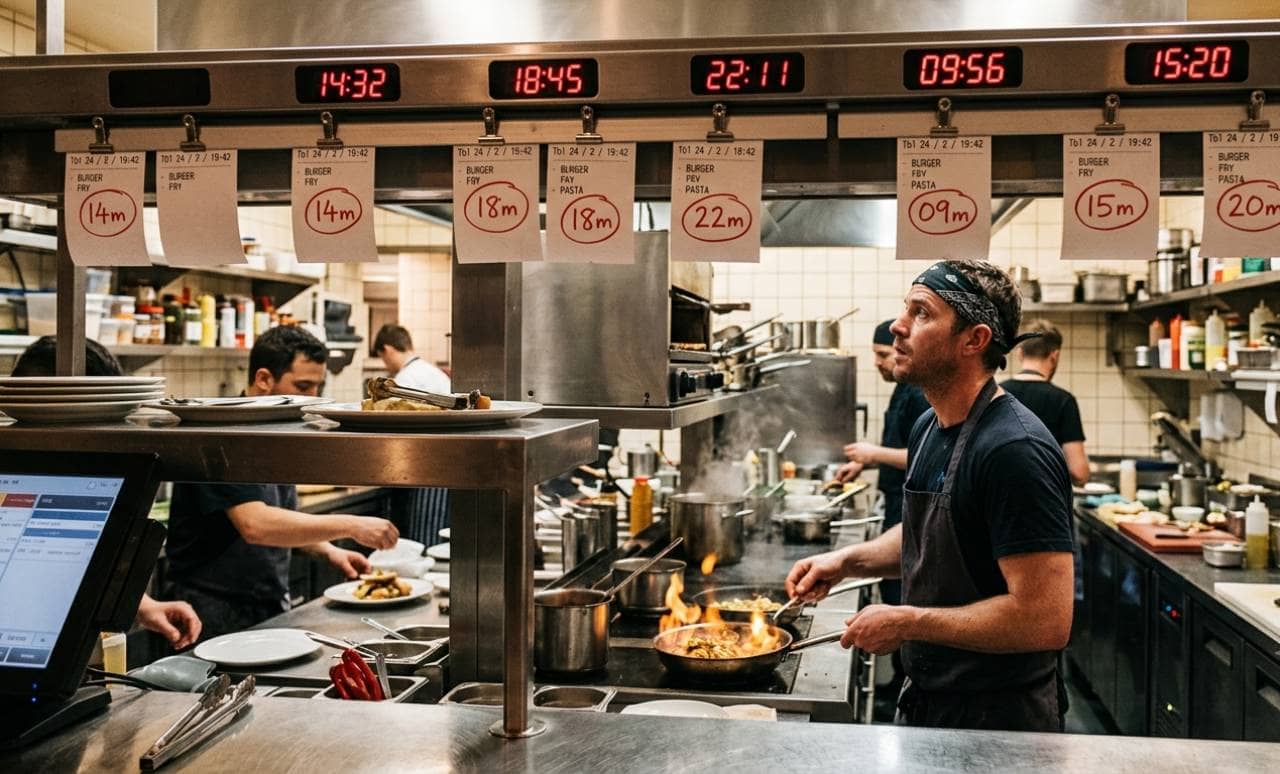
E. Training and retention are huge. The more you train your team, the more confident and consistent they become, which directly impacts the customer experience. We believe in cross-training so that every employee understands multiple roles - from prep to register to opening and closing procedures. Right now, we use manual checklists to ensure tasks are completed properly, but we're actively looking for training platforms that offer digital video content and on-demand modules. Retaining great staff reduces turnover costs and improves operational flow. A well-trained, happy team can make or break a restaurant's success.
16. What's the average timeline from franchise opening to profitability?
E. We're still in the early phase of our franchise rollout, but based on our NYC locations and early data, we generally see revenue gains around the six-month mark. Of course, profitability depends on several factors - location, staffing, marketing efforts - but we've designed our model to have low overhead and fast throughput. Because we use small footprints and efficient layouts, our stores can reach breakeven more quickly than traditional restaurants. Franchisees who follow the model and invest in training and local marketing often see a faster ramp-up.
17. How do you stay agile and innovative in a competitive and fast-changing industry?
E. Agility comes from openness to change and a willingness to adapt. I'm a strong believer in using technology to simplify operations and improve the customer experience. Whether it's automation, digital ordering, or performance tracking, we look for tools that reduce complexity without sacrificing quality. We're constantly evaluating new solutions that can help us improve - whether that's in kitchen workflow, training systems, or customer engagement. We also stay connected to industry trends but are careful not to chase every fad. The key is to stay modern while remaining true to what makes our brand special.
18. Are there any new formats (e.g., ghost kitchens, kiosks, non-traditional venues) Doner Haus is exploring?
E. Right now, we're sticking with our core restaurant format, but I'm always open to discussion. I personally don't love ghost kitchens because they lack the customer connection and experience we value. But food trucks? That's an idea we're open to. They offer flexibility, mobility, and a chance to test new markets without committing to a full build-out. The key is making sure any new format still supports the quality and efficiency we're known for.
19. Where do you see the brand in the next 3-5 years, and what's next on the growth roadmap?
E. Based on our early success and the overwhelming interest in franchising, I see us operating 40 to 60 locations within the next few years. Our immediate focus is on expanding in California and Chicago, which are both great markets for us. But beyond that, we're looking at national growth. The goal is to be the go-to name in authentic German-style doner across the U.S. We've built a brand that's scalable, unique, and high-quality - and now it's about choosing the right partners and markets to grow thoughtfully and sustainably.